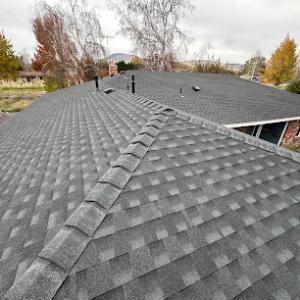
Roofing in Klamath Falls, OR
Last updated: Feb 28, 2026
Here in Klamath Falls, the roof above your home feels the full swing of a high-desert climate—bright summer sun baking shingles, icy mornings testing joints, and snowy winters that load eaves a bit more than you expect. This town knows that a roof isn't just about curb appeal; it's a line of defense against dramatic temperature swings and dry winds. The right choices here save energy, prevent leaks, and keep repairs affordable in the long run. As a local roofer and neighbor, I've built my advice around what actually works on our blocks, with a practical mindset you can trust.
This page is your practical, friendly guide tailored to our town. It gives you a clear sense of how Klamath Falls' conditions shape roof decisions and what works here in everyday life. Here's what you'll find a quick preview of:
- Local Climate and how it affects wear and snow-load
- Recommended Roofing Materials for Klamath Falls
- Popular Roof Styles & Architectural Trends in Klamath Falls
- Average Roofing Costs in Klamath Falls
- Permits & Local Regulations
- Common Roofing Problems in Klamath Falls & Solutions
- Maintenance & Repair Tips for Klamath Falls
- When to Repair vs. Replace
- When to hire a professional
Advice here is grounded in Klamath Falls' conditions and supported by local resources—city guidelines, nearby suppliers, and community references you can rely on. I'll translate that local know-how into practical steps, honest timelines, and realistic cost considerations, so you can plan with confidence whether you're patching a leak, upgrading insulation, or weighing a full replacement.
Let's start with Local Climate to set the pace for what your roof must endure in Klamath Falls, and go from there.
Local Climate & Its Impact on Roofs
Winter conditions in Klamath Falls
Klamath Falls sits at roughly 4,100 feet in a high-desert basin. Winters are cold, with freezing nights, occasional heavy snowfall, and gusty winds. Snow loading on roofs can vary by roof slope, shade, and sun exposure. Temperature swings between day and night drive freeze–thaw cycles that can stress shingles and flashing over time. Ice dams are a real risk when attic heat leaks into the roof, causing meltwater to refreeze at eaves and gutters.
Snow, Ice, and Ice Dams
- Protect the eaves: install an ice and water shield along the eaves and in low-slope areas to reduce water intrusion from damming.
- Insulate & seal the attic: keep living-space heat out of the attic to keep roof temperatures closer to exterior conditions and minimize dam formation.
- Ventilate: ensure adequate soffit and ridge ventilation so the roof stays cooler in winter.
- Snow management: use a roof rake from the ground to remove excess snow after storms; avoid climbing on icy roofs.
- Snow guards: consider snow guards or clips in areas with heavy snow to slow sliding snow and ice.
Material & Design Considerations
- Roof types: metal roofs shed snow well but need proper installation, underlayment, and flashing; asphalt shingles with good ice/water shield work well in this climate when properly vented.
- Underlayment: use a quality ice/water shield at eaves and in valleys to protect against damming and ice buildup.
- Fasteners and edges: corrosion-resistant nails or screws, with secure flashing around chimneys and skylights.
- Ventilation: a balanced system (soffit intake plus ridge exhaust) reduces heat buildup, extends shingle life, and helps prevent ice dams.
- Snow loads: verify design values for your exact location and roof geometry per local codes.
Summer Heat, Dryness, and UV Exposure
- Heat exposure accelerates aging: choose UV-resistant shingles or coatings and ensure adequate attic ventilation to reduce heat buildup.
- Dry conditions: lower chance of moss but higher dust and windborne debris; keep roofs and gutters clear to maintain performance.
- Color and finish: lighter hues reflect more sun; darker colors absorb more heat, affecting insulation needs.
Wind & Storm Patterns
- Klamath Falls can see strong gusts and storm-driven wind events; secure roof edges, flashing, and vents to resist uplift.
- Flashing integrity: inspect around chimneys, skylights, and wall intersections; reseal as needed to prevent wind-driven leaks.
- Debris risk: high winds can accumulate leaves, pine needles, and small branches on the roof, increasing fire risk in dry spells.
Maintenance & Inspection Schedule
1. Conduct a post-storm roof check after heavy snow or wind events.
2. Schedule a pre-winter inspection to verify insulation, ventilation, and underlayment.
3. Clear gutters and downspouts before the rainy season begins.
4. Inspect flashing, seals, and vent caps annually, and after any hail or heavy ice events.
5. Have a licensed roofer assess damage or warranted replacements if you notice curled shingles, missing granules, or leaks.
Local Risks & Official Resources
- Wildfire risk rises in hot, dry summers; keep pine needles and vegetation cleared from the roof and surrounding area, and follow local fire-safety guidance. Embers can travel far on windy days.
- Official resources:
- National Weather Service: climate and winter storm data for Klamath Falls (Medford area):
- Oregon Department of Consumer and Business Services, Building Codes Division (snow-load and roofing standards):
- Oregon Climate Office (local climate trends and data):
Recommended Roofing Materials for Klamath Falls
For many homes in our high-desert climate, asphalt shingles strike the right balance of cost, availability, and performance. Modern architectural (dimensional) shingles hold up better in wind than old 3-tab styles and come with longer warranties. Look for products with Class A fire rating and a solid wind uplift rating. In winter, pairing the shingles with a quality synthetic underlayment and an ice-and-water shield at eaves helps prevent ice dams.
- Best option: architectural/dimensional shingles
- Fire rating: Class A
- Wind uplift: target 110 mph or higher
- Hail resistance: consider impact-resistant (Class 3–4) if hail is a concern
- Warranty: typically 30–50 years
- Underlayment: synthetic plus ice dam shield at eaves
Steps to choose
1) Verify fire and wind ratings on the specific shingle model
2) Choose architectural shingles with stronger wind performance
3) Check warranty length and installer credentials
4) Ensure proper ventilation and quality underlayment with professional installation
Metal roofs perform exceptionally well in Klamath Falls, shedding snow and resisting wind. They last decades, are noncombustible, and reflect heat when you pick a light or cool coating. The upfront cost is higher, but long-term savings and minimal maintenance are compelling.
- Types: standing-seam and metal shingles
- Pros: excellent wind and hail resistance, long life (40–70 years), energy efficiency
- Cons: higher upfront cost, potential noise if not well insulated
- Considerations: choose durable coatings and color that maximize reflectivity
Steps to choose
1) Prefer standing-seam for best weather-tight performance
2) Select a durable coating (PVDF/Kynar) and reflective color
3) Confirm roof deck support and attic ventilation
4) Hire a local installer with metal roofing experience
Cedar shakes offer distinctive curb appeal, especially on mountain-style homes. They require more upkeep than metal or asphalt and carry higher fire risk if not treated. With proper maintenance, they can perform well in dry, sun-exposed environments, but snow load and rot are considerations.
- Aesthetic value: warm, natural look
- Maintenance: periodic staining/sealing; inspect for rot and insect damage
- Fire risk: higher; fire-retardant finishes or treated cedar can help
- Lifespan: roughly 25–40 years with good maintenance
Steps to choose
1) Assess fire risk and maintenance plan
2) Ensure proper ventilation and moisture control
3) Schedule stain/seal every 3–7 years
Slate and Other Natural Stone: Premium Longevity
Slate and natural stone offer superb durability and fire resistance, but they're heavy and expensive. They require structural support assessment and skilled installation.
- Durability: 50–100+ years
- Fire resistance: excellent
- Weight and cost: substantial; require structural evaluation
- Installation: done by slate specialists
Steps to choose
1) Have a structural engineer review roof framing
2) Use qualified slate installers
3) Budget for moss control and occasional replacements
Clay and concrete tiles provide excellent fire resistance and a bold look, but they're heavy and can be susceptible to cracking in freeze-thaw cycles. They're a good long-term option where the roof structure can handle the weight.
- Fire rating: Class A
- Weight: heavy; requires structural reinforcement
- Climate note: frost resistance matters; avoid brittle tile in extreme cold
- Cost: higher upfront, long lifespan
Steps to choose
1) Verify roof structure can support tile weight
2) Use proper underlayment and fasteners designed for freeze-thaw
3) Inspect for cracked tiles after heavy snow or hail
Flat or Low-Slope Roofs: EPDM, TPO, and PVC
Low-slope sections (garages, additions) commonly use membranes such as EPDM, TPO, or PVC. These can perform well in dry to mixed climates but require good drainage and seam integrity.
- Pros: good water sealing, adaptable to various budgets
- Cons: heat absorption in sun, seam issues if poorly installed
- Lifespan: 15–25 years depending on material and care
Steps to choose
1) Ensure adequate slope and drainage
2) Select a UV-stable, climate-appropriate membrane
3) Schedule regular inspections and maintenance
Quick Wind and Hail Readiness: Practical Guidelines
- Prioritize wind-rated and impact-resistant options
- Use a high-quality underlayment and ice-dam protection
- Work with a local contractor who understands Klamath Falls weather patterns
Popular Roof Styles & Architectural Trends in Klamath Falls
Gable and Hip Roofs: Classic Fits for Klamath Falls
Klamath Falls homeowners often favor simple, durable shapes that handle snow, wind, and variable weather. Gable and hip roofs are common for good reason: they shed snow efficiently and stay robust in gusty conditions. Cross-gable or wraparound designs add curb appeal on hillside lots without sacrificing performance.
- Gable roofs: cost-effective, easy to vent, great attic space, but shoulder higher wind uplift in exposed sites.
- Hip roofs: balanced wind resistance, steadier appearance, and better in heavier snow zones.
- Cross-gable: stylish and spacious, but requires careful flashing and a solid substrate.
- Pitch considerations: many local homes use 4/12 to 6/12 as a comfortable range; steeper pitches shed snow faster but may require more shingle or panel material.
Materials that Stand Up to Klamath Falls Weather
Local climate dictates material choice. The most common, practical options blend durability, maintenance, and cost.
- Asphalt architectural shingles: stylish, affordable, and easy to replace; dimensional (3D) shingles mimic the look of wood without the upkeep.
- Metal roofs (standing seam or corrugated panels): exceptional longevity, superb wind and snow performance, excellent for solar integration, and fire resistant.
- Fiber cement or cementitious shakes: fire resistance and good impact durability; available in wood-look textures with low maintenance.
- Clay or concrete tiles: durable and cool-looking, but heavy and best with a structural upgrade; not as common on mid-desert lots due to weight and snow considerations.
- Slate: gorgeous and long-lasting but expensive and weight-intensive; reserved for high-end remodels or historical restorations.
Quick 4-step Guide to Choosing a Roof Style in Klamath Falls
1) Assess local snow load and wind exposure for your property.
2) Match roof shape to your home's architecture and any HOA or historic district guidelines.
3) Pick a material that balances curb appeal, maintenance, and structural capacity.
4) Plan for solar readiness and venting needs in your canopy design.
Metal can be a smart upgrade in this region, combining resilience with a clean aesthetic.
- Standing-seam options offer clean lines and excellent weather sealing.
- Color coatings (oxide-rich, ceramic-infused, or reflective finishes) help with heat management.
- Snow shedding and wind resilience reduce risk of ice damming and uplift.
- Ready for solar: roofs with metal panels often simplify mounting and long-term energy gains.
Color Palettes & Texture Trends
Local style favors grounded, natural tones that blend with pine forests and volcanic landscapes.
- Earth tones: deep browns, warm grays, and olive greens to minimize showing dirt and aging.
- Cool neutrals: charcoal and slate shades that complement metal accents and fiber cement textures.
- Wood-look textures (fiber cement or engineered composites) give a classic feel with lower maintenance than real wood.
Ventilation, Insulation, and Snow Guards
Proper ventilation and snow management keep roofs performing year-round.
- Ventilation: ridge vents with soffit intake for consistent air flow; consider powered attic fans in larger spaces.
- Insulation: thick attic insulation improves comfort and reduces ice dam risk.
- Snow guards: recommended on steeper pitches to control snow movement and protect gutters.
Solar-Ready and Net-Zero Trends
Solar is increasingly common in Klamath Falls, so many homes are designed with future PV in mind.
- Orientation and shading: position panels where sun exposure is strongest while avoiding persistent tree shade.
- Mounting compatibility: standing-seam metal roofs and asphalt with proper underlayment ease solar integration.
- Long-term value: pairing a robust roof with solar reduces utility costs and increases home resilience.
Local Historic and Neighborhood Style Influences
Some neighborhoods or historic districts in Klamath Falls emphasize traditional forms and careful color choices.
- Steeper pitches and narrower eaves appear in older districts, paired with classic materials.
- Wood, fiber cement, or cementitious shakes with simple color schemes help maintain neighborhood character.
- Modern updates often aim for a balanced blend: contemporary materials that honor surrounding architecture.
Average Roofing Costs in Klamath Falls
Typical Range by Roofing Material
- Asphalt shingles: approximately $4.50 to $7.50 per sq ft installed, including underlayment, flashing, and disposal. Three-tab shingles on a simple roof tend toward the lower end; architectural/dimensional shingles push toward the higher end.
- Metal roofing: about $8.00 to $12.50 per sq ft installed. Standing-seam metal runs higher, while basic corrugated panels are on the lower end. Extra coatings or color options can add a bit more.
- Cedar/shake: around $7.50 to $12.00 per sq ft installed. Provides a natural look with good insulation, but requires maintenance and stain/seal upkeep.
- Concrete/clay tile: roughly $10.00 to $18.00 per sq ft installed. Heavier and more fragile during hail or heavy snowfall; structural support and roof deck conditioning often add to the cost.
- Synthetic/composite: about $5.50 to $9.50 per sq ft installed. A versatile option that mimics wood or slate with lower weight and maintenance needs.
Notes:
- Costs vary with roof pitch, complexity (dormers, valleys, skylights), and removal of an old roof.
- Local permitting, disposal, and minor upgrades (ventilation, ice-dam prevention) typically add to the base material price by a few thousand dollars on average projects.
Local Factors That Impact Klamath Falls Roof Costs
- Snow and ice dam prevention: Klamath Falls winters make ice-dam barriers and extra eaves protection common, adding to material and labor.
- Roof pitch and complexity: Steeper or multi-level roofs require more prep, safety gear, and time, lifting overall costs.
- Access in winter: Snow, ice, and cooler job sites can slow work and raise labor costs.
- Old roof removal: If you're stripping multiple layers, disposal and labor fees rise.
- Local codes and permits: Permit fees and inspections apply; some seasons have longer lead times.
- Ventilation and insulation: Upgrading attic ventilation or adding insulation often accompanies a re-roof and increases overall price, but improves energy efficiency.
Typical Project Scenarios in Klamath Falls
- Replacing an asphalt shingle roof on a mid-size home: roughly $6,500 to $11,500, depending on roof size, pitch, and removal needs.
- Upgrading to metal for longevity: about $12,000 to $22,000, influenced by panel type and fastening method.
- Cedar/shake replacement: around $11,000 to $18,500, with maintenance considerations for the climate.
- Tile roof installation: typically $15,000 to $28,000, factoring in structural checks for weight and snow load.
- Synthetic/composite option: generally $9,000 to $16,000, balancing durability and weight.
Step-by-Step Planning for Your Klamath Falls Roof
1) Measure the roof area and note pitch and complexity; get an exact quote based on square footage and roof features.
2) Gather at least 3 written bids from licensed local contractors; ask for material specs and warranty details.
3) Confirm ice-dam and wind-ventilation requirements for the area; plan for ice barriers and proper attic ventilation.
4) Check existing deck condition, ventilation, and insulation; plan upgrades if needed to improve energy efficiency.
5) Schedule work for favorable weather windows (late spring or early fall); confirm access and snow-free days if winter is imminent.
6) Clarify removal scope, disposal fees, and any additional costs (permit, scaffolding, contingency).
Quick Local Considerations for Klamath Falls Homes
- Climate impact: harsh winters and heavy snow dictate stronger underlayment and durable materials.
- Aesthetics and neighborhood style: local home styles often favor architectural shingles or metal profiles that blend with older homes and new builds alike.
- Warranties and service: look for coverage that aligns with Oregon weather patterns and local contractor responsiveness.
- Long-term value: higher upfront costs for durable materials can pay off through longer life, better insulation, and lower maintenance in this climate.
Permits & Local Regulations
Do I need a permit for a roof in Klamath Falls?
- In most cases, yes. Reroofing and any work that affects the roof deck, ventilation, or flashing typically requires a permit in Klamath Falls. Even when installing the same materials, the city uses permitting to verify underlayment, venting, and flashing meet code and to ensure wind resistance.
- If your project includes skylights, altered venting, or changes to structural components, a permit is almost always required.
- Rules can vary by neighborhood and project scope, so check with the City of Klamath Falls Building Division before you start.
How to apply for a roof permit
1) Contact the City: Reach out to the Building Division or use the official permit portal to confirm requirements for roofing.
2) Gather documents:
- Property address and legal description
- Clear project scope (roof type, materials, replacement vs. repair, any structural work)
- Roofing contractor details and license number
- Manufacturer installation guidelines and product specs
- Plans or diagrams if you're changing attic venting or deck structure
3) Submit: File your permit application online or in person. Attach all required documents; plan review may be needed for structural changes.
4) Pay fees: Permit fees depend on project value and scope; expect possible inspection fees as well.
5) Plan review (if needed): Minor reroofs may be exempt from review; more complex changes require plan review and potential corrections.
Inspections during a roof project
- Pre-inspection (demolition/roof deck condition): Confirm existing structure and deck condition; ensure proper removal of old materials.
- In-progress inspection (underlayment, flashing, ventilation): Verify layout, underlayment type, flashing details, and venting placements.
- Final inspection: Roof is complete; all components installed per code and manufacturer specs; ensure a clean site and no leaks.
Materials, wind, and code considerations
- Oregon code: Statewide rules with city amendments apply. The city adopts the Oregon Structural/Residential Specialty Code with local amendments. Expect inspections around wind resistance, nailing patterns, underlayment, and flashing.
- Wind/hail considerations: In higher wind zones near Klamath Falls, ensure shingles, underlayment, and anchors meet local uplift requirements.
- Ventilation and attic access: If you modify attic venting, plans may need to show new vent locations and sizes.
HOA and neighborhood considerations
- If you're in a Homeowners Association or historic district, there may be aesthetic or material restrictions. Check HOA guidelines and any local neighborhood retrofit rules.
- Some areas limit exterior appearance or material color even when a city permit isn't strictly required.
Common pitfalls to avoid
- Starting work without a permit: Can trigger fines, stop-work orders, and required rework.
- Skipping inspections or giving incomplete information: Causes delays and potential rework.
- Using non-approved materials: Ensure shingles, underlayment, and flashing meet the city's code and the manufacturer's warranty.
Quick-reference checklist
- Verify permit requirement with the City of Klamath Falls Building Division
- Gather scope, specs, contractor license, and product data
- Submit application, pay fees, and schedule inspections
- Complete all inspections and obtain final approval
Always verify with the City of Klamath Falls Building Division for the latest rules, as codes and requirements can change. The guidance above reflects typical residential reroof expectations in the city.
Common Roofing Problems in Klamath Falls & Solutions
Ice dams and moisture intrusion
In Klamath Falls, heavy winter snow followed by warm days can melt on the roof and refreeze at the eaves. If attic insulation is lacking or ventilation is poor, heat rises into the attic and accelerates melting, creating ice dams that back up water under shingles.
- What to look for
- Icicles forming along eaves
- Damp patches or staining on ceilings and upper walls
- Soft or swollen plywood near the attic floor
1) Improve attic insulation to meet climate needs and seal air leaks around penetrations.
2) Increase attic ventilation with a proper balance of soffit and ridge vents (or baffles) to keep the attic cooler.
3) Keep gutters and downspouts clear so meltwater can shed away from the fascia.
4) When replacing the roof, consider installing an ice and water shield along the eaves and in problem areas.
5) If an ice dam forms, carefully remove snow from the roof with a roof rake from the ground; avoid chiseling shingles.
Flashing and roof penetrations leaks
Leaks around chimneys, vents, and skylights are common where flashing fails or sealants crack over time, especially with temperature swings.
- What to look for
- Damp spots or a musty smell near penetrations
- Cracked or missing flashing where roof meets vent pipes or chimneys
- Rusted nails or loose sealant around flashings
1) Inspect and reseal or replace damaged flashing with metal flashing designed for roofs.
2) Re-secure loose nails and ensure proper nail placement to avoid leaks.
3) Use high-quality, compatible sealant at joints, but rely on flashing rather than caulk alone for a lasting fix.
4) For aging or widespread flashing issues, a professional reflash may be the best long-term fix.
Shingle wear, curling and granule loss
Sun exposure, wind, and seasonal freeze-thaw cycles wear asphalt shingles, causing curling, cracking, and granule loss. In Klamath Falls, dry summers and cold winters accelerate deterioration.
- What to look for
- Curling or cupping shingles
- Bald spots where granules are missing
- Visible gaps or uneven roof surface
1) For aging roofs (roughly 20–25 years), plan a full or partial roof replacement rather than cosmetic patching.
2) Localized damage can be repaired with matching shingles, but widespread wear usually requires replacement.
3) Consider upgrading to higher-grade architectural shingles or metal for better wind resistance and longevity.
4) Ensure proper underlayment and ventilation during any replacement to extend life.
Moss, algae and lichens growth
Moss and algae love shaded, moisture-prone spots. In Klamath Falls, shaded roofs and evergreen debris can promote growth, which lifts shingles and traps moisture.
- What to look for
- Greenish or dark patches on the roof surface
- Moss strands that feel spongy to the touch
- Increased cleaning or maintenance needs after storms
1) Gently remove moss with a soft brush or low-pressure wash; avoid aggressive scrubbing that can damage shingles.
2) Apply a roof-safe moss treatment following label instructions; reapply as needed.
3) Trim overhanging branches to reduce shade and moisture retention.
4) Install zinc or copper strips along the roof ridge to inhibit moss regrowth.
Wind damage and lifted shingles
High-desert winds can lift and loosen sections of roofing, especially on unreinforced edges or older shingles.
- What to look for
- Raised or missing shingles after storms
- Exposed nails or torn sealant along the seam lines
- Visible gaps in the drip edge or ridge line
1) Inspect after strong winds and re-nail loose shingles with proper fasteners to seal them again.
2) Use wind-rated shingles and verify correct nailing patterns during installation.
3) If widespread, consider a full re-roof or upgraded underlayment to improve wind resistance.
4) Keep trees trimmed away from the roof to reduce wind-driven debris.
Poor attic ventilation and condensation
Insufficient ventilation can lead to heat buildup, moisture, and deck rot, especially in the dry but variable climate of Klamath Falls.
- What to look for
- Condensation on sheathing or noticeable humidity in the attic
- Musty attic odor or ice dams during winter
- Warm attic floors in cold weather
1) Check for blocked soffit and ridge vents; ensure unobstructed airflow with proper baffles.
2) Add or balance vents (soffit, ridge, or continuous soffit vents) to improve circulation.
3) Add or upgrade attic insulation to reduce heat transfer into the attic space.
4) Address ductwork leaks or moisture sources in the attic to prevent condensation.
Maintenance & Repair Tips for Klamath Falls
Seasonal Inspections
- Winter (Dec–Feb): Inspect flashing around chimneys, vents, and skylights for cracks or loose seals. Look for exposed nails or lifted shingles after heavy storms. Check for ice dams on eaves and near gutters.
- Spring (Mar–May): After winter, scan for shingle granule loss, cracked seals, or blistering. Clear debris from valleys, gutters, and downspouts. Inspect vent boots and metal flashings for rust or tears.
- Summer (Jun–Aug): Check for dark streaks, moss, or lichen on shady or high-sun areas. Watch for heat-related cupping or curling of shingles on older roofs.
- Fall (Sep–Nov): Clean gutters, inspect for loose or missing shingles after autumn winds, and ensure attic vents aren't blocked by insulation or debris.
Snow, Ice, and Debris Management
- Snow removal: Use a plastic roof rake from the ground to knock loose snow off the lower roof areas after storms. Avoid walking on a snowy or icy roof.
- Ice dams: Improve attic insulation and ventilation to minimize melt-and-refreezing cycles. If dams form, carefully clear the edge of ice with a plastic tool from the ground.
- Debris control: Keep branches away from the roofline. Remove pine needles, leaves, and small limbs from valleys and along edges to prevent drainage blockages.
Gutter and Drainage Care
- Schedule a gutter cleaning twice a year (late fall and spring) to remove leaves, needles, and debris.
- Check for sagging sections and tighten hangers. Ensure gutters slope toward downspouts for proper drainage.
- Downspouts: Extend splash blocks or extend piping a few feet away from the foundation to prevent basement or crawlspace issues.
Ventilation, Attic Insulation, and Condensation
- Ventilation: Ensure soffit and ridge vents (or two-panel venting) aren't blocked by insulation or debris. A balanced venting approach reduces condensation and improves roof longevity.
- Insulation: Aim for adequate attic insulation (typical regional recommendations; have a pro verify). Adequate insulation reduces ice dam risk and helps protect decking.
- Condensation: Check for warm, humid air escaping into the attic; address attic vapor barriers if needed to prevent mold and wood rot.
Roofing Material Maintenance (Common Types Found in Klamath Falls)
- Asphalt shingles: Look for curling, cracking, and granule loss. Replace damaged shingles promptly and reseal around flashings.
- Metal roofs: Inspect fasteners and seams for corrosion or looseness. Clean panels if staining occurs; check for denting after storms.
- Wood shakes: Check for split, cupped, or cracked shakes; seal or replace damaged pieces to prevent leaks.
- Tile or clay: Inspect for cracked or displaced tiles and reseal flashing around vents and chimneys as needed.
Common Repairs and DIY Guidelines
1. Leak repairs around flashings:
- Identify source, dry area, and remove damaged sealant.
- Re-seat flashing and apply a high-quality roof sealant or appropriate flashing cement.
2. Missing or damaged shingles:
- Match shingle type and size, lift surrounding shingles carefully, replace, and secure with three to four nails per shingle.
- Seal edges with compatible asphalt cement or sealant.
3. Damaged vent boots:
- Remove boot and replace with a new vent boot; reseal with flashing cement.
4. Small gaps around chimneys or vents:
- Apply flexible sealant, verify proper flashing, and ensure water flows away from the penetration.
When to Call a Pro
- Persistent leaks or active water intrusion inside the home.
- Structural damage such as sagging decking, large creases, or significant missing sections.
- Roof systems over 20–25 years old with multiple worn areas or frequent repairs.
- Uncertain patching, difficult-to-access areas, or complex flashing configurations.
Local Considerations for Klamath Falls
- Wind and snow loads: Expect winter wind events and heavier snow in higher elevations. Ensure adequate fasteners and protective flashing in exposed areas.
- Tree debris: Regularly remove pine needles and branches that accumulate in valleys and along edges.
- Temperature swings: Address expansion and contraction effects on flashing and sealants; reseal seams after hot seasons.
Quick 12-Month Care Plan (Overview)
1) Fall: clean gutters; inspect for loose shingles; note any flashing issues.
2) Winter: monitor for ice dams; keep attic ventilated; avoid dangerous roof access.
3) Spring: purge debris; repair minor issues; test drainage from downspouts.
4) Summer: inspect for moss or staining; reseal exposed flashing as needed.
When to Repair vs. Replace
Local climate impact in Klamath Falls
- Cold winters with snow and freeze–thaw cycles can push weak spots into leaks or deck damage if not addressed.
- Strong sun and UV exposure wear shingles faster, especially on south-facing slopes.
- Pine needles and debris accumulate and trap moisture, promoting moss or rot if not kept clean.
- Ice dams are a common concern; improper ventilation and insulation can worsen them and damage edges and flashing.
Quick decision framework
1) Consider age and material. Asphalt shingles last 20–30 years; metal 40–70 years; tile/slate can exceed 50 years. If your roof is approaching the end of its expected life, replacement becomes more sensible.
2) Assess damage spread. A few damaged shingles or a localized flashing leak is often repairable; widespread curling, buckling, or multiple leaks across the roof points to replacement.
3) Check the roof deck. If the decking is soft, warped, or rotten, repair won't hold long; replacement is recommended.
4) Look at energy and moisture. Persistent ice dams, high attic moisture, or poor ventilation tied to leaks usually signal replacement to improve insulation and airflow.
5) Time the weather window. If winter is coming and repairs won't seal the roof quickly, a battered roof may be safer to replace during a dry period.
When to repair
- Localized damage: a small area of damaged shingles, flashing, or vent seals.
- Minor leaks after a rain event that don't reappear in other areas.
- Clogged or leaking gutters caused by debris (cleaning and resealing fixes).
- Small hail damage limited to a few shingles or a minor flashing issue.
- Loose or uplifted shingles on a single plane that can be re-secured without removing large sections.
When to replace
- Widespread shingle failure: curling, cupping, cracking, or significant granule loss across large sections.
- Recurrent leaks in multiple areas or leaks that return after repairs.
- Roof deck problems: soft, sagging, or rotted sheathing, or structural concerns revealed during inspection.
- Age-related decision: asphalt roofs older than ~20–25 years (or nearing end of life for your specific product) often justify replacement, especially in a climate with snow load and freeze–thaw cycles.
- Ventilation/insulation shortcomings that cause ongoing ice damming or moisture issues that would be mitigated by a full roof upgrade.
- Substantial upgrades: replacing roofing material to improve efficiency, fire resistance, or wind performance when the current system is undersized for local conditions.
Material lifespans common in Klamath Falls
- Asphalt shingles: 20–30 years; architectural/dimensional shingles last longer than 3-tab.
- Wood shakes/shingles: 25–40 years, depending on exposure and maintenance.
- Metal roofing: 40–70 years, with longer life for coated or properly vented systems.
- Tile or slate: 50–100+ years with proper underlayment and support.
Practical notes for homeowners in this area
- Before deciding, get a local roof assessment that includes decking condition, ventilation adequacy, and flashing integrity.
- Factor in snow load history and ice dam risk when weighing a replacement for the long term.
- If you plan to stay in the home for a decade or more, replacement often pays off through reduced maintenance and better energy performance.
- Always compare several bids and verify contractors' experience with your roof type and with Klamath Falls' climate.
When to Hire a Professional
- Active leaks or visible water stains on ceilings or in the attic. A small drip can quickly lead to rot and mold, especially during winter freeze-thaw cycles in Klamath Falls.
- Missing, warped, or damaged shingles after a storm. If asphalt shingles are curling, cupping, or entirely absent in patches, you likely need a pro to assess underlying decking and underlayment.
- Sagging or drooping sections of the roof deck. This can indicate structural weakness or extensive water damage and requires a licensed roofer and, in some cases, a structural engineer.
- Significant moss, lichen, or rot at the eaves, valleys, or around flashings. Moss buildup can trap moisture and accelerate deterioration, but real repair should address moisture sources and ventilation.
When a full replacement or major repair is likely
- Your roof is about 20–25 years old (or older for many asphalt shingle systems) and shows widespread wear, curling, or granule loss.
- There are widespread leaks that recur after patch repairs, or multiple roof sections show damage from freeze-thaw cycles.
- Ventilation, insulation, or attic condensation problems accompany roof damage, increasing the risk of future leaks and energy loss.
Winter and climate-specific concerns for Klamath Falls
- Ice dams and heavy snow loads. Ice dam buildup or repeatedly exposed underlayment at eaves signals professional assessment and proper insulation/ventilation adjustments.
- Cold-weather installation risks. Roofing done in freezing temperatures requires specialized fasteners, sealants, and methods to prevent shingle split and poor seals.
- Snow-driven access and safety. High pitches or steep roofs common in our area demand fall protection and trained crews, not DIY attempts from a ladder.
When DIY work isn't advised
- You're not comfortable working at height, near power lines, or around roof edges.
- The project involves the main structure, decking, or ventilation improvements beyond basic shingle replacement.
- Weather windows are short. In Klamath Falls, winter weather can delay proper install or repairs; a pro can plan around favorable conditions and ensure proper curing of sealants.
Permit and local considerations
- permits and inspections. Roofing projects may require permits from Klamath County or the City of Klamath Falls. A professional will typically pull permits and arrange inspections as part of the project.
- weather-sensitive workmanship. Local contractors familiar with our snowfall patterns understand flashings, valleys, and snow guards that perform well in this climate.
How to evaluate a roofing contractor (Klamath Falls-focused)
1. Verify license and insurance
- Confirm the contractor holds an active Oregon Construction Contractors Board (CCB) license appropriate to roofing work.
- Ask for current general liability and workers' compensation insurance certificates; call the insurer if needed to verify coverage.
2. Check local references and work samples
- Request recent Klamath Falls-area jobs and speak with homeowners about durability, cleanup, and timeliness.
- Review photos or a portfolio showing roof types similar to yours (asphalt, tile, or metal) and climate-specific installations.
3. Get multiple written estimates
- Obtain at least 3 detailed bids with scope, material specs, underlayment, ventilation, and warranties clearly stated.
- Ensure estimates include permit fees, disposal, and any structural or decking repairs.
4. Review warranties and manufacturer certifications
- Ask about workmanship warranties (typical ranges: 5–10 years) and material warranties (often 20–50 years for shingles).
- Confirm installers are certified by the shingle or roofing material manufacturers used.
5. Confirm permits, timelines, and cleanup
- Clarify who schedules inspections, required weather overruns, and post-project debris removal.
- Expect a written project timeline with start and completion dates, weather contingencies, and a clear payment schedule.
6. Safety, site and payment practices
- Ensure the contractor has a site-specific safety plan and uses proper fall protection equipment.
- Avoid upfront full payments; a reasonable deposit with progress payments aligned to milestones is typical.
Red flags to watch for
- No license or questionable insurance.
- Reluctance to provide references or show prior Klamath Falls projects.
- Vague, unusually low bids without material specifications.
- Pressure to sign quickly or pay in full before work begins.
Practical next steps
- Schedule a no-obligation inspection with a licensed pro to assess leaks, shingle condition, flashing integrity, and ventilation needs.
- Prioritize contractors who demonstrate climate awareness for Klamath Falls, including snow guards, attic ventilation, and cold-weather sealants.
Putting A Lid On It: Roof Maintenance, Repair, and Replacement in Klamath Falls
In Klamath Falls' high-desert environment, your roof endures sun, wind, snow, and rapid temperature swings. Regular upkeep helps prevent ice dams, wind uplift, and heat stress that can shorten a roof's life. A little consistent care goes a long way toward keeping your home dry, comfortable, and energy-efficient through changing seasons.
Seasonal upkeep you can count on
- Spring: after the snow melts, inspect for hidden leaks, clean gutters, and look for damaged flashing around chimneys and vents. Trim branches that overhang the roof to reduce debris and moisture buildup.
- Summer: check for heat-related damage, ensure attic ventilation and insulation are doing their job, and remove pine needles and debris from the roof surface to prevent moisture retention.
- Fall: prep for winter by sealing gaps, testing attic insulation, and securing proper gutter flow to prevent ice dams. Schedule a professional inspection if you notice curling, missing shingles, or granule loss.
- Winter: limit walking on a snowy roof, use a roof rake carefully to remove heavy snow if safe, and keep an eye out for ice dam indicators inside the attic or along interior ceilings.
Common issues to watch for
- Missing or curling shingles, or granule loss that leaves the roof uneven and prone to leaks.
- Damaged flashing around vents, skylights, or chimneys.
- Persistent leaks or stains on ceilings after storms.
- Ice dam formation in cold snaps, which can force water under shingles.
- Poor attic ventilation or insufficient insulation, leading to heat and moisture buildup.
Repair vs. replacement: when to weigh the options
- Small, localized repairs (damaged flashing, a few missing shingles) are often cost-effective.
- Widespread shingle curling, significant granule loss, or recurring leaks across multiple areas may signal that a full or partial roof replacement is more economical in the long run.
- Lifespan varies by material: asphalt shingles typically 20–30 years, metal roofs 40–70 years, and other materials differ. If the structure shows widespread wear or you're facing frequent repairs, consultation with a licensed roofer can help you decide the best path.
A few pro tips
- Schedule regular inspections, especially after severe winter storms.
- Maintain proper attic insulation and ventilation to reduce condensation and energy waste.
- Keep gutters clear and ensure proper drainage to prevent water back-up.
- Choose durable materials suited to Klamath Falls' climate and local code requirements.
- Rely on licensed professionals for complex repairs, flashing work, or any work on steep or hazardous roofs.
You're part of a community that understands the value of a solid roof. With thoughtful maintenance, your home can stay dry, comfortable, and beautiful for many winters to come. Here's to a sturdy, lasting roof that you and your neighbors can be proud of.