
Last updated: Apr 19, 2026
Medford's long, hot summers and most of the year's rainfall concentrated between November and March shape every decision about a roof. In this valley, the heat can speed up aging in some products and can soften or separate sealants if attic temperatures climb too high. That means a roof isn't just about shedding water; it's about staying stable through daily heat swings and keeping attic spaces properly vented. When evaluating materials, prioritize heat tolerance and long-term seal integrity alongside wind resistance and fire behavior. You'll find that metal and concrete or clay tiles often outperform flatter composite options in heat exposure, while asphalt shingles remain a solid, economical choice if installed with ventilation and appropriate underlayment. If you expect hot afternoons to bake under the deck, plan for materials that resist curling, cracking, or losing granules in direct sun.
Full roof replacements are typically planned for late spring or early fall, when solid weather windows minimize exposure to heavy rain and sudden cold snaps. Mid-winter replacements ride greater risk of leaks during wet months, and that can complicate warranty coverage and insulation performance. In practice, homeowners often align replacement timing with dry-season windows, aiming for a stretch of stable temperatures and lower humidity. If a roof must be done in shoulder seasons, prioritize crews that can seal and vent properly on warm days and protect interior spaces from sudden wind-driven rain. For repairs or partial replacements, scheduling during dry spells remains prudent to keep interior service gaps short and to avoid compromising sheathing or insulation.
Because heat stress compounds aging of underlayment and sealant systems, ventilation takes on extra importance here. A well-ventilated attic reduces temperature buildup that can accelerate aging of sheathing, roofing felt, and even some tile installations. When choosing between materials, look for products that pair well with durable underlayment and reliable ventilation strategies. If the attic currently lacks adequate soffit intake or ridge venting, pair material selection with a plan to improve air exchange. A roof that breathes well translates to longer life in a climate with bright days and cool, damp nights.
Homeowners often face a practical tension: install during the most favorable season, or push to avoid leaving an aging roof to the rainy season. In Medford, the sensible approach leans toward completing the installation in late spring or early fall, then ensuring a robust secondary weather barrier and well-sealed flashings. This approach reduces the risk of wind-driven leaks and protects interior finishes during the wet months. If the chosen material is particularly heat-sensitive, discuss with the roofer how to align install timing with the hottest weeks-sometimes temporary shading or daytime shutdowns during peak heat can preserve sealants and protect installers.
Asphalt shingles remain familiar to many homes, but the Rogue Valley climate often rewards roofs that tolerate heat without warping and that maintain sealant performance through variable seasons. Metal roofing offers excellent heat resistance and rapid shedding during heavy rain or hail events, though it demands careful underlayment and secure fastening in windy conditions. Clay and concrete tiles bring durability and substantially better fire resistance, yet require solid substrate and appropriate attic ventilation to prevent heat buildup. Wood shingles or shakes introduce desirable aesthetics but require careful maintenance in dry heat and with seasonal moisture cycles. Synthetic or composite options can provide a balanced performance with lower weight and good wind resistance, but check for heat tolerance and UV stability. Consider your roof's slope, potential for ice or wind-driven water, and how easily the chosen system sheds heat and resists expansion and contraction in the Rogue Valley's climate.
Winter storms and heavy rain are a major source of installation delays and leak exposure because the wet season is concentrated from November through March. That means any unfinished work, missing flashings, or compromised underlayment can become costly headaches when the first major storms hit. If a roof is not properly sealed before the rains arrive, you risk leaks that travel along rafters and into living spaces. Plan for contingencies now: address known weak spots, complete flashing replacements, and verify that gutters and downspouts are clear so water moves away from the roof edge rather than pooling at penetrations.
Fall wind events are a noted local seasonal risk and can lift or crease shingles, especially on older roofs heading into the rainy season. A few gusts can expose decking or underlayment seams that aren't obvious on a calm day. If you notice curling edges, loose tabs, or blown-off granules after a windy day, treat it as a red flag. The window between the end of summer heat and the first hard rain is critical for repairs. Don't wait for a leak to appear before acting; proactively secure loose shingles and reinforce vulnerable run-offs, chimneys, and dormers to withstand the next gust.
Seasonal temperature swings in Medford can stress underlayment and roof decking interfaces, which is why small defects often become visible during the first major rains. A roof that endured hot summer days can develop micro-cracks in the underlayment or at fastener points, especially around vent flashings and valley intersections. As soon as the first sustained rain arrives, those micro-fractures can become active leaks. Inspect after the last hot spell and before the first heavy rain to catch these issues while conditions are drier and easier to access.
Start with a confident "first pass" inspection of the roof edge, flashing, and penetrations from ground level if safe, or hire a local pro for a careful walkthrough. Check for loose or uplifted shingles, damaged sealant, and exposed nails in the drip edge. Seal and secure edges that show wear, and replace missing or damaged flashing around chimneys, vents, and skylights. Ensure gutters and downspouts are firmly attached and redirect flow away from the roof line. If a wind event follows with visible damage, don't delay-temporary tarping can buy time until a professional assessment can be completed before the next storm cycle.
Find local contractors experienced in assessing and restoring roofs after hail, wind, and severe weather events.
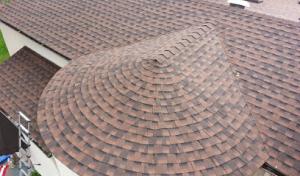
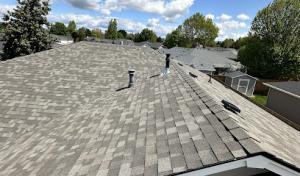
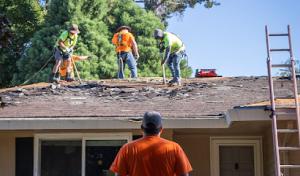
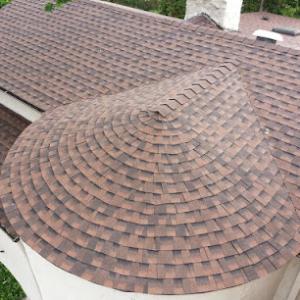
JAM Roofing
(541) 773-7663 www.jamroofing.com
920 Chevy Way, Medford, Oregon
4.9 from 156 reviews
JAM Roofing has been providing professional roofing services to the Southern Oregon area since 1996. Having spent over four decades in this community we are familiar with the unique weather patterns and harsh elements that your roof will endure. From the heavy rains, high winds and occasional snowstorms of winter to the intense summer heat waves our roofing system will protect you, your family and your home year round.
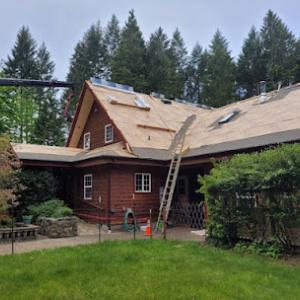
Sage Construction
(541) 261-8207 sageconstruction-roofingcontractor.com
1021 W 2nd St, Medford, Oregon
5.0 from 20 reviews
Big or small we can do it all. Local general contractor in the rogue valley with free estimates. We cover all of oregon, including from Cave Junction to Ashland and all in between. New construction, Custom homes, Remodels, Re-Roofs, Roof repairs, residential, and just about everything else. Feel free to contact me through e-mail or phone number. Licensed Bonded and Insured
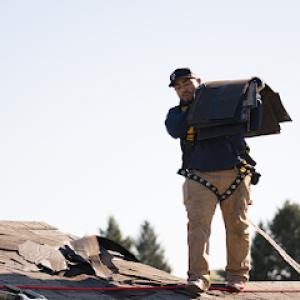
Purelight Roofing of Medford
(541) 813-8145 roofing.purelight.com
860 O'Hare Pkwy # 200, Medford, Oregon
4.7 from 62 reviews
Purelight Roofing is a trusted roofing contractor based in Medford, Oregon. Our team of experienced professionals is dedicated to providing high-quality roofing services to residential homeowners in Southern Oregon. We are the only roofing contractor that offers a $0 out of pocket program, which lets you get a new roof for zero down, zero interest, and zero payments for an entire year. Purelight Roofing is ranked in the top 2% of roofing contractors in North America and we pride ourselves on providing exceptional customer experience. All our work is backed by a 50-year non-prorated warranty and you can expect your install to be complete within 2 days. Contact us today to schedule a consultation and receive a free estimate.
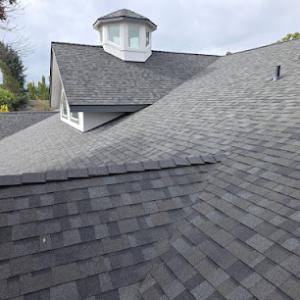
Tip Top Roofing
4305 E Barnett Rd, Medford, Oregon
5.0 from 14 reviews
Tip Top Roofing has over 30 years experience in the roofing industry. We are locally owned and operated. Our mission is to provide quality work and excellent customer service at a fair price. Call or Text us for a free onsite estimate or to answer any questions.
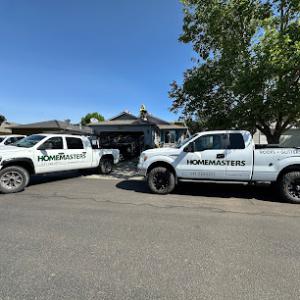
HOMEMASTERS Southern Oregon
(541) 240-8977 homemasterssouthernoregon.com
3500 S Stage Rd Unit B, Medford, Oregon
5.0 from 14 reviews
At HOMEMASTERS of Southern Oregon we provide top-quality roofing solutions along with expert gutter services and skylight installations. Whether you need a new roof, repairs, or routine maintenance, our experienced team ensures your property stays protected and looks its best. We also specialize in gutter installation, cleaning, and repairs to safeguard your home from water damage, as well as skylight installations to enhance natural light and energy efficiency. Committed to exceptional craftsmanship and customer satisfaction, we’re your trusted partner for durable, reliable, and beautiful results. Contact us today for a free estimate!
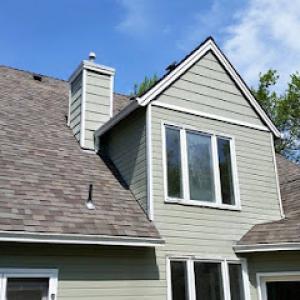
Skye Roofing
(541) 941-4630 www.skyeroofing.com
561 Midway Rd, Medford, Oregon
4.7 from 14 reviews
We can help you review your homeowner insurance for coverage of roof repairs. Many times property owners are unaware of benefits in their insurance that will cover roof damage and roof repairs. Use our Contact Form to submit your question, or to receive a FREE Estimate.
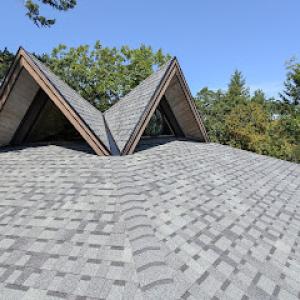
Gordon's Roofing
(541) 772-0277 gordonsroofing.com
608 W Jackson St, Medford, Oregon
4.6 from 13 reviews
Established in 1994, our company has been proudly family owned and operated for over 30 years. What began as a small roofing business built on hard work, honesty, and quality craftsmanship has grown into a trusted name in the community. We specialize in residential, offering reliable service backed by decades of hands-on experience. Whether it’s a repair, a new installation, or routine maintenance, we treat every project with the care and attention it deserves—just like we would for our own home. At the heart of our business is family. That means you can expect friendly service, honest recommendations, and a commitment to doing the job right the first time. We’re proud to serve our neighbors and community. Thank you for supporting local
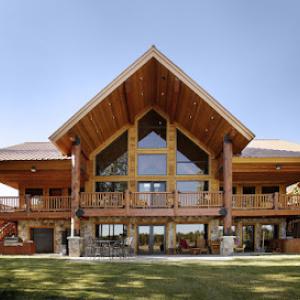
A-1 Classic Roofing
(541) 821-2781 www.a1classicroofing.com
3455 North Foothill Road, Medford, Oregon
5.0 from 7 reviews
A-1 Classic Roofing offers state of the art roofing solutions for Southern Oregon, including Medford, Eagle Point, Ashland, Jacksonville and surrounding areas. The attention to detail and commitment to excellence in roofing has set A-1 Classic Roofing apart as premiere roofer for all commercial and residential roofing services.
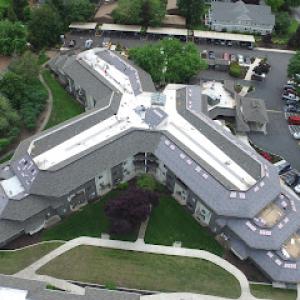
Rogue Valley Roofing
(541) 776-6620 www.roguevalleyroofingco.com
720 S Grape St, Medford, Oregon
4.3 from 20 reviews
We are a family owned and operated roofing company, serving Southern Oregon homeowners – by providing the best roofing systems and a variety of home improvements. Each professional roofing specialist on owner Robert Rivero’s team is licensed, bonded and insured. Rogue Valley Roofing is Duro-Last Certified and CertainTeed Shingle Master. We can offer you the very best in commercial flat roof single-ply systems. We are fully licensed, bonded and insured, including worker’s compensation insurance. Our staff of highly trained, experienced craftsmen brings you, the homeowner, the very best in service and workmanship to be found in Southern Oregon. We are focused on providing you with high-quality products and services.
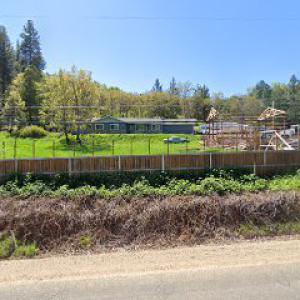
On The Top Roofing Services
(541) 613-5314 www.onthetoproofing.net
6517 Pioneer Rd, Medford, Oregon
5.0 from 1 review
RE-ROOFS, NEW CONSTRUCTION, AND REPAIR IN MEDFORD, OR, AND THE SURROUNDING AREAS Re-Roofs, New Construction & Repairs - Roofing for Home or Business in Southern Oregon. Lic*Bonded*Ins
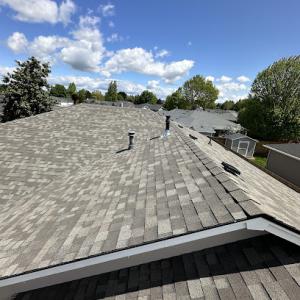
MJ Roofing & Exteriors
(541) 778-6804 mjroofingandexteriors.com
Serving
5.0 from 131 reviews
MJ Roofing & Exteriors, proudly serving Medford, Klamath Falls, and the surrounding areas, fulfilling the vision of providing homeowners with exceptional roofing, gutter, siding, and exterior services. Operated by a dedicated local team of experts, MJ Roofing & Exteriors is committed to guaranteeing customer satisfaction in every project they undertake, ensuring the highest quality results for any size job. Contact MJ Roofing & Exteriors today to receive a free estimate for your next roofing or exterior project.

Pressure Point Roofing
(541) 772-1945 pressurepointroofing.com
Serving
4.8 from 205 reviews
Since 1989, Pressure Point Roofing, LLC has been a premier roofing contractor, dedicated to serving Central Point and the surrounding areas. With over three decades of experience, this team of experts specializes in a comprehensive range of roofing solutions. From expert installation to timely repairs and complete roof replacements, they handle both residential and commercial projects. Their commitment to using high-quality materials and delivering top-notch craftsmanship ensures durable results and lasting peace of mind. Pressure Point Roofing, LLC is your trusted partner for protecting your most valuable asset. Trust Pressure Point Roofing for all your roofing needs—call today!
Medford's residential stock features a broad lineup: asphalt shingles, metal, clay tile, concrete tile, wood shingles or shakes, and synthetic or composite shingles. That mix creates a wide local price spread-from basic re-roofs to heavier premium systems. If your house came with asphalt or metal, you're likely to stay closer to the lower-to-mid end of the cost spectrum; a tile or heavy composite system pushes toward the higher end. In practice, two identical houses a few blocks apart can land in noticeably different numbers simply because one has a heavier deck or requires more specialty detailing. Talk through the exact product you want with the contractor, and confirm if a heavier system means structural considerations or additional fasteners and underlayment.
Costs in this market rise when projects push into the wet season. Rain delays, moisture control measures, and temporary weather protection add labor and schedule pressure, which vendors typically reflect in bids. If you're balancing a fall or winter replacement, expect longer timelines and potential cost adjustments for weather-related contingencies. Conversely, a dry summer window can streamline the process, but heat can stress certain materials during installation. Plan for a window where crews can work consistently without compromising roof longevity, especially if choosing clay or concrete tiles that require careful handling.
Tile and some heavier systems carry added structural and labor implications in this market compared with standard asphalt re-roofing. Clay and concrete tiles demand proper framing checks, more precise underlayment, and careful tile layout to avoid breakage during handling. In some homes, rafters or sheathing may need reinforcement to support the weight, which adds both material and labor costs. Wooden shingles or shakes also bring moisture considerations and potential ventilation tweaks. If the house has an older deck or mixed roof lines, expect a more complex install that reflects in the bid. Straightforward residential re-roofs without those complications are common, but the premium systems in town do require a careful, site-specific approach.
Local bids reflect the city's material mix. Asphalt shingles tend toward the lower end, while metal sits higher, and tile options drift to the top tier. Wood shingles can land in the mid-to-upper range, depending on spacing and treatment requirements. Synthetic or composite shingles often sit between asphalt and higher-end tile, offering durability with moderate price. When budgeting, map the exact square footage and roof complexity, then apply the listed ranges to your chosen materials. Don't overlook ventilation, flashing, and underlayment-these line items significantly influence final price, especially on heat-tolerant or moisture-prone surfaces.
Get a clear picture of your project costs upfront - no commitment required.
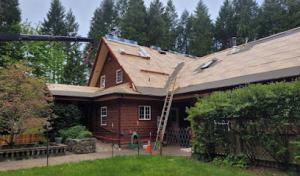
Sage Construction
(541) 261-8207 sageconstruction-roofingcontractor.com
1021 W 2nd St, Medford, Oregon
5.0 from 20 reviews
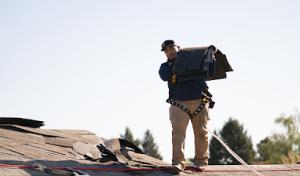
Purelight Roofing of Medford
(541) 813-8145 roofing.purelight.com
860 O'Hare Pkwy # 200, Medford, Oregon
4.7 from 62 reviews
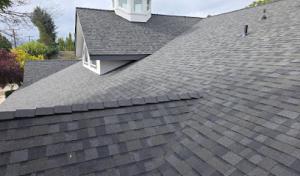
A full roof replacement in Medford typically requires a permit routed through the City of Medford Building Division. This isn't a paperwork hurdle to slow you down; it's a safeguard that helps ensure the project accounts for the Rogue Valley's summer heat, winter moisture, and wind-driven debris. When a permit is in place, the city can verify that the roof structure, decking, underlayment, and drainage will perform under Medford's climate and local wind patterns. Expect that the stamp of approval at the onset helps protect both your home and your neighbors, especially in a neighborhood with varying roof pitches and eave configurations common to older and newer houses alike.
The local process commonly includes permit application by the contractor, plan review if needed, and inspections tied to decking or underlayment and then final completion. In practice, the contractor typically handles the initial submission, attaches a scope of work, and provides basic roof layout drawings if required. If your home has unusual framing, retrofitted decking, or a mix of tile or shake roofing in the past, plan review may be triggered to make sure the new system won't trap moisture or create ventilation problems in the attic. Your role as the homeowner is to confirm that the contractor has submitted all required documents and to keep a line of communication open so any city notes or punch-list items can be addressed promptly. The emphasis in the review tends to be on ventilation details, drip edge and flashing continuity, underlayment type, and the connection to existing gutters-areas that matter most when the season's shifts swing between hot, dry summers and wet winters.
Medford inspections focus on safety and code-compliance checkpoints rather than treating re-roofing as a no-paperwork maintenance job. Inspections are commonly staged: one around the decking and underlayment installation, ensuring proper nailing patterns, fastener corrosion resistance, and moisture barriers; and a final inspection to confirm that the new roof meets applicable wind, fire, and energy codes. Be prepared for the inspector to review ventilation provisions in the attic, including soffit and ridge venting, as well as attic access and clearance. If a mixed roof is involved or a retrofit with new decking, the inspector may request spot checks on fastener length, felt or synthetic underlayment alignment, and flashing transitions around chimneys or skylights. A smooth inspection process hinges on clean staging from the contractor, thorough site cleanliness, and accessibility to the eaves, fascia, and ridge lines.
Coordinate early with your contractor to align on material choices that accommodate Medford's climate and heat exposure. Ask about deck replacement needs, underlayment type, and any temporary weather protection during the permit window. During the process, keep access clear for inspectors and provide any requested documentation, such as material certifications or wind-reinforcement details, ahead of time. Recognize that the city's inspections are part of ensuring long-term performance-ventilation adequacy, correct underlayment installation, and proper sealing around penetrations all contribute to a roof that holds up through hot summers and wet winters. If questions arise, contact the Building Division promptly to avoid delays and to keep the project moving toward a compliant, durable roof.
In Oregon, roof claims commonly center on wind, hail, and water intrusion, which aligns with Medford's fall wind exposure and wet-winter leak pattern. The Rogue Valley can deliver sudden wind gusts that ride off the mountains, bending shingles and loosening flashing. Hail, though less frequent, leaves pockmarks that let moisture travel deeper than a quick surface repair. Water intrusion after storms is the surest way for a small problem to become a costly repair if leaks are hidden under shingles, underlayment, or around vent stacks. Understanding that these forces are part of the local climate helps homeowners anticipate where damage tends to start.
Carriers may ask Medford homeowners for contractor estimates and photo documentation, so damage should be recorded before temporary repairs and again after storms. Start with clear, timestamped photos of the affected roof area from ground level and from attic spaces where daylight shows through gaps. Keep dated notes on what caused the damage (storm event, wind direction, hail size) and the specific features involved (flashing around chimneys, ridge caps, or valleys). When filing, attach any professional assessments that describe moisture penetration and potential for further deterioration. This documentation reduces back-and-forth and supports a timely decisions process.
Wildfire risk in parts of Oregon can influence premiums, and roof age and condition are often reviewed when determining whether a roof qualifies for repair versus replacement. In wildfire-prone years, insurers may scrutinize ignition exposure, ember resistance, and the roof assembly's ability to resist heat transfer and flame spread. If a roof is aging or shows widespread wear, a carrier may view replacement as a more durable investment than patchwork repairs. Understanding how wildfire risk can shift coverage expectations helps homeowners prepare for a candid insurance discussion after a damaging event.
After a storm, limit further interior damage by tarping exposed areas if safe to do so, then photograph again from multiple angles. When talking to the insurer, link observed leaks to specific roof components-valleys, skylights, or chimney flashing-so the claim focuses on the genuine failure points. If a roofer notes recurring issues in the same zone, consider how flashing, underlayment, or venting may be contributing to repeated damage rather than isolated incidents. This targeted approach helps protect the home's envelope and your claim's credibility.
Connect with contractors who help homeowners navigate the claims process from damage assessment to final approval.
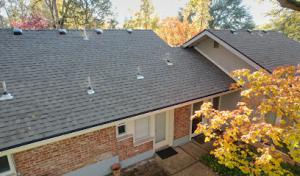
In a market that supports a broader mix of roofing materials than many Oregon cities, homeowners in this valley find viable options beyond standard shingles. Medford's hot, dry summers, wet winters, and exposure to smoke and wind make material heat tolerance, load handling, and ventilation key design considerations. Clay and concrete tile show up in the local market, but their weight and installation complexity push them into a different decision category from typical reroofing projects.
Clay and concrete tiles offer a long service life and distinct aesthetic, but their weight demands a properly prepared roof structure and careful flashing details. If a home already has a lightweight roof deck or limited load-bearing capacity, upgrading to tile may require structural reinforcement. In homes with strong southern or southwestern light exposure, tile's reflective properties can help moderate attic temperatures, yet the higher heat gain in summer can also stress underlayment and fasteners if ventilation isn't prioritized. Roofers in Medford often pair tile with ventilation strategies that promote airflow and curb heat buildup in the attic, reducing potential degradation of underlayment and reducing temperature swings that can affect long-term tile performance.
Metal roofing is an active specialty around the Rogue Valley, and it's frequently chosen by homeowners seeking performance under hot summer exposure and gusty winds. Metal panels provide excellent reflectivity, resilience to wind-driven debris, and a lighter roof load relative to tile. In the Medford climate, installers emphasize proper sealant choices, panel spacing, and ventilation compatibility to prevent heat transfer into the attic. A metal roof can also support more reflective color choices, which helps manage heat absorption on sun-drenched days.
Synthetic or composite shingles complement the local mix by offering weather resistance with lower weight than tile. They can mimic the look of traditional shingles or adopted textures while benefiting from modern formulations designed to resist UV exposure and wind-driven wear. In hot-summer, wet-winter conditions, a high-quality synthetic option often pairs well with robust attic ventilation and a well-sealed ridge line to deter moisture intrusion while maintaining energy efficiency.
Find contractors who specialize in clay and concrete tile roofs, known for their durability and curb appeal.
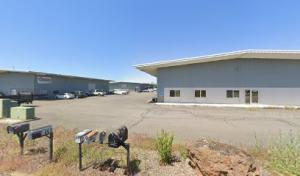
The Medford market leans heavily toward residential re-roofing, not just new construction. That means you'll encounter crews who specialize in replacement speed and cleanup over long, drawn-out projects. When you talk to a team, listen for a clear plan that prioritizes tarping, debris containment, and a firm handoff from tear-off to install. A contractor's ability to schedule around your daily life and finish in a practical window matters as much as technical know-how.
In Medford, quick response is a strong local hiring signal, especially if leaks show up during the rainy season or after a fall wind event. Gauge a contractor by how fast they return calls, assess the extent of their on-site communication, and whether they provide a concrete timeline after an initial inspection. Quick scheduling often correlates with solid supervision and a streamlined cleanup process.
Established, family-run, and affordable operators are common in this market, and homeowners frequently compare responsiveness and jobsite cleanliness alongside the sales pitch. Check for a visible crew presence, clean equipment storage, and on-site foremen who can demonstrate progress during the project. A contractor with a steady local footprint typically offers steadier scheduling and after-care support.
Ask for recent neighbor references from similar homes, a detailed project outline, and a plan for protection during heavy rain or wind events. Inquire about crew turnover and who handles warranties, inspections, and post-install fixes. Prioritize contractors that provide practical, transparent daily updates and a clean, protective work zone from start to finish.
Get a clear picture of your project costs upfront - no commitment required.
Sage Construction
(541) 261-8207 sageconstruction-roofingcontractor.com
1021 W 2nd St, Medford, Oregon
5.0 from 20 reviews
Purelight Roofing of Medford
(541) 813-8145 roofing.purelight.com
860 O'Hare Pkwy # 200, Medford, Oregon
4.7 from 62 reviews