Roofing in Oregon
Last updated: Feb 28, 2026
In Oregon, rain isn't just a weather forecast—it's a texture of everyday life. Coastal towns soak in mist and salt, inland valleys face heavy winter downpours, and shady, moss-prone roofs are a common sight. That damp, variable climate means roofs here need thoughtful design, solid ventilation, and well-sealed flashing to stay dry and Energy Star efficient. With the right materials and regular care, you can prevent leaks, reduce moss buildup, and keep attic temperatures comfortable even in cooler months. Consider this page your neighborly, professional guide to making Oregon's weather work for your roof, not against it.
This Oregon page is written with homeowners in mind who want practical, trustworthy guidance. You'll get a concise overview of what matters most for Oregon roofs, including Local Climate considerations, Recommended Roofing Materials for Oregon, Popular Roof Styles & Architectural Trends in Oregon, Average Roofing Costs in Oregon, Permits & Local Regulations, Common Roofing Problems in Oregon & Solutions, Maintenance & Repair Tips for Oregon, When to Repair vs. Replace, and When to hire a professional. The goal is to give you clear, actionable steps you can take today, with the confidence that the advice aligns with how Oregon homes actually perform.
Advice here is tailored to Oregon's conditions and supported by local resources—codes and permitting realities, supplier options, and the experiences of nearby homeowners and licensed pros. We'll translate big-sky terms into plain language you can use when talking to a contractor, arranging a quick roof inspection, or budgeting for a future project. Think of it as guidance from a knowledgeable neighbor who also happens to be a roofing professional—friendly, direct, and backed by real-world results.
Let's start with what makes Oregon's climate unique and how that shapes every decision from underlayment choice to when moss removal is warranted. This foundation will lead into practical steps you can take right away as you explore repairs, replacements, and easy maintenance routines that fit your home and budget.
Local Climate & Its Impact on Roofs
Oregon's climate at a glance
Oregon spans temperate rainforests to high-desert plains. Western Oregon is famously wet and mild, while eastern Oregon sees hotter summers, colder winters, and sharper temperature swings. These differences shape what works best for roofs, how often they need maintenance, and when certain hazards become a concern.
Western Oregon: Wet, Mild, and Moss-Prone
- High humidity and frequent rainfall keep surfaces damp much of the year. This encourages moss, algae, and lichens that can lift shingles and trap moisture.
- Moss isn't just cosmetic—over time it can grow under roof materials and fascia, accelerating rot if left untreated.
- Gutters, downspouts, and flashing must be kept clear to prevent backed-up water from seeping under flashing or into eaves.
- Choose roofing with good moisture resistance and consider algae- and moss-resistant shingles or coatings if you live near the coast or in the Willamette Valley.
- Official resources: for weather hazards and timing, consult the National Weather Service (Portland area): For building guidance and code questions, see the Oregon Building Code Division: OSU Extension can help with moss control and maintenance:
Eastern Oregon: Dryer, Cold Winters, and Sun
- Arid to semi-arid conditions with intense sun can accelerate asphalt aging and felt/underlayment drying out if ventilation is poor.
- More pronounced temperature swings stress roof materials, especially during rapid freeze–thaw cycles.
- Snow is common in mountains and passes, with occasional ice buildup on exposed slopes. Roofs in these areas should be designed and maintained to handle heavier snow loads.
- UV exposure is higher; consider material choices with good color stability and reflective properties to reduce heat gain.
- Official resources: see weather and snow risk info at and check Oregon's building code guidance at weather advisories: OSU Extension roofing and moss guidance:
- Oregon Building Code Division:
- Oregon State University Extension (home & garden):
Recommended Roofing Materials for Oregon
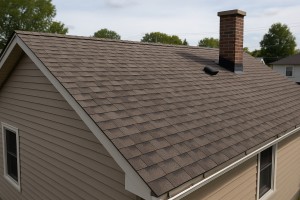
For many Oregon homes, asphalt shingles offer a practical balance of cost and performance. Modern architectural (laminate) shingles with algae resistance perform well in the damp western half of the state. Pair them with a quality synthetic underlayment and solid attic ventilation to keep moisture in check.
- Lifespan: 15-30 years
- Best for: budget-conscious homeowners, broad availability
- Pros: easy to install, wide color range, good water shedding
- Considerations: moss and algae can be a nuisance in damp climates; choose algae-resistant options; consider slightly darker colors to hide staining
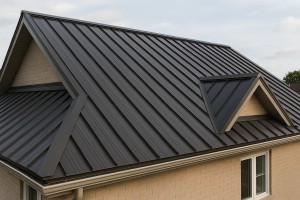
Metal roofs—steel or aluminum—are a strong option in Oregon, especially on newer homes, steep slopes, or where durability matters.
- Lifespan: 40-70+ years
- Pros: excellent wind and hail resistance, quick rain/moss shedding, lightweight, long warranty options
- Cons: higher upfront cost, potential noise in heavy rain without proper insulation, can dent from large hail, color choice may affect aging
- Best for: areas with heavy rainfall, moss-prone sites, or installations where longevity is a priority
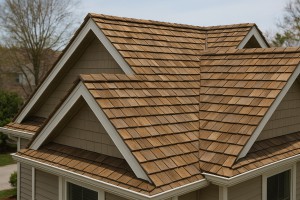
Cedar offers a characteristic Northwest look and can work well when properly installed and maintained.
- Pros: natural insulation, aesthetically complementary to craftsman and cottage styles
- Cons: higher maintenance in damp climates; moss, lichen, and rot risk if not sealed and vented; fire risk if not fire-treated
- Tips: choose rot-resistant, kiln-dried cedar; ensure proper ventilation, drainage, and flashing; consider copper or corrosion-resistant fasteners
Slate and Tile
Slate and concrete/clay tiles are premium options with exceptional durability and fire resistance, best suited for specific architectural styles or retrofit scenarios with adequate roof structure.
- Slate
- Pros: 100+ year life, very durable, low maintenance
- Cons: very heavy, expensive, limited installers
- Concrete/Clay Tile
- Pros: fire resistance, good heat tolerance, varied looks
- Cons: heavy, potential cracking with freeze-thaw cycles, higher initial cost
- Oregon note: ensure the roof can bear the weight and that installation uses proper flashing to handle wet conditions
Synthetic and Composite Shingles
Synthetic or composite shingles mimic wood, slate, or clay with reduced maintenance and often built for damp climates.
- Pros: lightweight, good impact resistance, algae/moss resistance options, broad aesthetics
- Cons: color fastness can vary, some products have shorter track records than metal or slate
- Use when: you want a durable, low-maintenance option with flexible design choices
Underlayment, Membranes, and Ventilation
In Oregon's wet climate, a high-quality underlayment and proper waterproofing are essential.
- Use a synthetic, slip-resistant underlayment
- Install ice-and-water shield at eaves, in valleys, around penetrations
- Ensure adequate attic ventilation to control moisture and extend roof life
Choosing by Oregon Climate and Home Type
1. Assess your region: western Oregon vs eastern Oregon — rainfall, moss growth, freeze-thaw cycles
2. Check roof slope and load: heavier materials require stronger structure
3. Factor moss control: choose materials with better moss shedding and algae resistance; consider zinc or copper strips
4. Consider fire risk and local codes: fire rating, HOA rules
5. Plan for maintenance: Oregon homes benefit from accessible maintenance and regular inspections
Popular Roof Styles & Architectural Trends in Oregon
Popular Roof Styles in Oregon
Oregon homes face lots of rain and moss-friendly climates, so roofs are chosen for durability, ease of maintenance, and compatibility with the landscape. Here are the styles you'll see most often:
- Gable roofs: Classic and cost-effective, with good runoff. Best when partnered with proper overhangs and moisture protection to handle heavy rains.
- Hip roofs: Stable in windy coastal areas and hillsides; often paired with dormers for light and attic space.
- Cross-hip and combination roofs: Common on larger or custom homes; blends hips and gables for architectural interest and drainage efficiency.
- Cedar shake/shingle: A Pacific Northwest icon. Natural, organic look; excellent when sealed and maintained, but needs moss control and periodic treatment.
- Asphalt shingles: Versatile, affordable, and available in textures that mimic more premium materials. Modern architectural shapes can still read well with this staple.
- Metal roofing (standing seam or corrugated): Durable against heavy rainfall, resistant to moss, and a strong modern-traditional aesthetic. Great for longevity in Oregon's climate.
- Slate or composite slate: Very durable and upscale; less common due to cost but used on higher-end Oregon homes for long life and a refined look.
Materials & Weather Considerations
Material choices aren't just about curb appeal—they impact maintenance, energy use, and longevity in Oregon's weather. Consider these practical points:
- Moss and moisture management: Expect moss growth in shaded, damp spots. Regular cleaning and zinc or copper strip installations help slow regrowth.
- Underlayment: In wet regions, a robust underlayment (synthetic preferred) plus an ice/water shield at eaves and penetrations improves protection.
- Ventilation and insulation: Proper attic ventilation reduces condensation and prolongs roof life.
- Drainage and gutters: Downspouts should direct water away from the foundation; consider gutter guards to minimize clogs from leaves and pine needles.
- Colors and finishes: Earth tones and darker shingles hide staining better but ensure reflective options to reduce summer heat where desired.
Architectural Trends Shaping Oregon Homes
Local styles reflect both classic Northwest character and modern living needs. Expect these trends to persist:
- Craftsman-style roofs: Low-pitched gables, exposed rafter tails, and wide eaves. Often paired with cedar or composite shingles for authenticity.
- Northwest Contemporary: Clean lines, flat or shed-style roofs, and big overhangs that blend with forests and waterfront views.
- Modern Farmhouse: Simple gable or low-pitch metal roofs, white siding with dark trim, and durable materials that age gracefully.
- Tudor Revival and Cottage: Steeply pitched roofs, decorative half-timbering, and multi-level rooflines that play with shade and light.
- Colonial Revival: Balanced facades with gable or hip roofs; dormers add light in upper rooms and attics.
- Energy-friendly details: Solar-ready layouts, generous overhangs, and daylighting strategies that pair well with Oregon's long winters.
Regional Variations Across Oregon
Roofs vary by geography and climate. A few regional patterns you'll notice:
- Portland Metro & Willamette Valley: Mixed styles with moss-friendly realities. Asphalt shingles and cedar shakes are common, with metal accents on modern designs.
- Coastal Counties: Salt spray and strong winds push for corrosion-resistant metals or durable cedar; wide overhangs help shed rain.
- Gorge and High-Wind Areas: Hip roofs with sturdy framing and wider eaves improve wind resistance and snow shedding where applicable.
- Southern Oregon & Inland Regions: Solar orientation and sun exposure drive lighter colors or reflective finishes; energy-efficient insulation remains a focus.
Maintenance Tips for Oregon Roofs
Keep Oregon roofs in good shape with simple, proactive steps:
1. Schedule annual inspections, especially after heavy rains or winter storms, to catch loose shingles, flashing issues, or moss spores early.
2. Clean gutters and downspouts twice a year; remove leaves, needles, and debris to prevent backups.
3. Treat moss and algae promptly with approved products or professional moss-control services; address shade and moisture issues where possible.
4. Ensure proper underlayment, ventilation, and attic sealing to prevent condensation damage and ice dams in cooler seasons.
5. Match replacement materials to local conditions (cedar with proper treatment, metal with corrosion-resistant finishes) for long-term performance.
Average Roofing Costs in Oregon
Climate, style, and pricing in Oregon
Oregon homes span craftsman bungalows, Victorians, ranches, and modern styles. Roof pitches range from shallow to steep, and moss-prone, rainy conditions influence material choices, underlayment, and ventilation. All of these factors affect upfront price and long‑term maintenance.
Major material options and installed cost ranges
- Asphalt shingles (standard 3-tab): $3.50-$6.00 per sq ft
- Architectural asphalt shingles: $4.50-$7.50 per sq ft
- Metal roofing: $7.50-$12.50 per sq ft
- Cedar shakes: $6.50-$12.50 per sq ft
- Clay/concrete tile: $10.00-$20.00 per sq ft
- Slate: $12.00-$25.00 per sq ft
Typical total costs for a standard Oregon home (1,500-2,000 sq ft)
- Asphalt shingles: roughly $5,250-$12,000
- Architectural asphalt shingles: roughly $6,750-$15,000
- Metal roofing: roughly $11,250-$25,000
- Cedar shakes: roughly $9,750-$25,000
- Clay tiles: roughly $15,000-$40,000
- Slate: roughly $18,000-$50,000
Why the numbers vary in Oregon
- Roof size and pitch significantly shift labor and material needs.
- Existing decking and attic ventilation: upgrading these can add 5-15% to the project.
- Accessibility and complexity: multi‑story homes, dormers, or chimney stacks raise costs.
- Local labor market and contractor availability drive bids up or down.
- Integrated gutter systems, flashing, and attic insulation affect total price.
Local considerations that affect price
- Moss mitigation and regular roof cleaning: add-ons that help prevent damage in damp climates.
- Weather windows: long Oregon wet seasons can compress scheduling and require more careful timing.
- Permits and disposal: county rules and waste-hauling fees vary by location.
Quick budgeting steps (numbered)
1) Gather quotes from three licensed roofing contractors and check references.
2) Confirm what's included: underlayment, flashing, ridge vent, waste disposal, permits.
3) Ask about warranties on materials and workmanship; note expected lifespan.
4) Build a contingency of 10-15% for unexpected decking repairs or color-matching.
5) Plan a post-install inspection within 6-12 months to address moss or wear early.
Permits & Local Regulations
Do you need a permit?
- In Oregon, roofing work is managed by your city or county building department. Most residential reroofing projects require a permit, especially if the work involves removing roofing decking, changing ventilation, or altering structural components. Even if you're just replacing shingles, some jurisdictions still require a permit to ensure safety and proper underlayment, flashing, and vent work.
- Some very small repairs that don't affect structure or ventilation may be exempt in rare cases, but it's safer to verify with your local authority. When in doubt, treat it as a permit project to avoid fines or required uncovering of work later.
How to verify and apply (step-by-step)
1) Identify your jurisdiction
- Contact your city building department or county planning office (Portland, Bend, Salem, Eugene, or rural areas all differ).
- Some departments offer online permit lookups or permit portals where you can search by address.
2) Gather needed information
- Property address and tax lot number.
- Scope of work: “Residential roof replacement” or “reroof with decking inspection” and any structural elements involved.
- Roof type, materials, and proposed underlayment and ventilation.
- Contractor information: license/registration number (Oregon Construction Contractors Board, if applicable), or indicate homeowner-performed work.
- Estimated project value and start date.
3) Submit the application
- Use the local online portal or submit in person as required.
- Include a simple plan or description of scope, and any required drawings or specifications.
- Pay applicable fees. Expect separate fees for permit, plan review (if required), and inspections.
4) Plan review and requirements
- Some jurisdictions do a quick review; others may request wind-load calculations, decking condition notes, or flashing details.
- You may need to post a permit on-site once issued.
- If asbestos or hazardous materials are suspected in older homes, additional clearance steps may apply (rare for roofing, but check if you're working on an older building).
5) Receive the permit and schedule inspections
- You'll get permit numbers and inspection windows. Inspections are typically scheduled after major milestones (see “Inspections” below).
Inspections you can expect
- Rough/underlayment inspection (before covering with shingles): checks fastener patterns, nailing, underlayment, ventilation, and flashing details.
- Final inspection: confirms finished roof meets code requirements, proper flashing, venting, and that work aligns with the approved scope.
- If structural changes are involved, you may have additional framing or decking inspections.
Hiring a contractor vs. homeowner work
- Oregon allows homeowners to perform work on their own property without a licensed contractor, but if you hire someone, they must be licensed with the Oregon Construction Contractors Board (CCB) and carry insurance.
- Always get a written contract, verify licenses, and ensure a permit is pulled in the name of the property owner (or the contractor with proper authorization) before starting.
- Request lien releases and keep a copy of all inspections and approvals.
Local variations to watch for
- City-specific rules: Portland, Salem, Eugene, Bend, and rural counties each have their nuances. Some require additional stormwater controls, dust/ debris containment, or noise limits during certain hours.
- Homeowners associations (HOAs): Many HOAs have color, material, or roof-minish rules that go beyond building code; check covenants before selecting materials.
- HOA and neighborhood restrictions can require special approvals or submittals even if a permit isn't strictly required by the building department.
Helpful tips to simplify the process
- Start early: contacting the building department before you buy materials can save delays.
- Keep documents organized: permit numbers, inspector notes, and project photos help if questions arise later.
- Choose quality contractors: a licensed, insured roofer familiar with Oregon codes can streamline plan review and inspections.
- Save receipts: you'll want to show cost and scope in case of permit amendments or warranty questions.
- Plan for weather: Oregon's rainy seasons can impact scheduling; have a contingency plan for delays that affect inspections.
Common Roofing Problems in Oregon & Solutions
Moss, Algae, and Lichen Growth
Oregon's damp, shady climate makes moss and algae a common guest on many rooftops.
- Why it happens: frequent rain, overhanging branches, and limited sun exposure.
- Risks: moss holds moisture, lifting shingles and accelerating deck rot.
- Solutions:
1) Gently scrub with a soft brush and rinse with water; avoid high-pressure washing.
2) Apply a moss-inhibiting treatment per label after cleaning.
3) Install a zinc or copper strip along the ridge to slow regrowth.
4) Trim back shading trees to improve sun and airflow.
- Quick check: look for soft spots behind the moss that could signal underlying rot.
Roof Leaks & Water Intrusion
Leaks can show up as stains, musty smells, or ceiling bulges after a rainstorm.
- Common causes: missing or curled shingles, deteriorated flashing around chimneys, vents, or skylights, cracked sealants, or damaged underlayment.
- Signs to watch: interior staining, damp insulation, dripping water.
- Solutions:
1) Locate the source from the attic during rain or with a controlled water test.
2) Replace damaged shingles and damaged or missing flashing; reseal joints.
3) If underlayment is compromised, replace the affected area or the deck.
4) For larger leaks, call a professional to assess structural risk.
Ice Dams & Winter Moisture
Ice dams can form in colder Oregon valleys and higher elevations when attic heat melts snow that refreezes at the eaves.
- Causes: inadequate insulation, poor attic ventilation, or blocked soffits.
- Symptoms: icicles along the eaves, ceiling stains, and damp attic air.
- Solutions:
1) Improve attic insulation to even out temperatures.
2) Add or repair soffit and ridge vents for better airflow.
3) Use a roof rake to remove heavy snow safely.
4) If needed, install heat cables on gutters and downspouts with proper controls.
Flashing Failures Around Penetrations
Flashing seals around chimneys, vents, and valleys are thin and prone to deterioration.
- Common problems: corroded metal, loose flashing, or gaps at joints.
- Solutions:
1) Re-flash or replace penetrations; ensure proper sealing and fasteners.
2) Use compatible flashing tape for temporary seams.
3) Re-caulk joints with roofing-approved sealant.
4) Have a pro reflash long-term to prevent recurrent leaks.
Shingle Damage: Curling, Buckling, and Granule Loss
Aging or impacted shingles may curl, cup, or shed granules.
- Causes: sun exposure, wind, hail, or poor ventilation.
- Solutions:
1) Replace damaged shingles in the affected area; inspect nearby rows.
2) Check underlayment and replace if exposed.
3) For widespread damage, plan a roof replacement or major repair.
4) In hail-prone areas, consider upgrading to impact-resistant shingles.
Gutter and Eave Problems
Blocked or damaged gutters cause water to back up and seep at the edges.
- Symptoms: sagging gutters, overflow, water staining on fascia.
- Solutions:
1) Clean gutters and downspouts regularly; remove debris.
2) Install guards to cut down on blockage.
3) Secure loose gutters and repair damaged fascia.
4) Ensure proper drip edge flashing to guide water into the gutters.
Ventilation & Condensation Issues
Poor attic ventilation leads to moisture buildup and wood rot.
- Signs: stuffy attic, damp insulation, musty odors.
- Solutions:
1) Add or repair intake soffit vents and ridge vents for balanced airflow.
2) Install an exhaust fan with a moisture or temperature control if needed.
3) Seal attic air leaks to prevent warm, moist air from entering.
4) Upgrade insulation to keep the attic temperature stable.
Maintenance & Repair Tips for Oregon
Climate considerations for Oregon homeowners
Oregon's climate ranges from wet, forested western regions to drier eastern areas. The common thread is moisture, which fuels moss, algae, and wood rot if roofs aren't kept in good shape. Key points:
- Moss, lichens, and algae love shaded, damp roofs—keep an eye on north-facing slopes and mature trees overhanging the roof.
- Humidity and rain can thin shingles and loosen flashing over time; inspect after heavy storms.
- Debris from pines, firs, and deciduous trees adds weight and blocks drainage; gutters and valleys need frequent attention.
- Freeze-thaw cycles are less common in western Oregon but can occur in higher elevations and inland winters; watch for small cracks and leaks after cold snaps.
Seasonal maintenance checklist
1) Spring
- Remove debris from roof edges and gutters.
- Inspect for loose or damaged shingles, sealants, and flashing after winter storms.
- Check attic insulation and ventilation; draft any obvious patches.
2) Summer
- Trim overhanging branches to reduce shade and leaf buildup.
- Clean and inspect gutters and downspouts; ensure proper drainage away from the home.
- Look for early moss growth on shaded sections and address it before it spreads.
3) Fall
- Clean gutters thoroughly; flush out clogs.
- Check and reseal flashing around chimneys, vents, and skylights.
- Ensure attic ventilation is unobstructed and insulation is in good condition.
4) Winter
- Monitor for ice dams in higher elevations or unusually cold spells; keep interior humidity moderate.
- Avoid walking on a wet, slippery roof; call a pro for any needed repairs.
- Inspect exterior after storms for damaged vent openings or flashing.
Gutter care and drainage
- Clean gutters at least twice a year, more often in heavy tree areas.
- Ensure each section slopes toward downspouts (about 1/4 inch per 10 feet).
- Downspouts should direct water at least 5–6 feet away from the foundation.
- Install guards or screens to reduce leaf buildup; verify sealant around joints is intact.
- Look for loose hangers or sagging sections and re-secure as needed.
Shingle health and moss control
- Look for curling edges, missing granules, or visible underlying felt.
- Do not use high-pressure washers; they can lift shingles and drive water under flashing.
- Remove moss with a soft brush or plastic scraper. Work from the top down.
- Consider zinc or copper strips along the ridge line to slow moss regrowth (replace if oxidized).
- For persistent growth, use a roof-safe moss killer per label instructions and avoid over-saturation near vegetation.
Flashings and valleys
- Inspect metal flashings around chimneys, pipes, and roof penetrations; look for gaps or corrosion.
- Re-seal with a compatible asphalt or synthetic sealant; apply primer if recommended by the product.
- In valleys, ensure cement or metal flashing is solid and free of cracks; re-bed as needed.
Attic ventilation and insulation to prevent ice dams
- Verify adequate attic ventilation (soffit intake and ridge/长 vents) to keep the roof cold and moisture balanced.
- Improve insulation (aim for an appropriate R-value for your region) to minimize heat transfer to the roof.
- If you notice warm spots or frost on the underside of the sheathing, address airflow or insulation issues promptly.
- Consider baffles to maintain airflow from soffits to vents above the insulation.
Leak detection and quick repairs
- Interior signs: stains, paint bubbling, musty smells, or damp insulation.
- On the roof, identify penetrations and damaged shingles; temporarily seal small leaks with roofing cement until a permanent fix is ready.
- For larger leaks or damaged flashing, call a pro to re-flash or replace compromised sections.
When to hire a pro
- Steep pitches, extensive shingle damage, structural concerns, or multiple leaks.
- Visible sagging, large sections of missing granules, or any flashing failures around chimneys or skylights.
- If you're uncomfortable working on a ladder or roof, it's safer to involve a licensed roofing contractor.
- Use a sturdy ladder, fall-arrest devices, and non-slip shoes.
- Never work on a roof in wet, icy, or windy conditions.
- Wear eye protection and gloves; keep third-party helpers anchored when on a slope.
- Have a helper nearby to hold tools and assist in case of a slip.
When to Repair vs. Replace
Quick decision guide
- Localized damage on a relatively young roof: consider repair first.
- Damage spans large sections, or the roof is near or past its expected life: replacement is often more cost-effective in the long run.
- The repair cost would exceed about 20–30% of a new roof, or you're seeing recurring leaks after multiple repairs: replace.
- Structural signs (sagging, softly creaking decking, widespread water staining) appear: replacement is usually required.
- Your goals matter: if you want improved energy efficiency, updated aesthetics, or a longer warranty, replacement may be the better option.
Oregon-specific concerns
- Moss, algae, and damp conditions are common in western Oregon. If you're seeing moss blankets, the roof may need more frequent inspections and may influence whether repair or replacement is best.
- Heavy rain and wind can accelerate damage around flashing, vents, and edges. Localized leaks in these areas are often repairable, but repeated issues after storms can signal larger problems.
- Snow and freeze–thaw cycles in eastern Oregon can cause shingle cracking or cupping. If you're in higher elevations, factor winter wear into a replacement decision.
- Roofing material choice matters in Oregon. Some materials handle moisture and shade better than others; what makes sense in Portland or Eugene may differ from rural eastern Oregon.
- Hail is less common but possible in certain years; repeated hail damage often warrants replacement rather than piecemeal repairs.
Age, warranty, and material life
- Asphalt shingles: typical life 15–30 years. If your roof is toward the end of this range, plan for replacement rather than chasing multiple fixes.
- Metal roofs: 40–70 years with keep-up if well maintained; repairs can extend life, but replacement may be cost-effective as panels or insulation wear out.
- Wood shingles/shakes: 20–40 years but high maintenance in damp environments; deterioration often prompts replacement.
- Tile: 50+ years but heavy; if decking is compromised or underlayment has reached end of life, replacement is likely.
- Warranties matter: if you have a strong warranty that covers defects or workmanship, repairs may be more attractive, but failing shingles or underlayment typically means replacement to preserve warranty.
When repair makes sense
- Damage is isolated: a few missing/shifting shingles, a flashing leak, or a small area of deck rot.
- The roof is relatively new or the underlying structure is solid.
- There are compatible, cost-effective fixes (e.g., resealing flashing, replacing a short section of shingles, zinc or copper strips to curb moss growth).
- You want to preserve the existing aesthetic and minimize disruption, especially if you're selling soon.
When replacement makes sense
- Damage is widespread or recurring across multiple bays, hips, or valleys.
- The roof is at or beyond its expected lifespan, or structural decking shows deterioration.
- There is extensive moss infestation that has penetrated underlayment or decking, making patchwork insufficient.
- You're seeing persistent attic condensation, widespread water damage, or large gaps around penetrations.
- You want improved energy efficiency, updated roofing materials, or a new warranty.
Material considerations for Oregon homeowners
- Asphalt shingles: cost-effective, easy to repair, and widely available; good for moderate budgets but may require more frequent maintenance in damp areas.
- Metal roofs: highly durable, hail resistant, and great for longevity; upfront cost higher but long-term savings and better moisture handling.
- Wood shingles/shakes: classic look but high maintenance in damp climates; rot and moss can shorten life if not properly treated.
- Tile: excellent durability and aesthetics for certain homes; heavier and require a solid structure; less tolerant of rot if underlayment is compromised.
Quick signs to monitor in Oregon winters
- Recurrent leaks after heavy rains or after a few freeze–thaw cycles.
- Visible moss, algae, or dark staining spreading beyond a small patch.
- Shingles curling, cracking, or missing in multiple areas.
- Daylight visible through the attic or roof deck from the attic.
5-step decision process
1) Assess extent: document leaks, damage, and area covered.
2) Check age and warranty: note remaining lifespan and any workmanship guarantees.
3) Obtain 2–3 professional estimates focusing on repair vs. replacement.
4) Compare long-term costs and benefits (energy efficiency, insulation, warranties).
5) Align with goals: budget, home value, and readiness for disruption.
When to Hire a Professional
Signs you should call a pro now
- Active leaks, ceiling staining, or obvious water intrusion in the attic or living spaces.
- Missing, curling, buckled, or cracked shingles that expose bare underneath.
- Excessive moss, lichen, or algae growth that hasn't responded to cleaning and is damaging shingles or decking.
- Sagging sections, visibly warped decking, or daylight visible from the attic through the roof.
- Damage from a recent storm, hail, or high-wind event that you can't safely assess from the ground.
- Roof age approaching the end of its expected life (typical asphalt shingles 20–25 years; metal roofs often 40–70 years) with recurring issues.
- Poor previous repairs that show signs of failure (shingle granule loss, loose flashing, mismatched patches).
Timing and Oregon climate considerations
- Schedule during dry weather windows. Western Oregon's rainy season (roughly Oct–Mar) makes roof work risky and draining; aim for late spring, early summer, or a mid-summer lull if possible.
- Avoid deep winter work in higher elevations or areas prone to freezing temperatures and ice dams; Oregon winters can bring rapid weather changes that complicate safety and warranty claims.
- If you're filing an insurance claim after a storm, coordinate with your insurer and a pro to document damage promptly, then plan work during a dry period to prevent further moisture infiltration.
- Local permitting can affect timing. Many Oregon jurisdictions require a building permit for roof replacements; your contractor should pull permits and handle code-compliant installations.
- Moss and humidity are common in Oregon. A pro can choose moisture-resistant underlayments and proper drainage to address the constant moisture cycle and prevent premature failure.
How to evaluate a roofing contractor in Oregon
- Verify a valid Oregon Construction Contractors Board (CCB) license and the correct classification for roofing projects. Check the license status and any disciplinary actions.
- Confirm insurance: general liability and workers' compensation. Ask for a certificate of insurance and verify it with the insurer.
- Request local references (Oregon projects preferred). Contact previous clients to confirm performance in wet conditions, cleanup, and adherence to timelines.
- Look for experience with Oregon climates and local codes, including proper underlayment, flashing, and ice/water shield requirements where applicable.
- Expect a written, detailed contract: scope of work, materials, schedules, payment terms, permit handling, cleanup, and warranty information.
- Ask about warranties: manufacturer warranties on materials plus a workmanship warranty; know who backs the warranty and what it covers.
- Review bid details: compare material quality, installation methods, and mitigation for moisture-related issues common in Oregon (ventilation, decking prep, flashing details).
- Payment and liens: avoid paying in full upfront; understand progress payments and lien releases upon completion.
Step-by-step: what to do before you hire
1. Define the scope: shingles only, full replacement, attic ventilation check, and flashing addition.
2. Gather at least three written bids from Oregon-licensed contractors.
3. Check licenses and insurance details for each bidder.
4. Ask for and contact local references; verify they completed work in similar Oregon conditions.
5. Review proposed materials, warranty terms, and permit responsibilities.
6. Sign a detailed contract and confirm a realistic start and finish date, weather contingencies, and site cleanup plan.
Red flags to watch for
- No valid license, no insurance, or unwillingness to provide proof.
- High-pressure sales tactics or “cash only” deals.
- Vague estimates or missing details about underslayment, flashing, or warranty coverage.
- Contractors who promise instant work without permits or who claim to recycle or dispose of waste without proper procedures.
- Crew members without safety gear or fall-protection on a roof.
Putting A Lid On It: Roof Maintenance, Repair, and Replacement in Oregon
Oregon's weather can be tough on roofs. Wet winters, seasonal rain, and shifting temperatures demand steady upkeep to keep leaks at bay and your home comfortable year-round. A well‑maintained roof isn't just about protecting belongings—it helps with energy efficiency, indoor comfort, and long‑term value.
Across the state you'll find a wide variety of climates—from damp coastal air to dry eastern landscapes—each with its own roofing challenges. Moss and shade thrive in moist, forested areas; wind and pine needles can abrade surfaces; and snow or ice dams can sneak up in higher elevations. Regular inspections and timely maintenance are the best defense against these realities, preserving the roof's integrity through all four seasons.
What to Inspect Regularly
- After heavy rain or wind, scan for damaged or curling shingles, missing granules, or obvious wear along edges and valleys.
- Check flashing around chimneys, vents, skylights, and at roof joints for cracks, gaps, or lifting.
- Clean gutters and downspouts, ensuring they divert water away from the foundation and don't overflow onto the roof edge.
- Look for moss, algae, or lichen, especially in shaded areas; remove gently and consider preventative options like zinc or copper strips.
- Peek into the attic to confirm ventilation isn't blocked, there's no unusual condensation, and insulation is intact.
Seasonal Care
- Fall: finish pre-winter checks, trim back overhanging branches, and clear leaves from gutters. Seal any small leaks before damaging weather hits.
- Winter: keep gutters clear to prevent ice dams; avoid walking on a wet or icy roof; if snow accumulates, remove it carefully from accessible areas or call a pro.
- Spring: perform a post-winter inspection, address any hail or wind damage, and treat moss growth early to deter spreading.
- Summer: watch for heat-induced issues like degraded sealants or blistering in flat or low-slope sections; re-secure loose flashing if needed and keep debris off the roof surface.
Repair vs. Replacement
- Small, local issues (a few damaged shingles, isolated flashing leaks) are typically repairable without a full replacement.
- Widespread wear, persistent leaks, or aging materials (for asphalt shingles, generally beyond 20–25 years depending on quality and climate) often signal replacement is the wiser long‑term choice.
Choosing a Pro
If you notice recurring leaks, structural concerns, or extensive wear, consult a licensed roofer. Look for local experience, solid references, proof of insurance, and clear written estimates with warranties.
You're part of a community that takes pride in sturdy, long‑lasting roofs. With regular checks, thoughtful care, and trusted local help when needed, you can enjoy a beautiful roof that stands up to Oregon's seasons for many years to come.
