
Last updated: Apr 19, 2026
Central Point typically favors reroofing in late spring through early fall because winters are wet and summers are dry and sunny. That dry stretch makes it easier to manage underlayment exposure, seal shingles properly, and complete a full roof without weather-driven interruptions. The contrast between wet winters and long dry spells can save a project from slowdowns caused by rain, temperature swings, and sudden cold snaps. If a roof needs replacement, aim to start when the forecast shows several consecutive dry days, ideally with moderate temperatures that won't push materials to extreme heat or rapid cooling.
Winter storms and prolonged rain in Central Point can delay both installation and City inspection scheduling. If a storm window hits, crews may be forced to pause for safety, and adhesive-fastening times for underlayment and shingle sealants can lengthen. If your project encounters a late-wallop of rain or a week of freezing overnight lows, expect a hold from arrival to completion. Planning around a dry forecast block helps keep the project on track and reduces the risk of water intrusion in vulnerable steps of the process. If a reroof is scheduled in late fall, build in a contingency for weather-driven delays and coordinate with the contractor to adjust days without compromising warranty requirements.
Spring rain and temperature swings in the Rogue Valley can complicate shingle sealing, underlayment exposure time, and day-to-day crew scheduling. Rapid shifts between warm afternoons and cool mornings may affect the timing of roofing sealants and synthetic underlayment. In practice, that means selecting a window with steady daytime highs and relatively predictable overnight temperatures helps ensure the roof layers set correctly. If the spring forecast calls for intermittent showers, a shorter, well-timed window is preferable to a long, rain-prone project. Be mindful that some days may be partially usable for non-adhesive tasks, while others require a complete pause.
Before the first day, confirm a dry forecast for the initial week, verify material delivery times align with a dry period, and review the plan for any weather contingencies. Ensure proper temporary weather protection on the eaves and rakes to prevent water intrusion during the transition between old roof removal and new shingles. Confirm site access for equipment, verify that gutters and downspouts are clear to minimize catchment issues during the early phase, and establish a daily start-and-end routine so neighbors understand when activity will begin and end. By aligning the reroof with Central Point's dry, sunny period and accounting for the Rogue Valley's spring variability, the installation progresses more smoothly and the roof ages as intended.
The Rogue Valley's mix of wet winters and dry summers shapes how roofs in this area perform year to year. Asphalt shingles remain a practical, widely available option for homes with typical loads and straightforward attic ventilation, especially for reroofs scheduled in the dry window. Metal roofing offers strong moisture shedding and excellent resistance to rapid winter cycles, making it a dependable choice where high humidity and frequent rain can stress inferior flashing. Clay and concrete tiles bring a distinctive look and solid durability, but they demand careful assessment of roof structure. Synthetic or composite shingles blend ease of installation with a longer lifespan, and slate delivers a premium, long-lasting option with a classic appearance. Each material carries its own balance of heat exposure tolerance, wind resistance, and replacement considerations for the local climate.
In this region, how a roof sheds moisture is a key factor in choosing the best system. Metals with standing-seam designs resist water intrusion during the wet season and can tolerate repeated freeze-thaw cycles if installed with proper seals. Asphalt shingles rely on precise installation of withstanding nailing patterns and adequate attic ventilation to manage interior moisture carryover. Clay and concrete tiles excel at shedding rain but hinge on a solid underlayment and careful flashing around chimneys, skylights, and vents to prevent leaks as winter storms roll through. Synthetic composites often pair resin-based membranes with tile-like aesthetics, offering improved water resistance in variable weather without adding excessive weight. Slate, while naturally resistant to weather, requires expert installation to maintain its performance across long, cool winters and hot, dry summers.
Tile and slate options demand careful attention to the structural load carried by the existing framing. In homes with lighter roof decks, switching to heavy materials can necessitate reinforcement, especially on upper stories or steep pitches. If replacement involves slate or concrete tiles, plan for potential reinforcement scenarios and accurate load calculations to avoid future sagging or fastener failures. Lighter options like asphalt shingles or metal can fit a wider range of roof structures with less modification, but still benefit from a solid plan for flashing and edge details to handle the Central Point wet-winter cycle. A thorough inspection should confirm that rafters, sheathing, and underlayment are up to the task before choosing a high-load option.
For roofs that face persistent moisture and fluctuating temperatures, flashing durability matters more than it does in drier climates. Boot installations around vent stacks, skylights, and chimneys should be prioritized, with corrosion-resistant metals like stainless steel or copper used where appropriate. The dry-summer window allows crews to execute weather-sensitive flashing work without rain delays, reducing the risk of moisture intrusion during construction. When planning a reroof, ensure the contractor sequence accounts for warm daytime hours and cooler evenings, which help compound sealants cure properly and extend long-term performance. Schedule coordination with inspections-timing that aligns with the dry season-reduces the chance of weather-related call-backs.
Residents choosing asphalt or synthetic shingles often pursue straightforward maintenance cycles and attractive, cost-effective appearances. Metal roofing adds a modern or industrial look with excellent longevity and wind resistance, which pairs well with tree-lined streets susceptible to moss and moisture deposition. Clay and concrete tiles deliver timeless curb appeal and strong UV resistance, but their color fade and potential for cracking in hard freezes require thoughtful maintenance. Slate stands out for those prioritizing longevity and a distinctive high-end aesthetic, accepting the heavier load and potential replacement logistics that come with age. Each option, when matched to house design, roof pitch, and anticipated maintenance, yields a distinct balance between protection, style, and long-term reliability.
Prolonged winter rainfall in this valley often hides trouble until a string of wet days exposes it. Small flashing gaps, underslating seams, or underlayment wear can surface only after repeated heavy rain, leaving you with unexpected leaks right after a storm front clears. In practice, that means you should treat any fresh staining, damp ceiling spots, or attic condensation as a flare: it's a signal that moisture has found a path through the roof system. Seasonal shifts can mask weak spots, but once the rain returns, the risk compounds quickly. If a storm passes and you notice dampness along chimneys, vent boot seals, or edge flashing, prioritize a professional inspection before the next wave of weather.
When a claim centers on wind-driven moisture or storm exposure, insurers in this market often scrutinize wind uplift ratings and the integrity of roof components. Detailed photo documentation is common practice to support weather-related roof claims. You should capture high-quality images of blown-off shingles, lifted flashing, and any interior signs of moisture, both from outside and inside the attic or ceilings. Keep a dated log of weather events and correspondences with the insurer. If a professional assessment is requested, provide it promptly with clear diagrams of suspected failure points. Delays or incomplete documentation can shift the claim outcome, especially after a series of wind or rain events.
Fall weather transitions bring a double whammy: rain and wind happening more frequently in quick succession. That combination increases the chance of accelerated damage to vulnerable flashings, gutters, and ridge lines. Scheduling repairs or a reroof during this period means balancing the risk of ongoing moisture intrusion against the reliability of dry conditions needed for proper installation. The pressure to act grows as moisture advances, but rushing can invite installation errors that worsen leaks down the line. If a storm has tracked in with strong gusts and you notice edges lifting or granule loss, treat it as an urgent warning rather than a cosmetic issue.
Find local contractors experienced in assessing and restoring roofs after hail, wind, and severe weather events.
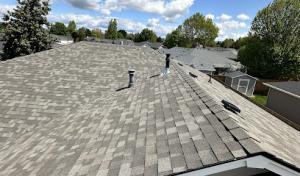
MJ Roofing & Exteriors
(541) 778-6804 mjroofingandexteriors.com
4131 Carlton Ave, Central Point, Oregon
5.0 from 131 reviews
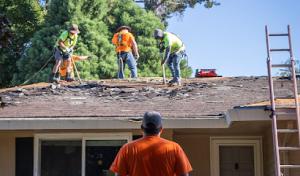
Pressure Point Roofing
(541) 772-1945 pressurepointroofing.com
5235 Rainbow Dr, Central Point, Oregon
4.8 from 205 reviews
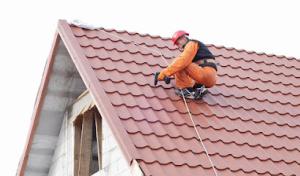
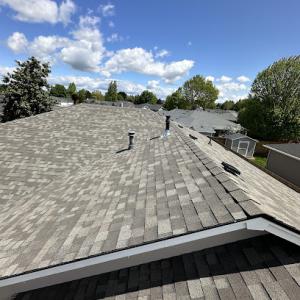
MJ Roofing & Exteriors
(541) 778-6804 mjroofingandexteriors.com
4131 Carlton Ave, Central Point, Oregon
5.0 from 131 reviews
MJ Roofing & Exteriors, proudly serving Medford, Klamath Falls, and the surrounding areas, fulfilling the vision of providing homeowners with exceptional roofing, gutter, siding, and exterior services. Operated by a dedicated local team of experts, MJ Roofing & Exteriors is committed to guaranteeing customer satisfaction in every project they undertake, ensuring the highest quality results for any size job. Contact MJ Roofing & Exteriors today to receive a free estimate for your next roofing or exterior project.
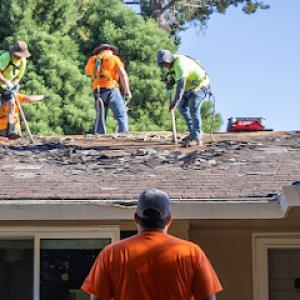
Pressure Point Roofing
(541) 772-1945 pressurepointroofing.com
5235 Rainbow Dr, Central Point, Oregon
4.8 from 205 reviews
Since 1989, Pressure Point Roofing, LLC has been a premier roofing contractor, dedicated to serving Central Point and the surrounding areas. With over three decades of experience, this team of experts specializes in a comprehensive range of roofing solutions. From expert installation to timely repairs and complete roof replacements, they handle both residential and commercial projects. Their commitment to using high-quality materials and delivering top-notch craftsmanship ensures durable results and lasting peace of mind. Pressure Point Roofing, LLC is your trusted partner for protecting your most valuable asset. Trust Pressure Point Roofing for all your roofing needs—call today!
Fontana Roofing
(541) 826-5595 www.fontanaroofingservices.com
6465 Crater Lake Hwy, Central Point, Oregon
5.0 from 27 reviews
We are a roofing company that has been in business over 25 years. We specialize in composition shingle, Presidential shingles, tile and metal roofing.
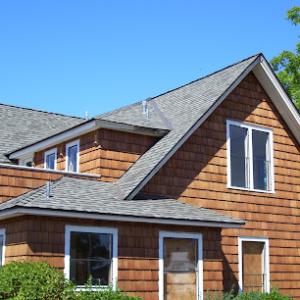
Renaissance Roofing Southern Oregon
(541) 772-1096 www.renaissanceroofingso.com
5104 Crater Lake Ave, Central Point, Oregon
4.5 from 37 reviews
Renaissance Roofing, Inc. is a specialty GAF Master Elite roofing contractor specializing in quality craftsmanship. We work on all kinds of roofing from shingle roofing, metal roofing, and flat/membrane roofing. Since 1993, owners Greg and Laura Evans have committed their time and talents to providing local residents with customer-focused services and quality craftsmanship. They pride themselves on maintaining an upfront, honest line of communication with their clients. At Renaissance Roofing, Inc, we work hard to understand what you hope to achieve in hiring us as your roofing contractor. Our professional team is here to work with you through all phases of your next new roof.
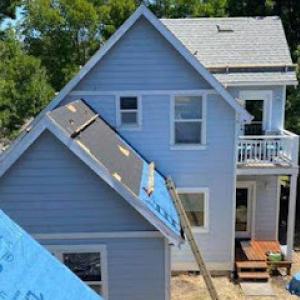
Stephen Westfall Roofing
(541) 941-3736 www.stephenwestfallroofinginc.com
6473 Crater Lake Hwy, Central Point, Oregon
4.6 from 18 reviews
We Specialize In - New Construction & Re-Roofing - Metal * Tile * Composition. Over 18 Years Experience - Serving Jackson, & Josephine, Coos County. Licensed Bonded & Insured. CCB # 234804

Bleser Built Roofing
(541) 601-7870 bleserbuiltroofing.com
Central Point, Oregon
5.0 from 3 reviews
Rely on the experienced professionals at Bleser Built Roofing for prompt roof installation services. You'll be pleased to know that we use the latest technologies to finish all our roofing projects. We also provide military DISCOUNTS!
JAM Roofing
(541) 773-7663 www.jamroofing.com
Serving
4.9 from 156 reviews
JAM Roofing has been providing professional roofing services to the Southern Oregon area since 1996. Having spent over four decades in this community we are familiar with the unique weather patterns and harsh elements that your roof will endure. From the heavy rains, high winds and occasional snowstorms of winter to the intense summer heat waves our roofing system will protect you, your family and your home year round.
Purelight Roofing of Medford
(541) 813-8145 roofing.purelight.com
Serving
4.7 from 62 reviews
Purelight Roofing is a trusted roofing contractor based in Medford, Oregon. Our team of experienced professionals is dedicated to providing high-quality roofing services to residential homeowners in Southern Oregon. We are the only roofing contractor that offers a $0 out of pocket program, which lets you get a new roof for zero down, zero interest, and zero payments for an entire year. Purelight Roofing is ranked in the top 2% of roofing contractors in North America and we pride ourselves on providing exceptional customer experience. All our work is backed by a 50-year non-prorated warranty and you can expect your install to be complete within 2 days. Contact us today to schedule a consultation and receive a free estimate.
Skye Roofing
(541) 941-4630 www.skyeroofing.com
Serving
4.7 from 14 reviews
We can help you review your homeowner insurance for coverage of roof repairs. Many times property owners are unaware of benefits in their insurance that will cover roof damage and roof repairs. Use our Contact Form to submit your question, or to receive a FREE Estimate.
Sage Construction
(541) 261-8207 sageconstruction-roofingcontractor.com
Serving
5.0 from 20 reviews
Big or small we can do it all. Local general contractor in the rogue valley with free estimates. We cover all of oregon, including from Cave Junction to Ashland and all in between. New construction, Custom homes, Remodels, Re-Roofs, Roof repairs, residential, and just about everything else. Feel free to contact me through e-mail or phone number. Licensed Bonded and Insured
Gordon's Roofing
(541) 772-0277 gordonsroofing.com
Serving
4.6 from 13 reviews
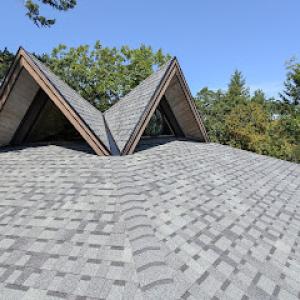
Established in 1994, our company has been proudly family owned and operated for over 30 years. What began as a small roofing business built on hard work, honesty, and quality craftsmanship has grown into a trusted name in the community. We specialize in residential, offering reliable service backed by decades of hands-on experience. Whether it’s a repair, a new installation, or routine maintenance, we treat every project with the care and attention it deserves—just like we would for our own home. At the heart of our business is family. That means you can expect friendly service, honest recommendations, and a commitment to doing the job right the first time. We’re proud to serve our neighbors and community. Thank you for supporting local
HOMEMASTERS Southern Oregon
(541) 240-8977 homemasterssouthernoregon.com
Serving
5.0 from 14 reviews
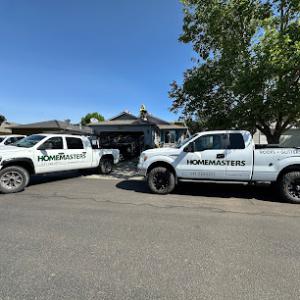
At HOMEMASTERS of Southern Oregon we provide top-quality roofing solutions along with expert gutter services and skylight installations. Whether you need a new roof, repairs, or routine maintenance, our experienced team ensures your property stays protected and looks its best. We also specialize in gutter installation, cleaning, and repairs to safeguard your home from water damage, as well as skylight installations to enhance natural light and energy efficiency. Committed to exceptional craftsmanship and customer satisfaction, we’re your trusted partner for durable, reliable, and beautiful results. Contact us today for a free estimate!
A full reroof in Central Point typically requires a building permit issued by the City of Central Point Building Division. Before any tear-off or new installation begins, confirm your project is in scope for a permit and gather the required documents. Typical items include project description, roof area, and contractor information. The Building Division can explain any neighborhood or HOA requirements that apply to your street, era of the home, or roofing material.
Apply for the permit through the city's process, either online or in person at the Building Division office. A plan review may be prompted by the replacement scope and the structural elements involved. Expect a checklist that covers roof underlayment, ventilation strategies, flashing details, and fire-rating compliance. If the roof has skylights, chimneys, or venting that affects attic space, have these details ready so the reviewer can assess clearance, fire stops, and clearances.
Inspections are scheduled through the city's permit portal or by calling the Building Division. The city conducts inspections before, during, and after installation to verify critical components are properly installed. Coordinate with your contractor to ensure inspection windows align with key milestones: pre-installation framing and underlayment, mid-construction flashing and ventilation, and final completion with fire-rating checks. Delays often come from weather-related holdbacks or coordination gaps between crew and inspector availability.
During the pre-installation and installation phases, inspectors focus on underlayment quality, proper ventilation, and flashing around penetrations and edges. Fire-rating compliance is checked for assemblies, especially around attic spaces and surrounding walls. Expect notes or required corrections if fasteners or sealants do not meet local codes or if venting runs are obstructed or inadequately vented. Keeping an organized layout of penetrations, roof vents, and attic access can help the inspectors verify everything quickly.
After installation, a final inspection confirms that the work matches the approved plans and code requirements. Most reroofs finish within a few days to a couple of weeks, but actual timing can stretch based on project size and inspection scheduling. If a correction is needed, address it promptly to keep the project moving toward a closeout and certificate of occupancy or permit closure. Keep a clear line of communication with the contractor and the Building Division to minimize back-and-forth.
Typical Central Point material ranges are about $350 to $650 per square for asphalt shingles, $700 to $1200 for metal, $1000 to $1800 for clay tile, $900 to $1600 for concrete tile, $650 to $1000 for synthetic/composite shingles, and $1200 to $2500 for slate. Those numbers reflect local supplier pricing, freight, and the way crews size jobs to fit the more common roof shapes around Rogue Valley neighborhoods. When you're comparing bids, confirm whether the quote is per square (100 square feet) or per roofing square, and verify whether waste disposal, underlayment, and basic flashing are included. In Central Point, material choices and roof pitch can push the price up or down, but the baseline tendencies above still hold for the common home stock you'll see along the Ashland-to-Mrook corridor and the hillside blocks near Bear Creek.
Because wet-season storms swing through the valley, many homeowners aim to complete reroof projects in the dry late-spring to early-fall window. Scheduling during that stretch helps install quality underlayment, ensures asphalt shingles lay flat without wind disturbances, and minimizes delays from rain. Costs can rise when wet-season scheduling compresses demand into the dry reroofing window, since crews may charge a premium for tighter calendars or require expedited shipments of materials. If your bid slots you for mid-June or September, you're typically balancing favorable weather with the highest likelihood of available contractor crews.
In Central Point, installation quality correlates with the number of dry days you get during the job. A longer, uninterrupted stretch of dry weather reduces the chance of shingles curling or adhesive problems on underlayment. It also supports timely inspections and less rework. If a contractor anticipates back-and-forth rain, they may extend timelines, which can push costs upward due to labor drift or temporary protective measures. Remember that heavier tile systems (clay, concrete) demand more time and equipment, so plan for a longer dry-season window if you're choosing those materials.
When you price a reroof, start with the material ranges above and then add the dry-season premium if your project lands in the peak window. Factor in the increased demand during late spring through early fall, especially for popular profiles like concrete or slate. Don't overlook underlayment quality, flashing details, and any ventilation work, which can materially affect both cost and the roof's long-term performance in Rogue Valley weather. The final number should reflect material choice, crew availability, and the specific pitch and complexity of your home's roof.
Don't let upfront costs delay a critical repair - these contractors offer payment plans to fit your budget.
Most Oregon carriers still offer standard homeowners coverage for roof replacement, but the weather swings in Central Point can tighten scrutiny on claims. When a reroof is triggered by a season of wet winters and dry summers, insurers may pause to confirm the cause and the necessity of the work. That extra attention is a practical reality, not a scare tactic, and it can affect how smoothly a claim moves forward after a leak or storm event.
For Central Point claims, insurers often want contractor estimates plus pre- and post-work photos documenting condition and scope. That means you should plan ahead to gather clear images of shingles, flashing, underlayment, and any visible damage before work starts, then again after the job is done. A mismatched timeline or missing photos can slow a settlement or invite questions about whether replacement was required or preventive preventive maintenance would have sufficed. A tidy, organized file helps the adjuster see the need for a full replacement rather than a patch.
Wind, hail, and heavy rainfall are the claim categories most likely to shape how you document roof damage and material choices. In Central Point, a swift wind event or a spring storm can cause shingle uplift or hail strikes that aren't obvious from ground level. When preparing for a reroof, expect that insurers will weigh the severity of damage and the chosen materials against typical local conditions. Materials selected may be scrutinized for durability against Rogue Valley weather, so choosing products with proven performance in similar exposures can support a smoother claim process.
During extended winter rain, leak problems in Central Point often become visible around skylights. When planning a reroof, inspect skylight perimeters carefully and replace sealants or flashing where signs of wear appear. Pay attention to gaps where shingles meet curb flashing, and check the drip edge above the skylight to prevent water tracking into attic spaces. Look for degraded tar seals, loose nails, and wood gaps that can widen under freeze-thaw cycles. If plywood or OSB shows moisture staining near the skylight framing, address those spots before the new roofing is applied to avoid containment of future leaks.
City inspections specifically review flashing, making detail work around skylights and penetrations a local compliance and leak-prevention issue. During reroofing, flashings around vents, skylights, and vent stacks should be rebuilt with compatible metal and properly integrated with underlayment. Slope transitions at a skylight curb should be veneered with a continuous sealant bed and backer rod as needed. Ensure step flashing is properly bent to meet shingle courses and that counter-flashing overlaps are tucked properly. Test the performance of each penetrated joint by gently operating movable components (where present) after the sealant cures and before final shingle installation. Confirm there is a clean drainage path from the skylight into the gutter system to avoid pooling around the perimeter.
Dry summer reroofing in Central Point is the best time to rebuild vulnerable flashing details before the next wet season tests them. Schedule the major work after the last spring rain and before the first autumn storms. Use a weather window that allows the underlayment to cure and the sealants to set without rain intrusion. This timing helps verify that flashing around skylights and penetrations remains robust once the roof is loaded with shingles. Coordinate with any nearby chimney or vent work to ensure overlapping flashing pieces seal in sequence, reducing the chance of late-season drips. Stay vigilant for hot-day expansions that can affect sealant performance and adjust accordingly.
Find contractors experienced in skylight installation, flashing, and leak repairs to bring natural light into your home.
Pressure Point Roofing
(541) 772-1945 pressurepointroofing.com
5235 Rainbow Dr, Central Point, Oregon
4.8 from 205 reviews
Fontana Roofing
(541) 826-5595 www.fontanaroofingservices.com
6465 Crater Lake Hwy, Central Point, Oregon
5.0 from 27 reviews

HOMEMASTERS Southern Oregon
(541) 240-8977 homemasterssouthernoregon.com
Serving
5.0 from 14 reviews