Last updated: Apr 19, 2026
In this valley, heavy winter rainfall and extended wet springs compress reliable tear-off and dry-in days into a tight late-spring through early-fall window. The roof almost always has to run on a schedule that mirrors this natural lull, not the calendar. Work started too late in the fall risks soaking rain delays, while trying to squeeze the job into midsummer heat can push aging roofs past their limit. The practical result is a rhythm: plan for a clear, dry stretch, target the work when forecasts show several consecutive dry days, and leave extra buffers for unexpected storms. Leaks during winter are easier to manage if the underlayment is protecting the interior, so a proactive approach to weather windows pays off.
As winter loosens its grip, do a thorough condition check while roofs are still dry enough to safely move around the surface. Look for signs of prior leaks, delaminated underlayment, and any soft spots that signal deck weakness. Plan the tear-off for a period when several days in a row are forecast dry, but be ready to pause if a late storm rolls in. A key shift this season is prioritizing leak control: install or upgrade underlayment with moisture resistance and ensure flashing details around chimneys, vent stacks, and skylights are prepped to shed water immediately. Ventilation is particularly important this season; an attic that breathes well reduces heat buildup, which in turn helps long-term shingle life and reduces the risk of ice damming when the season changes. If ventilation upgrades are needed, align them with the roof work so you're not opening the roof twice.
The Rogue Valley's long dry summers create a second pressure point: older roofs that survived winter can show accelerated wear once prolonged heat arrives. Plan to complete reroof projects before peak heat arrives and before the hottest part of July and August. If an older roof must be repaired, emphasize the sections that have shown wear after winter and spring activity, because those are the spots most likely to fail first in heat. During the actual tear-off, protect interior spaces from heat exposure and keep underlayment as lightly covered as possible to prevent moisture buildup. When choosing materials, prioritize products with proven performance under sun and heat, but avoid sacrificing ventilation and underlayment compatibility. A hot, dry period is a good time to install, since the roof can dry quickly after rain events, reducing the risk of moisture entrapment beneath the surface.
As temperatures cool and rainfall increases, you shift emphasis to finish and seal, ensuring a robust barrier before the winter wet season resumes. Confirm that the roof edge details, gutters, and downspouts are clean and directing runoff away from the foundation. This is when you double-check attic ventilation adequacy and the overall roof-to-wall intersection details to minimize heat escape and condensation risks. If the project carried any temporary patches, replace them with permanently sealed sections in the fall so the roof carries into winter without weak points. A slow, steady wrap-up with a final inspection helps catch small issues that could become leaks during a wet winter.
With the wet season approaching, the priority becomes leak containment and rapid inspection readiness. If severe weather strikes before a full dry-in is achieved, stage tarping and temporary leak barriers on vulnerable sections. Maintain a habit of quick visual checks after heavy rain, especially around flashing and transitions to chimney or vent openings. Keep access to attic spaces clear so future inspections can happen quickly if moisture is detected. In this climate, the best outcome is a completed reroof that leaves you with a watertight shell before the first true cycle of cold, wet weather arrives, followed by vigilant, proactive maintenance that catches issues early.
In Grants Pass, winter storms and heavy rainfall can sharply reduce available roofing days, so temporary dry-in and tarping capacity matters when leaks open up mid-season. The roof is the first line of defense against penetrating moisture, and a small breach can cascade into interior damage quickly if left unaddressed. When the forecast dips into a major storm, plan for rapid containment rather than reactive patching. A fast dry-in approach buys valuable time for a full repair crew without inviting cascading leaks into ceilings and walls.
Because wet springs can stay unsettled, small flashing or penetration failures often turn into prolonged moisture problems before full replacement crews can mobilize. Start with a deliberate, on-the-spot assessment as soon as you notice a leak: is water tracking along a seam, or is it dripping from a vent, chimney, or edge of a skylight? Prioritize temporary tarping over the entire affected area if safe access allows, and focus on limiting water entry at the source. Secure loose shingles if possible without climbing on a slick, icy roof, and place sturdy tarps or leak barriers to direct runoff away from the interior.
A weather pattern of heavy wet seasons followed by dry heat stresses roofing joints and penetrations in a way that small failures can become bigger problems fast. Look for moss, shingle lift, lifted flashing, hairline cracks around penetrations, and worn sealant joints. In mid-season, the combination of wet conditions and restricted access can amplify rust, ice dam potential, and wood rot behind the lining. Treat any sign of moisture intrusion as an urgent warning, not a temporary nuisance.
If a leak opens up mid-season, document with photos for a local crew, then implement a temporary dry-in strategy that covers the leak path and directs water away from electrical or structural components. Deploy tarps anchored securely to the roof deck or fascia, ensuring edges are weighted and sealed against wind uplift. Keep interior spaces cooled and ventilated to minimize condensation buildup behind the leak. When weather allows, arrange for a qualified local crew to re-secure flashing, reseal penetrations, and complete a robust repair or replacement before the next winter storm arrives.
A quick response signals reliability to neighbors and reduces the risk of escalating damage. In this market, preparedness and rapid mobilization matter; a contractor with proven ability to expediently deploy tarping, dry-in, and subsequent full repairs will minimize the disruption during a winter rush. Maintain a short list of trusted local roofers who can respond within hours, not days, when leaks break free during a wet spell.
Lawless Roofing
(541) 479-1839 lawlessroofing.com
501 Lawless Ln, Grants Pass, Oregon
4.6 from 72 reviews
Oldest Roofing Company in So. Oregon and No. California
Oregon Gutter Guys
(541) 415-9921 www.oregongutterguys.com
Grants Pass, Oregon
5.0 from 17 reviews
Commercial and residential installations and repair of seamless gutters, roofing and siding.
Brad Fox Roofing
(541) 660-6890 www.bradfoxroofing.com
Grants Pass, Oregon
4.7 from 36 reviews
Brad Fox Roofing offers roofing services in the Grants Pass, OR, area.
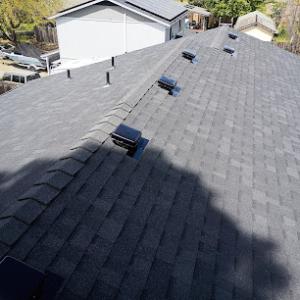
No Mas Roofing
(541) 237-9328 www.nomasroofing.com
707 SW Burgess St, Grants Pass, Oregon
5.0 from 12 reviews
No Mas Roofing, A family-owned and operated Business. Serving Grants pass and surrounding areas.Taking pride in our work is what we do! With over a decade of experience in the industry, We provide reliable and quality roofing solutions for all your tailored needs.
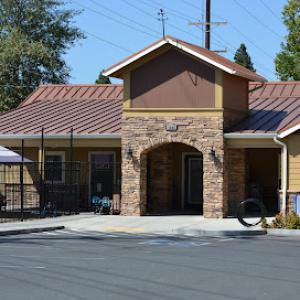
Versatile Builders & Church Roofing
(541) 479-1810 roguevalleyroofs.com
2170 Redwood Ave, Grants Pass, Oregon
4.1 from 35 reviews
At Versatile Builders and Church Roofing, we take pride in being a trusted construction company serving Grants Pass, OR, and surrounding areas. Led by an experienced general contractor, our licensed, insured, and bonded team delivers quality craftsmanship on every project, from new builds to remodels and repairs. As skilled roofers, we provide durable and precise roofing solutions to protect and enhance your property. Our commitment to excellence ensures every client receives dependable service and lasting results.
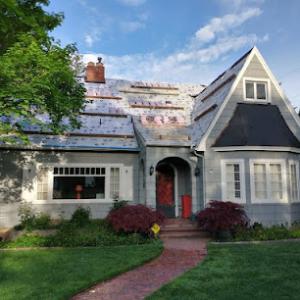
Accurate Roofing Company
(541) 476-9869 www.accurateroofingcompany.com
311 NW Loughridge Ave, Grants Pass, Oregon
4.3 from 11 reviews
Accurate Roofing Company has been a reliable cornerstone in our community since 1998. As a family-owned and small team, we pour our heart into every project and treat each roof as if it were our own. We combine decades of craftsmanship with modern techniques to ensure your home is secure against the elements. Our commitment to honesty, quality, and genuine care means we’re more than just roofers—we’re your neighbors, dedicated to keeping your family safe and comfortable for years to come.

Advantage Roofing
200 S Pass Rd, Grants Pass, Oregon
5.0 from 2 reviews
We are locally owned and operated serving all of southern Oregon.. we do metal roofing, composition shingles, tearoff, recovers.. for all your roofing needs FREE ESTIMATES 5414508694
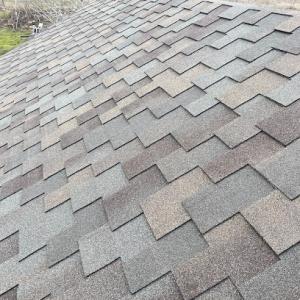
O'Neal Roofing & Construction LLC,
(458) 212-0006 www.onealroofingco.com
3154 Rogue River Hwy, Grants Pass, Oregon
5.0 from 2 reviews
We offer Re-Roofing services; we can Roof most homes and other buildings we remove all existing roofing marital from roof deck and replace any damaged sheeting and repair rot. Then we install new roof system according to the roof type pitched or flat. We will always discuss options and we want to hear homeowner ideas and concerns. We also offer repair services such as: damaged shingles, rot repair, facia repair, skylight repair or replacement, etc. And other small jobs like additions such as: garages, rooms, and remodels. Call today to see what we can do for you. (458) 212-0006
Rhoads Roofing
(541) 640-2336 rhoadsroofingllc.com
Serving
5.0 from 76 reviews
Roofing company based out of Grants Pass, OR. FREE ESTIMATES
Eric Preston Roofing
(541) 476-2955 www.ericprestonroofingllc.com
Serving
4.0 from 16 reviews
Have a leaky roof? Want to redo your roof completely? Look no further than Eric Preston Roofing With over 30 years of experience, we are a full service roofing company that takes pride in our workmanship. We want to make sure that you are completely happy with the project before, during and after.
MJ Roofing & Exteriors
(541) 778-6804 mjroofingandexteriors.com
Serving
5.0 from 131 reviews
MJ Roofing & Exteriors, proudly serving Medford, Klamath Falls, and the surrounding areas, fulfilling the vision of providing homeowners with exceptional roofing, gutter, siding, and exterior services. Operated by a dedicated local team of experts, MJ Roofing & Exteriors is committed to guaranteeing customer satisfaction in every project they undertake, ensuring the highest quality results for any size job. Contact MJ Roofing & Exteriors today to receive a free estimate for your next roofing or exterior project.

Davis Works Roofing
(541) 801-9925 jakedavis143.wixsite.com
Serving
4.8 from 12 reviews
Roofing company to serve southern Oregon. We take pride in customer service and elite workmanship. Please contact us to set up a free consultation to discuss any needs you may have regarding your roof and we will work together to resolve the issue.
In this valley, the combination of steep winter storms and bright summer sun makes asphalt shingles and metal roofing the most sensible everyday options. Asphalt shingles perform well with the wet season, offering reliable leak resistance when properly installed with a solid underlayment and effective ventilation. Metal roofing, with its fast shedding of rain and strong heat resilience, suits roofs that have to endure long dry spells followed by heavy downpours. For homes with complicated rooflines or multiple angles, metal can help reduce risk of trapped moisture and ice dams during winter storms. The key in this market is choosing a product with a robust nailing pattern, a continuous underlayment, and good ventilation to prevent heat buildup under reflective surfaces. In Grants Pass, where the winter rain comes in bursts and the summer sun bears down, balance between wind resistance, expansion joints, and proper attic ventilation becomes a made-for-this-climate requirement.
Clay and concrete tiles are visible on some older and higher-end homes, but they demand attention to structural load, underlayment condition, and replacement logistics that are less forgiving during the wet season. Tile adds aesthetic value and can last a long time when the roof deck and supporting structure are designed to carry the extra weight. However, the additional weight means that any existing sag or framing weakness needs addressing before installation. In a climate with a dry-to-wet cycle, the underlayment must be in excellent condition to accommodate seasonal movement, and fasteners must be compatible with a flexing substrate. Replacement and repair work tends to move slower in winter rain, so plan for seasonal windows and ensure the roof is fully prepared to shed moisture quickly once the wet season begins again. Because tile roofs can be more sensitive to attic moisture, a well-sealed attic and a high-quality breathable underlayment help maintain long-term performance.
Wood shingles and shakes bring a distinct look but carry added moisture-cycle concerns in a city where roofs repeatedly move from saturated winter conditions to very dry summer exposure. Wood products respond to moisture by expanding and contracting, which can loosen fasteners and open gaps if installation details aren't meticulously followed. In the wet season, wood remains vulnerable to soaking and potential rot if flashing details, ridge caps, and valley transitions aren't continuously monitored. During dry months, solar exposure and heat can accelerate deterioration of the finish and edges. If choosing wood, select engineered or treated options designed for longer life in mixed climates, and invest in a detailed ventilation strategy that helps maintain a stable attic dew point. Regular inspections focusing on softened spots, granule loss, and flashings around chimneys and skylights help catch problems before leaks begin in late winter.
The short reliable work window in this climate means reroof timing hinges on anticipated wet-season vulnerability. Scheduling early in the dry season minimizes exposure risk during installation and allows the new roof to seal before winter rains arrive. Regardless of material, prioritize leak control, robust underlayment, and a ventilation plan that removes humidity from the attic area. A well-coordinated sequence-deck prep, underlayment, flashing, and final ventilation-ensures the system remains watertight through the first heavy rains. For homes facing persistent leak risks, consider a staged approach that addresses flashings and penetrations first, then upgrades to a more substantial roof assembly if the original deck shows signs of age or moisture intrusion. This city's weather pattern rewards proactive maintenance and thoughtful material choice that respects both winter moisture and summer heat.
The Rogue Valley pattern of deep winter wetness places extra stress on flashing details, valleys, and roof penetrations. When rain runs in sheets or sits on the surface for days, seams and fasteners reveal weaknesses that might not show up on a dry day. Valleys that channel water are especially prone to wear, allowing minor gaps to become persistent leaks. Transition areas-where shingles meet vents, skylights, or chimneys-tend to show delayed leaks after the most recent winter, yet before the next dry stretch. In this environment, a small miscalculation in flashing or sealant can become a persistent drip that undermines attic insulation and drywall over time. You cannot count on a single good storm to prove a roof's integrity; the cumulative winter dampness will expose cracked sealants, loose nails, and inadequate gap filling.
The local permit and inspection process specifically checks underlayment, flashing, and venting, which aligns with the most consequential installation defects seen after rainy seasons. If underlayment has degraded or the flashing around a vent stack or chimney is compromised, moisture follows the path of least resistance into the attic. Even a well-installed surface layer can fail if the underlying underlayment is brittle or thin, leaving the roof vulnerable to winter moisture. Good ventilation prevents moisture buildup inside the attic that can condense on cold rafters and dew point on warm summer days, accelerating wood degradation and mold risk. The practical takeaway is simple: during or after a heavy winter, inspect every seam, every vent boot, and every ridge cap. If anything looks cracked, stretched, or loose, address it before the next storm cycle begins.
Skylights and chimney intersections deserve extra scrutiny here because prolonged winter moisture can expose seal and flashing weaknesses before summer repairs are scheduled. Seals around skylights are easy to overlook until stained ceilings and musty odor appear, and settlement around chimneys can widen gaps over time with seasonal temperature swings. A common pattern is water finding two routes-a small leak at the skylight edge and a separate seep along the chimney flashing-then merging into one stubborn interior stain. The winter-spring window is when these flaws become obvious; treat them as high-priority fixes to prevent repeated, costly interior damage.
Find contractors experienced in skylight installation, flashing, and leak repairs to bring natural light into your home.
O'Neal Roofing & Construction LLC,
(458) 212-0006 www.onealroofingco.com
3154 Rogue River Hwy, Grants Pass, Oregon
5.0 from 2 reviews
Chuck's Roof & Construction Service
(541) 479-8789 www.chucksroofservice.com
Serving
4.8 from 16 reviews
In this part of the Rogue Valley, the peak reroof window tightens when late spring warms the days and the work crews swing into action, followed by a rapid shift toward wetter months. Contractors often book solid through late summer, so planning ahead matters. If a winter storm exposes leaks or forces a tear-off when the rain returns, costs can climb quickly because crews are juggling schedules and weather-sensitive sequences. A well-timed start, with a dry-in plan that fits a long dry spell, helps keep interruptions and overruns to a minimum.
Local reroof pricing sits in a defined range, with asphalt shingles generally at the lower end and metal, tile, and composite systems carrying higher installation complexity and weather-window sensitivity. Asphalt shingles run roughly from 350 to 650 USD per square and suit the dry-wet cycle well when the roof deck and ventilation are solid. Metal roofing, chosen for its longevity and superior performance in both winter moisture and summer heat, typically falls between 700 and 1100 USD per square, with faster weather sealing and fewer re-trims in tight schedules. Clay and concrete tiles, prized for durability in salty valley air and heat, come in around 1000 to 1800 USD per square for clay and 900 to 1500 USD per square for concrete, but require careful layout and leaning on favorable weather for a clean tear-off and set. Wood shingles or shakes sit near the mid-range, about 650 to 1100 USD per square, yet demand thorough ventilation and moisture control to prevent rapid decay during wet winters. Synthetic or composite shingles blend some of these traits and typically cost 800 to 1200 USD per square, offering a balance of installation ease and weather resistance.
Costs rise when winter leak damage forces partial deck repair or when prolonged wet weather delays tear-off and dry-in sequencing. The deck work often travels with the roof, so any rot, fastener replacement, or plywood repairs add to the bill and extend the project timeline. In practice, a contractor may prioritize leak mitigation in the first phase, then return for the final roof installation as a narrow dry window opens. Understanding this sequencing helps you budget-guard against surprise charges and know where to allocate funds for the critical steps that prevent future failures.
Material choice matters sharply in this market: asphalt shingles sit at the lower end of the local range, while metal, tile, and composite systems carry higher installation complexity and weather-window sensitivity. If the plan involves a tight window between late spring and early fall, discuss sequencing details with the contractor to align tear-off, deck repair (if needed), and roof-in timing. A well-chosen material paired with a disciplined schedule reduces the risk of leaks during the first wet season and minimizes the chance of a premature second reroof later in life.
Get a clear picture of your project costs upfront - no commitment required.


A building permit is typically required for reroofs through the City of Grants Pass Building Department. That process helps ensure the work meets local codes and the Rogue Valley's wet-winter, dry-summer cycle is accounted for in the design and installation details. Plan on submitting project plans that show underlayment choices, flashing details, and venting strategies as part of the permit packet. Reroofs that reuse or alter existing framing should document any changes to eave overhangs, attic ventilation, or roof-to-wall connections. The permitting timeline often aligns with the short dependable work window, so coordinating early is essential to minimize weather-related delays.
Inspections are scheduled during and after the work to verify installation details beyond just the visible surface. Expect inspectors to review underlayment type and placement, flashing around chimneys and valleys, and proper venting in the attic or roof space. In Grants Pass, the sequence matters: successful leak-control details and ventilation setup are as important as the roof sheathing and shingles themselves. If contractors omit critical components or skimp on fasteners in exposed areas, revised inspections may be required. Clear communication with the building department helps prevent rework during the peak wet season when timing is tight.
Substantial roof changes can trigger plan review, and wind-resistance requirements may apply depending on the roofing material and the property's location. In this area, the choice of material interacts with seasonal moisture and summer heat, so flashing, fastener patterns, and edge details must accommodate both extremes. If a roof slope, vent configuration, or skylight retrofit is part of the project, expect closer scrutiny of how wind loads are managed. Working with a contractor who understands local wind zones and decking integrity helps ensure the plan aligns with the city's expectations and long-term performance.
The insurance environment here is generally stable, but claim activity centers on wind and occasional hail rather than statewide upheaval. When a storm rolls through the Rogue Valley, you can expect carriers to focus on the immediate damage and the roof's ability to keep water out. A leaky coast of shingles after a wind event is not just cosmetic; it's a sign to inspect from the attic to the eaves and check for gaps that let moisture in during heavy rain.
Because insurers may adjust coverage based on roof age and material, older asphalt and wood roofs in this market can face more scrutiny after a loss. If a winter windstorm hits and shingle edges curl or fasteners loosen, document the damage well and understand that an adjuster will weigh roof type and age when assessing replacement or repair needs. Delays in full access due to winter weather can complicate the claim timeline, so proactive notes help.
Homeowners in Grants Pass should document storm damage promptly with photos and detailed notes, especially when winter weather delays full inspection or repair access. Take shots from multiple angles, note hail size if visible, and map any cresting leaks along ceilings. Store a dated log so you can match weather reports with the roof's condition, reducing confusion when it's time to coordinate a repair window.
In this climate, the window for safe repair work often aligns with spring through autumn, so keeping notes ready can help you act quickly when the skies cooperate. A damage map and history of storms can steer conversations with your contractor toward timely, effective fixes ahead.
Find local contractors experienced in assessing and restoring roofs after hail, wind, and severe weather events.