
Last updated: Apr 19, 2026
Coos Bay sits directly on Oregon's south coast, so roofs here face marine air, salt spray, and frequent wind-driven rain that inland Oregon homes rarely endure. The rains arrive in brisk, persistent bursts, and the salt in the air accelerates corrosion on metal fasteners, edge metal, and flashing. This coastal climate means leaks tend to show up first at the roof's edges, along ridges, and where two planes meet, not in gentle, sporadic drips. When a storm rolls in, you're dealing with rain that can arrive before you finish a repair, so timing matters immensely.
In this setting, most leak complaints cluster in the wet season, which also concentrates the danger around active tear-offs. If a roof is partially removed or opened during a storm window, rain can arrive mid-work, turning a simple patch into a flood risk inside the attic and ceilings. Your best window for major replacements or removals is a dry spell predicted to hold for several days. If a project cannot be scheduled to avoid a rain system, consider delaying the tear-off and focusing on temporary weatherproofing to buy time. Planning for longer-lasting sealants and corrosion-resistant fasteners becomes essential when you know a shift in weather could interrupt work.
Autumn and winter winds along the coast hit with unusual force, especially on exposed ridges and corners. Roof edges, flashing terminations, and any mechanically fastened materials absorb the brunt of that wind pressure. Look for loose nails, curling shingles, raised edge metal, and gaps where flashing meets siding or vent pipe collars. In this climate, what looks minor can become a conduit for moisture after a handful of storms. The most vulnerable components are those that live at the perimeter: eaves and rakes, along with hips and ridges where wind loads are redirected. If you see repeated peeling, loose fasteners, or edges that lift under a gust, that's a red flag signal to intervene rather than wait for a larger failure.
Materials that resist salt corrosion and edge deterioration hold up better here. Asphalt shingles with embedded algae resistance, synthetic or composite options, and fiber cement shingles tend to perform more reliably than other choices when salt air is present. Metal edges and flashing should be stainless or coated to resist corrosion, and sealants must be compatible with coastal salt conditions. When a roof shows signs of edge wear, edge detailing needs robust upgrade rather than routine maintenance. If a repair involves flashing, ensure the entire run is sealed continuously and tied into proper terminations to weather the next storm.
Pay attention to moisture stains that appear after a windy rain, new/soft patches along edges, and any persistent dampness in the attic after storms. A small leak today can escalate quickly under the relentless coastal cycles. If you notice rust on fasteners, discolored shingles near the edge, or a continuously damp ceiling, treat it as a warning flare and address it promptly before a larger failure develops that affects living space. Coastal roofs demand proactive, edge-focused maintenance with durable materials and corrosion-resistant components to survive the next season's gusts.
In this maritime climate, exposed edges and flashing are high-risk zones because coastal gusts can lift poorly secured components and push water sideways under roof coverings. Shingles or metal edges that aren't properly latched, nailed, or sealed become pressure points where wind-driven rain can pry open seams or lift underlayment. The result is moisture intrusion near the eaves, rafter tails, and along roof-to-wall transitions. A careful eye on edge detailing-especially at rakes, overhangs, and chimney or dormer details-can catch loose step flashing or inadequate sealant long before a leak forms. If the first telltale sign is a damp patch near the fascia after a squall, take it seriously: under windy, salty rain, what seems minor can escalate quickly.
Inspectors and contractors in this market pay close attention to decking, underlayment, flashing, and venting because these are the assemblies most affected by coastal wind and moisture exposure. A damaged or mismatched underlayment lets moisture bypass the primary roofing layer, while compromised decking can sag or warp under sustained sea breeze rains. In practice, that means checking wood for cupping, soft spots, or previous patchwork that didn't address the root cause. Underlayments must be continuous and well-fastened, with careful attention paid to transitions at chimneys, skylights, and roof penetrations. When moisture penetrates the underlayment, the risk of rot climbs quickly, and staining inside walls can appear far faster than expected.
Salt-laden humidity can shorten the service life of fasteners and metal accessories, making corrosion resistance a more important specification here than in inland roofing jobs. Look for galvanized or stainless steel fasteners, corrosion-resistant nails, and flashed metal components that show early signs of oxidation or pitting. In coastal settings, even seemingly small corrosion is a signal that a fastener can fail under wind loading or rain pressure, loosening the hold on shingles or panels. Pay close attention to sealants around vent stacks and penetrations, since degraded sealants allow rain to wick laterally and find seams that previously appeared sound.
Ventilation plays a critical role in coastal performance. Inadequate attic venting compounds moisture buildup during long, wet seasons, encouraging condensation that weakens decking adhesives and accelerates edge corrosion around penetrations. A roof system that breathes well helps reduce interior moisture and respects the extended damp periods typical of marine climates. Regularly check vent openings for blockages, compromised louvers, and softened seals, especially after heavy rain events and strong winds. The goal is a balanced, dry roof deck that resists wind-driven leakage rather than a temporarily dry-looking surface that hides trouble underneath.
The marine shoreline climate in this area drives how roofs behave. Wind-driven rain and salt spray stress edge detailing and corrosion resistance, while long wet seasons demand reliable drainage and robust seam integration. The best roof decisions hinge on how well a material resists wind uplift at edges, how forgiving it is when crews access the roof during storms, and how it holds up under repeated exposure to salt-laden air. In Coos Bay, edge detailing isn't cosmetic-it's a first line of defense against wind-and-rain events that can loosen fasteners or wear down sealants over time.
Asphalt shingles are a common sight on many homes, and they perform well when installation quality is tight from eave to ridge. In this coastal environment, the focus should be on how each shingle is attached and how the edge terminations are sealed or reinforced. Wind exposure means you want a premium, high-wind-rated shingle and extra emphasis on proper nailing patterns, starter courses, and accurate overhangs at the eaves and rakes. Regular inspections after storms should check for lifted edges, missing flashing, and any signs that salt-laden rain has begun to degrade exterior sealants along the roofline. If you opt for asphalt, prioritize a system that emphasizes secure edge detailing and corrosion-resistant components around vents, plumbing stacks, and chimneys.
Clay and concrete tiles bring long life and a classic look, but their weight and breakage risk can complicate repairs after wind events or when crews need to access roofs during wet periods. The weight matters for the structure itself, and the potential for cracked tiles increases when wind gusts slam against brittle edges. Consider a design that allows for safer foot traffic and easier replacement tiles, plus reinforced battens and underlayment that can tolerate marine exposure. In the event of a wind-driven incident, plan for a quick, targeted tile replacement approach rather than full roof removal, and ensure trim and edge details resist salt corrosion.
EPDM rubber roofing makes sense on low-slope sections where drainage reliability and seam integrity carry the day. Its seamless field, when well-installed, handles long rainy seasons with fewer edge vulnerabilities than some hard-surfaced options. Pay particular attention to membrane seams, flashings at transitions, and proper slope details to encourage runoff rather than ponding. Salt accumulation at edges can accelerate degradation of flashing joints, so choose EPDM products with proven salt resistance and schedule periodic inspections after heavy rain or wind events.
Synthetic or composite shingles and fiber cement shingles appeal in this environment because they often tolerate moisture and salt exposure better than basic systems. These materials can offer improved edge durability and lower maintenance in areas subject to wind-driven spray. When selecting these options, look for systems with proven coastal performance, corrosion-resistant fasteners, and edge detailing designed to minimize water intrusion at transitions. Installation should emphasize locking seams and robust underlayment that holds up under repeated wet-season cycles, while still permitting safe access for repairs without escalating breakage risk.
Northwest Building Specialists
(541) 756-4331 nwbsroofing.com
2895 Ocean Blvd SE, Coos Bay, Oregon
4.5 from 24 reviews
Serving the Oregon Coast since 1988, NWBS offers a wide range of roofing and waterproofing solutions including Duro-Last PVC membrane, architectural shingles, metal roofing, and Duradek Vinyl deck membrane. We are family and veteran owned, and pride ourselves in expertly installing the best roofing products at the best price. Call us today to day to schedule an estimate!
Crown Roofing
92582 Cape Arago Hwy, Coos Bay, Oregon
4.5 from 12 reviews
Roofing Contractor
Dan Kintner Construction
Serving
5.0 from 5 reviews
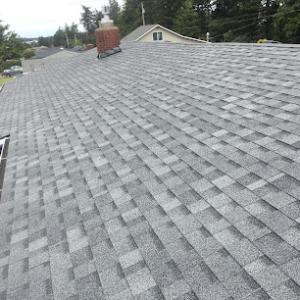
Welcome to Dan Kintner Construction! In business since 2012, Dan Kintner specializes in sloped roofs and custom decks. Service area includes Coos Bay, North Bend, Bandon, Coquille, Reedsport and all surrounding areas. Please feel free to call with any questions or bid requests. Roofs, roofing contractor, roofer, decks, deck contractor, reroof, tear off, shingles, roofing company, roof installation, replace, repair, asphalt, composition, residential, certified, Malarkey roofing, Malarkey certified residential contractor
Kilted Northern Roofing & Construction
(541) 239-2831 www.kiltednorthernroofing.com
Serving
4.4 from 7 reviews
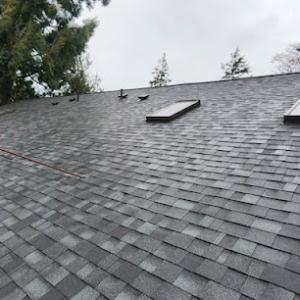
Kilted Northern Roofing & Construction, LLC is a dependable roofing company with experience providing roofing services for homeowners and businesses throughout Oregon. We use only the best materials, from fiberglass, metal, or shingle, to ensure your roof installation is done correctly. As a roof repair and fence company, we aim to give our customers high-quality products and a great experience. We have trained professionals experienced in all types of new construction and replacement projects.
Apex Construction & Septic
Serving
5.0 from 2 reviews
We are a contractors working out of Port Orford, Oregon and surrounding communities. We are a top rated construction service provider, and from the first nail to the final creative touches our contractor and crew will turn your home into a modern, unique, and comfortable place to live. We proudly offer home additions, septic installation, and pressure washing service.
Jeffrey Wilkins metal roofing
Serving
Manufacturing metal roofing flashing and gutters
Most full replacements are pushed into the drier part of the year because winter storms and heavy rainfall increase the chance of water intrusion during open-roof work. Plan with a solid, multi-day weather buffer, aiming for a window when rain is unlikely for several days in a row. If a wet spell looms, shift postponed steps to the back end of the dry season rather than trying to chase a perfect forecast. The goal is to minimize sequences where decking and underlayment sit exposed after removal.
Storm-driven demand can compress scheduling after rough winter weather, so homeowners often need to plan replacements before the wet season returns. Build in a realistic lead time for ordering underlayment and edge detailing materials, and flag potential supply delays early. When a winter storm knocks out a planned start, have a contingency window in the calendar and ready access to a temporary dry-in plan so work can resume promptly once conditions improve.
Temporary dry-in matters more here because even short weather delays can expose decking and underlayment to repeated moisture. Use a breathable, weather-resistant roof cover for the exposed area if the project must pause between removal and full sealing. Focus on sealing rakes and eaves first, then protect any exposed decking with a temporary underlayment that can shed wind-driven spray. When possible, stage materials in a sheltered area and limit open-sky exposure to the smallest practical sections at a time.
Coastal wind-driven rain and salt exposure push edge detailing to the front of the work plan. Prioritize corrosion-resistant fasteners and flashings, and verify that edge metal is continuous and properly lapped. Inspect gutters, drip edges, and rake detailing for salt residue that can degrade metal over the season. Plan a quick inspection cadence after each heavy rain to catch edge-related leaks before they propagate inward.
Because repeated moisture exposure is common between open-roof phases, pay careful attention to decking and underlayment transitions. Use a high-quality underlayment with good moisture resistance and ensure fasteners penetrate securely without creating channels for wind-driven rain to intrude. A clean, dry deck between work areas reduces the risk of hidden moisture damage and helps the crew maintain a tight, long-lasting seal.
In this market, a full roof replacement is treated as more than cosmetic work. The permitting framework recognizes that edge detailing, underlayment choices, and flashing alignments must withstand coastal wind-driven rain and salt exposure. When the project involves replacing the entire roof deck or changing the roof system significantly, a permit is typically required. That distinction helps ensure that the installation meets local wind resistance and moisture management expectations, which are especially important along the shoreline where exposure is persistent and seasonal moisture is common.
The local process usually starts with plan review, where a contractor submits detailed roof specifications, including the type of roofing material, underlayment, ventilation strategy, flashing materials, and sealant choices. Submissions should reflect considerations specific to this coastline, such as corrosion-resistant metal flashings and edge treatments designed to hold up against strong westerly winds and salt spray. After review, approved plans move toward scheduled inspections. Rough-in inspections occur during the early stages of work to verify deck integrity, underlayment installation, and flashing layouts before the roof is closed up. A final inspection confirms that all components align with the approved plan and that drainage, venting, and roof penetrations are properly executed. Timely communication with the building department and adherence to the approved drawings help prevent delays caused by weather or site conditions typical of the Coos Bay area.
Inspection focus centers on decking condition, underlayment choice, flashing around penetrations, and venting strategy, all evaluated through the lens of coastal wind considerations. Decking must be sound and free of rot, with any repairs executed to maintain a rigid surface for the new roof system. Underlayment should provide a continuous, moisture-blocking barrier that tolerates damp coastal air and occasional exposure to salt spray. Flashing, especially at hips, valleys, chimneys, and along eaves, is scrutinized for corrosion resistance and secure attachment, given the wind-driven rain patterns common here. Venting needs to be adequate to manage moisture under the roof assembly without creating pools of condensation, while also resisting wind uplift. Inspectors will verify fastener patterns, sealant compatibility with coastal materials, and the overall integration of edge detailing to minimize wind-driven moisture infiltration.
Coordinate with the contractor to ensure that plan details match field conditions and any site-specific constraints, such as irregular eave lines or existing salt exposure on fasteners. Schedule inspections with enough lead time to address any minor deficiencies before the next weather window. Have a clean, accessible roof area for the inspector to review deck, underlayment, and flashing without obstruction. Keep documentation on hand for the inspector, including product data for corrosion-resistant metals and ventilation calculations, so the review can proceed smoothly and minimize return visits.
Provided local ranges are Asphalt Shingles at 350 to 650 USD per square, Clay Tile at 900 to 1700 USD per square, Concrete Tile at 800 to 1500 USD per square, Synthetic/Composite Shingles at 500 to 900 USD per square, Fiber Cement Shingles at 600 to 1100 USD per square, and EPDM Rubber Roofing at 4 to 8 USD per square foot. In practice, those numbers reflect exposure to wind-driven rain and salt, plus the inland-to-coast spread of coastal projects where materials and labor pricing adjust quickly with storm activity and the dry season window.
Costs in this area are often pushed up by the need for corrosion-resistant fasteners, stronger edge and flashing details, and repairs to moisture-affected decking discovered during tear-off. That means a "cheap" material upgrade can still end up costing more once the coastal hardware and prep are included. If a roof shop identifies decking rot or fastener corrosion after removing the old layer, you'll see line-item increases that aren't in the basic material quote.
Pricing can also rise when homeowners try to book work in the limited dry season or after winter storm demand spikes across the south coast. Dry-season scheduling helps crews stay ahead of rain, but it tightens availability and can push bids upward. Plan ahead for a window that balances dry weather with labor market demand, especially for larger jobs.
Tile systems can be especially expensive locally because heavier assemblies and breakage-sensitive repairs are harder to manage in a wet, windy coastal work environment. Here in Coos Bay, anticipate higher handling risks, careful edge detailing, and potential additional costs for crane or special rigging when moving heavy tiles over salt-saturated decks.
Coastal Oregon is a frequent roof-claim environment after winter storms and high winds, so Coos Bay homeowners are more likely to face insurer scrutiny than owners in calmer inland markets. The combination of wind-driven rain, salt exposure, and long wet seasons accelerates edge deterioration, flashing failures, and moisture intrusion. When a claim involves wind damage, flashing seams, or recurring leaks, carriers may question the extent of wear versus isolated events. Expect slower timelines and more questions as adjustments weigh weather history against your roof's age and materials.
Carriers may ask for detailed roof documentation and professional inspection reports. Gather recent roof certifications, inspection notes, and photos showing vent and edge details, flashing, and any prior repairs. A qualified roofer's assessment that ties moisture intrusion to specific storm events can strengthen a claim. If you've had repeated moisture concerns, prepare to demonstrate how each season's exposure affected fasteners, underlayment, and the roof deck. In this climate, documentation that connects wind-driven rain to edge or flashing failures is especially valuable.
Some insurers have tightened coverage around certain materials or wind-rated systems, making pre-approval discussions more relevant for this coastline than for lower-exposure locations. If a replacement is on the table, expect conversations about product performance in salt-laced air and in exposed coastal gusts. Having an independent, written plan from a qualified contractor prior to filing can help set expectations and avoid coverage disputes when corrosion or premature failure is involved.
In this marine shoreline climate, leaks aren't always tied to a single storm. Homeowners notice leaks that develop during prolonged winter rain, often creeping in after days of steady wind-driven rain and high humidity. The first warning is slow, damp patches along ceilings or walls that appear after a stretch of wet weather, not just after a dramatic downpour. Pay close attention to edge details, penetrations around chimneys, skylights, and vents, and any areas where the roof deck meets the wall framing. Proactive inspections after the wettest weeks of winter can catch compromised flashing or compromised sealant before mold or structural damage begins.
A bay-air environment means fasteners, metal flashing, and drip edges endure more than routine wear. Salt exposure accelerates corrosion, particularly on fasteners and connectors that live near the roof edge or where roof-to-wall connections exist. When surveying a roof or planning repairs, choose components with corrosion resistance rated for coastal use-stainless, hot-dip galvanized, or aluminum where appropriate. Flashing should be continuous and well-sealed at overlaps and terminations. If paint or coating on metal parts looks chipped or dull, that spot may be a precursor to leaks or rust-through in a few seasons.
Coos Bay winters can shift from calm to squall quickly, which complicates projects that require dry-in or extended sealing periods. A sound plan includes a layered weather shield: a temporary roof underlayment or tarp system to cover exposed areas, careful sequencing to minimize open penetrations during predicted storms, and a defined shutdown protocol if forecast rain intensifies. Contractors should lay out an explicit dry-in strategy with reputable flashing details, ensuring ventilation is preserved and interior spaces remain protected during any mid-project rain events. This preparation helps keep interior finishes dry and reduces the risk of secondary damage during the wet season.