
Last updated: Apr 19, 2026
In this sheltered Umpqua Valley location, winter roofing work is frequently interrupted by long stretches of rain rather than heavy coastal salt or mountain snow loads. That means scheduling and moisture control drive the project more than drum-tight summer heat or harsh seaside winds. If a roof replacement is started in uncertain weather, underlayment exposure stacks up quickly and tear-off delays become the norm. Planning around a reliable stretch of dry days is not just convenient-it keeps the roof line protected and the interior drier during the critical phase of installation.
The best replacement window in Roseburg tends to be late spring through early fall. That window minimizes the chances of back-to-back rain events interrupting tear-off and underlayment work, reducing the risk of moisture seeping into the roof deck. If a project must cross from spring into early summer, you'll want to align the schedule with a forecast that promises a week or two of steady sun to complete the bulk of tear-off and dry-in. In practice, a plan that anticipates potential wet spells but targets a solid dry period is the most dependable approach for a smooth install.
Shoulder seasons bring temperature swings and occasional freeze-thaw cycles that can complicate temporary dry-in performance. In Roseburg, those conditions aren't about deep雪 per se, but they do matter for the time it takes to cure or set underlayment, tarps, and any temporary weatherproofing. If a project starts in late fall or early spring, the crew should be prepared for brief freezes at night and warmer daytime melting. That means mats and breathable underlayment should be chosen with moisture management in mind, and the crew should plan for longer drying-in periods when temperatures hover near freezing.
When you're lining up a project, target a window where several weeks forecast dry, mild weather with minimal wind and no expected heavy downpours. If you see a rainier spell approaching, coordinate with the contractor to stage the tear-off before the wet front arrives and to complete the dry-in during the lull. Consider aligning interior work-like attic insulation checks or ventilation upgrades-with the roof schedule so you don't have multiple trips to the site in the same storm cycle. For homes with complex roof lines or multiple elevations, a staggered schedule can help keep the interior dry while high sections are worked on.
Certain roof decks need longer dry times between tear-off and shingle adhesion, especially if the deck has residual moisture after a wet spell. In late spring and summer, asphalt and metal installations tend to move more predictably due to consistently warmer, drier days. If a replacement involves fiber cement or synthetic shingles, the drying window and edge treatments demand careful planning to avoid moisture entrapment. In any case, the goal is to complete the critical dry-in before the true wet-season conditions return, so interior spaces stay comfortable and the roof line remains protected.
As the project begins, verify that the forecast shows a clear sequence of dry days ahead, with contingency in place for a possible rain event. Ensure the crew has a plan for securing the deck, flashing details, and temporary protection during any brief wet spells. With the valley's wet winters, the emphasis remains simple: squeeze as much reliable dry weather as possible into the schedule, and treat the dry-in as the pivotal moment of the installation.
In Roseburg, extended winter moisture means leak complaints are more apt to trace back to flashing, valleys, penetrations, and moss-prone shaded roof sections than to hail impact. That makes the timing of roofing work critical: wet-season work carries elevated risk of water intrusion if flashing details aren't fully secure and valleys aren't properly sealed. Fall storms and winter wind events can interrupt active reroof jobs and expose weak shingle edges, ridge caps, and metal trim details. Those interruptions aren't cosmetic delays-they create openings that can let rain sprint into attic spaces and around penetrations, then linger in hidden corners until you notice discolored ceilings or musty smells. Plan your project around dry spells, but be ready to pivot quickly if a cold front or windstorm hits, because moisture proliferation compounds the longer it sits on the deck.
Homes in tree-influenced neighborhoods around the valley often deal with debris retention and slower drying, which can shorten the service life of asphalt-based systems. Leaves, needles, and small branches accumulate in gutters and at roof lines, trapping moisture against shingles and under flashings. Moss-prone shaded sections intensify this effect, holding dampness that ages asphalt quicker and allows granule loss to accelerate at edges and around penetrations. Ridge caps and metal trim details are especially vulnerable during wind events-loose caps uplift and expose underlayment or deck material to relentless rain. Valleys and transitions with multiple planes offer additional leakage paths if their sealants or step-flashing aren't maintained. In short, the combination of wet winters, shaded moss growth, and wind-driven debris creates a high-risk scenario where failures establish themselves along edges, joints, and penetrations before any obvious roof surface damage appears.
First, prioritize diagnostic checks on flashing, valleys, penetrations, and roof-to-wall transitions before the wet season intensifies. Have a qualified roofer inspect and reseal step flashing around vent stacks, skylights, and chimneys, and verify that valley metal is properly lapped and secured. If moss is present, treat and mechanically remove it in advance of rain, ensuring the underlayment beneath is intact and dry. During fall wind events, keep trees trimmed away from the roof and clear debris from gutters and downspouts to prevent backup and water pooling near critical seams. When scheduling work, aim for a window of dry, moderate weather and coordinate tightly with crews to minimize exposed roof edges during progress. If a storm interrupts progress, immediately recheck and reseal any exposed edges, confirm ridge cap integrity, and reflash any areas that show movement or lifting after the skies clear. Quick, targeted maintenance of these zones reduces the chance of moisture lingering in hidden cavities and extending the life of the roof system.
Asphalt shingles remain a practical fit in this area because they align with the region's common residential roof forms and offer a lower upfront cost for moisture-prone reroofs. In a valley climate shaped by long wet winters, asphalt bundles are easier to install quickly when skies cooperate, and their forgiving nature helps when minor water intrusion risks arise during heavy rains. When choosing asphalt, focus on designer or upgraded asphalt options that provide better granule retention and a thicker nailing strip, which helps resist wind-driven rain and hail common in late spring squalls. A well-sealed roof deck paired with a robust underlayment becomes a reliable duo for moisture management, especially on homes with multiple dormers or complex intersections that can trap damp air. For homeowners, matching shingle color to reduce heat gain and applying appropriate venting strategies will make this choice both durable and efficient through Roseburg's wet season.
Metal roofing is especially relevant for households prioritizing faster water shedding during the wet season and lower maintenance during dry, debris-heavy summers. In this market, metal panels shed rain rapidly, reducing the duration that roof surfaces stay wet and decreasing the chance for persistent dampness in roof valleys. The reflective properties of lighter metal finishes also help moderate attic temperatures after storm fronts, which can ease interior humidity swings. For Roseburg homes, consider panels with a durable coating resistant to moss or lichen buildup, common after extended wet spells, and ensure the installation includes solid fasteners and properly sealed seams to minimize seam creep over time. If a home has limited attic ventilation, a metal roof can still perform well, but pairing it with strategic ventilation helps manage condensation and maintains shingle-like comfort under the deck.
Clay tile and slate are available but are less typical choices for Roseburg homes because their higher installed weight and cost can complicate reroof decisions in a market dominated by more conventional residential construction. When considering these materials, ensure structural assessments confirm the home's framing can support the added load, particularly on older structures or homes with marginal attic height. Environmental benefits exist-clay and slate offer long service life and distinct appearances-but local applications often favor lighter, easier-to-install options that pair better with the region's standard roof geometries. For homes with vaulted ceilings or prominent eaves, a lighter synthetic or composite alternative can provide a similar aesthetic with a lower burden on the structure and a more predictable moisture response during the wet season. In damp, fire-preventive contexts, slate's durability is appealing, yet the trade-offs in weight and install complexity should guide a homeowner's decision.
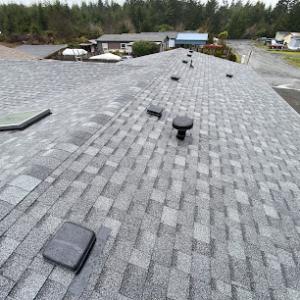
LT Roofing & Construction
811 NE Newton Creek Rd, Roseburg, Oregon
5.0 from 18 reviews
We have the skills to provide professional roof installations. Our services include flat roof, metal, and shingle roofing. We take pride in giving you a quality, long lasting roof over your head. Give us a call today for a free estimate
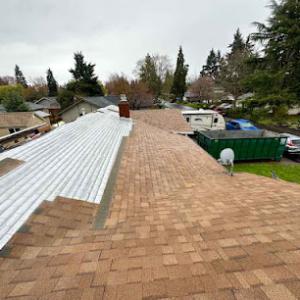
J&N Roofing
(615) 821-6101 jnroofingpros.com
Roseburg, Oregon
5.0 from 8 reviews
At J&N Roofing, we’re more than just contractors; we’re your partners in transforming your home. With a commitment to quality, craftsmanship, and customer satisfaction, we are a general contractor in Roseburg who offers a wide range of services that enhance the beauty, functionality, and value of your property. From kitchen remodels to roofing services, we do it all, and we do it exceptionally well. Our mission is to turn your visions into reality through expert craftsmanship, quality materials, and a commitment to exceeding your expectations. With a team of skilled professionals, we’ve built a reputation for excellence, one project at a time.
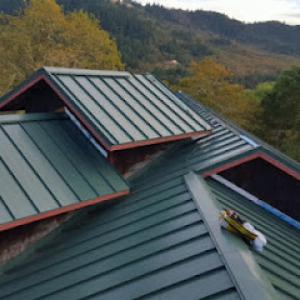
Foley Roofing
(541) 440-9518 foley-roofing.business.site
1056 Walnut St, Roseburg, Oregon
4.3 from 36 reviews
Douglas County Top Rated Roofer 2023, 2024, 2025, and 2026.
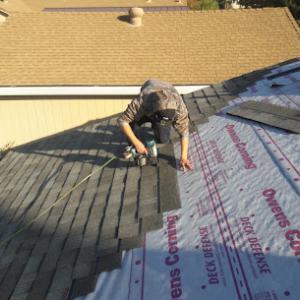
Patriot Roofing
(541) 435-4445 patriotroofingoregon.com
7551 Lookingglass Rd, Roseburg, Oregon
5.0 from 5 reviews
Locally owned roofing contractor serving Douglas and Lane counties. From new roofs to repairs, we do it all. Call for a free estimate. Licensed, bonded and insured. CCB 241641 541-435-4445
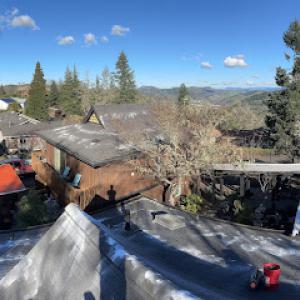
Uber Roofing
(541) 430-0626 uberroofingroseburg.com
538 W Agee St, Roseburg, Oregon
4.1 from 20 reviews
Here at Uber Roofing we care about our customers. We have the experience and knowledge for all your roofing needs. To keep you and your family dry and worry free for years to come. We offer services such as re-roofs, roof cleaning, Gutter cleaning and Moss treatment. We also offer different types of materials asphalt shingles, metal roofing and TPO membrane roofing. If you are interested in a free estimate please gives us a call Uber Roofing at 541-430-0626 or email us at uberroofing1@gmail.com. We look forward to doing business with you. No matter how big or small. Your project is creating a friendship with our community and giving back to the community by leaving quality roofs.

Standridge Roofing
(541) 673-7501 roseburgroofingcompany.com
265 NE Chestnut Ave, Roseburg, Oregon
4.1 from 17 reviews
Standridge Roofing services the Roseburg Oregon area since 1995. We specialize in roof inspections, reroofs, roof installation, moss removals and real estate inspections.
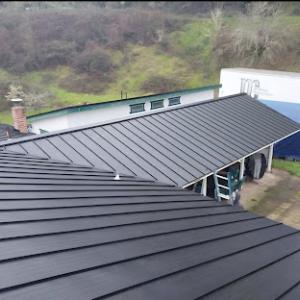
Noble Roofing & Construction
1837 NE Diamond Lake Blvd, Roseburg, Oregon
4.7 from 6 reviews
Noble Roofing & Construction is a locally owned and operated company proudly serving Douglas County and the surrounding areas. We provide high quality roofing solutions with a strong commitment to professionalism, reliability, and customer satisfaction.
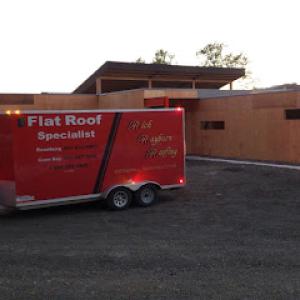
Rich Rayburn Roofing
(541) 430-9997 www.roseburgroofingandgutters.net
2161 W Foothill Dr, Roseburg, Oregon
3.9 from 7 reviews
Rich Rayburn Roofing has been operating in the Coos Bay and Douglas County areas for over 20 years. This length of time only comes from treating the customer right the first time. We specialize in residential and commercial flat roofing systems and manufactured home roofing, composition shingle pitch roofs residential and commercial and gutter installations.
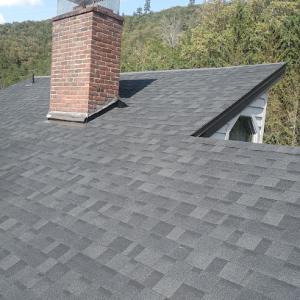
Roof King
Serving
5.0 from 13 reviews
Top quality roofing installations call today for an estimate
For Roseburg homeowners, a full reroof typically requires a permit handled through Douglas County rather than a separate city-only roofing office. That means you'll submit through the county's process, and your contractor should be familiar with the county's permit portal and required documentation. Expect plan review steps that may take a bit longer in peak reroof season.
In practice, start the permit application early in the planning stage, especially if tear-off is involved. The county reviews drainage, height, and setbacks, and may require revised drawings if the roof structure has nonstandard elements. Your contractor can help assemble the site plan, venting details, and wind-bead or underlayment choices that comply with local amendments.
Roofing inspections in the Roseburg area are generally scheduled during and after the work, and timing can shift based on county workload and plan review volume. The inspector will typically verify tear-off safety, attic ventilation, flashing, and proper underlayment before the new roof goes on, then a final inspection after completion. Coordinate access and temporary power for tools and any required roof access pathways.
Because permitting is county-administered, homeowners should confirm lead times before scheduling tear-off during the wetter parts of the year. Wet-season delays can push inspection slots and hold up the project window, so align tear-off timing with the driest available days in late spring or early fall when possible, and maintain covered staging to minimize moisture exposure of the deck and interior.
If a contractor handles the permit, verify they've submitted all required plan sheets, site diagrams, and wind-rated components. Keep a calendar of inspection dates and notes from county correspondence, and be prepared to adjust the work sequence if a plan-is-needed revision arrives. Having a proactive communication loop with the permit office helps avoid weather-driven backlogs.
During wet winters, the county's moisture management expectations are strict, and roof venting and underlayment quality come under closer scrutiny. If wildfire season affects quality, crews may face additional safety checks or temporary postponements. Stay in contact with permit office and your contractor to keep schedule realistic.
When you're planning a replacement, the base material choice drives the lion's share of cost. Asphalt shingles typically fall between 350 and 550 USD per square, while metal sits around 600 to 900 USD per square. For heavier options, clay tile runs 900 to 1500 USD per square, slate 1200 to 2100 USD per square, and synthetic or composite shingles 450 to 750 USD per square. Fiber cement shingles land in roughly 450 to 750 USD per square. Those numbers are the starting point, but the final bill often reflects how the project actually goes from clear forecast to finished roof.
In this valley, winter rain compresses the workable season. When a late-wall wet spell arrives, a few projects stack up behind it, and that can push your installation into a tighter window from late spring through early fall. If your start date slips, you're more likely to see minor price bumps or short-notice scheduling tweaks. That pressure tends to pad labor costs a bit and can affect material handling, especially for larger or more intricate roofs.
A straightforward shallow roof will stay closer to the base material ranges, but a complex roof with multiple hips, valleys, dormers, or old flashing that needs replacement can push costs higher. Valleys and flashing work are especially relevant for dry-season performance in wet weather; in practice, this means more materials and more labor to maintain a watertight system during and after installation. If your roof has multiple transitions or uses heavier materials, expect the price to reflect the extra labor and fastener counts.
Heavier materials require more structural review and sometimes reinforcement. If your home uses heavier options, like slate or clay, you'll see higher per-square costs driven by labor intensity, crane or scaffolding needs, and the possibility of upgrading roof-support elements. In contrast, lighter options like asphalt or synthetic shingles stay more budget-friendly, with costs leaning on installation time and weather-related scheduling.
Beyond material choice and schedule, expect fluctuation from roof pitch, square footage, and accessibility. A steeper roof, limited access for crew trucks, or extended scaffolding will nudge costs up. With wet-weather performance as a priority, additional emphasis on accurate valley detailing, flashing replacements, and tarping to guard against rain can also tilt the final price. Planning ahead for these variables helps keep the project predictable and minimizes costly weather-driven delays.
When a claim lands from a roof issue, insurers in this area tend to scrutinize more than just the leak itself. Expect close evaluation of the roof's overall condition, its age, and how well-prepared documentation is. Not every drip is treated as storm-created damage; aging materials, wear from years of exposure, and prior maintenance history get weighed against a sudden event. Understanding this mindset helps you frame what happened without overselling the cause.
Because many roof problems emerge during prolonged wet periods, keeping solid photo records matters. Focus on flashing details, underlayment exposure, and the timing of storms relative to the damage. Photos taken after a rainfall, showing where water entered and what the surrounding materials look like, can be decisive. Keep a simple log of when the leak first appeared, how long it persisted, and any attempts to dry or mitigate the issue. This kind of trail helps distinguish a one-time storm event from deferred maintenance that quietly contributed to the failure.
Adjusters are prone to request contractor estimates, material details, and an outline of replacement timing. In Roseburg, where county scheduling and the wet season can stretch project timelines, having credible, contractor-backed statements about the needed scope and sequencing can smooth the process. Prepare to present detailed material types, installation notes, and any known age-related concerns. This preparation helps demonstrate that the claim reflects a real repair plan rather than a speculative diagnosis.
Storm timing, rain delays, and permitting/logistical realities can extend the repair window. Communicate openly about how the weather has affected access to the roof and any anticipated hold-ups. If you have documentation of prior maintenance or partial repairs, share that context early. A well-documented case that ties weather events to specific damages, supported by photos and professional estimates, reduces surprises when the claim is reviewed.
Roseburg's dry summers in southern Oregon mean that the roof must be prepared for more than heat. Debris-pine needles, dust, and ash-can accumulate quickly, especially during wildfire season. If debris sits on the shingles or in valleys and gutters, it traps moisture and accelerates wear, even on sturdy asphalt or metal. Inland winds and the valley's layout make late-summer build-up a real concern, so plan ahead for a mid-summer sweep. A clean roof and clear gutters reduce the risk of moisture sitting on hot surfaces and help prevent staining or premature granule loss on asphalt shingles.
Summer heat is a friend to quick scheduling, but it also challenges material handling. Exposed roof surfaces heat up fast, which can soften certain roofing products and slow down installation crews if temps spike. On metal roofs, expansion and contraction become more noticeable, so fasteners and panels should be managed with heat-aware pacing. If a roof is slated for work during peak heat, consider earlier start times and staggered shifts to protect installers and maintain quality. Acknowledge that extreme heat can alter sealant work and intermittent flashing adjustments, so expect deliberate pacing rather than rapid completion.
Before the valley shifts back toward fall rain, clear the roof and gutters-especially after late-summer fire weather forecasts. A thorough sweep removes embers, ash, and dry plant matter that would otherwise burn or clog when humidity drops. Check eaves and drip edges for debris buildup that can hold moisture against fasteners. If gutters are clogged, water can back up under edges during a rain, potentially compromising underlayment and drip edging. Keeping a debris-free roof and clean gutters is a practical step toward delaying trouble when autumn storms arrive.