Ultimate Guide to Chimney Leaks
Last updated: Feb 28, 2026
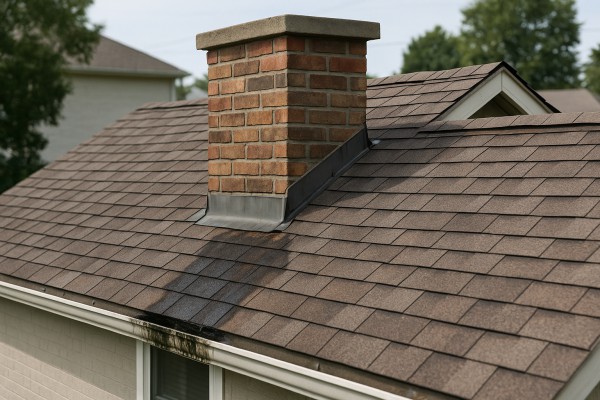
Introduction to Chimney Leaks
Chimney leaks are a common source of interior moisture, especially in homes with brick or stone chimneys exposed to wind-driven rain. Water can seep through tiny gaps at the flashing, crown, or mortar joints, then travel down the chimney into ceilings, walls, or attic spaces. If you've seen stains, damp spots, or a musty smell near the fireplace, you're not alone—and you're right to take it seriously.
Why chimney leaks happen
- Flashing around the chimney base fails or deteriorates
- Cracks in the masonry or crown allow water to penetrate
- Deteriorated or missing mortar creates pathways for infiltration
- Damaged or undersized chimney cap/crown misdirects water
- Poor venting or cap design leads to condensation and drip
- Freeze-thaw cycles widen gaps and worsen existing cracks
Is it urgent or common?
- It's very common for older homes and in climates with wet seasons.
- Usually not an immediate catastrophe, but untreated leaks can cause wood rot, mold, and structural damage.
- If water is actively dripping into living spaces or attic, treat it as urgent and limit exposure until a pro can assess.
How to tell if it's urgent
- Active water intrusion into attic or ceiling with fresh dripping
- Rapidly spreading water stains or ceiling sag
- Visible dampness on walls near the chimney after a rain
- Strong musty odor or mold growth in the area
1) Minimize interior damage: move furniture and valuables away from the affected area; place a bucket or interception tray under the drip if it's safe to do so from below.
2) Do not step onto the roof unless you're trained and equipped; loose shingles and slick surfaces are risk factors.
3) From the attic (if accessible and safe), locate obvious signs of intrusion around flashing, crown, or joints.
4) Protect indoor surfaces: lay down towels or plastic to catch drips and limit further moisture exposure.
5) Schedule a professional chimney/roof inspection as soon as possible to pinpoint the source and scope.
What a typical repair plan includes
- Pinpointing the leak source using inspection, flash testing, or infrared methods
- Repairing or replacing flashing to restore a weather-tight seal at the chimney base
- Crown repair or rebuild to shed water away from the masonry
- Repointing or stabilizing damaged mortar and addressing any masonry cracks
- Replacing or upgrading the chimney cap and ensuring proper venting
- Integrating flashing with the roof to ensure proper water runoff and durability
- Interior remediation if water damage has affected ceilings, insulation, or framing
How to approach a repair (high-level)
- Expect a phased approach: assessment, temporary protection if needed, then permanent repairs
- A qualified contractor will typically coordinate tasks so the roof, flashing, and masonry work integrate smoothly
- Ask about warranties on workmanship and materials; verify that chimney work complies with local code requirements
High-level next steps
1) Schedule a professional inspection to identify the exact leak source and scope.
2) Have the attic and exterior around the chimney checked for moisture intrusion and damaged components.
3) Review a written plan outlining the repair steps, timing, and expected weather windows.
4) Plan for post-repair monitoring to verify that no new leaks develop during rain events.
Are Chimney Leaks an Emergency?
Chimney leaks can signal a range of problems, from loose flashing to a cracked crown. Some leaks are minor and can be scheduled, others demand immediate attention to protect your roof structure, attic insulation, and even electrical systems. Use these guidelines to judge urgency and keep your home safe while you plan the next steps.
- Water is actively dripping into the living space or attic during rain or after a storm, with no obvious quick fix on hand.
- You see ceiling sagging, new drywall stains, or signs of active roof decking exposure.
- Chimney flashing looks damaged, loose, or displaced, or you notice cracked mortar and gaps at the chimney base that appear to let water in.
- There's dampness or a burning/smelling odor near electrical outlets or wiring in the attic or near the chimney—water and electricity near each other is a dangerous combination.
- The roof or chimney area shows signs of movement, shifting bricks, or other structural concerns that could worsen with weather.
Monitor if
- The leak only appears during heavy rain or wind-driven spray and interior surfaces remain dry most of the time.
- There are attic stains or musty odors but no active water entering living spaces, and you can document with photos to track changes.
- The chimney cap, if present, is intact, and you don't see obvious flashing damage—you're waiting for a planned repair window.
- You've scheduled a professional inspection within the next week or two and want to observe whether the situation worsens.
Can wait if
- The seepage is minor and stops after rain ends, with no staining on ceilings or walls and no signs of mold growth.
- Weather is calm, and you can arrange a repair or flashing replacement in a reasonable timeframe without risking further damage.
- There are no electrical concerns, no damp insulation, and no interior water intrusion, allowing you to plan a longer-term fix rather than an emergency fix.
What to do now (quick, practical steps)
- Protect the interior: move valuables away from the leak area, place buckets or towels under dripping spots, and if feasible, temporarily cover the area with a dry tarp to minimize further water intrusion.
- Limit additional damage: avoid using electrical outlets and appliances near the affected area; switch off circuit breakers if you detect moisture near wiring (only if safe to do so).
- Document and communicate: take clear photos of the affected roof, flashing, crown, and attic conditions; note dates and rainfall amounts to share with your roofer.
- Safety first: if you notice significant sagging, creaking, or fallen debris, stay out of the attic and contact emergency services or a professional immediately.
What to tell your roofer
- Exact locations of leaks (ceiling spots, attic stains, or exterior damp areas).
- Recent weather patterns that coincided with the first signs of leakage.
- What you've observed in terms of interior dryness, odors, or moisture near electrical components.
- Any prior roof or chimney work and whether flashing, crown, or cap were involved.
By recognizing urgency cues and following practical steps, you can balance safety and timely repairs without overreacting to every rainstorm.
Common Causes of Chimney Leaks
Damaged or Missing Flashing at the Base
The flashing where the chimney meets the roof is the front line against water intrusion. If the metal is loose, bent, corroded, or not sealed correctly, rain finds gaps to seep into your attic or wall.
- Signs to watch for:
- Water stains or damp insulation in the attic near the chimney
- Rust spots on the flashing or shingles near the base
- Visible gaps or lift along the chimney edge
- Quick checks you can do (safely):
1) From the attic, look for daylight or damp patches around the chimney.
2) From the roof, inspect the flashing seams for gaps or concrete-like sealant that's peeling away.
3) If you see small gaps, reseal with a compatible roofing sealant; if flashing is pulled away or damaged, call a pro.
- When to call a roofer: flashing is severely corroded, torn, or structurally compromised.
Cracked or Deteriorated Chimney Crown
The crown sits on top of the masonry and should shed water away from the brick. A cracked or worn crown lets water seep down the sides.
- How it shows up:
- Hairline or wide cracks across the crown
- Spalling or flaking on the brick face below the crown
- Pooling water or moss on top surface
- Repair approach:
- Small cracks: seal with a crown repair sealant
- Larger cracks or failed crown: rebuild or re-cast the crown with proper slope away from the flue
- Ensure a slight overhang and proper drainage to direct water away
Deteriorated Masonry and Mortar Joints
Water can travel through cracked bricks and missing or softened mortar, especially after freeze–thaw cycles.
- What to look for:
- Crumbling or missing mortar between bricks
- Loose or leaning bricks
- White crust (efflorescence) on brick surfaces
- Fix plan:
- Repoint damaged joints by removing old mortar and applying fresh, breathable mortar
- Clean masonry and, if appropriate, apply a breathable water repellant (not a painted sealant)
- Avoid over-sealing; masonry needs to breathe to prevent interior moisture buildup
Problems with Chimney Cap, Crown, and Chase Cover
Top-of-chimney defenses can fail: a missing cap, cracked crown, or damaged chase cover lets rain and meltwater pour inside.
- Clues:
- Rusted or bent cap
- Cracked or warped chase cover (for factory-built chimneys)
- Water stains around the top edge and down the interior walls
- What to do:
- Replace or repair the cap and chase cover
- Re-seal the top edges and ensure the cap sits squarely and venting is clear
Roof-Chimney Interface and Valley Flashing
Water can sneak in where the roof surface meets the chimney, especially where valleys, shingles, or flashing overlap.
- Checkpoints:
- Condition of shingles directly around the chimney
- Integrity of valley flashing near the chimney base
- Any cracking sealant or gaps at the roof-to-chimney seam
- Action steps:
- Repair or replace damaged shingles around the chimney
- Re-flash or reseal the intersection; use flexible, weather-rated sealant
- Ensure proper shingle overlap to direct water away from the chimney
Prefab Chimney Chase and Top Seals
For factory-built (chase) chimneys, the chase, top seal, and metal components are common leak points.
- Common symptoms:
- Moisture in the attic around the chimney area
- Condensation on interior walls near the chimney
- Damp ceiling spots near the chimney stack
- Remedy:
- Replace worn chase cover and reseal joints
- Inspect interior for water damage and address any leaks behind the chase
- Ensure proper ventilation and clearance around the chase to prevent trapped moisture
How Roof Materials Affect Chimney Leaks
Key factors linking roof material to chimney leaks
- Flashing compatibility matters: Each roof type uses its own flashing details. If flashing around the chimney isn't installed or integrated correctly for that material, leaks are likely.
- Movement and expansion: Temperature swings cause roofs to move. Materials that move more or have less forgiving sealing around the chimney are more prone to leaks.
- Porosity and drainage: Porous or absorbent roof surfaces can wick moisture toward the chimney, while non-porous surfaces may hide minor leaks longer.
- Age and wear: Older roofs show worn seals, cracked flashing, and degraded caulking around the chimney sooner, regardless of material.
Common roofing materials and how they're affected by chimney leaks
- Asphalt shingles
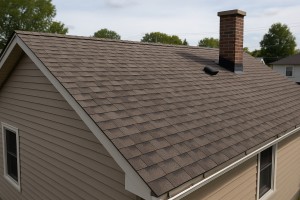
- Why leaks occur: The chimney line is one of the most frequent trouble spots for shingle roofs; lifting, cracking, or poorly seated flashing creates channels for water.
- What to expect: Water intrusion along the sides of the chimney, interior staining near the fireplace, and accelerated granule loss around the chase.
- Practical note: Proper counter-flashing and clean, well-seated shingles are critical; deterioration often starts where shingles meet the flashing.
- Metal roofing
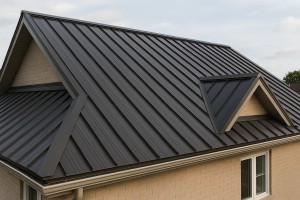
- Why leaks occur: Seams and fasteners at the chimney are vulnerable; sealant can fail where the metal meets masonry.
- What to expect: Small drips at the flashing seam, corrosion on fasteners, and possible ponding at the chimney line.
- Practical note: Continuous or integrated flashing transitions help handle thermal movement; inspect seam seals regularly.
- Wood shingles/shakes
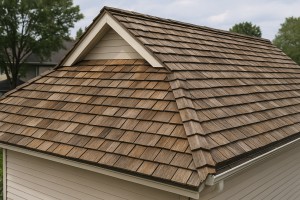
- Why leaks occur: Wood's porosity and movement mean flashing must be exceptionally well-sealed to keep moisture behind the surface.
- What to expect: Local rot near the chimney if leaks persist, warped or cupped shingles, and moss or mold in damp spots.
- Practical note: Keep the chase dry and replace any rot promptly; sealants should accommodate wood movement.
- Clay or concrete tile
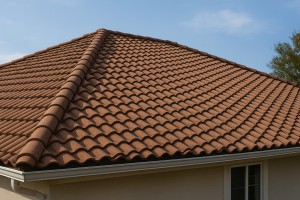
- Why leaks occur: Heavy tiles can crack or loosen around the chimney if flashing isn't properly integrated with the tile layout.
- What to expect: Cracked or displaced tiles at the chase, deteriorating mortar joints, and water finding its way behind the tile bed.
- Practical note: Tile systems use specialized flashing and underlayment; movement can misalign flashing if not installed correctly.
- Slate
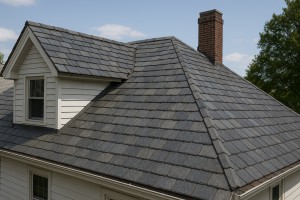
- Why leaks occur: Slate is durable but requires precise flashing; movement or improper fasteners can loosen surrounding slates.
- What to expect: Hairline cracks or gaps near the chimney, with water finding seams between slate and flashing.
- Practical note: Copper or lead flashing paired with good backer support provides reliable transitions around chimneys.
- Synthetic/composite
- Why leaks occur: Product-dependent movement and sealant compatibility with chimney flashing vary; some rely heavily on correct flashing.
- What to expect: Gaps at transitions, accelerated wear around the chase if the sealants break down.
- Practical note: Follow manufacturer guidelines for flashing materials; mismatched sealants are a common leak source.
Quick, material-specific inspection steps
1) Asphalt shingles: Check along the chimney line for lifted shingles and any gaps in flashing.
2) Metal: Inspect seams and fasteners at the chimney; test joint seals for integrity.
3) Wood shingles: Look for rot at the base near the chimney and compromised flashing.
4) Tile: Look for cracked or missing tiles and inspect mortar joints near the chase.
5) Slate: Inspect for loose or cracked pieces near the chimney and verify flashing is intact.
6) Synthetic: Check flashing compatibility and any signs of edge sealing failure.
Maintenance tips by material
- Asphalt: Replace damaged shingles promptly; keep flashing clean and reseal as needed.
- Metal: Re-seal joints periodically; watch for corrosion at exposed fasteners.
- Wood: Repair or replace rotten wood; ensure good drainage around the chase and maintain sealants.
- Tile: Replace cracked tiles; verify underlayment and flashing are properly integrated.
- Slate: Maintain copper or other durable flashing materials; avoid over-tightening fasteners.
- Synthetic: Use manufacturer-approved sealants; inspect seams regularly and refresh as needed.
The Risks of Ignoring Chimney Leaks
Structural damage to the chimney and surrounding roof
Water that leaks through cracked masonry doesn't stay put. It travels the chimney chase and rots the materials you're counting on for support and weather resistance.
- Widening cracks in brick, spalling, and mortar failure compromise the chimney's stability over time.
- Damaged flashing and crown let more water in, accelerating deterioration of the roofline where the chimney meets the roof.
- The added weight of a saturated, shifting chimney can misalign the chase, risking further damage to the roof edge and surrounding structure.
Water intrusion and interior damage
Leakage from the chimney often finds its way into the attic and upper walls, where you can't see the full extent right away.
- Attic moisture rots sheathing and insulation, and can cause ceiling stains or sagging drywall below.
- Hidden dampness fuels mold behind walls, increasing remediation costs and health risks.
- Persistent moisture leaves mineral deposits and efflorescence on masonry, signaling ongoing water movement and damage.
Health and indoor air quality risks
Moist, moldy conditions degrade air quality and can affect your family's health.
- Mold exposure can trigger allergies, asthma symptoms, and respiratory infections, especially for kids and the elderly.
- Hidden mold behind drywall is a common consequence of slow leaks, often requiring invasive remediation.
- If the flue liner or damper is compromised, combustion byproducts may migrate into living spaces, elevating CO exposure risk.
Fire risk and creosote concerns
A damp chimney changes how fuels burn and how byproducts move through the system.
- Moisture encourages creosote deposits in the flue, creating a tar-like buildup that raises chimney-fire danger.
- A damaged liner can allow heat to contact combustible materials in the chimney chase, increasing ignition risk.
- Repeated freeze-thaw cycles widen gaps in masonry, letting embers or heat escape toward the roof or framing.
Hidden damage and cost escalation
What you can't see can quickly become the most expensive problem.
- Small leaks quietly corrode framing, metal components like flashing, and dampers, weakening the entire install.
- Delays turn minor repairs into larger fixes, spreading to crown repairs, chimney rebuilds, and roof deck work.
- Early-stage water issues become more invasive once they affect electrical, plumbing, and insulation systems.
Insurance and repair implications
Leaks intersect with policies and code requirements in ways that affect repairs and coverage.
- Some insurers require proactive maintenance records; chronic leaks can complicate or limit claims.
- Water damage often triggers multiple claims (masonry, insulation, electrical), driving up total repair costs.
- Correct chimney repairs may require permits and adherence to current codes; skipping proper procedures can cause future issues or void protections.
How Chimney Leaks Are Diagnosed
Where leaks typically originate
- Cracked or sagging chimney crown that lets water seep down.
- Damaged or missing flashing where the chimney meets the roof.
- Separated, cracked, or eroded mortar joints.
- Spalled brick or stonework that soaks up moisture.
- Damaged chimney chase cap, vent cap, or chase sleeve gaps.
- Deteriorated or displaced roof shingles directly around the chimney.
The diagnostic process
A trained mason or roofing pro follows a systematic approach to locate the exact path of water.
1) Exterior inspection of the roof and chimney
- Look for visible gaps, bulges, or rusted flashing, and check the slope and drainage around the chimney.
2) Flashing and crown assessment
- Examine the metal flashing for laps, sealant failures, and proper flash lines. Inspect the crown for cracks or spalls that allow water entry.
3) Masonry evaluation
- Check mortar joints, brick condition, and any cracks that could channel water inward.
4) Interior indicators in the attic and ceilings
- Look for staining, dark streaks, efflorescence, or warped wood near the chimney footprint; trace the stain to its source.
5) Tracing the leak path
- Trace from the interior sign back to an exterior potential entry point; leaks often travel along roof sheathing or framing before appearing under a stain.
6) Optional moisture testing and dye tests
- A pro may use moisture meters, infrared cameras, or dye tracing to confirm the water path without tearing into finished spaces.
Signs pros document during a diagnosis
- Stains that appear after rain or rapid temperature changes.
- Softening or peeling paint near the chimney line on interior walls.
- Damp insulation or mold growth in attic around the chimney chase.
- Rust stains or corrosion on metal components near the flashing.
What to expect in your diagnostic visit
- A thorough roof and chimney inspection, sometimes with a ladder or drone, to avoid missing hidden gaps.
- Probing checks on mortar and flashing with appropriate tools.
- Non-destructive testing first, with more invasive measures only if needed.
Homeowner prep and collaboration
- Clear the attic access path and note any recent repairs or moisture-related changes.
- Be ready to point out whenever you've seen leaks, even if they seem sporadic.
- Discuss past weather events and any prior chimney work with the inspector.
Repair Options for Chimney Leaks
Temporary fixes
- Cover the chimney with a sturdy tarp or plastic sheeting anchored securely to minimize further water entry during rain. Do not leave it long-term; it's a stopgap, not a solution.
- Install a temporary chimney cap or rain cover that fits the flue properly. This helps shed water while you plan a longer-term repair.
- Seal obvious gaps or small cracks around the flashing with exterior-grade silicone or a high-quality roof sealant, applied in dry weather and above freezing temperatures. Recheck after a storm.
- Move valuables away from the leak path and consider placing a bucket or towels under the interior area to protect floors and belongings until a proper fix can be completed.
Minor repairs
- Flashing tightening and resealing: Loose flashing is a common culprit. Inspect the flashing at the chimney base for loose nails, lifting edges, or corrosion. Re-nail, reseal joints, and apply a flexible sealant along seams.
- Seal masonry cracks: Small cracks around the chimney base or crown can allow water to migrate inward. Clean out cracks, backer-rod if needed, and fill with a mortar repair compound or elastomeric masonry sealant. Allow curing before rain.
- Crown and cap maintenance: If the chimney crown shows hairline cracks or spalling, apply a crown repair product designed for masonry. If the crown is severely cracked or deteriorated, plan for a more substantial fix (partial replacement) rather than a quick patch.
- Shingle edge and boot check: Inspect shingles around the chimney for lifted edges, broken tabs, or missing granules. Re-secure or replace damaged shingles and ensure the step and counter flashing are properly integrated with the shingle line.
- Vent and boot care: Inspect the roof boot (flashing boot) around the vent pipe; replace cracked or warped boots. Apply sealant along the seam between the boot and roofing material if needed.
- Gutter and gutter-downspout clear-out: Ensure water is not backing up toward the chimney. Clean gutters and downspouts and verify splash diversity from the roof edge so water flows away from the chimney.
Partial replacement
- Targeted flashing replacement: If sections of step flashing or counter flashing are corroded or lifting, remove the damaged portion and install new flashing in that area. Seal all joints with a compatible sealant.
- Shingle and underlayment in the affected area: Remove damaged shingles in the chimney zone and install new shingles with matching profiles. Install fresh underlayment or a high-quality self-adhesive underlayment to restore a watertight seam.
- Chimney flashing integration: When replacing flashing, ensure it integrates with the existing roof pitch and the chimney sides. Use appropriate sealant and secondary water barriers where required.
- Masonry repairs as needed: For deteriorated mortar joints at the base, repoint the masonry around the chimney after removing failing material. Allow joints to cure before applying sealant or additional flashing.
- Step-by-step (example):
1) Remove damaged flashing and shingles in the affected area.
2) Clean the substrate and inspect for rot or voids.
3) Install new flashing, sealing joints with compatible sealant.
4) Reinstall shingles and apply matching sealant to the field joints.
5) Flash test by gently spraying water near the chimney to verify no leaks.
Full roof replacement
- When leaks are widespread or the roof is nearing the end of its life, a full roof replacement near the chimney may be the most economical and durable option. Consider this if:
- The roof age exceeds 20–30 years in many residential systems.
- Multiple leaks reoccur after repeated minor or partial fixes.
- Damage extends to large areas around the chimney, including decking or structural components.
- Planning and steps:
- Schedule a thorough inspection to assess decking condition, flashing, underlayment, and chimney integration.
- Choose new roofing material that matches the home's style, budget, and local climate.
- Remove the old roofing, inspect and repair or replace decking as needed, install a fresh underlayment, then reinstall chimney flashing and vents with proper detailing to prevent future leaks.
- Conduct a comprehensive leak test after installation and verify proper drainage away from the chimney.
Typical Costs to Fix Chimney Leaks
Minor repair
- Description: Small, easily addressed issues that don't involve major structure work. Common fixes include resealing cracked mortar joints around the base or cap, tightening or substituting a loose flashing segment, and sealing gaps with high-quality exterior sealant.
- Typical work and cost: reseal and flash sealant around the chimney base; minor mortar crack filling; cap or vent seal adjustments.
- Typical cost range: $150–$800.
Moderate repair
- Description: Leaks that originate from more than a quick seal but don't require a full rebuild. This often means re-flashing a larger area, repointing moderate mortar joints, or addressing a larger crown crack with a patch. May involve temporary scaffolding and more extensive surface work.
- Typical work and cost: patching or re-flashing around a substantial section of the chimney, limited repointing of masonry joints, crown crack repair, replacing a malfunctioning chimney cap or weatherproof vent components.
- Typical cost range: $1,000–$3,500.
Major repair
- Description: Significant damage that threatens the integrity of the chimney or roof system. This can include extensive flashing replacement, major crown restoration, widespread toward-the-top masonry deterioration, or partial chimney rebuild/removal. In some cases, it may require work on the roofline or a roof replacement in the immediate area.
- Typical work and cost: comprehensive flashing overhaul, crown rebuild or long-span patching, heavy repointing across large sections, structural stabilization, or a controlled chimney removal/rebuild.
- Typical cost range: $4,000–$12,000 (often higher on steep or difficult-to-access roofs; extreme cases can exceed $15,000).
How to think about these numbers
- Schedule and access: Costs climb when the roof is steep, high, or difficult to access, because safety gear, scaffolding, and longer labor hours are needed.
- Materials chosen: Copper or stainless-steel flashing and premium sealants add to material costs but improve longevity. Basic asphalt or standard silicone sealants are cheaper upfront but may require earlier replacement.
- Scope of damage: Localized leaks from flashing or sealant wear stay on the lower end; multiple failure points or widespread masonry damage pushes the project into the moderate or major category.
How a chimney leak repair is typically approached
1. Inspect and identify leak sources: confirm whether the culprit is flashing, crown, mortar, cap, or vent seals.
2. Clean and prepare the area: remove loose mortar, debris, and old sealant for solid adhesion.
3. Repair/replace faulty components: address flashing and sealant first, then repoint or patch as needed.
4. Restore weatherproofing: reseal joints, reapply crown sealants, and install or upgrade a cap as appropriate.
5. Test for leaks: run water or simulate rain to verify the fix and ensure the area remains dry.
How Long Can You Wait Before Addressing Chimney Leaks?
- What happens if you wait
- Water can begin soaking ceiling drywall and attic insulation within hours.
- Moisture reaches wood framing near the chimney, increasing the risk of soft spots.
- Mold can start to form in damp, warm cavities, often before you notice a stain.
- Flashing, crown, or mortar damage can worsen, inviting more leaks.
1. Limit fireplace use to reduce further water entry.
2. Place a bucket or towel under the drip and use a plastic sheet to slow infiltration if safe.
3. Photograph the area for insurance and reference.
4. Mark potential entry points from the attic or exterior and note any visible cracks.
5. Schedule a professional inspection as soon as you can.
24-48 hours
- What happens if you wait
- Interior staining and dampness expand; you may see bubbling paint or bulging drywall.
- Insulation and framing near the chimney absorb more moisture, increasing rot risk.
- Mold growth can accelerate, with stronger musty odors and potential health impacts.
- Metal flashing or vent components near the leak may begin to corrode.
1. Keep the area as dry as possible; move valuables away from the leak.
2. If safe, apply a temporary tarp or seal around the exterior to reduce further bleeding water.
3. Avoid wiring or electrical work near the damp spot; call an electrician if you suspect hazards.
4. Call a chimney/roofing professional for a focused assessment and temporary protection.
1-3 days
- What happens if you wait
- Drywall and ceiling materials can start to sag or peel from ongoing moisture.
- Wood framing and roof deck near the chimney may show early signs of rot.
- Mold and mildew can become more established, complicating cleanup and repair.
- The leak may affect adjacent living spaces, bringing higher repair costs.
1. Use a dehumidifier in the attic or affected areas if safe to operate.
2. Re-situate or cover belongings to protect from ongoing moisture.
3. Schedule a comprehensive inspection of flashing, crown, and flue, plus a mason or roofer for urgent repairs.
4-7 days (1 week)
- What happens if you wait
- Structural risk increases as moisture penetrates deeper into roof sheathing and framing.
- Mold growth becomes more aggressive, often requiring professional remediation.
- Interior finishes (sheetrock, paint, trim) are more likely to need removal and replacement.
- Prolonged dampness can lead to higher energy loss and comfort issues.
1. Avoid occupancy under the leak area; implement temporary dry barriers where practical.
2. Gather estimates from licensed professionals for flashing repair, crown work, and liner/flue repairs.
3. Start coordinating with your insurer for coverage of water damage, mold remediation, and structural repairs.
1 month
- What happens if you wait
- Major moisture damage: the roof deck and framing near the chimney can deteriorate, requiring significant reconstruction.
- Mold may spread beyond the immediate area, driving up remediation costs and health concerns.
- Chimney masonry and flashing can sustain long-term damage, triggering more extensive repairs.
1. Develop a repair plan with a roofer and a mason to address flashing, crown, flue, and any compromised masonry.
2. Review and file any mold remediation and water-damage claims with your insurer.
3. Begin temporary stabilization work while long-term repairs are scheduled.
Several months
- What happens if you wait
- Widespread structural repair becomes likely; roof framing, attic structure, and chimney support may need replacement.
- Mold remediation can be extensive and multidisciplinary, sometimes requiring containment and ventilation systems.
- You may face prolonged living disruption and higher overall project costs.
1. Engage a general contractor to coordinate full remediation and reconstruction.
2. Budget for major work; secure permits and inspections as needed.
3. Maintain documentation of all damage, assessments, and repairs for insurance and warranty purposes.
How This Problem Varies by Location and Climate
Climate drivers of chimney leaks
- Freeze-thaw cycles crack and widen mortar joints, brick faces, and the chimney crown.
- Repeated heating and cooling stress weakens sealants, flashing, and caulking around the base.
- Humidity, rain, and snow increase moisture getting behind coping caps, crowns, and flue openings.
- Wind-driven rain and snow can drive water where gaps exist, especially around flashing and masonry veneer.
- Moss, algae, and mold in damp climates hold moisture longer, accelerating deterioration.
How This Problem Varies by Region & Climate within the United States
- Northeast (cold winters, heavy snow)
- Frequent freeze-thaw damage to mortar and crown; ice dams can push water into joints at the top of the chimney.
- Snow buildup around the crown and vent openings increases pressure on flashing during melt cycles.
- What to watch: cracked crown, missing or cracked mortar, rusted vent caps, deteriorated flashing where roof meets the chimney.
- Southeast (hot summers, high humidity, coastal exposure)
- Salt air near coast accelerates flashing corrosion; high humidity promotes moisture retention in porous masonry.
- Heavy rain and tropical storm remnants test seals and caulking more often.
- What to watch: corroded metal flashing, deteriorated chimney cap, worn caulking around brickwork.
- Midwest (temperature swings, windy and sometimes wet)
- Wide temperature swings expand and contract masonry, widening joints over time.
- Strong winds push rain into vulnerable flashing and crown gaps, especially on taller, exposed chimneys.
- What to watch: mortar joints loosening, crown cracks, loose or failing flashing.
- Pacific Northwest (very wet, mild but damp)
- Constant moisture supports moss and algae growth that retain moisture on all masonry surfaces.
- Roof and chimney intersections stay damp longer, promoting rot in any wood components nearby.
- What to watch: moss on brick or concrete, degraded flashing seals, wood siding adjacent to chimneys showing moisture damage.
- Southwest (arid to semi-arid with monsoon rains)
- Long dry spells make any hairline crack more prone to rapid water intrusion during sudden storms.
- Heavy seasonal rains can overwhelm aging seals and cause flash floods around the base.
- What to watch: cracked crown, sun-baked mortar joints that have spalled, flashing dry rot near the roof line.
- Alaska and Hawaii (extreme conditions in places; coastal vs. interior)
- Alaska: extreme cold and wind-driven moisture create rapid freezing of any water behind flashing.
- Hawaii: tropical humidity and salt air near coastlines accelerate corrosion and mold growth.
- What to watch: rapid crown deterioration in cold zones; corrosion and moisture buildup in coastal areas.
Building materials and local construction quirks
- Brick vs. stucco vs. siding: Different materials weather differently; flashing type and sealants must match the substrate.
- Mortar composition matters: Portland cement-heavy mixes resist moisture differently than lime-based joints common in older homes.
- Chimney crown finish: Stone or concrete crowns may crack differently depending on sun exposure and drainage.
- Roof detail around the chimney: Flat counter-flashings, step-flashings, and cap flashing behave differently with various roof pitches and shingle types.
Practical, region-informed maintenance steps
1) Schedule regular inspections aligned with seasons that hit your area hardest (e.g., pre-winter in the Northeast, post-rainy season in the Pacific Northwest).
2) Check crown condition and drainage: look for cracks, spalling, or pooled water near the chimney base.
3) Inspect flashing around all four sides after heavy storms or freeze-thaw cycles.
4) Examine mortar joints and caulk at the chimney-to-roof interface; re-point or reseal as needed.
5) Look for moisture staining on interior ceilings near the chimney; identify whether water comes from crown, flashing, or joints.
6) Address vegetation: remove moss and algae in damp regions to reduce moisture retention.
Quick region-specific action checklist
- If you live in a high-wind, snowy area: focus on crown integrity and flashing securement; reinforce or replace flashing as needed.
- Coastal, humid zones: prioritize corrosion-resistant flashing materials and proper sealing of joints to curb salt and moisture ingress.
- Dry, monsoon-prone zones: ensure crown drainage and sealants remain intact to handle sudden, heavy rains.
