Ultimate Guide to Mismatched Roofing Materials
Last updated: Feb 28, 2026
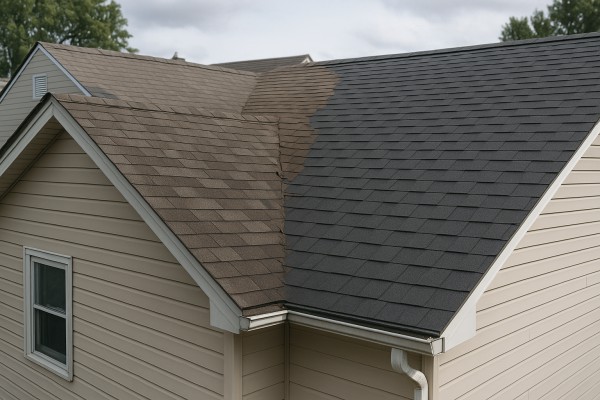
Introduction to Mismatched Roofing Materials
Across many homes, you may notice a roof that doesn't look quite right: sections that use different shingles, tiles, or metal panels than the rest. Mismatched materials happen for a range of practical reasons, but they can raise questions about durability, weather protection, and future repair costs. In this guide, we'll help homeowners understand when mismatch matters, how to assess it, and the high-level steps to take next.
What counts as mismatched roofing materials
- Different material types in adjacent areas (for example, asphalt shingles next to metal panels or clay tiles).
- Variations in shingle profiles, colors, or granule textures on the same roof line.
- Mixed underlayment or flashing materials beneath the visible surface.
- A patch job using a newer or older material that doesn't align with neighboring sections.
- Differences in tile size, shape, or fastening patterns that affect roof geometry.
Why it happens
Common, practical reasons include:
- Repairs using leftover materials from another project.
- Replacements performed at different times with the best available option.
- Remodels or additions that extended the roof beyond the original plan.
- Budget constraints or supply shortages that forced a substitute material.
- A homeowner or contractor changing product lines due to discontinued options.
Is it urgent or common?
- It's a very common situation, especially on homes that have had multiple repairs over the years.
- Most mismatches are cosmetic and don't immediately threaten structure, but some can affect water shedding, ventilation, or flashing compatibility.
- Urgency rises if you notice water intrusion, damp ceilings, ice dams, or unusual roof sag in the area with the mismatch.
Signs of trouble to watch for
- Water stains, mold, or damp spots in ceilings or attic spaces near the suspect area.
- Visible gaps, curling edges, or lifted shingles/tiles.
- Loose fasteners, exposed nails, or missing flashing around vents and chimneys.
- Unusual sounds during rain, such as dripping or running water inside walls.
- Inconsistent insulation performance in the attic above the mismatched section.
High-level next steps
1) Do a quick surface check from the ground and in the attic to understand scope.
2) Photograph the mismatched areas and note the material types, ages, and installation dates if known.
3) Compare what you find with any original roof plan, permits, or warranty paperwork.
4) Decide whether you need a professional evaluation now or can schedule a future review.
Quick checks you can do today
- Look for obvious material mismatches: color, texture, profile, and edge treatment.
- Inspect flashing around chimneys, vents, and valleys for gaps or improper sealants.
- Check for loose or missing shingles, tiles, or metal panels and for any exposed fasteners.
- Observe for signs of moisture in the attic, such as dark spots, mold, or a musty smell.
- Note any areas where snow or rain tends to linger longer than surrounding sections, which can signal drainage or flashing issues.
When to call a professional
- You see persistent leaks, active water intrusion, or widespread edge lifting.
- The mismatch covers a large roof area or involves critical sections like valleys, penetrations, or the ridge line.
- You're uncertain about the age and compatibility of materials, or you're facing potential flashing or underlayment concerns.
- You want a formal assessment, a materials compatibility check, and a plan for long-term roof health and value.
Is Mismatched Roofing Material an Emergency? Understanding the Urgency and Next Steps
Quick read: Is this an emergency?
Mismatched roofing materials can create a range of risks—from cosmetic concerns to real water intrusion. The stakes go up quickly if weather, age, or structural factors are involved. The goal is to separate moments that demand immediate action from issues you can monitor and schedule.
Warning signs to watch for
- Active leaks or dripping water inside ceilings or walls
- Sagging sections of the roof deck or visible movement in the roof line
- Exposed underlayment, flashing, or fasteners after a storm
- Daylight visible through roof boards or attic gaps
- Pieces of roofing material shifting, curling, or missing during wind events
- There is active leaking during rain or snow, with water entering living spaces
- You see sagging of rafters, trusses, or large sections of roof decking
- Flashing around chimneys, vents, or skylights is detached or severely damaged
- You notice mold, mildew, or a strong musty odor coming from the attic or ceiling
- There are persistent, worsening leaks after a storm or if wet insulation is present
Monitor if
- The weather is dry and leaks are not present in living spaces
- The mismatched materials show minor curling or cracking but no active water entry
- The attic temperature or humidity fluctuates without obvious water intrusion
- You can safely observe from the ground or attic without signs of structural movement
Can wait if
- There are no leaks, no signs of moisture, and no sagging or shifting
- The roof is dry for several days and forecasts look stable
- The mismatched materials are cosmetic-only, with no ongoing water entry or structural concern
- You have a scheduled repair window within a reasonable timeframe and weather is favorable
Step-by-step: What to do right now (urgent situations)
1) Ensure personal safety
- Do not grade onto a wet or uneven roof surface.
- Keep children and pets away from the area.
2) Minimize interior damage
- Place buckets under any active leaks.
- Move valuables away from affected ceilings or walls.
3) Protect the exterior temporarily
- If safe, loosely cover the affected area with a tarp, weighted by boards or bricks to hold it in place.
- Do not attempt to seal gaps with tape alone; tarping is a short-term measure.
4) Document the issue
- Take clear photos from multiple angles (roof edge, flashing, underlayment, any exposed deck).
- Note dates, rainfall, wind events, and any changes in the roof's behavior.
5) Plan a professional assessment
- Schedule a roofer who specializes in material mismatches to evaluate compatibility, flashing, and fastening details.
- Avoid DIY fixes that could void warranties or worsen mismatches.
Quick stabilization ideas (safe, if you can do them)
- Use a tarp secured with boards along the edges to prevent wind uplift
- Post signs or barriers to deter access near the affected area
- Clip or move any loose shingles or panels gently to prevent further displacement (only if you can reach them safely)
When you're unsure about urgency
- If you're uncertain whether moisture is entering the attic after a storm, treat it as urgent and have a roofer inspect to rule out hidden damage.
- If you've recently replaced materials and notice persistent gaps or unusual sounds from the attic, err on the side of caution and call a professional promptly.
What Are the Common Causes of Mismatched Roofing Materials?
Partial roof replacements after damage
When damage is localized, contractors often replace only the affected area rather than the entire roof. That patch can look out of place next to the older, weathered sections because the new shingles haven't aged the same way. Expect to see:
- Color or sheen differences between the repaired patch and surrounding roof
- Different granule wear on the new section
- Subtle profile differences if the replacement uses a slightly newer or older shingle style
Different brands, profiles, and batches
Roofing products vary by brand, shingle profile (3-tab vs architectural), and even batch numbers. If work stretches over multiple years or crews, you may end up with a mix that isn't an exact match. Common signs:
- Variations in brand or line name across the roof
- Mix of 3-tab and architectural shingles
- Noticeable color shifts between batches of the same product
Color fading and weathering differences
Shingles fade at different rates depending on exposure. A sunny, south-facing slope can look noticeably different from a shaded area, even if both sections started identical. You'll often see:
- Uneven fading from one plane to another
- More granule loss on highly exposed edges
- Slight differences in gloss or texture as coatings wear
Mixed materials or roof sections
Some roofs combine materials (for example, asphalt shingles with metal panels or clay tiles). The contrast between materials can be obvious regardless of color coordination. Look for:
- Clear transitions between material types
- Different edge details or fastening patterns
- Variations in height, shadow lines, or reflectivity
Substitutions due to stock shortages
During supply shortages, installers may substitute a close-looking option that isn't an exact match. The outcome can be subtle or quite noticeable. Watch for:
- Substituted product not matching the exact SKU
- Slight differences in thickness, granule size, or surface texture
- Different warranty terms or installation requirements reflected in paperwork
Age difference across roof sections
Roofs aren't always replaced all at once. If sections were done years apart, aging will create contrast. Expect:
- Newer sections looking crisper and darker
- Older areas with more wear, fading, or granule loss
- Sharp changes in color intensity across the roof
Documentation gaps and miscommunication
Sometimes a mismatch traces back to unclear records. If the installer used a near-match product or a different batch, those details may not be documented clearly. Signs include:
- Missing product names or SKUs on invoices
- Inconsistent color codes across receipts or warranties
- Notes that don't align with the materials actually installed
Environmental exposure and microclimates
Different roof faces experience distinct weather patterns. Wind, rain, and sun can age one area more quickly than another, creating visible mismatch even with identical materials. Indicators:
- Sun-exposed sections showing more fading
- Shaded areas retaining deeper, truer color longer
- Edges with more wind-driven wear or granule loss on exposed faces
Quick homeowner checklist
1. Gather records: look for SKUs, brands, and installation dates.
2. Compare across roof planes: note color, sheen, and texture differences.
3. Identify patches: locate any areas that were clearly repaired or replaced.
4. Check material transitions: look for mixed materials or different profiles.
5. Consider professional input: a roofer can confirm whether differences are due to aging, substitutions, or a more fundamental mismatch.
How Roof Materials Affect Mismatched Roofing Materials
Why mismatches matter
Different roof materials move, seal, and wear at different rates. When you pair dissimilar substrates, flashing, fasteners, underlayment, and sealants all meet at a junction that isn't designed to flex together. That misalignment creates weak points where water can seep, wind uplift can pull loose pieces, and accelerated wear can show up long before you expect.
Practical signs to look for
- Leaks at transitions between material types
- Streaks or tender spots near flashing that sits on a different substrate
- Warping, cupping, or cracking at edges where materials meet
- Unusual creaking or movement during temperature swings
- Rapid edge wear or nail pops along mismatched joints
Material-specific considerations
Understanding how each material behaves helps you plan proper detailing, flashing, and fastener choices. Here are the most common pairings and their typical challenges.
Asphalt shingles
- Effects: Asphalt shingles rely on compatible underlayment, flashing, and sealant systems. Mismatches with metal or tile can trap moisture at seams, accelerate edge wear, and stress the shingle edges where expansions differ. Heat from dark shingles can also push faster expansion against cooler metal components, stressing seals.
- Practical fixes: Use compatible flashing (often metal chosen to resist corrosion), sealants rated for the specific substrates, and ensure proper ventilation to reduce thermal cycling. Nail patterns and fastener depth should account for the underlying material's thickness and movement.
Metal roofing
- Effects: Metal expands and contracts with temperature. When paired with asphalt, clay, or slate without proper clearance and clips, fasteners can loosen, seams can gap, and puddling water at transitions can occur. Galvanic corrosion can happen if dissimilar metals touch.
- Practical fixes: Use corrosion-resistant fasteners designed for metal roofs, non-metallic washers where recommended, and flashing designed for metal-to-nonmetal transitions. Leave allowances for thermal movement and install breakpoints at critical junctions.
Clay or concrete tiles
- Effects: Heavy tiles demand a strong substrate and precise flashing. Mismatched underlayment or wrong fasteners can crack tiles or allow leaks at hip and valley intersections. Differential movement between tile and lighter substrates can cause micro-cracks at fasteners.
- Practical fixes: Reinforce roof deck as needed, use tile-specific flashings, and ensure sealant products are compatible with tile and underlayment. Consider a membrane or underlayment layer rated for tile to smooth transitions.
Wood shingles/shakes
- Effects: Wood moves with moisture and temperature. When paired with non-wood underlayment or metal flashing, you can see nail pops, gaps, and higher susceptibility to decay at edges. Moisture retention at junctions promotes mold growth.
- Practical fixes: Use flashing and sealants compatible with wood, allow for expansion gaps, and install drainage guidance to keep moisture away from fasteners. Ensure the substrate remains dry and vented.
Slate
- Effects: Slate is heavy and precise in its fit. Mismatches with lighter underlayments or incompatible flashing can cause cracking at the joints, water intrusion at fractured seams, and wind-driven damage at offsets.
- Practical fixes: Employ slate-specific flashings, compatible underlayment, and reinforcement at high-wind areas. Use correctly rated fasteners and keep consistent spacing to avoid stress concentrations.
Composite or fiber cement shingles
- Effects: These materials can behave more like wood or cement composites depending on composition. Mismatches with metal or clay can create thermal or moisture-related stress at transitions, leading to cracks or sealing failures.
- Practical fixes: Match sealants and flashing to the composite type, and ensure compatible primers and caulks are used. Check that fasteners accommodate any potential expansion or contraction.
Single-ply membranes (EPDM, TPO, PVC)
- Effects: Membranes are vulnerable to puncture and seam failures when paired with brittle older shingles or metal flashings not designed for membrane use. Adhesives and seam tapes must be compatible with the membrane chemistry.
- Practical fixes: Use the manufacturer-approved flashing and seam materials, and ensure penetrations are sealed with fittings designed for the membrane. Avoid incompatible solvents or cleaners near the seam areas.
Common roofing materials and how they are specifically affected by Mismatched Roofing Materials
- Asphalt shingles — susceptible to edge wear, sealant failure, and leaks at transitions with metal or tile
- Metal roofing — prone to fastener loosening, seam gaps, and galvanic corrosion with certain substrates
- Clay/concrete tile — heavy weight, requires precise flashing and sturdy substrate; mismatches can crack seams
- Wood shingles/shakes — move with moisture; gaps and nail pops at mismatched joints
- Slate — requires precise flashing; movement or improper sealing can cause fractures
- Composite/fiber cement — can react differently to heat/moisture than wood or metal; sealing must match material
- EPDM/TPO/PVC membranes — rely on compatible adhesives and flashings; improper bonding or punctures at joints leads to leaks
The Risks of Ignoring Mismatched Roofing Materials
Hidden Water Damage
- Mismatched materials can create subtle gaps at seams, valleys, and flashing that allow rainwater to penetrate the roof system.
- Different materials expand and contract at different rates, which can open up small joints over time.
- Water intrusion may show up as attic staining, peeling drywall, or musty odors long before you see a visible leak.
- Signs to watch for:
- Dark spots or damp underlayment in the attic after rain
- Loose or curling shingles near transitions
- Moss or algae growing on areas that stay wet longer
Structural and Decking Risks
- Persistent leaks from mismatched components can soak plywood or roof sheathing, leading to rot and weakened structure.
- Wet decking loses its stiffness, which can cause sagging or a bouncy feel on the roof edge.
- Fasteners and nails may corrode where different metals or materials meet, increasing the chance of sudden fastener failure.
- Consequences:
- Compromised load path and reduced roof lifespan
- Increased need for extensive deck replacement later
- Higher risk of interior damage during heavy storms
Energy Efficiency and Comfort Problems
- Different roofing materials conduct heat differently. A mismatched assembly can create temperature pockets and drafts at the roof line.
- In winter, heat can escape where materials don't seal properly, contributing to higher heating bills.
- In summer, mismatches can trap heat and cause uneven attic temperatures, which stresses insulation and ventilation.
- Practical impact:
- Higher energy bills without obvious roof failures
- Condensation issues around vents or seams in humid climates
- More frequent attic temperature fluctuations, affecting indoor comfort
Warranty, Insurance, and Code Issues
- Manufacturer warranties often require using compatible, specified materials together. Mixing unapproved materials can void coverage.
- Insurance claims for roof damage may be contested if the installation shows nonstandard or incompatible components.
- Local building codes and manufacturer guidelines typically call for uniformity in lapped materials and flashing details. Mismatches can trigger a rework—sometimes needed to pass inspections.
- What that means for you:
- Potential out-of-pocket costs for remediation
- Delays in project approvals or certificate of occupancy after a repair
- Higher likelihood of inspection failures if the roof is not uniform
Increased Maintenance and Repair Costs
- Every mismatch is a potential leak point that demands more maintenance attention.
- Inconsistent aging means one section may need repairs sooner than the rest, creating a patchwork repair scenario.
- Over time, frequent small fixes add up to the cost of a full replacement.
- Practical outcomes:
- More visits from roofers for quick fixes that don't address root causes
- Higher total spend compared with replacing all materials at once
- Disruption to your home during multiple repair cycles
Aesthetic and Resale Value
- Visible mismatches tarnish curb appeal and signal potential buyers that the roof was not installed with uniform standards.
- A roof that looks inconsistent can raise questions about underlying durability, even if the rest of the structure is sound.
- Buyers may negotiate lower offers or request costly contingencies for replacement.
- Long-term effect:
- Longer time on market
- Reduced resale price or stricter appraisal requirements
Quick Diagnostic Steps for Homeowners
1. Inventory the roof sections and note material types and ages.
2. Photograph transitions around vents, chimneys, and skylights, and look for uneven flashing.
3. Check attic and interior ceilings for dampness, stains, or unusual odor after rain.
4. Schedule a professional assessment to evaluate compatibility, flashing details, and an integrated replacement plan.
How Mismatched Roofing Materials Are Diagnosed
Quick visual clues homeowners can notice
- Different colors, textures, or granule patterns on neighboring roof sections.
- Variations in shingle shape, size, or edge lines across the roof.
- Patches or patchy areas that look newer or older than surrounding sections.
- Inconsistent flashing materials around chimneys, vents, or valleys.
- Areas where metal, tile, or flat seam sections appear alongside asphalt shingles, metal panels, or other materials.
- Discrepancies in nail heads, fastener types, or sealant around edges.
How a professional confirms a mismatch
- Compare each section to the original installation: material type, color batch, and surface texture.
- Check for trends in wear: mismatches that show different aging rates can indicate mixed materials.
- Inspect underlayment and flashing only where accessible to see if different systems were used nearby.
- Review available project records, permits, or warranties to verify what was installed and when.
- Assess whether a replacement was done with a different material or if an upgrade happened in one area but not others.
- Consider roof geometry and transitions (e.g., where a different material meets a valley or chimney) to spot intentional or unintentional changes.
1) Do a careful exterior walkaround to map material types by roof plane and face.
2) Climb where safe to inspect visible sections up close, noting color, texture, and edge lines.
3) Photograph representative areas for documentation and for reference when sourcing matching materials.
4) Cross-check against original plans, invoices, or manufacturer data to confirm what was installed.
5) Inspect interior attic spaces near transitions to spot mismatches in decking, underlayment, or ventilation that might align with exterior differences.
6) If needed and safe, lift a discreet shingle at a low-risk spot to verify backing and nailing patterns across sections.
7) Compile a report that lists each material type, its location, and the likely reason for the mismatch (replacement, partial upgrade, or error).
Common scenarios and what they indicate
- One section shows newer-looking shingles next to older ones: a partial replacement or repair using a different batch or material.
- A mix of asphalt shingles with tile or metal where transitions occur: deliberate design choice in parts of the roof, or prior renovations.
- Discrepant granule coloration or wear rate: different environmental exposure, sun exposure, or a different product with different aging characteristics.
- Varying flashing or vent materials: possible upgrade in one area or a non-uniform repair over time.
What homeowners should expect during the diagnosis
- A clear, labeled assessment of which areas use which materials.
- An explanation of how the mismatched materials affect warranties, performance, and potential leaks.
- An itemized plan showing options: whether to replace only the affected sections, match new materials to existing ones, or re-cover the entire roof for uniformity.
- Safety measures and a realistic timeline based on roof access and weather conditions.
- Transparent cost estimates tied to the chosen remediation approach.
Repair Options for Mismatched Roofing Materials
Temporary fixes
- Cover the area with a heavy-duty tarp during rain or wind events. Secure the edges with nails or weighted boards and check edges after storms.
- Seal small leaks with a bead of compatible roof sealant or silicone caulk at seams, around flashing, and at nail heads.
- Use temporary patch materials (tape or patch kits) designed for roofs to bridge small gaps until a proper repair can be done.
- If you can access the area safely, apply a thin layer of roofing cement under loose shingles and press them down to reduce immediate movement.
- Keep gutters clean and directed away from the patched area to reduce water backing up onto the roof.
Minor repairs
- Identify loose or curling shingles and reattach with corrosion-resistant nails. Do not overdrive; set nails flush just above the tab line.
- Seal exposed fasteners and small gaps around vents, flashing, and penetrations with high-quality sealant after re-anchoring.
- Replace one or two mismatched shingles with ones you've sourced that have the same profile and size. Ensure you maintain the correct nail pattern.
- Check the surrounding area for additional signs of wear (lifted granules, hairline cracks) and address them before they worsen.
- Clean the area before resealing. Dirt and debris can prevent proper adhesion of sealants and patches.
What to do in practice
1) Safety first: use sturdy stairs or a roof ladder, wear non-slip shoes, and have a spotter if possible.
2) Remove any damaged material you're replacing, then sweep or blow away debris.
3) Re-nail or reseal as needed, then recheck for wind uplift after a gusty day.
4) Monitor the repaired spot for a couple of rain events to confirm the fix holds.
Partial replacement
- When a larger area is mismatched and repairs would be visibly inconsistent or ineffective, consider replacing a defined section rather than the whole roof.
- Choose whether to replace a full row (course) or a defined rectangle that matches existing materials as closely as possible.
- If color or style is a concern, you can select a single, cohesive new bundle or panel to minimize the visual impact while restoring performance.
Steps to execute
1) Define the scope: measure the damaged area and map the exact rectangle or strip to replace.
2) Remove shingles in the replacement area, along with proper flashing where needed, taking care to preserve surrounding, undamaged sections.
3) Install underlayment and new shingles in the same orientation as nearby courses; maintain proper start-up and staggering patterns for water shedding.
4) Integrate flashing and vents with precise sealing to prevent leaks at joints.
5) Match or thoughtfully contrast color and texture. If exact color match isn't possible, pick a neutral or coordinating shade to minimize stark differences.
6) Inspect after installation for wind uplift and seal any seams; clean the area and re-secure gutters.
Full roof replacement
- A full roof replacement becomes the practical choice when mismatches are widespread, the roof is nearing end of life, or extensive repairs would be less durable or cost-effective than replacing.
- This option allows you to select a single material and color palette for unified appearance and consistent performance.
Key steps
1) Assess the roof's remaining life, the extent of material mismatch, and underlying deck condition.
2) Gather quotes from qualified contractors, and check references, warranties, and material options.
3) Decide on the roofing material and color that best suits your home and climate, and confirm warranty terms.
4) Obtain necessary permits, if required, and schedule a window with minimal disruption to your daily routine.
5) Professional removal of old roofing, inspection of decking, installation of continuous underlayment, proper flashing, and venting.
6) Final inspection and warranty documentation to ensure long-term peace of mind.
Typical Cost to Fix Mismatched Roofing Materials
Minor repair
- Description: A single damaged shingle or a small cluster that sticks out visually. Quick patching can restore uniform appearance and help prevent a localized leak.
- Steps:
1. Inspect the area and locate an exact or near-exact matching replacement.
2. Lift the surrounding shingles carefully and remove the damaged piece.
3. Install the new shingle, align rows, and nail securely with proper sealant.
4. Check nearby flashing and reseal edges if needed.
- Cost: Typical range $150–$400. Note: If color or texture matching proves difficult, you may incur higher labor time or be advised to replace a slightly larger patch for a seamless look.
Moderate repair
- Description: A larger patch or a couple of adjacent rows that look mismatched. This often requires more material, careful blending, and resealing to minimize obvious differences.
- Steps:
1. Remove the compromised area down to solid decking as needed.
2. Install matched shingles and, if required, add starter and waste pieces to maintain alignment.
3. Re-nail, reseal seams, and reflash any vent/roof penetrations touched by the repair.
4. Inspect the surrounding area for uniform shading and wind uplift integrity.
- Cost: Typical range $500–$2,000. Note: Moderate repairs may expand if the deck or underlayment shows moisture damage or if multiple material types must be blended.
Major repair
- Description: A large section replacement or partial roof overhaul to achieve a truly uniform surface. This is common when several mismatched materials exist or there's underlying deck damage.
- Steps:
1. Remove the entire affected section and assess decking for rot or damage.
2. Replace damaged decking and secure with treated fasteners as needed.
3. Install matched roofing material across the area, with proper flashing, underlayment, and edge detailing.
4. Reseal all penetrations and verify attic ventilation and water carry-off are functioning.
5. Inspect adjacent sections to ensure consistent appearance and performance.
- Cost: Typical range $5,000–$15,000+ depending on roof size, material type, access, and whether full re-roofing is involved.
What factors affect cost
- What factors affect cost
- Roof size
- Access
- Material type
- Extent of damage
- Local labor rates
How Long Can You Wait Before Replacing Mismatched Roofing Materials?
Immediate safety and signs you can't ignore
Mismatched roofing materials often signal patchwork that isn't meeting the roof's current demands. Even if you don't see a big leak, the combination of different types, ages, or brands can create weak points where water finds its way in. Act on clear indicators rather than waiting for a perfect match.
- Active leaks or dripping inside after rain
- Ceiling stains, blistering, or warped decking visible from the attic
- Loose or torn flashing and gaps around vents, chimneys, or valleys
- Noticeable granule loss or color blotches that don't align with the rest of the roof
- Uneven shingle alignment, cupping, or curling near seams
0-7 days: What happens if you wait
The clock starts once you notice the mismatch. The least expensive foibles can snowball quickly in wet weather or wind.
- Water can travel beyond the visible leak, soaking insulation and attic framing
- Underlayment and decking may saturate, increasing rot risk
- Edges of mismatched shingles are more vulnerable to wind uplift
- Moisture in the attic can lead to mold or mildew growth
- Quick fixes tend to fail as conditions change, turning a small issue into a larger project
1-4 weeks: What happens if you wait
Delaying beyond the first week compounds damage and raises repair complexity.
- Plywood or OSB decking may show soft spots, dark staining, or warping
- Gaps and mismatches reduce insulation effectiveness, driving up energy bills
- Pests can exploit exposed gaps or torn seals to enter the attic or roof space
- Patch repairs may start to fail as other mismatches shift stress to the repaired area
- Water intrusion may become more evident through interior staining and musty odors
1-3 months: What happens if you wait
Prolonged moisture exposure accelerates structural and moisture-related problems.
- Structural decking damage becomes more pronounced and costly to fix
- Mold growth in the attic can require remediation and may affect indoor air quality
- Warranties or manufacturer requirements may be voided if the roof isn't replaced to specification
- The likelihood of large-scale tear-off increases, raising labor, disposal, and material costs
- Delayed work can compress scheduling, leading to rushed decisions during busy seasons
Seasonal and longer-term: What happens if you wait
Seasonal weather cycles magnify the risks of delaying a proper fix.
- Storm season or high winds can tear at vulnerable areas, expanding leaks
- UV exposure and thermal cycling worsen material fatigue and color mismatch
- Extended mismatches may force a more invasive roof replacement later, increasing disposal waste
- Insurance considerations: unaddressed moisture or patchwork can complicate claims or coverage decisions
Quick planning steps (numbered)
If you're weighing patching versus full replacement, use these steps to stay practical and proactive.
1) Document everything with dates and photos from the attic and exterior roof surface
2) Gather written assessments from 2–3 licensed roofers about suitability and lifespan
3) Verify material compatibility: type, warranty, underlayment, flashing, and fasteners
4) Compare short-term costs versus long-term value; consider life expectancy and upkeep
5) Schedule the work in a shoulder season to minimize weather-related delays and costs
How Mismatched Roofing Materials Vary by Location and Climate
How This Problem Varies by Region & Climate within the United States
- Northeast
- Cold winters and frequent freeze-thaw cycles mean water can creep into small gaps and then expand. Roofs experience more ice dams along eaves, so sealants, ice/water shield, and proper flashing matter more. Mismatches that trap moisture or create cold joints can lead to early leaks.
- Watch for: metal flashing paired with shingles that don't handle cold contraction well, or underlayment mismatches that aren't rated for freezing temperatures.
- Southeast
- High humidity, heavy summer rainfall, and tropical storms push roofs to shed water quickly while resisting algae and moss growth. Moisture-loving organisms can exploit small gaps between mismatched materials.
- Watch for: rubber or sealants that degrade in heat, metal components that corrode in salty air or high humidity, and underlayments that don't drain effectively.
- Midwest
- Big temperature swings and significant snow loads test roofs year-round. Differential expansion between dissimilar materials is common near vents, skylights, and transitions.
- Watch for: fastener compatibility across wide temperatures, flashing that buckles with sun/ice cycles, and gaps where different materials meet at a change in plane.
- Southwest
- Extreme heat and strong sun accelerate aging of plastics, sealants, and lighter-colored coatings. Heat can cause some materials to expand more than others, stressing joints and reducing seal performance.
- Watch for: rigid connections that crack under sun, coatings that peel on mismatched substrates, and underlayment that isn't designed for high-heat environments.
- Pacific Northwest
- A soggy, moss-prone climate means moisture management is critical. Wood, asphalt, and metal options react differently to constant dampness and shade.
- Watch for: underlayment and flashing that don't shed continual moisture well, materials prone to mildew or moss when paired improperly, and fasteners that corrode in persistent humidity.
- Mountain West
- High altitude brings intense sun and big daily temperature shifts. UV exposure and wind can fatigue fasteners and edge details earlier than expected.
- Watch for: fasteners and sealants that aren't rated for high UV, panels that warp with rapid heating, and poor drainage at material junctions.
Climate Drivers that Influence Mismatch Outcomes
- Freeze-thaw cycles create micro-leaks at any seam or joint.
- Thermal expansion and contraction differ between metal, plastic, and asphalt; without proper detailing, gaps form.
- Moisture management matters more in wet climates and moss-prone areas.
- UV exposure accelerates aging of plastics, coatings, and sealants.
- Wind and rain loads test every connection; mismatches can open fasteners or lift edges.
Practical Regional Guidelines (quick-start)
1. Do a materials compatibility check with a local roofer who understands your climate and typical weather patterns.
2. Choose underlayment and flashing that are rated for your region's moisture, temperature range, and wind loads.
3. Pair materials with similar expansion rates or provide flexible detailing at transitions (e.g., vents, chimneys, dormers).
4. Prioritize ventilation and attic moisture control in humid or rainy regions to prevent hidden rot under mismatched layers.
5. Plan for algae, moss, and mold control in wet climates by selecting durable, moisture-tolerant finishes and appropriate cleaning strategies.
6. Inspect the roof after major storms or seasonal transitions, focusing on seams, flashings, and any areas where different materials meet.
