Ultimate Guide to Flat Roofing Services
Last updated: Feb 28, 2026
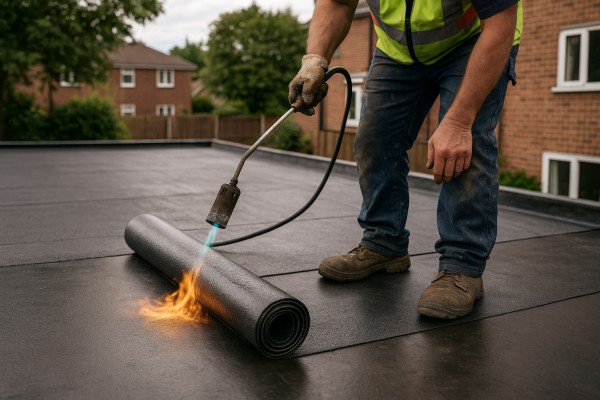
Introduction to Flat Roofing Services
Flat roofs can be a smart choice for many homes, offering useful space, clean lines, and efficient use of materials. But they also require thoughtful selection, careful installation, and regular upkeep to perform long-term. This page breaks down practical, homeowner-friendly guidance on flat roofing—from choosing a system to keeping it healthy—so you can approach repairs and replacements with confidence.
What flat roofing is best for your home
- Consider climate and weather patterns: harsher climates may push you toward durable membranes with strong weather resistance.
- Evaluate roof access and space needs: a flat roof is easier to inspect, walk, or use for equipment, but requires solid drainage.
- Balance budget and life expectancy: some systems cost more upfront but last longer; others are economical but may need more frequent care.
- Factor compatibility with existing structures: parapets, vents, and skylights influence system choices and flashing details.
Common flat roofing materials
- EPDM (synthetic rubber): flexible, durable, and widely used on low-slope roofs.
- TPO (thermoplastic): energy-friendly and often lighter on insulation needs.
- Built-Up Roof (BUR): traditional multi-ply asphalt system with good puncture resistance.
- Modified Bitumen: asphalt-based with enhanced durability and weather sealing.
- Liquid Applied Membrane: seamless coating that can repair small areas and extend life.
- PVC: strong chemical resistance and strong for hot climates, but typically higher cost.
Key considerations for maintenance and durability
- Drainage first: proper slopes and visible drainage paths prevent ponding and costly damage.
- Flashings and seams: these are common failure points; inspect around vents, skylights, and parapets.
- Regular inspections: at least once a year and after major storms to catch issues early.
- Debris management: remove leaves and dirt that can trap moisture and wear the surface.
- Material wear signals: look for cracking, blistering, curling, or dark spots that indicate underlying problems.
- Reflective coatings: consider cool roof options or coatings to reduce heat buildup and extend membrane life.
Steps for evaluating flat roof condition
1. Do a quick ground-level walkaround to spot visible issues and ponding areas.
2. Check for standing water after rain; note if it drains within 24-48 hours.
3. Inspect edges, flashing, and seams for cracks, lifting, or gaps.
4. Look for blisters, cracks, or wear on the membrane surface.
5. Check gutters, downspouts, and drainage outlets for blockages.
6. If accessible, inspect the attic for signs of moisture, staining, or unusual warmth.
Maintenance tips
- Keep drains clear: remove leaves, twigs, and dirt that can block water flow.
- Schedule annual inspections: a quick professional check can catch problems before they escalate.
- Clean gutters and downspouts: ensure water moves freely away from the roof.
- Trim nearby branches: reduce debris and shade that can trap moisture on the surface.
- Promptly address damage: small tears or punctures can worsen quickly in exposed conditions.
- Consider upgrades: reflective coatings, improved insulation, or upgraded flashing during repairs.
When to call a pro
- Ponding persists for more than a couple of days after rain.
- Flashing, seams, or edges show signs of separation or damage.
- There are multiple leaks or extensive surface wear across large areas.
- The roof is older than its expected life span or repairs would be frequent.
- You're planning modifications, solar installations, or a full roof replacement and want upfront guidance.
Flat Roofing Services: Comprehensive Solutions for Durable, Weatherproof Roofs
Comprehensive definition
Flat roofing services cover every phase of keeping a flat or low-slope roof resilient and weatherproof. This includes inspection, design and material selection, installation, repairs, waterproofing, insulation, flashing, and ongoing maintenance. Common systems include EPDM, TPO, PVC, Modified Bitumen, and Built-Up Roofing (BUR). A full-service approach also considers drainage, edge details, ventilation, and compatibility with HVAC equipment, skylights, and other penetrations. The goal is a durable, drip-free, energy-efficient roof with a long service life.
Common flat roofing systems
- EPDM (rubber) — simple, durable, and good for many climates.
- TPO — reflective, energy-efficient, with heat-warden designs.
- PVC — strong, chemical-resistant, good for commercial use.
- Modified Bitumen — layered, resilient, adaptable to irregular decks.
- Built-Up Roofing (BUR) — traditional, multi-ply with gravel ballast.
When it's typically needed
- Leaks or visible water staining indoors after rainfall.
- Ponding water that remains on the surface after several days.
- Bulging, blistering, or exposed roofing seams.
- Aging beyond expected life (varies by material; often 15–25+ years).
- A renovation project or new equipment installation that requires roof access.
- Upgrading insulation or upgrading to a reflective coating for energy savings.
- Structural deck repairs, flashing replacement, or drainage improvements.
The types of flat roofing services homeowners can expect
- Inspection and leak detection — thorough surface and penetrations check.
- Repairs — sealing, resealing, patching, and targeted flashing fixes.
- Full or partial replacement — tear-off, re-roof, or retrofits with new systems.
- Waterproofing and coatings — liquid-applied membranes or reflective coats.
- Insulation and deck work — upgrading insulation, venting, and deck prep.
- Flashing and edge detailing — curb adapters, parapets, and flashing membranes.
- Drainage and water management — scuppers, gutters, and roof drains.
- Maintenance plans — seasonal checks and warranty-backed guarantees.
The typical process (step-by-step)
1) Schedule a detailed inspection and document problem areas.
2) Recommend system and material options based on budget and climate.
3) Prepare the surface — remove damaged sections, clean decking, and repair substrate as needed.
4) Install waterproofing, vapor barriers, and insulation to the specified R-value.
5) Complete flashing, edge details, and drainage components; ensure proper slope.
6) Final inspection and handover with maintenance guidance and warranty information.
Maintenance and longevity
- Schedule biannual inspections and after major storms.
- Keep drains, scuppers, and gutters clear of debris.
- Address ponding promptly to prevent membrane stress.
- Clean and reseal seams and flashing as recommended by your roofer.
- Consider a reflective coating or recoating when performance wanes but structure remains solid.
- Track system life expectancy by material and local weather exposure; plan replacements before critical failures.
Typical expectations for cost, timelines, and outcomes
- Costs vary by system, roof size, and complexity; plan for material and labor.
- Most flat roofs require a project window from a few days to a couple of weeks, depending on scope.
- Proper installation prioritizes waterproofing, insulation, and drainage to maximize longevity.
When You Need Flat Roofing Services
Signs this service is needed
- Leaks or water intrusion: damp ceilings, stained walls, or dripping inside after rain.
- Ponding water: standing water on the roof for more than 48 hours after a storm.
- Membrane damage: visible blisters, cracks, tears, or exposed flashing on a flat roof (EPDM, TPO, or similar).
- Flashing or edge problems: loose, cracked, or corroded flashings around parapets, vents, drains, or edges.
- Soft or sagging spots: the roof deck feels spongy or sinks when you press gently with a foot (avoid walking on suspect areas).
- Interior moisture signals: moldy smells, musty attic spaces, or recurring damp patches in ceilings.
- Surface deterioration: algae, moss, or dark staining that indicates membrane wear or clogged drainage.
- After severe weather: hail damage, high winds, or debris that could have harmed the roof surface or seals.
Ways you can confirm yourself as a homeowner
You can do several safe checks from inside the house or from ground level. Safety first—never climb onto a wet or damaged flat roof unless you're equipped and experienced.
1) Attic and interior checks
- Look for wet spots, mold, or damp insulation after rain.
- Check for daylight peeking through the roof board or flashing in the attic.
- Note any musty smells or unusual warmth near the ceiling or vents.
2) Exterior, ground-level inspection
- Walk the perimeter and look for staining along the walls where water runs.
- Inspect visible edge seams, flashing, and fasteners from the ground with binoculars.
- Check drains, scuppers, and the parapet for debris, blockages, or standing water near the edges.
3) Surface clues you can safely observe from near ground level
- Discoloration, granule loss, or exposed membrane near the edges.
- Bulges or ripples in the roofing membrane that hint at underlying moisture.
- Signs of prior repairs that may indicate ongoing issues.
4) Documentation
- Take clear photos of any concerns from multiple angles.
- Track weather events and timing of any leaks or dampness to see patterns.
5) What to avoid
- Don't walk on soft, wet, or severely damaged areas.
- Don't rely on a single drippy ceiling to decide; collect context over a few weather cycles.
When to get a professional assessment
- You notice persistent leaks, multiple damp areas, or mold growth indoors.
- There is visible sagging, soft spots, or bulging on the roof surface.
- Ponding water remains after 48 hours post-storm, or after a hailstorm.
- The roof is approaching or exceeds its expected lifespan for flat systems (roughly 15–25 years, depending on materials and climate).
- You're planning a roof replacement, major remodel, or you're unsure about the roof's condition.
- You've observed recurring failures at flashings, drains, or penetrations despite prior repairs.
What a professional will typically do
- Exterior inspection of the membrane, flashing, drains, and parapets.
- Interior inspection of attic spaces for moisture, rot, and insulation performance.
- Moisture assessment with meters or infrared scanning to locate hidden wet areas.
- Evaluation of roof slope, drainage performance, and load-bearing components.
- A written assessment outlining found issues, repair or replacement options, and a cost estimate.
- Advice on material options (EPDM, TPO, PVC, or built-up systems) and warranty considerations.
If you're unsure after your checks, a professional assessment can pinpoint the exact cause and provide a clear plan.
What Flat Roofing Services Include
What is typically included
- On-site assessment and diagnosis: a thorough roof condition check, identification of leaks, ponding, and membrane wear; moisture readings if needed.
- Material removal and preparation: safe removal of old roofing material when a full replacement is chosen; debris containment and deck cleaning; minor deck repairs to provide a solid base.
- Installation of the chosen membrane: installation of a flat roofing system appropriate for your home (examples include EPDM rubber, TPO, PVC, or modified bitumen), with proper seam sealing and attachment.
- Insulation and underlayment: replacement or upgrading of insulation and any necessary underlayment to improve energy efficiency and moisture control.
- Flashings and penetrations: new or repaired flashing around perimeters, vents, pipe penetrations, skylights, and HVAC equipment to prevent leaks.
- Edge detail and drainage: drip edge installation, proper edge termination, and confirm drainage paths with cleanouts or interior drains as needed.
- Sealing and seam work: heat-welding or adhesive sealing for seams, plus mechanical fasteners where required by the membrane system.
- Ventilation and moisture control: any required venting components or upgrades to reduce condensation and prolong roof life.
- Safety and site protection: temporary tarps or coverings, fall protection measures, and careful housekeeping to prevent trip hazards.
- Warranties and documentation: manufacturer warranties for materials and a workmanship warranty from the contractor, plus written care and maintenance guidance.
- Final inspection and documentation: a walk-through with you to confirm all work is complete, plus photos or a summary report of the project.
- Maintenance guidance: a written maintenance plan with recommended inspection intervals and simple upkeep tips to extend roof life.
What is not typically included
- Major structural repairs unrelated to the roofing system: framing, plywood deck replacement beyond surface fixes, or structural reinforcement.
- Interior water damage mitigation: mold remediation, drywall repair, insulation replacement inside the home unless specifically scoped and priced.
- Modifications beyond the project scope: adding skylights, new vents, or penetrations beyond what the project requires.
- Electrical or plumbing work unrelated to roof penetrations: wiring for new vents or equipment may require a licensed tradesperson separate from roofing work.
- Remodeling or expansion work: changes to the roof's footprint, additions, or changes to building envelope not specified in the roof replacement plan.
- Hazardous material abatement: asbestos or lead paint remediation, which requires specialized crews and protocols (handled as a separate scope).
- Extensive permit work beyond standard practice: while some contractors handle permits, large or complicated permitting may be billed separately or require additional timelines.
- Ongoing maintenance beyond the initial plan: long-term maintenance contracts or multi-year inspections are optional add-ons, not included in a standard service package.
- Unexpected structural or subsurface issues discovered during work: these are typically priced separately after a finding is made and discussed with you.
Roofing Materials Commonly Used in Flat Roofing Services
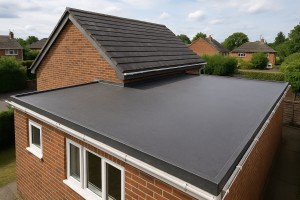
- What it is: A durable, black synthetic rubber membrane widely used on low-slope and flat roofs.
- Why homeowners choose it: Excellent waterproofing, flexibility in temperature swings, and a long service life when properly installed.
- How the service handles it: Our flat-roof crews measure the area, lay seamless EPDM sheets, splice seams with specialized adhesive or tape, and flash around penetrations (vents, skylights) to prevent leaks.
- Installation notes: Substrates must be clean and smooth; deck compatibility (plywood, oriented strand board, or concrete) matters. Expect curbs, edging details, and drain placement to be integrated into the system.
- Maintenance tips: Minimal ongoing maintenance; keep edges sealed, clear debris from gutters, and inspect flashing after heavy weather.
- Typical life: 25–40 years with proper installation and care.
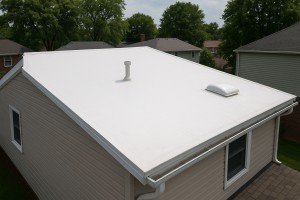
- What it is: A single-ply, heat-welded membrane known for reflective, energy-saving properties.
- Why homeowners choose it: Lightweight, cost-effective for larger flat roofs, and tends to shed heat in sunny climates.
- How the service handles it: Install can be fully adhered, mechanically fastened, or ballasted; seams are heat-welded for a robust, watertight finish.
- Installation notes: Substrate must be clean and smooth; roof drains and penetrations require precise detailing to prevent leaks.
- Maintenance tips: Periodic inspection of seams and flashings; keep drainage paths clear to maintain performance.
- Typical life: 15–25 years, with some installations lasting longer in benign climates.
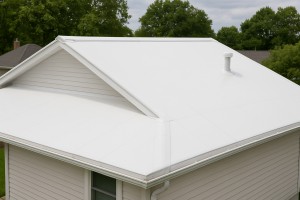
- What it is: A durable, chemical-resistant single-ply membrane used on many flat roofs.
- Why homeowners choose it: Strong resistance to oils, fats, and certain chemicals; highly durable seam integrity via heat welding.
- How the service handles it: Similar to TPO, with heat-welded seams and choice of installation method (adhesive, mechanical, or ballasted as appropriate).
- Installation notes: Requires precise substrate preparation; flashing around curbs, penetrations, and edges is critical for long-term performance.
- Maintenance tips: Regular checks of seams and flashings; UV exposure reduces color intensity over time but not performance.
- Typical life: 20–30+ years with good maintenance.
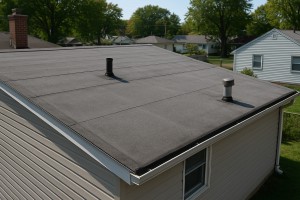
- What it is: Asphalt-modified membranes, available in torch-down (APP) or self-adhering (SBS) formats.
- Why homeowners choose it: Robust performance for repair-friendly retrofits and roofs with variable temperature exposure.
- How the service handles it: Torch-down APP involves heating and applying asphalt, while SBS uses self-adhesive sheets with a protective release. Both require careful substrate prep and proper flashing details.
- Installation notes: Torch-down requires fire-safety precautions; self-adhering types need clean, dust-free surfaces and careful sealing at seams.
- Maintenance tips: Inspect for lifted or damaged edges after storms; ensure ballast or edge details stay secure.
- Typical life: 15–30 years depending on traffic, climate, and onderhoud.
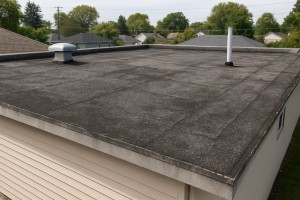
- What it is: A multi-ply system of asphalt-saturated felts with a bitumen or granules cap sheet, often gravel-covered.
- Why homeowners choose it: Time-tested, tough weather resistance, excellent waterproofing when well maintained.
- How the service handles it: Plies are hot-mapped or cold-applied, with gravel or cap sheets placed to protect the membrane; flashing and parapets are wrapped with care.
- Installation notes: Heavier system; roof structure and drainage must be able to bear the load. Gravel or cap sheet details influence long-term performance.
- Maintenance tips: Keep gravel clean and free of silt; monitor for blisters and punctures, especially near penetrations.
- Typical life: 20–40 years with regular maintenance and proper design.
Liquid-applied membranes and coatings
- What it is: Paint-on or spray-applied coatings (acrylic, elastomeric, silicone) used to restore or seal flat roofs.
- Why homeowners choose it: Quick, cost-effective restoration for small leaks or aging surfaces; can reflect heat with light-colored products.
- How the service handles it: Surfaces are cleaned, primed if needed, and the membrane is applied in multiple coats for uniform protection.
- Installation notes: Best for roofs with moderate damage or as a maintenance overlay; may require multiple applications over time.
- Maintenance tips: Annual inspections for wear spots, ponding, and UV degradation; recoat when the coating shows signs of thinning.
- Typical life: 5–15 years per coat, depending on the product and exposure.
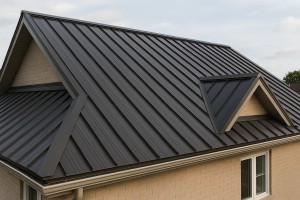
- What it is: Interlocking metal panels, often aluminum or steel, installed with concealed fasteners.
- Why homeowners choose it: Exceptional durability, long service life, and excellent wind resistance.
- How the service handles it: Panels are precisely fitted to edges and penetrations; flashing and sealants are integrated to maintain a watertight seam.
- Installation notes: Substrate and deck condition matter; thermal movement must be accommodated to prevent buckling.
- Maintenance tips: Inspect seams and fasteners; keep gutters clear to prevent backup.
- Typical life: 40–70 years with proper maintenance.
Quick-reference: choosing the right material for your flat roof
1. Assess climate and sun exposure.
2. Consider load limits and drainage.
3. Review maintenance expectations.
4. Compare initial cost vs. life-cycle cost.
Understanding the Cost of Flat Roofing Services
Typical average costs for flat roofing services
- Installed cost ranges per square foot (materials, labor, disposal):
- EPDM rubber: $6-$9/sq ft
- TPO: $8-$12/sq ft
- PVC: $9-$15/sq ft
- Built-up asphalt/multi-ply: $6-$12/sq ft
- Total project ranges for common home sizes:
- 1,000 sq ft roof: roughly $6,000-$12,000 (EPDM) up to $9,000-$18,000 (PVC/TPO)
- 1,500 sq ft roof: roughly $9,000-$20,000 (depends on material and details)
- 2,000 sq ft roof: roughly $12,000-$30,000 (higher end for premium membranes or extra features)
Cost-influencing factors that can make it cheaper
- Simpler roof layout with few penetrations (vents, skylights, hvac curbins)
- Good accessibility and dry weather during installation
- Use of standard membranes (EPDM or basic TPO) with standard flashing
- No insulation upgrades or decking repairs needed
- Minimal roof removal or an overlay/recover option instead of full teardown
- Local labor market with lower rates and shorter project timelines
Cost-influencing factors that can make it more expensive
- Complex geometry: multiple levels, parapets, dormers, steep slopes
- Roof removal and disposal of old materials (extra haulage and disposal fees)
- Structural repairs, deck replacement, or extensive flashing around penetrations
- Upgraded insulation, higher ventilation needs, or new vent/curb work
- Premium membranes (PVC) or added features (curbs, coatings, reflective finishes)
- Poor accessibility or weather delays prolonging labor
- Permit costs, inspections, and enhanced warranty plans
- Regional demand and contractor availability driving prices up
Steps to estimate your project (numbered)
1) Measure the roof area and map all sections to capture total square footage accurately.
2) Decide on a membrane type (EPDM, TPO, PVC, or built-up) and note any penetrations that require flashing.
3) Determine if old roofing must be removed or if a recover/overlay is permitted by code and manufacturer.
4) Gather at least 3 written bids with line items for materials, labor, disposal, and any decking work.
5) Review warranty terms, maintenance needs, and consider long-term energy savings or coatings as part of the plan.
Cost-saving considerations
- Select a standard membrane instead of premium textures or colors
- Schedule during off-peak seasons when contractors have more availability
- Combine roof work with related upgrades (insulation, vents) when feasible to reduce mobilization costs
- Ensure accurate measures and avoid change orders by finalizing scope before work starts
How the Flat Roofing Process Works
- What you can expect: a friendly call or message, quick questions to understand your roof basics, and a no-pressure mindset for the next steps.
- We gather upfront details: rough roof size, age, known leaks, existing warranties, and any access constraints.
- Our goal: schedule a convenient on-site inspection and get you a clear path forward.
Step 2: On-Site Inspection and Measurements
- Our estimator visits to assess the current roof system: membrane condition, flashing, drainage, insulation, and ventilation.
- We take precise measurements, photos, and note any damage, patch repairs, or deck issues.
- You'll receive a transparent sense of what's needed, possible risks, and a rough timeline before moving to a formal proposal.
Step 3: Material and System Selection
- We explain options tailored to your climate and budget:
- EPDM rubber, TPO, or modified bitumen membranes
- Insulation upgrades or underlayment choices
- Ballasted vs fully adhered systems, and edge details
- We discuss durability, reflectivity, warranties, color options, and long-term energy performance.
- You'll get guidance on life cycle costs and maintenance implications so you can pick confidently.
Step 4: Written Proposal and Timeline
- A detailed, itemized proposal is prepared: scope of work, materials, labor, permit needs, and a clear price.
- We outline the project timeline, weather contingency, and any prerequisites (like permits or tenant coordination).
- You'll see the warranty terms, cleanup expectations, and payment schedule.
Step 5: Prep, Permits, and Scheduling
- If permits are required, we handle the application and approvals, keeping disruption to a minimum.
- We coordinate access for equipment, material staging, and safety barriers.
- You'll receive guidance on prep tasks you may need to do (clear access, move valuables, etc.) and what our crew will handle.
Step 6: Tear-Off, Prep, or Retrofit Preparation
- If the old membrane needs removal, we remove and dispose of it safely, inspect the decking, and repair any damaged boards.
- For retrofit jobs, we stage underlayment, insulation, or protective layers as part of the chosen system.
- We establish containment to keep debris from spreading and protect surrounding property.
Step 7: Installation Process
- Safety first: temporary fall protection, skylight and edge protection as needed.
- Substrate prep: clean, dry, and structurally sound decking; repair as required.
- Insulation and underlayment: install any added protection or insulation layers per system.
- Membrane installation: lay out material, seal seams, and heat-weld or adhesive bond depending on the chosen system.
- Detailing: flashings around penetrations, curbs for the HVAC units, parapet caps, and drainage outlets.
- Final checks during installation to catch issues early and minimize callbacks.
Step 8: Quality Check and Clean-Up
- Comprehensive on-site inspection for leaks, seam integrity, and edge details.
- We perform a thorough cleanup, remove roof debris, and verify all penetrations are sealed.
- A brief post-installation walkthrough with you ensures you understand the new system and any care notes.
Step 9: Final Walkthrough, Warranties, and Maintenance Guidance
- We review warranty terms, maintenance requirements, and recommended service intervals.
- You'll receive care tips to extend membrane life, plus a point of contact for future questions or minor tweaks.
- If any adjustments are needed, we address them promptly under the agreed terms, keeping your roof performing well long after installation.
Residential vs. Commercial Considerations for Flat Roofing Services
Residential vs Commercial Considerations of Flat Roofing Services
- Building size and layout influence how the roof is designed and materials are specified. Homes tend to have smaller, simpler shapes, while commercial properties often feature larger, more complex footprints with multiple roof zones.
- System options differ by use. Residential flat roofs commonly use EPDM, modified bitumen, built-up roofs (BUR), or PVC/TPO in some climates. Commercial projects frequently favor TPO or PVC membranes for energy efficiency and long-term durability, with more frequent ballasted or mechanically attached installations.
- Drainage and edge detailing matter. Homes usually rely on a few scuppers or internal drains and simpler parapets. Commercial roofs require careful drainage planning to handle large volumes of water, with multiple drains, precise insulation details, and higher parapet/fountain wall considerations.
- Insulation and energy performance. Houses often prioritize comfort and cost, choosing insulation and reflective coatings that balance budget and year-round comfort. Commercial projects prioritize high R-values, vapor controls, and sometimes roof-mounted solar or extensive UV-reflective systems to manage operating costs.
- Access, safety, and maintenance. For homes, roof work is less frequent and typically limited to seasonal maintenance, patching, and coatings. Commercial roofs see more traffic from HVAC techs, maintenance personnel, and safety requirements, driving stricter fall protection and maintenance schedules.
- Permits, codes, and warranties. Residential work generally involves simpler permitting and shorter lead times. Commercial work often requires more comprehensive code reviews, life-safety considerations, and longer warranties tied to specific performance criteria and roof asset management plans.
- Aesthetic and resale impact. Homeowners often care about curb appeal and interior comfort, with warranty transfers and color choices affecting resale. Commercial properties emphasize reliability, building envelope performance, and long-term operating costs.
- Budget and lifecycle planning. Homes typically budget for upfront material costs and a straightforward replacement cycle. Commercial projects require lifecycle cost analyses, plan for ongoing maintenance, and often capital-budget processes for recurring refresh cycles.
- Installation pace and downtime. Residential projects may be completed to minimize disruption to daily living, sometimes with temporary closures. Commercial projects are expected to maintain operations, requiring phased installations, protective walkways, and coordinated shutdowns that fit tenants' schedules.
- System longevity and warranty specifics. Residential warranties focus on leak protection and material performance for a typical 15–30 year horizon, with some upgrades available. Commercial warranties may emphasize membrane integrity under heavier loading, positive drainage performance, and extended term guarantees, sometimes with annual inspection expectations.
- Typical materials and configurations by project type:
- Homes: EPDM, modified bitumen, BUR, or PVC/TPO, usually with lighter ballast or adhered applications.
- Commercial: TPO or PVC are common; BUR and heavy-duty EPDM are used in specific climates or for large, heavily trafficked roofs; ballasted systems and enhanced edge detailing are common.
- Schedule alignment. Home projects often align with personal calendars and weather windows. Commercial projects align with tenant access, occupancy constraints, and building operations calendars.
- Coordination and subspecialists. Residential work may involve fewer trades on site. Commercial projects frequently require coordination with property managers, mechanical contractors, fire protection teams, and rooftop equipment vendors.
- Short checklist for homeowners (quick reference)
1. Identify current roof issues (ponding water, leaks, membrane wear) and tell-tale signs of wear.
2. Confirm anticipated life span and warranty terms for chosen membrane.
3. Verify compatibility with insulation, vapor barriers, and any solar or equipment needs.
4. Ensure proper drainage plan and edge detailing are part of the design.
5. Align project timing with your daily routine and any seasonal weather windows.
How Flat Roofing Services Vary by Location
Regional Climate and Materials
The United States spans a broad range of climates, and that affects every step of a flat roofing project—from material choice to long-term maintenance. What works well in one region may underperform in another.
- Hot, sunny, coastal and desert areas: favor reflective membranes (white TPO/PVC) to reduce cooling loads, with UV-stable flashings and robust insulation. Coatings should resist heat and chemical exposure from salt or dust.
- Cold, freeze–thaw regions: prioritize seam integrity and drainage. EPDM or chilled asphalt systems with strong heat/waterproofing at seams perform well, and proper insulation helps prevent ice damming.
- Humid, coastal or tropical zones: moisture control matters. Use vapor barriers and moisture-resistant substrates; expect more frequent inspections for leaks and faster aging of sealants and coatings.
- Coastal salt exposure: choose corrosion-resistant fasteners and aluminum or stainless components; plan for more frequent inspection of flashings and edges.
Building Codes, Permits, and Insurance
Local regulations drive many details of flat roof work, even for residential projects.
- Codes and wind Uplift: some regions require higher wind uplift ratings and specific fire ratings. Your chosen system should meet or exceed local requirements.
- Permits and inspections: nearly everywhere, a permit is needed and inspections occur at key milestones. HOA rules may also apply in certain neighborhoods.
- Documentation and warranties: ensure the contractor provides code-compliant drawings, material specifications, and a warranty that aligns with regional requirements and climate realities.
- Quick steps to stay compliant:
1) Check the local building department for permit needs.
2) Verify the contractor's license, insurance, and local references.
3) Confirm the selected system is rated for wind, fire, and energy codes in your area.
4) Keep copies of permits, inspections, and warranty documentation.
Local Contractor Availability and Costs
Your location strongly influences who's available, how quickly they can start, and what the project costs will look like.
- Availability: dense urban regions often have more flat-roof specialists; rural areas may require travel and longer lead times.
- Scheduling and disruption: in peak seasons, you might face longer wait times or tighter windows. In milder regions, you can often shop for a window with better weather.
- Material and labor costs: regional pricing reflects supply chains, local demand, and labor rates. Some membranes are more common in certain regions, affecting price and lead time.
- Practical tips:
- Get multiple local bids to gauge regional norms.
- Ask about travel fees, permit handling, and disposal charges.
- Check local supplier availability for the membranes you're considering.
Maintenance Seasons and Scheduling
Weather patterns dictate when maintenance makes the most sense, and bad timing can compromise a repair or replacement.
- Ideal windows: dry, mild, moderate temperatures that allow coatings and sealants to cure properly.
- Seasonal constraints: winter freezes, spring rains, or monsoon seasons can delay work or reduce life expectancy if moisture is trapped.
- Scheduling approach:
1) Plan a pre-season inspection when weather is stable.
2) Schedule during a multi-day dry spell for installation or coating.
3) Account for cure times and post-installation inspections after the first heavy rain.
How this service varies in different regions in the United States
- Northeast (New England, including coastal towns): frequent snow and freeze–thaw cycles; emphasis on drainage, robust seam sealing, and ice-dam mitigation; common materials include EPDM and TPO with reliable edge detailing.
- Southeast and Gulf Coast: high heat, humidity, and heavy rainfall; prioritize reflective membranes, moisture control, and corrosion-resistant hardware; wind uplift considerations are important in coastal counties.
- Midwest: wide temperature swings and snow loads; focus on drainage efficiency, insulation, and durable sealants; mid-season inspections help catch temperature-related expansion issues.
- Southwest: extreme sun and desert dryness; long membrane life with reflective, UV-stable products; watch for dust and heat-related aging; scheduling often avoids the hottest months.
- West Coast (California to Pacific Northwest): coastal salt exposure and seismic considerations; moisture management and perimeter flashing are critical; some markets lean toward PVC/TPO for reflectivity and durability, with attention to wind zones and earthquakes.
