Ultimate Guide to Skylight Installation & Repair
Last updated: Feb 28, 2026
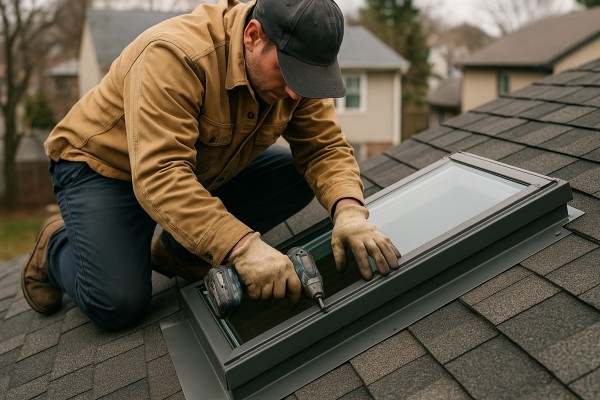
An Introduction to Skylight Installation and Repair
Why skylights matter for your home
Skylights bring in natural light, make rooms feel larger, and can improve ventilation when paired with a venting option. They can also boost energy efficiency by reducing the need for electric lighting during the day. The right skylight, installed correctly, should enhance comfort without leaking or wasting energy.
What you'll find in this guide
This page is written for homeowners who want practical, trustworthy guidance. You'll find clear explanations of skylight types, planning considerations, common repair needs, and maintenance tips. We'll outline a realistic, non-technical overview of how installations and repairs typically unfold—so you can ask informed questions and make smart choices.
Types at a glance
- Fixed skylights: Simple, leak-resistant panes that bring daylight but no ventilation.
- Vented skylights: Open or hinge to allow airflow, helping with moisture control.
- Tubular skylights: Compact daylight delivery through a bright tube, ideal for small spaces.
- Skylights with blinds or shades: Built-in controls for glare and temperature.
- Energy-efficient options: Glass coatings and frame materials designed to minimize heat gain or loss.
Planning before you install or repair
- Consider the room's needs: light, ventilation, glare, and privacy.
- Check roof structure and warranty implications: some roofs require reinforcement or special flashing.
- Think about climate and energy goals: e.g., low-E coatings, U-values, and solar heat gain.
- Know your local rules: permits or inspections may be required for new installs or major repairs.
Step-by-step overview of a typical project
1) Define goals and choose a skylight style that fits the space and budget.
2) Verify roof compatibility and gather any necessary permits or approvals.
3) Prepare the attic and roof edge area, ensuring safe access and proper protection.
4) Install the skylight unit, including flashing details that seal against leaks.
5) Seal and finish the interior to match the room while preventing moisture ingress.
6) Conduct a final inspection, review warranties, and set up a simple maintenance plan.
Note: This overview is intended to help you understand the general flow. Actual installation and repair should be performed by a qualified professional, especially when structural work, flashing, or roof integrity is involved. If you're unsure about any step, prioritizing safety and professional expertise is the wisest choice.
Common repair needs and what they mean
- Leaks around flashing: Often a sign flashing or sealant has aged or displaced.
- Condensation between panes: Typically indicates a failed insulating seal in a double‑pane unit.
- Cracked or broken glass: Requires replacement of the skylight or the damaged pane.
- Sealant deterioration: A simple coat of approved exterior sealant can restore weatherproofing.
- Poor ventilation issues: May require a vented unit or improved attic airflow.
Maintenance and care
- Clean the exterior surface and surrounding roof area annually to prevent debris buildup.
- Inspect flashing and seals after heavy storms or freezing temperatures.
- Check interior finishes for signs of condensation, leaks, or mold.
- Ensure attic ventilation remains adequate to reduce condensation risks.
Quick questions to bring to a skylight pro
- What type of skylight best suits my room and climate?
- How will you flash and seal around the roof to prevent leaks?
- What energy ratings or coatings are recommended for my home?
- What maintenance plan do you offer after installation or repair?
Skylight Installation and Repair: A Comprehensive Guide
Comprehensive definition
Skylights are windows installed in the roof to bring in daylight and, in many cases, ventilation. They sit above living or working spaces and come in several flavors: fixed (non-opening) skylights, venting skylights (manual or powered), and tubular skylights (sun tunnels) that channel light through a narrow shaft. A proper installation combines a weather-tight curb or flashing system with insulated glazing and reliable hardware. Frame materials range from vinyl/UPVC, aluminum, to wood, and glazing options include double- or triple-glazed units with low-E coatings or inert gas fills. The overarching goal is bright, energy-efficient daylight without leaks or drafts, which requires careful flashing, sealing, and alignment with roof pitch and shingle profile.
When it's typically needed
- Replacing a damaged or aging skylight that leaks, fogs, or performs poorly
- Adding daylight to dark rooms (bathrooms, hallways, stairwells, or kitchens)
- Improving ventilation in damp spaces (bathrooms, laundry rooms) with a venting model
- Enhancing room perception and resale value with natural light
- After roof work or remodels that affect the ceiling or attic space
- Upgrading to more energy-efficient glazing or a larger size to fit a space
Types of skylights and considerations
- Fixed skylights: Maximizes light with no moving parts; lowest maintenance but no ventilation
- Venting skylights: Manual or powered openings for air flow; can help reduce humidity
- Tubular skylights: Small-diameter tubes that channel daylight to interior ceilings; great for corridors or small rooms
- Glazing and coatings: Double- or triple-glazed units, low-E coatings, argon gas, and laminated glass for impact resistance
- Frame materials: Vinyl/UPVC for low maintenance, aluminum for strength, wood for traditional aesthetics
- Roof integration: Must match roof pitch, flashing method, and shingle type to keep out leaks
Installation: step-by-step overview
1) Plan and measure
- Confirm roof structure can support the skylight and comply with local codes
- Choose size, type, and mounting style based on room needs and climate
2) Gather and prep
- Gather safety gear, ladder, and flashing kit; protect interior spaces
- Mark the desired location, avoiding existing vents, pipes, or cables
3) Create rough opening (on the roof)
- Cut through roofing material and sheathing to expose the roof deck
- Ensure square, clean edges and maintain proper weather barriers
4) Install curb or flashing
- Build or install a curb (raised frame) if required by the skylight type
- Apply roofing-quality flashing to channel water away from the opening
5) Mount the skylight unit
- Insert the skylight, secure it to the curb or framing, and verify operation (if vented)
- Re-check alignment and level
6) Seal and flash
- Apply sealant and flashing in layers to prevent leaks; ensure the flashing steps and overlaps shed water properly
- Seal around any penetrations and integrate with roof shingles or membrane
7) Interior finishing and testing
- Install interior trim, insulation, and drywall or ceiling finish as needed
- Test for leaks by simulating rainfall or using a flashlight and water test from above
8) Final checks
- Inspect insulation gaps, ventilation operation, and exterior cleanliness
- Schedule a storm leak check after weather events or call a pro if anything looks suspect
Common repair issues and fixes
- Leaks at edges: reseal and reflash; replace damaged flashing or sealant
- Condensation or fogging: upgrade to better glazing, ensure proper ventilation, or add a desiccant and seal gaps
- Cracked or shattered glass: replace the skylight unit or glazing pane
- Damaged hardware or stuck vent: replace or repair hinges, cranks, motors, or actuators
- Poor operation or alignment: adjust mounting or replace worn hardware
- Exterior finish wear: reseal flashing joints and recoat or replace flashing as needed
Maintenance and safety tips
- Clean glass and vents regularly to prevent buildup and help energy performance
- Inspect flashing after heavy winds, hail, or storms; reseal any gaps promptly
- Check for interior condensation patterns and address humidity sources
- Keep roof access clear and use fall protection when inspecting or servicing
- Consider professional inspection after major roof work or if you notice persistent leaks or structural concerns
When You Need Skylight Installation and Repair
Signs this service is needed
- Water leaks around the skylight during rain or when snow melts.
- Stains, damp spots, or mold on the ceiling beneath the skylight.
- Condensation or fogging between panes in a double- or triple-glazed unit.
- Cracks, chips, or shattered glass in the skylight.
- Drafts or cold spots near the skylight, especially in winter.
- Peeling sealant, sagging or damaged roof flashing around the skylight.
- Higher energy bills with no other obvious cause.
- Skylight frame feels loose, or it won't stay shut or won't open/close properly.
- Visible daylight or gaps along the edge where the skylight meets the roof.
Ways you can confirm yourself as a homeowner
- Step 1: Exterior inspection — from the ground or ladder, look at the flashing and sealant around the skylight. Check for lifted shingles, damaged metal flashing, or gaps where water could enter.
- Step 2: Interior moisture check — go to the attic (with care). Look for ceiling stains, dark spots, or soft, spongy areas around the skylight framing. Feel with a finger for softness that could indicate rot or water damage.
- Step 3: Operational test — if you have a vented skylight, open and close it. It should move smoothly and seal tightly when closed. Listen for gaps or drafts and watch for any misalignment.
- Step 4: Light and draft check — with the attic light off, look for daylight peeking around the frame or along the edges. Note any visible gaps that could indicate poor sealing or improper installation.
- Step 5: Pane condition — inspect the glass or acrylic for cracks, scratches, or fogging between layers. Double-pane or triple-pane units should stay clear and free of condensation.
When to get a professional assessment
- Active leaks are present and water is intruding into the home interior.
- There is obvious damage to flashing, sealant, or the roof around the skylight, or the flashing has pulled away from the roof.
- The skylight is warped, cracked, shattered, or has structural damage to the frame.
- You feel unsure about safety or lack the equipment to safely access the roof.
- The skylight has persistent fogging between panes after attempts at cleaning or resealing.
- Recent severe weather (hail, high winds) may have damaged the unit, frame, or surrounding roof.
- You're considering installation or replacement and want a professional assessment of leaks, insulation, and ventilation implications.
- You're planning an energy-efficiency upgrade and want advice on proper flashing, insulation details, and flashing transitions to the roof deck.
Notes for homeowners: a professional assessment can identify hidden issues like roof deck rot, compromised insulation, or venting problems that DIY checks might miss. If you're unsure, or if any step above raises concerns, a qualified roofer can perform a thorough inspection, provide a repair or installation plan, and ensure the skylight is sealed and venting properly to protect your attic and living space.
What's Included with Skylight Installation & Repair
What is typically included
- Pre-installation assessment and planning: a site review to confirm the best skylight type, placement, and any roof condition concerns. This helps us pick the right unit and approach before any cutting begins.
- Accurate measurements and sizing: precise measurements to ensure the curb or rough opening matches the skylight and flashing system for a snug, weather-tight fit.
- Skylight unit and configuration: selection of standard fixed or vented skylight, glazing options (clear, tinted, Low-E), and energy features. If you want motorized operation, built-in blinds, or solar-powered venting, those are available but may be treated as add-ons.
- Roof opening preparation: framing adjustments as needed, curb installation for curb-mounted skylights, and seamless integration with the existing roof deck.
- Waterproofing package: underlayment, flashing kit, step flashing around edges, drip edge, sealants, and proper sealing between the skylight and roof to prevent leaks.
- Interior air sealing and insulation: sealing gaps around the opening and adding insulation on the attic side to minimize drafts and heat loss.
- Hardware and mounting components: corrosion-resistant screws, fasteners, curb hardware, and compatible flashing materials that align with your roof type.
- Ventilation components (for vented skylights): installation of vents, dampers, and controls; any required wiring considerations are discussed up front.
- Interior finish work: patching drywall around the opening, trim or molding, and paint touch-ups to blend with the room's ceiling and walls.
- Safety, protection, and cleanup: roof protection (tarping or boards), interior protection, dust control, and a thorough cleanup that removes debris and any old components if you're replacing a unit.
- Performance testing: a post-install water test or simulated rain test to verify flashing and seals; adjustments are made if minor leaks are detected.
- Documentation and warranty: a written scope of work, care instructions, and warranties for workmanship and the skylight unit (and applicable manufacturer warranties).
- Permits and inspections: permit coordination and HOA approvals are sometimes included; other times the homeowner handles permitting. Confirm what's included in the contract.
- Optional upgrades (available at extra cost): energy-efficient glazing upgrades, built-in blinds or shades, motorized operation, or solar-powered venting.
- Project timeline and handoff: a clear start-to-finish timeline and a final walkthrough to ensure you understand maintenance basics and warranty details.
What is not typically included
- Major structural work beyond what's necessary to install the skylight opening, such as reframing or strengthening roof structure if existing framing is compromised.
- Full roof replacement or re-roofing around the skylight, unless the project requires it to ensure a proper seal.
- Extensive exterior finishes or siding work beyond the flashing integration and necessary edging around the skylight.
- Electrical work beyond basic operation of the skylight (for example, wiring for motorized blinds or automated accessories typically requires a licensed electrician and may be billed separately).
- Relocation or modification of chimneys, vents, or other roof penetrations not directly tied to the skylight opening.
- Custom or oversized skylights or non-standard fabrication beyond standard factory options; specialty shapes may be treated as a custom project.
- Significant interior remodeling or finishing beyond patching and painting around the skylight opening.
- Ongoing maintenance visits or non-warranty upkeep after the installation/repair is complete.
- Permit fees or HOA approval costs not included in the initial scope.
- Unforeseen issues discovered during installation that require extra framing, structural repairs, or engineering work (these are typically handled as change orders).
Roofing Materials Commonly Used in Skylight Installation and Repair
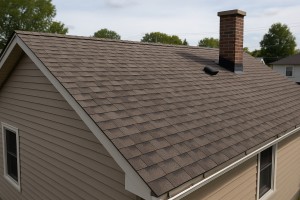
- How skylights relate: Asphalt shingle roofs rely on precise flashing integration where the skylight meets the roof surface. During installation or repair, the shingles around the skylight must be carefully cut, lifted, and re-seated to prevent water intrusion.
- Material specifics: Shingle wear, mineral granule loss, and the condition of the underlayment affect leaks around the skylight. Step flashing must be properly installed to bridge the gap between the skylight curb and existing shingles.
- Best practices: Use compatible roofing cement or sealant only where appropriate, avoid over-fastening, and keep the drip edge and shingle alignment consistent for proper water shedding.
1) Inspect the roof and determine the skylight location with minimal shingle disruption.
2) Remove and re-seal a small, clean area around the rough opening, preserving surrounding shingles.
3) Install the skylight curb and attach the required flashing, integrating with step flashing along the shingles.
4) Reinstall shingles, seal seams, and perform a water test to confirm a leak-free install.
5) Restore surrounding shingle lines for a neat, weather-tight finish.
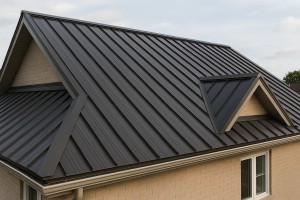
- How skylights relate: Metal roofs require curb-mounted skylights with seamless flashing to accommodate panel seams and fasteners. The flashing must seal against both the metal panels and the skylight curb.
- Material specifics: Standing-seam vs. through-fastened panels behave differently with flashing. Expansion, contraction, and fastener sealing are critical to prevent leaks and rust.
- Best practices: Use corrosion-resistant flashing, compatible sealants, and seal all fasteners. Ensure panel seams near the skylight are not compromised and that water is directed away from the curb.
1) Mark a secure skylight location that aligns with panel seams when possible.
2) Install a rigid curb that sits above the metal surface, then apply flashing designed for metal roofs.
3) Seal and fasten around the curb, paying attention to panel seams and potential water paths.
4) Refit the metal panels and apply a finish that matches the roof for an integrated look.
5) Inspect the flashing after a rain test and adjust as needed.
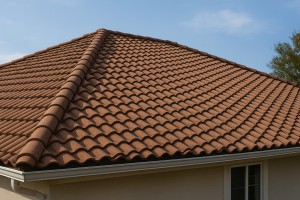
- How skylights relate: Tile roofs require careful tile removal and reinstallation around the skylight opening. The curb must be flashed to integrate with the tile pattern and avoid tile breakage.
- Material specifics: Clay and concrete tiles are heavy and brittle around openings. Proper underlayment, counter-flashing, and tile replacement are essential.
- Best practices: Use a proper tile cutter, replace surrounding tiles with matching profiles, and employ continuous flashing or tile-compatible flashing that seals at the curb.
1) Identify the tile row closest to the skylight and carefully remove tiles in the working zone.
2) Install a sturdy curb and continuous flashing rated for tile roofs.
3) Reinstall or replace tiles with matching profiles and set them securely.
4) Seal all joints and confirm water tightness with a rain test.
5) Inspect surrounding tiles for cracks and reseal as needed.
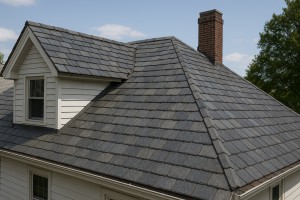
- How skylights relate: Slate is durable but extremely brittle around openings. Skylight work here demands extra care to avoid cracking surrounding slates and compromising the roof's waterproofing.
- Material specifics: Slate flashing must be integrated with appropriate counter-flashing. Structural support beneath the slate is important for load distribution around the skylight.
- Best practices: Use a slate-compatible curb and flashing system, and consider professional installation for delicate slate work.
1) Gently remove slate tiles around the opening and protect the rest of the roof.
2) Install a slate-appropriate curb and flashing system that ties into the slate pattern.
3) Carefully reinstall or replace slates, ensuring tight joints and proper alignment.
4) Seal joints and test for leaks with a controlled water test.
5) Check for any slate movement after installation and adjust as needed.
Cedar Shakes and Wood Shingles
- How skylights relate: Wood roofs require flashing that prevents water tracking along the wood surface. Fastening points and flashing must account for wood movement and potential rot.
- Material specifics: Cedar can shrink and warp over time. Flashing must be compatible with wood and allow for seasonal movement.
- Best practices: Use drip edges and a curb system designed for wood roofs; seal all penetrations and treat exposed wood to resist moisture.
1) Assess the cedar shakes around the skylight and replace any damaged shingles.
2) Install a curb with wood-friendly flashing and seal all gaps.
3) Reattach or replace shakes to maintain the roof's appearance and integrity.
4) Apply appropriate sealants and ensure water flows away from the skylight.
5) Inspect for signs of moisture or rot in the surrounding wood after installation.
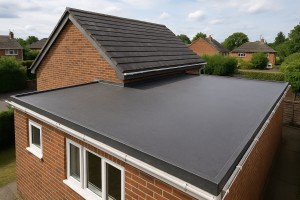
- How skylights relate: On flat roofs, skylight installations must integrate with the membrane. A curb is typically used, with flashing designed for the specific membrane type.
- Material specifics: EPDM and TPO membranes require compatible seam tape, adhesives, or liquid flashings. Movement of the roof membrane around a skylight must be accommodated.
- Best practices: Use a membrane-compatible curb, apply seam tape or fluid flashing over joints, and ensure the field membrane around the skylight is fully integrated.
1) Plan the skylight location to minimize membrane cuts.
2) Install a compatible curb and secure it to the deck beneath the membrane.
3) Flash the skylight with membrane-appropriate materials and seal all seams.
4) Fold or patch the membrane around the curb and test for leaks.
5) Inspect the flashed area after rainfall to confirm a watertight seal.
The Cost of Skylight Installation and Repair
Typical average costs for Skylight Installation & Repair
- Installation (new skylight)
- Basic fixed curb-mounted skylight: roughly $1,000–$2,500 for unit and labor.
- Venting or energy-efficient double-pane skylights: around $2,000–$4,500.
- Premium, large, or custom shapes with special glass or coatings: often $4,000–$8,000+.
- Repair (in-place fixes)
- Minor seal or flashing fixes: typically $150–$500.
- Leaks that require patching surrounding roof or flashing: $300–$900.
- Full skylight replacement (remove old unit, install new, plus flashing): $1,000–$3,000.
- Extra considerations
- Permits and inspection fees may add $50–$300 depending on location.
- If you need significant roof decking repairs or insulation work, totals can rise by several hundred to a few thousand dollars.
Factors that can lower the price
- Pick a standard, non-vented skylight in a common size.
- Reuse an existing curb, flashing, and rough opening if compatible.
- Favor a straightforward install on a accessible section of the roof (no complex venting or unusual angles).
- Schedule in the off-season or during promotions from reputable roofers.
- Bundle skylight work with nearby roof repairs or maintenance to save on labor.
Factors that can raise the price
- Structural repairs to roof decking, joists, or insulation around the skylight.
- Large or custom skylights, unusual shapes, or triple-pane/high-performance glass.
- Ventilated skylights, rain sensors, motorized openers, or remote-controlled features.
- Difficult access: steep pitches, tile roofs, or areas requiring scaffolding or specialized equipment.
- New or upgraded flashing systems, weatherproofing, or re-flashing multiple seams.
- Location near ridge lines, chimneys, vents, or skylight-to-slope transitions that demand extra seals and adjustments.
- Permitting, inspections, and code-compliance upgrades.
How to estimate and plan (quick steps)
1. Assess needs and choose skylight type (fixed vs vented; standard vs custom).
2. Get at least 3 written quotes that itemize unit price, labor, flashing, and disposal.
3. Confirm inclusions: permits, insulation, drywall repair, and warranty terms.
4. Ask about potential hidden costs (scaffolding, additional flashing, or roof deck repair).
5. Compare warranties (glass integrity, leakage protection, and labor coverage) and response times.
Practical tips for homeowners
- If you're trialing repairs, start with the simplest fix (re-sealing the flashing) and confirm the leak source before major work.
- Document the existing skylight setup (size, curb type, flashing) to help contractors give accurate bids.
- Check for energy-efficiency credits or rebates in your area; some upgrades may offset part of the cost.
- Maintain a small budget cushion for unexpected roof-related issues that show up during installation.
Quick reference cost ranges (at a glance)
- Basic installation: $1,000–$2,500
- Venting/energy-efficient installs: $2,000–$4,500
- Premium/custom installs: $4,000–$8,000+
- Repairs (seal/flash): $150–$500
- Leaks patch or partial repair: $300–$900
- Full skylight replacement: $1,000–$3,000
Questions to ask your contractor
- Does the price include flashing, sealants, and a weatherproof test?
- Are there any foreseeable add-ons (insulation, drywall repair, or interior finish work)?
- What does the warranty cover, and for how long?
How Our Skylight Installation and Repair Process Works
Step 1: Schedule and On-Site Assessment
- We start with a quick call to confirm your goals (more light, better ventilation, energy efficiency) and timeline.
- One of our skylight specialists visits your home for an on-site assessment.
- We inspect the roof area, attic space, and ceiling to understand structural needs, insulation, and potential obstacles.
- We take precise measurements, evaluate roof pitch and orientation, and note shading or previous skylight issues.
- If permits or HOA approvals are needed, we outline the typical timeline and requirements.
Step 2: Design and Material Selection
- We present practical options based on your goals: fixed skylights for light, venting skylights for airflow, or hybrid solutions.
- Choose between curb-mounted or deck-mounted installations, and decide on shape (square, rectangular, circular) and glazing (glass vs. durable polycarbonate).
- Discuss energy performance (U-factor and SHGC), glazing coatings, UV protection, glare control, and durability in your climate.
- We provide a clear quote and a proposed installation schedule, so you know what to expect.
Step 3: Preparation and Safety
- We confirm any needed permits and coordinate with your schedule.
- A detailed safety plan is put in place: roof access, fall protection, and interior protection for floors and belongings.
- We protect landscaping, install drop cloths, and lay down roof protection to minimize disruption and mess.
Step 4: Remove or Prepare the Opening
- If replacing, we carefully remove the old skylight and inspect the framing and decking for rot or damage.
- We repair or reinforce the rough opening as needed and ensure proper insulation around the opening.
- For repairs, we isolate the affected area, address moisture, and prepare a clean, stable opening for patching or resealing.
Step 5: Flashing, Weatherproofing, and Roof Integration
- We install or refresh the skylight flashing to seal the transition between the roof and skylight.
- Joints are sealed with high-quality sealants, and the install is integrated with the surrounding roofing material (shingles, metal, etc.).
- We apply ice/water shield where warranted to protect against wind-driven rain and ice buildup.
Step 6: Skylight Installation or Repair
- The skylight unit is set square and fastened with appropriate hardware, then aligned for proper operation.
- We install interior weather seals and hardware, ensuring smooth operation for venting models if applicable.
- We re-check flashing, sealants, and fasteners for signs of gaps or movement, and adjust as needed.
Step 7: Finish, Test, and Handoff
- Insulation around the rough opening is added, and interior trim or drywall gaps are finished to a clean edge.
- We perform a thorough exterior and interior clean-up, removing tools and debris.
- A controlled water test or pressure test is conducted to confirm a leak-free installation.
- We review maintenance tips, provide warranty documentation, and answer any lingering questions, so you're confident in the long-term performance.
Residential vs. Commercial Considerations for Skylight Installation & Repair.
Skylights bring daylight, ventilation, and a sense of openness, but the scale and requirements differ a lot between homes and commercial buildings. The goal here is to map out practical, real-world considerations so you can make a smart, safe choice.
- Residential vs Commercial Considerations of Skylight Installation & Repair
Structural & Roof Load
- Residential roofs: Typically framed for lighter loads and smaller openings. A standard curb-mounted skylight sits on the roof deck with rafters or trusses carrying the load.
- Commercial roofs: Often use heavier framing (or steel) and larger spans. Large skylight arrays or long skylight runs may require additional structural reinforcement, headers, or purlins. In many cases, a structural engineer will be involved, especially for high-rise or large-volume daylighting projects.
- Practical tip: Never assume a skylight can be dropped into any opening. Confirm load ratings, rafter spacing, and potential need for reinforcement before ordering.
Codes, Permits & Fire Safety
- Residential: Permitting and code requirements vary by jurisdiction, but many projects fall under the International Residential Code (IRC) or local amendments. Simpler flashing and sealants are often adequate when installed by a licensed pro.
- Commercial: More complex. Uses the International Building Code (IBC) framework, wind uplift specifications, fire ratings, and life-safety standards. Fire stops, more robust glazing, and specialized sealants may be required. Accessibility and egress considerations can also come into play for certain occupancies.
- Practical tip: Always confirm permit scope, inspection steps, and whether the skylight affects roof pitch, egress routes, or occupancy type.
Size, Type & Mounting
- Residential: Common choices include fixed or vented skylights, curb-mounted units, and tubular skylights for smaller spaces. Sizes are usually modest and laid out to optimize daylight without overloading the roof.
- Commercial: Often employ larger curb-mounted skylights, skylight domes, or continuous skylight rows. Tubular solutions exist but are less common for high-heat or wide-open spaces. Mounting may involve roof-curb systems designed for long-term durability and uniform drainage.
- Practical tip: For commercial projects, plan on a sealing and flashing strategy that accommodates multiple units and long runs to prevent cold drafts or water infiltration.
Energy Efficiency & Daylighting Goals
- Residential: Focus on comfort, glare reduction, and moderate energy savings. U-factor and SHGC requirements guide glazing choices, but the emphasis is often on occupant comfort in living spaces.
- Commercial: Daylighting is a design driver. Expect higher performance glazing, automated shading, and precise daylighting models. Energy codes may require low U-factors, solar control, and integration with HVAC controls to maximize savings.
- Practical tip: In both cases, specify UV protection and high-quality seals, but commercial projects may demand more rigorous testing and system integration.
Maintenance, Access & Safety
- Residential: Maintenance is more straightforward. Regular cleaning, seal checks, and gutter/flashings inspection are typical. Access is usually by a standard roof ladder setup with fall protection as needed.
- Commercial: Roofs are larger and more hazardous. Maintenance planning must address fall protection, access paths, equipment clearance, and cleaning schedules for multiple units. Cleaning and inspection often require tighter coordination with building operations.
- Practical tip: Build a maintenance plan that includes routine seal checks, debris removal, and a documented access path for service personnel.
Warranty, Contractors & Warranty Transfer
- Residential: Homeowner warranties usually cover workmanship and flashing for a defined period, with some limitations based on house age and prior roof condition.
- Commercial: Warranties may be tied to the roof assembly, building envelope, and often require compliance with specific installation standards. Expect longer-term performance commitments and more documentation.
- Practical tip: Verify manufacturer warranty terms, installer certifications, and whether the roof warranty remains valid after skylight work.
Quick Comparison Checklist
- Roof type and pitch: residential truss vs commercial steel or long-span deck
- Daylighting goals: comfort and glare vs daylighting with automation
- Codes & permits: IRC vs IBC/local amendments
- Size and mounting: curb-mounted/vented vs large arrays or continuous runs
- Maintenance plan: homeowner-friendly vs building operations-scale
- Warranty expectations: homeowner-centric vs project-specific guarantees
Steps to plan (numbered)
1) Confirm roof structure and load limits for your preferred skylight size.
2) Check local codes and permit requirements for residential vs commercial work.
3) Decide on mounting method (curb-mounted vs deck) and skylight type (fixed, vented, tubular).
4) Assess energy goals and glazing performance (U-factor, SHGC, UV protection).
5) Align with a licensed contractor who understands your building type and warranty needs.
6) Develop a maintenance and safety plan tailored to the building's scale and occupancy.
How Skylight Installation and Repair Vary by Location
Local building codes and permits
- Many jurisdictions require permits for skylight work, and some demand plan reviews or structural calculations when adding or resizing a skylight.
- Inspections may be mandated at rough-in and final stages, especially if structural framing or fire barriers are affected.
- Always confirm permit scope, required drawings, and any storm-resistance or hurricane provisions for your area.
- Your contractor should pull permits, file required notices, and coordinate with the building department to avoid delays.
Climate and weather patterns
- Wind zones, snow loads, rain exposure, and glare all drive skylight selection and installation details.
- In cold regions, vented skylights may need dam and condensation mitigation; fixed skylights can reduce potential leaks in high-wind zones.
- In hot, sunny climates, consider UV coatings, low-E glazing, and shading strategies to curb heat gain.
- Roof orientation and seasonal weather patterns influence flashing height, curb style, and drainage considerations.
Roofing material compatibility and flashing
- Flashing must match and integrate with your roof type (asphalt shingles, metal, clay/concrete tile, slate, etc.).
- Different roofing materials require specific flashing kits, sealants, and fasteners to maintain warranty coverage.
- Deck-mounted (low-profile) skylights behave differently from curb-mounted units; choose the method that suits your roof and attic space.
- Proper flashing at dormers, skylight-to-roof intersections, and along valleys is essential in areas with heavy rain or snow.
Energy codes and skylight efficiency requirements
- Regions aligned with energy codes often mandate certain U-factors, SHGC values, or daylight performance.
- ENERGY STAR-rated skylights may be required or highly recommended in many states to maximize efficiency.
- In extreme climates, higher performance glass and better insulation between the curb and roof can reduce heating and cooling costs.
- Your installer should provide performance data and help you select glazing and shading options that fit local incentives.
Maintenance needs by climate
- Cold/humid climates: ensure proper drainage to prevent ice damming and condensation; reseal flashing before winter and after major freeze-thaw cycles.
- Hot/arid regions: routine cleaning to remove dust, sand, and UV-related degradation; verify seals against high daytime heat cycles.
- Coastal areas: corrosion-resistant hardware and fasteners; watch for salt spray effects on flashing and rails.
- Regions with heavy rainfall: prioritize robust sealing and backer-rod gaps to minimize leaks during storms.
Insurance, warranties, and contractor licensing
- Some insurers require impact-rated or hurricane-rated skylights in coastal zones; proof of compliant installation may affect coverage.
- Warranties can vary by region if local codes require different materials or installation methods.
- Verify contractor licensing, valid certifications for roofing products, and insurance coverage for both workmanship and materials.
How this service varies in different regions in the United States
- Northeast: severe winter conditions and ice dam risk push for high-performance glass, robust flashing, and enhanced insulation; weather-tightness is paramount.
- Midwest: freeze-thaw cycles and heavy snow emphasize drainage, snow guards, and reliable curb mounting; frequent inspections for structural settling may be needed.
- Southeast and Gulf Coast: hurricane wind zones demand impact-rated skylights, reinforced mounting, and wind-uplift resistant flashing; corrosion-resistant hardware is a plus.
- West Coast: earthquake concerns in parts of California and the Pacific Northwest require secure attachment, proper bracing, and compliance with seismic retrofits; wildfire risk in some areas can steer choices toward fire-rated glazing and protective shading.
- Southwest: extreme heat and strong sun call for low-E coatings, UV-resistant seals, and shading options to minimize heat gain; energy efficiency is a primary design driver.
- Pacific Northwest: frequent rain and potential for moss or mold growth mean meticulous flashing, proper venting, and moisture management around skylight edges.
