
Last updated: Apr 19, 2026
The Feather and Yuba river plain delivers long, hot Sacramento Valley summers with bright sun and minimal shade. Your roof takes a direct hit from prolonged heat and strong afternoon glare, which can accelerate aging of any roofing system and demand materials with strong heat resistance and good color stability. In winter, cool-season tule fog and persistent misting from the rivers dampen roof decks and underlayments longer than typical coastal climates. That dampness can linger even when rainfall isn't dramatic, affecting your choice of underlayment and fasteners and signaling a need for components that tolerate extended surface moisture without degrading.
In this environment, you'll want roofing products with high solar reflectance and durability under sun exposure. Lighter colors or reflective coatings help reduce heat gain, but be mindful that some finishes can fade more quickly in intense interior valley sun. The extra heat also makes attic ventilation choices crucial; you'll benefit from a balanced approach that moves hot, rising air out quickly while preventing backdrafts from fog-induced humidity. When decks stay damp, consider underlayment options that resist moisture migration and provide a reliable, continuous seal against condensation. If you have roof penetrations for vents, skylights, or plumbing, prioritize flashing materials and sealants known to perform in damp, sun-drenched conditions.
Regional wildfire smoke and insurer scrutiny have shifted reroof conversations inland. Documentation may now emphasize roof age, material class, and proven ignition resistance, as well as how the system performs during smoke and heat events. Even if the home sits outside the nearest fire zones, expect questions about ember resistance, attic ventilation, and the reliability of seals during both hot, dry spells and foggy, damp winters. Plan on proactive notes: demonstrating how the chosen assembly resists ember intrusion, how ventilation is rated to minimize moisture buildup, and how fasteners and flashing are rated for sustained heat exposure.
During a reroof assessment, simulate a hot, sunny afternoon on the roof and check for soft spots or pronounced panel warping that might indicate moisture intrusion or heat cycling. Inspect underlayment compatibility with the climate cycle-consider moisture-tolerant options if the deck shows signs of prior dampness or if spring fogs follow late-season rain. Pay attention to attic venting strategies: a modest intake plus a controlled exhaust can reduce attic heat buildup and lower the chance of moisture condensation on the underside of the deck in foggy mornings. When selecting materials, think about long-term performance under sun, heat, and occasional smoke exposure, rather than only upfront appearance.
Document roof age, visible wear, and any prior moisture damage or staining. Note how the deck and underlayment respond to a period of fog or high humidity, including any softening, curling, or edge discoloration. If evidence of ember exposure risk exists in the vicinity, highlight features like noncombustible core or fire-rated edge details. In conversations with contractors, ask for a plan that details ventilation, moisture mitigation, and the specific measures taken to address both the heat load and the damp, foggy seasons without compromising long-term durability.
In this flat Feather and Yuba river plain, tear-off windows must line up with dry weeks. In Olivehurst, dry-month scheduling is especially important because winter rains can interrupt tear-off and expose low-slope patio covers and simple ranch-style rooflines common in the area. If a storm sneaks in mid-teardown, unfinished underlayments sit exposed, inviting moisture damage to decks, fascia, and any adjacent structures. Plan for a window of two to four consecutive dry weeks, not just a few sunny days, and map around the worst of the Tule fog season when visibility is low and crew safety can lag. Delays here aren't cosmetic-they raise the risk of leaks in gutters, skylights, and overhangs as rain-driven pressure builds on vulnerable edges.
Hot, dry summer conditions speed installation but can make asphalt shingles more vulnerable to scuffing and crew handling issues during peak afternoon heat. Reroof windows in Olivehurst should target morning or late-afternoon shifts when shingles, underlayment, and sealants stay within their rated temps. Heat also accelerates drying of sealants and can compromise vented flashing if left exposed or stepped through with heavy equipment during peak hours. Communicate a firm plan with your crew: start early, wrap before the blaze of mid-day heat, and stage materials to minimize sun exposure on the most fragile components. A well-sequenced day reduces damage to neighboring siding and landscaping while preserving the integrity of drip edge and ridge vent connections.
Fall wind events in the valley can complicate tear-off, underlayment protection, and material staging on open suburban lots in Olivehurst neighborhoods. Gusts threaten exposed packages, rolled underlayment, and temporary weather barriers. Have a wind protocol: secure tarps, anchor rolls, and designate a sheltered staging zone for short windows of rain. If a storm shifts quickly, be prepared with a rapid shutdown plan to protect flashing tapes and starter strips from wind-borne debris. The goal is to finish perimeters with secure edge protection before any night air drop that can unsettle newly laid membranes. Coordinating with neighbors to minimize street-side deliveries reduces risk to vehicles and helps keep the project sequestered from kids and pets during high-traffic periods.
Establish a concrete start-and-finish target based on a reliable 14-to-21 day forecast of dry weather, then lock in a parking and material-staging strategy that avoids open, vulnerable runs. Use high-visibility edge protection and a clean tempo for deck-to-underlayment transitions so rain cannot exploit temporary gaps. Finally, rehearse the sequence with your crew: tear-off, underlayment, flashing, and final shingles should flow in a controlled, low-risk rhythm, with everyone aware of the valley's fickle wind patterns and the importance of prompt winterization before Tule fog returns. This approach protects both your roof and the home's interior, reducing leak exposure and downstream damage when weather turns abrupt.
Asphalt shingles remain a practical fit for Olivehurst's many modest-slope suburban homes, where a dependable, easy-to-install roof material supports steady performance. In the valley heat, those sun-exposed slopes will experience faster granule wear, so expect a more noticeable fade and grit loss on the south- and west-facing faces. A key consideration is choosing an asphalt option with good耐 UV resistance and a longer warranty, paired with thoughtful ventilation to mitigate heat buildup under the roof deck. If you're prioritizing a straightforward, familiar profile and easy maintenance on a typical-builder grade structure, asphalt shingles can check the boxes without overcomplicating the reroof timeline.
Concrete and clay tile suit the hot inland climate, providing excellent heat resistance and a distinctive look that can elevate curb appeal. However, they bring significant weight, which matters on older Olivehurst homes where structural review may be needed when changing from lighter roofing. Before selecting tile, have a structural assessment to confirm the existing framing and attic support can handle the added load. If a tile system is feasible, plan for proper underlayment and ventilation to manage condensation and ensure long-term performance in the winter tule fog and rain. On taller, low-slope transitions, professional detailing is essential to prevent leaks around valleys and penetrations.
Metal roofing performs well in heat and for wildfire-conscious buyers in the region, delivering excellent year-round temperature performance and strong resistance to ember exposure. For Olivehurst, that heat tolerance translates to reduced attic temperatures and potentially longer roof life on sunny faces. Yet, expansion and contraction with temperature swings can manifest as ticking noises or subtle movement across joints, especially on simple low-pitch roof forms common locally. Pay attention to trim detailing, fastener selection, and sealant compatibility, and ensure installation details accommodate the roof's expansion pattern. A metal roof can blend durability with a cleaner, modern aesthetic, provided the installation accounts for the climate-driven edges and flashing.
Wood shingles and shakes face added scrutiny in California's wildfire-insurance environment, making them a harder sell for Olivehurst homeowners concerned about underwriting. If wood is considered, expect tighter requirements for fire-rated underlayment, ignition-resistant coatings, and defensible space around the home. The combination of valley heat, winter moisture, and ember risk makes the long-term performance more variable, so a careful assessment of maintenance needs-such as regular treatment, inspection for rot, and prompt replacement of damaged pieces-becomes essential. For homes with good ventilation and solid framing, modern fire-resistant wood products can offer a balanced look, but readiness for stricter insurance criteria and potential premium implications should guide the decision.
Across these options, a common Olivehurst thread is balancing heat management with structural realities and wildfire-era insurance considerations. Ventilation strategies, attic insulation, and proper underlayment are foundational regardless of material choice. For modest-slope homes, attention to edge detailing, gutter integration, and flashing around penetrations helps reduce leaks during the region's winter moisture events. When evaluating a reroof, consider not only the material's performance in the valley's heat but also how the home's age and structure respond to weight and wind-driven debris. The right choice aligns climate resilience with the home's existing framework while acknowledging the local insurance landscape.
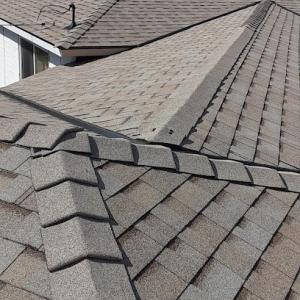
CENTURY Roofing & Gutters
(916) 745-2399 www.centuryroofingandgutters.com
3559 Velvetleaf St, Olivehurst, California
5.0 from 29 reviews
We are proud to be the Roofing Company with the best reputation. 100% happy customers. Always. Accurate estimates. Reasonable pricing. With us, you will know what will be done before you even commit to anything. We do not pressure you or sell things you don't want or need. Your satisfaction is always first.
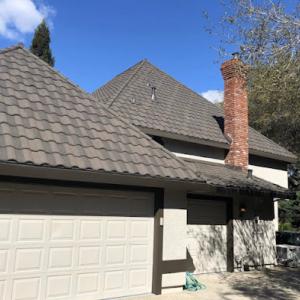
JC Roofing
(916) 633-3135 sites.google.com
5575 Arboga Rd, Olivehurst, California
5.0 from 8 reviews
We are a family owned roofing company. We service all types of roofs you can imagine. Shingles, tile, metal, flat, roof decks and many more. We offer services in the residential/multifamily area, commercial space, and industrial sector. Waterproofing is a specialty we take great pride in. Nothing makes us happier than hearing our customers tell us how they can finally enjoy a rainy day indoors. Another compliment that often boosts our ego, is when our customers and their neighbors' tell us how beautiful the new roof looks. Call us and let the pros take care of your roof for a better peace of mind. We offer payment plans tailored to every customers needs. We look forward to working with you!
Roof Maxx of Roseville, CA
Serving
5.0 from 24 reviews
Roof Maxx – Sustainable Roof Rejuvenation in Roseville & Surrounding Areas Roof Maxx offers an eco-friendly solution to extend the life of asphalt shingle roofs. Our plant-based treatment restores flexibility and waterproofing to aging shingles, providing a sustainable and cost-effective alternative to roof replacement. As part of every Roof Maxx service, we include a comprehensive roof tune-up—this covers minor repairs, flashing, and all roof penetrations to ensure optimal performance and longevity. We proudly serve Roseville and the surrounding areas, and offer free roof inspections and estimates. Let us help you protect your home and the environment—one roof at a time.
A M Warrior Roof Repair
Serving
4.7 from 35 reviews
A M Warrior Roofing, Inc. protects homes and businesses throughout Yuba City and beyond. Specializing as a premier roofing contractor, they bring expertise and dedication to every project. Located on McMullen Avenue, A M Warrior Roofing ensures quality craftsmanship and reliable service, giving you peace of mind knowing your property is shielded by a strong, dependable roof.
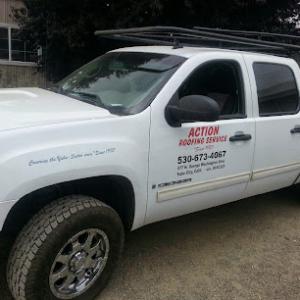
Action Roofing Service
(530) 673-4067 www.actionroofingys.com
Serving
4.4 from 39 reviews
When it comes to roofing in the Yuba-Sutter area, there is no better option than Action Roofing. Our company has over 43 years of roofing experience, and we specialize in residential re-roofing projects. Smart homeowners know that the condition and appearance of their house can be one of the largest factors in its overall value. A quality roof doesn’t just protect you and your family; it protects the investment you’ve made in your home. Make sure that you have the best roofers working for you. You won’t find a staff with more experience and skill in the area. We ensure all roofers have ongoing safety and training seminars to ensure up-to-date styles and techniques.

Danzero's Roofing & Coating
(530) 218-1150 www.danzerosrc.com
Serving
5.0 from 2 reviews
Small business specialty contractor dealing in spray or fluid applied products for roofing and waterproofing applications. We specialize in spray polyurethane foam and numerous types of coatings for low slope roofs. We work on commercial, industrial and residential buildings. We also apply spray foam on interiors for insulation (i.e ceilings and walls).We have been in business since 2004 and have 28 years experience in the spray foam and coatings industry. We are licensed, bonded and fully insured. Can provide references upon request.

Loveland Roofing
(916) 761-7455 lovelandroofing.org
Serving
4.9 from 792 reviews
Our mission is to give customers a Top 1% Experience without charging a Top 1% price. But don’t take our word for it! 70% of our current customers were referred by one of our 25,000+ past happy customers. With 40+ years of experience, we are A+ with the Better Business Bureau (BBB), Certified Factory-Trained, and all employees are drug tested and background checked. This is our culture. We like to call this “rolling out the Purple Carpet”

Roof Recovery
(916) 665-0285 www.roofrecoverysac.com
Serving
4.9 from 657 reviews
Roof Recovery: your trusted local roofing contractor, dedicated to the repair and replacement of roofs. Since 2017, we've been committed to providing an enjoyable and honest experience for our customers, ensuring satisfaction from start to finish. Getting a free quote is easy – simply call or book online. As a family-owned company, we constantly strive to improve, offering fair prices and exceptional service throughout the roof installation or repair process.
5 Star Roofing
(916) 702-3051 5starroofing-ca.com
Serving
5.0 from 75 reviews
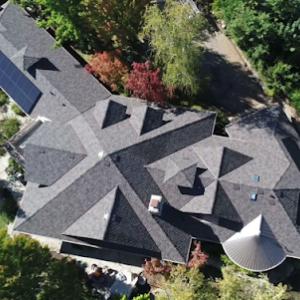
5 Star Roofing is a trusted roofing company serving Northern California, specializing in both residential and commercial roofing services. Founded in 2015 by Michael Sperling, the company boasts over 18 years of experience in the roofing industry. Known for its dedication to quality and customer satisfaction, 5 Star Roofing offers comprehensive roof installation, repair, and maintenance services. The team is committed to using top-quality materials and providing durable, long-lasting solutions for every project. With a reputation for professionalism, reliability, and attention to detail, 5 Star Roofing ensures all projects are completed on time and within budget.

Spartan Home Services - Roofing & Solar
(916) 458-0685 www.spartanhomepros.com
Serving
4.8 from 285 reviews
At Spartan Home Services we specialize in premium roof and solar systems. Whether you're in need of roof repair or considering a roof replacement, our team is here to provide comprehensive solutions tailored to your needs. Extending beyond quality, we have a passion for creating lasting relationships with our neighbors, to listen, to hear, and to help. Trust Spartan Home Services for quality work that stands the test of time from a team that will nurture you through your whole project.
1 N Done Roofing Service
(530) 933-8272 1ndoneroofing.com
Serving
5.0 from 8 reviews
Roofing Company
JD Jones Roof Crafter
(916) 663-9395 www.roofcrafterinc.com
Serving
4.8 from 38 reviews
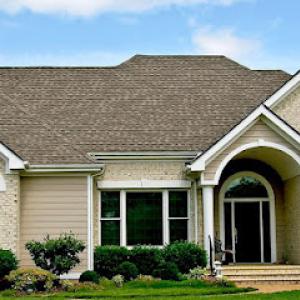
JD Jones Roofcrafter, Inc., is a family-owned and operated roofer in business since 1983. We serve Placer County, CA, and surrounding areas with a wide range of roofing services. We are skilled at installing most roofing materials, such as shingles, tile, wood shakes, TPO (Thermoplastic Polyolefin), heat-weld systems and self-adhesive systems. We are fully insured and licensed by the State of California. We also provide free estimates for all your residential and commercial projects, including re-roofing, roofing on new construction, roof repairs, roof certifications and inspections.
In this part of the valley, the material choice drives both upfront cost and long-term performance. The provided average material ranges per square are Asphalt Shingles 350 to 700, Metal Roofing 600 to 1100, Clay Tile 900 to 1800, Concrete Tile 800 to 1500, Wood Shingles or Shakes 750 to 1400, and Synthetic or Composite Shingles 500 to 900. For a typical Olivehurst roof, those ranges reflect the mix of hot summers, winter moisture, and the need to balance energy use with durability. If the budget is tight and the attic is vented, asphalt stays common; if the home sits on a taller ridge or faces more sun, metal or tile can reduce long-term cooling and moisture-related issues. Heavier systems like tile may require an engineered assessment or added edge and flashing work, which can push costs higher than the base numbers.
Summers in the Feather and Yuba plain push shingles and underlayment to work harder against heat gain and UV exposure. Moisture from tule fog and winter rain adds ongoing risk of leaks if flashing or penetrations aren't detailed and tight. When choosing between a lighter system (asphalt or synthetic) and a heavier system (tile), the extra weight can demand reinforcing the roof framing and sometimes upgrading edge details. In practice, this means you may see a higher price tag on clay or concrete tile not only for the material but for the added labor and complexity of securing heavier sheets and ensuring proper drainage and venting around hips, valleys, and edges.
Insurance considerations in the wildfire era influence project timing more than any single material choice. Regions with wildfire-driven deadlines tend to tighten contractor availability, which can compress scheduling windows and raise labor costs due to demand spikes after harsh winter periods. The practical impact is that a nominally lower-cost option today might escalate if the chosen material requires more intricate edge work, or if a preferred contractor has limited crews during peak windows.
Olivehurst commonly features simple one-story suburban rooflines, which helps keep labor lower than more complex homes. However, detached garages, patio covers, and add-ons raise flashing and tie-in work, especially when coordinating multiple roof sections with shared valleys or interior connections. Expect incremental costs for additional flashings, sealants, and potential truss or rafter adjustments where those add-ons meet the main roof. Planning these tie-ins ahead reduces surprises when the crew arrives.
Watch for three cost drivers: material choice moving from asphalt to tile, the added edge and flashing complexity on multi-section roofs, and labor availability during regional demand spikes after winter storms. Start with a mid-range option and build contingencies for heavier systems if the downgraded framing or upgraded flashing is needed. Scheduling with a conservative timeframe helps absorb possible delays in peak weeks and helps prevent premium overtime charges.
In this area, reroof projects in Olivehurst are not routed through a city building office because the community sits in unincorporated Yuba County. The county building department handles the permit process, so you will be dealing with county staff rather than a city planner. The typical path starts with a drawn plan set and a standard reroof application, then moves into a review that checks for basic safety and drainage compatibility with the existing structure. If your roof uses unusual materials or configurations, expect extra attention to details during review so the county can verify the approach aligns with local code expectations and the specific climate and housing stock you have on the plain near the Feather and Yuba rivers.
A full reroof generally requires a permit, and inspections are common at three key milestones: tear-off, roof replacement, and final completion. The tear-off inspection confirms the old deck is removed cleanly and the substrate is prepared correctly for the new roof, especially important if you're upgrading to a wind-sensitive material. The roof replacement inspection focuses on fasteners, underlayment, and edge detailing that will perform under Olivehurst's heat, winter moisture, and tule fog cycles. The final inspection ensures the finished roof is properly tied into attic ventilation and moisture management, a crucial step to avoid future insulation or condensation issues. Failing any inspection can delay the project, so coordinate timing with your contractor to minimize rechecks.
Some Olivehurst reroof projects may need wind uplift calculations for certain materials. Given the region's climate pressures and wildfire-era insurance considerations, the county may look closely at how a chosen system resists uplift loads, particularly in gable ends or exposed eaves. If wind calculations are required, your submittal will include engineering or manufacturer-provided data showing uplift resistance. This can influence which products are approved and how fast the permit progresses, so early discussion with your contractor and plan reviewer helps prevent holdups.
Processing times can range from a few days to a couple of weeks depending on county workload, so homeowners should not assume next-day approval. Calendar some buffer for plan checks, potential requests for additional documentation, and any coordination with utility or fire-safety requirements. If a project runs up against busy periods-common after large storm events or seasonal work surges-be prepared for longer waits. Keeping your permit packet complete and responsive reduces delays and helps keep the reroof schedule on track.
California insurer pullbacks have tightened underwriting across the Feather and Yuba plain, and Olivehurst homeowners are feeling the pressure. Roof age, material class, and solid documentation move to the front of the line when applying for coverage or renewing policies. A roof that does not meet current carrier expectations can trigger higher premiums, non-renewals, or coverage gaps after a windstorm or wildfire season. Act with urgency to align your roof choice with what carriers expect today.
In the local market, reroof decisions increasingly hinge on whether a new roof will satisfy questions about wildfire exposure and remaining useful life. Material class matters: metals or tiles often perform better in wildfire risk assessments than open-vented or highly combustible options. When planning reroofing, anticipate how an insurer will view defensible space, ember resistance, and long-term survivability of the chosen system. The goal is to minimize questions that slow claims or deny coverage after a loss.
Document storm or wind damage with dated photos, contractor findings, and permit records, because carriers may request more detail and take longer to review claims in California. A well-organized file that traces damage progression, repairs considered, and the rationale for replacement over repair can shave weeks off claim review and settlement. Keep these records accessible and ready for any adjuster briefing.
Pre-approval discussions with adjusters are especially important before replacing only part of a roof system when underwriting standards are tightening. Coordinating with an adjuster early helps confirm that a partial replacement will not trigger unexpected coverage questions or delays. Use this pre-approval to align material class, flashing details, and attic ventilation with what the carrier expects for a clean, defensible claim path.
In the flat Feather and Yuba river plain, long, hot summers take a toll on asphalt and other shingle surfaces. Heat-aged shingles become brittle, curl at edges, and lose granules faster, which accelerates leaks and interior heat transfer. Ridge lines and edge details can crack or separate where wind and sun beat down year after year. On flameless rise and open exposures, those perimeters are the first to fail during a strenuous season, especially where the roof components meet transitions like vents, skylights, or dormer steps. If you notice curling, missing granules, or creases near the peak, expect higher risk of moisture intrusion after a heat spike or quick afternoon storm.
Failed pipe boot flashings are a common punch-list item when softer rubber or elastomeric gaskets age under sun exposure and temperature swings. In Olivehurst, those penetrations feel the most stress where vent pipes pass through the attic ceiling and tie into older roofing, plumbing, or attic ventilation paths. A compromised boot can allow slow drips to masquerade as attic moisture or ceiling stains. The takeaway is practical: inspect around every vent stack, chimney, and plumbing riser after heavy heat waves or a wet spell, and replace boots that show cracking, crusty stiffness, or uplift at the base.
Leads and seams where a patio cover or addition connects to the roof line become common leak points, especially if sealants or flashing were not integrated with roofing schedules. Over time, shifting of framing, differing roof pitches, and debris buildup create small gaps that mimic active leaks. In practice, you may notice damp ceiling spots that don't align with a single vent, or staining along the transitional flashings. The prudent approach is to reflash and reseal these tie-ins when major reroofing or seasonal checks are due, treating them as high-priority failure zones.
Winter fog and cool, damp air in the Yuba-Sutter area can reveal weak attic ventilation through condensation-like moisture symptoms. Condensation on rafters, visible frost patterns, and attic humidity spikes can mimic leaks, leading homeowners to misinterpret the problem. If attic vents are blocked or undersized, warm indoor air condenses along the underside of the deck, inviting mold and wood rot. Ensure a balanced ventilation strategy with intake and exhaust paths, and verify insulation levels to curb the moisture cycle before it manifests as roof damage.
Seasonal gusts test ridge, rake, and edge details most on broad open roof perimeters. Aedged lines and valley intersections bear the brunt of wind-driven moisture and debris. If fasteners loosen or shingles lift during windy periods, the risk of accelerated deterioration rises. Regular checks after strong winds, with attention to ridge caps and edge shingles, help catch issues before a small opening becomes a leak.