Last updated: Apr 19, 2026
Spring in this valley starts with cooling days but can bring sudden showers as storms move in from the coast, so planning a reroof here means watching the weather forecast in blocks of 2-3 weeks. The beginning of spring often still carries heat into the afternoon, but the peak heat isn't there yet, which helps with shingles and underlayment setting. When you're scheduling, aim for a stretch when temperatures stay mostly moderate and dry, ideally consecutive dry days followed by a short rain risk window. A calm stretch lets underlayment and flashing seal without fighting high heat or rain. If the project has to cross a weekend, make sure crews have a reliable dry-in plan and a temporary weatherproofing strategy that stands up to light showers without delaying the sequence.
Marysville experiences long hot, dry summers, and that heat-sensitive installation window is real. Late summer installation can push materials to expand, sealants to cure too quickly, and attic ventilation to struggle if the roof is left partially exposed. The goal is to time the work so the hottest days aren't when shingles are laid or fasteners are set. Cohesive planning means starting the tear-off early in the morning and finishing by early afternoon, with a plan for shaded staging and a cooling break if the crew works higher on tall sections. If the schedule slips into the hottest weeks, consider delaying the finish for a cooler day or two and ensuring a robust temporary weatherproof layer during any overnight or weekend gaps.
Late fall brings a shift toward cooler nights and increasingly breezy conditions. Here, wind becomes a factor as the dry-in window contracts and the risk of rain increases. A fall schedule should allow for a continuous sequence: tear-off, inspection of decking, installation of underlayment, and rapid completion of flashing and covering so there's no extended exposure to moisture on bare decking. The wetter months can also mean higher moisture in the roof deck once exposed, so the goal is to minimize days with exposed decking to prevent moisture penetration before the roof is fully sealed. If a fall project must birdwalk into a windy period, implement extra temporary weatherproofing and secure all open edges to resist gusts.
Winter brings real rainfall risk and the possibility of exposed decking taking on moisture if dry-in isn't complete. In Marysville, winter rain can delay projects and raise the chance of leaks once the roof is torn off. Scheduling should avoid long stretches of a tear-off in the heart of winter; aim to complete roof removal and resealing with dry-in before the wettest storms arrive, and keep a contingency plan for extended rain delays. Late fall and winter winds can complicate installation on taller roofs and make temporary weatherproofing less reliable. If a winter window is unavoidable, prioritize securing the ridge and hips early, rely on stronger temporary enclosures, and coordinate with the crew for shorter daily cycles that reduce exposure.
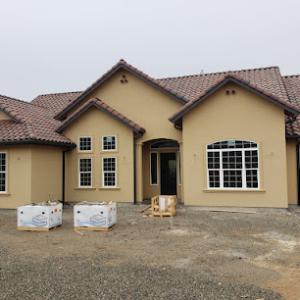
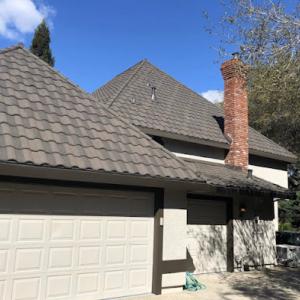
The dominant residential options here include asphalt shingles, metal, clay tile, concrete tile, wood shingles or shakes, and synthetic or composite shingles. When planning reroof timing, the heat of midsummer and the damp of winter storms push decisions beyond aesthetics or warranty language. The practical goal is to align material selection and installation timing with the Sacramento Valley's extremes: long, blistering summers that push installers to schedule early mornings and shade-protected staging, followed by wet winters where moisture and condensation risk rise if underlayment or ventilation isn't up to the challenge. Projects should aim to finish before peak heat intensifies, and crews should anticipate a wet-season window where rain, fog, and high humidity demand careful sequencing to protect deck integrity and installed underlayment.
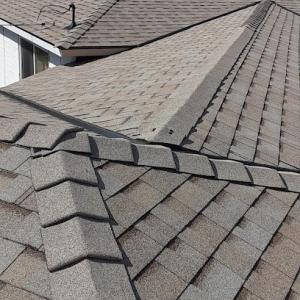
Asphalt shingles respond well to local heat when installation timing accounts for expansion and nail set. In hotter months, storage of bundles in shaded, dry spots and avoiding long exposure to sun prior to application helps prevent accelerated shingle curl or warping. Metal roofing tends to tolerate heat well but requires precise installation gaps and sealant management to prevent panel buckling or panel oil-canning in heat. Clay and concrete tiles offer excellent thermal mass and moisture resistance, yet their weight and installer skill become critical in heat-rushed schedules; plan for adequate crane access and temporary bracing to avoid warping during rapid deck movement. Wood shingles or shakes bring character but are more sensitive to sun and moisture; heat-driven expansion can cause shingle drying and cracking if cut lines or nail spacing aren't followed exactly. Synthetic or composite shingles provide flexibility in a hot climate and typically install with faster cycles, but attention to seams and underlayment compatibility remains essential. Across all options, the goal is to complete a careful installation before the hottest weeks so the roof can season and any adhesive bonds cure without heat-induced distortion.
Wet winters with lingering seasonal moisture heighten the importance of underlayment performance, especially under tile and shingle systems. A dependable underlayment helps bridge minor deck irregularities and provides a secondary barrier if the primary roofing layer encounters wind-driven rain or hail. In the tile families, ensure underlayment is compatible with the chosen tile system and that fasteners are rated for humidity exposure. For shingle roofs, a high-quality synthetic or reinforced underlayment can improve long-term leak resistance and foot traffic handling during wet periods. Ventilation plays a critical role: ensure attic or vented eave intake, ridge or soffit outlets, and baffle management are in place so warm summer air doesn't build beneath the deck, which can condense on cooler winter mornings. In all cases, flashing details around chimneys, vents, and penetrations must be finalized once moisture levels permit safe, dry conditions, since moisture exposure can affect sealants and metal flashings differently after rain.
Reroof timing should be framed around the seasonal rhythm: aim to get shingles or tiles installed during a window of dry, moderate temperatures to minimize stress on fasteners and sealants, while reserving the wet-season phase for underlayment setting, flashing, and any ventilation upgrades. If a project spans late fall into winter, plan for dry spells to finalize flashing and sealant work, with tarping and temporary rain protection ready for unexpected storms. For metal or tiles, confirm crane or staging access early, since heavy equipment use in fog or mist can complicate safety and lead times. Coordinate delivery of materials to avoid long outdoor exposure in the peak heat, and build in contingency for a few extra days if a sudden cold front or storm shifts the planned sequence.
Before work begins, verify that the selection aligns with the climate cycle and that the contractor has a plan for heat-conscious installation and winter-ready underlayment. Confirm ventilation improvements if the attic environment is a contributor to heat buildup or condensation risk. Ensure a clear access path and sheltered staging area so materials can be stored out of direct sun and moisture between delivery and installation. Finally, establish a realistic countdown that prioritizes early-season work in drier months, while keeping enough flexibility to accommodate an extended winter window without compromising flashing quality or deck protection.
Marysville homeowners often need leak diagnosis after the first meaningful winter rains expose weaknesses that stayed hidden through the dry season. The Feather and Yuba river confluence brings a stubborn moisture regime: long hot summers, tule-season dampness, and wet storms. When the rain returns in earnest, aging underlayment that was baking in sun and flashing transitions that held through intermittent showers suddenly show rips, gaps, or misfits. Valleyside winds push moisture under eaves and along roof edges, so small gaps become real drips fast. If a roof system looks good in July, that impression can vanish within a few days of sustained rain. Pay particular attention to flat transitions around chimneys, vents, and vented dormers-these are the spots most likely to reveal hidden damage first.
The city's wet-winter pattern makes flashing transitions, aging underlayment, and previously sun-brittled roof components more likely to show failure once sustained rain arrives. In practice, that means leaks often track along fascia lines, into soffits, and behind gutters where water has nowhere else to go. Shingle granules can mask early wear, but once saturated, the system loses its first line of defense. Look for staining on interior ceilings directly beneath ridge lines or wall partitions that butt against outer walls. Slow, persistent leaks may come not from a single damaged spot but from a web of compromised sealants and small tears that opened up after weeks of wet weather. The key is to connect the drip to its most probable source-paired with an inspection that tests every transition, from roof deck to flashing to gutter connections.
Some years bring shoulder-season freeze-thaw conditions in the area, which can stress roof components and sealants that already took summer heat exposure. Freeze-thaw cycles can widen hairline cracks in underlayment and sealants, pushing leaks through weak points just when the rain returns. In practice, this means a roof that held through a dry spell can fail suddenly after one or two cycles of freezing nights followed by thawing days. If you notice new damp spots after a cool night and a warm day, assume the worst and inspect sealant joints, step flashing, and skylight perimeters first. This is when proactive touch-ups prevent cascading damage during the rest of the winter.
If you spot active dripping, pause the dripping path with temporary measures only to prevent further interior damage, then limit access to the affected area to reduce risk of fall or collapse while you arrange professional evaluation. Photograph all affected areas, note the weather conditions that preceded the leak, and map nearby penetrations where water could be entering. Prioritize flashing around chimneys, dormers, and vent stacks, then escalate to underlayment condition behind any visibly saturated spots. A fast, targeted assessment now saves more extensive repairs later when the weather stabilizes.
1 N Done Roofing Service
(530) 933-8272 1ndoneroofing.com
12277 Kimberly Rd, Marysville, California
5.0 from 8 reviews
Roofing Company

Danzero's Roofing & Coating
(530) 218-1150 www.danzerosrc.com
Cecilia Way, Marysville, California
5.0 from 2 reviews
Small business specialty contractor dealing in spray or fluid applied products for roofing and waterproofing applications. We specialize in spray polyurethane foam and numerous types of coatings for low slope roofs. We work on commercial, industrial and residential buildings. We also apply spray foam on interiors for insulation (i.e ceilings and walls).We have been in business since 2004 and have 28 years experience in the spray foam and coatings industry. We are licensed, bonded and fully insured. Can provide references upon request.
JC Roofing
(916) 633-3135 sites.google.com
Serving
5.0 from 8 reviews
We are a family owned roofing company. We service all types of roofs you can imagine. Shingles, tile, metal, flat, roof decks and many more. We offer services in the residential/multifamily area, commercial space, and industrial sector. Waterproofing is a specialty we take great pride in. Nothing makes us happier than hearing our customers tell us how they can finally enjoy a rainy day indoors. Another compliment that often boosts our ego, is when our customers and their neighbors' tell us how beautiful the new roof looks. Call us and let the pros take care of your roof for a better peace of mind. We offer payment plans tailored to every customers needs. We look forward to working with you!
CENTURY Roofing & Gutters
(916) 745-2399 www.centuryroofingandgutters.com
Serving
5.0 from 29 reviews
We are proud to be the Roofing Company with the best reputation. 100% happy customers. Always. Accurate estimates. Reasonable pricing. With us, you will know what will be done before you even commit to anything. We do not pressure you or sell things you don't want or need. Your satisfaction is always first.
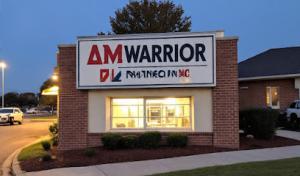
A M Warrior Roof Repair
Serving
4.7 from 35 reviews
A M Warrior Roofing, Inc. protects homes and businesses throughout Yuba City and beyond. Specializing as a premier roofing contractor, they bring expertise and dedication to every project. Located on McMullen Avenue, A M Warrior Roofing ensures quality craftsmanship and reliable service, giving you peace of mind knowing your property is shielded by a strong, dependable roof.
Action Roofing Service
(530) 673-4067 www.actionroofingys.com
Serving
4.4 from 39 reviews
When it comes to roofing in the Yuba-Sutter area, there is no better option than Action Roofing. Our company has over 43 years of roofing experience, and we specialize in residential re-roofing projects. Smart homeowners know that the condition and appearance of their house can be one of the largest factors in its overall value. A quality roof doesn’t just protect you and your family; it protects the investment you’ve made in your home. Make sure that you have the best roofers working for you. You won’t find a staff with more experience and skill in the area. We ensure all roofers have ongoing safety and training seminars to ensure up-to-date styles and techniques.
Roof Maxx of Roseville, CA
Serving
5.0 from 24 reviews
Roof Maxx – Sustainable Roof Rejuvenation in Roseville & Surrounding Areas Roof Maxx offers an eco-friendly solution to extend the life of asphalt shingle roofs. Our plant-based treatment restores flexibility and waterproofing to aging shingles, providing a sustainable and cost-effective alternative to roof replacement. As part of every Roof Maxx service, we include a comprehensive roof tune-up—this covers minor repairs, flashing, and all roof penetrations to ensure optimal performance and longevity. We proudly serve Roseville and the surrounding areas, and offer free roof inspections and estimates. Let us help you protect your home and the environment—one roof at a time.
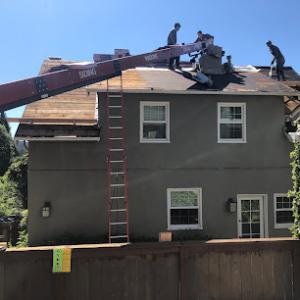
MEC Builds
(530) 210-8206 www.mecbuilds.com
Serving
4.9 from 313 reviews
MEC Builds | Roofing, Siding, Gutters, Skylights Looking for reliable roofing and exterior services in Northern California? MEC Builds is your Owens Corning Platinum Preferred Contractor, delivering expert solutions for roofing, siding, gutters, and skylights. Proudly serving Nevada County, Placer County, and surrounding areas in Northern California with top-quality craftsmanship and exceptional customer care. 📍 Service Areas: Grass Valley, Nevada City, Auburn, Rocklin, Truckee, Yuba City and more. 💼 Specialties: Residential and commercial roofing, roof installations, gutter systems, skylight upgrades, and siding solutions. Choose MEC Builds—where quality starts at the top! Contact us today for a free estimate.
Gold Country Roofing
(530) 477-2760 www.goldroof.com
Serving
4.9 from 67 reviews
We have been proudly serving Nevada County since 1980. We offer residential, commercial & industrial roofing (composition shingle and single ply PVC membrane), seamless gutters, blown-in attic insulation and more. We match the length of our workmanship guarantee to the length of the manufacturer's warranty. Financing is available. We are an employee owned company, so our crew has a vested interest in the integrity and quality of their work. Unlike companies that have high employee turnover or hire inexperienced workers, our crew is experienced and dedicated to being here for years to come, and truly stand behind the lifetime workmanship guarantee we provide.
Built Tough Roofing Solutions Grass Valley CA
(530) 270-7101 builttoughroofingsolutionsgrassvalleyca.com
Serving
5.0 from 28 reviews
Built Tough Roofing Solutions Grass Valley CA proudly serves Grass Valley and nearby areas with dependable, professional roofing services available 7 days a week. We specialize in roof inspections, roof repairs, roof installation, leak detection, shingle replacement, gutter cleaning, gutter installation, attic venting, attic vent installation, attic vent repairs, storm and wind damage repair, and full roof maintenance. Our team focuses on honest service, strong craftsmanship, and durable materials to keep your home protected year-round. If you’re searching for trusted roofing experts in Grass Valley, we deliver reliable results, fast response, and long-lasting protection.

Loveland Roofing
(916) 761-7455 lovelandroofing.org
Serving
4.9 from 792 reviews
Our mission is to give customers a Top 1% Experience without charging a Top 1% price. But don’t take our word for it! 70% of our current customers were referred by one of our 25,000+ past happy customers. With 40+ years of experience, we are A+ with the Better Business Bureau (BBB), Certified Factory-Trained, and all employees are drug tested and background checked. This is our culture. We like to call this “rolling out the Purple Carpet”
JD Jones Roof Crafter
(916) 663-9395 www.roofcrafterinc.com
Serving
4.8 from 38 reviews
JD Jones Roofcrafter, Inc., is a family-owned and operated roofer in business since 1983. We serve Placer County, CA, and surrounding areas with a wide range of roofing services. We are skilled at installing most roofing materials, such as shingles, tile, wood shakes, TPO (Thermoplastic Polyolefin), heat-weld systems and self-adhesive systems. We are fully insured and licensed by the State of California. We also provide free estimates for all your residential and commercial projects, including re-roofing, roofing on new construction, roof repairs, roof certifications and inspections.
Typical Marysville-area reroof pricing runs about 350 to 650 per square for asphalt shingles, 700 to 1200 for metal, 900 to 1700 for clay tile, 800 to 1500 for concrete tile, 650 to 1200 for wood shingles or shakes, and 600 to 1000 for synthetic or composite shingles. These figures reflect the local market where crews handle a mix of residential styles-from low-slung 20th-century hip roofs to taller, more ornate clay or concrete tile installations common on stucco façades. When you're comparing bids, read the line items carefully: material quality, underlayment, flashing, attic ventilation, and debris disposal all push the total beyond the nameplate price. In practice, you'll often see a tighter spread on asphalt and synthetic options, with higher ranges for clay and concrete tile because of weight, crane or staging needs, and specialized installers.
Reroof timing matters here more than in many inland California cities. The hot summer season drives material handling and worker comfort, while the wet winter season raises the chance of rain delaying progress and forcing extra dry-in protection. If a reroof starts in late spring or early summer, plan for a dry-in window that avoids peak heat and afternoon thundershowers. If scheduling spills into winter, expect longer days on site and potential weather-related holds, which can increase labor time and trim the project's overall cost efficiency. A practical rule is to stagger decking work so the most vulnerable portions are protected as soon as they're exposed, and to have a plan for rapid shelter if sudden storms roll through.
In Marysville, rain threatens exposed decking and underlayment, so dry-in protection is a real budget factor. Dry-in protection can add a few hundred dollars to a project if extended wet weather requires extra tarps, temporary coverings, or additional crew hours. If you're choosing heavier tile or metal, confirm the plan for temporary work areas and whether a crane or lifts are needed, since winter wind and rain can complicate setup.
Permit fees tied to project value and possible plan review time through the City of Marysville can affect total reroof budgeting beyond material and labor alone. While this section focuses on material costs, be prepared for these added costs as you finalize a contract. A clear bid should separate material, labor, waste disposal, underlayment, flashing, ventilation upgrades, and any protective measures for winter work. This transparency helps you compare bids fairly and plan contingencies for an extended schedule during the colder, wetter months.
Don't let upfront costs delay a critical repair - these contractors offer payment plans to fit your budget.
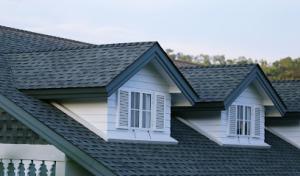
A full reroof in Marysville typically requires a permit through the City of Marysville Building Department. The local process includes plan check and permit issuance, with inspections performed at multiple stages including a mid-roof inspection and a final inspection. Knowing this early helps you align your schedule with stiffer summer heat and the winter rain, so the roof isn't half-done when a weather window closes.
Plan review time and permit issuance can affect when you start. Homeowners should account for the time it takes to get plans reviewed and approved, and for permit fees that are commonly based on project value when setting project start dates. If a contractor treats permit timing as an afterthought, delays can push you into aggressive weather swings or tight deadlines that strain materials and crew logistics.
When you prepare, include a clear roof plan, venting details, underlayment specifications, and attachment methods. The city's process looks closely at how the roof will handle Marysville's hot summers and tule-season moisture, so show each vent, ridge vent, and flashing detail. Expect inspections at several key milestones, including a mid-roof check to verify nailing patterns, underlayment continuity, and proper curb and boot flashing, followed by a final inspection to confirm everything is sealed, vented, and compliant.
If plans change or work zones extend beyond the permit's duration, the project can face add-on reviews or re-approval. Keep a permit binder accessible on site with stamped drawings, inspection notices, and a log of work completed by date. Communication with the Building Department helps avert surprises during the mid-roof and final inspections, which are especially important when late-season weather or on-site moisture requires adjustments.
Coordination matters for neighbors and crews alike. Plan for partial access, staging areas, and noise windows, so inspections and staged roofing work don't collide with nearby routines during peak heat or wet periods. A deliberate permitting and inspection rhythm reduces risk of leaks or missteps when the weather shifts.
In this setting, homeowners are navigating California's tighter insurance environment, where the age of the roof, the material type, and the documented condition can influence underwriting and claim outcomes. The Valley's long hot summers, tule-season moisture, and wet winter storms mean roofs endure more rapid wear in exposed areas and more frequent flashing and vent checks. That combination makes timing your reroof and understanding the roof's current state critical to staying protected when storms roll in or a dry spell turns windy.
Because the climate cycles through scorching heat, seasonal moisture, and sudden downpours, keeping thorough records matters. Start with dated photos of the entire roof and any problem areas, both before and after work. Preserve permit records, inspection signoffs, and contractor invoices so you can show a clear history of maintenance and repairs. If any upgrades were made to ventilation, underlayment, or flashing, keep those receipts and project summaries in a dedicated folder. This becomes especially valuable if a claim needs to be supported by a chain of evidence that shows the roof's condition over time around peak storm or wind seasons.
Insurers serving this area may request more detailed roof documentation than in prior years, and some carriers have tightened availability or adjusted coverage decisions. A clear, organized file helps demonstrate proactive upkeep and resilience against the region's mix of heat, wind, and moisture. Be prepared to provide current photos after any major weather event, updated inspection notes, and a stamped contractor report if a significant repair or reroof was completed. Keeping this documentation consistent and accessible can influence claim outcomes when the next winter storm or wind event tests the roof's seam integrity and overall performance.
Connect with contractors who help homeowners navigate the claims process from damage assessment to final approval.
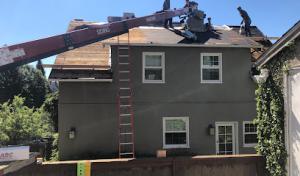
Active leaks in midsummer heat or during winter storms can cause quick damage to attic spaces and interiors. Local contractors recognize that homeowners expect rapid triage and on-site assessments when leaks appear. The pattern here is to prioritize crews who can arrive promptly, stage containment, and provide a clear plan for temporary protection while a longer-term solution is arranged.
When you ask for references, look for projects that list response times and on-site arrival windows. Ask specifically about after-hours or weekend service, and whether the crew can mobilize with tarps, pumps, and temporary sealants the same day. A reliable contractor will outline a short-term fix plan and a longer-term reroof strategy, with milestones you can track.
Cleanup is a major local hiring factor. Homeowners expect reroof crews to manage debris carefully on occupied residential properties. Confirm that the contract covers tarp-down procedures, waste containment, and removal of old materials from the yard and driveway. Request a written commitment to perimeter sheeting and daily haul-away routines, especially on narrow driveways or streets with limited parking.
The market leans strongly toward reroofing and residential work, so homeowners should verify whether a contractor's experience matches repair, full replacement, tile, metal, or skylight needs. If a repair is needed, ensure the crew can identify underlying moisture, ventilation concerns, and underlayment status. For a full replacement, confirm whether the crew handles the chosen finish (shingles, metal, tile) and whether they can coordinate related elements like skylight reseating or flashing upgrades.
Ask for a practical timeline from inspection to start date, a site-specific method for debris removal, and a schedule that notes weather contingencies. Look for a bid that pairs a clear response plan with a realistic, city-relevant sequence of steps, from temporary protection to final roof installation. If a contractor cannot commit to timely, thorough cleanup and rapid response, consider other local options.
Get a clear picture of your project costs upfront - no commitment required.