
Last updated: Apr 19, 2026
Yuba City sits in the northern Sacramento Valley, where long hot summers and cool wet winters create a narrow shoulder-season window that is often best for reroofing. The practical takeaway is to target that window for major roof work whenever possible. If your existing roof is nearing its end, line up the project to start as summer heat tapers and before the heavy winter rain arrives. That timing minimizes heat stress on crews, reduces the risk of wind-driven leaks during the work, and keeps exposed tear-off phases away from peak storm activity. In real terms, plan for reroofing to begin in late spring or early fall, aligning weather predictions with drying time after any sheathing or underlayment adjustments.
Dense Central Valley tule fog in the cool season can keep roof surfaces damp longer in the morning, which matters for drying, leak tracing, and scheduling exposed tear-off work. If a job spans the cooler months, expect slower dry times and adjust the sequence accordingly. Start with dry, heat-stable mornings for inspection and leak tracing, then allow extra daylight hours for underlayment and decking to dry before applying top layers. Schedule activities that rely on dry surfaces-like final shingle or tile installation-toward midday or early afternoon when possible. If rain comes, have a contingency plan to protect exposed sheathing and to pause open-dage work until surfaces are dry again. In practice, that means you build in buffer days and communicate with the crew about morning dampness versus anticipated dry windows.
Spring wind events moving through the valley can complicate underlayment protection on open roofs before final dry-in. Strong gusts can lift temporary membranes, blow debris into exposed areas, or disrupt fastener timing. The practical approach is to sequence work so that the most wind-sensitive steps-underlayment laydown and protection-occur on calmer days. If a high-wind forecast is in the forecast, shift tasks to days with lighter gusts and ensure all underlayment edges are securely fastened and protected with edge metal or tarps as needed. Strive for continuous coverage during the open-tear-off phase, and plan final dry-in for a window when winds are typically lower, such as late morning into early afternoon. This reduces the chance of wind-driven moisture intrusion and speeds up leak tracing if any issues are found during tear-off.
The climate in this valley strongly influences material selection and installation timing. Extremely hot afternoons can accelerate drying and affect adhesive performance for certain underlayment products, while cool mornings can slow curing times. When choosing materials, consider how they respond to heat and cold in this locale. For example, asphalt shingles and synthetic options tend to work well within typical shoulder-season temperatures, but the installer should verify that adhesive and sealing requirements meet the day's conditions. For clay or concrete tiles, heat exposure matters for installation sequencing and spacings, so coordinate closely with the crew on anticipated heat spikes and shade availability during the workday.
Coordinate a clear calendar that prioritizes dry, mild days for main installation phases and reserves the most weather-sensitive steps for periods with predictable calm and moderate temperatures. Communicate a plan for damp mornings, potential tule fog delays, and spring wind days so neighbors and occupants understand why some days may be rescheduled. By aligning work with the valley's distinct seasonal rhythm, the roof system can achieve reliable performance, quicker dry-in, and fewer call-backs after completion.
The valley heat in midsummer hits roofs hard, and asphalt shingles bear the brunt more quickly than they would on milder coasts. Granules shed faster, the surface becomes brittle sooner, and you start seeing accelerated wear after a few peak seasons. If your roof appears chalky or has granules accumulating in gutters, that's a sign the sun and heat are nibbling away at protection. In Yuba City, the heat isn't just about a hot day-it's about repeated cycles of extreme sun exposure that shorten the life of asphalt and force more frequent resealing or replacement. You'll want to note any curling, cupping, or missing granules and address it before leaks become a conversation with the insurer or a neighbor's ladder.
Cool-season rain after long dry spells can turn an ordinary roof into a leak map. The problem isn't the rain alone but where it finds weakness after months of dry heat. Flashing that seemed solid in August may leak when the first cold front arrives, and penetrations around vents, chimneys, and skylights can reveal themselves only after a wet spell. In those moments, you'll notice damp ceilings, staining, or musty smells that weren't there during the last dry stretch. If a winter rain is in the forecast, inspect those flashings and sealants and plan timely repairs before another downpour stresses the same spots again.
The morning fog and dew that roll off the valley each season create a quiet, persistent dampness on the roof's shaded, north-facing slopes. That moisture fosters staining and algae growth more readily on those surfaces, and it also slows drying after rain. Over time, algae can loosen shingles' edges and darken the look of a roof, signaling moisture retention that invites further wear. If you notice greenish or dark staining in the mornings, treating or cleaning those areas carefully-and addressing underlying drainage or ventilation-can reduce long-term moisture damage.
Choose roofing systems that handle both heat and sudden moisture swings. Metal roofs, clay and concrete tiles, and synthetic options tend to resist heat-induced degradation better than asphalt in this climate, but each has trade-offs in weight, flashings, and installation details. For existing roofs, prioritize improving ventilation in attic spaces and ensuring soffit intake and ridge exhaust work together to move heat and moisture away from the deck. When planning a reroof, consider colors and coatings that reflect heat and minimize heat transfer, and be proactive about reinforcing flashings at penetrations and transitions. In this valley, the right combination of material and craftsmanship can decisively extend life and reduce the chance of mid-winter surprises.
Asphalt shingles are the default choice for many homes in this area because they fit a broad mix of tract housing and reroof projects where cost sensitivity matters. In the Sacramento Valley heat, expect the rapid aging of darker shingles if the attic isn't ventilated well. A practical approach is to pair shingles with a high-quality underlayment and ensure you have adequate attic soffit and ridge ventilation. When you're shopping, look for heavier grades and architectural profiles that help shed heat. In summers, reflective venting and proper attic insulation reduce heat transfer and extend the shingle life. If you're reroofing on a tight schedule, scheduling the work for late spring or early fall minimizes heat-related stress on crews and materials.
Concrete and clay tile appear in newer or higher-end neighborhoods, where the rooflines are built for heavier coverings. They deliver long service life and a distinctive look, but their weight demands careful structural assessment. On older structures, the underlayment and roof deck condition become critical during reroofing because movement or dry rot can undermine tile support. Before choosing tiles, have a structural engineer or a qualified roofer confirm the existing deck can handle the load, and plan for a beefier underlayment system that resists moisture from the wet season. In wildfire-prone periods, tiles' reflective surface helps, but gaps between tiles can trap embers if the installation isn't tight. If your home has an existing wood frame or older sheathing, budget for possible deck reinforcement and a high-quality moisture barrier.
Metal roofing is increasingly attractive in this inland heat because of durability and reflectivity, especially where wildfire exposure and insurer preferences factor into decisions. Metal panels shed heat effectively and resist asphalt's accelerated aging in high temperatures. They also tolerate a wide range of attic ventilation setups, which helps when the summer sun is relentless and the tule fog season arrives with damp mornings. When considering metal, focus on panel profile, corrosion resistance, and sealant performance around penetrations. A metal roof demands precise flashing around chimneys, vent stacks, and transitions to walls. If you expect higher wind or ember exposure in your area, a properly sealed metal roof can reduce ember entry points and lower ongoing maintenance needs.
Wood shingles or shakes offer a classic look but require ongoing maintenance in this climate. Sun exposure can cause rapid drying and expansion, especially along edges and valleys, while tule-fog moisture challenges the underside of the roof deck. If you lean toward wood, insist on tight-grain, high-quality fasteners, and a durable finish that resists UV and moisture. Regular cleaning to remove moss or algae is easier when there's adequate roof clearance and proper ventilation. Fire resistance varies by treatment, so coordinate with your roofer about surfacing options that maintain the aesthetic while aiming for improved safety.
Synthetic or composite shingles aim to blend the best of durability and appearance with lower weight and good impact resistance. They can perform well in heat-heavy conditions and often come with warranties that address foliation and color stability. For reroof projects, verify the product's sag resistance, wind-rated fasteners, and compatibility with existing underlayment. If wildfire risk is a concern, look for options with enhanced fire resistance ratings and compatible underlayment systems that help prevent ember intrusion during brushy summers.
In every choice, the climate mix-hot summers, damp winter fog, and seasonal smoke-shapes how long a roof lasts and when aging components need attention. The right material for your home balances heat management, structural readiness, and resilience against seasonal elements.
A M Warrior Roof Repair
1225 McMullen Ave, Yuba City, California
4.7 from 35 reviews
A M Warrior Roofing, Inc. protects homes and businesses throughout Yuba City and beyond. Specializing as a premier roofing contractor, they bring expertise and dedication to every project. Located on McMullen Avenue, A M Warrior Roofing ensures quality craftsmanship and reliable service, giving you peace of mind knowing your property is shielded by a strong, dependable roof.
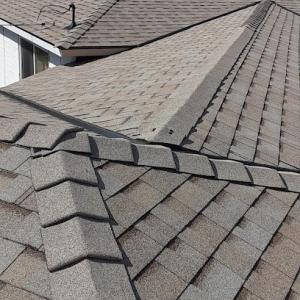
CENTURY Roofing & Gutters
(916) 745-2399 www.centuryroofingandgutters.com
Serving
5.0 from 29 reviews
We are proud to be the Roofing Company with the best reputation. 100% happy customers. Always. Accurate estimates. Reasonable pricing. With us, you will know what will be done before you even commit to anything. We do not pressure you or sell things you don't want or need. Your satisfaction is always first.
Roof Maxx of Roseville, CA
Serving
5.0 from 24 reviews
Roof Maxx – Sustainable Roof Rejuvenation in Roseville & Surrounding Areas Roof Maxx offers an eco-friendly solution to extend the life of asphalt shingle roofs. Our plant-based treatment restores flexibility and waterproofing to aging shingles, providing a sustainable and cost-effective alternative to roof replacement. As part of every Roof Maxx service, we include a comprehensive roof tune-up—this covers minor repairs, flashing, and all roof penetrations to ensure optimal performance and longevity. We proudly serve Roseville and the surrounding areas, and offer free roof inspections and estimates. Let us help you protect your home and the environment—one roof at a time.
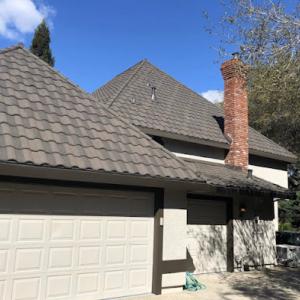
JC Roofing
(916) 633-3135 sites.google.com
Serving
5.0 from 8 reviews
We are a family owned roofing company. We service all types of roofs you can imagine. Shingles, tile, metal, flat, roof decks and many more. We offer services in the residential/multifamily area, commercial space, and industrial sector. Waterproofing is a specialty we take great pride in. Nothing makes us happier than hearing our customers tell us how they can finally enjoy a rainy day indoors. Another compliment that often boosts our ego, is when our customers and their neighbors' tell us how beautiful the new roof looks. Call us and let the pros take care of your roof for a better peace of mind. We offer payment plans tailored to every customers needs. We look forward to working with you!
Action Roofing Service
(530) 673-4067 www.actionroofingys.com
Serving
4.4 from 39 reviews
When it comes to roofing in the Yuba-Sutter area, there is no better option than Action Roofing. Our company has over 43 years of roofing experience, and we specialize in residential re-roofing projects. Smart homeowners know that the condition and appearance of their house can be one of the largest factors in its overall value. A quality roof doesn’t just protect you and your family; it protects the investment you’ve made in your home. Make sure that you have the best roofers working for you. You won’t find a staff with more experience and skill in the area. We ensure all roofers have ongoing safety and training seminars to ensure up-to-date styles and techniques.

Loveland Roofing
(916) 761-7455 lovelandroofing.org
Serving
4.9 from 792 reviews
Our mission is to give customers a Top 1% Experience without charging a Top 1% price. But don’t take our word for it! 70% of our current customers were referred by one of our 25,000+ past happy customers. With 40+ years of experience, we are A+ with the Better Business Bureau (BBB), Certified Factory-Trained, and all employees are drug tested and background checked. This is our culture. We like to call this “rolling out the Purple Carpet”

Danzero's Roofing & Coating
(530) 218-1150 www.danzerosrc.com
Serving
5.0 from 2 reviews
Small business specialty contractor dealing in spray or fluid applied products for roofing and waterproofing applications. We specialize in spray polyurethane foam and numerous types of coatings for low slope roofs. We work on commercial, industrial and residential buildings. We also apply spray foam on interiors for insulation (i.e ceilings and walls).We have been in business since 2004 and have 28 years experience in the spray foam and coatings industry. We are licensed, bonded and fully insured. Can provide references upon request.
California Roof Depot
(916) 585-2680 www.californiaroofdepot.com
Serving
5.0 from 16 reviews
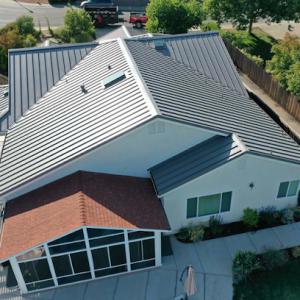
California Roof Depot is a locally owned and operated company specializing in all kinds of roofing services. We have been serving Sacramento, California and surrounding areas for over 13 years with premier roofing services. Our passion and commitment is to be able to exceed our customers’ expectations every time.
1 N Done Roofing Service
(530) 933-8272 1ndoneroofing.com
Serving
5.0 from 8 reviews
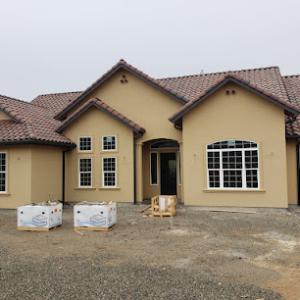
Roofing Company
Dc Construction
Serving
5.0 from 8 reviews
Professional Roofing Contractors in the greater Sacramento Area with over 30-years' experience. Our services include Residential and Commercial Roofs - New Roof Installations, New Construction, Roof Repairs, Gutter Installation, Waterproofing, and Roof Removals. Call us for all your roofing needs. Let us take care of you.
AAA Roofing Applicators
598 Garden Hwy STE 8, Yuba City, California
Residential Specialists * Free estimates * new construction * Repairs * tear-offs * recovers ALL your roofing needs we have you covered rain or shine!! * Senior Discounts*
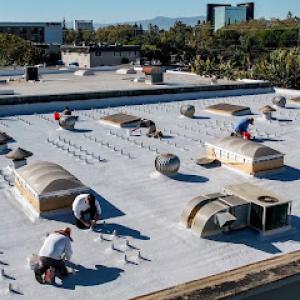
Foam Roof Solutions - Sacramento
(800) 878-1480 foamroofsolutions.com
Serving
RESTORE DON'T REPLACE. SAVE TIME, ENERGY & MONEY At Foam Roof Solutions, our main goal is to educate families and building owners on how they can contribute a positive environmental impact by restoring any existing commercial or residential flat roof system. Foam Roof Solutions will work with you to repair your existing flat roof and save you the money and the headache of tearing off and rebuilding your roof and reducing the amount of hazardous landfill waste for the environment. Why tear off your old roof when you can completely restore it with closed cell, sprayed polyurethane foam (SPF)? Please contact us if you would like to take part in one of the best possible ways to help the environment by installing a new foam roof or restoring t
Yuba City sits in a heat-quick Sacramento Valley embrace, not a mountain town, but regional wildfire seasons in Northern California still press into underwriting, roof documentation demands, and homeowner concern. Insurance carriers increasingly flag aging roofs, visible wear, and choices that influence fire and wind performance. When a renewal looms or a claim arises, the clock starts ticking on how quickly a roof's condition or material type can sway a decision. The consequence isn't just a premium tweak; it can be a shift in what repairs get covered and how soon.
California's tightening homeowners insurance market means carriers scrutinize roof age, noticeable defects, and the fire-resistant qualities of materials more closely at renewal time. A roof that looks its age or shows missing shingles, curling edges, or exposed underlayment can trigger higher scrutiny or even coverage changes. In a dry hot season, the risk of ember exposure and wind-driven damage compounds the concern, so documentation matters more than ever when a storm event threatens the roof or when a claim is filed after a slick, smoky winter day.
Homeowners should keep date-stamped photos, contractor inspection notes, and records of repairs because carriers may scrutinize whether damage is storm-related or age-related. Photo logs that show a timeline-initial condition, intermediate fixes, and post-event state-help clarify causation. If a claim involves a leak or wind damage, the insurer will want to know whether the roof was already approaching the end of its service life or if a sudden event caused the failure. In practice, clear, organized records can prevent disputes during the claim process.
Maintain a simple, ongoing file: dated photos after major weather, a dated inspection report from a qualified roofer, and receipts for any repairs or replacements. If a storm hits, capture both wide exterior shots and close-ups of vulnerable roof edges, vents, and flashings. Share a concise summary with your insurer at renewal time, noting the roof's age, material, and any recent maintenance. A neighborly heads-up-especially after a wildfire-season spell-helps ensure your documentation supports a smooth continuation of coverage rather than a sharp rate increase or coverage question.
Use these local ranges per square: Asphalt Shingles 350 to 750, Metal Roofing 700 to 1300, Clay Tile 900 to 1600, Concrete Tile 800 to 1400, Wood Shingles/Shakes 700 to 1300, Synthetic/Composite Shingles 500 to 900. These numbers reflect the double challenge of hot days and damp winters that shape labor time and material handling in this area. In practice, a typical home reroof often lands toward the middle of each range, but outliers appear with roof complexity or extra insulation needs. If the roof deck requires substantial upgrade or there are nonstandard flashings, costs can push toward the upper end.
Costs in Yuba City can rise when summer heat slows installation pace, when winter rain requires extra dry-in protection, or when spring winds increase temporary weatherproofing needs. Extreme heat can force crews to start later in the day or pause work to avoid heat-related downtime, which adds days to the project and raises crew mobilization charges. Winter rain can demand additional tarps, temporary shingles, and drying-in measures, which adds material and labor. Spring wind periods can necessitate more robust temporary fastening and protective detailing, particularly on exposed eaves and valleys.
Tile reroofs can cost more locally when older valley homes need deck repairs, upgraded flashing, or structural review before reinstalling heavy materials. Clay Tile and Concrete Tile are heavier than asphalt or metal, so the underlying structure may need reinforcement or a full inspection before a new layer goes on. If cedar or wood components have been compromised by moisture or pests, expect added remediation costs. On older adobe-adjacent designs or homes with multiple vented solar hot-water systems, flashing integration and vent sealing can add to both labor and materials. In short, tile projects often require a more thorough upfront assessment to prevent costly on-site changes later.
For a reroof project, budget for a conservative contingency tied to weather-driven delays and deck or flashing upgrades. If choosing clay or concrete tile, plan for potential structural review and heavier deck work. Asphalt remains the most budget-friendly, but its life in this climate typically hinges on heat-driven expansion and granule loss, which can influence long-term maintenance costs. Understanding these local dynamics will help you align material choice with climate realities and expected lifespans.
In this area, a full reroof is typically treated as a permitted project rather than a simple maintenance task. The Building Department usually requires a permit for the entire replacement when the deck or structural elements are involved, and the process helps ensure that components like attic ventilation, flashing, and deck anchorage meet local codes. Expect the permit to cover scope, materials, and method, and be prepared for a review that looks closely at how the roof will perform through the Sacramento Valley heat, tule-fog moisture, and seasonal wind-driven conditions.
Before any shingles come off or panels go on, you'll file for a reroof permit with the local Building Department. A complete set of drawings or an itemized scope often accompanies the application, detailing underlayment choices, flashing details, ventilation method, and fastener types. The review can take some time, especially if the home has an older ventilation strategy or unusual roof geometry. If corrections are requested, address them promptly to avoid delays that push work into hotter months or wetter periods when leak risk rises.
Inspections are typically scheduled at key milestones rather than only at final completion. Homeowners should expect at least an underlayment inspection when the roof deck is prepared and the first layer of protective material is in place. A subsequent inspection commonly occurs after wrap-up work and before closing off eaves, vents, and penetrations. Finally, a final inspection confirms that all components are installed correctly and that the roof meets current code requirements. These milestones help catch issues early, reducing the chance of costly rework after the surface is finished.
Local review commonly checks basics such as ventilation and flashing, which means reroof projects can trigger corrections beyond just replacing the top surface. Ventilation ensures attic temperatures stay within reasonable limits during hot summers, influencing shingle lifespan and energy efficiency. Flashing around chimneys, vent pipes, valleys, and wall transitions is scrutinized to prevent leaks during winter rains and Tule fog moisture events. If the inspector notes gaps between underlayment and roof deck or incompatible ventilation, expect guidance to correct these elements before final approval.
In the hot-summer climate of the valley, tile roofs often outlast the underlayment beneath them, so leaks may appear even when the tile surface still looks serviceable from the ground. You may see staining or damp spots inside ceilings long after the tiles seem intact. This mismatch between what's visible and what's underneath means you should time inspections to probe the underlayment and flashing, not just the tile. A careful eye for soft sheathing, mold, or musty odors in attic spaces can save you from sudden, more expansive damage after a heavy storm.
Concrete tile is common in inland Northern California subdivisions, and cracked or slipped field tiles after wind events can hide broader waterproofing issues below. A high-wind day can lift and crack field tiles, which creates channels for water to reach roof edges, valleys, and joints. Even if the surface looks fine, the underlying membrane or fasteners may be compromised. After a wind event, plan a close-up roof check-lift a few tiles (with caution) and examine the visible underlayment and metal edges for signs of movement or wear.
Older reroofs in the area may reveal brittle flashings and valley metal deterioration once tile is lifted for repair. The quiet creep of metal fatigue can lead to sudden leaks around valleys and joints. If you notice hairline cracks at flashing corners or sagging valley metal, treat it as a red flag: those spots often signal broader deterioration that a tile-only fix won't resolve. Regular, targeted appraisal of flashing integrity can prevent cascading water damage during the wet season.
The Sacramento Valley heat plays a bigger role in roof life than snowfall here. Shingles and coatings can heat-soak and degrade faster when the roof faces strong afternoon sun for long stretches. Look for signs of brittleness, color fading, and granule loss on asphalt or composite shingles after several hot seasons. Metal panels may show faster UV wear or paint chalking, while clay or concrete tile can experience thermal expansion and occasional cracks if fasteners aren't properly installed. If a roof is several decades old, a closer eye on surface tabs, flashing edges, and the ridge line becomes essential. Practical steps include choosing reflective or lighter-colored materials when replacement is needed, and ensuring ventilation is adequate to reduce heat buildup in the attic. A well-ventilated attic helps preserve underlayment and reduces the risk of premature aging from extreme temperatures.
Winter storms arrive after a dry spell, when dormant flashing around vents, chimneys, and valleys can suddenly reveal themselves. Prioritize a proactive inspection focusing on valleys, step-flashing at chimneys, end walls, and roof-to-wall connections. Look for hairline cracks in sealants where flashing meets shingles, as well as any loosened or uplifted tabs near high-stress areas. If a leak shows up after a storm, trace it upward and outward to identify whether it's a surface issue or an underlying flashing failure. A reliable approach is to schedule a post-storm roof check with a reputable contractor, especially after a season of long dry spells when hidden issues have time to surface.
Dust and seasonal debris are constant companions in this area, often obscuring the true condition of a roof when viewed from curb height. Regular cleaning schedules-especially after harvest or windy periods-help you spot lifted shingles, clogged gutters, and debris-backed drainage. Inspect attic ventilation and underlayment for dust intrusion, and keep ridges clear to prevent moisture pockets. From ground level, look for dark staining or moss growth near eaves where debris settles and moisture lingers. A careful, routine walkthrough after dusty seasons reduces surprises and supports a longer roof life.