
Last updated: Apr 19, 2026
Inland Mendocino County's heat, dry summers, and frequent ember showers make roof choices here a matter of safety and resilience that can't wait. Ember exposure is a more locally relevant roofing concern than coastal salt corrosion or heavy snow loading, and the roof you choose will directly influence both fire behavior and insurance outcomes after a wildfire event. This section focuses on immediate priorities you can act on now to reduce risk and preserve home value when flames reach the neighborhood.
Embers ride with gusts and can land on any vulnerable surface. In Ukiah's hillside and in-town mix, embers land on ridge vents, vent pipes, gaps around chimneys, skylights, and unsealed eave details far more often than people expect. A fire-resistant roof starts with a continuous, well-sealed envelope: overlapping eave and rake drip edges, fire-rated underlayment, and roof coverings that resist ignition from embers at small, penetrating gaps. Consider upgrades that close off soffit-to-roof transitions and protect chimney pass-throughs with metal flashing and spark arrestors. If a roof already shows aging vent openings, replace or retrofit with ember-resistant vents and capped penetrations. In a place where shrub fuel and dry grasses are common on adjacent slopes, addressing exterior gaps around copings and vent stacks becomes a daily safety habit, not a one-time upgrade.
Fire resistance is not a luxury here; it is a practical shield for a home sitting on fire-prone hillsides that neighbors energy through hot dry months. In Ukiah, the most robust protection comes from materials that resist ignition from embers and survive radiant heat without fracturing. Metal roofing, when installed with proper underlayment and solid fasteners, offers one of the strongest ember resistance profiles and tends to hold up under repeated heat exposure. Clay or concrete tiles can provide excellent fire resistance, but installation quality matters: underlayment, fastener corrosion resistance, and the way the tiles interlock with a sealed ridge determine real-world performance. Asphalt shingles, while common and cost-effective, vary widely by product grade and installation; select products specifically rated for fire resistance and insist on a detailed, vented eave and ridge treatment. For homes with long, exposed ridgelines or wooden soffits, consider upgrading to fire-rated decking and ensuring the entire roof assembly breathes properly while maintaining a solid barrier to embers.
California insurers in wildfire-exposed markets frequently require evidence of fire-rated roofing materials, photos, and detailed roof documentation after replacement. After a replacement, be prepared to present a clear record of material type, installation method, and any protective features installed (spark screens, ember-resistant vents, sealing around penetrations). Keeping a dated portfolio of photos from multiple angles-before, during, and after work-helps streamline claims and may influence underwriting decisions if the home remains in or returns to a high-risk area. If an insurer challenges the fire rating of a roof, request a written appraisal from a licensed roofing professional that details heat resistance, the expected performance under embers, and seam or fastener integrity. This level of documentation can be as critical as the material choice itself in post-fire recovery.
When choosing a roof for a hillside or WUI-adjacent neighborhood, prioritize systems that minimize ember entry and maintain integrity under heat. Metal roofs with a fire-resistant underlayment and properly sealed penetrations are a strong choice for new builds or replacements in Ukiah's climate, especially when paired with ember-proof venting. Clay or concrete tiles deliver durable fire resistance with a classic look, but require skilled installation to ensure tight seals around fasteners and penetrations. If asphalt shingles are selected, insist on a high-grade, fire-rated product and a meticulous installation that addresses all eaves, vents, and chimney clearances. For any roof sitting near dry brush or neighboring properties, plan for annual inspections after the fire season, focusing on flashover zones, vent integrity, and debris accumulation that can re-ignite embers.
Survey your current roof's vulnerable points: eave complexity, chimney cap condition, vent openings, and any areas where decking or underlayment is exposed. Engage a local roofer who understands Ukiah's embers-and-heat reality and can deliver an installation that preserves the roof's fire resistance under years of wildfire risk. Schedule a targeted evaluation before fire season ramps up, and insist on a plan that includes ember-resistant detailing and a documented, fire-rated roof assembly. Your neighborly guide now is to act with intent: fortify the envelope, document the upgrade, and stay prepared for the next ember-driven season.
In this inland Mendocino Valley setting, you see roofs take a beating from long, hot summers and strong sun. Lower-end roofing products tend to age faster here, and sealants around joints and penetrations can dry out or lose flexibility sooner than in milder climates. When a roof is nearing the end of its life, the heat-driven expansion and contraction cycles become more pronounced, so you'll notice more hairline cracks, faster granule loss, and potential accelerated wear around vents, chimneys, and valleys. Keep an eye on flashings and sealants as the season wears on, especially after a string of hot days or peak afternoon heat.
The practical window for most re-roofs or significant replacements is late spring through early fall. Cool, dry conditions help sealants cure properly without the interference of rain or high humidity, and they reduce the risk of moisture-related delays mid-project. Planning your project to land in this stretch can also help your roofers work through the bulk of the tear-off and dry-in before the first fall storms. If you're balancing a heat-sensitive schedule, aim for the mildest weeks in late spring or early autumn, when temps are comfortable for workers and the roof system can dry in without the risk of sudden heat spikes.
Winter storms in this area bring heavy rainfall that can delay tear-off, suppress drying times, and complicate the dry-in phase. When gutters and downspouts are carrying a full load from rain, crews may encounter longer cleanup times and more precautionary steps to keep the interior dry. Fall wind events are another factor that can generate debris, kick up dust, and add installation challenges. If a planned project spans into late fall, discuss contingency plans with the contractor for protecting exposed areas, tarping, and temporary drainage strategies to avoid water intrusion during storms.
Your best options for wildfire resistance in this climate tend to align with fire-rated performance and sun-tolerant behavior. Metal roofing handles heat well and resists aging from sun exposure, while clay or concrete tile offers strong fire resistance under heavy sun and in high-heat cycles. These choices pair well with a solid underlayment, and in hillside or WUI-adjacent neighborhoods, emphasize fire-rated assemblies and proper sealing around penetrations. If you lean toward asphalt or wood, know they require diligent maintenance and protective detailing to keep performance aligned with the hotter, dryer summers and periodic wildfire risk. Choosing a time frame that aligns with dry conditions and cooler days, along with a plan for wind and rain contingencies, helps ensure the replacement lasts longer and performs more predictably through Ukiah's seasonal swings.
Clay tile, concrete tile, asphalt shingles, metal roofing, wood shingles or shakes, and slate are the dominant options around town. Your choice should reflect Ukiah's hot inland valley summers, dry heat, and winter rainfall that can encourage moss or algae. The goal is a roof that holds up under UV exposure, handles thermal cycling, and resists moisture-related growth without demanding constant maintenance.
Asphalt shingles are familiar and versatile, and they perform well in a wide range of Ukiah conditions. In the hotter months, a lighter-colored shingle can cut heat absorption and help keep attic temperatures lower. If you have a steep or mid-slope roof, asphalt remains a practical, cost-conscious choice with decent wind resistance when properly installed. Metal roofing brings exceptional durability in high heat and direct sun, with reflective finishes that reduce heat gain. It handles thermal cycling well and resists warping and cracking. For areas with wildfire exposure, choose metal with a Class A fire rating and consider a reflective coating or color to minimize heat buildup.
Clay and concrete tiles are a sturdy choice for the sun-soaked, fire-prone parts of the valley. They resist UV degradation and tend to outlast asphalt in long-term performance. Clay tiles offer a classic look and strong fire resistance, but they are heavier and require a solid structural assessment. Concrete tiles are a bit more forgiving on weight and can provide excellent longevity with the right underlayment. Both tile systems shed heat naturally and can help maintain cooler attic spaces, which is a big plus in extreme heat. Expect higher installation costs and consider professional evaluation of roof framing to ensure it can support the weight.
Wood presents a rustic, regional aesthetic that fits some Ukiah homes, but the dry, hot climate can accelerate aging and weathering. Wood shingles or shakes need proactive maintenance to prevent surface checking, moisture intrusion, and moss growth in winter. If choosing wood, select a durable species and install a tight, well-ventilated underlayment system. Regular cleaning and periodic treatment to deter moisture retention and moss will be part of the upkeep.
Slate offers a premium, long-lived option with excellent fire resistance and minimal maintenance. It is well-suited for homes with established structural support due to its weight. Slate handles sun and heat gracefully and remains stable across temperature swings. It's best for unique architectural applications where its natural elegance aligns with the home's character, and where the roof framing can bear the weight.
In the wet season, surface texture matters. Coarser textures can help shed moss and reduce algae buildup, while smoother surfaces might require more frequent inspections for moisture pockets. Regardless of material, ensure proper underlayment, adequate attic ventilation, and a robust drip edge to direct rainwater away from eaves and fascia. In wildfire-prone zones, consider roofing products with enhanced fire resistance and look at edge detailing to minimize ember intrusion. Regular inspections after strong winds or heavy rains will help catch early issues caused by thermal cycling or moss growth.
Northbay Roofing & Gutters
(707) 477-8895 www.northbayroofinggutters.com
2350 N State St, Ukiah, California
4.7 from 3 reviews
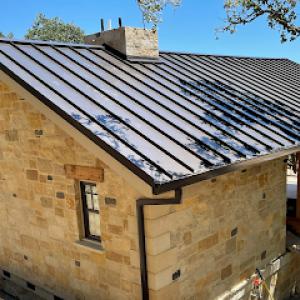
We are a full service Roofing & Gutter Company specializing in Composition Shingles, Standing Seam Metal Roofing, Tar & Gravel, TPO, Torchdown, and Lifetime, Pre-Painted, Galvanized Steel, Seamless Gutters and lifetime seamless copper gutters. We are rated A+ with the BBB. Our customer service and quality workmanship can't be beat! Call us today for a free estimate. We also offer tile roofing, foam roofing, roof restoration, siding, gutter cleaning, repairs, and power washing. Roof Inspections. We are a local family oriented and owned company for over 20 years.
Roberts Roofing
(707) 462-9125 robertsroofingca.com
1609 S State St, Ukiah, California
4.0 from 4 reviews
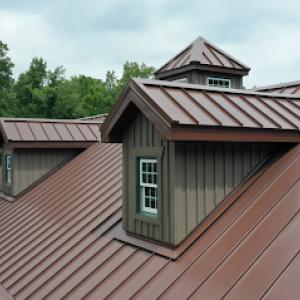
Commercial & Residential Roofing Company Serving Mendocino, Sonoma & Lake County, CA
Dunlap Roofing
(707) 964-8735 www.dunlaproofing.com
Serving
3.7 from 6 reviews
We are a full service roofing company where no job is too great. ‘Do It Once, Do It Right, Dunlap
Asphalt roofs in this inland valley face accelerated aging from prolonged sun exposure, which makes the asphalt films brittle and the granules shed more quickly. The heat can push asphalt shingles to warp and lift at the edges, inviting wind-driven leaks during sudden warm rain events typical of the season. In wildfire-adjacent areas, the surface can accumulate fine embers and become a path for ignition if the underlayment is compromised or if the edge ventilations trap heat. In practice, expect more frequent granule loss, accelerated color fading, and outright edge damage in exposed eaves where sun beats down year after year. In Ukiah, you'll notice those failures sooner after hot summers, especially on roofs with limited shade or south-facing slopes.
Tile roofs common in parts of inland Northern California can face breakage and underlayment aging even when the tile itself remains serviceable. Severe heat cycles can cause tiles to become brittle over time, leading to hairline cracks that allow moisture infiltration and freeze-thaw stress during cooler spells. The underlayment beneath tiles can degrade under sustained sun and heat, compromising the deck's weather resistance before any visible tile damage appears. In wildfire-prone zones, the intertile gaps and underlayment become critical: embers can lodge and ignite the exposed surface or trap heat beneath, stressing flashing seals at valleys and hips. Regular inspection should focus on cracked or shifted tiles and sagging or delaminating underlayment, not just visible tile damage.
Wood shingles and shakes in the Ukiah area raise added concern because wildfire exposure and wet-season biological growth both matter locally. Sun exposure dries and curls wood fibers, accelerating splitting and cupping that create cycles of moisture intrusion and rot. Wet-season growth of moss, lichen, and algae compounds moisture retention, promoting faster decay and hidden rot inside the roof plane. The natural ash, pine, or fir content inherent to some neighborhoods can also influence the rate of fungal decay when rain is followed by warm sun. Expect clustered failures around eaves and areas with poor drainage, where wet and dry cycles stress the fasteners and frame.
Metal roofs tolerate heat well but are not immune to failure patterns in this climate. Repeated expansion and contraction from extreme daytime highs and cooler nights can loosen fasteners and sealants, especially at flashings and transitions. Surface panels may oil-canning or distort if purlins or battens beneath are aged or misaligned, creating potential water pockets. Prolonged heat can age coat finishes, leading to color fading and reduced reflective efficiency, which in turn worsens thermal load on the interior. In wildfire-adjacent zones, ember resistance depends on the assembly's edge details and gutter protection; gaps and clogged eaves become ignition points.
Concrete tiles share many breakup patterns with clay, including underlayment aging and sealant deterioration at penetrations. The weight and rigidity of these systems demand proper framing and flashing; otherwise, seasonal shifts and heat-induced movement stress connections and cause small leaks that steadily worsen. In the fire-prone inland setting, the underlayment's integrity is as important as the tiles themselves, since embers can affect the concealed layers before any surface signs appear. Regular checks should verify that flashing remains sound and that the deck shows no soft spots or signs of moisture pooling.
Typical Ukiah-area cost ranges are about $350 to $700 per square for asphalt shingles, $700 to $1100 for metal, $900 to $1500 for clay tile, $800 to $1400 for concrete tile, $700 to $1100 for wood shingles or shakes, and $1200 to $2000 for slate. These figures reflect the inland Mendocino Valley setting, where roof replacements face hot summers, winter rain, and the unique mix of rural hillside and in-town homes. When planning a re-roof, compare the price per square alongside the expected service life, weight, and fire performance of each option. Asphalt shingles deliver the lowest upfront cost, but metal and tile systems often extend life and resist wind and heat better, which matters in this climate.
Costs in Ukiah can rise when homeowners choose fire-rated upgrades or more durable materials because of local wildfire and insurance pressures. If fire resistance is a priority, you may see higher prices for Class A assemblies, upgraded underlayment, or treated sheathing, especially on hillside lots or homes near brush. Metal roofing tends to perform well in wildfire exposure and can help with insurance considerations, but it isn't a universal guarantee; some insurers still request ignition-resistant decking or additional coatings. Clay and concrete tiles offer excellent fire resistance, yet their weight can drive structural and labor costs higher. Weigh the long-term risk reduction against the up-front premium, and factor in possible premium adjustments when evaluating your material choice.
Scheduling around Ukiah's wet winter season and fall wind periods can affect labor availability and project timing. Expect more compact schedules in late fall when wind and rain windows tighten, and plan ahead for potential delays if a crew is juggling multiple remodels in a single season. If a project spans the wetter months, choose materials with proven water-tight performance during installation and consider temporary weatherproofing measures. For fire-prone areas near the wildland-urban interface, coordinating installation during drier windows can help reduce weather-related setbacks and keep crews on track.
A building permit is generally required for a full re-roof in Ukiah and unincorporated Mendocino County jurisdictions. This section helps you navigate what that means for typical residential roofs, especially given the valley's exposure to heat, rain, and wildfire risk. The permit ensures your chosen roof system meets local energy, fire, and safety standards and that the roof structure is sound for the region's sun and storm cycles. If the project includes replacing structural framing or modifying load paths, that triggers additional review and documentation beyond a standard re-roof.
The local building department typically requires an application, with inspections during installation that commonly include underlayment and final inspection stages. For standard re-roofs, plan review is usually straightforward in the Ukiah area unless structural changes are part of the project. Have the contractor or a licensed designer prepare a clear scope of work, including roof type, underlayment specification, seismic and anchor details if applicable, and any wildfire-rated components. Submitting shop drawings or product data for the chosen system can help speed review, especially for fire-rated or class-A assemblies. Be prepared to provide verification of material compatibility with existing decking and framing, particularly when upgrading to a more fire-resistant option.
Inspections commonly occur at key milestones: after underlayment installation, during final installation, and at final completion. Underlayment inspection checks that the right weatherproof layer is used, fasteners are appropriate for the deck and climate, and overlaps meet code requirements for wind-driven rain in exposed Ukiah settings. The final inspection confirms the entire system is installed correctly, including flashing, valley details, penetrations, vents, and penetrants around chimneys or skylights. If wildfire-resistant materials or additional venting configurations are part of the plan, expect the inspector to verify both labeling and correct installation.
Plan reviewers commonly verify that the proposed roof assembly aligns with local fire safety codes and wind-load requirements, especially for exposed hillside sites or WUI-adjacent neighborhoods. Inspectors will check that underlayment type, roof-to-wall interconnections, and eave detailing meet the adopted standards for this jurisdiction. For iterations or changes during construction, ensure any amendments are submitted promptly to avoid rework delays at the site.
Coordinate early with the contractor to assemble a complete permit package, including product data for fire-rated assemblies and any required wind-bracing details. Maintain open lines with the building department; ask for a pre-submittal review if uncertainties arise. Schedule the inspections with enough lead time to accommodate weather-related delays, particularly after autumn rain events. Keeping a dedicated photos and notes trail of each installation milestone helps when the inspector requests confirmation or clarifications. Remember that plan review tends to be straightforward for standard re-roofs unless structural changes are involved, so clearly document any deviations from the original scope to prevent hold-ups.
Ukiah homeowners are affected by California's broader insurer pullbacks and tighter underwriting in wildfire-risk areas. That reality isn't just a headline-it touches everyday decisions about roof choices, maintenance, and how fast a claim gets processed after a tough season. When neighbors compare notes after a storm or a hot, ember-filled afternoon, the emphasis shifts from "will it leak?" to "will the roof withstand embers and direct flame exposure?" The consequence for your home is a closer look at materials, installation quality, and how well the roof works with your attic and vents to prevent radiant heat entry and ember intrusion.
Roof claims and underwriting reviews in this market often focus on wildfire-related losses, ember exposure, and whether the roof assembly is fire-rated. In practical terms, that means adjusters are asking more than a date on a warranty: they want to know the exact roof system you have, the class or rating of each layer, and evidence that the components meet recognized fire-resistance standards. A seemingly minor detail-such as a vent boot or skylight flash-can become a focal point if embers land nearby. The goal for you is to understand how your roof behaves under heat, wind-driven debris, and potential ember intrusion, not just whether it's visually appealing or historically affordable.
Adjusters and carriers may ask Ukiah-area homeowners for roof material specifications, dated photos, and maintenance history when evaluating coverage or claims. Gather product names, installation dates, batch numbers if available, and any retrofits you've completed to improve fire resistance. Dated, detailed records help prove the roof's current performance and its resilience in a WUI-adjacent neighborhood. If you've replaced components or added ember-resistant features, keep receipts and part numbers in a clearly labeled file. This preparation can shorten claims and reduce back-and-forth during a stressful season, while supporting a clear, factual record of your roof's fire-ready status.
Transition from the dry season into the first winter storms is the critical window for preparation. In Ukiah, the cool, wet winters can support moss and algae growth on susceptible roof surfaces, so plan maintenance for late fall just as the last long dry spell ends. Use this window to address any fasteners, seals, and edging that could let moisture penetrate.
Susceptible roofs-especially darker shingles and certain clay or concrete tiles-will show moss and algae growth after the first big rain. Inspect shaded sections and tree-adjacent slopes first. Gently remove loose moss with a plastic scraper or a soft brush, working from the ridge toward the eaves to avoid driving moisture under the shingles. Rinse with moderate water pressure; avoid high-pressure jets that can lift granules or tiles.
Fall wind events leave needles, pine needles, and small branches that can trap moisture on the roof and in drainage paths before the winter rainy period. Clear leaf litter from valleys, gutters, and downspouts, paying attention to any debris buildup at transitions between roof planes. Check gutters for sagging hangers or loose-fastener points, and re-secure as needed to ensure runoff stays on track once storms arrive.
Inspect vent pipes, chimneys, skylights, and roof-to-wall intersections for signs of wear, gaps, or loose flashing. Cold, wet weather amplifies any existing deficiencies, so reseat or seal with appropriate materials before the rains. If you notice any granular loss on shingles or exposed nailing areas, address it now to prevent moisture intrusion during the season.