
Last updated: Apr 19, 2026
The hot, humid subtropical climate around this area accelerates wear on asphalt and some synthetic roofing products much more than milder parts of Georgia. Sun exposure cooks shingles and underlayment, making edges curl, tabs lift, and granules shed faster than you expect. When the air is thick with humidity and you can feel the heat coming off the roof, a roof that's already aged a bit can tip into failure territory sooner than you think. In practical terms, that means you should treat high heat as a ticking clock for tear-off and a dry-in window that may vanish before you finish. If a reroof is in the plan, you need to act with urgency when the weather is favorable and be ready to respond quickly when heat spikes or storms move through.
Spring and early summer thunderstorms in this area bring more than rain; they bring wind, moisture, and timing challenges. A tear-off can stall midway if a gusty line rolls through or if overnight rain wets the deck and sheathing. Dry-in, the critical phase where you seal the roof and move to interior protection, becomes a race against changing weather. If the wind picks up during removal, shingles can blow off exposed sections, creating more risk and the need for additional labor. The reality is that the weather can interrupt the plan in a single afternoon, turning a well-timed project into a days-long quest and leaving your home exposed to the elements. Planning with a realistic rain and wind contingency is not optional-it's essential.
Shoulder seasons are your best friend. Spring and fall provide a compromise between heat strain and storm activity. In spring, you often dodge the worst heat spike while avoiding the heart of the wet season, and in fall you miss the peak storm periods that tend to cluster in late summer. The idea is to pick a window when daytime highs stay comfortable enough to work with less heat buildup, and forecasted storms show a lull long enough to complete tear-off and get a solid dry-in. If you must work in late spring or early fall, tighten the schedule and bring extra crews or longer workdays to capture those longer dry spells. If you can, align the project to these windows and protect the structure with quick, effective temporary covers during any unforeseen rain.
You must prioritize surface cooling and moisture control. Start with a thorough pre-inspection to identify any existing leaks, soft spots, or damaged underlayment that could complicate a storm-fast installation. When removal begins, ensure deck protection is in place to prevent water intrusion if a shower hits mid-teardown. Use a fast-drying, wind-friendly drying-in strategy, and have tarps and temporary ventilation ready to minimize heat stress on workers and the roof system. Continuous weather monitoring is non-negotiable; set alerts for approaching fronts and plan to pause operations if winds or humidity shift into a risky range. Documentation of every storm dusts the project with a protective layer: take photos and keep notes of any wind-driven damage or sudden rain events that interrupt work, so you can demonstrate a safe and orderly dry-in once the weather clears.
During high heat, you'll see more expansion and contraction in shingles and flashing. Choose materials and installation methods that tolerate this cycle, and avoid rushing critical steps like flashing sealant and nail patterns that rely on dry conditions. If a storm gap opens, you must have a rapid response plan to re-cover exposed areas and re-seal flashing before interior spaces feel the pinch. The bottom line: in this climate, timing is not just about scheduling-it's about orchestrating a sequence that respects heat-driven aging and the narrow windows storms provide. Acting decisively during the right windows protects the roof's long-term performance and your home's interior integrity.
Georgia's insurance environment produces regular wind- and hail-related roof claims, and homeowners in this area should expect adjuster review and detailed photo documentation after storm events. When a thunderstorm rolls through and the wind shifts direction, the first responder is usually the insurer's field adjuster armed with photos, measurements, and a checklist. In this climate, a clean, organized set of storm photos taken from multiple angles-before and after the event if possible-helps speed the process. Expect the adjuster to focus on wind uplift around edges and penetrations, plus hail impact evidence on the shingles or tiles. The more you can show, the less guesswork there is about what was damaged and when.
In peak storm periods, claim timelines can stretch during times when many South Georgia properties are reporting weather damage at once. If a storm event hits neighboring homes, communication can slow as adjusters juggle a larger workload. Plan for a practical pace: document promptly, then coordinate with the insurer to schedule a prioritized inspection window. Keeping a simple, dated log of when damage was observed, plus when repairs were scheduled, helps you stay on top of the process. Weather-driven delays are common, so setting expectation with your contractor and insurer about potential backlogs can prevent last-minute surprises.
Some carriers serving Georgia apply stricter expectations for wind-rated materials and installation details, which can influence reroof material choices after a claim. If an adjuster flags wind-rated underlayment or specific fastener patterns, you'll want to review those notes carefully. In this climate, you may encounter requirements that affect what products are eligible for replacement or reimbursement. When discussing options, make sure the chosen system aligns with the insurer's wind-resistance criteria and supports a durable, long-lasting roof after the next South Georgia storm. It's not just about choosing the prettiest color; it's about installation method, fastener type, and edge protection that meet higher standards for wind uplift.
After the storm, assemble a clear packet for the adjuster: a current exterior photo set, the known date of the incident, any prior damage notes, and a rough map of affected sections. If interior damage occurred from a roof leak, photograph ceilings and attic vent areas to corroborate claims. Work with a local roofer who understands the typical shingles, tiles, and underlayment used in this market, plus how crews document repairs for this carrier class. When the coverage decision arrives, compare the scope of work with the actual deterioration observed in your property to ensure the repair plan reflects the true need.
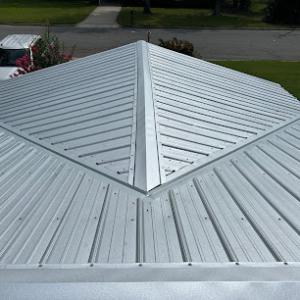
Blanchett Roofing & Construction
(229) 402-8950 blanchetroofing.com
302 Ridge Ave S, Tifton, Georgia
5.0 from 7 reviews
With 20 years of quality service and customer satisfaction, Blanchett Roofing & Construction is your trusted roofing and renovation contractor in Tifton, GA, serving Ashburn, Moultrie, Sylvester, and Norman Park. We specialize in asphalt roofs, shingle roofs, metal roofs, and full roof replacements, delivering reliable, professional, and long-lasting results. Whether it’s a repair, replacement, or new installation, we’re here to meet your needs. Call us today for roofing and renovation services you can trust!
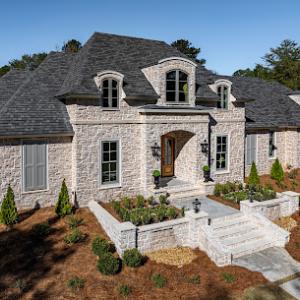
Beckrod
70 Waterfront Rd, Tifton, Georgia
5.0 from 1 review
Expert Roofing Repair and Installation At BECKROD, we are a trusted roofing contractor providing top-quality roofing services. Our team of skilled professionals specializes in addressing all your roofing needs, from minor fixes to complete replacements. With years of experience and a commitment to customer satisfaction, we ensure your home is protected and looking its best.
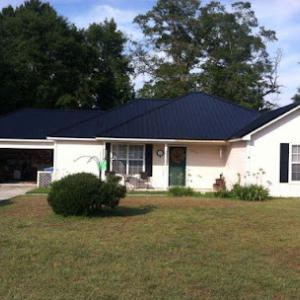
Harris Roofing & construction
5 Cedar Ridge Rd, Tifton, Georgia
3.0 from 2 reviews
Metal roofing specialist we also install vinyl siding,all types of flooring, windows, porches,and small remodeling
Hall Contractors
(229) 528-3276 www.hallcontractorsroofing.com
Serving
5.0 from 6 reviews
Providing high quality roofing and construction services to all of south GA!
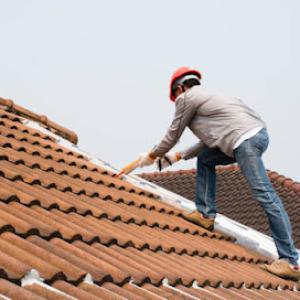
Elevate Roofing & Exteriors
(229) 463-2489 elevateroofpros.com
Serving
5.0 from 54 reviews
Elevate Roofing & Exteriors is your trusted roofing company in South Georgia, specializing in expert roof repairs, replacements, siding, gutters, fascia, soffits, and more. With years of industry experience, we are committed to delivering premium services backed by top-notch craftsmanship, reliability, and customer satisfaction. Whether you're in need of a roof replacement, gutter repairs, or siding installation, our professional team ensures your home is protected with durable, high-quality solutions designed to stand the test of time. Contact us today for a free estimate and experience service that’s built on integrity, teamwork, and professionalism.
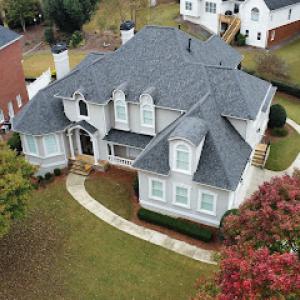
Halo Contracting
Serving
4.8 from 27 reviews
Experience the superior quality of Halo Contracting, Atlanta's foremost roofing and restoration company. As a leading general contractor, they bring exceptional services to residential and commercial projects. With a focus on delivering innovative solutions, Halo Contracting is committed to providing the highest level of craftsmanship and customer satisfaction.
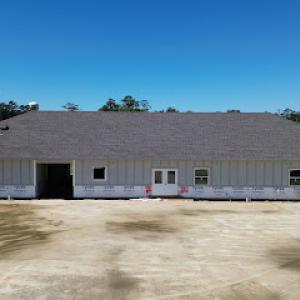
J&J Roofing & Construction
(229) 456-1156 jandjroofingandconstruction.com
Serving
4.7 from 24 reviews
J&J Roofing and Construction is a GAF Factory-Certified Roofing Contractor. GAF trains and tests thousands of the best roofers in the country and makes sure they’re appropriately licensed and insured so they can offer the best warranties. We offer several roofing types, including shingles, metal roofing, and many others. Request a quote on your roofing project or schedule a free consultation using our online form. We’ll follow up with a call to get the details of your project. J&J Roofing & Construction is a licensed and insured construction contractor specializing in new construction including but not limited to; remodeling, cabinetry, plumbing, flooring, tile, electrical, windows, framing, etc.
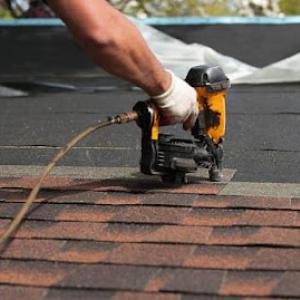
J & M Roofing
Serving
3.2 from 15 reviews
J&M Roofing has been in business for 36 years we're proud to be serving our friends and neighbors and hope that this company remains in business from now on think we set the standard in this industry quality is our number one priority customer satisfaction is always at the top of our list

Southern Slope Roofing
Serving
5.0 from 1 review
Previously known and esteemed as M&L Roofing, we have rebranded to Southern Slope Roofing, bringing with us over 40 years of experience, including the replacement of roofs for celebrities like Elvis and Burt Reynolds. We firmly believe that a sturdy roof is the foundation of a safe and happy home. Our dedicated team is committed to providing outstanding roofing services, from repairs to complete installations, using only the highest quality materials.
Exclusive Roofing
310 S Park Ave, Tifton, Georgia
1.0 from 2 reviews
Customer service is key, we are here to serve you as an advocate in working with your insurance company for all types of weather damaged claims. Here are a few of the things we offer here: Home Renovation Flat Roofs Shingle Roofs Metal Roofs Windows Seamless Gutters Vinyl Siding And much more. Give us a call and allow one of our specialist to give you a free no obligation estimate.
Asphalt shingles remain a common choice in Tifton, but the city's heat and humidity make attic ventilation and moisture control more consequential than in cooler inland markets. If choosing asphalt, prioritize shingles with Dura- or algae-resistant features and pair them with an effective venting plan-soffits, a ridge vent, and a sealed vapor barrier help keep attic temperatures from baking the underside of the roof deck. Look for upper-end granule density and sealed starter courses to resist wind-driven hail and heavy thunderstorms common in spring and summer. A well-tied ventilation strategy protects the shingle lifespan in this climate.
Metal roofing is especially relevant when storms repeatedly batter the roof and existing shingles show damage. In practice, metal handles rapid temperature swings and moisture exposure well, which matters in the humid subtropical pattern here. If you lean toward metal, ensure the system is installed with appropriate underlayment and fasteners that resist corrosion from humidity and salt air if near coastal influences. Roofing crews should verify that the structure can support a metal deck alternative and that ridge and eave vents align with the metal panel layout. For storm-ready performance, select a profile that minimizes noise while maximizing water shedding.
Clay tile and concrete tile are available options, but their weight means structural assessment is essential before proceeding. The weight, installation complexity, and cost are higher factors than standard shingles, so a qualified crew needs to confirm the roof framing and support structure can handle a heavy tile system. Synthetic and composite shingles offer a middle ground, combining some of the aesthetic appeal of tile with easier installation and lighter weight, while still delivering solid performance in heat and moisture. Slate delivers exceptional longevity but comes with similar structural demands and higher upfront handling requirements; only commit if the existing framing and installation team can manage the material's rigidity and edge detailing.
In this market, the decision hinges on how much storm exposure and attic heat the roof will endure, plus how the house is vented and finished inside. If the attic already has robust ventilation, asphalt or metal can deliver reliable performance with careful detailing. For homeowners facing frequent thunderstorm exposures, metal offers durability and a faster return to weather-tight conditions after damage. Heavier tile options are best reserved for homes with firm structural support and trained crews who can execute precise underlayment and fastener patterns to handle the climate-driven expansion and contraction.
Provided Tifton-area reroof cost ranges run from 350 to 700 USD per square for asphalt shingles, 550 to 1050 for metal, 900 to 1600 for clay tile, 700 to 1300 for concrete tile, 350 to 650 for synthetic/composite, and 1200 to 2800 for slate. Those bands matter because the local heat and humidity push some options to perform better value-wise over time, not just at initial install. Asphalt shingles stay the most common entry point, but heat exposure and storm risk can tilt decisions toward materials with longer life or better ventilation compatibility, especially in roofs with limited attic space.
In Tifton, costs can rise when storm-driven demand spikes across South Georgia after wind or hail events, reducing crew availability and extending schedules. If a big storm hits nearby, expect price bumps and longer wait times for crews, especially for popular options like metal and concrete tile. Planning ahead by a few weeks, not days, can help you lock in a reasonable crew and avoid last-minute premium charges. Track local weather patterns and have a decision window aligned with calmer weeks when possible.
Material choice matters more in this climate because heat exposure, ventilation needs, and storm resilience can shift homeowners away from the lowest upfront-cost option. Heat drives faster aging for some shingles and can stress underlayment and ventilation components. If your attic ventilation is marginal, a higher-end option with better breathability or a roof venting strategy may pay off through longer life and fewer issues with heat buildup. Likewise, metal and tile roofs tend to handle frequent thunderstorms and sun better, but installation quality and adequate attic ventilation remain essential.
When evaluating options, compare not just per-square costs but installed performance in this environment. Factor long-term maintenance, coating or protective finishes, and the likelihood of hail impacts on different materials. A well-ventilated, storm-resilient setup commonly costs more upfront but reduces replacement or repair surprises later. If heat-driven aging is a concern, lean toward materials with proven high-temperature performance and consider attic improvements to support any chosen system.
Set a budget that accounts for material cost ranges, potential storm-demand surcharges, and longer scheduling windows during peak season. Have a contingency for expedited orders if a storm pattern spikes demand, and coordinate with the contractor on a phased plan that preserves home protection during the wait.
A full reroof in this area generally requires a permit filed with the City or County building department by the contractor, including scope and material details. The permit helps ensure the project meets local wind, code, and energy requirements that are especially important after hot, humid summers and those spring-to-summer storms. The permit process also creates an official record of the workmanship, which can matter when you pull the final sign-off and any future resale disclosures. In practice, the contractor often handles the filing, so you'll want clarity up front about who is responsible for submitting the paperwork and tracking milestones.
Reroof inspections typically occur during and after installation, with attention to decking, flashing, ventilation, and overall installation before final approval. In this climate, shading, attic ventilation, and proper flashing around chimneys and vents are scrutinized to reduce heat buildup and water intrusion during heavy storms. The inspector will check that the decking is sound, that underlayment is correctly installed, and that flashing integrates with roof-to-wall transitions. Final approval depends on all systems passing muster, including ventilation adequacy and adherence to the permit scope. Expect at least one inspection while the crew is actively working and a final review once the roof is complete.
Because permit handling is commonly contractor-led in this area, homeowners should confirm who is pulling the permit and whether inspection sign-offs are included in the contract. If the contractor commits to managing inspections, verify they will provide copies of each inspection record and address any deficiencies promptly. If a sub-contractor or another party will be involved in the permitting, get that person's contact information and keep it handy for follow-up. Clear communication about inspection timing helps avoid delays that can push a reroof into the peak heat and thunderstorm window.
Before work begins, gather the property's address, any storm-damage documentation, and a copy of the existing roof's details if available. Ask the contractor to outline the permit timeline, including expected inspection dates and the final sign-off. Since the climate can accelerate aging under prolonged heat and humidity, ensure the permit scope includes adequate ventilation and proper decking repair or replacement if needed. Also request that the contractor notify you of any inspection deficiencies promptly and provide a plan to address them within the allowed timeframe.
After final approval, keep the permit record and inspection certificates with the home's files. Should future questions arise about workmanship or material installations, these documents provide official confirmation that the project met local requirements at the time of installation. In a neighborhood where storms and heat stress the roof, having documented compliance with permitting and inspections helps protect both the structure and your investment.
In the thick heat and humidity, asphalt and some synthetic shingles take a beating long before their peers elsewhere. Prolonged exposure to scorching days accelerates granule loss, dries out underlayment, and weakens the protective surface. When the sun bakes a roof for years in a row, you'll notice faster curling, more frequent surface cracks, and a tendency for color fading to mask underlying aging. The result is a roof that looks fine from the ground but leaks or fails sooner than expected. The risk is especially visible on southern-facing slopes where heat builds and cycles of extreme heat-then-cool nights compound the stress.
Spring hail in this region can create localized damage that is easy to miss from the ground but significant enough to justify repair or replacement. Tiny bruises and dented clusters in asphalt and metal surfaces can propagate into slow leaks or panel failure after storms pass. A quick post-storm inspection helps catch bruises that aren't obvious from the yard, especially around vent pipes, edges, and along ridges. If a hail event coincides with a heat spike, the material's already stressed condition can accelerate deterioration, making timely assessment crucial. Delaying repairs after hail compounds the likelihood of moisture intrusion and more extensive repairs later.
Moisture intrusion risk rises when thunderstorms roll through between tear-off and dry-in, so workmanship and staging discipline matter more during active weather periods. If a roof deck is exposed while rain systems linger, even well-installed components can suffer from poor seal integrity. Proper temporary coverings, careful staging, and staggered work during storm windows help reduce the chance of leaks. The outcome hinges on meticulous coordination between crews and weather awareness, not just the materials chosen. A proactive, finish-ready approach now can prevent messy follow-up repairs when summer storms return.