
Last updated: Apr 19, 2026
Tallahassee's highest roofing disruption window is June through September, when heavy rain, tropical systems, and frequent thunderstorms create both sudden leak events and scheduling backlogs. In practice, storms surge through with little warning, and the next available slot for repairs or dry-in work can slip days or weeks. Your plan must assume a storm will test the roof this season, not after it's already fallen behind schedule. If a storm hits, expect production to stall while crews chase weather windows, and prepare to protect interior spaces quickly to avoid cascading water damage.
Because this area is inland rather than coastal, homeowners often see wind-driven rain, lifted shingles, flashing failures, and tree-related impacts from storms that have weakened but still carry damaging gusts into Leon County. Those gusts can push rain under seemingly intact edges, around chimneys, vents, and dormers, and into valleys where leaks compound. A damaged roof here isn't just about a single blown shingle; it's about a pattern of stress points that can fail in rapid succession during a thunderstorm. The result is a high likelihood of multiple leaks across rooms, ceilings, and attics if the roof isn't stabilized quickly.
Late spring and summer heat and humidity can slow production and complicate dry-in timing, making rapid temporary protection especially important after a storm. High daytime temperatures limit the usability of certain sealants and can extend the time needed to dry-in a roof or install underlayment. Humidity can promote mold risk in exposed attic spaces and complicate interior remediation logs. Plan for heat-related delays by securing temporary coverings early and coordinating with crews who can work during cooler morning or late-afternoon windows when possible.
After a storm, the first priority is to minimize interior exposure. Place waterproof tarps over damaged roof sections if safe to do so, covering vents, skylights, and any exposed openings. Clear debris only if safe; heavy branches can shift and cause further damage if disturbed. Move valuables away from affected ceilings and walls, and photograph damage from multiple angles before any repair work begins. The goal is to hold water out and buy time for a proper assessment and scheduling, not to chase a perfect fix in storm conditions.
Document the scene promptly and thoroughly to support a smooth insurance review. Take dated photos of the entire roof edge, flashing, gutters, and any visible leaks inside the attic or ceiling. Note the direction of wind and the storm's timeframe, and capture any nearby tree impacts or debris that could link to the damage. Create a simple log of when leaks first appeared, when tarps were placed, and when professionals were contacted. When weather allows, secure a professional inspection as soon as possible to establish a baseline for repairs and to prevent further deterioration during the still-wet season.
Given the seasonal concentration of activity, keep a standing plan with a trusted local roofer for rapid response. Confirm contact information, response times, and preferred methods for urgent requests, so a storm response can be initiated the moment the first drops fall. Maintain clear access to the roof for emergency crews, and designate a dry, safe staging area inside the home to receive temporary materials and supplies as they arrive. By aligning readiness with the June-to-September window, you reduce the risk of compounding leaks and backlogged repairs when tropical systems wheel through again.
Tallahassee sits in Florida's high-claim roofing environment, where wind and storm losses commonly trigger insurer requests for detailed photo documentation, age information, and post-installation records. After a thunderstorm or hurricane, your insurer may ask for a robust set of photos showing the entire roof, any patchwork, and interior damage inside the home. Collecting this documentation early-before the adjuster arrives-helps prevent back-and-forth delays. Realistic, timestamped images that show shingles, flashing, fascia, and the roof-to-wall connection can become the baseline for your claim, so organize them by date and condition. If some components are older than the roof, note their age and completion dates clearly to avoid disputes about wear and tear versus storm damage.
Wind mitigation documentation can matter in this market, and some Tallahassee-area reroof projects involve wind-rated components that affect both underwriting and available credits. If you upgraded underlayment, straps, or fasteners to meet wind resistance goals, keep the certification and contractor notes ready. The adjuster will look for evidence of wind-rated installation, and without it, recoveries may be limited. A well-prepared set of documentation-photos, product names, installation dates, and wind-rated labels-helps the claims process move smoother. Even if the roof appears intact after a storm, documenting the wind-resistance features can support a faster and more favorable assessment if wind exposure becomes a topic in the claim.
Florida carrier tightening, higher deductibles, and stricter roof-condition scrutiny influence whether homeowners repair, document, or replace sooner after storm seasons. A proactive approach is to photograph the roof promptly after a storm while shingles and flashing are still clearly visible; avoid relying on memory for condition notes months later. If interior leaks occur, capture ceiling stains, mold-risk areas, and any attic or crawlspace evidence of water intrusion. Your goal is to provide a coherent narrative: what happened, when it happened, what the roof looked like before, and what is being proposed as a remedy. Keep a running file of all correspondence from the insurer, the adjuster, and the contractor, including dates and the scope of recommendations.
Storm-driven roof damage can push homeowners toward repair or replacement decisions that are heavily influenced by insurance responses. Stricter roof-condition scrutiny means that aging roofs or those with prior repairs may face more conservative evaluations. If the roofer recommends components that enhance wind resistance or if the policy encourages a full replacement to unlock broader coverage, weigh the long-term benefits against the immediate claim outcome. In many cases, presenting a clear, complete case-dated photos, age documentation, and post-installation wind mitigation records-reduces the risk of partial settlements and supports a smoother path to the recovery you expect after a brutal Florida summer.
Connect with contractors who help homeowners navigate the claims process from damage assessment to final approval.
TSpark Enterprises
(850) 766-1340 tsparkconstruction.com
1134 W Orange Ave, Tallahassee, Florida
4.9 from 150 reviews
Best Choice Roofing
(850) 616-7138 bestchoiceroofing.com
2360 Christopher Pl #1, Tallahassee, Florida
4.8 from 112 reviews
TLA Roofing Pro
(888) 766-3852 www.tlaroofingpro.com
1700 N Monroe St Suite 11-172, Tallahassee, Florida
5.0 from 17 reviews
GutterHawk Roofing & Gutter Specialists
3034 Shamrock St N, Tallahassee, Florida
5.0 from 226 reviews
GutterHawk is your trusted roofing contractor and gutter service provider in the Tallahassee area. Our team of experienced roofing professionals provides comprehensive services, from roof and gutters installation and repair to cleaning and maintenance. our Tallahassee roofing company use only the highest quality roofing materials and employ the latest techniques to ensure your home's roof and gutters perform flawlessly for years to come. Contact us today for a free consultation and let us show you why GutterHawk is the best choice for your home.
TSpark Enterprises
(850) 766-1340 tsparkconstruction.com
1134 W Orange Ave, Tallahassee, Florida
4.9 from 150 reviews
Professional Roofing and Construction Services - Residential Roofing - Commercial Roofing - Interior Build Outs - Home Remodeling - Construction Consulting
Tadlock Roofing
(850) 601-8574 tadlockroofing.com
502 Capital Cir SE Unit C1, Tallahassee, Florida
4.8 from 1123 reviews
Tadlock Roofing is a Florida-based roofing company headquartered in Tallahassee, Florida. Tadlock Roofing provides residential and commercial roofing services in Tallahassee, Panama City, and Pensacola.
TriCon Builders
(850) 894-2471 tricon-builders.com
2419 Fleischmann Rd, Tallahassee, Florida
5.0 from 50 reviews
TriCon Builders, Inc. is a trusted roofing contractor in Tallahassee, FL, with over 20 years of experience in residential and commercial construction. Specializing in roof installation, storm damage repairs, and roof replacements, TriCon is a GAF-certified Plus roofing contractor offering high-quality materials and strong warranties. Locally owned and operated since 2004, they also provide expert remodeling and custom home-building services. Known for craftsmanship, clear communication, and attention to detail, TriCon Builders, Inc., is your go-to choice for reliable roofing, remodeling, and custom home building in North Florida.
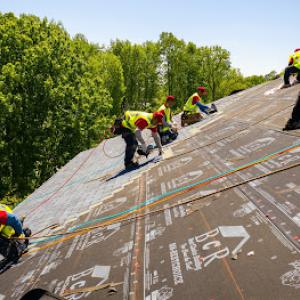
Best Choice Roofing
(850) 616-7138 bestchoiceroofing.com
2360 Christopher Pl #1, Tallahassee, Florida
4.8 from 112 reviews
Best Choice Roofing is a roofing contractor in Tallahassee serving Leon, Bradfordville, Monticello and nearby areas. Our roofing company offers residential roofing, roof repair, and asphalt shingle roofing, and more. Customers love us because of our comprehensive roof warranties and our affordable roof financing options. We also have industry affiliations and certifications such as Owens Corning Platinum. If you want to experience how your most trusted Jacksonville roofing company embraces our motto “You Chose The Best!", call us now for a free estimate!
Stubbs Roofing & Exteriors
(850) 597-8866 www.stubbsroofing.com
3537 Hartsfield Rd, Tallahassee, Florida
4.7 from 152 reviews
Highly experienced team of dedicated roofing and gutter professionals servicing the Tallahassee and surrounding area's. We specialize in roofing replacement, roof leaks and repairs, siding / wood rot, skylights, as well as new gutter systems.
PRO Roofing
4003 W Pensacola St, Tallahassee, Florida
4.8 from 87 reviews
PRO Roofing is a Florida based licensed and insured roofing company. We provide residential and commercial roofing services, including roofing repairs. The mission of PRO Roofing is to provide the utmost care and devotion in providing customer service and a quality product to our customers. We work with our customers to ensure that we understand their needs and provide our services to their satisfaction. We know the roofing business, however we also know that truly satisfied customers are the backbone of this company. For us, honesty is the only policy and we strive to complete all projects with integrity.
Erie Home
4770 Woodlane Cir, Tallahassee, Florida
4.7 from 66 reviews
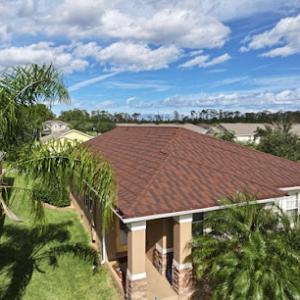
Since 1976, Erie Home has manufactured, supplied, and installed the best-performing roofing on the market. By providing ironclad warranties and convenient financing, we ensure that every homeowner we work with receives top quality service and value for their homes and properties. Erie Home professionals are the roofing company of choice in the greater Tallahassee, FL area. Whether you need roof inspections or roof damage repair services, Erie Home has been the go-to roofing contractor for nearly 50 years because of our attention to detail and dedication to making sure our customers are satisfied with their results. Contact us today for a quote and see why we're the trusted roofing company Tallahassee counts on.
Lloyd Roofing
(850) 728-8101 lloydroofingservices.com
1979 Maryland Cir, Tallahassee, Florida
4.6 from 168 reviews
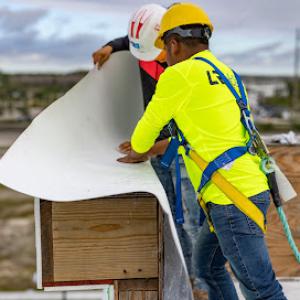
With decades of experience and a long list of satisfied customers, the highly skilled Lloyd Roofing team provides high-quality, professional roofing services for a variety of commercial and residential clients throughout the state of Florida. Credentialed, experienced and capable, you can count on Lloyd Roofing to provide the roofing solutions that address your problems and exceed your expectations.
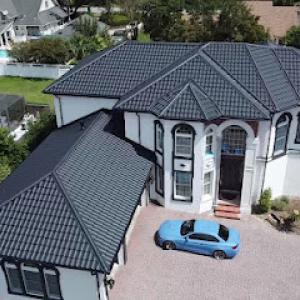
TLA Roofing Pro
(888) 766-3852 www.tlaroofingpro.com
1700 N Monroe St Suite 11-172, Tallahassee, Florida
5.0 from 17 reviews
MAKE A GOOD FIRST IMPRESSION Boost your curb appeal with exterior home improvement services. Has your roof been damaged in a storm? You don't have to juggle the schedules of a roof repair company. You can count on the TLA Roofing Pros crew to do it all. Reach out today to schedule exterior home improvement services at your home or place of business.
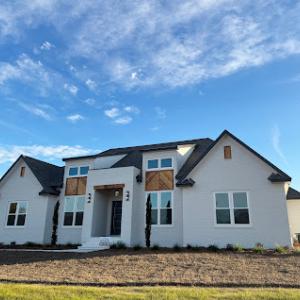
Alpha One Roofing
(850) 270-8826 alphaoneroofingtallahassee.com
1342 Timberlane Rd Suite 102-A, Tallahassee, Florida
5.0 from 16 reviews
Family owned, Alpha One Roofing offers expert roofing, re-roofing, restoration and repair services in Tallahassee and beyond. Our local team of reliable professionals use high-quality roofing materials and craftsmanship to build strong roofs you can trust to cover what you value most for years to come. Contact us today for your FREE quote!
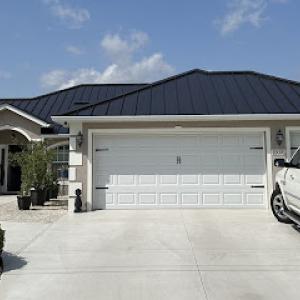
Coastal Roofing Solutions
(850) 597-9478 www.coastalroofingsolutions.com
2625 Mahan Dr, Tallahassee, Florida
4.7 from 54 reviews
Family Owned and Operated Roofing Contractor Complete customer satisfaction is what we strive for on every job we do. We care for people, and this sets us apart from the competition. Caring about people is an attitude and a way of life. Honesty, dependability, and dedication is how we operate at Coastal Roofing Solutions. Whether you are making a choice about your home or business, we hope that we have provided you with the comfort and security of knowing that you can count on us to get the job done right. Our reputation means everything to us, and that is why we strive for 100% customer satisfaction.
Asphalt shingles dominate reroofing in the area, thanks to a balance of performance and availability. In this climate, emphasis should be on wind resistance, solid underlayment, and thorough attic ventilation. When selecting shingles, look for high wind-rated options and ensure the attic has breathable, moisture-tolerant underlayment. A well-sealed drip edge and properly installed starter courses help minimize wind-driven leaks along eaves and rakes. In practice, you'll want a contractor who doubles down on secure nail patterns and confirms that soffit and ridge venting are paired for consistent air movement, especially after a heavy storm.
Metal roofing has strong local relevance for Tallahassee, performing well under heavy rain and high wind exposure. This material often pumps out longer life under the persistent heat and humidity. When you consider metal, focus on panel overlap, fastening hardware, and the risk of oil canning in shallow profiles. A proper seal around chimneys, skylights, and vent stacks is essential because wind-driven rain can exploit small gaps. Choose a system with a standing seam or interlocking panels and verify that the underlayment beneath metal is compatible with the Florida heat and humidity. A seasoned local contractor will also confirm that any retrofit includes adequate attic ventilation to prevent heat buildup under the metal skin, which can affect longevity and energy performance.
Tile and wood systems appear in pockets of the market but require attention to structural load, fastening, and moisture behavior in the humid, storm-prone pattern. Clay or concrete tiles offer durable life when the structure can handle the weight and the fasteners are designed for windy conditions. In practice, check that roof decking is solid, battens are correctly installed, and fasteners are corrosion-resistant. Wood shingles or shakes, while aesthetically appealing, demand careful moisture management and a robust ventilation plan to minimize swelling, warping, and mold risk during Florida's humidity peaks. If choosing wood, ensure there is a proven maintenance cycle to prevent moisture-driven issues after heavy downpours. In all tile and wood applications, confirm that flashing around penetrations is integrated with the roof's drainage plan to resist wind-driven seepage during summer storms.
When you're budgeting for a reroof, look at the local ranges first. For asphalt shingles, the typical market runs about $350-$650 per square. Metal roofing sits higher, usually $700-$1400 per square. Clay tile brings a premium, roughly $900-$1800 per square, while concrete tile is commonly in the $600-$1200 range. If you're considering wood shingles or shakes, plan for about $600-$900 per square. Synthetic or composite shingles fall in a $700-$1300 band. These figures reflect Tallahassee's inland North Florida climate, where long hot humid summers and quick turnarounds after storms push pricing.
Summer thunderstorm and hurricane season can rearrange your reroof budget quickly. After a big storm, emergency demand, insurance-funded work, and weather delays tighten labor availability across Leon County, which tends to push pricing upward. If you're filing a claim or coordinating a quick response, expect a tighter window for bids and possible premium on expedited materials or crews. Timing matters as much as material choice, so plan for potential short-notice scheduling shifts.
Material choice is the first lever you'll see: cheaper shingles can reduce upfront costs, but a wind-rated or higher-performance roof may save repairs later in a storm season. The tear-off scope matters too-whether you need a full tear-off or a re-cover can swing the price by hundreds per square. Inspection timing matters as well; staged inspections can catch issues early and keep surprises manageable. Wind-rated components, such as underlayment and fasteners rated for Florida gusts, can add value but raise the bottom line. If you expect high winds or expect insurers to require certain wind resistance, that will influence both materials and installation details.
Start with the local ranges above, then add a buffer for potential storm-season delays. Get multiple bids that break out tear-off, disposal, underlayment, and fasteners separately so you can compare apples to apples. If you're dealing with an insurance claim, document pre-storm conditions and post-storm damage clearly, and be ready to validate wind-rated features in your quote. In this market, a clearly scoped job with staged inspections often keeps the project on track and protects you from unexpected spikes when the calendar tightens after a big event.
Don't let upfront costs delay a critical repair - these contractors offer payment plans to fit your budget.
Tadlock Roofing
(850) 601-8574 tadlockroofing.com
502 Capital Cir SE Unit C1, Tallahassee, Florida
4.8 from 1123 reviews
TriCon Builders
(850) 894-2471 tricon-builders.com
2419 Fleischmann Rd, Tallahassee, Florida
5.0 from 50 reviews
Best Choice Roofing
(850) 616-7138 bestchoiceroofing.com
2360 Christopher Pl #1, Tallahassee, Florida
4.8 from 112 reviews
A full reroof typically requires a building permit filed through the City of Tallahassee or Leon County building department, depending on jurisdiction and project scope. The process is designed to confirm that roofing materials, methods, and anchors meet local code and wind resilience expectations. Start by checking whether your address falls under city controls or county administration, and confirm whether any neighborhood covenants or historic considerations apply. Having the correct permit in hand before work begins helps avoid retroactive penalties or insurance delays later on.
Roofing inspections commonly occur at staged milestones, including rough or underlayment and a final inspection. The rough/underlayment check ensures that roof deck attachment, underlayment, and ventilation components meet code and manufacturer requirements. The final inspection validates the completed roof system, penetrations, flashing details, and any ventilation or attic components. Work must pass inspection before closeout or occupancy-related signoff, so coordinate timing with your contractor and the inspector to prevent delays in moving forward.
Some reroof projects involve wind mitigation documentation or material-specific wind-rated components, which can affect what inspectors and insurers expect to see. If your home has elevated exposure, consider wind-rated underlayment, fastener schedules, and properly installed edge detailing. Collect and organize product data, installation manuals, and any wind mitigation forms early, so that the inspector can verify compliance without backtracking. This can streamline the process with both the permitting office and the insurance company.
Before scheduling the permit review, assemble a project plan that notes roof type, total area, and any specialized components such as vented ridge systems or clay or concrete tiles with reinforced fasteners. Communicate clearly with your contractor about responsible disposal, staging of materials, and safe access routes for inspectors. Keep a dedicated folder with permits, approved plans, and inspection stamps so that when the inspector arrives, you can show everything they need in one place. If any work deviates from the approved plan, request a quick amendment through the permit office to avoid inspection hurdles.
In the wake of summer storms and hurricane season, plan permit and inspection steps to align with your contractor's schedule and the county's inspection queue. Weather delays can push milestones, so build buffer into the timeline and maintain open contact with the permit office. Being proactive on documentation and milestones helps ensure the project progresses smoothly from permit issuance to final closeout.
When the routine summer downpours hit, weaknesses show up first at flashing transitions, around penetrations, and along underlayment laps rather than only through missing shingles. A fast rain can reveal hidden misfits where metal flashing meets siding, or where sealant has dried out and cracked. Over time, water can wick into gaps you can't see from the ground, traveling along roof edges and into attic spaces. In practice, steady downpours stress small defects into big problems, so pay close attention to the intersections where roof surfaces meet vents, chimneys, and dormers. A single storm can expose a cascade of slow leaks if those details were ignored during installation or last maintenance.
Tallahassee's furnace-like afternoons and humid air amplify every vented attic problem. When heat builds under a poorly ventilated roof, shingles bake and the stack of moisture from inside the home doesn't dry quickly enough. This combination accelerates the aging of lower-grade shingle systems, especially if the dry-in details weren't properly executed. Delamination, curling edges, and premature granule loss can sneak up after a season of rapid rain followed by hot sun. If attic ventilation is inadequate, you'll notice more frequent condensation and a higher risk of interior staining after storms wash through.
Skylights, vents, and chimney penetrations deserve extra scrutiny in this climate because intense rain events can quickly turn minor seal failures into interior water damage. Small pinholes in sealant can swell into steady drips during a heavy downpour, while flashing around a curb skylight can deteriorate with heat cycles and wind-driven rain. Inspect around these points after every storm, and treat any sign of moisture as a warning signal rather than a one-off nuisance. Early attention saves a larger, costlier repair later.
After a heavy storm, document visible damage with photos from multiple angles, including interior spots that show staining or condensation. Note weather conditions, the date, and any accompanying sounds of leaking inside the roof cavity. A quick temporary patch can prevent further intrusion, but long-term fixes require a professional assessment focused on flashing, underlayment, and vent detailing. Keeping a detailed record helps with timely repairs and supports a clear, factual conversation with a contractor.