Last updated: Apr 19, 2026
Macon's hot, humid summers bring frequent afternoon thunderstorms that can interrupt active roofing jobs and create sudden leak events. Those pop-up storms aren't a rare nuisance-they're a real risk that can freeze work mid-tile or mid-shingle, leaving vulnerable spots exposed to rain while crews wait for the window to reopen. The steep humidity and heat accelerate asphalt aging and can push thin metal or sealant joints past their breaking point in a single afternoon so you'll want to plan with that volatility in mind. The wind from those storms can rearrange loose shingles, lift edge flashing, or strip small patches of roofing when gusts spike. When a storm is rolling in, the clock matters: a temporary cover or tarping, secured quickly and correctly, can prevent a small drip from becoming a costly interior problem.
Spring and early summer wind and hail events are a key local trigger for inspections, temporary dry-ins, and insurance-driven roof replacement decisions. After a hail streak or a fast-moving gust front, a thorough inspection should happen as soon as crews can access the roof safely. Look for bruising on shingles, granule loss, or dented metal; those signs often appear in areas shadowed by trees or near roof penetrations. If the attic shows evidence of moisture, or if you notice staining on ceilings after a storm, you're dealing with potential hidden damage that needs professional eyes fast. Temporary dry-ins become critical when rain cycles return quickly, especially if the roof is in a transition phase between weather events. The goal is to keep interior spaces dry while the full assessment and any temporary fixes are arranged, avoiding the creeping damage that storms can hide.
Because Macon is inland central Georgia rather than a coastal market, homeowners are more often dealing with thunderstorm and hail patterns than hurricane-code roofing decisions. That means the timing of damage, not just the type of weather, drives the action. Thunderstorms aren't about surge or wind-borne debris from tropical systems; they're about short, intense events that deliver sudden leaks and can challenge the structure before a full replacement is even planned. The emphasis is on rapid response, accurate inspection after each storm sequence, and clear decisions about when to pursue temporary fixes or full replacement-especially in a market where claims can move quickly and insurers expect timely documentation of storm-related damage.
When a storm watch is in effect, prepare a plan to secure access to the roof during daylight hours, and keep a lightweight tarp kit ready for quick deployment if a gust front hits during a work window. After a storm, schedule a rapid roof inspection, focusing on flashing, valleys, and edge details, then document all findings with photos from multiple angles. If there are signs of moisture intrusion, arrange for an emergency dry-in to protect ceilings and walls while the roof is evaluated. If the damage is confirmed, contact the insurer promptly and keep a detailed log of weather events and repair attempts, because the insurance-driven timeline in this market often rewards swift, well-documented action. In short: storms can disrupt, but timely inspection, temporary protection, and decisive next steps keep water out and recovery moving.
Find local contractors experienced in assessing and restoring roofs after hail, wind, and severe weather events.
Elliott Roofing
(478) 233-0606 elliottroofingandrepair.com
156 Sage St, Macon, Georgia
5.0 from 78 reviews
Chris Moore Roofing
(478) 256-4187 www.chrismooreroofing.com
619 Henderson Rd, Macon, Georgia
4.9 from 72 reviews
Crosby Roofing & Seamless Gutters
(478) 785-2285 www.crosbyroofing.com
7628 Hawkinsville Rd, Macon, Georgia
4.7 from 275 reviews
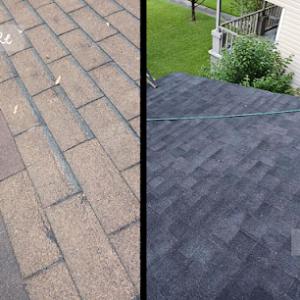
Elliott Roofing
(478) 233-0606 elliottroofingandrepair.com
156 Sage St, Macon, Georgia
5.0 from 78 reviews
Elliott Roofing is Middle Georgia’s trusted name for top-quality roofing services. With years of experience, we specialize in residential and commercial roofing solutions, using the best materials and expert craftsmanship to protect your property. Whether it’s a roof repair, replacement, or new installation, our team delivers reliable, long-lasting results. We’re committed to customer satisfaction and a high standards of excellence. Contact us today for a free inspection and experience the difference!
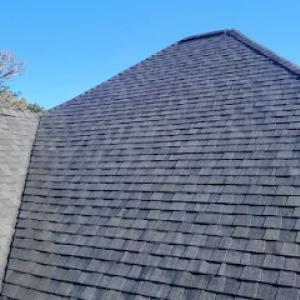
Chris Moore Roofing
(478) 256-4187 www.chrismooreroofing.com
619 Henderson Rd, Macon, Georgia
4.9 from 72 reviews
Welcome to Chris Moore Roofing. We are a family owned and operated roofing company. Our roofers have been servicing Macon and surrounding areas for over 30 years. We specialize in handling all of your shingle and metal roofing needs for residential and commercial properties. We install new roofs, do roof repairs, roof maintenance, repair roof leaks, install or repair wall or chimney flashing, wind and hailstorm damage, roof replacement, custom roofs, metal roofing, shingle roofs, flat roofs, roof and home improvements, repair or replace rotted wood, replace fascia boards, install eave metal, repair leaking vallies, pipe boot repairs, leaking chimneys. We can help with your homeowners insurance claims. Licensed and Insured. Free estimates.
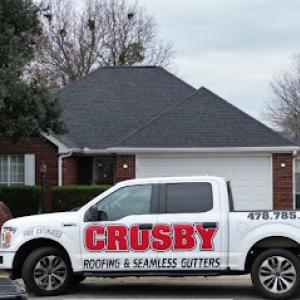
Crosby Roofing & Seamless Gutters
(478) 785-2285 www.crosbyroofing.com
7628 Hawkinsville Rd, Macon, Georgia
4.7 from 275 reviews
Crosby Roofing and Seamless Gutters is a family owned and operated business since 1989. Crosby Roofing was founded with the goal of providing exceptional service in the Roofing Industry. We are now operating in Georgia and South Carolina with offices in Macon, Augusta, and Columbia. With 30 years experience and thousands of happy customers, we are proud to continue providing exceptional customer service for our customers. In addition to roofing services, we also provide gutter repair and installation, vinyl siding, attic ventilation and insulation and window replacements. Contact us for a free estimate today! Quality you can look up to!
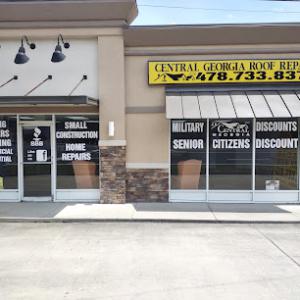
Central Georgia Roof Repairs
(478) 733-8379 www.centralgaroofrepairs.com
6004 Hawkinsville Rd STE A, Macon, Georgia
4.8 from 55 reviews
Protecting homes and businesses in Macon, Georgia, Central Georgia Roof Repairs offers expert roofing solutions and so much more! As a trusted roofing contractor and your local home improvement destination, they provide top-quality roofing, gutter, and siding services. Since 2019, they've been committed to helping you enhance and safeguard your property.
Alan Frank Roofing
(478) 972-4319 www.alanfrankroofing.com
2131 Barnes Ferry Rd, Macon, Georgia
4.8 from 19 reviews
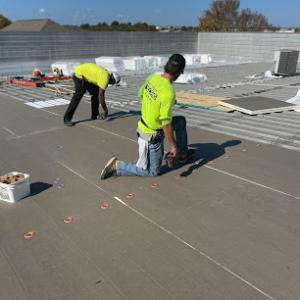
Offering middle Georgia 17 years of local roofing experience. Alan Frank Roofing is a family owned company built on trust. Certified Commercial Roofing Installers of : Mule Hide Products Johns Manville
Rescorp Commercial Roofing
(478) 737-8384 rescorproofing.com
2076 Graham Rd, Macon, Georgia
5.0 from 10 reviews
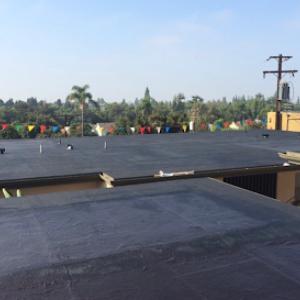
Rescorp Commercial Roofing offers professional commercial roof repair, roof replacement, roof inspections, and more. Our team of trained technicians will promptly and accurately evaluate your roof and work with you to create a solution that fits your budget and specific need. If you're looking for a professional commercial roofing contractor or company, Rescorp has you covered. Literally.
Bauer Roofing
(478) 508-3695 bauer-roofing.com
844 College St, Macon, Georgia
5.0 from 8 reviews
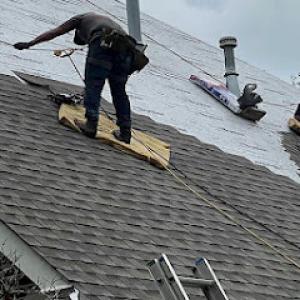
Roofing Inspection Roofing Installation Roof repair Roof damage repair Free estimates Roof leak repair Gutters Roof Replacement Roof vents TPO Interior water damage
Jaiden C Roofing repairs
2924 Walmar Dr, Macon, Georgia
4.7 from 13 reviews
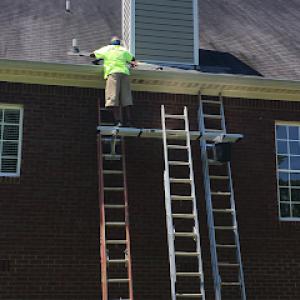
Jaiden C Roofing Repairs is a trusted roofing repair company serving Macon, GA, and surrounding areas. We specialize in high quality roof repairs, leak fixes, shingle replacements, and storm damage restoration. With experienced professionals and top tier materials, we ensure durable and reliable roofing solutions for homes and businesses. Customer satisfaction is our priority, and we offer free estimates and fast, reliable service. Call us today for expert roofing repairs!

Mighty Dog Roofing
(478) 216-1613 www.mightydogroofing.com
609 Cherry St b 317, Macon, Georgia
4.5 from 17 reviews
Mighty Dog Roofing specializes in Roofing, Storm Damage Repair, Siding and Windows. A locally owned and operated company is your choice for servicing Macon. Mighty Dog Roofing is the most trusted name in the roofing industry, offering state-of-the-art 25 point inspections using our GoLive and Drone Superscan technology. This technology, matched with the highest quality products and superior workmanship, allows you to have peace of mind on the most important investment you have - your home.
Dixie Roofing
4343 Napier Ave, Macon, Georgia
5.0 from 5 reviews
Dixie Roofing offers roofing, roof repairs, installation & maintenance, leaks, gutters, roof inspection, roof installation, skylight installation, skylight repair, roof damage repair, flashing wall and chimney, rain & hailstorm damage, residential & commercial building services, roof replacement, custom roofs, metal roofing, home improvement services such as siding, painting, carpentry, rotten wood, replacement decks, patios, leaking vallies, pipe boot repairs, leaking chimneys. Fully Licensed & Insured. Free consultation. Insurance Claims welcome. Locally owned - Jack Abney
Hill's Roofing
(478) 256-3203 americatopbusi.top
5423 Tinker Dr, Macon, Georgia
5.0 from 4 reviews
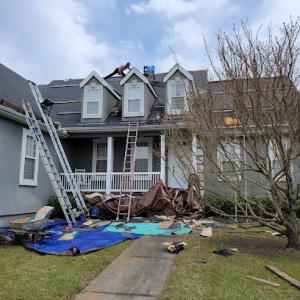
We specialize in roofing. we've been doing roof for 36 years. we run a drug free workplace and we furnish all the materials for the job
Rivertop Roofing
(888) 909-5424 www.rivertoproofing.com
1305 Hardeman Ave Suite 200 Office 105, Macon, Georgia
5.0 from 3 reviews
Our team is always here when you need help most. We're experts in repairing roof damage from storms, navigating the insurance process, new roof installation, and roof repairs. We Treat Your Home Like Our Own.
Georgia's weather-related claim activity affects Macon homeowners through tighter documentation expectations on roof age, installation quality, and photo evidence after storms. After a central Georgia thunderstorm rolls through, insurers expect a clear trail showing how your roof stood up to the wind, hail, and heat, not just a quick snapshot of a single sag or a missing shingle. In practice, that means your claim file should feel like a narrative rather than a collection of disjointed images. Photos taken at different angles, with dates visible, plus notes about what you were told when the roof was installed, can make a meaningful difference. A storm in May or early fall can trigger more scrutiny, so think ahead about what a good, organized file looks like before an emergency patch becomes the only record.
Adjusters in this market may closely review whether observed shingle or metal damage matches local wind and hail patterns following severe central Georgia storms. The heat and humidity spike the vulnerability of certain roof systems during rapid temperature swings, and patterns such as edge damage, hail bruising on metal panels, or granular loss on asphalt shingles can be telling. In Macon, where homes range from older single-story blocks to newer two-story builds, the alignment between damage and typical local storm behavior matters. If your roof shows damage that doesn't align with the storm's documented path or timing, expect deeper questions and more detailed explanations.
In Macon, claim outcomes can hinge on how well the homeowner documents storm dates, interior leak evidence, exterior elevations, and prior repair history before emergency work begins. Clear interior signs of moisture-stains, warped ceilings, or lingering musty smells-need to be tied to a verifiable storm event, not a slow infiltration from years of wear. Exterior elevations should reflect upgrades or repairs that occurred before the storm season; mismatches here can trigger questions about pre-existing vulnerabilities. Prior repairs, down to the contractor and the material used, create a context that affects the assessment. If a patch was done after a previous event, the claim may be evaluated for cumulative impact rather than a fresh incident.
When a storm is imminent or just passed, set up a simple, consistent record routine. Note the exact date and time of the storm, copy machine-readable receipts for any emergency tarping or temporary fixes, and photograph the roof from multiple elevations-especially the areas most exposed to wind-driven rain. Capture attic and ceiling photos where leaks appear, and keep a log of who performed emergency work, what was done, and when. Store these records in a single file or cloud folder labeled with your property address and the storm event date. By aligning your own documentation with the expectations described, you reduce ambiguity and help ensure that a weather-driven claim proceeds with fewer unnecessary delays.
Connect with contractors who help homeowners navigate the claims process from damage assessment to final approval.
Elliott Roofing
(478) 233-0606 elliottroofingandrepair.com
156 Sage St, Macon, Georgia
5.0 from 78 reviews
Chris Moore Roofing
(478) 256-4187 www.chrismooreroofing.com
619 Henderson Rd, Macon, Georgia
4.9 from 72 reviews
Crosby Roofing & Seamless Gutters
(478) 785-2285 www.crosbyroofing.com
7628 Hawkinsville Rd, Macon, Georgia
4.7 from 275 reviews
Summer heat in Macon can slow crews and complicate scheduling, especially when afternoon thunderstorms repeatedly interrupt tear-off and dry-in sequences. Plan to start early, aiming to get as much tear-off done before the midday heat intensifies. If a storm forecast pushes into the afternoon, pause the tear-off and cover exposed areas to limit wind-driven debris and water intrusion. In practice, you'll want a two- to three-day window between removal and re-installation when possible, so crews can manage heat exposure and keep materials within their recommended temperature range. Prioritize projects that align with the driest, most predictable part of the week, and build a contingency buffer for rain that routinely rolls through the region.
High humidity in late spring and summer can affect underlayment handling and drying times during installation. Use a breathable, high-quality underlayment that tolerates heat and humidity without wrinkling or shrinking. When temperatures rise, avoid forcing underlayment into tight folds or stretching it over ridges; improper tension leads to air gaps that can trap moisture. Ventilation matters: ensure ridge or soffit vents are clear and that attic space has adequate airflow to prevent condensation under the deck. On humid mornings, allow a brief acclimation period for materials brought from shade to sun, so they don't become overly stiff or brittle. If a frost-free but cool morning occurs, inspect fastener seating once temperatures rise above 50 degrees to confirm everything seats cleanly and without moisture pockets.
Thunderstorm-driven wind and hail stress can create tight windows for re-roofing work. Coordinate with the crew to have most of the nailers, roof deck, and underlayment prepared during dry periods, then reserve installation of shingles for times when a window exists for several dry hours. In Macon, the risk is not just rain but wind gusts that can lift loose materials; protect the ridge and edges with wind blocks or temporary tarps, and keep fasteners organized to prevent loss between storm cells. For homeowners, it helps to arrange temporary access to shade or a cool resting area for crews, reducing heat-related delays and keeping timelines closer to the forecasted dry stretch.
Winter in this area is generally mild, but cold fronts and occasional frost can still slow installations and affect material performance on some mornings. Schedule the heaviest work for late mornings after frost clears, and check that deck surfaces aren't slick before feet and ladders go in. Materials stored overnight should be kept dry and warmed gradually to avoid condensation forming on the underlayment as the sun rises. If a cold snap hits mid-project, pause only long enough for temps to rise above freezing, then resume with extra-fastening checks and re-sealing where required to maintain a leak-free envelope. This city's unique blend of heat, humidity, and storm activity makes flexible planning and proactive protection the most practical approach to a best-re-roof window.
In Macon, asphalt shingles are the dominant choice because they fit the area's large re-roofing market and are commonly selected after storm-related damage. They pair well with many existing roof slopes and structures found on a wide range of local homes, from older bungalows to newer subdivisions. The key practical benefit is that a shingle roof can be engineered to shed heat adequately while still offering solid burst resistance during quick, thunderstorm-driven wind events. When choosing shingles for the central Georgia climate, focus on higher wind-resistance ratings and a reinforced installation method to stand up to repeat summer downpours. Proper attic ventilation helps keep shingle lifespans reasonable in the heat, and a careful drip edge and fascia detail reduce edge leaks that often follow heavy rainfall.
Metal roofing has a meaningful specialist presence locally, reflecting homeowner interest in durability under repeated thunderstorm exposure and intense summer sun. In practice, metal panels or standing-seam systems can offer superior hail resistance and better wind performance, especially on steeper or higher-slope roofs common in newer Macon-area homes. The local market supports a range of finishes that resist fading from sun exposure, and installation crews familiar with coastal-hugging humidity and period homes understand how to attach metal without compromising structures not originally designed for it. For homes with metal, attention should be paid to sealant performance around roof penetrations, and to flashing where pitched roofs meet gutters, to prevent water tracking during sudden downpours.
Tile, wood, and slate exist in the market but require more careful evaluation of structure, attachment, and replacement logistics than standard shingle jobs in Macon-Bibb. Clay and concrete tiles, plus wood shingles or shakes, add distinctive aesthetics and can deliver long lifespans in dry, hot summers, yet they demand solid deck integrity and precise fastening. Clay and concrete tiles are heavier; some homes may need structural assessment to confirm framing and support capacity for a full tile replacement. Wood shingles and shakes bring charm and insulating value but can be susceptible to moisture-related checks and insect exposure in this humidity, so local maintenance cycles and protective finishes become important. Slate offers exceptional longevity but is typically reserved for homes with the proper roof geometry and backing; installation crews must tailor fasteners and underlayment to resist local weather patterns and thermal expansion. For all these options, ensure that replacement logistics account for matching the building's original character while adapting to modern underlayment and venting standards.
For asphalt shingles, you're looking at about $350-$650 per square. Metal roofs run roughly $700-$1200 per square, depending on thickness and coating. Clay tile sits in the $900-$1800 per square range, while concrete tile usually falls between $700-$1300 per square. Wood shingles or shakes commonly run $600-$1100 per square, and slate is the high end at about $1800-$3200 per square. These figures reflect local wholesalers, labor nuances, and the way storms drive material availability during busy periods. In Macon, the weather pattern means you'll often see a wider spread between low and high bids after a big wind or hail event, so use these as ballpark targets rather than fixed quotes.
Storms push demand through the roof after wind or hail events, and that energy shows up in scheduling and pricing. When a roof is damaged and a quick dry-in is needed, contractors may shift crews toward emergency work, squeezing available time for non-emergency re-roofs. If you're trying to time a full replacement, expect potential delays if your area is hit by a derecho or a major hail swath. The result is not only longer wait times but sometimes a premium for rapid response. If your roof is still maintaining useful service, you can leverage calm weather windows to compare bids and avoid peak-event markups.
Coordination can add costs when workload is high. Macon-Bibb County activity, weather windows, and crew availability all influence timelines. Even without permits discussion, the practical effect is that some weeks you'll see tighter crew calendars and tighter material ordering. Talk through delivery lead times for your chosen material, and confirm what happens if rain interrupts installation. A clear plan for a dry-in versus a full roof replacement helps limit confusion and keeps the schedule predictable during the summer thunderstorm season.
Material choice affects both upfront cost and long-term performance in central Georgia heat and humidity. Asphalt remains the most budget-friendly option. If hail risk is high in your neighborhood, metal can offer a favorable blend of durability and acceptable cost, though it spikes for thicker profiles. Tile (clay or concrete) offers excellent hail resistance and longevity, but weight and rafters must be evaluated. Wood shingles and shakes bring a distinctive look but require more maintenance in humid conditions. Slate delivers superb life and impact resistance but at a premium price. Use the local cost ranges to weigh the trade-offs between initial investment and expected life under Macon's storm- and heat-driven stresses.
Get a clear picture of your project costs upfront - no commitment required.
Chris Moore Roofing
(478) 256-4187 www.chrismooreroofing.com
619 Henderson Rd, Macon, Georgia
4.9 from 72 reviews
Crosby Roofing & Seamless Gutters
(478) 785-2285 www.crosbyroofing.com
7628 Hawkinsville Rd, Macon, Georgia
4.7 from 275 reviews
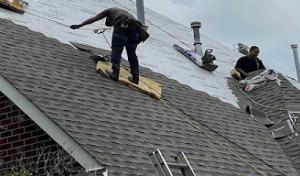
In this area, a full re-roof typically requires a building permit rather than a no-permit maintenance item. Before any permit review is completed, you should have a clear scope of work and material specifications ready for submission. This helps ensure the plan examiner understands the project's full impact on structure, ventilation, and attachment, especially after Thunderstorm season when wind and hail stress have already tested roofing assemblies.
Gather details that inspectors look for: roof size, deck condition, underlayment type and thickness, vented attic strategy, and fastener patterns for the chosen roofing system. If you're choosing asphalt shingles, metal, or tile, include manufacturer installation guidelines and wind-resistance considerations common to central Georgia climate. A thorough scope reduces back-and-forth and speeds up the permit review process, which can hinge on clear documentation of how the roof will be attached and ventilated.
Inspections are scheduled through the county's online portal. Expect checks that verify underlayment installation, roof ventilation adequacy, and correct roof attachment methods. The inspector will confirm that fasteners and shingles or panels meet the specified wind resistance for the Macon area. Turnaround times vary by department workload, so plan for potential delays during busy storm-repair periods. Have your permit number and project address handy when requesting inspections to avoid scheduling hiccups.
Coordinate your material deliveries with the inspection timeline to avoid rework or staged access issues on the roof. If you're coordinating a crew change or multiple trades, keep the scope updated in the portal so inspectors see the current plan. Post-storm windows can create tight schedules; documenting any interim repairs and preserving roof edge protection helps maintain compliance and reduces the chance of an inspection hold.
Repeated heat and humidity cycles accelerate aging on exposed roofing systems. In this region, roof decks and underlayment take a steady beating from elevated temperatures and high moisture, so materials that seem fine after a single season can begin to fail after a few years. Poor ventilation compounds the problem by trapping heat in the attic, speeding the breakdown of felt, insulation, and even some shingles. The result is a roof that looks normal on the surface but leaks or degrades sooner than expected after consecutive hot spells and sudden late-afternoon showers. If a roof sounds hollow when tapped or shows accelerated granule loss on shingle faces, that can be a warning sign of weakened structure, not just cosmetic wear.
Frequent thunderstorm exposure makes wind-lifted shingles and fastener-related issues a practical local concern. A fast-moving gust can peel back even well-seated shingles, creating channels for rain to reach the underlayment or deck. After a sudden rain event, a close inspection for lifted edges, loose flashing, and exposed nails is essential. Small openings here can become larger in a single storm, leading to interior water intrusion that worsens with subsequent downpours. Damaged or missing shingles in the upper slope or along eaves is a red flag that requires timely attention before wind-churned rain finds its way inside.
Because inspections in Macon-Bibb emphasize ventilation and attachment, those two areas are especially important failure points to review before replacement. Insufficient attic airflow traps heat, accelerates moisture buildup, and compromises decking and fastener integrity. Poor attachment-whether from undersized nails, mismatched fasteners, or degraded sealants-can permit movement under wind load and during hail impact. Before deciding on a re-roof, scrutinize attic ventilation adequacy, ridge and soffit air exchange, and the condition of all fasteners and flashing. A roof with solid ventilation and secure attachments is far less likely to suffer repeated storm-related leaks.
Even though most homes lean toward a traditional pitched roof, a noticeable niche exists for flat or low-slope areas, especially where additions or retrofits meet the main roofline. In these transitions, drainage paths and flashing details can become weak points if mismatches exist between old materials and new connections. Pay attention to where the deck meets the new surface, and verify that any flat or low-slope patches have proper slope, channeling, and a durable membrane from edge to edge. The goal is a continuous, uninterrupted barrier that resists the summer humidity and sudden downpours that show up between storms.
When a sudden heavy rain arrives, the most exposed spots are the edges of low-slope transitions, the drip edge along the eave, and the paths where scuppers or interior drains tie into the roof system. In these moments, drainage and flashing may reveal weaknesses first, long before shingles or tiles lift. Inspect after a storm for standing water, unusual damp spots on ceilings near interior corners, and any fresh granule loss along the transition lines. If water finds its way through a seam or corner, it often traces back to the flashing rather than the field roofing itself.
Skylights are a common source of misdiagnosed leaks in storm season because water often enters at the flashing around the skylight rather than through the glass. Locally, storm-driven water can travel laterally along roofing planes and reveal weaknesses at the skylight flange, curb, or curb-to-roof joints. When diagnosing, look for staining or soft decking near the skylight, pooled moisture at fastener penetrations, and any dried sealant at the flashing that has lost its elasticity. Tighten and reseal where appropriate, and consider re-flashing the perimeter if the surrounding roof plane shows age or wear.
Find specialists in TPO, EPDM, and built-up flat roofing systems for residential and commercial properties.
Chris Moore Roofing
(478) 256-4187 www.chrismooreroofing.com
619 Henderson Rd, Macon, Georgia
4.9 from 72 reviews