
Last updated: Apr 19, 2026
Thomasville's hot, humid subtropical climate, with regular rainfall, accelerates roof aging compared with drier parts of the state. The combination of long summer heat and frequent storms pushes shingles and underlayment harder than you might expect. In practice, that means faster granule loss on asphalt shingles, greater expansion and contraction on metal, and quicker moss or algae colonization on organic surfaces like wood shingles or certain clay and concrete tile textures. This isn't a forecast of doom-just a reality check: your roof endures more cycles of heat, wetting, drying, and storm-driven impact here than in milder Georgia locales.
Summer heat and frequent thunderstorms shorten safe scheduling windows for tear-offs and replacements. High midday temperatures push nails, sealants, and underlayment seams toward higher risk of improper seating or fastener damage. Thunderstorm timing adds uncertainty: a brief pop-up deluge can flood exposed roof sections, halt work, and complicate drainage during a critical stage of installation. Because of this, you'll typically see contractors prefer a stretch of several dry, consistently warm days rather than a single warm day followed by rain. In practice, the best window often falls in late spring or fall, when humidity remains high but rain events are less intense and more predictable. If your project lands in midsummer, plan for contingencies: extra drying time after rain events, and a tighter schedule to hit a prolonged dry spell.
Replacement timing commonly shifts toward drier periods because regular rainfall complicates underlayment exposure and inspection timing. Underlayment needs a clean, dry surface to lay flat and seal properly. Excess humidity can trap moisture behind the underlayment or extend cure times for adhesives. In Thomasville, that means you might schedule a roof replacement to begin right after a dry week in late summer or early fall, with a cautious approach to any lingering morning dew or mid-day humidity spikes. If a storm forecast threatens during a planned tear-off, reputable crews won't risk leaving exposed decking overnight. You'll see a rapid pause, a quick protective cover, and a rescheduled sequence to resume when conditions cooperate. The result is a longer overall project time in wet seasons, but a sturdier, longer-lasting roof once the work is completed under reliable, dry conditions.
High humidity and heat promote moss and algae growth, especially on organic shingle surfaces. In Thomasville, you'll notice dark staining or greenish patches on older shingles and certain tile textures if annual maintenance is neglected. This isn't just cosmetic; moss can trap moisture and lift shingles, accelerating wear at the edges. Regular roof cleaning and proactive maintenance become part of the rhythm here, particularly for homes with aging or organic materials. For replacements, consider shingles or tiles with algae-resistant finishes or surface treatments, and plan for a maintenance cycle that includes yearly inspections and targeted cleaning in the damp season to keep shedding cycles efficient and predictable.
When you're planning a roof replacement or major repair, align timing with the local weather pattern rather than a calendar-only approach. Start by identifying a 2-3 week dry window in late spring or early fall, and confirm with the contractor that they can keep to a tight sequence so you minimize time with exposed decking. If the schedule slides into late summer, request a contingency plan: pre-treat underlayment, staged decking access, and temporary protective coverings for weather gaps. For aging roofs with moss-prone surfaces, schedule a mid-life maintenance inspection before the rainy season to gauge when a proactive clean and reseal will extend the life of the new roof. Above all, communicate clear expectations about sequencing, dry conditions, and rapid response if a storm interrupts work, so the project stays on track despite Thomasville's dynamic weather.
Spring hail and wind events are a recurring roof risk in Thomasville and can trigger concentrated waves of repair and replacement demand. When a storm sweeps across the valley and thunder rattles the eaves, shingles can lift, flashing can shift, and minute damage compounds quickly under Georgia humidity. The heat embedded in the attic accelerates aging once water finds its way past the surface, so a small leak after a thunderstorm is often the first sign of a larger problem. Your home's roof should be reviewed with a sense of urgency after every significant storm, not just after obvious water intrusion.
Georgia roof claims commonly involve storm and high-wind damage, and Thomasville homeowners should expect insurers to ask for photos documenting preexisting conditions. The local practice is to verify hail impact patterns, uplift zones near dormers and chimney stacks, and any prior repairs that might influence a claim decision. Take detailed photos of the entire roof from ground level and from overhead if a safe setup exists, focusing on edge damage, granule loss, and any new staining or peeling around penetrations. Keep a dated record of weather events and any DIY fixes so the adjuster can distinguish new storm damage from prior wear.
Frequent thunderstorms in Thomasville can create mixed damage patterns, including shingle uplift, flashing displacement, and water entry around penetrations. In homes with older fascia or corroded connectors, wind-driven rain can find gaps that were barely noticeable before a storm. Metal interfaces, vent stacks, and skylights become high-risk points when wind shifts direction and pressure changes are sudden. Pay attention to attic insulation and plywood underlayment after a heavy round of storms, as elevated humidity and heat can hide swelling and micro-cracking that only shows up once rain cools and the sun returns.
If a hail or wind event just hit, document the exterior thoroughly and inspect the attic for signs of moisture, especially near penetrations and roof edges. Schedule a rapid, thorough inspection by a local roofer who understands how Thomasville's climate interacts with common roofing materials. If damage is found, organize a prompt, selective repair plan that prioritizes compromised edges, flashing, and any visible leaks. In the weeks after a storm, monitor ceilings and upper walls for new stains, and keep an eye on humidity levels inside the attic to catch latent issues before they worsen. When contacting a contractor, insist on evaluation of mixed-damage scenarios typical of the spring thunderstorms and a plan that addresses both surface and hidden vulnerabilities.
Freedom Roofing
(229) 454-6644 www.freedomroofpros.com
2130 E Pinetree Blvd, Thomasville, Georgia
5.0 from 25 reviews
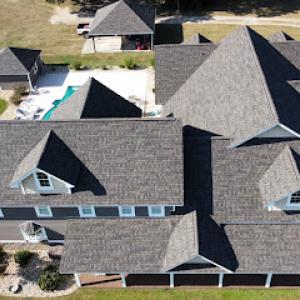
Freedom Roofing is a licensed and bonded roofing company proudly serving Thomasville, GA. We offer residential and commercial roofing services including roof repair, full roof replacement, metal roofing, asphalt shingles, storm damage repair, roof inspections, and emergency roofing. Whether you’re dealing with leaks, rotten wood, or storm damage, our experienced team is ready to help. We also assist with insurance claims and offer free estimates. Call Josh Hoover Roofing today—your trusted roofing contractor!
Tico's Roofing
(229) 429-9708 ticosroofingllc.com
Serving
5.0 from 85 reviews
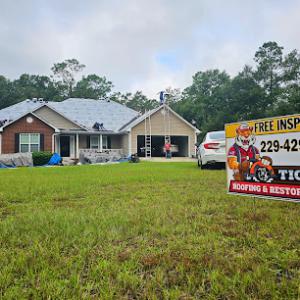
When quality and experience are important Tico's Roofing is there to serve the community With good quality workmanship and the most qualified services, therefore we work with dedication and integrity, and we strive to achieve a leadership position in the roofing industry, Since each project we undertake we do with the utmost detailed precision, and treating your home as if it were ours, that is why our passion sets us apart!
Poole Roofing & Repair
Serving
5.0 from 4 reviews
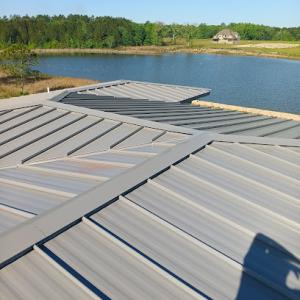
Hey my name is garrod Poole I'm the owner of Poole Roofing and I'm hands on with my guys been doing this profession for 20+ years good workmanship and craftsmanship, good pricing if u have any roofing needs plz dnt hesitate to call
J&J Roofing & Construction
(229) 456-1156 jandjroofingandconstruction.com
Serving
4.7 from 24 reviews
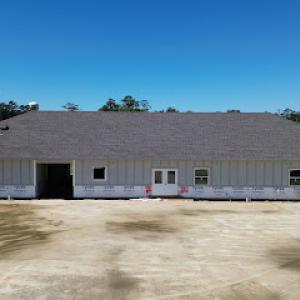
J&J Roofing and Construction is a GAF Factory-Certified Roofing Contractor. GAF trains and tests thousands of the best roofers in the country and makes sure they’re appropriately licensed and insured so they can offer the best warranties. We offer several roofing types, including shingles, metal roofing, and many others. Request a quote on your roofing project or schedule a free consultation using our online form. We’ll follow up with a call to get the details of your project. J&J Roofing & Construction is a licensed and insured construction contractor specializing in new construction including but not limited to; remodeling, cabinetry, plumbing, flooring, tile, electrical, windows, framing, etc.
Christian Carpenter
Serving
5.0 from 1 review
Were a small company that provides a number of different services that range from concrete foundation to the metal or shingles roofs on top. We provide everything in between. No job to big or to small.
Asphalt shingles dominate the local skyline, but the heat, humidity, and algae pressure in this area mean appearance life can shorten and granules can shed sooner than in cooler climates. When you evaluate a replacement or upgrade, look for high-wind rated shingles and carbon-black algae-resistant options. In the attic, ensure adequate ventilation so scorching attic temperatures don't bake the shingle surface and accelerate curling or curling at the edges. Consider installing a ridge vent or additional soffit intake to keep air moving, which helps slow the typical summer wear.
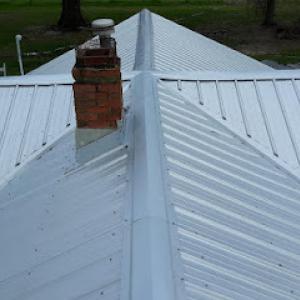
Metal roofs are a common sight because they shed heavy rain well and resist wind damage. In a climate with intense summer heat, the details matter: fasteners should be corrosion-resistant and spaced to accommodate expansion and contraction from heat cycles. Use concealed fasteners where possible to minimize water intrusion at seams, and choose properly sealed flashing around chimneys, vents, and transitions. A quality underlayment and careful panel layout help prevent ice-damming style issues and reduce the risk of leaks after back-to-back storms typical of a Georgia thunderstorm pattern.
Clay tile, concrete tile, and slate bring a distinctive historic look but ride a heavier payload. The added weight can trigger structural reviews during the permitting process, so ensure the existing beams and rafters are assessed before a route to replacement or large repairs. In Thomasville's humidity, clay and concrete tiles can be susceptible to moss and algae growth on shaded, cooler roof faces, while slate holds up well but demands precise workmanship at hips and ridges. If you opt for these materials, plan for a robust underlayment, proper ventilation, and careful flashing at every connection to protect against moisture intrusion during heavy rain.
Wood shingles and shakes bring charmed, traditional lines, but moisture-related maintenance pressure rises in humid conditions. Expect more frequent checks for cupping, splitting, and rot in shaded or canopy-covered sections. Use pressure-treated or naturally durable wood species, and ensure a full moss and algae control approach is in place along with regular cleaning. Sealing and recoat cycles respond better when the roof sees consistent airflow and does not retain excessive moisture in the valleys or overhangs.
Thunderstorm timing drives wear patterns here. Long, humid days amplify thermal expansion and contraction, and sudden downpours can force moisture into any minor gaps. After a major storm, inspect flashing, vents, and edge nails for displacement. For any roof system, align maintenance timing with peak humidity months, then schedule targeted checks after the heaviest rain events to catch early signs of aging, such as granule loss or loose fasteners, before they escalate.
In Thomasville, you'll see asphalt shingles priced around $350 to $650 per square, with metal roofing typically running $750 to $1300 per square. Clay tile tends to be $900 to $1650, concrete tile $800 to $1500, and wood shingles or shakes $600 to $1100 per square. For slate, expect $1500 to $3000 per square. These ranges reflect local buying power, material availability, and the regional climate that drives installation labor. When planning an reroof, use these numbers as a baseline but be ready for a drift higher if shaping a historic-style home with heavier materials.
Storm-driven demand spikes after spring hail and wind events can push scheduling delays and pricing pressure in Thomasville. After a damaging season, crews are booked solid, and suppliers may run low on popular products, especially in built-up neighborhoods with multiple older roofs. If you're scheduling a replacement in late spring or early summer, expect tighter windows and possible premium charges for expedited service or weekend work to avoid weather clashes. Planning with a window of dry, mild weather can help you dodge peak storm timing costs.
Heavier materials such as clay tile and slate can cost more locally because the City of Thomasville may require plan review tied to roof weight and installation details. That extra scrutiny can add both time and money to the project, particularly if structural considerations or retrofit work are needed to support higher loads. If your home is a historic-style structure or has a roof with unique geometry, anticipate additional engineering discussions and potential staging. The result is a higher upfront material cost and a longer lead time before a final order can be placed.
Regular rainfall in Thomasville can increase labor inefficiency during tear-off and dry-in, especially when crews must work around thunderstorm windows. Wet sheathing and asphalt underlayment can slow progress, and frequent lightning or sudden downpours may force temporary pauses. This can translate into higher labor hours and, subsequently, higher labor costs. When you're evaluating bids, ask for a contingency reserve for weather-related delays and confirm that the crew has a clear weather plan to minimize downtime.
A permit is typically required in Thomasville for a full re-roof, and missing this step can delay projects or invite compliance action. The City of Thomasville Building Department issues roofing permits and conducts inspections during the project. That sequence-permit submission, workmanship, and on-site checks-helps ensure that underlayment, flashing, ventilation, and overall code standards are met as the work progresses. If the project involves unusual materials or a nonstandard roof layout, expect the department to request additional documentation before issuance. The clock often starts at permit issuance, so planning around weather windows and storm timing becomes essential to avoid backtracking on code-required details.
The final inspection is more than a checklist; it's the city's guarantee that critical elements are properly installed and integrated with the home's envelope. Make sure underlayment is cleanly installed, flashing around valleys, chimneys, and vents is continuous, and ventilation is adequate for the attic space. In heat and humidity, improper venting can trap moisture and accelerate deck rot or shingle failure, which the inspector will flag. The final review also looks for proper fastening patterns, alignment of roof lines, and adherence to the approved plan-especially on homes with historic-styled features where roof geometry can be intricate. Plan for a concise, well-documented finish so the inspector can verify everything in a single visit without rework.
The building department may require plan review for high-weight roof systems such as clay tile or slate. These materials push structural calculations, load paths, and fastener schedules, so submitting a load-bearing assessment or structural notes early can prevent delays. Historic-style homes in the area often feature heavier tile or slate, and the review process can be more thorough to ensure the existing structure can carry the added weight long term. Having stamped structural drawings or a third-party engineer letter on hand during permit application can smooth the process and reduce the chance of adjustments after initial review.
During storm season and the humid months, inspections may be scheduled more promptly to prevent moisture intrusion in partially opened roofs. Communicate clearly with the contractor and the Building Department about staged work, weather contingencies, and the expected inspection timeline. If a modification to the plan is needed, obtain written approvals to avoid misalignments between the field work and the approved scope. Poor coordination between storm-driven schedules and permitting requirements can create pressure points that compromise ventilation, flashing details, or even the final seal of the roof system. Staying ahead with documentation and proactive communication helps protect the project from costly rework and long delays.
Thomasville sits in a Georgia insurance environment where roof claims from storms and high winds are common. That means insurers look closely after a big blow, and pre-storm condition matters. You will likely be asked to show the roof's state before the storm, with dated photos from the days right before or after, taken from multiple angles. A clear record helps avoid disputes about what was damaged versus what was already aging. You will notice a heightened attention after heavy thunderstorm season, so the documented baseline matters.
In Georgia, documentation is king. Insurers often want to see recent maintenance notes, contractor invoices, and rain-exposed wear patterns. When a storm hits, swift, careful photo documentation becomes part of the claim process. If shingles curled or metal panels dented, capture close-ups and broader sweeps to illustrate the scene. This helps whether you repair or replace, and it reduces back-and-forth with adjusters. Keep dated photos stacked by season to show gradual wear from humidity and sun exposure.
Some carriers have tightened endorsements or adjusted depreciation practices in recent years, which can affect homeowners deciding whether to repair or replace. If a claim finds you can repair, you still might be facing depreciation on the recovered value. Consider how a slate or tile roof, weighed down by its heavier materials, changes the insurer's view on permanent replacement versus patching. That history can tip claim toward replacement.
Tile and slate roofs in Thomasville can receive extra insurer scrutiny because of weight, attachment details, and replacement complexity. The insurer may require professional documentation of attachment methods, underlayment, and how the roof is fastened to resist gusts and humidity. Expect more questions about retrofits, attic ventilation, and potential need for structural checks after severe storms. In practice, that means a local roofer can help you assemble a complete file long before a claim, so you are not faced with last-minute scrambling when clouds roll in.
Thomasville offers a distinctive mix of historic-inspired facades and modern comfort, where clay tile, concrete tile, or slate are more than color and texture-they're a statement of architectural character. For homes with heavier roofing options, the choice isn't only about weatherproofing its look; it's about how the roof sits on the structure. Heavy roof systems place greater demands on framing, fasteners, and overall roof-to-wall connections. Before committing to weighty materials, verify that existing framing can carry the load and that any upgrades to the attic or ceiling stability have been considered. The aesthetic appeal of these materials is real, but so is the responsibility to ensure the house can bear the added weight without compromising long-term performance.
Thomasville's rainfall and humidity can amplify any installation flaw, especially under heavy tile or slate. Hidden failures-improper nailing, gaps in underlayment, or misaligned flashing-hide beneath the visible surface and become costly to repair after a storm season or a humid spell. When opting for clay tile, concrete tile, or slate, every layer matters: underlayment with a robust moisture barrier, precise lapping, and continuous edge protection. In damp conditions, the risk of moisture wicking into underlayment increases, so careful inspection during and after installation is essential. If a roof hinges on a thick tile or slate system, pay particular attention to attic ventilation. Proper airflow helps manage temperature swings that can stress fasteners and seals over time.
Heavy roofs demand meticulous flashing around chimneys, vents, and roof-to-wall transitions. In seasonal thunderstorm patterns, breeze-driven rain can exploit even minor gaps. An emphasis on continuous flashing beads, corrosion-resistant metals, and reinforced sealants pays dividends in this climate. In addition, consider the compatibility of all components with the chosen heavy material. Some flashings and edge details wear differently under prolonged sun exposure and humid conditions, so regular inspections after the first few heavy rainfall events help catch issues early. For homes with historic character, professional flashing integration that respects the roof's silhouette can preserve both function and curb appeal.
Thomasville's pattern of long, humid summers and warm winters can lull you into assuming flashing remains stress-free. In practice, rare winter freezes can still stress flashing details, especially after periods of heavy rain that left the roof near-saturated. When a cold snap hits, any pre-existing vulnerabilities-loose nails, corroded metal, or cracked sealant-become visible as leaks or wind-driven drafts. This city experiences freezes less often than North Georgia, so flashing problems may quietly accumulate until a sharp cold spell exposes them. That sequence makes proactive checks after wet spells essential.
Older metal flashings, particularly around vent stacks, skylights, and chimney-to-roof joints, are the most at-risk in this climate. Repaired penetrations can also become weak points if the sealant or backing is aged. In a winter event, a thin film of wetness trapped under a seam can turn to ice, stressing the joints and pulling away sealant. Look for hairline cracks along the flashing seams, corrosion on metal edges, or buckling where flashing meets tile or shingles. Even small gaps can funnel water into the attic during a freeze-thaw cycle.
After a wet spell and before a rare cold snap, walk the roof edge and inspect visible flashing from the ground or with a stable ladder setup. Check for daylight at roof penetrations, lifted shingles near the flashing, and any rust or corrosion on metal pieces. Inside the attic, look for damp spots, frost on insulation, or musty odors that hint at hidden leaks. If you spot signs of stress, prioritize resealing joints with manufacturer-approved sealants and consider replacing aging metal flashing with heavier, corrosion-resistant profiles to withstand Thomasville's freeze stress.
Keep gutters clean so meltwater isn't trapped against flashing during a rare freeze. Ensure attic ventilation remains adequate; poor ventilation can create localized cold pockets that promote condensation and contribute to freezing stress on flashing joints. If you live in a home with historic-style features or thicker tile, schedule targeted flashing inspections around the year's cooler months, when a latent issue is more likely to become a visible problem.