
Last updated: Apr 19, 2026
Spring in this inland southwest Georgia area brings some of the strongest storms of the year. Thunderstorm-driven wind and hail can arrive with little warning, and Albany homeowners often see shingles peeled back, granules blasted away, and gutters dented after a fast-moving system rolls through. The risk peaks in the weeks when thunderstorms become a daily pattern, not a rare event. If a storm hits your block, the fastest way to limit additional damage is to act quickly-assessing for leaks, missing shingles, and dented flashing before the next round of weather rolls in. Delays can compound damage, especially if moisture sits on unsealed gaps or compromised edges.
The inland position means you rarely contend with salt spray or storm surge, but you do contend with stubborn wind patterns that create吹s and flutter on weaker roofs. Look for loose or curling shingles after a storm, and watch for hail dents on metal edges, vent caps, and the soft edges of asphalt shingles. Aligned rows that look misaligned or loose fasteners near the eave line can signal wind-driven uplift. If you notice granule loss in gutters or downspouts, that's a sign the surface layer took a direct hit. In short, the combination of hot, humid afternoons followed by sudden thunderstorm cycles in spring means a higher chance of hidden damage under the surface. Treat any hail strike or wind gust as a potential full-replacement risk if the underlying decking shows moisture intrusion or dark, soft spots.
Begin with a cautious roof inspection from ground level if safe to do so: check for bright, exposed underlayment, lifted shingles, or torn flashing near chimneys and vents. Photograph all visible issues and keep a dated log. If any sign of water intrusion exists, place a temporary shield-heavy-duty tarp or plywood-over the affected area to buy time, and avoid walking on a damaged slope. Contact a local, reputable contractor who understands the Albany climate and the way storms load wind pressure across a roof. Request a same-day or next-day inspection after a hail event or a strong wind outbreak, especially if a neighbor reports the same damage. A professional should verify deck condition, underlayment integrity, and venting alignment, since missteps here can worsen during the susceptible spring window.
The local replacement calendar is affected by storm-season demand spikes, which can slow scheduling after severe weather events. If a major hailstorm or wind event passes through, anticipate that some crews will be tied up for several days or longer. To minimize disruption, reach out proactively to two to three trusted local roofers, share your photos and notes, and request a prioritized inspection slot in the immediate aftermath. Maintain a concise file of communications and the dates of any hail or wind incidents, so the contractor can correlate the damage timeline with storm activity. By acting within the first 24 to 72 hours after the event, you preserve options and reduce the chance of weather-induced delays cascading into longer repair cycles.
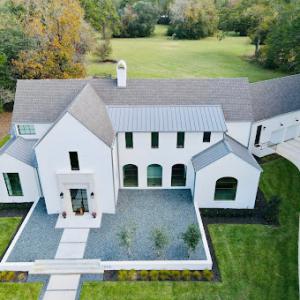
Roof Services
(229) 603-8086 www.roofservicesllc.net
424 N Cleveland St, Albany, Georgia
5.0 from 92 reviews
Roof Services has been satisfying customers since 2014. We are a TAMKO Mastercraft Pro Certified Contractor, the highest level of certification available. We specialize in residential and commercial shingle roofing, TPO flat roofs, and gutter system installation. We have a dedicated in-house repair division that can handle smaller jobs and repairs quickly. We also have financing options available. Our goal is to provide you with the best customer service and get it right, the first time
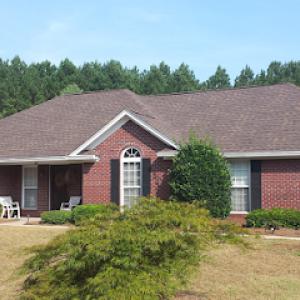
Life Style Roofing
(229) 407-7663 lifestyleroofing.com
1203 Whispering Pines Rd, Albany, Georgia
4.8 from 41 reviews
Life Style Roofing, LLC provides come construction, home remodeling, and roofing installation and repair to the Albany, GA, area.
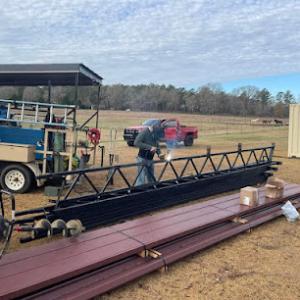
Johnson Roofing Service
4819 Cooper St, Albany, Georgia
5.0 from 13 reviews
Roofing and Remodeling Let Us Use Our Experience to Help You Roofing experience installing a variety of types of roofs, and all types of remodeling including: Pole Barns ans Welding service we can fab anything. -Asphalt shingle roofs -Metal roofing -Standing Seam -Anything you need done just give us a call we will take care of you. Sheetrock,Floors,Wood work, vinyl siding, Hardy plank, window replacement, Bathroom remodeling, All types of Roofing Call today for the best price in town.
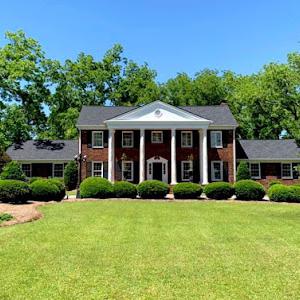
Strategic Roofing Solutions
(229) 881-1712 strategicroofs.com
3013 N Slappey Blvd, Albany, Georgia
4.5 from 35 reviews
Strategic Roofs provides quality roof replacement and repair in Albany, GA, Leesburg, GA, Valdosta, GA, Tifton, GA and the surrounding area. Our roofing contractors take pride in timely, precision craftsmanship that has earned us a stellar reputation throughout southwest Georgia. A fully licensed and insured roofing company, Strategic Roofs offers the following services: -Asphalt & metal roof repair and replacement -New roof installation -Storm damage repair -Commercial and residential roofing Call our team of professional roofers today for an estimate! We look forward to serving you! -Mike S., owner
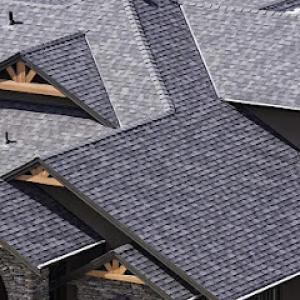
Shiver Installed Sales
(229) 496-1369 www.shiverinstalls.com
1920 Ledo Rd, Albany, Georgia
5.0 from 3 reviews
Local and Family owned and operated roofing contractors serving Albany, Leesburg, and surrounding areas!
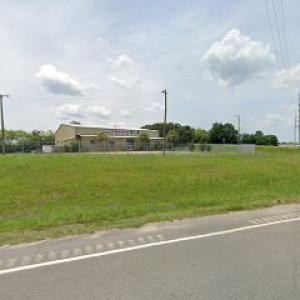
Anderson Contracting & Roofing
(229) 434-9497 www.albanyroofs.com
1725 N Washington St, Albany, Georgia
3.9 from 13 reviews
We're a family business offering residential and commercial roofing services and honest passion for helping our neighbors.
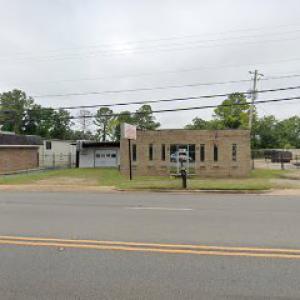
Pyramid Roofing
(229) 300-9983 pyramidroofingcompany.net
Palmyra Rd, Albany, Georgia
4.7 from 3 reviews
Reasonable Roofing Company
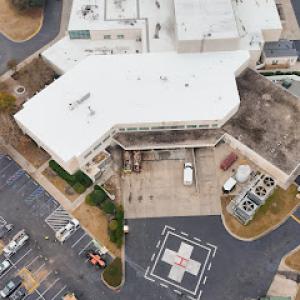
S&S Roofing & Construction
(229) 439-9995 www.sandsroofingpros.com
Serving
4.6 from 248 reviews
S&S Roofing is a customer service-driven company offering comprehensive solutions for all your roofing and window needs. With a focus on quality workmanship, we specialize in roof replacement, installation, repairs, and window services. Our team works closely with your insurance company to ensure you receive the entitled roof replacement. We excel at assessing and identifying weather damage, including wind and hail damage, which may require repair or replacement. As Haag-certified experts in residential and commercial roofing, we are also proud to be certified platinum installers for Owens Corning shingles. Whether you're in need of roofing or window services, give us a call and experience the assurance of being "covered" by our expertise.
PRA Roof Contractors
424 W Roosevelt Ave, Albany, Georgia
We are an award winning Owens Corning ``Platinum” Contractor with over 20 years in business. Offering Residential Roofing services , Roof Repair and Roof Replacement. We also provide Commercial Roofing, Commercial Roof Repair and Commercial Roof Installation.
Cardinal Roofing
2705 Palmyra Rd, Albany, Georgia
Shingle and metal roofing contractor
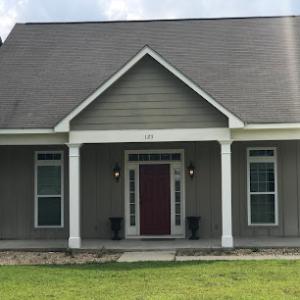
DJ's Roofing & Repairs
Serving
We also do Home Maintenance and all types of carpentry work. You got rotted wood around your home, call us and we will make it new again.
The inland southwest Georgia climate means long, hot summers that push asphalt shingles to their limits. In this region, the sun braises the roof deck and the asphalt granules begin to shed faster than in milder climates. Heat accelerates the chemical aging of shingle mat and coatings, which means more frequent signs of degrading flexibility, curl, and granule loss. A roof that already shows marginal attic ventilation will bear the brunt of extended heat cycles, especially when the attic air is trapped by insufficient soffit and ridge venting. If you notice smoother, shinier patches on the roof surface after a hot day or see accelerated granule loss after a thunderstorm, that's a clue the heat is stressing the shingles beyond ideal service life. Practical steps you can take start with a quick attic inspection in late spring: confirm soffit vents are clear, confirm attic insulation is thick enough to slow heat transfer, and verify ridge vents aren't blocked by insulation or debris. In an older roof, treat the heat as a leading indicator of wear rather than waiting for a leak to appear.
Persistent humidity in southwest Georgia compounds the wear pattern on roofs that already have marginal attic ventilation. Moist air trapped in the attic can condense on roof decking, inviting hidden moisture damage under shingles and felt. This can accelerate the deterioration of underlayment and fasteners, and it can invite soft spots that aren't obvious from the ground. If the attic smells musty after a storm or if you notice condensation on the underside of decking, it's time to reassess ventilation rather than simply patching shingles. The practical check is a simple one-two: measure attic vent area against square footage and inspect for obstructed or crushed vents. Keep an eye on wooden components in the attic for signs of moisture-induced swelling or staining, which often signals a longer-term ventilation shortfall. In wet spells, a modest investment in increasing continuous venting with properly placed intake and exhaust can extend the roof's life more than a single reroof.
Spring thunderstorm wind and hail damage tend to cluster when heat is building and humidity is rising. That combination can produce sharp, random impacts on the roof surface and flashings, especially on homes with older, more brittle shingles or marginal edge detailing. Pay attention to wind-driven debris patterns around the property after a storm: loose granules along gutters, torn shingle tabs, and displaced flashing are typical early indicators. After a storm, conduct a rapid exterior walk-around to identify missing or damaged shingles, lifted edges, and any flashing that has shifted. If damage is spotted early, addressing it promptly helps prevent moisture intrusion during the next heat surge. The overarching strategy is to align any major replacement or repair work with a window when temperatures are milder and rain is less likely to complicate tear-off and installation, while still avoiding the wettest parts of the year. In practice, that means planning for a dry spell in late spring transitioning into early fall, when the combination of lower heat and fewer storm peaks makes the process smoother and the ongoing system stress lower.
Over time, shingles in this climate may exhibit accelerated curling along edges, early granule burrs in gutters, and more frequent heat-related cracking at nail lines. If you see flashing rust or corrosion from humidity combined with heat exposure, treat it as a warning that sealant and metal details must be reseated or replaced alongside shingles. An informed homeowner keeps a weather eye on the roof after every major storm-particularly after late-season heat waves or front-driven bursts of wind. Regular checks help catch issues before they cascade into leaks or structural concerns, keeping a roof that can stand up to Albany's blend of sun, humidity, and spring storms.
Humidity, shade, and cooler microclimates in certain lots can create inviting conditions for algae or moss to take hold on clay and concrete tile roofs. In this market, those materials are common enough to notice growth patterns that don't appear on asphalt or metal as quickly, but when they do establish, the dark streaks and green patches become a real eyesore and a potential slip hazard when rubbed loose by wind-driven rain. Slower-drying sections under eaves or mature live oaks are especially prone, and once algae takes hold it can work its way into grout lines and tile laps if left unaddressed.
The city's roofing stock is broader than many small Georgia markets, with clay tile, concrete tile, wood shakes, and synthetic or composite shingles sitting alongside asphalt and metal. Each material handles moisture and heat differently. Clay and concrete tiles often show algae first where shading is persistent, while wood shakes can harbor moss that gradually traps more moisture. Synthetic shingles may resist staining but can still accumulate discoloration in damp, shaded pockets. The result is a patchwork of cleaning needs and care intervals across a single roof, requiring material-specific attention to avoid uneven wear or accelerated aging.
For shaded, humid spots, preventive maintenance matters. Start with a light, routine inspection after spring storms to spot early staining and loose debris that holds moisture. When cleaning is needed, use a soft-bristle brush and a solution that is gentle on the tile and surrounding landscape-avoid high-pressure washing that can lift, crack, or selectively damage tiles. Pay particular attention to rafter tails and vent gaps where algae can hide and moisture can linger. If moss or algae are persistent, consider applying a biodegradable algaecide or a tile-safe treatment, but follow product directions and avoid plants and ventilation housings. Keep nearby shade sources in check when feasible, trimming overhanging branches to reduce continuous wet shading without compromising drainage. In any case, introduce a dry-weather pause between cleaning and rainfall to ensure roof surfaces dry thoroughly and reduce the risk of future regrowth.
Full roof replacements in Albany typically require a building permit through the local city/county building department. Before any nail hits the old deck, you must secure that permit and have the project scope confirmed by the authority having jurisdiction. The process usually starts with a clear description of the work, roof type, and any changes to ventilation, underlayment, or anchorage. If the plan includes structural changes or an unusual roof geometry, expect additional documentation requests. Having the scope locked in early helps avoid delays once work begins and keeps the project aligned with local code expectations.
A final inspection is standard after installation, and it is not a box to check off after the last shingle is laid. In Albany, inspectors are thorough about venting, underlayment, and anchorage requirements. Expect the inspector to verify proper venting clearances, confirm underlayment laps and temperature-rated layers, and inspect fastening methods at eaves, ridges, and hips. The timing of inspections matters: coordination with your contractor to schedule the final check promptly helps prevent hold-ups. If any ventilation changes are made, be prepared to demonstrate compliance with the attic airflow goals that local inspectors emphasize.
Keep all permit documents accessible on site and designate a project contact who can respond quickly to any questions from the building department. A clearly labeled plan set, including venting diagrams and a brief description of underlayment and anchorage details, speeds the review. If the project involves a change in roof geometry or framing, have stamped drawings or a structural summary ready for the inspector. Albany inspectors will check that venting paths are continuous and that underlayment transitions are properly sealed at penetrations and transitions.
Delays are more likely during peak periods or on roofs with unusual geometry or structural changes. Spring thunderstorm season can compress schedules when rain, wind, or hail damage prompts additional site visits or emergency repairs. Plan for a potential pause if weather disrupts material deliveries, scaffolding access, or the ability to complete a clean, code-compliant install before final inspection. Maintaining steady communication with the contractor and staying ahead on documentation reduces the risk of weather-induced setbacks affecting the permit path and final clearance.
Typical Albany material ranges run about $350-$650 per square for asphalt shingles. This is the most common choice on modest to mid-range homes here, and it generally keeps projects moving in a predictable fashion through late spring. If your roof has complex geometry-extra valleys, skylights, or nonstandard eaves-allow a modest bump in both material handling and labor time. In storm season, local demand can push price and scheduling tight, so secure a firm start date early and expect a bit more variability in crew availability after spring thundershowers.
Metal roofing runs roughly $700-$1200 per square. In Albany, metal can be a wise long-term choice when you're chasing wind resistance and a lighter load on older framing. Expect faster installation than tile, but more careful detailing at edges and penetrations. If the roof deck is older or if there are hidden wind-related fastener issues, you'll see incremental cost for inspection and fastener upgrades. After spring storms, suppliers and crews often shift, so plan for potential short-term delays or premium scheduling.
Clay tile typically sits in the $900-$1900 per square range. The weight and fragility of clay demand precise racking, underlayment, and support considerations. Albany homes with older trusses or limited attic access may require structural checks or light framing work, which adds cost and time. In spring and early summer, availability of specialty crews can tighten, nudging both price and timelines higher than the off-season.
Concrete tile costs run about $800-$1500 per square. This option holds up well to hot, humid seasons and hail, but installation requires careful alignment and ventilation checks to prevent future leaks. If your roof has unusual geometry or retrofits, you'll see added labor for layout and cutting. Post-spring storms, expect the same seasonal drift in crew availability that can extend scheduling by a few days.
Wood shingles or shakes generally fall in the $800-$1400 per square band. In Albany's humidity and heat, wood can be a good match when properly ventilated and sealed. Expect more attention to attic venting and moisture barriers, which can add to both cost and setup time. After spring storms, wood work is in higher demand, so plan for potential delays and a tighter window to secure skilled carpenters.
Synthetic/composite shingles run about $700-$1100 per square. This option blends cost efficiency with durability, often appealing for renovations where weight and wind resistance matter. If roof geometry is intricate, you may still see extra costs for installation accuracy and wind-rated detailing. Spring storm activity can shift scheduling, so book with a buffer for crew availability.
Georgia insurers commonly scrutinize roof claims after wind and hail events, which is especially relevant in Albany's thunderstorm pattern. After a strong spring storm rolls through, be prepared for an adjuster to inspect the roof closely, not just the visible damage but the underlayment, eave details, and venting connections. You should anticipate a detailed list of questions and a need for proof of pre-storm condition. Photographing the entire roof from multiple angles, plus close-ups of damaged areas, helps establish a clear narrative for the claim. Keep dated photos of shingles, flashing, and any interior signs of water intrusion, and store them in a backing file that's easy to share with the adjuster.
When the claim is filed, your documentation becomes the backbone of the file. In practice, this means timing your photos to capture the most visible impacts, such as granule loss, broken shingle tabs, dented metal, and damaged ventilation components. Note the weather pattern at the time of damage, the approximate date, and any prior repairs. If an adjuster recommends temporary mitigation, document those steps and preserve any receipts. Being methodical reduces back-and-forth questions and helps align the claim with the most appropriate repair or replacement path.
Recent insurer tightening in Georgia, including higher deductibles or reduced options for older roofs, can influence whether you repair, replace early, or upgrade materials. This is a real consideration when a storm wind and hail event hits in spring and the claims window opens. The decision matrix hinges on long-term performance, material upgrades, and how much risk the carrier is willing to shoulder for an aging roof. It pays to be proactive: have a candid conversation with the insurer about expected condition, necessary upgrades, and what constitutes a durable, code-compliant result for your home.
In this inland southwest Georgia climate, winter freezes do pop up, even though heat and humidity dominate most of the year. Those rare cold snaps can catch roofs off guard if materials weren't prepared for sudden contraction. The result is micro-movements across shingles, underlayment, and flashing that may not be obvious at first glance but can show up as hairline cracks or loosening over time. This is why a winter-ready roof in Albany needs attention to how materials respond to both heat and cold.
The combination of summer heat and occasional winter freeze movement makes material stability an Albany-specific planning issue. Metal, concrete tile, and clay tile each react differently to rapid temperature shifts. Asphalt shingles may curl along edges where thermal expansion meets ridge lines, while heavier tiles can develop slight springing or edge wear after cycles of expansion and contraction. Understanding these tendencies helps homeowners pick visually compatible, durable options for our climate.
Selecting roofing products with solid flexibility and robust fastenings matters here. In practice, that means considering the way fasteners hold through temperature shifts and choosing profiles that accommodate minor shifts without compromising sealants. If you have long attic runs or venting that terminations sit near edges, ensure the ridge and eave details are designed to accommodate movement. A well-vented attic keeps interior temperatures from amplifying exterior swings, reducing stress on sheathing and connectors.
After a season with cold snaps, inspect for hairline cracks along shingle tabs, fine gaps at flashing corners, and any micro-movement at vent stacks. Look for any signs of loosening around hips or valleys, especially on tile roofs where freeze cycles can stress mortar or sealants. Address small issues early to prevent moisture intrusion that could escalate during the next heat wave.
Keep an eye out for unusual granule loss on shingles, a slight shifting of ridge caps, or moisture staining where it shouldn't appear. If you notice discolored streaks or damp spots in the attic after a thaw, that may indicate hidden movement or seam stress. In Albany, catching these early helps sustain roof performance through both warming months and sudden cold spells.