
Last updated: Apr 19, 2026
Moultrie sits in inland South Georgia, where roofs face both frequent summer afternoon thunderstorms and autumn tropical-storm remnants rather than coastal salt exposure. That combination means your roof endures longer daily dampness, high humidity, and sudden wind-driven impacts that compound wear on every layer. The result is aging that shows up first as granule loss, algae staining, and decking moisture issues well before a cold-season chill would cause trouble in other parts of the state.
In this climate, the heat and humidity keep roof surfaces damp much of the year, which accelerates degradation of shingles and underlayment. You will notice algae streaks forming faster on north- and shaded slopes because the surfaces stay wet longer, inviting dark staining and potential slickness. Granules shed more quickly under repeated summer storms, leaving you with premature loss of UV protection and a roof that looks aged even when it's structurally sound. The underlying deck can absorb moisture during the humid months, which can lead to fastening failures and rot if not addressed promptly. These patterns are distinct from drier parts of Georgia and demand a different watchful eye from you as a homeowner.
Timing your replacement is a practical defense. In Moultrie, the window for a clean tear-off and a reliable underlayment installation commonly centers on the drier spring and fall months. Summer heat, storm interruptions, and winter humidity complicate shingle alignment, adhesive set, and ventilation checks, often forcing stoppages or compromised performance. Plan ahead so the crew can dedicate the optimal stretch of weather to stripping, decking inspection, and a fresh layer of protection that resists damp conditions. If you must schedule during the hotter months, prepare for longer cure times and additional ventilation checks to prevent mold growth under the new layers.
When aging signs appear, move quickly on a targeted plan. Start with a thorough roof-to-attic inspection after the peak of storm season. Look for soft spots on decking, curling edges on shingles, buckets or staining around penetrations, and any sagging in valleys or eaves. Take note of algae growth, especially on shaded sections, and consider an algaecide treatment that can curb staining during the next hot, humid cycle. Check attic ventilation for balance: inadequate intake or exhaust can trap humidity, accelerating moisture problems and reducing the lifespan of the roof assembly. If any moisture in the decking is detected, address it before installing new underlayment so you don't trap existing moisture under an otherwise fresh roof.
Partner with a contractor who understands your neighborhood's microclimates. A pro who can synchronize deck inspection, ventilation upgrades, and underlayment installation to mid-spring or late fall will reduce weather-related risks and keep your roof performing through the next storm season. Track how long shingles have carried algae stress and granule loss, and don't wait for visible failure to act. The longer damp conditions persist, the more you'll pay in accelerated aging and future repairs. Your best defense is proactive, weather-aware planning that matches Moultrie's stormy, humid rhythm.
In Moultrie, roof insurance claims are primarily weather-driven, with wind and hail damage being the most relevant loss types during storm seasons. The humid subtropical climate pushes everything from shingle surface wear to unseen underlayment issues, so a storm doesn't have to leave a visible dent to trigger a claim. When a thunderstorm rolls through and the sky lightens, that is the moment to start paying attention to roof performance: lifted shingles, granule loss, or shingle curling can show up days after the storm while the attic feels warmer than usual, or the ceiling leaks appear after a heavy rain. Understanding this pattern helps you separate routine aging from storm-driven damage, which makes your documentation and timing critical.
Homeowners in this area should expect insurers to ask for photo documentation and a post-loss inspection after a storm event before approving major roof work. Start gathering clear photos of all roof surfaces from ground level and from safe, stable access points as soon as it's safe to do so after a storm. Capture close-ups of missing or damaged shingles, exposed underlayment, and any visible water stains on ceilings or attic insulation. Keep a dated record of the storm's impact, including wind gusts and hail sizes if available from local weather services. When you call in the claim, explain the sequence: storm event, observed damage, photos taken within 24 to 48 hours, and the note you've kept on any interior signs of moisture. Insurers often want a post-loss inspection, so anticipate scheduling a professional inspection promptly to avoid delays in approvals for necessary roof work.
The claim typically starts with a digital report, followed by an adjuster's visit to determine the scope of damage and whether the loss is covered. In practice, the adjuster will compare the age and condition of the roof against the storm evidence. If corrosion, algae-related wear, or basic aging is cited as contributing factors, the adjuster may look for contributing factors beyond the immediate storm impact. It helps to have up-to-date maintenance records, and any prior hail or wind-related notes from recent years. If the roof is older, insurers may revisit terms, coverage expectations, or deductibles tied to replacement scenarios, so you should be prepared for conversations about whether a full replacement is recommended or a repair will suffice. Clear, objective evidence often accelerates the process, especially when the home's exterior and interior signs align with the storm's documented timeline.
Roof age matters locally because insurers may adjust coverage terms, deductibles, or replacement expectations on older roofs even without a broad insurer pullback in this market. Consider how long the current roof has functioned well under the typical Colquitt County weather pattern, and be candid about known pre-storm issues when discussing the claim. If the roof has had prior penetrations, recurrent leaks, or sustained algae damage that reduces surface integrity, insurers may question the feasibility of a simple repair. Preparing a concise narrative that links storm-specific damage to existing conditions helps the claim reviewer see the case clearly, reducing back-and-forth and potential delays.
As soon as a storm passes, schedule a post-storm inspection by a trusted local roofer to verify visible damage and identify hidden issues such as compromised flashing or valley leaks. Your selected contractor should provide written documentation with photos, measurements, and notes about shingle integrity and ventilation around the attic. When presenting to the insurer, align the contractor's findings with the photos and dates you compiled, and be ready to discuss mitigation steps for the remainder of the storm season. If a full replacement is not immediately approved, ask for a timeline and documented scope for temporary repairs to prevent further interior damage while the claim progresses. Staying organized and proactive reduces friction and keeps the process grounded in what actually happened after the storm.
Tico's Roofing
(229) 429-9708 ticosroofingllc.com
660 Circle Rd, Moultrie, Georgia
5.0 from 85 reviews
When quality and experience are important Tico's Roofing is there to serve the community With good quality workmanship and the most qualified services, therefore we work with dedication and integrity, and we strive to achieve a leadership position in the roofing industry, Since each project we undertake we do with the utmost detailed precision, and treating your home as if it were ours, that is why our passion sets us apart!

Elevate Roofing & Exteriors
(229) 463-2489 elevateroofpros.com
Moultrie, GA
5.0 from 54 reviews
Elevate Roofing & Exteriors is your trusted roofing company in South Georgia, specializing in expert roof repairs, replacements, siding, gutters, fascia, soffits, and more. With years of industry experience, we are committed to delivering premium services backed by top-notch craftsmanship, reliability, and customer satisfaction. Whether you're in need of a roof replacement, gutter repairs, or siding installation, our professional team ensures your home is protected with durable, high-quality solutions designed to stand the test of time. Contact us today for a free estimate and experience service that’s built on integrity, teamwork, and professionalism.
Halo Contracting
Moultrie, GA
4.8 from 27 reviews
Experience the superior quality of Halo Contracting, Atlanta's foremost roofing and restoration company. As a leading general contractor, they bring exceptional services to residential and commercial projects. With a focus on delivering innovative solutions, Halo Contracting is committed to providing the highest level of craftsmanship and customer satisfaction.
J&J Roofing & Construction
(229) 456-1156 jandjroofingandconstruction.com
123 3rd St NE, Moultrie, Georgia
4.7 from 24 reviews
J&J Roofing and Construction is a GAF Factory-Certified Roofing Contractor. GAF trains and tests thousands of the best roofers in the country and makes sure they’re appropriately licensed and insured so they can offer the best warranties. We offer several roofing types, including shingles, metal roofing, and many others. Request a quote on your roofing project or schedule a free consultation using our online form. We’ll follow up with a call to get the details of your project. J&J Roofing & Construction is a licensed and insured construction contractor specializing in new construction including but not limited to; remodeling, cabinetry, plumbing, flooring, tile, electrical, windows, framing, etc.
J & M Roofing
Moultrie, Georgia
3.2 from 15 reviews
J&M Roofing has been in business for 36 years we're proud to be serving our friends and neighbors and hope that this company remains in business from now on think we set the standard in this industry quality is our number one priority customer satisfaction is always at the top of our list

Southern Slope Roofing
Moultrie, GA
5.0 from 1 review
Previously known and esteemed as M&L Roofing, we have rebranded to Southern Slope Roofing, bringing with us over 40 years of experience, including the replacement of roofs for celebrities like Elvis and Burt Reynolds. We firmly believe that a sturdy roof is the foundation of a safe and happy home. Our dedicated team is committed to providing outstanding roofing services, from repairs to complete installations, using only the highest quality materials.
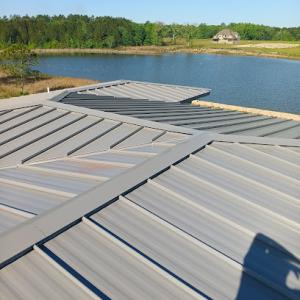
Poole Roofing & Repair
Serving
5.0 from 4 reviews
Hey my name is garrod Poole I'm the owner of Poole Roofing and I'm hands on with my guys been doing this profession for 20+ years good workmanship and craftsmanship, good pricing if u have any roofing needs plz dnt hesitate to call
Hall Contractors
(229) 528-3276 www.hallcontractorsroofing.com
Serving
5.0 from 6 reviews
Providing high quality roofing and construction services to all of south GA!
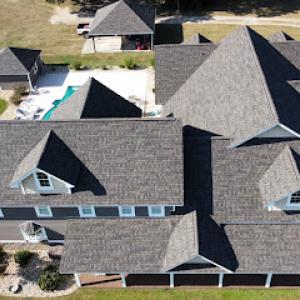
Freedom Roofing
(229) 454-6644 www.freedomroofpros.com
Serving
5.0 from 25 reviews
Freedom Roofing is a licensed and bonded roofing company proudly serving Thomasville, GA. We offer residential and commercial roofing services including roof repair, full roof replacement, metal roofing, asphalt shingles, storm damage repair, roof inspections, and emergency roofing. Whether you’re dealing with leaks, rotten wood, or storm damage, our experienced team is ready to help. We also assist with insurance claims and offer free estimates. Call Josh Hoover Roofing today—your trusted roofing contractor!
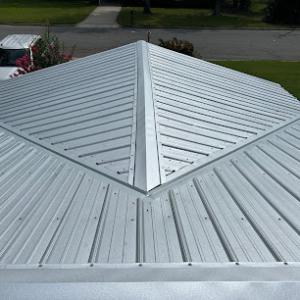
Blanchett Roofing & Construction
(229) 402-8950 blanchetroofing.com
Serving
5.0 from 7 reviews
With 20 years of quality service and customer satisfaction, Blanchett Roofing & Construction is your trusted roofing and renovation contractor in Tifton, GA, serving Ashburn, Moultrie, Sylvester, and Norman Park. We specialize in asphalt roofs, shingle roofs, metal roofs, and full roof replacements, delivering reliable, professional, and long-lasting results. Whether it’s a repair, replacement, or new installation, we’re here to meet your needs. Call us today for roofing and renovation services you can trust!
Exclusive Roofing
Serving
1.0 from 2 reviews
Customer service is key, we are here to serve you as an advocate in working with your insurance company for all types of weather damaged claims. Here are a few of the things we offer here: Home Renovation Flat Roofs Shingle Roofs Metal Roofs Windows Seamless Gutters Vinyl Siding And much more. Give us a call and allow one of our specialist to give you a free no obligation estimate.
In this hot, moisture-rich climate, asphalt shingles are a familiar sight on many homes. They're affordable, easy to install, and familiar to local roofers. The key to making them last in this environment is choosing a version that fights algae, resists wind uplift, and breathes well enough to avoid trapped humidity in the attic. Look for asphalt shingles with copper or zinc granules and a warranty that covers algae resistance in humid seasons. Pair them with a high-quality underlayment and a ridge vent or soffit-to-ridge ventilation plan that keeps the attic space cool and dry year-round. When storms roll through, the wind rating of the shingle matters, so lean toward shingles rated for higher wind speeds and reinforced nailing patterns. In Moultrie, the combination of heat and persistent humidity means you'll want to schedule annual inspections after storm season to catch lifted tabs, curling, or adhesive failures early.
Metal roofs perform particularly well against heavy rain and driving wind, a common pairing in this area's thunderstorm activity. They shed moisture quickly and can help control attic humidity if the ventilation strategy remains solid. What matters most for metal here is fastener detailing and the quality of the underlayment. Repeated heat cycling can stress seals and gaskets, so choose a system with corrosion-resistant fasteners and a thoughtfully designed sealant schedule. In addition, ensure the installation includes proper metal-to-wood attachment that accommodates expansion and contraction, plus a ventilated roof deck to avoid heat buildup beneath the metal. If your home has a tall pitch, you'll appreciate the wind-driven rain shedding capabilities even more, but don't overlook the near-ground effects of debris and leaf accumulation at eaves during storm season. A well-sealed attic space remains essential to prevent moisture from migrating into the ceiling assemblies.
Clay and concrete tiles bring a distinct look and strong durability, but their performance in humidity-heavy summers depends on the roof's structure and moisture management. The extra weight demands a robust structural retrofit if your home wasn't built for it, and long hours of humidity can stress fasteners and sealants if the underlayment isn't up to par. Wood shakes and synthetic shingles present another set of trade-offs. Wood shakes can handle the heat with proper ventilation, yet they're vulnerable to moisture-related swelling and mold if ventilation is insufficient or if the climate keeps the attic damp for extended periods. Synthetic shingles offer a modern option with potential for good algae resistance and ease of maintenance, but installation quality and system compatibility matter just as much as the material itself. In all cases, the success of these options hinges on how well the roof assembly manages prolonged humidity, including a breathable, moisture-tolerant underlayment and solid flashing details around penetrations.
Whatever material you choose, the quiet work behind the scenes is proper attic ventilation and a moisture-aware assembly. South Georgia humidity sneaks into attic spaces through tiny gaps and poorly sealed penetrations, so you want a continuous vent path from soffits to ridge or a well-insulated, sealed attic with a sealed vapor barrier. This keeps dew point shifts from wreaking havoc on sheathing, insulation, and interior ceilings. When a product claims low maintenance, verify that it isn't masking a ventilation deficiency or an undersized deck. In Moultrie, the smarter choices tie material performance to a well-done ventilation strategy that stays effective throughout repeated heat cycles and storm-driven rain events.
In this heat-and-humidity belt, you'll notice distinct price bands by material when a re-roof is on the schedule. Typical installed pricing in Moultrie runs about $350 to $600 per square for asphalt shingles, $600 to $1200 for metal, $1000 to $1800 for clay tile, $900 to $1400 for concrete tile, $500 to $900 for wood shingles or shakes, and $600 to $1100 for synthetic or composite shingles. Those ranges reflect both material choice and the local crew's time on a steep or complex roof. If a roof line is tall, has multiple valleys, or needs specialty underlayment, expect the higher end of the band. Weatherproofing upgrades or decking repairs can push costs beyond the basic material price.
Storm-season demand spikes shape two realities here: longer waits for a slot and shifts in crew availability. Summer thunderstorm damage and tropical-storm remnants can create short-term surges in roofing demand. That means a bid written in late spring might drift upward if a storm front is brewing and crews are booking out weeks in advance. If a project hits the peak of storm season, the contractor may need to sequence materials and crews more tightly, which can nudge prices upward and tighten schedule margins. Plan for a window rather than a fixed date, and build in a contingency for weather-driven delays.
Costs can rise locally when humidity-related deck repairs, ventilation corrections, or underlayment upgrades are needed to satisfy permit review and final inspection requirements. Moultrie homes often sit on decks with moisture exposure that shows up after a few seasons; a deck scan or minor repair can unlock long-term performance. Ventilation work-adding or resizing soffit vents, ridge vents, or attic baffles-protects the roof system in the subtropical heat but adds line-item cost. Upgrading underlayment to a higher-permeance or ice-and-water shield tier may be prudent in storm corridors and can affect the overall square-foot pricing.
A roof with complex geometry-multiple ridges, dormers, or tight-to-the-wall intersect points-drives labor hours up. In older houses with sagging decking or warped sheathing, replacement or stabilization work becomes part of the project. In practice, the more work it takes to keep the attic dry and the eaves sealed against driving moisture, the higher the installed price per square. If the job requires coordinated timing with other exterior work, the price can reflect the added coordination.
Expect a cushion for long-term durability in this climate. If algae resistance, UV aging, or enhanced ventilation are selected, composite or metal options may carry higher upfront costs but deliver better performance in the long run. A thoughtful approach weighs immediate price against anticipated longevity in a hot, humid year after year.
Residential full re-roofs require a permit issued by the local building department, not an informal arrangement with a handyman or neighbor. Before you lift a shingle, check in with the building department to confirm the permit path, required forms, and the submittal timeline. In this area, the permit process is there to safeguard moisture handling, underlayment selection, and ventilation details that plainly influence long-term roof performance. Skipping the official channels can trigger enforcement letters, retroactive permitting, or work stoppages that complicate repairs after a heavy storm.
Permit review focuses on three practical elements that matter deeply under South Georgia's humid subtropical climate: roofing material compatibility, proper underlayment choices, and adequate ventilation. In the moisture-heavy environment, the city pays close attention to how the roof assembly will manage remaining dampness, avoid condensation, and vent attic spaces effectively. The review also checks that fasteners, drip edge, and flashing meet code standards, since improper details here can invite leaks after summer thunderstorms. If your plan involves attic or roof changes beyond a simple shingle swap, expect a more thorough review.
Inspections are scheduled at project milestones, with a final inspection required to sign off on the job. Typical milestones include a pre-cover inspection to verify underlayment and nailing patterns, followed by a mid-point check as sheathing and vented assemblies go in, and finally the completed roof once shingles, flashing, and drainage are in place. Delays can occur if submitted plans involve structural changes or site-plan review, so coordinate timelines with your contractor and the building department to avoid surprises. In practice, delays tend to surface when the scope touches load-bearing components, roof-to-wall connections, or any alterations that affect the roof's ability to drain and vent correctly.
Start the permit process early in the planning phase and maintain open lines of communication with your contractor and the building department. Have detailed drawings that show vent placement, attic access, and any deck or extension attachments if those are part of the project. After permits are issued, keep inspection notices visible and ready, and address any corrective items promptly to prevent weather-driven delays. Proper permit handling and clear inspection adherence help ensure the new roof resists the moisture, heat, and wind that define this area's storm season.
Attic ventilation in this hot, humid climate is not just an efficiency issue. In Moultrie, long stretches of heat directly affect shingle aging, underlayment performance, and deck moisture retention. When attic air is too still, asphalt shingles can bake from the underside, and overheated decking accelerates adhesive breakdown on many underlayment products. The goal is a steady flow: cool night air in, hot air out, with vents positioned to pull moisture through the peak.
During summer storms, moisture intrusion becomes a multiplier. Install or upgrade soffit and ridge vents to establish a clear air path. In practice, this means ensuring soffit baffles are in place above the insulation so intake air reaches the decking without being blocked. If a reroof is on the horizon, consider additional venting options that fit the attic size and framing, because proper balance protects shingle life and reduces condensation risk in winter fronts.
Winter in this area is milder than in North Georgia, but humidity and occasional cold fronts can still create underlayment and condensation concerns if the roof assembly is poorly balanced. A well-sealed roof deck with a breathable underlayment and adequate ventilation reduces standing moisture that invites mold, wood rot, and iron-rich staining on flashings.
Ventilation corrections often become part of reroof scope in this market because local permit review specifically considers ventilation along with the roof covering itself. Start with an assessment of existing soffit, ridge, and attic ventilation ratios, then map a plan to address gaps before or during the new covering. Small upgrades now save more costly repairs later. Monitor attic vents regularly to catch airflow changes early seasonally.
Spring in Moultrie can bring rain systems that delay tear-offs and dry-in schedules even before peak summer heat arrives. If you're planning a reroof, expect intermittent showers that push crews off the roof and harmlessly soak underlayment areas worth inspecting later. A smart approach is to stage materials earlier, protect vulnerable edging, and coordinate with neighbors whose yards might be affected by afternoon rain bands. This transition season also tests shingles' moisture tolerance.
Summer roofing in this area is complicated by high heat, humidity, and frequent afternoon thunderstorms, which can shorten safe work windows and increase the importance of same-day dry-in planning. Heat drives faster adhesive cures and can push crews to start earlier or push through lunch breaks, but glare and heat can also reduce worker safety margins. Crews should bring shaded breaks, monitor air flow under the deck, and plan nightly tarp protection for exposed roof edges. Storms may arrive with little warning, so communication is key.
Fall is often one of the better reroof windows locally, but homeowners still need to watch for tropical-storm remnants and high-wind events that can disrupt scheduling. Cooler mornings help with lift and tear-off efficiency, yet lingering humidity can affect dry-in times if a storm system passes through. Schedule flexibility matters, with backup dates prepared in case barsometric shifts bring sudden rain or gusts. Inspect and reinforce ridge lines after peak storm season to catch any wind-driven damage early.
Keep a storm contingency plan handy. Tropical-storm remnants and high-wind events can reset a project in a single afternoon. Have tarps and fasteners ready, and confirm with your contractor where temporary coverage ends and permanent roof installation begins. Document weather red flags, like sudden pressure drops or dark, fast-creating cloud lines, so you know when to pause and re-evaluate the dry-in sequence.
For material deliveries, coordinate with a local supplier who understands our swingy spring rains and the typical late-summer backlog. Flag potential access issues around tall hedges, fence lines, or creeks that swell after heavy rain. Keep a reliable communication thread between homeowner, contractor, and foreman so any weather delay is reflected in the day-by-day plan rather than piling up. Respect the heat, but stay proactive and patient.