Roofing in Georgia
Last updated: Feb 28, 2026
Georgia summers press a friendly, relentless heat on every roof. From Atlanta's steamy streets to the pine-canopied hills of the north, our roofs endure sun-soaked days, high humidity, and sudden storms that roll in with little warning. Add in the occasional hail in the Upstate and the risk of high-wind events along ridge lines, and you've got a climate that demands thoughtful, durable roofing. As a local roofer and neighbor, I'm here to share practical, trustworthy guidance built for Georgia homes—down-to-earth, backed by real-world experience and local resources.
This Georgia page is written for homeowners who want results without the guesswork: reliable materials, sensible maintenance, and clear costs. You'll see how our climate shapes every choice, from timing maintenance to picking materials that resist heat, humidity, and storms, all explained in plain language you can act on.
Quick preview of what this Georgia guide covers:
- Local climate realities and maintenance implications
- Recommended roofing materials for Georgia
- Popular roof styles and architectural trends in Georgia
- Average roofing costs in Georgia
- Permits and local regulations you should know
- Common roofing problems in Georgia and practical solutions
- Maintenance and repair tips tailored to Georgia homes
- When to repair vs. when to replace
- When to hire a professional
Advice here is tailored to Georgia's conditions and backed by local resources—trusted suppliers, code references, and seasoned professionals who understand how our weather and neighborhoods interact with your roof.
With that in mind, let's start by looking at how Georgia's climate shapes your roof choices.
Local Climate & Its Impact on Roofs
Georgia's Year-Round Climate Overview
- Hot, humid summers with strong sun exposure; mild winters in most areas, with colder conditions in the north.
- Annual rainfall varies by region, often 45–75 inches, with frequent afternoon thunderstorms from spring into fall.
- Coastal areas face humidity, salt air, and hurricane season exposure; inland areas deal more with heat and storms.
- Humidity and heat accelerate wear on roofing materials and can drive moisture-related issues in attics and underlayment.
Key Weather-Driven Risks for Georgia Roofs
- Heat and UV exposure: accelerates aging of asphalt shingles, fades color, and loosens granules; plan for higher heat loads and reflective options.
- Humidity and moisture: promotes mold, mildew, and algae growth on shaded or poorly ventilated roofs; can lead to rot if undersides stay damp.
- Heavy rain and flash floods: increased risk of leaks at flashing, valleys, skylights, and joints; improper drainage can pool water on flat or low-slope roofs.
- Severe thunderstorms and hail: hail can cause pitting or cracking; high winds can uplift edges and force water under flashing; trim branches to reduce impact risk.
- Wind uplift and coastal exposure: coastal counties contend with stronger winds and salt spray; ensure proper fasteners, wind-rated shingles, and secure edge details.
- Ice dams (less common, but possible in northern Georgia): rare freezes can lead to ice damming; ensure adequate insulation and ventilation to minimize heat escaping into the attic.
- Moss, algae, and fungal growth: humid climates encourage surface growth on shingles and tiles; growth can trap moisture and shorten life if not managed.
Material-Specific Considerations for Georgia
- Asphalt shingles: widely used; choose impact-resistant (Class 4) and reflective or cool-roof options; maintain attic ventilation to counter heat buildup.
- Metal roofs: durable in heat and storms; reflectivity helps reduce attic heat; ensure a proper underlayment and sealing to control condensation and noise considerations.
- Clay/terra cotta or concrete tiles: excellent for heat; heavy and require a solid deck and correct underlayment; inspect for cracks after hail and control moss with appropriate cleaners.
- Wood shingles/shakes: attractive but susceptible to moisture, rot, and insects in humid Georgia; use treated wood and maintain ventilation and spacing.
- Flat or low-slope roofs (EPDM/TPO): common on additions; prone to standing water and punctures; ensure adequate drainage and robust edge flashing.
Seasonal Impacts & Maintenance Windows
- Spring: post-storm inspections; clear gutters; check for lifted or damaged shingles; inspect flashing around vents and chimneys.
- Summer: monitor attic ventilation and insulation; consider reflective coatings or shingles with better heat resistance; address any signs of UV wear.
- Fall: trim overhanging branches; clean gutters; reseal or replace damaged flashing; check dormers and skylights.
- Winter (northern Georgia): watch for ice dam formation during freezes; ensure proper insulation and venting to limit snow melt and re-freeze; have a plan for de-icing if needed.
Ventilation, Insulation, and Moisture Control
1. Verify balanced attic ventilation (soffit intakes with ridge or gable exhaust).
2. Maintain adequate insulation to minimize heat transfer into the attic.
3. Seal roof penetrations and repair damaged flashing; keep vents clear of debris.
4. Treat algae or moss with approved solutions; avoid high-pressure washing that can damage shingles.
5. Schedule professional roof inspections after major storms or every 3–5 years, depending on roof type and age.
When to Call a Pro & Official Resources
- Warning signs: sagging, active leaks, ceiling stains, ice dam buildup, loose or curling shingles.
- Official resources:
- National Weather Service: Georgia weather alerts and forecasts:
- NOAA/NHC for hurricane preparedness:
- FEMA:
- Georgia Emergency Management Agency (GEMA):
- Georgia Department of Insurance:
Recommended Roofing Materials for Georgia
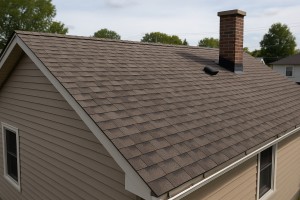
Georgia homes commonly use asphalt shingles for a good balance of cost, availability, and performance in hot, humid summers with heavy rainfall. When chosen wisely, they hold up well with proper installation.
- Benefits:
- Wide color and style options, with architectural shingles delivering a higher-end look.
- Strong wind performance when rated for 130–150 mph and installed with correct nailing patterns.
- Fire resistance (Class A) with decent lifespan when well maintained.
- Energy and durability tips:
- Look for cool-roof or Energy Star-rated shingles to reflect heat.
- If hail risk is a concern, opt for impact-resistant (Class 4) shingles.
1. Verify wind rating and warranty (aim for at least 110–130 mph).
2. Prefer architectural shingles for longer life and better uplift resistance.
3. Ask for Class 4 impact resistance and moisture warranties.
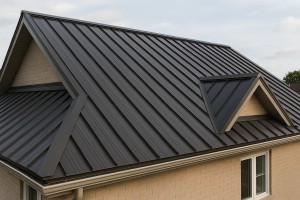
Metal roofs—standing-seam steel or aluminum—offer standout durability for Georgia weather, including heavy rain and high heat.
- Pros:
- Very long lifespan (40–70 years) and excellent wind resistance.
- Low maintenance and light weight; good hail resistance with proper panel design.
- Considerations:
- Higher upfront cost; color and coating choice affect heat absorption.
- Coastal areas benefit from corrosion-resistant finishes.
1. Choose standing-seam or concealed-fastener designs with durable coatings.
2. Use corrosion-resistant alloys (galvanized steel or aluminum with PVDF/Kynar finishes) for longevity.
3. Ensure proper installation to prevent leaks and maximize wind uplift performance.
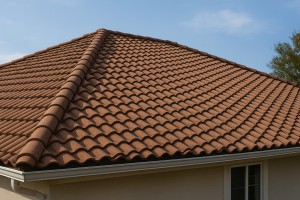
Clay and concrete tiles bring a long life and classic Southern appearance, plus strong thermal performance. They're great in many Georgia climates but require proper structural support.
- Pros:
- Excellent durability and insulation; many colors and textures.
- Resistant to rot, insects, and fire.
- Cons:
- Very heavy; needs reinforced roof structure and sometimes specialized framing.
- Higher upfront cost and skilled installation required.
1. Confirm roof deck can handle 8–11 psf tile weight (concrete tiles are heavier).
2. Hire qualified tile roofers for proper underlayment, ventilation, and expansion joints.
3. Consider light-colored tiles to improve reflectance and cooling loads.
Impact-Resistant and Cool Roof Options
- Impact-resistant shingles (Class 4) help withstand hail and may qualify for insurance discounts.
- Cool roofs use high-solar-reflectance materials to reduce attic temperatures and cooling costs.
1. Compare SRI (Solar Reflectance Index) values; higher is better for Georgia heat.
2. Pair durability with an ample warranty covering hail, algae, and wind uplift.
Low-Slope and Flat Roofs: TPO, EPDM, and Built-Up
Some additions, porches, or garages use low-slope or flat roofing. Choose materials designed for this geometry and climate.
- Options:
- TPO and EPDM for energy efficiency and reliable waterproofing.
- Built-up roofing (BUR) for older homes or heavy-use areas.
1. Ensure adequate slope and drainage to prevent ponding water.
2. Use compatible flashing details and a robust weatherproof membrane.
3. Confirm warranties cover punctures, seam integrity, and UV exposure.
Underlayment, Ventilation, and Accessories
- Underlayment: synthetic underlayment with a water-resistive barrier adds protection in heavy rains.
- Ventilation: combine ridge vents with soffit or baffle venting to manage attic heat, especially with reflective or darker roofing.
- Fasteners and sealants: match to the chosen material; use corrosion-resistant screws or nails and correct sealing compounds to prevent leaks.
Popular Roof Styles & Architectural Trends in Georgia
Popular roof styles in Georgia
- Asphalt architectural shingles: The backbone of most Georgia homes. Affordable, widely available, and easy to customize with a range of textures and colors. When installed with proper nailing, a good underlayment, and adequate ventilation, architectural shingles perform well in our hot, humid climate and can withstand coastal winds in southeastern Georgia.
- Metal roofing: Standing-seam or metal shingles are increasingly popular for their longevity, light weight, and excellent wind resistance. Metal roofs stay cooler in heat, shed rain efficiently, and pair well with modern, craftsman, and coastal styles. Coastal homes often choose metal for durability and a clean, contemporary look.
- Clay and concrete tile: Common in upscale, Mediterranean-inspired, or coastal Georgia homes. Tiles stay cool in summer and have long lifespans, but they're heavy and require a solid roof structure. Color palettes typically lean toward terracotta, ivory, and earth tones to reflect heat.
- Cedar shakes/shingles: Offer a warm, natural texture that suits craftsman and rustic styles. They require regular maintenance to prevent rot and decay in Georgia's humidity, and they're less forgiving of poor ventilation or leaks.
- Slate: A premium option for historic districts or high-end builds. Very durable and visually striking, but also heavy and costly; installation requires a reinforced structure and careful craftsmanship.
- Flat or low-slope roofs: Less common on traditional Georgia homes, but seen in modern or boathouse-style designs and some urban renovations. They require high-quality membranes and excellent drainage to handle heavy rainfall.
- Gable roofs: A staple in many Georgia neighborhoods for cost efficiency and good attic ventilation. They're easy to build, repair, and adapt with dormers for extra light and space.
- Hip roofs: Favored in coastal and southern Georgia for improved wind resistance and a stately silhouette. More complex to frame and typically pricier, but they shed wind well and integrate nicely with dormers and porches.
Architectural trends shaping Georgia rooftops
- Modern farmhouse and craftsman influence: Wide eaves, exposed soffits, mixed materials (brick, stone, wood), and generous front porches. Standing-seam metal or architectural shingles often complement these styles.
- Southern Colonial and Lowcountry charm: Large hip roofs, dormers, and expansive front porches. Clay tile or metal roofing is common to achieve a timeless, grand look.
- Mediterranean and Spanish revival: Clay or terracotta tiles with warm plaster or brick exteriors. Best suited to coastal or warm inland areas where heat management is a priority.
- Contemporary and minimalist renovations: Low-slope or flat-roof lines with metal accents or monochrome shingles. Clean, bold silhouettes and solar-ready designs are rising in new builds.
- Energy-smart and sustainability trends: Cool roofs with light colors or reflective coatings, higher roof ventilation, and integrated solar readiness. Homeowners increasingly plan for solar arrays from day one, especially in sunny Georgia zones.
Materials & climate considerations for Georgia homes
- Climate zones vary: Coastal Georgia faces higher winds and salt exposure; inland Atlanta areas lean hotter and humid with storm seasons. Choose materials and fasteners rated for local wind speeds and exposure.
- Color and heat management: Lighter colors reflect more heat, reducing cooling loads. Reflective or cool roof coatings can lower attic temps and improve comfort.
- Ventilation and insulation: Proper soffit, ridge, and underlayment ventilation minimizes moisture buildup and extends roof life in humidity-heavy Georgia summers.
- Structural compatibility: Tile and slate demand reinforced roof decks; metal roofs require correct purlins and substrate for longevity in humid air and wind.
- Drainage and flashing: Georgia rain is frequent and heavy at times. Ensure solid drainage plans, leak-proof flashing around chimneys and dormers, and sturdy gutter systems.
Practical steps for choosing a Georgia-ready roof style
1) Assess your home's architecture and neighborhood: aim for a style that complements the existing exterior and curb appeal.
2) Factor in climate and site: coastal vs inland, sun exposure, and potential wind loads.
3) Check structure capacity: tile and slate need a reinforced deck; metal and high-end shingles have different mounting needs.
4) Plan for energy and solar: consider cool color options and the possibility of solar integration from the start.
5) Budget and warranties: compare life expectancy, warranty terms, and local climate performance for chosen materials.
Maintenance and longevity in Georgia
- Asphalt shingles: typically 15–30 years, depending on quality and maintenance.
- Metal roofing: 40–70+ years with proper care.
- Tile (clay/concrete): 50–100+ years with solid materials and installation.
- Cedar: 20–40 years, with regular sealing and pruning to prevent rot.
- Slate: 80–100+ years, but requires skilled installation.
- Routine upkeep: clean gutters, inspect after severe storms, address moss or algae in shaded areas, and schedule professional inspections every few years to prevent small issues from becoming costly repairs.
Average Roofing Costs in Georgia
Key climate and architectural factors in Georgia
Georgia's mix of sun, heat, humidity, and storms drives both material choice and installation method. Coastal counties face higher wind uplift and salt exposure, while inland areas contend with heat and rapid aging of underlayment in summer. Roof style and home architecture also influence price: ranches and simple gables are usually cheaper to cover than multi-gabled, steep-pitched, or dormered designs. Local code requirements and contractor availability can swing quotes up or down, especially during peak storm seasons.
Cost ranges by material (installed per square)
- Asphalt shingles (3-tab): $350–$550 per square (100 sq ft)
- Architectural asphalt shingles: $500–$750 per square
- Metal roofing: $700–$1,200 per square
- Concrete tile: $850–$1,400 per square
- Clay tile: $1,000–$1,600 per square
- Slate: $1,500–$4,000 per square
- Flat roofs (EPDM, TPO, built-up): $500–$1,200 per square
Note: these are installed, including materials, underlayment, flashing, and labor. Prices vary by city, roof complexity, and current material costs.
Add-ons and installation costs to budget
- Tear-off and disposal of old roof: $100–$250 per square
- Underlayment, ventilation, and drip edge: $50–$150 per square
- Ice/water shield (where code or climate dictates): $50–$150 per square
- Flashing, pipe boots, and penetrations: typically bundled but can add 5–15% to a project
- Permits and inspections: $50–$500 depending on county or city
- Cleanup and staging costs (dump fees, dumpsters): often included in full bids, but verify
Local codes, wind, and architectural considerations
- Coastal Georgia requires higher wind uplift resistance in many counties; look for Class A fire resistance and appropriate underlayment in salt- and wind-prone zones.
- Steeper pitches and complex geometries (multiple hips, dormers, skylights) increase labor time and waste, pushing costs upward.
- Some municipalities enforce synthetic underlayment or enhanced nailing patterns; factor these into quotes.
- Roof height and access restrictions (narrow driveways, gated communities) can add equipment and time, affecting price.
Style and architecture impact on cost
- Simple ranch or single-story homes with a straightforward rectangle footprint: usually at the lower end of the range.
- Craftsman and colonial homes with moderate complexity: mid-range pricing.
- Multi-gable, steeply pitched, or home with numerous dormers and chimneys: typically high end due to extra transitions, waste, and fastener work.
- Exterior features like porches, decks, or overhangs require extra flashing and detailing, which adds to labor.
Quick steps to estimate your Georgia roof cost
1) Measure or estimate roof area: count squares (100 sq ft each) across all slopes.
2) Pick a material that fits climate, HOA, and durability needs.
3) Add removal and disposal for any old roof plus underlayment and ventilation.
4) Include local permit costs and potential code-required enhancements (wind, ice shield, etc.).
5) Collect 3–5 written quotes and compare exactly what's included (materials, waste removal, nails, flashing, and cleanup).
Typical project scenarios for Georgia homes
- Small ranch, 1,000–1,200 sq ft roof with asphalt shingles: roughly $4,000–$6,200 for basic 3-tab; $5,000–$7,500 for architectural shingles.
- Mid-size suburban home, 1,500–2,000 sq ft roof with architectural shingles or metal: roughly $8,000–$14,000 for asphalt or $9,000–$18,000 for metal.
- Larger home, 2,500–3,500 sq ft with metal or concrete tile: roughly $14,000–$34,000, depending on material and complexity.
- Coastal homes with clay or concrete tile and high uplift demands: expect the higher end of tile or concrete costs, plus potential wind-rated underlayment.
Permits & Local Regulations
Do I need a permit?
- In Georgia, most roofing projects require a permit, but rules vary by city and county. A quick call to your local building department will settle it.
- Common triggers include removing or replacing roofing materials, replacing roof decking, or altering roof structure or ventilation.
- Even if the visible work seems cosmetic, many jurisdictions require permits for any roofing work that affects the underlying structure or load path.
- HOA rules may also require approvals independent of city permits.
How to verify permit requirements
- Identify your jurisdiction (city or county) and the correct building department.
- Check the department's website for permit checklists and required forms.
- Call the permit counter to confirm requirements, fees, and any special local rules.
- Ask if HOA approval is needed in addition to city permits.
- Have your project details ready: address, scope (re-roof vs. full replacement), materials, estimated cost, and whether decking or ventilation will be touched.
- Confirm you'll need inspections and their scheduling windows.
Do I need a licensed contractor to pull the permit?
- Many Georgia jurisdictions require the contractor to hold a valid license on file with the permit applicant.
- In some areas, property owners can pull permits for themselves if they intend to do the work, but this is less common for roofing.
- If your contractor is licensed, ensure their license number is provided on the permit application and visible on site.
Steps to secure a permit
1. Define the scope clearly: full roof replacement, deck repair, vent updates, and any structural work.
2. Gather information: address, approximate square footage, materials, contractor license number, and project value.
3. Submit the permit application plus any required plans or sketches (some jobs only need a simple form; others may need structural notes).
4. Pay the permit fees and, if applicable, arrange for plan review.
5. Receive the permit, post the permit card on-site, and schedule initial inspections.
Inspection process
- Inspections ensure work meets code and is safely executed. Typical Georgia inspections include:
- Pre-installation/rough-in (where applicable): decking condition, structural integrity, and ventilation plan.
- In-progress inspections: underlayment, fasteners, flashing details, and roof penetrations.
- Final inspection: overall completion, drip edge, flashing, vents, attic ventilation, and clean-up.
- If deficiencies are found, you'll receive a correction notice and must address items before re-inspection.
Local differences to watch for
- Georgia code adoption varies by jurisdiction. Most areas adopt the International Building Code (IBC) and International Residential Code (IRC) with local amendments.
- Coastal or high-wind counties may have additional wind-resistance requirements or hurricane-tie provisions; check if your area has specialized provisions.
- Some jurisdictions require energy-efficient or roof-ventilation standards that differ from neighboring towns.
HOA and insurance considerations
- Always check HOA covenants for roofing restrictions, color, material, and approval processes beyond city permits.
- If you're filing an insurance claim for roof damage, insurers often require permits and code-compliant repair to validate coverage or settlements.
Quick tips to avoid delays
- Start early: call the department before purchasing materials.
- Have all documents ready and organized to speed up the review.
- Hire a licensed, insured roofer who understands local permit etiquette and inspection expectations.
- Double-check that all work aligns with current code editions and any local amendments.
Common Roofing Problems in Georgia & Solutions
Hail and Wind Damage
Georgia's spring and summer storms bring hail and high winds that can lift shingles, dent metal, or bend flashing.
Signs to watch for:
- Missing or curled shingles
- Granule loss in gutters or downspouts
- Dented metal or rusted flashing
- Water stains after a storm
What to do:
1. Photograph damage within 24–48 hours after a storm for insurance records.
2. Inspect from inside attic for leaks; note any stains or damp insulation.
3. Call a licensed roofer for a professional assessment—avoid walking on a damaged roof yourself.
4. Decide between repair and replacement based on extent of damage and remaining life of the roof; insist on wind-rated shingles if replacing.
5. If filing with insurance, keep storm dates, photos, and inspection reports.
Roof Leaks and Water Intrusion
Leaks in Georgia roofs often come from aging shingles, failed flashing, clogged gutters, or venting issues. Humidity can mask leaks until a strong rain exposes them.
Symptoms:
- Damp ceilings, stains, or mold in living spaces
- Water spots in attic or along seams
- Reduced attic ventilation leading to condensation
Fix-it steps:
1. In the attic, locate the drip line to identify the leak source; use caution and a flashlight.
2. Clear gutters and downspouts; ensure water flows away from the home's foundation.
3. Repair or replace damaged flashing around chimneys, vents, skylights, and along valleys; reseal joints.
4. Replace damaged shingles and, if needed, re-bed underlayment and roof deck where moisture has penetrated.
5. For persistent leaks, schedule a professional roof inspection to assess decking integrity and ventilation.
Algae, Moss, and Staining
Humid Georgia air encourages algae and moss growth, which can trap moisture and shorten a roof's life. Dark streaks on shingles are common but need attention to prevent damage.
What to look for:
- Black or green stains, moss patches, slippery roof surface
- Soft, delaminated shingles in mossy areas
Solutions:
- Use non-pressure roof cleaners or manufacturer-approved solutions; never pressure-wash, which can damage shingles.
- Install zinc or copper strips near the ridge to inhibit future growth; replace any damaged flashing with corrosion-resistant metal.
- Improve attic ventilation and prune shade trees to reduce moisture buildup.
- If algae/moss has caused lifting or granule loss, plan for targeted shingle replacement.
Missing or Damaged Shingles
Wind uplift, hail, age, and foot traffic during maintenance cause shingles to fail.
Indicators:
- Visible gaps, cracked tabs, or curling shingles
- Shingle granules accumulating in gutters
Repair approach:
1. For small, localized areas, replace individual shingles with matching ones and reseal.
2. For widespread damage, replace the affected roof section or entire roof; ensure correct nailing pattern and sealants.
3. Confirm underlayment integrity and proper attic ventilation to extend life after repairs.
4. Avoid stepping on fragile sections; use safe access methods or hire a pro for replacements.
Damaged Flashing and Valleys
Flashing around chimneys, vents, skylights, and at roof valleys is a common leak point when installed poorly or aged.
Warning signs:
- Water at chimney base or along vent stacks
- Rust, movement, or loose metal flashing
Remediation steps:
- Remove old flashing and install new, corrosion-resistant flashing with proper sealant.
- Seal all joints and ensure valleys have correct overlap and drainage.
- Re-seal or replace roof penetrations as needed; if leaks persist, call a pro to reflash and assess the deck for rot.
Poor Ventilation and Attic Insulation
In Georgia, heat and humidity make proper attic ventilation and insulation essential for roof longevity and energy efficiency. Poor venting accelerates shingle aging and can lead to condensation issues in the winter.
What to check:
- Inadequate intake/exhaust balance; sagging or damp attic insulation
- Hot attic temperatures in summer; ice dams are less common but possible in rare cold snaps
Solutions:
- Add or upgrade soffit and ridge vents to improve air flow; aim for balanced ventilation per attic size.
- Upgrade insulation to meet climate needs (start with R-38 to R-49 equivalents depending on attic design).
- Seal air leaks between the living space and attic to reduce moisture pathways.
Gutter Problems
Clogged or misaligned gutters cause water to back up onto the roof and fascia, leading to leaks and wood rot.
Common issues:
- Overflow during heavy rain; water cascading over fascia
- Sagging gutters or improper slope, causing pooling
Fix-it steps:
1. Clean gutters and downspouts at least twice a year and after storms.
2. Confirm a 1/4 inch slope per 10 feet of run for proper drainage.
3. Direct downspouts away from the foundation with extensions; consider splash blocks or trenching.
4. Install guards if debris buildup is persistent, but ensure guards are compatible with your roof type.
Tree Damage and Debris
Overhanging branches and falling limbs are a frequent Georgia risk, plus leaves trap moisture and promote rot.
What to do:
- Trim branches at least 6–10 feet from the roof; remove that debris promptly.
- Schedule regular seasonal cleanups to prevent moisture retention and gutter clogging.
- Inspect for damaged shingles after storms and prune back shaded areas to reduce moss growth.
Maintenance & Repair Tips for Georgia
Regular Inspections
Georgia's hot, humid climate and sudden summer storms mean eyes-on maintenance every 6–12 months pays off. Schedule two simple checks each year and after big weather events.
- Look for curling, cracked, or missing shingles, exposed underlayment, and lifted or rusted flashing around chimneys and vent pipes.
- Check attic access vents and soffits for moisture, mold, or pests; ensure airflow isn't blocked.
- From the ground, inspect gutters and downspouts for sagging, leaks, or rust. Note vegetation or debris near the roof edge.
Cleaning and Gutter Care
Clear, properly functioning gutters are your first line of defense against water intrusion. In Georgia, heavy rain and falling leaves demand more frequent upkeep.
- Remove leaves, pine needles, and debris at least twice a year; after storms if you notice clogs.
- Rinse gutters and downspouts. Ensure water discharges at least 6–8 feet from the foundation.
- Consider gutter guards to reduce future buildup; check guards for loose fittings or gaps.
- Inspect seams and brackets; reseal or tighten as needed to prevent leaks.
Weather-Related Maintenance
Storms, high winds, and heat can loosen materials or reveal hidden damage.
- After a storm, walk the roof (from the eaves only) or have a pro inspect for loose or missing shingles, damaged flashing, and ridge vent integrity.
- After hail, look for dings, pitting, or bruised shingles; replace damaged pieces promptly to prevent leaks.
- Trim overhanging branches to reduce impact risk and pine needle buildup in valleys.
- If the attic is unusually hot or humid in summer, improve insulation and ventilation to reduce heat transfer to the roof deck.
Common Georgia Roof Issues and Fixes
Humidity and storms create recurring repair needs. Address problems early to avoid costly water damage.
- Algae and mold growth: white-gray staining is common in humid climates. Use a roof-safe cleaner and consider zinc or copper strips along the ridge to inhibit growth. Avoid high-pressure washing, which can damage shingles.
- Shingle curling or granule loss: occurs with sun exposure. Replace damaged shingles and reassess attic ventilation to curb heat buildup.
- Flashing around chimneys and vents: keep flashing sealed; re-flash if you see leaks or noticed movement after storms.
- Tree debris and standing water: keep valleys clean; ensure drainage paths are clear and slopes direct water away from the house.
- Flat or low-slope sections: ensure proper drainage and address ponding quickly to prevent leaks.
Material-Specific Tips
Different roof types have unique care needs.
- Asphalt shingles: inspect after summer heat and storm season; watch for curling edges and exposed fasteners. Use compatible sealants only where recommended.
- Metal roofs: look for rust, loose screws, or sealant cracks. Tighten fasteners as needed and inspect seams; consider a reflective coating to reduce heat absorption.
- Clay or concrete tiles: check for cracked or dislodged tiles after hail or high winds. Avoid stepping on tiles; if you must walk, place plywood for support and call a pro for tile replacement.
Attic Ventilation and Insulation
Proper ventilation helps Georgia homes resist heat and moisture damage.
- Ensure a balanced system of soffit intake vents and ridge or attic exhaust vents.
- Aim for sufficient insulation (typical guidance is to maintain a cooler attic; speak with a local pro about R-values for your home).
- If you notice condensation or excessive heat in the attic, upgrade insulation and/or add vents to improve air exchange.
When to Call a Pro
Some tasks are best left to a licensed roofer, especially in Georgia's climate.
- Active leaks, large sections of missing shingles, or sagging flashing.
- Suspected structural damage after a storm or hail event.
- Complex repairs, chimney flashing work, or roof replacements.
- If you're unsure about venting, insulation, or roof material compatibility with local weather.
When to Repair vs. Replace
Age and Condition
In Georgia, the clock on a roof is sometimes shorter than you expect. Asphalt shingles often last 15–25 years, metal roofs 40–70, and clay or slate can go much longer. Heat, sun exposure, and humidity in our climate accelerate aging, so a 15-year-old roof in strong condition can still be solid, while a newer-looking roof with hidden decay is a red flag. If the decking is sound and the main structure is solid, targeted repairs can be the right move.
Evidence of Damage
Look for these signals:
- Leaks confined to a small area after rain
- Curling, cracking, or missing shingles
- Granule loss in gutters or downspouts
- Soft, sagging, or damp roofing deck
- Moss or algae lifting shingles and flashing
If you notice multiple issues across the roof or recurring leaks, replacement may be more cost-effective than repeated repairs.
Roof Type and Layer Count
- Asphalt shingles: replace when damage is widespread or the roof is past its life expectancy.
- Metal roofs: repairs can fix leaks or panel damage; if corrosion or multiple panels fail, replacement is wiser.
- Tile or slate: repairs may cover cracked tiles, but widespread cracking or loose underlayment often means replacement.
- Layer count: in many cases, more than one layer of shingles is a sign to replace. Adding layers adds weight and can conceal underlying rot.
When Repairs Make Sense
- Isolated damage: a small area (less than 10% of the roof surface) with a localized leak or a few damaged shingles.
- Minor flashing or vent issues: chimney flashing, vent boots, or valley flashings can usually be repaired without a full roof replacement.
- Good overall condition: most of the roof is sound, with a few problem spots and no widespread rot.
- Adequate underlayment and ventilation: attic insulation and proper ventilation reduce future failures.
- Cost comparison: if a repair is significantly cheaper than a full replacement and the roof has meaningful remaining life, repair is sensible.
When Replacement Is the Practical Choice
- Age is near or beyond life expectancy: 20–25 years for asphalt shingles, or 40+ years for metal/tile depending on the material.
- Widespread wear: extensive curling, missing shingles, granule loss, or many leaks.
- Deck damage: soft, warped, or rotten roof decking or structural sagging.
- Repeated repairs: multiple repairs in a short span suggest an underlying, long-term problem.
- Energy and performance: an old roof often underperforms on insulation and ventilation, driving up energy costs.
Georgia-Specific Considerations
- Climate impact: intense summer heat and humidity speed deterioration; roofs in southern Georgia may show wear sooner than colder climates.
- Storm exposure: severe thunderstorms and hail are common; flashings and valleys are frequent failure points.
- Moss and mildew: damp conditions foster growth on north faces or shaded sections; this can lift shingles and cause leaks if left untreated.
- Coastal vs. inland: salt air near the coast can corrode metal components faster; inland areas may see more rapid shingle wear due to sun exposure.
- Warranty factors: check manufacturer warranties and local contractor workmanship guarantees; in Georgia, proper ventilation and attic sealing can dramatically extend roof life.
The Decision Process
1. Have a qualified roofer inspect the full roof, including decking, underlayment, and flashing.
2. Compare repair costs (and expected life extension) to replacement cost and typical lifespans.
3. Consider future needs: insulation upgrades, attic ventilation, and potential energy savings.
4. Review warranties on materials and workmanship; factor in labor costs and timeline.
5. Decide based on total value: current condition, remaining life, climate considerations, and peace of mind.
Quick Maintenance Rules of Thumb
- Treat moss and algae early with appropriate cleaning and prevention.
- Keep gutters clean to prevent water backup and leaks.
- Address leaks promptly to avoid hidden deck damage.
- Schedule inspections after major storms or hail events.
When to Hire a Professional
Visible leaks or water damage
If you can see dripping, staining on ceilings or walls, or damp attic insulation after a rain, a professional roofer should assess immediately. Georgia homes can develop slow leaks that worsen quickly with heat and humidity, so don't delay.
Severe weather and storm damage in Georgia
Georgia is prone to strong thunderstorms, hail, and high winds, especially in spring and summer. After a major storm, inspect shingles for cracks, curling, or missing tabs, and check the flashing around chimneys and vent pipes. If you notice damage or have a sudden leak, call a pro for an on‑site inspection and a written damage report for your insurer.
Age and deterioration
Asphalt shingles typically last 15–20 years, but Georgia's sun, heat, and humidity can shorten that lifespan. If your roof is near or past the 15‑year mark and shows curling, granule loss, or widespread flashing wear, plan for a professional evaluation and a potential replacement rather than DIY repairs.
Structural concerns or unsafe conditions
Sagging decking, damp rafters, ice dams (in higher elevations or shaded roofs), or obvious daylight in the attic through the roof deck all indicate structural issues. These problems require professional assessment and proper repair to prevent future leaks and wind uplift failures.
Storm damage and insurance claims in Georgia
- Document everything with clear photos and notes when you suspect damage.
- File promptly with your homeowner's insurer and follow their guidance.
- Hire a local, licensed pro to document the repair scope and provide a detailed estimate that aligns with your claim.
- Be wary of “storm-chasing” contractors who pressure you into signing quickly or demanding cash upfront. Local Georgia contractors with verifiable references are the safer choice.
Permits and local requirements in Georgia
Most Georgia municipalities require building permits for roof work, and a licensed contractor should handle permit applications and inspections on your behalf. If your contractor asks you to skip permits, that's a red flag in Georgia's regulated environment. Confirm who will pull the permit and how inspections will be coordinated with the local building department.
How to evaluate a Georgia roofing contractor
- Licensure and registration: Ask for the contractor's license number and verify it with the Georgia Secretary of State or the appropriate state licensing database. Ensure the license covers the specific roofing work and is active.
- Insurance: Request current certificates of liability and workers' compensation. Confirm the insurer will cover subcontractors.
- Local experience and references: Prefer contractors with Georgia projects similar in scope. Call recent clients in your area to confirm performance, timelines, and cleanup.
- Manufacturer certifications: Many shingle brands require installer certification to keep warranty protections. Ask if the contractor holds manufacturer certifications (e.g., Master Elite, Preferred Contractor) and ensure product warranties will transfer if you sell your home.
- Written contract with scope: The contract should spell out materials, model numbers, underlayment, attic ventilation improvements, start and completion dates, cleanup, and who handles permits.
- Warranties: Document both the manufacturer warranty and a workmanship warranty from the contractor. Understand what each covers and for how long.
- Permits and inspections: Confirm who is responsible for permit applications, inspection scheduling, and any additional costs.
- Payment terms and pricing: Get a detailed, line‑item estimate. Avoid paying substantial upfront deposits; negotiate a staged payment schedule tied to project milestones.
- Red flags: High-pressure sales tactics, vague bids, lack of references, unwillingness to provide a written contract, insistence on paying in cash only, or reluctance to verify license and insurance.
Quick Georgia‑specific tips
- Wind and hail resilience: For Georgia's climate, ask about wind-rated underlayment and shingles suitable for uplift resistance, especially if you're near coastal or high-wind counties.
- Ventilation and decking: Georgia's heat and humidity make proper attic ventilation important. Ensure new installs address moisture management and energy efficiency.
- Local knowledge: A Georgia‑based contractor will understand local roof lifecycles, typical storm threats, and permit processes better than out-of-state outfits.
Steps to hire (quick, practical)
1. Get 3 written estimates with detailed material specs and timelines.
2. Verify licenses and insurance; check references from Georgia projects.
3. Review contracts for scope, warranties, and permit handling.
4. Schedule the start date, establish a clear payment plan, and confirm site protection and cleanup.
Putting A Lid On It: Roof Maintenance, Repair, and Replacement in Georgia
In Georgia's climate, your roof confronts hot sun, high humidity, sudden heavy rain, and seasonal temperature swings. Regular maintenance protects your home from leaks, heat damage, and wind-driven wear, while keeping energy costs in check and your curb appeal intact. A well-tended roof also supports healthier attic spaces and longer-lasting materials.
From the piney north to the coastal plains, Georgia storms can test flashing, gutters, and shingles. The goal isn't perfection, but catching issues early, staying ahead of wear, and knowing when to call a professional. A little proactive attention goes a long way toward a durable, beautiful roof that endures the years.
Seasonal at-a-glance
- Spring: Inspect after winter storms for wind damage, lift at edges, or loose flashing. Clear debris from valleys and gutters. Check attic ventilation and insulation to prevent heat buildup.
- Summer: Clean gutters and downspouts, remove pine needles and leaves, and watch for moss or algae on shaded slopes. Ensure proper attic ventilation to reduce heat stress on the roof.
- Fall: Trim branches overhanging the roof, seal flashing around chimneys and vents, and clear accumulated debris. Confirm downspouts direct water away from the foundation.
- Winter: In north Georgia, monitor for ice dams and freezing leaks. Keep drainage clear and be mindful of temperature swings that can stress shingles. Schedule a professional inspection if you notice persistent staining or moisture you can't trace.
Georgia-specific issues to watch
- Moss, algae, and shade: Promote moisture retention on shaded sections. Use gentle cleaning methods and consider zinc/copper strip deterrents or professional treatments.
- Gutter upkeep: Heavy rains and pine debris can clog gutters fast—regular cleaning prevents water backup and roof edge damage.
- Wind and hail: Strong summer storms can lift shingles or expose flashing. Ensure secure nailing patterns and intact flashing around chimneys and vents.
- Heat and UV exposure: Sun can accelerate aging of asphalt shingles. If your roof is aging or fading, a cooler roofing option or reflective coatings may improve comfort and efficiency.
Repair or replace? A practical guide
- Localized leaks, a few damaged shingles, or minor flashing issues: likely repairable.
- Widespread curling, missing shingles, or significant moisture intrusion across large areas: replacement often makes more sense for long-term protection and value.
- Structural concerns or rotten decking: consult a licensed pro promptly.
Maintenance checklist (easy monthly/seasonal tasks)
- Visually inspect for loose or damaged shingles and flashing.
- Clean and inspect gutters; ensure downspouts divert water away from the house.
- Check attic insulation and ventilation; address any signs of moisture or heat buildup.
- Trim overhanging branches; remove debris from valleys and roof edges.
- Schedule a professional inspection if you notice leaks, sagging, or rapidly deteriorating materials.
A warm, neighborly note
You're part of a community that values a sturdy, welcoming home. With thoughtful upkeep and timely professional guidance when needed, your Georgia roof will stand strong, look great, and shelter your family for many years to come. Here's to keeping the lid on tight and the memories flowing in a home you're proud to own.
