
Last updated: Apr 19, 2026
In inland Middle Georgia, the pattern of hot, humid summers and frequent thunderstorms keeps your roof under constant stress. Thunderstorm-driven wind can lift edges of shingles, loosen porch flashings, and push hail chips into vulnerable spots. The risk isn't just about a visible dent or blown shingle-it's about unseen uplift along valleys, ridges, and around attic vents that can create slow leaks over time. In this climate, a single severe gust can reveal a weak seam or a cracked sealant that you won't notice until the wet season starts. The weather cycle compounds these threats: repeated wetting softens the roof surface, then heat dries and contracts materials, widening micro-cracks and loosening fasteners. The result is accelerated granule loss, darker staining along the drip edge, and attic entry points that become magnets for moisture.
Humidity isn't just uncomfortable indoors; it accelerates roof deterioration in this region. High moisture levels permeate attic spaces, condensing on cooler rafters and backing up into deck joints if ventilation is insufficient. That moisture migrates to sealants, roof penetrations, and underlayment, causing sealant fatigue and flashing movement. When attic air isn't properly vented, you get warm, damp climates inside the roofline, which invites mold and wood damage that can be invisible from the ground. In practical terms, this means you should treat every spring and summer inspection as a moisture audit: check for damp insulation, listen for creaky decking, and look for subtle soft spots along eaves and around penetrations where condensation tends to pool. Moisture control isn't a one-and-done task; it requires ongoing attention as seasons shift and storms become more energetic.
Spring hail and wind events are a meaningful local concern, so plan inspections for late winter or early spring to catch damage before the heavy storm season hits. The fall window is typically better for installations, but tropical systems that track inland into central Georgia can disrupt schedules and compromise the warranty if work is rushed or weather-locked mid-project. Because roof systems in this region endure rapid cycles of wetting and drying, the choice of materials should prioritize resilience to wind-driven impact and moisture control. Asphalt shingles with robust granule retention, metal roofing with precise panel fastening and sealed seams, and tile options that handle both heat expansion and wind uplift all deserve careful evaluation. Each fastener, sealant bead, and flashing lap should be designed to resist the punishing swing between summer downpours and the dry heat of late fall.
Schedule a comprehensive roof health check ahead of the next storm season, focusing on flashing around chimneys, vent pipes, and dormers, plus all edge metal and drip edges. Verify attic ventilation and insulation to prevent condensation. Inspect for granule loss in gutters and near downspouts, which signals wear from heat and hail impact. If you notice curling shingles, lifted edges, or darkened patches indicating moisture intrusion, address them promptly with targeted repairs rather than waiting for a full replacement. In this climate, proactive maintenance isn't optional-it's a necessary defense against the steady march of storm and humidity-induced wear.
The known local guidance points to drier spring and fall windows as the best times for full roof replacement in Dublin. This means planning your window replacement project for the weeks when afternoon storms are less likely and the soil is stable. In spring, after the last of the heavy pollen season and before the peak heat, the humidity is rising but showers are more predictable and manageable. In fall, the humidity drops and daily highs stay comfortable, which helps crews work efficiently without heat stress. Summer scheduling is tricky here: heat, humidity, and pop-up thunderstorms can interrupt tear-off and dry-in work, so be prepared for occasional delays and plan buffers in the project timeline. If a tropical system lurks near the Gulf or the Atlantic, rain bands can move inland quickly, so a revised plan may be needed.
Thunderstorms in inland Middle Georgia tend to be afternoon affairs in the hot months, so a favorable plan is to target morning start times and keep a flexible finish window. The goal is to avoid back-to-back downpours that can flood tarps and slow drying times. A key practical step is to set aside a modest stretch of truly dry days for the critical tear-off and roof-dry phases; otherwise, moisture can creep under decking and underlayment, complicating the install. In fall, keep an eye on tropical warnings and rain bands moving inland. A reliable crew will adjust the schedule within a day's notice if a rain window opens, preserving job integrity without compromising safety.
In this climate, choosing a material that handles humidity and wind-driven rain matters. Asphalt shingles remain a solid, cost-effective option in many Dublin neighborhoods, especially when paired with a high-quality underlayment and upgraded starter courses. Metal roofing offers strong resistance to wind and hail but can be noisier and may require careful integration with attic ventilation in humid summers. For larger homes facing frequent storms, a standing-seam or insulated metal option can provide longevity with proper sealant details. For specialty projects, clay or concrete tile can perform well in dry periods but demands a sturdy structural substrate and precise installation to tolerate heat expansion and humidity cycles.
Coordinate with a reliable local crew that understands afternoon storm patterns and the timing of humidity-driven delays. Ensure the schedule includes a weather contingency, tarp coverage for during tear-off, and a clear plan for drying-in once the roof deck is exposed. Protect interior spaces by coordinating with gutters and downspouts to channel water away from the home during the critical phase. After installation, confirm that attic ventilation remains balanced to manage humidity and prevent condensation buildup on the roof deck during cool nights.
Post-installation, monitor for loose fasteners after the first major Georgia storm cycle and verify the seal around penetrations, flashings, and vent pipes. A quick follow-up inspection after a rain-heavy period helps catch any hidden leaks early, especially in seasons where rain bands are more common. Proper maintenance during the first year includes keeping debris off the roof and ensuring attic access remains unobstructed to support ongoing moisture control.
The dominant roofing materials identified for Dublin are asphalt shingles, metal roofing, clay tile, concrete tile, wood shingles or shakes, and slate. These options populate a spectrum from quick guidance for hot afternoons to stout resilience during the season's storms. Asphalt and metal are the most common sight on familiar street fronts, while clay and concrete tiles bring a distinct look to the era or style of many homes. Wood shingles and slate end up as memorable accents on specialty houses or older structures, each with its own maintenance rhythm. Understanding how each behaves in a Georgia summer helps you plan for longer lifespans and fewer surprises after a thunderstorm.
In a hot and humid climate, material choice should be evaluated for heat exposure, repeated thunderstorm wetting, and how well the assembly handles ventilation and flashing details. Heat exposure drives the rate of expansion and contraction, so you want a system with reliable fasteners, solid underlayment, and roof penetrations that seal well as temperatures rise. Frequent thunderstorm wetting means keeping gutters, valleys, and ridge lines free of debris and ensuring flashing around chimneys and vents is robust enough to shed sudden downpours without streaking or seepage. Ventilation plays a quiet but crucial role: better attic airflow reduces heat buildup that can wrinkle shingles or warp metal sheets, while well-sealed attic spaces slow interior moisture migration that can lead to mold and rot. When evaluating options, pay attention to how each material manages condensation, drip edges, and the intersection of roof planes with exterior walls.
Heavier systems such as clay tile, concrete tile, and slate are part of the local material mix but create very different installation and repair demands than the more common asphalt and metal options. Clay and concrete tiles require a strong substructure and careful layout to distribute weight across rafters, which affects the framing plan and ceiling clearances inside attic spaces. Slate, while long-lasting, is brittle and demands precise cutting and secure anchoring to resist wind uplift during thunder-driven gusts. These heavier choices often influence roof deck preparation, ventilation pathways, and flashing details around penetrations, making professional assessment more essential even for routine repairs. If you appreciate a distinct appearance or longer service life, recognize the added complexity you're inviting and plan accordingly for maintenance cycles that respect the material's unique needs.
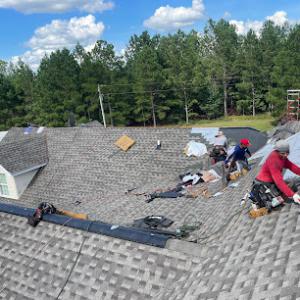
FS Roofing Of Dublin GA
(478) 304-1039 fsroofingofdublinga.com
1951 US-441, Dublin, Georgia
4.9 from 78 reviews
Dreaming of a secure and beautiful home? Look no further than FS Roofing, LLC! Serving the Dublin, GA area, we bring over 25 years of roofing expertise to your doorstep. As your trusted roofing, gutter, and siding specialists, we combine high-quality workmanship with exceptional customer care. From shingle and metal roofing to vinyl siding and gutter installations, our skilled roofers and carpenters handle it all. At FS Roofing, we've got you covered, ensuring your peace of mind with every project.

Dublin Roofing Company
(478) 888-6004 dublinroofingcompany.com
Dublin, GA
5.0 from 3 reviews
From the start Dublin Roofing Company has operated by working off of 3 basic rules. We believe being a top rated roofing contractor comes with above and beyond customer service, and that is something we provide with each of our customers. On top of providing excellent communication and customer service we offer very fair and competitive pricing on all of our roofing services. We believe in providing fair pricing while offering very high quality work on all property types and materials making it easier to both work with homeowners and businesses. Having experts on the job will make it a painless and hassle free process. We guarantee your satisfaction with each job we take on. Give us a call today to schedule your free estimate!
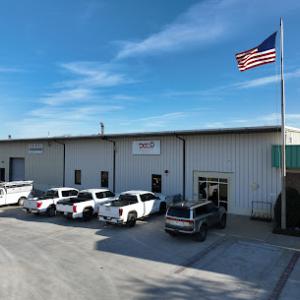
Dublin Construction Company
(478) 272-0721 www.dcc1945.com
305 S Washington St, Dublin, Georgia
4.5 from 6 reviews
We are a third-generation, family-owned construction firm founded in 1945. Led by President Tom Hall, we specialize in educational, commercial, industrial, institutional, and specialty construction. With a longstanding commitment to honesty, quality workmanship, and client-focused service, we offer construction management, design-build, general contracting, pre-construction, facility assessment and planning, and sustainable construction services.
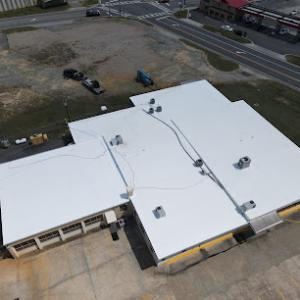
Olde South Contractors
(478) 251-2037 oldesouthcontractors.com
Serving
5.0 from 60 reviews
Olde South Contractors is a commercial roofing company. We specialize in flat or low slope roofing. We are also trained and certified to provide commercial steep slope metal roofing. Our focus is clear communication with our customers and a quality product that delivers complete satisfaction.
Carlito's Services
(912) 387-6459 carlitosservices.com
Serving
At Carlito’s Services, we take pride in delivering top-notch roofing solutions that combine professionalism, affordability, and unparalleled craftsmanship. Based in Waycross, Georgia, our team is dedicated to providing a comprehensive range of roofing services tailored to meet the unique needs of our clients. With a commitment to quality and customer satisfaction, Carlito’s Services has established itself as a trusted name in the roofing industry in Waycross. A sturdy and well-maintained roof is a critical component of any property, whether residential or commercial. It serves as the first line of defense against the elements, providing shelter and protection to the occupants and valuable assets within.
A full roof replacement in Dublin typically requires a building permit. This isn't optional paperwork you can skip, especially when storms and humidity drive faster wear on the roofing system. The permit ensures the project meets county-wide standards for venting, flashing, and fastener use that are crucial after hot, humid summers and sudden Georgia thunderstorms. Plan to treat the permit as an early step in the project timeline rather than an afterthought.
Applications are handled through the Laurens County Building Department rather than a separate city-only roofing permit path. That means the local process is county-wide, even if the house sits in a neighborhood with older or lighter-frame construction. Check whether the permit package requires structural drawings, a site plan, or roof vent calculations, and have the contractor coordinate any needed inspections. Submitting complete, accurate information up front reduces back-and-forth delays during a Georgia storm season.
Inspections are scheduled as work progresses, with attention to proper nailing, ventilation, and flashing installation. Expect the initial inspection to verify deck and sheathing condition, then progress to roof-to-wall connections, underlayment, and chimney or penetrations. Ventilation checks are common in this climate, ensuring attic air flow isn't trapped by humidity. Flashing at valleys, vents, and transitions should be continuous and properly sealed to resist water intrusion during heavy rain.
Coordinate with the roofing crew to have all materials on site before the permit is issued, since re-inspections can add days if materials arrive late. In high-humidity months, plan for one extra inspection window to accommodate weather delays. Keep a clear line of communication with the Laurens County Building Department and the contractor so that any deficiency notices get addressed promptly and the project can proceed without prolonged exposure of exposed decking to tropical-like storms.
In this area, the typical cost ranges are: asphalt shingles from $350 to $550 per square, metal from $800 to $1500 per square, clay tile from $1500 to $2800 per square, concrete tile from $1300 to $2100 per square, wood shingles or shakes from $600 to $900 per square, and slate from $2000 to $3500 per square. These figures reflect local sourcing, labor patterns, and the inland Middle Georgia climate that shapes what crews expect to encounter on a daily basis. If a project uses heavier or specialty materials, expect costs to push toward the higher end of the listed ranges.
Thunderstorms and sudden hail can raise costs because crews and materials are in higher demand and scheduling can slow across the county. In busy weeks, you may see longer wait times before a crew starts, and some suppliers may charge closer to the upper end of a material's range due to expedited orders or overtime. The impact tends to be most noticeable in late spring through late summer, when storm activity is most common.
Costs also vary locally depending on whether the roof system needs upgraded flashing and ventilation to handle humidity and frequent rain. Heavier materials like clay or concrete tile require additional structural assessment and possibly reinforcement, which adds to the total. Proper ventilation helps dampen moisture-related issues and can reduce long-term wear from humidity, but it adds upfront labor to the project. These nuances can shift the overall per-square price by a noticeable margin, especially on older homes or those with compromised existing structures.
Asphalt shingles remain the most economical and weather-tolerant option for many Dublin homes, balancing cost with storm resistance. Metal roofing offers strong wind performance but comes with a broader per-square price range. Clay and concrete tiles bring durability and distinctive aesthetics, yet their weight and installation complexity raise both cost and preparation needs. Wood shingles and slate deliver unique looks but require careful substrate and drainage planning to withstand humidity and heavy rain. When budgeting, consider not just the sticker price, but the need for upgraded flashing, ventilation, and potential structural adjustments.
Start with the lowest-to-highest cost range for your chosen material, then add a contingency for weather-driven scheduling and possible reinforcement. Compare installed costs rather than material price alone, and verify whether the estimate includes upgraded flashing and ventilation. In a storm-prone area, confirming a plan for moisture management and long-term resilience can save trouble and expense down the line.
Insurance carriers in this area commonly want documentation of roof age and condition, which matters in Dublin because wind and hail events are part of the local claim environment. When a storm rolls through, that documentation can swing a claim from denial to coverage more quickly than you'd expect. You should have a clear, accessible record showing when the roof was installed, what materials were used, and any notable repairs or upgrades. This isn't about guessing; it's about protecting what's under your shingles when the sky opens up and you've got a weathered section near a vent or valley.
Adjusters may request photos or a roof condition report after storms affecting the Dublin area. If a hail strike or a strong gust event hits your neighborhood, gather wide-angle shots of all elevations and close-ups of damaged areas, gutters, and flashing. A simple, dated photo log that tracks material types and visible wear can save time and reduce back-and-forth. Consider arranging a professional roof condition report if you've had repeated weather events, so there's an independent assessment ready when an adjuster's inspection happens.
Some carriers offer wind mitigation credits where applicable, so Dublin homeowners should keep records of roof age, installation details, and any storm-related repairs. By maintaining a tidy file of contractor notes, warranty documents, and retrofit details (like upgraded underlayment or reinforcement work), you position yourself for credits that reflect better resilience against the long Georgia thunderstorm season. These records aren't just paperwork; they influence how your claim is weighed when wind or hail tests the roof's limits.
Because Laurens County inspections emphasize nailing, ventilation, and flashing, these are key failure points for Dublin homeowners to watch during replacement. If nails aren't driven properly, or if nail patterns shift over time, shingles can lift in a thunderstorm and invite leaks. Ventilation matters more in this inland Georgia climate: hot, humid attic air accelerates deck deterioration, mold growth, and roof deck warping. And flashing around chimneys, valleys, vents, and skylights takes the brunt of storm-driven wind shear. A replacement that skims over any of these details may slice years off a roof's life, leaving you chasing leaks after a heavy rain.
Repeated thunderstorm exposure makes flashing transitions especially critical around penetrations and roof edges. Here, even small gaps become doorways for wind-driven rain and hail debris. Pay particular attention to step flashing along sidewalls and where the roof meets a vertical surface. In rise-prone marches of storms, sealant alone won't suffice; you want continuous metal flashing that overlaps properly and is secured with corrosion-resistant fasteners. Water-shedding details at edges must be crisp-look for properly sloped drip edges and activated drip lines that direct water away from fascia. Weak transitions at these spots often fail first after a few seasons of Georgia deluges.
Hot, humid attic conditions in this part of Georgia can shorten roof life when ventilation is poorly designed or blocked. If attic intakes are blocked by insulation or clutter, or if soffit vents are obstructed by dirt or insulation, heat and humidity trap under the roof deck. That accelerates shingle curling, dries out underlayment, and loosens fasteners. A well-planned vent strategy-balanced intake and exhaust, with clear pathways for air movement-helps slow deterioration, reduce ice dam risk in colder snaps, and keep attic temperatures closer to outdoor levels during brutal July afternoons. Regular checks after big storms can catch rising moisture signs before you see dark stains or warped boards.