Roofing in Blackfoot, ID
Last updated: Feb 28, 2026
In Blackfoot, winter mornings bring a crisp air that reminds you your roof has to handle more than a storm surge—it faces heavy snow, freeze-thaw cycles, and unpredictable mountain winds. The dry, bright summers heat up fast, which means shingles and flashing expand and contract, and attic ventilation becomes a year-round concern. When a roof is well chosen and well maintained, it quietly saves you money, energy, and peace of mind through Idaho's exacting seasons.
On this page you'll get practical, neighborly guidance tuned to Blackfoot's realities. We'll explore how the climate shapes roof selection and maintenance, discuss which materials hold up best here and what they cost, and look at popular roof styles and how they fit Blackfoot homes. You'll also find an honest look at average roofing costs in the area, the permits and local regulations you'll encounter, and common roofing problems you're likely to see—and simple, proven fixes. We'll share maintenance routines that extend life, explain when a repair makes sense versus a full replacement, and outline when it's wise to hire a licensed professional.
All advice is tailored to Blackfoot's conditions and grounded in local resources—area suppliers, trusted local contractors, and the city's building codes—so you're not guessing and you're not overpaying. This page connects you to practical, actionable steps you can take with confidence, whether you're planning a new roof, addressing an iced-up eave, or evaluating a quick repair before winter.
With that in mind, let's start by taking a closer look at how Blackfoot's climate shapes your roof and what that means for maintenance and planning.
Local Climate & Its Impact on Roofs
Blackfoot experiences cold winters with regular snowfall, warm summers, and noticeable diurnal temperature swings. Freeze–thaw cycles are common, and winds can pick up in the shoulder seasons. This climate stresses roofs differently than milder regions: snow loading, ice dam formation, wind uplift, and sun-facing UV exposure all play a role. Plan for good insulation, proper ventilation, and roof assemblies that handle moisture and temperature shifts.
Snow, ice, and ice dams
- Snow load and ice buildup are regular winter concerns. Prolonged snow on the roof can lead to sagging or accelerated wear if the deck isn't prepared.
- Ice dams form when heat in the attic melts snow at the eaves, which refreezes at the gutters and overhangs, creating leaks and water backups.
- Practical steps:
- Improve attic insulation and venting to keep roof cold in winter.
- Keep the attic air sealed around chimneys, vents, and attic hatches to reduce heat loss into the roof sheathing.
- Use a roof rake from the ground to remove heavy snow after storms; avoid climbing a snowy or icy roof.
Freeze-thaw cycles and shingles
- Repeated freezing and thawing can loosen fasteners and loosen sealants, speeding wear on asphalt shingles or other roof coverings.
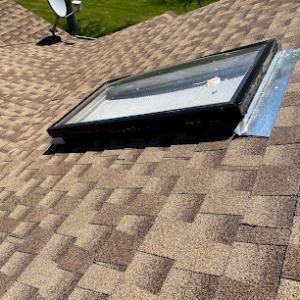
- Check flashing around vents, skylights, chimneys, and transitions after major freeze-thaw cycles.
- Practical steps:
- Schedule a mid-winter inspection by a licensed roofer if you notice curling, curling edges, or missing granules.
- Ensure roof penetrations are sealed and flashing is intact to prevent leaks during thaw events.
Wind, hail, and storm exposure
- Blackfoot can experience strong winds, especially in spring and fall. Wind uplift can lift loose shingles and expose underlayment.
- Hail events, while variable year to year, can cause cosmetic damage or punctures on certain roof types.
- Practical steps:
- Consider wind-rated underlayment and impact-resistant shingles if you're in a high-wind exposure area.
- Regularly inspect ridge lines, eaves, and transitions after storms for lifted shingles or damaged flashing.
Summer heat, UV exposure, and ventilation
- Long, hot days and strong sun degrade roofing materials over time and can accelerate adhesive drying on some products.
- Proper attic ventilation reduces heat buildup that can age roof decks and underlayment.
- Practical steps:
- Ensure soffit and roof vents are clean and unobstructed.
- Use reflective or light-colored underlayment or shingles when replacing roofing in hot exposure zones.
- Asphalt shingles with good granule adhesion and a high wind rating.
- Metal roofs, which shed snow more easily and resist ice dam buildup when installed with proper drainage.
- Composite or architectural shingles designed for higher wind and temperature cycling.
- Consider upgraded underlayment and properly sealed roof-to-wall interfaces in areas with freeze–thaw or heavy snowfall.
Seasonal maintenance plan (checklist)
1. Pre-winter: seal attic leaks, upgrade insulation, and verify ventilation paths.
2. After snow events: remove loose snow from accessible areas; avoid stepping on the roof.
3. Post-storm: check for missing shingles, exposed underlayment, or damaged flashing.
4. Spring: inspect for ice dam-related leaks and reseal as needed; clear gutters and downspouts.
5. Annual review: have a licensed roofer assess roof condition, flashing integrity, and ventilation effectiveness.
Warnings and official resources
- Warning: Do not climb on a wet or icy roof; use a roof rake from the ground and follow fall-safety guidelines.
- For local weather advisories, forecasts, and winter storm safety, consult National Weather Service resources:
-
-
- For general severe-weather planning and safety guidance, see NOAA/NWS portal at
Recommended Roofing Materials for Blackfoot
In Blackfoot's climate, asphalt shingles—particularly architectural (dimensional) shingles—are the practical workhorse. They balance cost, installation speed, and performance when paired with proper underlayment and ventilation.
- Pros:
- Cost-effective and widely available
- Good wind resistance with dimensional designs
- Wide color options to match home aesthetics
- Cons:
- Lifespan shorter than metal or tile (typically 20–40 years)
- Vulnerable to ice dams and freeze-thaw cycles if attic ventilation is poor
- Local tips:
- Choose architectural over 3-tab for better wind performance
- Pair with ice/water shield at eaves and valleys
- Ensure continuous, adequate attic ventilation to reduce ice dam risk
Metal is a strong choice for Blackfoot winters, with superb snow shedding and long life. Standing-seam or flush-seam metals install well on a variety of roof shapes and can handle heavy snow loads with proper installation.
- Pros:
- Longevity (often 40–70+ years) and low maintenance
- Excellent snow slide and energy efficiency with reflective coatings
- Fire resistant and lightweight
- Cons:
- Higher upfront cost
- Hail impact risk and potential denting (varying by material and thickness)
- Can be noisier in heavy rain without solid insulation
- Local tips:
- Use a high-quality underlayment and proper fasteners
- Consider a standing-seam system for reliability in cold, windy conditions
- Integrate snow guards if heavy snowfall accumulates
Cedar shakes offer a rustic, natural look that suits many Blackfoot neighborhoods. With proper care, they perform well, but they require ongoing maintenance.
- Pros:
- Distinctive curb appeal and good insulating value
- Lightweight relative to tile or slate
- Cons:
- High maintenance (staining, moss control, rot prevention)
- Fire risk unless treated or Class A rated
- Higher replacement costs over time
- Local tips:
- Treat with fire retardant and periodic preservative finishes
- Keep gutters clear and consider moss/mold prevention strategies
- Inspect regularly for splitting, cupping, or rot, especially on shady decks
Slate or Composite Slate
Slate or composite slate can mimic the look of natural slate with varying affordability. In Blackfoot, true slate is uncommon due to weight, but composite options provide a similar aesthetic with better installation flexibility.
- Pros:
- Extremely long lifespan and fire resistance
- Low maintenance when properly installed
- Cons:
- Very heavy (true slate) and expensive
- Requires structural roof support and skilled installers
- Local tips:
- Only consider if your roof framing can handle the load
- Verify warranty and slat compatibility with your attic ventilation plan
Clay and concrete tiles deliver durable, fire-resistant performance and a distinctive profile. They are less common in Blackfoot due to weight and snow concerns, but can be a good fit on new builds with proper structure.
- Pros:
- Excellent fire resistance and thermal mass
- Long lifespan with proper care
- Cons:
- Very heavy; requires reinforced framing
- Susceptible to breakage from hail and heavy snow pile-up
- Local tips:
- Ensure roof framing is designed for tile loads
- Plan for snow removal in areas with heavy winter snowfall
Synthetic and Composite Shingles
Synthetic options mimic wood shake, slate, or other textures while offering improved durability and lighter weight.
- Pros:
- Flexible design options and good durability
- Higher impact resistance and lower maintenance than real wood
- Cons:
- Quality varies by product; may fade with sun exposure
- Some products have shorter track records than metal or asphalt
- Local tips:
- Look for high fire resistance ratings and robust warranties
- Choose products with UV stabilization and appropriate thickness
Underlayment, Ventilation, and Installation Considerations
Even the best roofing material underperforms without proper underlayment and ventilation in Blackfoot's climate.
- Underlayment choices:
- Self-adhered ice/water shield at eaves and penetrations
- Synthetic underlayment for durability and moisture management
- Ventilation:
- Adequate attic ventilation reduces condensation and ice dam risk
- Aim for a balanced intake and exhaust system and check insulation
- Installation notes:
- Follow local code requirements for wind uplift and snow loads
- Use qualified installers familiar with Blackfoot weather patterns
Steps to select the right material for your Blackfoot home:
1) Assess roof structure, weight tolerance, and attic ventilation
2) Match climate needs to material: snow management, wind, and freeze-thaw durability
3) Consider long-term costs, warranties, and maintenance expectations
4) Consult with a local, licensed roofer for site-specific guidance and code compliance
Popular Roof Styles & Architectural Trends in Blackfoot
Blackfoot winters bring snow loads and wide temperature swings, so local roofs favor durability, snow shedding, and straightforward maintenance. Below is a practical guide to the styles you're likely to see in the area, plus how trends are shaping choices for homeowners.
Common roof styles you'll see in Blackfoot
- Gable roofs: Simple, cost-friendly, and easy to shed snow with a steep pitch. Works well with ranch and craftsman-inspired designs.
- Hip roofs: Stable in windy conditions and a good match for many rural lots; often paired with dormers for extra attic space.
- Low-slope/flat interfaces: Found on some outbuildings or modern homes; require reliable waterproofing and good drainage to handle winter melt.
- Standing-seam metal: The most popular metal option in the area due to superb snow shedding, longevity, and high wind resistance.
- Corrugated metal: A budget-friendly alternative; fast installation and a clean, modern look.
- Why homeowners choose metal: long life (often 40–70+ years), reduced maintenance, and excellent fire resistance when properly installed.
- Color and profile tips: cool, one-tone shades (gray, charcoal, blue-gray) hide dirt and blend with Alpine and rural landscapes; lighter colors can help reflect sun in shoulder seasons.
Asphalt shingles: the workhorse choice
- Architectural asphalt shingles: Provide better dimensional look and durability than 3-tab options, at a modest premium.
- Practical benefits: broad availability, ease of repair, and a good balance of cost and longevity (15–30+ years depending on product).
- When to pick asphalt: if you want a familiar look, quick replacement, and wide contractor options in Blackfoot.
Cedar shakes and shingles: rustic warmth (with caveats)
- Aesthetic appeal: natural texture and warmth that suit ranch and farmhouse styles.
- Maintenance realities: higher upkeep to prevent curling, splitting, and moisture issues; more attention to attic ventilation and underlayment.
- Fire considerations: in some newer developments, there may be stricter fire codes or treated products; verify local requirements before choosing.
Tile and slate: premium, strategic choices
- Clay or concrete tiles: heavy, long-lasting, and visually striking on certain designs; best on homes with strong structural support.
- Slate: premium look with excellent longevity; usually found on higher-end or historically inspired homes.
- Not common for all Blackfoot lots: weight and cost limit widespread use, but they appear on select custom builds and upgrades.
- Ranch and farmhouse revival: broad, low silhouettes with wide eaves; often paired with metal or asphalt roofing to balance cost and durability.
- Craftsman influences: deep overhangs, exposed rafter tails, and mixed materials; roofs often feature multiple gables and hip elements for interest and shade.
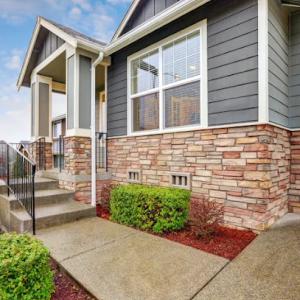
- Modern farmhouses: clean lines with generous porch framing and simple rooflines; metal or asphalt roofs complement timber accents and stone.
- Emphasis on energy and efficiency: energy-conscious builders favor well-sealed attics, radiant barriers, and reflective underlayments, especially in shoulder seasons.
- Earth tones dominate: charcoal, gray, slate, and brown hues blend with sage and cedar siding, stone accents, and timber details.
- Dark metal highlights: black or charcoal standing-seam roofs pair well with white or light trim, creating a modern rural look.
- Accent coatings: some projects use lighter eaves or capped fascia to brighten roof lines and improve reflectivity during hotter parts of the year.
1. Assess snow load and wind exposure for your property.
2. Balance structural capacity with roof shape (gable vs hip) to optimize shedding and insulation.
3. Compare long-term costs: upfront price, maintenance, and expected lifespan.
4. Check local fire code requirements and HOA or neighborhood guidelines if applicable.
5. Plan for attic ventilation and proper underlayment to protect against moisture and ice dams.
6. Choose a color family that harmonizes with siding, stone, and landscape for curb appeal and resale value.
Average Roofing Costs in Blackfoot
- Asphalt shingles (3-tab): Installed, about $4.50-$6.50 per sq ft. That's roughly $450-$650 per square for a standard roof.
- Architectural/laminated asphalt shingles: Installed, about $5.50-$8.00 per sq ft. Roughly $550-$800 per square.
- Standing-seam metal: Installed, about $8.50-$12.00 per sq ft. About $850-$1,200 per square.
- Stone-coated or specialty metal: Often near the higher end of metal ranges, $9.50-$14.00 per sq ft.
- Clay or concrete tile: Installed, about $10-$15 per sq ft. Roughly $1,000-$1,500 per square.
- Slate: Installed, typically $15-$30 per sq ft. About $1,500-$3,000 per square.
Note: a “square” equals 100 square feet. Local labor, disposal, and permit costs can shift these ranges up or down by 10-25% depending on the project.
Style and architecture impact on price
- Simple, single-story ranch or bungalow roofs with clean lines tend to be on the lower end of cost ranges.
- Homes with multiple roof planes, dormers, skylights, gutters integrated into the roof line, or sharp pitches add complexity and drive up labor and material costs.
- Architectural shingles cost more than basic 3-tab shingles but deliver better aesthetics and warranty coverage; this typically increases total project price by 15-35%.
- In Blackfoot, older homes with decorative touches or unusual roof structures (curves, eyebrow dormers) can push prices higher due to extra flashing, underlayment, and access considerations.
Local factors that influence the total
- Roof pitch and snow load considerations: steeper pitches and ice-dam protection add material and labor time.
- Old roof removal: if existing layers must be torn off, add roughly $1,000-$3,000 (or more) depending on roof size and number of layers.
- Underlayment and ice/water shield: higher requirements for cold, windy winters can raise costs by a few hundred to over a thousand dollars.
- Accessibility and haul-away: limited yard access or long driveways increases equipment time and disposal costs.
- Permitting and code upgrades: some neighborhoods require upgrades to ventilation, flashing, or attic insulation, adding to the base price.
- Local market factors: seasonal demand, contractor availability, and disposal fees vary by season and location.
- Small home, ~1,200-1,400 sq ft roof, 3-tab asphalt shingles: typically $5,000-$7,000.
- Medium two-story home, ~1,800-2,000 sq ft roof, architectural shingles: typically $9,000-$14,000.
- Modern home with multiple slopes and dormers, ~2,500 sq ft, standing-seam metal: typically $16,000-$28,000.
- Tile roof on a ~2,000 sq ft home: typically $20,000-$30,000 (highly dependent on pitch and support structure).
Steps to get an accurate quote
1. Confirm roof size in squares (1,000 sq ft) and rough roof pitch.
2. List roof features: dormers, skylights, chimneys, vents, gutters integrated into roofing.
3. State whether old roofing will be removed or if a re-cover is planned.
4. Provide access details and any winter scheduling constraints (Blackfoot winters can affect timing).
5. Collect at least three written bids that specify material type, underlayment, venting upgrades, warranty terms, and disposal fees.
- Consider mid-range architectural shingles for a balanced mix of longevity and appearance.
- Plan for proper attic ventilation and ice/water shield where required to reduce long-term damage and energy costs.
- Schedule installations in shoulder seasons to potentially secure lower labor rates.
- Bundle related work (gutters, insulation, or soffit/fascia updates) with roofing to qualify for contractor package discounts.
Permits & Local Regulations
In Blackfoot, most reroof projects involve some level of permitting, especially if you're removing decking, installing new underlayment, or making any ventilation or structural changes. Even when you're simply replacing shingles with the same materials, it's wise to confirm with the local jurisdiction—permitting rules can vary by project scope. The City of Blackfoot Building Department is the right starting point.
- City of Blackfoot Building Department is the primary source for residential roofing permits.
- Bingham County may handle permit matters for unincorporated areas or tied-in services; verify whether your address falls under city or county authority.
- Always check the latest requirements on the Blackfoot city website or by calling the department directly.
When is a permit required (and when isn't it)?
- Required in most reroof projects that involve removing existing materials, replacing decking, adding or relocating vents, skylights, or chimneys, or altering attic ventilation.
- Possible exemption in very limited cases where you're performing cosmetic repairs or resealing without any changes to structure or roof framing. However, this exemption varies by jurisdiction, so always confirm with Blackfoot's Building Department before starting.
What you'll need to apply
- Address and a clear scope of work (roof replacement, new vents, skylights, etc.).
- Description of roofing materials (shingle type, underlayment, ventilation products) and proposed color if applicable.
- Contractor information: license number, company name, and contact person.
- Structural details if applicable (any changes to rafters, decking, or load-bearing components).
- Estimated project value or job cost.
- Any required drawings or product specifications requested by the plan reviewer.
Plan review, permits, and fees
- Plan review is handled by the local building department; some projects are reviewed on the spot, others require more detailed submittals.
- Fees depend on the scope and value of the project and can include permit, plan check, and inspection charges.
- Expect a processing period before inspections can begin; large or complex reroofs may require additional documentation.
Required inspections
- Common inspection milestones include:
- Pre-roofing/underlayment stage: verify decking, underlayment, and ventilation installation meet code.
- Final roof completion: confirm shingles or other coverings are properly installed and flashing, vents, and penetrations are sealed.
- Schedule inspections ahead of time and maintain access for the inspector. If issues are found, you'll typically be given a correction notice and a follow-up inspection will be needed.
- Blackfoot generally follows Idaho's statewide building codes (IRC/IBC) as adopted by the Idaho Building Code Board, including wind and snow-load requirements relevant to roofing.
- If your home is in a historic district or subject to neighborhood covenants, verify any additional rules with the city or homeowners association.
- Start work only after obtaining the permit; work started without a permit can result in fines, stop-work orders, or required removal of unpermitted work.
If you hire a contractor
- Ensure your contractor pulls the permit in your name or on your behalf and lists the project address correctly.
- Confirm the contractor is properly licensed and insured for roofing in Idaho; request their license number and a copy of their insurance certificate.
- Expect the permit number to appear on invoices and final paperwork; keep all permit-related documents for your records.
Quick tips to speed things up
- Have digital copies ready: photos of the current roof, materials spec, and any ventilation plans.
- Provide a detailed scope of work to avoid back-and-forth during review.
- Choose a contractor who is familiar with Blackfoot permitting; they may handle most submittals for you.
Common Roofing Problems in Blackfoot & Solutions
Ice dams and attic ventilation
In Blackfoot, heavy winter snows and cold snaps can create ice dams where melted snow refreezes at the eaves, forcing water under shingles.
- Causes
- Warm attic air melting snow near the roof line
- Poor insulation or air sealing
- Inadequate soffit and ridge venting
- What to look for
- Icicles hanging from the edge, staining on interior ceilings, and damp attic insulation
- Solutions (practical steps)
1) Check attic insulation and air sealing (aim for a well-sealed attic with sufficient R-value for your home).
2) Improve ventilation: ensure soffit vents feed a continuous venting path to ridge vents or a properly installed roof venting system.
3) Safely remove snow from the roof with a roof rake from the ground; avoid climbing on icy surfaces.
4) Use calcium chloride ice melt along the dam edge as a temporary measure—careful to follow label directions and keep it away from gardens.
5) If leaks occur, dry out the area and call a roofer to inspect and repair flashing or insulation as needed.
Shingle damage: curling, cracking, and granule loss
Shingle wear is common after several winters and from sun exposure and wind.
- Symptoms
- Curled or blistered edges, missing or cracked shingles, excessive granule buildup in gutters
- Solutions
- Replace damaged shingles in the affected area; mismatched patches look odd, so plan a full-row replacement if many shingles are compromised
- Check nail lines: improper nailing can cause cupping or wind uplift; reinstall with proper nailing pattern
- Inspect underlayment for moisture; if damaged, replace the affected section
1) Identify all damaged shingles from ground as best you can; mark them for replacement.
2) Remove and replace only the damaged pieces, or do a full-row replacement if necessary.
3) Re-seal seams and ensure surrounding shingles lie flat and firmly fastened.
Wind damage and lifting edges
Strong Idaho winds can loosen shingles, especially at edges and ridges.
- What to do
- Look for lifted corners or flashing gaps after storms
- Check ridge caps and flashing around vents and chimneys
1) Re-nail loose shingles with corrosion-resistant nails, securing them every 6–8 inches along each shingle.
2) Reconfirm and seal flashing joints; replace damaged flashing where needed
3) If wind damage is widespread, consider professional evaluation for underlayment and overall roof integrity
Moss, algae, and surface staining
Shaded, damp spots promote moss and algae growth on roofs in Blackfoot's climate.
- Why it happens
- Prolonged moisture, trees shading the roof, mineral deposits
- Management
- Gentle moss removal with a plastic scraper; avoid wire brushes that can scar shingles
- Treat with a moss-killer solution following label instructions
- Install zinc or copper strips near the ridge to slow new growth; trim overhanging branches to increase sun exposure
Leaks around flashing, chimneys, and vent pipes
Leaks often trace to aging or damaged flashing and sealants.
- Signs
- Water staining near chimney or vent penetrations, soft or loose flashing
1) Inspect flashing around penetrations; replace any deteriorated step flashing or counter-flashing
2) Clean joints and reseal with a compatible roof sealant; ensure seams are fully sealed
3) If the flashing pocket is damaged, replace the affected section and re-seal
Condensation and attic moisture
Poor air movement in the attic can cause condensation and mold risk.
- Indicators
- Musty odors, damp insulation, frost on attic surfaces
- Remedies
- Improve attic ventilation with soffit vents and ridge vents
- Seal air leaks between living spaces and attic; add baffles to maintain airflow above insulation
- Confirm insulation depth and uniform coverage across the attic
Gutter and drainage problems
Clogged or slow gutters lead to water backup, ice buildup, and foundation concerns.
- Symptoms
- Sagging gutters, ice dams, water pooling near the foundation
- Actions
- Clean gutters and downspouts twice a year; ensure outlets direct water away from the house
- Install guards or micro-mesh screens to reduce debris
- Check for proper slope (roughly 1/16 inch per foot) and repair if necessary
- Asphalt shingles: common and affordable, but susceptible to freeze-thaw cycles; ensure good underlayment and proper attic ventilation
- Metal roofs: durable and hail-resistant, but fasteners and seams need periodic inspection; heat expansion can affect seals
- Wood and tile: less common here, but require frequent maintenance in harsh winters and shade-prone areas
- Quick prevention tips
- Schedule seasonal roof inspections after major storms
- Keep trees trimmed away from the roof
- Maintain consistent attic ventilation and insulation year-round
Maintenance & Repair Tips for Blackfoot
Seasonal readiness
Blackfoot's cold winters and heavy snow mean proactive upkeep pays off. Plan a simple, twice-a-year rhythm: a fall prep and a spring check, with quick summer and winter spot-inspections after storms. When you work on the roof, prioritize safety and avoid climbing on wet or icy surfaces.
- Fall prep: clean gutters and downspouts, inspect shingles for curling or missing granules, check flashing around chimneys and vent pipes, and trim branches that overhang the roof.
- Winter readiness: boost attic insulation and confirm proper ventilation to minimize ice dam risk; seal gaps around pipes and attic hatch ways from the inside; keep a roof rake handy and use it from the ground to remove loose snow from the eaves.
- Spring checks: look for wind or hail damage, reseal flashing where needed, scrub moss or algae, and ensure gutters drain properly.
- Summer checks: after thunderstorms, inspect for isolated damage, loose fasteners, or exposed nail heads and reseal as needed.
Snow and ice dam prevention
Ice dams are a common Blackfoot issue. Prevention hinges on keeping the roof and attic temp steady and the eaves clear.
- Improve attic insulation and ensure soffit vents are clear to promote continuous ventilation to the ridge.
- Regularly rake off accumulated snow along the eaves to reduce meltwater at the edge.
- Use heat cables only where necessary and per manufacturer instructions; avoid overloading circuits and keep cables away from walkways.
- If you notice ice buildup along the gutters or roofing edge, address it early to reduce water backflow into flashing joints.
Roof material care
Different roof types demand targeted care. Here's how to approach the main options around Blackfoot.
- Asphalt shingles: watch for curling, cupping, or missing granules; if more than a couple of shingles are affected in a small area or you see exposed felt, plan a repair or replacement. Keep nail heads sealed and consider replacing damaged shingles in small sections to extend life.
- Metal roofing: look for loose or exposed fasteners and flashing seams; tighten or reseal as needed with compatible washers and sealant; check for corrosion spots and treat promptly.
- Cedar shakes: inspect for rot, split boards, or moss buildup; replace rotten shakes and treat nearby boards to slow decay; remove heavy moss if it traps moisture.
- Slate or tile: check for cracked or broken pieces after storms; replace individually when possible to avoid full re-roofing.
Inspection cadence and signs
Routine checks help catch problems before they become costly.
- Do a ground-level visual twice a year and a short attic inspection seasonally.
- Inside the attic, look for water stains, dark damp spots, or musty smells; on the exterior, inspect flashing joints, vent boots, and chimney ledges; clear gutters and downspouts to ensure proper drainage.
- Signs of trouble include: persistent staining on ceilings, curling or missing shingles, granule loss in gutters, or rust on metal flashing.
Quick DIY repair steps
For small, local leaks or damaged shingles, you can handle a temporary fix and plan a longer-lasting repair.
1) Safety first: set up a sturdy ladder, use fall protection if needed, and avoid wet surfaces.
2) Locate the source: trace from inside to the roof, or follow discoloration to the ridge or flashing seam.
3) Clean the area: remove debris, dry the surface, and lightly abrade where you'll seal.
4) Seal temporarily: apply roofing cement or exterior silicone over the seam or nail head, then cover with a patch of self-adhhering roof repair tape or a new shingle piece for the area.
5) Secure and seal: re-nail loose shingles or flashing with corrosion-resistant nails; seal all seams with compatible sealant.
6) Plan for permanent repair: if the patch is large or near critical flashing, schedule a professional replacement or re-flash.
When to hire a pro
Call a roofer if you notice any of the following: sagging roof deck, widespread curling or missing shingles across a large area, extensive flashing failure, large ice dam buildup, hail damage with visible dents, or leaks that persist after a temporary fix.
Interior checks and moisture control
Keep an eye on indoor signs of roof issues.
- In the attic, monitor for new stains, damp insulation, or mold growth after storms.
- Check ceiling spots below attic storage or near vents for moisture that indicates slow leaks.
When to Repair vs. Replace
Assess the roof age and material
- In Blackfoot, the local climate (cold winters, snow, freeze-thaw cycles) wears roofs differently. Asphalt shingles typically last 20–30 years; architectural/three-tab shingles can stretch toward 25–40 with proper maintenance. Metal roofs can push 40–70 years with good upkeep.
- If your roof is nearing the end of its expected life, frequent repairs won't buy you much longer. Replacement often becomes the smarter long‑term investment.
- Note any recent upgrades you've made (ventilation, underlayment, insulation)—these can extend what you get out of a replacement or a repair.
Damage type and extent
- Localized issues are often repairable: a handful of missing or cracked shingles, isolated leaks, or small areas of granule loss.
- Widespread damage is a red flag: many cracked shingles, buckling, curling, or leaks across multiple sections, especially near valleys or edges.
- Signs of moisture inside the attic (stains, damp insulation) point to broader problems that may require more than a patch.
Deck condition and structural integrity
- If the roof deck (sheathing) is soft, warped, or visibly sagging, repair patches won't fix structural risk. Replacement becomes the safer option.
- Individual repairs are reasonable when the decking is solid and the damage is contained to surface components (shingles, flashing, underlayment).
Costs, warranties, and future needs
- Repair costs are attractive for small issues, but repeated repairs in a short span can exceed replacement costs.
- Consider warranties: if the current roof's warranty is near expiration, or you're seeing leaks under a new warranty-covered product, replacement with a new warranty may be advantageous.
- Energy efficiency and ventilation matter: replacing can improve insulation/ventilation, reducing heating bills in Blackfoot winters.
- Plan major work for late spring to early summer when weather is more predictable and the roof is dry.
- Avoid extensive repairs in deep winter or during heavy snow; ice dam risk is higher and working conditions are tougher.
- If you face an emergency leak in winter, prioritize a temporary fix to stop water intrusion, then schedule replacement when feasible.
When to repair (specific scenarios)
- Minor damage on a roof under 20–25 years old.
- A few damaged shingles or small leaks in isolated spots.
- No signs of decking rot or sagging structure.
- You want to extend the life of a roof that's still well within its expected lifespan and the repair cost is reasonable.
When to replace (specific scenarios)
- Roof age is near or beyond the expected lifespan for the material, and highs repairs are piling up.
- Extensive damage: widespread shingle failure, buckling, curling, or multiple leaks across the roof.
- Decking is soft, rotted, or sagging.
- You're losing energy efficiency, or you want better ventilation and updated underlayment for future reliability.
- Recurrent leaks despite multiple repairs in a short period.
Quick decision framework (5 steps)
1) Document damage: map affected areas, take photos, and note attic signs of moisture.
2) Assess deck health: any soft spots or noticeable sagging? If yes, lean toward replacement.
3) Estimate costs: compare a solid repair package vs. full roof replacement with current materials.
4) Consider warranties: how much coverage you'd keep with repair versus new product warranties.
5) Weigh climate impact: in Blackfoot, heavy snow and ice dams favor durable, well-ventilated, modern underlayment—often tipping the scales toward replacement.
- For repairs, prioritize flashing, attic ventilation, and addressing ice dam risk in cold months.
- If replacement is chosen, think about durability in Idaho winters: ventilated soffits, ridge vents, and a roof color/material that minimizes heat absorption.
- Get multiple local quotes to compare not just price, but material options, warranty terms, and added protections for cold climates.
When to Hire a Professional
Signs you should call a pro
- You have active leaks, stains on ceilings, or damp insulation after rain or thaw.
- Shingles are missing, cracked, curled, or raised, or you can see exposed roof deck.
- The gutters are full of shingle granules, or you notice blistering or soft spots on the roof deck.
- There's visible sagging or you suspect structural concerns, especially after a heavy snowfall.
- Ice damming recurs during Boise-style cold snaps or Blackfoot winter weather, causing interior moisture.
- A recent severe storm or hail event left dents, punctures, or widespread damage.
- Winter considerations: In Blackfoot, cold snaps and ice dams can mask roof problems until spring thaw. If you notice ice dams, gutter backups, or water intrusion, a professional should assess promptly.
- Spring and summer windows: Late spring through early fall offer the most reliable weather for roofing projects in Blackfoot. Scheduling during these months reduces weather-related delays and helps ensure proper installation.
- Permits and inspections: Most reroofs require a permit in Blackfoot/Bingham County. A local contractor should pull permits, coordinate inspections, and handle disposal. Plan for permit processing time when booking.
- Snow and wind: High winter winds and heavy snow loads can affect shingle life and flashing. If you suspect wind damage, have a pro inspect before the next storm season.
- Local references: Ask for a minimum of 3 local references with similar home sizes and roof types. Call or visit recent jobs in Blackfoot or nearby towns.
- Track record and photos: Review recent Blackfoot-area projects, before-and-after photos, and year-labeled job sites.
- Licensing and insurance: Verify the contractor has valid liability insurance and workers' compensation. Request a current certificate and verify license status with the state or local authority.
- Written estimates: Get 3 written bids that include material specs, underlayment, flashing, ventilation, waste disposal, and warranty terms. Compare not just price, but value.
- Warranties and materials: Confirm manufacturer warranties on shingles, plus contractor workmanship guarantees. In Blackfoot, local climate can affect warranty eligibility; ensure requirements are clear.
- Local compatibility: Ask about curb appeal, color options that hold up to the Central Idaho sun, and how they plan to protect landscaping during removal and installation.
Insurance, licensing, and documents to request
- Proof of general liability and workers' compensation insurance.
- License details or classification appropriate for roofing work; request the license number and verify it.
- Written contract with scope of work, materials, timeline, payment schedule, and warranty specifics.
- Permit handling agreement and a plan for site cleanup and debris disposal.
- A clearly written change-order process and lien-waiver policy.
1) Verify license, insurance, and local references; confirm they service your Blackfoot neighborhood.
2) Review bids side-by-side for materials, ventilation, underlayment, and roof deck protection; check for hidden costs.
3) Confirm permit handling, project timeline, warranty details, and weather contingencies before signing.
Questions to ask during the initial consult
- Do you pull permits, schedule inspections, and handle debris disposal? Are there extra permit fees?
- What's the expected timeline, including weather-related delays? How do you handle days when conditions are unsafe?
- How will you protect landscaping, walls, and driveways? What waste containment methods do you use?
- Who will be on-site, how many workers, and what training do they have? Do you use subcontractors?
- What are the material choices, color options, and expected lifespans? What does the workmanship warranty cover and for how long?
Putting A Lid On It: Roof Maintenance, Repair, and Replacement in Blackfoot
Blackfoot's winters bring heavy snow and ice, while sun and wind push on roofing year-round. Regular maintenance helps prevent ice dams, leaks, and heat loss, saving you money and keeping your home comfortable through our four seasons. A small, steady effort—season by season—adds up to a roof that stands up to Blackfoot weather and looks great doing it.
A practical plan starts with simple checks and timely professional help when needed. Think of maintenance as a shield: minor fixes now prevent big, disruptive problems later. Here's a straightforward way to keep things in good shape.
Seasonal checks and small fixes
- Fall or pre-winter: schedule a professional roof inspection if you haven't in a while. Check attic insulation and ventilation; ensure soffit vents aren't blocked and are flowing air properly to prevent ice dams.
- Gutters and downspouts: remove leaves and debris, secure loose sections, and ensure water is directed away from the foundation.
- Shingles and flashing: look for missing, curling, or blistered shingles; inspect flashing around chimneys, skylights, and vent pipes for loose caulking or gaps.
- Snow and ice: use a roof rake from the ground to remove heavy snow buildup near eaves when safe; avoid climbing on a snowy or icy roof.
- After storms: inspect for damage from hail or high winds; note missing granules, dented metal, or loose flashing.
Maintenance basics you can tackle
- Trim overhanging branches to reduce debris and damage risk.
- Keep gutters clean and free of obstructions; ensure proper drainage to prevent pooling near the edges.
- Clear moss or algae gently; bid adieu to anything that compromises shingle life, but avoid aggressive scrubbing that can wear protective layers.
- Check attic access and seal any obvious gaps to minimize heat loss and ice dam risk.
Repair vs. replace: reading the roof's telltales
- Small, localized issues (a few damaged shingles, flashing leaks) are often repairable.
- Widespread shingle deterioration, significant granule loss, or a roof aging beyond 20–25 years usually points toward replacement.
- Material choice matters: asphalt typically 20–30 year life, metal 40–70 years, tile or synthetic options can extend longer. A professional can help match materials to Blackfoot conditions and budget.
Choosing the right help and staying safe
- Get multiple, written estimates; verify licenses and insurance; ask for prior client references.
- Ensure workmanship warranties and manufacturer warranties are clear.
- Never sacrifice safety: if you're unsure or conditions are icy, contact a licensed roofer rather than climbing on the roof yourself.
A well-loved roof is a cornerstone of a confident home. With steady care, you can protect your Blackfoot house from snow, ice, and sun—and keep it looking welcoming for years to come. Here's to a durable, beautiful roof that our community can be proud of.