
Last updated: Apr 19, 2026
Rexburg homeowners deal with prolonged winter snow cover and repeated freeze-thaw cycles that can back water up at eaves and vulnerable roof transitions. When a heavy snowpack sits on the roof, meltwater fights for drainage paths, and every warm spell followed by a hard freeze can push water up under shingles or through joints. That backflow concentrates at eaves, valleys, and step flashings, where a small lapse in protection becomes a big problem by spring thaw. The winter pattern on the Upper Snake Plain intensifies this risk, making the accuracy of every detail from insulation to drip-edge crucial for a leak-free season.
The city sits on the Upper Snake River Plain, where cold continental winter conditions make attic heat loss and ventilation performance especially important for ice dam prevention. If attic warmth escapes into the roof deck, snow melts near the eaves while the higher interior roof sections stay cold, forming a dam as meltwater refreezes at the edge. Your risk rises if soffit ventilation is blocked, if insulation doesn't reach the correct depth, or if baffles aren't installed to keep airflow unobstructed between the attic and the eave. A tight, well-ventilated attic is not optional-it's the first line of defense against costly ice dam damage that targets gutters, flashing, and interior ceilings.
Roofing decisions here hinge on how well assemblies handle snow retention, meltwater drainage, and underlayment protection during late-winter thaw periods. A roof that sheds snow predictably reduces prolonged weight loads and the risk of ice dams at transitions. Consider gutters and downspouts that can handle peak melt rates, along with roof edges that allow controlled retreat of snow rather than blanket accumulation against walls or dormers. In practical terms, this means selecting edge details, flashing, and drainage components that resist clogging by debris and are compatible with the local snowfall patterns. Poorly integrated details invite ice buildup at fascia lines and along chimneys, where leaks can invade living spaces.
Different roofing materials respond to Rexburg's conditions in distinct ways. Durable underlayment is non-negotiable, because late-winter thaws stress every layer of the roof assembly. For shingles, prioritize products with robust saturated felt or synthetic underlayment that stands up to repeated moisture cycles, and pair them with ventilation-friendly decks. Metal roofing can shed snow more predictably but requires precise installation of snow guards and secure fastenings to prevent leaks at lapped joints during freeze-thaw transitions. Clay and concrete tiles offer excellent durability but demand careful alignment with attic venting and a solid underlayment system to prevent water infiltration at breakpoints. Wood shingles and synthetic/composite options each have their own performance profile under freeze-thaw stress; the key is matching the product to the roof's ventilation, insulation, and drainage plan.
First, verify attic insulation and ventilation are up to the task: R-60 or higher in many Rexburg homes, with clear airflow from soffits to ridge or turbine vents. Inspect for gaps around chimneys, vent stacks, and attic access, and seal them to prevent warm leaks into the roof plane. Second, review underlayment quality and installation details at eaves, valleys, rakes, and transitions; these are the pressure points where water moves during thaw cycles. Third, install or upgrade ice-and-water shield along eaves and at critical transitions, not as an afterthought but as a core protection layer that remains effective through repeated freeze-thaw cycles. Finally, plan drainage improvements that reduce standing meltwater: ensure gutters drain freely, downspouts discharge away from walls, and roof geometry supports efficient meltwater pathing rather than creating narrow bottlenecks where damming forms.
Watch for soft or curling shingles at edges, dark streaks or staining near eaves, excessive ice buildup at gutters and vent openings, and interior ceiling stains following thaws. If you notice recurring ice dam formation, address insulation and ventilation first, then review edge details and flashing. Small upgrades now-improved attic conditioning, targeted flashing reinforcement, and a properly installed underlayment-can prevent expensive water intrusion later. In Rexburg, where winters linger and thaws return with pressure, proactive protection at the roof edge keeps your home dry and your living spaces safer from the constant cycle of melt and freeze.
In Rexburg, roof claim activity tends to rise after spring hail and wind events rather than coastal storm seasons or wildfire-driven losses. That pattern means your roof may be under more pressure during the late spring through early summer window, when unpredictable squalls can punch through the valley and leave you with hidden damage. Snow loads from the long winters also compound issues once warmer days arrive, so a small wind-blown dent or granule loss can escalate quickly if left unaddressed.
Scheduling can become unpredictable in peak storm months because local demand spikes after hail and wind damage across Madison County and nearby communities. Contractors will be stretched thin, and response times stretch as crews chase backlogged claims and tight timelines. With fall-out from a surge in damage, trying to secure a dependable crew and a firm start date can feel like threading a needle. Plan ahead, call early after any hail event, and set realistic expectations for both assessment and replacement windows.
Homeowners should document damage with date-stamped photos, contractor assessments, permit records, and roof age details because insurers commonly use adjusters to verify storm causation and replacement history. Start with wide shots of the roof and surrounding property, then zoom in on visible dents, lifted shingles, granule loss, and any glacier-like ice dam indicators from the previous winter. Keep a simple log of dates when you noticed issues, who you spoke with, and what the contractor advised. When possible, obtain a written assessment that clearly links the damage to the event in question, not to ongoing wear. This documentation travels with the claim and reduces the chance of disputes during the adjustment process.
If you experience a hail or wind event, walk the roof as soon as safely possible and note any missing shingles or new granules in gutters. Contact licensed local roofers promptly for a no-pressure evaluation; credible inspectors will offer an objective assessment focusing on weather-driven damage rather than cosmetic concerns. Request a written summary that includes recommended repair or replacement steps, and ask for a detailed timeline that accounts for the region's spring weather unpredictability. For your side, preserve all communications and keep every photo organized by date. A well-documented case, together with a credible assessment, makes the adjustment process smoother and protects you from delays caused by the season's rush.

Rocky Mountain Construction Company
(208) 228-0008 www.rockymountainconstructionidaho.com
145 W 2nd N 103 Suite 103, Rexburg, Idaho
4.3 from 11 reviews
Rocky Mountain Construction Company, LLC provides roofing, remodeling, windows, doors, and siding, services to the Rexburg, ID area.
Slade Roofing
Serving
5.0 from 490 reviews
We specialize in commercial & residential roofing solutions, including asphalt shingles, low-slope roofing, and synthetic wood shake. Founded by an insurance expert, our mission is to prevent unnecessary roof claims. With three licensed insurance agents & a licensed insurance adjuster with 50+ yrs of experience on our team, we are the #1 choice for handling roof claims. We help homeowners navigate the claims process seamlessly while delivering high-quality, warrantied roofing systems. Backed by a 25-year leak warranty and a 50-year product warranty, our fire, hail, and wind-resistant roofs are built to last. Most roofs are completed in one day! Discover why SLADE stands for Service, Longevity, Accountability, Durability, and Efficiency!!
Weatherbuilt
(208) 760-8688 weatherbuiltpro.com
Serving
5.0 from 30 reviews
Weatherbuilt is a professional roofing company that services Eastern Idaho. We have a reputation for being honest and doing quality work. We specialize in residential, multi-family, and commercial construction. Call today for a free estimate!

Briggs Roofing Company
(208) 745-9002 briggsroofing.com
Serving
4.3 from 96 reviews
Briggs Roofing is a full service roofing company that specializes in shake, shingle, tile, metal, DaVinci, and slate roof replacements. We service both residential and commercial properties. The Briggs family has been roofing for 4 generations, serving East Idaho and surrounding areas for over 80 years. We have seen products come and go and install a proprietary roof system called the WeatherXT which was designed for the extreme weather we encounter in Idaho and the Northern Rocky Mountains to the Salt Lake area. We only install the best products backed by Manufacturers and Briggs Roofing holds many certifications. Our WeatherXT system goes above the manufacturers minimum requirements, because the areas extreme weather patterns demand more.
Gibson Roofing
(208) 970-2640 www.facebook.com
Serving
5.0 from 24 reviews
For quality roofing services, call Gibson Roofing! We provide residential & commercial roof repair & installation services in Rigby, ID, Idaho Falls & the surrounding area!
RoofTop Solutions
Serving
3.9 from 27 reviews
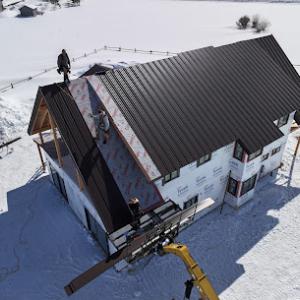
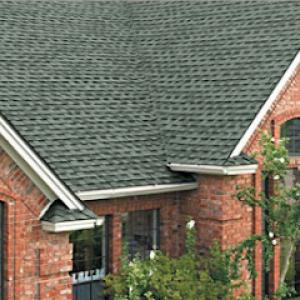
RoofTop Solutions, Inc. is a roofing contractor based out of Rigby, ID. We remove and install all types of roofs including Asphalt Shingles, Metal, Wood Shakes, TPO, EPDM, Synthetic Shakes and more. We service areas in Island Park, Jackson Hole, South East Idaho and everywhere in between. Contact us today to find out how we can help you! 208-745-6860
Smith Roofing
(208) 745-7588 www.smithroofingpros.com
Serving
4.1 from 19 reviews
It's simple really, if you live anywhere around Pocatello, Idaho Falls, or Jackson Hole, or anywhere in between, we want to talk to you. If you visit our gallery, you will notice that we can handle jobs of all sizes and we are happy to provide you with an estimate on your job. So take a few minutes and look around our website, and when you are ready to take that next step, If you need roofing,siding,guttering or repairs done to your home,then contact us, and we'll help you get going. A good roof over your head is more than just a slogan, it gives you piece of mind.
Wright Roofing
(208) 522-4474 www.wrightroofinginc.com
Serving
4.8 from 104 reviews
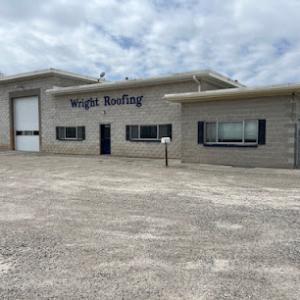
At Wright Roofing, Inc , our goal is to handle anything in regards to roofing -- and we excel at that! Our full-service approach to roofing installation, roof repair, and much more, will ensure that you don't need to rely on any other contractors to your roofing requirements.
High Country Xteriors
(208) 776-1227 highcountrybuilds.com
Serving
5.0 from 56 reviews
At High Country Roofing, we’ve been remarked for being the best choice for both commercial and residential roofing in Rigby, Idaho. With over 10 years of industry experience, our commitment to excellence and quality craftsmanship has earned us countless positive reviews and a strong reputation in the community. Homeowners and business owners alike trust us to handle their roofing needs, from installation to maintenance and repairs. Our dedicated team ensures every project is completed to the highest standards, using top-quality materials for lasting durability. Don’t just take our word for it—our satisfied customers can attest to. Take a look at our website to see how we can bring you safety and conformity to your home today.
Premier Roofing & Restorations
(208) 351-5340 www.premierroofingservice.com
Serving
4.9 from 87 reviews
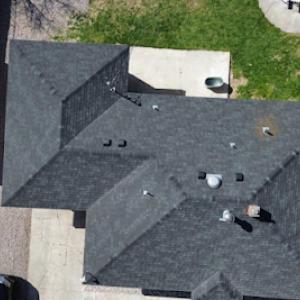
Premier Roofing & Restorations is a locally owned and operated Idaho Falls and Pocatello roofing company. We dedicate our efforts to providing residential and commercial roofing services for clients throughout Eastern Idaho. We install shingle roofs and flat roofs. We serve Idaho Falls, Pocatello, Rigby, Chubbuck, and the surrounding areas. We offer free roof evaluations and inspections. And now we are offering home inspections! Rest assured that we only suggest home improvements and roofing work that need to be done.

Jr Roofing
(208) 520-7970 jrroofingidaho.com
Serving
4.6 from 62 reviews
We specialize in roof replacement roof repair and new roof installation of both residential and commercial roofs in Idaho Falls & the surrounding areas. We have over 20 years of professional roofing experience.
Winter in this corner of the Upper Snake River Plain delivers heavy snow, repeated freeze-thaw cycles, and long stretches of cold, clear nights. A roof should be approached as a system: structure above, underlayment below, and a surface capable of resisting ice dam formation. Asphalt shingles remain common because they fit mainstream residential construction, but in Rexburg their performance faces test from hail impact, thermal cycling, and winter granule loss. When selecting a shingle, prioritize a high-quality, impact-resistant variant with a stout second layer and a durable granular surface that minimizes granule shed after a harsh winter. Pay attention to roof slope and attic insulation; adequate insulation reduces winter condensation and the risk of ice damming at the eaves.
Metal roofing presents a practical advantage for shedding snow, a frequent need during heavy late-season storms. If metal is chosen, detailing becomes critical: snow guards or barriers should be planned to prevent large snow slides from damaging gutters, siding, or entryways. Eave protection needs to extend beyond ordinary drip edge to reduce water intrusion from rapidly melting snow. Condensation control gains prominence in cold weather; install a continuous, well-sealed underlayment, and ensure attic ventilation aligns with the roof plan so that any warm air pockets don't create additional freeze-thaw stress. In Rexburg's climate, condensation control is not optional-it's a preservation step for both underlayment and the roofing deck.
Clay and concrete tile appear in the local material mix, but they are less naturally aligned with Rexburg's snow and freeze-thaw conditions unless structure, underlayment, and cold-weather detailing are handled correctly. Tile demands a precise substrate, a robust fastener plan for freeze-thaw cycles, and careful flashing around penetrations. If clay or concrete is considered, verify that the roof deck, underlayment, and fastener kits are rated for subfreezing performance and that the installation includes frost-resistant sealants and back-up drainage paths to prevent standing water in winter.
Durable installation in this market means attention to fastener length, thermal expansion allowances, and proper nailing patterns for each material. For asphalt, ensure architectural-grade shingles with a proven wind and hail resistance come with appropriate underlayment support to fend off moisture intrusion during thaw cycles. For metal, confirm that panels and trims are sealed at joints and that condensation channels are integrated into the design. For tile options, confirm structural capacity to carry added weight from snow and ice, plus a robust underlayment that remains flexible in very cold temperatures. Each choice benefits from a local, weather-aware installation plan that prioritizes long-term performance through Rexburg winters.
Rexburg replacement timing is commonly pushed to spring or fall to avoid winter weather delays and to improve installation conditions for sealing and curing. The idea is to hit milder days when crews can maneuver underlayment and shingles without chasing snow drifts or melting ice. If a roof must be done in late fall, plan for early finish before heavy snows start, so crews can complete drip edge and flashing before milder temperatures end.
Cold-season reroofing can be complicated by snow cover, icy tear-off conditions, and reduced flexibility in some roofing materials. Snow on the roof slows tear-off and can complicate attic ventilation checks during the project. Ice dams threaten new work if gutters and vents aren't fully cleared, and frozen shingles don't seat as well. If winter work is unavoidable, expect longer project timelines and extra precautions to keep pathways clear and warm supplies accessible.
Summer in Rexburg is warmer and drier than winter, but UV exposure and midday heat still affect underlayment handling and crew scheduling. Higher daytime temperatures can soften some underlayment temporarily, so crews may stagger tear-off and installation to prevent wrinkling or premature drying. Schedule the hottest days for non-adhesive tasks and keep crews rotating to avoid heat-related delays. Adequate attic venting remains critical to maintain shingle sealing and prevent moisture buildup during a prolonged heat spell.
Freeze-thaw cycles drive the need for careful installation details. Materials that tolerate expansion and contraction well, like quality underlayment and properly sealed flashing, fare better when temps are moderate during installation. If replacing beyond the shoulder seasons, verify that the crew accommodates extra drying time for sealants and fasteners to achieve a durable seal. On roofs with complex penetrations or poor insulation, plan extra daylight and a slightly slower pace to ensure proper sealing around vents, skylights, and chimney transitions.
A full re-roof in Rexburg commonly requires a permit through the city building department rather than being treated as a purely informal maintenance job. That means you'll navigate a formal process rather than just grabbing shingles and swinging a hammer. The first step is to check whether your project triggers a permit, and if so, prepare for the administrative side-paperwork, timelines, and a few extra eyes on site. In this climate, the permit isn't just bureaucratic red tape; it helps ensure your roof will stand up to long winters and spring hail without failing prematurely.
The local process typically includes plan review plus on-site inspections during construction and again at completion. Plan review focuses on how the roof will handle Rexburg's freeze-thaw cycles, venting to prevent ice dams, and the underlayment system chosen for reliability under snow load. On-site inspections during construction are your chance to catch issues before they become costly problems, such as misaligned venting, improper underlayment seams, or inadequate attic insulation that can worsen ice dam risks. The final inspection verifies that the finished roof meets the town's safety and performance standards, not just curb appeal.
Rexburg homeowners should expect permit review to focus on code-compliant venting, underlayment, and reflectivity requirements in addition to the finished roof covering. Proper venting is crucial to limit condensate and moisture buildup under heavy snow, while a quality underlayment helps resist moisture infiltration during melt cycles. Reflectivity requirements matter for energy efficiency and long-term durability, especially with sun exposure after winter, so be prepared to explain your choices for shingles or metal finishes, including any underlayment upgrades. If a contractor suggests shortcuts, know that the inspector will likely notice; the permit process is a built-in safeguard.
Coordinate the permit with your weather window. Rexburg winters can bite hard, and inspections are easier when cold snaps aren't compressing schedules. Have your chosen roofing system reviewed by a locally familiar contractor who understands how snow loads and ice dam risk interact with attic ventilation and exterior detailing. If you encounter delays, use the extra time to review attic insulation, attic baffles, and proper drip edge installation-small upgrades now pay off in winter performance and compliance at the end.
In Rexburg, you'll typically see asphalt shingles priced around 320 to 520 USD per square, metal roofing from about 620 to 1100 USD per square, clay tile in the 900 to 1700 USD range, concrete tile from 1000 to 1650 USD per square, wood shingles or shakes roughly 520 to 980 USD per square, and synthetic or composite shingles about 690 to 1150 USD per square. These figures reflect the material cost you're buying, and they are a practical starting point when you're budgeting after a winter season that hammered homes in the area.
In Rexburg, costs can rise when winter damage creates a spring backlog, especially after hail and wind events that increase regional demand for crews and materials. If crews are juggling multiple storms, you may see longer lead times and higher pricing for rush installs or emergency work. That seasonal ripple is real here, not hypothetical, and it can push the project beyond a simple sticker price for the chosen shingles.
Steeper roof designs used to shed snow, added ice-and-water protection, ventilation corrections, and permit-related inspection requirements can all push Rexburg reroof pricing above a simple material-only estimate. A roof profile with dramatic pitch or complex geometry demands more time, more detail work, and more edge flashing, all of which tend to lift the final bill beyond basic material costs. If you're evaluating options, expect a step-up for any configuration that significantly increases roof surface area or requires extra frost-proof detailing.
Durability under freeze-thaw cycles matters in this climate. Metal roofs resist ice dams well but can come at a higher upfront price, while asphalt remains a mid-range choice with solid winter performance if installed with proper underlayment and attic ventilation. Clay and concrete tiles offer excellent longevity but can be heavy and costly to retrofit onto existing structures without structural assessment. Wood shingles bring a pleasing aesthetic but require more maintenance to prevent water absorption and warping in variable winter conditions. Synthetic or composite shingles can balance cost with good freeze-thaw performance, depending on the product line.
Use the provided local ranges as a floor and ceiling for your bids, then factor in the snow load reality Rexburg faces. When you're comparing contractors, ask for a breakdown that separates material costs, underlayment, ice-and-water protection, ventilation work, and any additional measures to address spring thaw and ice dam risk. This helps ensure the final price reflects the winter-specific needs of your roof.
Rexburg is a weather-claim market tied more to hail and wind seasons than to hurricane or salt-air loss patterns. That means insurers focus on damage patterns you actually see in cold winters and sudden spring storms: dented metal from hail, lifted shingles from gusty winds, and ice-related failures that show up after thaw cycles. If a claim hits, the claim reviewer will expect documentation that reflects what happened on your roof during those specific Rexburg weather events, not generic "wear and tear" excuses.
Insurers serving Rexburg commonly want photos, contractor quotes, roof age information, and evidence of code-compliant installation when evaluating claims. Photos should capture hail damage, edge conditions, flashing integrity, and any existing ice dam signs. Quotes from a licensed roofer help validate the scope of work and prevent questions about whether repair or full replacement is warranted. Age information matters because older roofs may be treated differently under policy terms, especially when multiple freeze-thaw cycles have stressed the decking.
Evidence of code-compliant installation can influence how adjusters review outcomes. If previous work shows gaps, improper attic ventilation, or flashing missteps, a denial or partial payout becomes more likely. In Rexburg, where freeze-thaw stress accelerates wear, installers who show attention to attic ventilation, underslating, and proper ice dam strategies are not just a best practice-they can affect claim results down the line.
Keep a tidy record: dated photos, a clear log of weather events that caused damage, and continuous maintenance notes. When an adjuster steps onto the roof, what they see on that day should align with the paperwork you've compiled. The more consistent your documentation, the smoother the claim review-especially during hail season and rapid thaw periods that expose hidden failures.
In Rexburg, typical failure patterns include ice-dam related leakage at eaves as winter meltwater refreezes along the fascia. This can back up under shingles and into soffits, especially when attic temperatures are uneven or insulation is lacking. Addressing this starts with ensuring consistent roof edge warmth and a continuous water barrier at the eave line. A tight drip edge, proper placement of underlayment, and attention to shingle overhang help keep meltwater from backing up. If you notice icicles persisting after a storm or staining on interior ceiling corners near exterior walls, investigate eave ventilation and attic insulation first before chasing leaks at the interior.
Flashing around chimneys, vents, and valleys bears the brunt of freeze-thaw cycles. Rexburg experiences repeated temperature swings that can loosen fasteners and degrade sealants over successive winters. When flashing looks pinked, cracked, or separated, water can seep behind it and travel along the roof deck. The best defense is a properly integrated flashing system that mates to a robust underlayment and a roof deck free of gaps. Regular inspection after heavy snows or thaws helps catch stucco-like failures in flashings before they become interior leaks.
Underlayment and attic ventilation are especially consequential here. Winter moisture paired with temperature swings can turn small installation defects into visible interior leaks. Ensure the attic has adequate venting to balance cold roof conditions with warm, moist air from the living space. A deck that breathes and a water-resistant underlayment that extends up the walls reduce the risk of ice dams and interior staining during rapid melt cycles. If you see frost patterns or damp attic insulation, address ventilation and moisture barriers promptly.
Material choices matter for snow shedding, impact exposure, and cold-weather expansion. Some roof types shed snow in ways that leave wind-driven drifts on the lee side, creating concentrated melt behind obstructions. When choosing materials, consider how fast they shed snow, resist hail impact, and tolerate freeze-thaw movement. In Rexburg, pairing a durable surface with a proven underlayment and a well-ventilated attic helps prevent premature failures and reduces the chance of interior leaks after spring storms.
Rexburg's roofing profile is shaped by cold snowy winters and warm dry summers rather than marine humidity, desert monsoons, or hurricane exposure. That unique balance means materials respond differently to our seasonal cycles. Snow loading and freeze-thaw cycles drive more frequent edge wear, faster granule loss on some shingle brands, and accelerated nail head corrosion if hardware isn't given proper protection. When you choose a roof system, you're weighing how it handles both the deep cold and the rapid shifts to sun-soaked heat in a single day, not a coastal or southern climate where moisture is constant.
Ice dam prevention sits at the top of many Rexburg home concerns. The combination of cold nights and daytime thawing creates damming potential near eaves and valleys. A roof that prioritizes effective insulation up to the edge, proper attic venting, and a well-sealed underlayment dramatically reduces that risk. In practice, that means detailing needs to extend beyond the shingles themselves: ensure the attic is air-sealed, soffit vents are clear, and transition points around chimneys, skylights, and vent stacks are flash-sealed to hold back meltwater during warm sunny days and spring thaws.
Freeze-thaw cycles stress roofing materials differently than steady climates. Look for systems with hard-wearing granule retention, robust fasteners, and locking seam designs for metal options. Spring hail adds another layer of consideration: impact resistance, proper installation, and overhangs that shed hailstrike energy matter. In this environment, a roof strategy built to resist microcracking and granule loss-while maintaining a strong moisture barrier-helps extend life and reduce post-storm service visits.
The seasonal pattern in this region creates a narrow practical window for major reroofing work compared with milder climates. Scheduling hinges on stable, dry conditions and acceptable temperatures for adhesive and sealant performance. Post-storm weeks can also alter access or lead to temporary leaks, so plan for a contingency during shoulder seasons when crews can work steadily and conditions cooperate.
Homeowner concerns center on winter leak prevention, post-hail damage, and whether a roof system was installed to local code expectations. Matching a roof to Rexburg's profile means prioritizing reliable underlayment, edge-to-edge flashing, and fastener patterns that resist wind uplift and thermal movement. A thoughtfully integrated system reduces the likelihood of cascading failures during freeze-thaw periods and keeps interior spaces drier when the snow starts to melt.