Roofing in Idaho
Last updated: Feb 28, 2026
Idaho's winters are famous for dumping heavy snow on mountain towns and valley neighborhoods alike. In many parts of the state, you'll see a wide swing from freezing nights to hot summer afternoons, and the sun's glare on metallic surfaces can be brutal. Those freeze-thaw cycles bite into shingles, seals, and gutters, while hail can nick softer materials. All this means your roof needs a plan that accounts for snow load, drainage, and reliable sealing year in and year out. As a local roofer and neighbor, I hear from homeowners who want straight answers, not hype—practical, proven guidance that keeps a home dry, energy-efficient, and affordable over time.
What you can expect here is plain‑spoken, Idaho‑focused advice that respects our climate and budget. Here's what this page covers, without getting lost in every detail: how Idaho's climate shapes roof design and maintenance; which roofing materials perform best here and what they typically cost; the roof styles you're likely to see in Boise, Coeur d'Alene, and everywhere in between; how permits and local regulations can affect your project; common Idaho roofing problems and simple, practical fixes; seasonal maintenance routines that save trouble and money; and clear guidance on when to repair versus when to replace, and when to hire a professional.
Every tip you read here is tailored to Idaho's conditions and backed by local resources—things like nearby suppliers, building departments, and trusted Idaho contractors who know what works on our terrain. You'll also get neighborly, down‑to‑earth explanations: what to watch for after a heavy snowstorm, how to manage ice dams, and how to plan a roof project so it fits your home's structure and your family's routine. The balance we aim for is practical, durable, and cost‑savvy, with an emphasis on long‑lasting results rather than quick fixes.
With that groundwork in mind, let's start by looking at how Idaho's climate shapes your roof choices and the steps you can take to protect your home this season.
Local Climate & Its Impact on Roofs
Idaho's Climate at a Glance
Idaho's climate runs from subalpine in the mountains to arid in the south. Winters bring long, cold snaps with heavy snow in many areas; summers can be hot and dry. This mix means roofs must handle high snow loads, freeze-thaw cycles, sun exposure, winds, and occasional wildfire season effects. Local conditions vary, so tailor choices to your region—mountain towns, foothills, or southern plains.
Winter Snow Load & Roof Design
- Snow accumulation and melt drive roof load. In higher elevations and northern Idaho, snow can be substantial. Check your county's or municipality's snow-load requirements in the state-adopted codes.
- Sloped roofs shed snow more easily; flatter roofs hold snow longer and risk ice dams. Consider a pitch that balances water runoff with aesthetic and structural needs.
- Ice dam prevention is essential: ensure continuous attic insulation and proper ventilation to keep roof temperatures uniform.
- Warnings: excessive snow and ice can cause structural stress or collapse in extreme storms. If you notice cracking or sagging, call a professional immediately.
- Resources: National Weather Service Boise (NWS Boise) provides weather alerts and regional guidelines; Idaho Division of Building Safety (DBS) outlines adopted snow-load code requirements.
-
-
Freeze-Thaw & Shingle Wear
- Idaho's winter cycles bounce between freezing and thawing, which pushes and pulls at shingles, flashing, and sealants.
- Asphalt shingles and other common roof coverings can develop cracks or lose granules over time with repeated freeze-thaw.
- Ensure attic insulation is adequate and vented to minimize warm roof areas where ice dams form.
- Warnings: Leaks and cracked shingles often start as small, hidden gaps. Early repair saves money and avoids bigger damage.
- Resources: DBS guidance on material standards and approved roof assemblies; NWS for winter weather patterns.
-
Water, Drainage & Gutter Considerations
- Snowmelt and summer rains require effective drainage. Clogged gutters and improper downspouts lead to leaks and ice dams.
- Install clean gutters, guards if appropriate, and downspout extensions to move water away from walls and foundations.
- Warnings: Ice dams form where heat leaks from attic; untreated leaks damage decking and ceilings.
- Resources: DBS installation guidelines; NWS alerts for heavy rain events.
-
Recommended Roofing Materials for Idaho
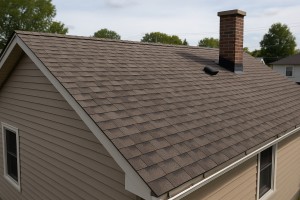
- Why Idaho lovers pick them: Cost-conscious option that performs well in cold winters and varied sun exposure.
- Durability: Architectural or higher-end 40–50 year shingles offer better impact resistance and longer life.
- What to watch for: Idaho hail storms mean choose impact-resistant (UL 2218 Class 4) shingles when possible; confirm warranty covers wind and hail.
- Best pitches: 4:12 or steeper; works well on most residential roofs.
- Pros: Readily available, easy to install, broad color range, good warranty options.
- Cons: Moderate hail vulnerability on standard tabs; color fading with intense sun; shorter lifespan than metal or tile.
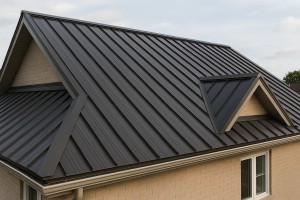
- Why Idaho lovers pick them: Excellent hail resistance, longevity, and snow-shedding capability for steep slopes.
- Durability: 40–70+ years with proper installation; many panels carry strong wind and fire ratings.
- Weight and structure: Lightweight compared to tile/slate; often requires minimal reinforcement but verify the deck can support it.
- Pros: Very durable, energy efficient (cool roof options), low maintenance, good for fire zones.
- Cons: Higher upfront cost; potential denting from hail on some profiles; can be noisier in heavy rain unless properly insulated.
- Best pitches: 3:12 and up; ideal on modern or timber-frame homes; sheds and detached structures too.
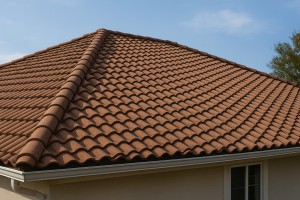
- Why Idaho lovers pick them: Classic look with superb fire resistance and long lifespan in dry, sunny days.
- Durability: Concrete and clay can last 50–100+ years with proper installation; heavy weight requires structural assessment.
- Climate considerations: Freeze–thaw cycles require careful detailing and a solid deck; some areas of Idaho see more freeze risk, so ensure appropriate fasteners and ventilation.
- Pros: Excellent fire resistance, great longevity, strong color stability.
- Cons: Very heavy; higher installation and retrofit costs; more susceptibility to cracking from hail; limited roof geometry options.
- Best pitches: Generally 4:12 or steeper; best on homes with adequate support and in regions with strong sun.
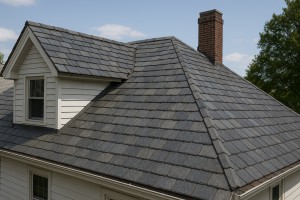
- Why Idaho lovers pick them: Premium, long-lasting aesthetic; highly durable in cold climates.
- Durability: 100+ years when properly installed; excellent fire resistance.
- Weight and installation: Very heavy; requires experienced slate mason, and structural reinforcement.
- Pros: Exceptional lifespan, elegant appearance, low maintenance.
- Cons: Highest cost; fragile to severe hail impacts; limited contractor availability in some areas.
- Best pitches: 4:12 or steeper; best on well-supported roofs.
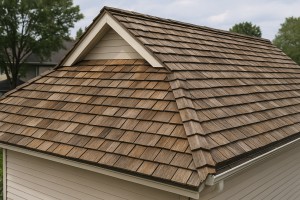
- Why Idaho lovers pick them: Rustic, natural look that suits mountain and rural homes.
- Durability: Moderate; requires regular maintenance and treatment to resist weather and pests.
- Fire risk: Higher fire risk in dry, fire-prone zones; many Idaho municipalities require fire-resistant options or treatments.
- Pros: Great insulation value, distinctive character.
- Cons: High maintenance, susceptibility to rot and insect damage, variable lifespan.
- Best pitches: 4:12 or steeper; not ideal for areas with heavy snowfall or frequent hail without extra protection.
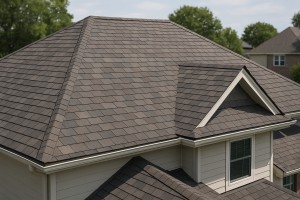
- Why Idaho lovers pick them: Modern look with improved resistance and durability.
- Durability: Designed to resist impact and temperature changes; many carry substantial warranties.
- Pros: Hail resistance comparable to metal or specialty asphalt; lighter than tile/slate; easier installation.
- Cons: Some products may fade or have limited long-term data depending on the brand.
- Best pitches: Varies by product; many suit 4:12 and steeper.
Underlayment, Ice & Water Shield, and Ventilation
- For Idaho's climate, invest in robust underlayment: self-adhered ice and water shield along eaves, valleys, and low-slope sections to mitigate ice dams.
- Ventilation matters: Proper attic ventilation reduces heat buildup and moisture, protecting the roof system and attic insulation.
- Quick tips: Use synthetics underlayment for durability; pair with ridge vents and eave vents for balanced airflow.
How to choose the right material (quick steps)
1. Assess roof exposure: Snow load, wind, hail frequency, and sun exposure drive material choice.
2. Verify structure: Heavier options (tile, slate) require a structural assessment and possible deck reinforcement.
3. Consider fire considerations: In drier Idaho regions, prioritize fire-rated options or treat wooden choices accordingly.
4. Weigh lifespan and budget: Metal and slate cost more upfront but pay off with longevity; asphalt and synthetic offer lower initial costs.
5. Plan maintenance: Factor local maintenance expectations, warranties, and contractor availability for your chosen material.
Popular Roof Styles & Architectural Trends in Idaho
Popular Roof Styles for Idaho Homes
Idaho's varied climate means you want a roof that sheds snow, handles wind, and fits the home's character. Here are the styles you'll see most in the Treasure Valley, Panhandle, and mountain towns:
- Asphalt Shingle Roofs
- Pros: Most affordable, easy to repair, broad color and texture options.
- Cons: Lifespan typically 20–30 years; less durable in extreme sun or heavy snow without upgrades.
- Metal Roofs (Standing Seam or Corrugated)
- Pros: Excellent snow shedding, long life (40–70+ years), lightweight, good fire resistance.
- Cons: Higher upfront cost; color fading and dent considerations in hail-prone areas.
- Wood Shakes/Shingles
- Pros: Rustic, natural look that complements mountain and lodge styles.
- Cons: Higher maintenance, fire risk in some zones, requires regular treatment and cleaning.
- Clay/Concrete Tile
- Pros: Very durable, excellent fire resistance, distinctive look for southwestern-influenced Idaho homes.
- Cons: Heavy, requires structural support, higher installation cost; less common on steep, northern slopes.
- Composite/Synthetic Shingles
- Pros: Mimic slate or shake with added durability and lighter weight; often more affordable than natural materials.
- Cons: Color fade and warranty specifics vary by product.
Roof Shapes That Work in Idaho Snow and Wind
Steep pitches and clear lines help Idaho homes shed snow and resist wind. Common configurations include:
- Gable Roofs
- Simple, cost-effective, and easy to vent; good snow shedding with a steeper pitch (6/12–9/12 is typical).
- Hip Roofs
- More wind-resistant and mechanically stable; works well in exposed mountain areas.
- Cross-Gabled and Combination Roofs
- Adds architectural interest and extra attic space; common on craftsman and lodge-style homes.
- Steep-Pitched Roofs
- Steeper pitches improve snow slide and reduce ice dam risk when paired with proper attic ventilation and insulation.
Architectural Trends Shaping Idaho Homes
Local styles blend practicality with a rugged, scenic aesthetic. Trends you'll see across Idaho include:
- Modern Farmhouse
- Combines clean lines with warm materials; metal roofs paired with board-and-batten siding or stone accents are common.
- Rustic Lodge and Timber-Frame
- Exposed beams, natural materials, and large windows; roofs often use metal or thick shingles to enhance durability in mountain climates.
- Craftsman Influence
- Low-to-mid pitched roofs, wide eaves, and decorative elements like tapered columns; blends well with natural surroundings.
- Mountain Modern
- Sleek lines, large shedding overhangs, and mixed materials (stone, wood, metal) that resist weather while keeping a contemporary feel.
- Solar-Ready and Energy Efficiency
- Well-placed angles, roofing materials that support solar installations, and emphasis on insulation and ventilation to reduce heating costs.
Practical Steps for Choosing Idaho-Ready Roofs
4 essential steps to pick the right roof for your Idaho home:
1) Consider climate and snow load
- Ensure the roof pitch and material handle your snow season and wind exposure. Steeper pitches help with snow shed; metal or impact-resistant shingles support longevity.
2) Check structural capacity and roof pitch
- Heavier materials like concrete tile require a structural review. Match the pitch to the chosen material for optimal performance.
3) Weigh maintenance, fire risk, and budget
- Weigh long-term costs: metal and composite options may save upkeep, but initial investment is higher. Fire resistance can matter in dry regions; consider fire-rated options where applicable.
4) Align with architecture and local trends
- Choose a style that complements your home's existing lines and neighborhood aesthetic, while planning for future resale value and energy efficiency.
Snow guards, ice dam prevention, and proper attic insulation are practical additions to any Idaho roof plan. Regular inspections after heavy snowfall help catch problems early and keep roofs performing year after year.
Average Roofing Costs in Idaho
Factors that influence cost in Idaho
- Climate and snow loads drive stronger underlayment, ice barriers, and attic ventilation, increasing material and labor time.
- Roof pitch and complexity (steep decks, multiple angles, dormers, chimneys) raise safety risks and labor hours.
- Local labor rates vary by city and contractor availability; rural areas may incur travel or logistics charges.
- Material availability and supply chains can impact price, especially for specialty products.
- Roof style and architecture matter: ranch-style, craftsman, log homes, and modern flat-roofed designs each have different installation needs.
- Warranties, ice-damage protection, and ice-guard installations add to the upfront cost but affect long-term reliability.
- Permits and disposal fees differ by municipality; some Idaho towns require inspections or permit surcharges.
Average material costs by roofing type in Idaho
- Asphalt shingles (architectural): roughly $3.50–$7.50 per square foot installed. Per "square" (100 sq ft) about $350–$750. For a typical 2,000 sq ft roof (20 squares), expect about $7,000–$15,000.
- Metal roofing (steel, aluminum): about $7.50–$12.50 per sq ft installed. Per square $750–$1,250; for 2,000 sq ft, roughly $15,000–$25,000.
- Wood shingles/shakes: roughly $6.00–$9.50 per sq ft installed. Per square $600–$950; a 2,000 sq ft roof runs around $12,000–$19,000.
- Concrete or clay tile: typically $7.50–$15.00 per sq ft installed. Per square $750–$1,500; a 2,000 sq ft roof may be $15,000–$30,000.
- Flat roofs (EPDM, TPO, rolled systems): about $4.50–$8.00 per sq ft installed. Per square $450–$800; 2,000 sq ft roughly $9,000–$16,000.
- Slate (less common in Idaho): often $9.00–$25.00 per sq ft; substantially higher project-wide.
Note on underlayment and extras: adding upgraded underlayment, ice barriers, continuous ventilation, and higher-grade flashing can add roughly $0.50–$1.50 per sq ft to the base material cost, depending on attic access and existing structure.
Typical project sizes and ballpark ranges for Idaho homes
- Small or mid-size home roof (1,300–1,800 sq ft, about 13–18 squares):
- Asphalt: approximately $6,000–$12,500
- Metal: roughly $12,000–$22,000
- Wood: around $9,000–$16,500
- Tile: $12,000–$28,000
- Flat: $6,000–$12,000
- Average suburban Idaho home (2,000–2,400 sq ft, about 20–24 squares):
- Asphalt: about $7,000–$16,000
- Metal: about $15,000–$28,000
- Wood: about $12,000–$20,000
- Tile: about $16,000–$32,000
- Flat: about $9,000–$15,000
Local considerations shaping price in Idaho
- Snow-prone areas and higher wind zones can push up installation time and require more robust assemblies.
- Homes with steep, multi-gable roofs or dormers will need more cutting, flashing, and safety measures.
- Idaho towns with dense building markets (Boise, Meridian) often have higher labor rates than rural counties.
- Availability of materials locally matters; if a supplier is far away, freight costs increase the bottom line.
- Historic or architecturally styled homes may require custom flashing, ventilation, and trim work, increasing cost.
- Seasonal scheduling: winter weather can shorten windows for high-quality installations, potentially raising prices during peak demand.
Quick budgeting steps
1) List roof size, slope, and features (dormers, skylights, vents, chimneys).
2) Choose 2–3 common material options to compare apples to apples.
3) Gather three local, licensed contractor quotes that break out removal, disposal, underlayment, and labor.
4) Ask about permits, debris disposal, and warranty terms (material and workmanship).
5) Plan for contingencies (ice dam prevention upgrades, venting improvements) and budget a small cushion.
Permits & Local Regulations
Do I need a permit for roofing in Idaho?
Most roofing projects in Idaho require a building permit from the city or county where your home sits. Even if you're just replacing shingles, some jurisdictions still require a permit because work can affect structure, ventilation, or drainage. Always check with your local building department before lifting the first shingle.
- Triggers that commonly need a permit: structural changes to the roof framing, deck, or load-bearing components; removal or replacement of roof sheathing; adding or relocating vents, skylights, or chimneys; significant changes to underlayment or ventilation.
- Wind and snow considerations: Idaho codes enforce wind uplift and snow load requirements that vary by location, so permits help ensure your installation meets local standards.
Where to apply
- City building departments (for incorporated towns and cities like Boise, Meridian, Nampa, Coeur d'Alene, Idaho Falls, etc.).
- County building departments for unincorporated areas.
- Some rural areas route permits through the Idaho Division of Building Safety or a regional office—confirm which authority serves your address.
- Many offices offer online information or portals, but in-person visits can speed up questions about your exact parcel.
What you'll need to apply
- Completed permit application from your local jurisdiction.
- Project description: scope, materials, roof size, and any structural work.
- Roof plan or site plan showing the roof footprint and any penetrations (vents, skylights, chimneys).
- Structural details if you're changing framing, deck, or support members.
- Contractor license number, business name, and contact information (or indicate owner-builder status if allowed).
- Proof of insurance and workers' compensation for your contractor; some places require owner-builder affidavits if you'll do the work yourself.
- Plans or specifications for unusual components (radon mitigation, solar, or extensive venting changes).
- Estimated project timeline and access to the work site if inspections will need to occur.
The permit process (step-by-step)
1) Confirm whether a permit is required with your local building department.
2) Gather and submit all required documents and drawings.
3) Pay permit and plan-review fees; wait for approval or any plan-review questions.
4) Receive the permit and schedule required inspections.
5) Complete the project and pass final inspection to obtain permit closure.
Inspections to expect
- Pre-installation or framing inspection if structural changes are involved.
- Underlayment, flashing, venting, and shingle installation inspections as work progresses.
- Final inspection to verify code compliance, drainage, and overall safety.
HOA and local rules
- Check with your HOA for architectural guidelines or approval processes that go beyond building permits.
- HOA rules can dictate material choices, color, and vent placement; obtain approvals early to avoid rework.
Timelines and costs
- Typical timelines: a few days to several weeks depending on jurisdiction and complexity.
- Fees: permit fees vary by locality and project scope; plan review fees may apply, and additional fees can be charged for re-inspections.
- Fast-tracking is sometimes possible in busier seasons, but expect some variability.
Quick practical tips
- Start with your local building department's website or call to get the exact list of required documents.
- Take clear photos of the current roof and any nearby structures to help with documentation.
- Keep a folder of receipts, inspection notices, and any contractor correspondence in case questions arise later.
- If you're unsure about wind or snow requirements, ask for a stamped note or engineer input when needed.
Common Roofing Problems in Idaho & Solutions
Ice Dams and Icicles
In Idaho's cold snaps, melting snow on upper roof surfaces can refreeze at the eaves, creating ice dams that push water under shingles and into ceilings. Signs include staining on ceilings or walls, warped decking, and icicles along gutters.
- Causes:
- Heat escaping from a poorly insulated or air-leaky attic
- Inadequate soffit-to-ridge ventilation
- Improper roof design or insulation gaps during remodels
- What to do now:
- Improve attic insulation and seal gaps around ducts, pipes, and wires
- Install or repair a soffit-to-ridge ventilation plan (soffit vents plus ridge vents)
- When safe, carefully remove ice dams with a roof rake from the ground
- For future winters, consider installing an ice-and-water shield in vulnerable areas and, if needed, heated cables along eaves
- If the dam is severe or water intrusion is visible, call a pro to remove the ice safely and inspect flashing and the attic for heat leaks.
Wind Damage and Loose Shingles
Idaho's high winds can peel back shingles, lift flashing, or create small gaps that let moisture in. Look for curled or missing shingles, creased edges, or wind-driven debris on the roof.
- Causes:
- Old, weathered shingles or improper nailing
- Inadequate sealing around roof penetrations
- High-wind events or shifting roof lines
- Quick fixes:
- Inspect after storms and replace damaged shingles
- Re-seal or replace damaged flashing around chimneys, vents, and skylights
- Re-nail loose shingles with corrosion-resistant nails and a 1-inch nail strip
- Consider high-wind-rated shingles or sealant-coated edges during replacement
- When to call a pro: extensive shingle lift, widespread flashing damage, or signs of interior leaks.
Hail Damage
Hail strikes can bruise shingles, loosen granules, and compromise protective layers, leading to accelerated wear and potential leaks.
- Causes:
- Hail size, velocity, and roof age
- Soft spots or preexisting granule loss
- What to do:
- Inspect for dents, granule loss, or dark bruises on shingles
- Photograph and document damage for insurance claims
- Replace damaged shingles and check underlayment and flashing
- Consider impact-resistant shingles for future replacement
- Note: some damage isn't visible from ground level—have a professional inspection, especially after severe storms.
Leaks at Flashing, Valleys, and Vents
Flashing around chimneys, vents, and roof valleys is a common leak point, especially after freeze-thaw cycles or storms.
- Causes:
- Corrosion, loose nails, or cracked sealant
- Improper flashing installation
- Movement from settlement or heavy snow
- Fix steps:
- Inspect flashing for gaps or corrosion
- Re-seal joints with compatible roofing sealant or replace flashing as needed
- Ensure valley flashing is properly overlapped and nailed
- Re-check vent penetrations and chimney/chase flashing during reroofing or repairs
- When to hire a roofer: persistent leaks, warped ceiling, or multiple flashing failures.
Gutter, Downspout, and Drainage Problems
Clogged or sagging gutters trap water against the roof line, promoting leaks and ice dam formation.
- Causes:
- Debris buildup (pine needles, leaves)
- Improper pitch or loose hangers
- Downspout extensions not directing water away from the foundation
- Solutions:
- Clean gutters and downspouts at least twice a year
- Install guards or screens to reduce debris
- Re-secure gutters and adjust pitch to promote drainage
- Extend downspouts away from the home and grade soil to divert water
- Pro tip: during heavy snows, clear gutters before storms to reduce dam risk.
Moss, Algae, and Roof Deterioration
Moss and algae thrive in Idaho's shaded or damp areas and over time can lift shingles and trap moisture.
- Causes:
- Moisture retention, shade, and aging shingles
- Poor drainage or clogged gutters
- Care steps:
- Gently remove moss with a soft brush; avoid pressure washers
- Clean roofs with a mild 50/50 bleach solution or a commercial roof cleaner
- Trim tree branches to reduce shade and improve drying
- Consider zinc or copper strips at the ridge to inhibit growth
- Replacement note: severely damaged shingles should be replaced to prevent leaks.
Poor Ventilation and Insulation
Inadequate attic ventilation and insulation leads to heat buildup, ice dams, and moisture issues.
- Symptoms:
- Condensation on rafters, attic mold, or higher energy bills
- Ice dams forming despite clean gutters
- Fix plan:
- Add or repair soffit vents and ridge vents to promote airflow
- Increase attic insulation to reduce heat loss (verify with insulation levels for your region)
- Seal air leaks around attic penetrations and hatch doors
- When to call a pro: persistent moisture or mold, or significant insulation upgrades.
Snow Load and Signs of Structural Strain
Idaho winters can bring heavy snow loads that stress roofs, especially on older homes or marginal structures.
- Indicators:
- Sagging roof sections, creaking sounds, or interior cracks
- Excessive snow buildup on the roof
- Management:
- Use a roof rake to remove excess snow from the ground
- Schedule a professional evaluation if you notice sagging or interior leaks
- Consider structural retrofit or reinforcing roof supports if needed before the next winter
- Safety note: avoid climbing on a snow-packed roof; call a professional for heavy snow or suspected structural issues.
Maintenance & Repair Tips for Idaho
Seasonal Maintenance Timeline
Idaho's wide swings between cold winters and warm summers stress roofs differently than milder climates. Regular checks aligned with the seasons help catch problems before they become leaks.
- Spring: Inspect after snowmelt for lifted shingles, damaged flashing, and debris buildup. Clean gutters and downspouts, and look for moss or algae in shaded areas.
- Summer: Watch for sun damage on dark shingles, inspect vent caps, and trim branches that touch the roof to prevent damage from storms.
- Fall: Revisit attic insulation and ventilation, clear gutters, and ensure attic fans, ridge vents, and soffits are open for airflow before winter.
- Winter: Use a roof rake from ground level to remove heavy snow along eaves. Avoid climbing on icy roofs; if you must, use proper fall protection and a partner.
Snow and Ice Management
Snow and ice create ice dams and added load on the roof. A proactive approach saves shingles and flashing.
- Prevent ice dams by keeping the attic well insulated and ventilated (aim for a continuous barrier of insulation and venting to avoid warm air meeting cold roof surface).
- Clear accumulated snow from the eaves with a roof rake from the ground, cut channels through compacted ice with care, and avoid hammering at flashing.
- If ice dams recur, consider heated cables installed per manufacturer instructions, but only as a last resort and with professional installation to avoid fire risk.
- Check gutters and downspouts in late winter; free-flowing drainage reduces meltwater backing up under shingles.
Gutter and Flashing Maintenance
Gutters and flashing are the first line of defense against leaks.
- Clean gutters at least twice a year (spring and fall) and after heavy storms. Remove leaves, pine needles, and debris.
- Ensure downspouts direct water well away from the foundation to prevent damp basement walls.
- Inspect and reseal or replace loose flashing around chimneys, vents, skylights, and joins. Re-nail any loose flashing and seal with a compatible roofing sealant.
- Look for rust on metal flashing and replace sections showing wear to maintain a watertight seal.
Attic Ventilation & Insulation
Proper attic setup reduces heat transfer, condensation, and shingle wear.
- Check insulation depth and uniformity in the attic; aim for a high-R value suitable for Idaho's climate (consult local codes for exact R targets).
- Ensure soffit, ridge, and attic vents aren't blocked by insulation or debris; airflow should be unobstructed.
- Seal gaps where plumbing, wiring, or ductwork pass through the attic to avoid warm air reaching the roof deck.
Repair Techniques for Common Materials
Idaho roofs use a mix of asphalt shingles, metal, and sometimes wood shakes. Here's how to handle small repairs safely.
1) Identify damaged shingles with cupped or cracked tabs.
2) Lift the surrounding shingles and remove nails with a pry bar.
3) Slide a new shingle into place, aligning with neighboring tabs.
4) Nail with 4 fasteners, just below the tab height; seal the edges with roofing cement.
5) If the underlayment shows through, apply a patch from underneath and seal to prevent water intrusion.
1) Inspect seams and fasteners for looseness or corrosion.
2) Tighten screws with a proper driver; replace damaged fasteners and reseal seams with manufacturer-approved sealant.
3) For punctures, carefully apply a metal roof patch kit following instructions.
1) Look for cracked or loose pieces and replace one at a time.
2) Split shakes should be replaced and the surrounding area re-sealed to prevent water ingress.
When to Call a Pro
Some issues are better handled by a skilled roofer.
- Structural damage, sagging underlayment, or widespread shingle loss.
- Replacing large roof sections, extensive flashing, or steep slopes beyond safe DIY reach.
- Recurring leaks despite minor repairs, or signs of mold growth in the attic.
- Complex hail or wind damage that requires insurance documentation.
Safety Considerations
Roof work is hazardous—prioritize safety at all times.
- Use proper fall protection when working on high or steep roofs; never work alone.
- Wear non-slip footwear and use a sturdy ladder set at the correct angle.
- Avoid working on a roof during icy conditions or high winds. If in doubt, pause and call a pro.
When to Repair vs. Replace
Idaho climate considerations
Idaho's mix of cold winters, snow loads, and bright summer sun drives how roofs hold up. Freeze‑thaw cycles can push leaks from pinholes into bigger problems, ice dams can force water under shingles, and hail storms in many regions can nick granules and compromise protection. In high-desert and mountain areas, ventilation and attic insulation also matter for long-term performance. Use these realities to guide repair vs. replacement decisions.
When to repair
Repair is a smart call when damage is isolated, simple to fix, and the roof is still early in its life or has plenty of warranty left.
- Localized damage under 20–25% of the roof surface (missing shingles, a few damaged flashing, small leaks).
- Minor leaks that respond to a quick flashing adjustment, sealant, or targeted shingle replacement.
- Age well under the typical life expectancy for the material (for example, asphalt shingles under 15–20 years; metal or tile still with years of life left).
- Damaged components that don't affect structural decking (floating panels or minor flashing near vents).
- A clear path to restore performance with standard materials (no need to replace the whole underlayment or decking).
When to replace
Replacement becomes cost‑effective or necessary when damage is widespread, structural concerns exist, or the roof has reached the end of its life.
- Damage covers 30% or more of the roof area, or there are multiple, recurring leaks across different sections.
- Significant shingle deterioration: curling, cupping, cupping, granule loss, or widespread uplift from wind.
- Warped or sagging decking, rotten sheathing, or visible structural weakness.
- End‑of‑life material: worn‑out underlayment, failing flashing you'd have to replace repeatedly, or a material with a near‑expired warranty.
- Energy efficiency and climate readiness: replacing with better ventilation, upgraded underlayment, or reflective/insulating options that pay back over time in Idaho's climate.
- A move to a more durable or higher‑performance system (e.g., metal, high‑quality composite shingles) that minimizes future maintenance.
A quick decision framework ( Idaho‑friendly)
1. Assess extent: Is the damage localized or widespread?
2. Check age: How old is the roof, and what does the warranty cover?
3. Inspect decking: Is there water staining, rot, or visible sagging?
4. Consider climate needs: Will the system handle heavy snow, ice damming, and summer sun?
5. Compare costs: Repair cost today vs. a replacement's long‑term value and warranty.
6. Plan for weather windows: Idaho winters complicate repairs; plan replacement in late spring or summer when feasible.
Practical repair vs. replacement checklist
- For repairs: replace missing shingles, reseal flashing, repair vent booting, address ice dam triggers with improved ventilation and insulation.
- For replacement: choose materials suited to Idaho conditions (cold‑weather performance, wind resistance, good underlayment). Ensure proper attic ventilation, insulation upgrades, and a ventilation plan that minimizes ice dam risk.
Idaho‑specific tips
- Prioritize attic ventilation and insulation together with any replacement to reduce ice dam formation and heat gain in summer.
- If hail damage is suspected after a storm, hire a trained inspector to assess granule loss and underlying decking even if leaks aren't obvious.
- Schedule major work outside of peak winter months when possible to avoid weather delays and ensure proper installation conditions.
- Check warranty alignment: manufacturer warranties and contractor workmanship guarantees are especially valuable in high‑snow areas.
Numbered steps to finalize your choice
1) List all damaged areas and approximate their size.
2) Note the roof's age and material type.
3) Inspect decking for rot or structural concerns.
4) Get at least two quotes for repair and one for replacement.
5) Weigh long‑term cost, performance, and Idaho climate resilience.
When to Hire a Professional
Signs you should hire a professional
- You see widespread damage after a storm: missing shingles, torn flashing, or large bundles of shingles in gutters.
- There are active leaks or ceiling spots, especially near chimneys, vents, or flashing.
- The roof lines sag, flashing is warped, or you notice metal rusting around vents and chimneys.
- You have ice damming, unusual icicles, or repeated shingle curling and splintering in winter.
- The roof is steep, has multiple levels, skylights, or complex geometry that makes safe access difficult.
- Your last roof replacement was more than 15–20 years ago, or you're unsure about the roof's condition.
Idaho-specific weather and safety considerations
- Idaho winters bring heavy snow and freeze-thaw cycles. Proper ice and water shield, underlayment, and attic ventilation are critical for preventing ice dams and wind-driven leaks.
- In mountain and winter-prone areas, high winds and thermal expansion can loosen flashing and ridge cap fasteners. Contractors should use corrosion-resistant fasteners and sealants rated for cold weather.
- Scheduling matters in Idaho: aim for late spring, summer, or early fall for major roof work when temperatures are milder and daylight is longer. Winter repairs can be done, but they require extra safety precautions, shorter work windows, and higher risk of delays.
Emergency repairs vs planned work
- If there is active leaking during rain or a storm, tarp the area safely to prevent further damage and call a professional immediately for temporary stabilization.
- For cosmetic issues or a worn look with no leaks, you can plan a replacement or repairs during the next dry season.
DIY vs professional: what homeowners should handle
- Do handle basic maintenance you're comfortable with: clearing debris from gutters and vents, removing loose leaves from the roof surface, and inspecting for obvious damage from ground level.
- Do not climb a steep or unfamiliar roof to assess structural damage, loose flashing, or extensive sagging. Heights, fall risk, and working around electrical components require a trained pro.
How to evaluate a roofing contractor in Idaho
- Licensing and insurance: Verify the contractor's license status with the Idaho Department of Building Safety or your local city/county authority. Ask for a current certificate of liability insurance and workers' compensation coverage.
- Local experience: Seek contractors who have completed projects in Idaho and understand our winter conditions, cold-weather installation, and local code requirements.
- References and portfolio: Request references from Idaho clients and review recent installations similar in scope and style to yours.
- Written bids and scope: Get three written bids. Each should spell out materials, underlayment, insulation, ventilation, warranty terms, start/completion dates, and permit responsibilities.
- Warranties and product knowledge: Confirm manufacturer warranties on shingles, underlayment, and labor. Ask about Iowa-specific or regional product endorsements if relevant (e.g., cold-weather rated shingles, high-wire wind clips).
- Permits and cleanup: Ensure the contractor will obtain any required permits and dispose of old materials properly. Request a written cleanup plan and a lien-waiver policy upon payment completion.
- Payment schedule: Avoid paying the full amount upfront. A reasonable plan is a small deposit with the remainder due upon milestones or completion.
- Local references check: Contact references in Idaho to confirm workmanship quality, adherence to schedule, and post-install support.
Steps to hire a roofing pro in Idaho
1. Define the project scope and desired materials, including underlayment and ventilation enhancements for Idaho climates.
2. Solicit at least three written bids from Idaho-licensed contractors.
3. Verify licenses, insurance, and workers' comp coverage; confirm with the issuing agency.
4. Check references and inspect recent Idaho projects; ask about how they handled cold-weather installation.
5. Review contracts for clear scope, materials, warranties, permit handling, cleanup, and payment terms.
6. Schedule a start date, confirm permit approvals, and obtain a written lien waiver upon final payment.
Putting A Lid On It: Roof Maintenance, Repair, and Replacement in Idaho
Idaho weather swings from dry, sunny summers to heavy, snow-packed winters. That mix tests roofs with freeze-thaw cycles, ice damming, hail, and storm-driven debris. In many yards, pine needles and cones collect on surfaces and in gutters, inviting moss and clogged drainage. The result can be costly leaks and shortened roof life if we don't stay on top of it. A well-maintained roof adapts to these conditions and keeps your home dry, energy-efficient, and comfortable.
A little maintenance goes a long way. By treating your roof as a system—shingles, flashing, gutters, attic ventilation, and insulation—you gain reliability and peace of mind. Regular checks help catch small issues before they become big problems, protect your attic and interior, and extend the life of your investment. Idahoans who stay proactive save money over time and shield their homes from sudden weather surprises.
What to do regularly
- Schedule a light inspection twice a year (spring and fall) and after major storms.
- Clean gutters and downspouts, and ensure smooth drainage away from the foundation.
- Remove loose debris, moss, and pine needles from the roof surface and flashing.
- Inspect for damaged, curled, or missing shingles and any loose or deteriorated flashing around chimneys and vents.
- Look for signs of moisture in the attic—stains, mold, or changes in insulation performance.
- Verify attic ventilation and insulation are adequate to prevent ice dams and heat buildup.
- Trim overhanging limbs and keep the roof clear of branches that can abrade or puncture roofing material.
Repair vs. replace
- Minor leaks, isolated damaged shingles, or flashing issues can often be repaired economically.
- Widespread shingle wear, extensive granule loss, sagging deck, or frequent leaks typically indicate replacement may be the wiser choice.
- In Idaho, consider materials suited to cold, snowy conditions and heat: asphalt shingles with good wind resistance, or metal roofs for snow shedding and longevity.
- Factor in age: most asphalt shingle roofs perform well for 20–25 years; metal roofs often longer, but all roofs eventually reach an end of life.
When to call a pro
- If you're unsure about safety, roof structure, or flashing integrity.
- For complex damage, ice dam situations, or material replacement.
- For a professional assessment of whether repair or replacement delivers the best value and longevity.
A warm, practical note
You're part of a resilient Idaho community, where a well-cared-for roof protects what matters most. With regular attention, your home can stay dry, comfortable, and inspiring for years to come. Here's to a beautiful, lasting roof you can be proud of—and the sense of security that comes with it.
