
Last updated: Apr 19, 2026
You're living with cold, snowy winters that push every roof to its limit. When the Portneuf Valley freezes and thaws, snow builds up quickly on slopes that face prevailing winter winds. Ice dams form not as a nuisance but as a direct path to water intrusion. If snow piles high and melts unevenly, meltwater backs up under shingles and into soffits, into insulation, and eventually into ceilings. The risk isn't abstract here-it's current every late winter and early spring when daytime sun briefly softens a ridge line and nighttime freezes lock the melt in place. You want a roof that sheds snow predictably, minimizes ice dam formation, and stays dry through repeated freeze-thaw cycles.
Replacement timing in Pocatello typically avoids winter because snow, freezing temperatures, and limited dry conditions complicate tear-off and installation. Winter work increases safety hazards for crews and slows material handling, which in turn invites weather-driven delays. If you're planning a major roof change, aim for late spring or early summer when days are longer and moisture-laden air is less likely to saturate interior spaces during teardown. Even a well-timed project here hinges on a dry, stable window-after a thaw but before the next round of heavy snow. Do not push a replacement through a season when forecasts threaten back-to-back snow events and equipment can't reliably move on snow-packed driveways or steep pitches. A deliberate schedule reduces the chance of weather-related leaks while crews assemble under more predictable working conditions.
Winter damage often hides under a heavy snowpack. When the first thaw arrives, slow drip leaks become obvious-stains traveling along ceiling lines, softened drywall, or warped attic insulation visible once snowmelt reaches interior walls. Your immediate action is to clear excessive snow from the roof after a heavy storm, but with caution: remove from the edges first, never shoveling from the gutters, to avoid tearing shingles or pulling leaves and ice toward eaves. If ice dams form, use a licensed pro to carefully remove the dam and ice in a way that preserves the roof's underlayment and flashing. During the cold months, inspect attic ventilation. A balanced intake and exhaust setup reduces the warm, moist air that rises into the roof deck, which drives ice dam risk. If insulation is inadequate, warm attic air will melt snow near the eaves, refreezing at the colder edge to create new dams. Plan for a post-winter check with a professional-timing that aligns with spring thaw helps catches leaks before they spread to framing or interiors.
Begin with snow management: maintain a clear apron around the bottom edge and avoid piling snow against eaves or near soffits. Prioritize roof maintenance that resists moisture intrusion after a long season of freeze-thaw cycles. If you notice visible leaks after the last thaw, treat them as a priority-delays let hidden deck damage worsen. Consider upgrading attic ventilation and insulation if you've observed chronic ice daming or interior condensation. Finally, keep a keen eye on the roof's edge where shingles, gutters, and downspouts meet-this is where winter weather concentrates its forces and where prevention pays off when the next storm arrives.
In this high-elevation valley, the clearest window for a full roof replacement is the warm, dry stretch of summer. The dry days, steady temperatures, and minimal snow risk reduce material handling complications and help sealants cure properly. If a complete reroof is planned, aim for a stretch from late June through early September, when rain and cool snaps are less likely to interrupt progress. Scheduling during this window also gives you a firmer timeline before the first fall storms start to threaten unfinished work.
Autumn brings temperature swings that can affect sealants and shingle sealing performance. Pocatello experiences rapid cooling at night and variable daytime warmth as the season shifts, which can challenge adhesive and asphalt sealant performance on the day-of-install. If autumn work is necessary, target the early fall lull before the first hard freezes, and arrange for monitoring of daytime temperatures when adhesive products are activated. Plan for short, dry stretches and have a contingency plan with the contractor for two-week weather blocks to minimize risk from sudden cold snaps.
Summer hail and wind storms in the area can interrupt planned replacement schedules by creating sudden repair demand. Hail events can damage exposed roofing components and lead to impromptu patching that competes with your reroof project for crew and materials. If a replacement is already in motion, maintain flexibility in the schedule, and stay in close contact with the contractor to accommodate storm recovery work without losing progress. Have a clear plan for tarp protection and temporary coverings in the event of a surprise hail event, so installation can resume quickly when skies clear.
When choosing a start date, build in a buffer for weather delays and material delivery. Start with the longest dry stretch in the forecast and align delivery windows so shingles and underlayment arrive ahead of the crew's first day. Coordinate with the roofing crew to identify any critical mid-season tasks, such as addressing interior insulation or attic venting upgrades, so those can be bundled into the same project window if possible. Confirm that days expected to reach optimal warmth align with the crew's schedule, and keep your project calendar flexible for up to two weeks in either direction to accommodate sudden weather changes.
Before the crew arrives, trim back overhanging branches and clear debris from the roof line to reduce cleanup time and wind-related mishaps. Check attic ventilation and insulation to ensure the roof system can perform as designed once installed. If you have unique cold-weather concerns, discuss them early with the contractor so sealants and flashing details are chosen with Portneuf Valley conditions in mind. With the right window and a solid plan, a reroof can proceed efficiently through Pocatello's summer climate while avoiding the typical autumn sealing pitfalls.
Asphalt shingles are common in this area, but winter ice dam exposure and summer hail can shorten service life when ventilation and underlayment details are weak. Focus on a roof assembly that provides continuous underlayment, proper drip edge termination, and a well-sealed fascia line to minimize meltwater intrusion during rapid temp swings. In the cold months, ensure adequate attic insulation and ridge venting to reduce warm-air buildup that fosters ice dam formation. Take into account that freeze-thaw cycles will stress fasteners and flashing, so select a system that tolerates repeated opening and closing of the roof plane without compromising water-tightness.
Metal roofing is especially relevant in this climate because it sheds snow efficiently, which reduces the weight load and minimizes extended ice buildup on the deck. However, snow slide management near entries and walkways matters in snowy winters. Plan for protective barriers, snow guards, or a designed snow-shedding edge at the eave to direct snow away from doors, stairs, and foot traffic. Pay attention to the slope; steeper pitches reduce frost-pocketing issues, but flashing around chimneys and vents must be double-checked to prevent ice infiltration at seams. In addition, ensure the roofing profile allows for safe, routine snow removal if access is needed during mid-winter thaws.
Tile, fiber cement, and synthetic slate options in this market must be evaluated for performance under freeze-thaw conditions and for structural suitability on homes not originally built for heavier coverings. Heavy materials require solid deck support and possibly structural reinforcement. Inspect the existing rafter span, spacing, and old connections to determine if upgrades are necessary before installation. In areas with cold snaps, check the backing boards and underlayment compatibility with the chosen material to avoid cracking or moisture intrusion as temperatures swing between extremes. Consider factory-tested fasteners and approved installation patterns that accommodate local wind and snow behavior.
Ventilation remains a cornerstone for any roof in this climate, directly impacting ice dam risk and shingle life. A robust underlayment system paired with an ice and water shield at eaves and along critical flashing lines reduces water intrusion during melt cycles. Use sealants and flashing materials rated for low temperatures and capable of staying flexible after repeated freeze-thaw cycles. The landscape of the attic should support consistent airflow across the entire roof plane, not just the central areas, to discourage cold spots where ice dams tend to form and where moisture can accumulate behind inadequate barriers.
Plan for a winter-ready roof by coordinating with a trusted contractor to verify roof slope compatibility, flashing details, and snow management features before heavy snow arrives. Schedule mid-season inspections to catch loosening fasteners, deteriorating seals, or compromised underlayment caused by hail or ice. Establish a simple annual maintenance routine that includes clearing debris from gutters and ensuring snow guards and heat tracing (if installed) remain effective. A well-balanced combination of material choice, ventilation, and targeted snow management leads to more dependable performance through Pocatello's cold winters and storm events.
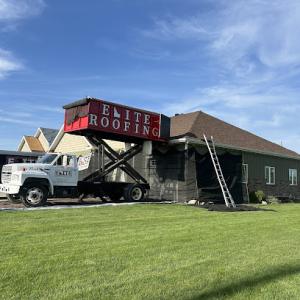
Idaho Elite Roofing
(208) 223-2347 idahoeliteroofing.com
1428 N 3rd Ave, Pocatello, Idaho
5.0 from 84 reviews
Roofing contractor serving Pocatello and surrounding areas. We provide residential and commercial roof services, roof repairs, and roof replacements. We are the cleanest in the business. Our mission is to keep families safe and dry, one roof at a time.
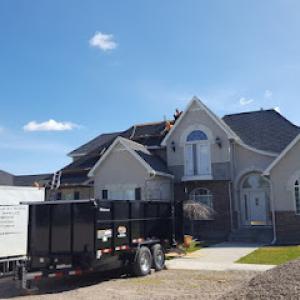
G P Roofing & Remodeling
3330 Pole Line Rd, Pocatello, Idaho
4.8 from 42 reviews
Tear off old roofing and Install new roofing all all types Shingles, Metal, TPO, Also building Awnings and Installation of Soffit and Fascia, and Gutters. We will do Flat to Steep!!!!
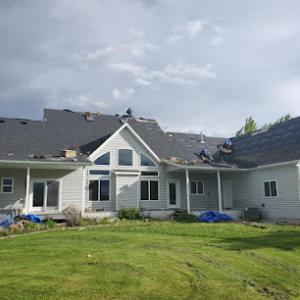
Big Bear Roofing
1452 N Arthur Ave, Pocatello, Idaho
4.4 from 75 reviews
Since 2013, Big Bear Roofing has been a premier roofing contractor in Pocatello, Idaho, dedicated to delivering superior craftsmanship and lasting results. Specializing in both residential and commercial roofing projects, their expert team provides a full range of services from new installations to meticulous repairs. With a focus on using high-quality materials and innovative techniques, they ensure every roof is built to endure the region's diverse weather. Big Bear Roofing is committed to excellence, providing reliable and stylish solutions that protect your property and enhance its value for years to come.
Union County Roofing
171 Maplewood Ave, Pocatello, Idaho
5.0 from 10 reviews
Professional roofing contractor Union County Roofing serving Maplewood. Specialized in TPO, EPDM, modified bitumen systems, architectural shingles, standing seam metal. Complete roof inspections, leak detection, waterproofing solutions. Certified installers with manufacturer warranties.
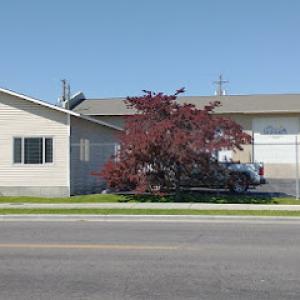
Wilson Roofing
(208) 233-1996 wilsonroofingidaho.com
617 S 2nd Ave, Pocatello, Idaho
4.0 from 14 reviews
Wilson Roofing has been serving Pocatello for over 32 years. We specialize in membrane roofing for flat and low sloped roofs. Residential & Commercial buildings. New roofs, re-roofs, repairs. Using single ply membrane roofing to replace hot tar & gravel roofs. GAF Gold Elite applicator. Our work is of the utmost quality that is why we are the oldest and most respected roofing company in Pocatello. • Free Estimates • Insured & Licensed • References upon request Call us today!
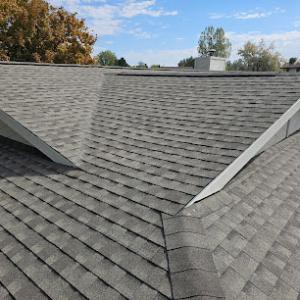
Willow Exterior Renovation & Construction
(208) 223-9191 willowexterior.com
200 S Main St, Pocatello, Idaho
5.0 from 3 reviews
When you schedule roof installation services, you expect your roofers to show up on time, treat your property with respect and finish the job as quickly as possible. When you hire Willow Exterior Renovation & Construction, LLC for roofing services, our skilled and experienced team will exceed your expectations. Homeowners and business owners in and around Twin Falls, Pocatello and Meridian, ID rely on our roofing company for quality workmanship and efficient service. Our lead roofing contractor has three decades of experience, so you can expect the best from our team.
Straight Line Roofing
2180 Douglas St, Pocatello, Idaho
5.0 from 3 reviews
Professional licensed and insured Roofers!!! Call us today and set up your free quote.

M & M Contracting
Serving
4.7 from 61 reviews
Being in business for 20 years has given us an unparalleled advantage over our competition and allowed us to provide the finest and most efficient customer service possible. We strive to ensure you’re confident and satisfied with our work. We look forward to providing excellent customer service to you!

Pro-Star Llc. Roofing & Siding
Serving
4.5 from 8 reviews
PRO-STAR ROOFING & SIDING is a family owned company located in Shelley, Idaho. We are here to serve the community and surrounding areas. Our team specializes in all types of roofing and sidings. From asphalt shingles, metal roofs, membrane roof, etc.We also specialize in all different types of siding. From vinyl siding to metal siding. Experience and quality matters most to us!
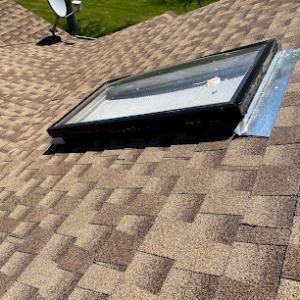
Caldys All Weather Roofing
Serving
5.0 from 1 review
We are a locally owned roofing company based in Blackfoot, ID. We work on shingles, metal, single ply, etc. we also do siding and soffit. For any further questions feel free to give us a call.

Ballard Brothers Construction
1729 S 5th Ave, Pocatello, Idaho
Located in Pocatello, Idaho, Ballard Brothers Construction is a professional contracting company who specializes in the remodel of your home in a timely manner. Ballard Brothers has a team of highly skilled and trained contractors working to ensure your project is completed effectively and efficiently. Ballard Brothers guarantees its work!
Pocatello homeowners face sporadic summer hail and wind events that can trigger repair or replacement decisions outside the normal reroof cycle. In practice, a sudden hail hit or a rogue wind gust can expose underlayment, loosened shingles, or dented metal panels long before the calendar signals routine maintenance. The timing of when to file often comes after a sharp storm, not on a predictable repair schedule.
Local claim activity is driven more by hail, wind, and winter storm damage than by hurricane or coastal loss patterns. Insurers know the terrain, the freeze-thaw cycles, and how snow loads stress roofing joints. That means the narrative matters: you'll want to show how recent weather maps to visible damage, not just age-related wear. A policy history that aligns with a storm event can tilt the assessment toward replacement rather than incremental repair.
Insurers serving the area often want photo documentation, a contractor scope, and clear evidence separating storm damage from age-related wear. Photos should capture the extent of impact, including hail marks on shingles, dented metal, and any granule loss. A contract-scoped writeup that explains the work needed, the materially affected areas, and the rationale for replacement over repair helps prevent disputes. Be prepared to link each repair line item to a specific storm-related condition.
If a weather event appears to have affected the roof, begin with a quick, safe inspection from ground level or a ladder-assisted view, noting curled edges, lifting shingles, or visible gaps. Schedule a professional assessment promptly to document conditions while they're fresh. When engaging a contractor, request a focused scope that differentiates storm-driven damage from routine wear, and ensure the scope includes any necessary ice-dam mitigation and winter-ready detailing to withstand the valley's freeze-thaw cycles.
Provided local cost ranges are: Asphalt Shingles 350 to 550 USD per square, Metal Roofing 700 to 1500, Clay Tile 1000 to 2500, Concrete Tile 900 to 2000, Fiber Cement Shingles 600 to 1000, and Synthetic Slate 900 to 2000. Those numbers reflect the mountain climate, the need for snow management, and the typical residential stock around town. When you're budgeting, use these as anchors and compare bids that break out underlayment, flashing, and any added frost-rated components. Heavy materials like clay or concrete tile carry higher initial costs, but the structural check is essential to avoid surprises later.
In a place with cold, snowy winters, contractors juggle snow removal windows and storm-driven scheduling spikes. The main summer reroof season can see higher labor demand, which might push start dates and payment milestones. If your project hinges on a precise weather window, lock in the timeline and a firm payment schedule early. Planning ahead helps avoid premium charges that crop up when crews are short on time between snow events and heat cycles. Ask for a detailed production plan that maps out shingle deliveries, underlayment acclimation, and any temporary heat or wind protections needed during peak season.
Snow load, ice dams, and freeze-thaw cycles are top concerns. Costs in Pocatello can move based on snow-related underlayment upgrades, flashing complexity, and whether the home can structurally support heavier materials like clay or concrete tile. For asphalt shingles, expect a favorable ratio of price-to-performance, with upgrades for ice-dam barriers in eaves and improved ventilation gaps helping winter performance. Metal roofing can carry higher upfront costs but often yields strong snow-shedding and longevity, which matters in high-elevation storms. Clay and concrete tiles bring notable weight; structural reinforcement may be necessary, and the added cost reflects both the material and the stronger framing it requires. Fiber cement shingles offer a middle path with decent durability, while synthetic slate can mimic the look of natural slate without as much weight, though installation specifics still matter in freeze-thaw regions.
Start by confirming whether your structure can bear heavier assemblies if you're considering clay or concrete tile, and budget for potential structural upgrades if needed. Include snow-load rated underlayment and enhanced flashing details in your scope to minimize ice-dam risk. When you're comparing bids, ask for a line item that accounts for winter shutdown contingencies, delivery timing, and a realistic window for insulation and ventilation improvements. If you're weighing aesthetics against performance, remember the local climate favors durable, weather-focused choices that keep you guarded through the long, snowy season.
In Pocatello, reroof projects require a permit through the City of Pocatello Building Department. This is not just a box to check; it ensures that your project accounts for the high-elevation climate, snow loads, and proper flashing and underlayment details that are essential for long-term performance in this area. Before you lift the first shingle, you'll want the scope of work and material details ready so reviewers can assess how the roof will handle winter conditions and freeze-thaw cycles.
The typical local process starts with submitting the roofing scope and material details to the Building Department. Plan to include a short description of the tear-off or reuse, the type of underlayment, venting strategy, and flashing details around valleys, chimneys, and skylights. If your plan includes components like metal edging or specific fastener types, note those as well. Once the plan is reviewed and approved, a permit is issued. Keeping this documentation on site during the project helps when questions arise from inspectors.
Inspections are scheduled during and after work to verify code compliance and practical durability. Expect at least one rough inspection while the old roofing is removed and the deck is prepared, another mid-project check if flashing or underlayment substitutions occur, and a final inspection once the new roof is installed. In a climate with heavy snow expected, inspectors pay particular attention to how valley flashing, drip edges, and ice dam barriers are integrated with the existing roof deck.
Beyond general code adherence, the inspections focus on flashing integrity, proper underlayment installation, and venting alignment to minimize moisture buildup during winter. Correct fastening patterns for the chosen material, especially in wind-prone or snow-heavy sections, are reviewed. The final inspection confirms that all components are securely installed, penetrations are sealed, and the roof system is ready to perform through a typical Idaho winter. If any item doesn't pass, address it promptly to keep the project on track.
In Pocatello, winter snow and spring melt are relentless test forces. Flashing that's tucked tight, and underlayment that remains waterproof, can be the difference between a dry attic and a soggy ceiling. Small installation gaps often hide under snow banks, only to show up as leaks when freeze-thaw cycles strain the seals. If flashing around chimneys, valleys, and vent pipes isn't properly integrated with the underlayment, moisture can travel unseen and turn into ice dam leakage once meltwater refreezes at the eave.
Ice dam-related edge leaks are more relevant here than sun-baked membrane failures seen in hotter regions. When heat escapes up to the roof, snow melts at the upper slope, then refreezes at the eave, pushing water back under shingles or underlayment. The result can be dark stains, warped decking, and moldy insulation. Edge flashing and proper drip edge installation are essential, especially on older roofs that have endured multiple winters.
Hail and wind can create mixed damage patterns in a single event. A roof may need storm repair while also correcting older cold-weather installation defects that never fully kept out moisture. Pay attention to loose shingles, lifted edges, and dented metal flashing after every storm. A quick professional inspection after hail saves from hidden, progressive rot that surfaces only after spring thaw.
In the shoulder seasons, walk the ridge and eaves with a flashlight to spot lifted tabs, gaps in sealant, or ice buildup. Small fixes done promptly prevent costly interior damage when heavy snow returns. Keep an eye on gutters; blocked drains magnify meltwater exposure at the edge.
Pocatello's insurance environment is shaped by hail, wind, and winter storm activity, which can spike adjuster scrutiny after regional weather events. The paper trail you assemble matters because approvals can hinge on whether damage is clearly storm-related rather than age-related wear or deferred maintenance. When a storm hits, expect questions about rapid onset versus slow deterioration, and be prepared for a closer look at prior claims.
After a hail or winter storm, take date-stamped photos from multiple angles: rooftop, edges, gutters, and interior ceilings if there are signs of water intrusion. Keep notes on the storm event-exact date, wind speeds if known, hail size observations, and how long the area experienced intense weather. Store digital copies in a cloud folder labeled with the incident date. A concise summary helps the adjuster separate storm impact from ordinary aging.
Request a licensed roofer's written estimate that itemizes the scope, materials, and labor. Having a professional assessment helps establish a defensible line between storm damage and preexisting conditions. Include photos alongside the estimate when you submit the claim. If the roofer notes any hail impacts, wind-driven shingles, or freeze-thaw-related wear, those details can influence the claim's trajectory.
Approvals can vary with claim history and event severity. If multiple events have affected the same roof, consolidating documentation into a single narrative helps the adjuster see the cumulative impact. In Pocatello, the combination of freezing cycles and periodic hail means the life of roof components can blur between severe storm damage and gradual deterioration.
Avoid delaying documentation; delays can invite questions about moisture intrusion or unrelated wear. Label all materials returned or replaced during the process and maintain a simple, chronological folder for easy reference during communications with the insurer. Keep a log of conversations, dates, and the names of any adjusters or contractor representatives involved.