
Last updated: Apr 19, 2026
Flat and low-slope roofs are unusually common in Santa Fe because Pueblo Revival and adobe-style homes often use parapets and low-profile rooflines. In the heat of the summer, the sun bakes these surfaces relentlessly, pushing adhesive seals and flashing to their limits. When July and August bring noisy monsoon storms, debris from the arroyos, trees, and neighborhood yards can pile up on roof edges, scuppers, and canales. If drainage paths slow, water can sit long enough to creep into seams, flashing joints, and parapet bases. That slow build-up translates into sudden, urgent leaks when a cloudburst finally releases its load.
The risk isn't just the rain; it's what the rain does to a roof designed to shed water by gravity alone. Flat roofs rely on clean swales, clear scuppers, and unobstructed canales to move quickly to the edge. In Santa Fe, summer storms arrive with intensity, and even a modest block of debris can turn a single downspout into a backup. Parapets, which are visually charming, create additional horizontal surfaces where standing water can linger. Over time, that standing water exerts pressure on the weakest sealant joints and surrounding flashing, turning a small issue into a path for water to reach the interior.
Winter in this high-desert environment is not forgiving. The freeze-thaw pattern in Santa Fe turns small ponding or flashing defects on low-slope roofs into recurring leak paths around parapets and roof penetrations. When water freezes, it expands, prying apart seams and loosening fasteners. As temperatures swing back above freezing, residual moisture re-enters those gaps and refreezes at night, driving the cycle deeper. A roof that looked marginally waterproof in late fall can become a chronic source of interior dampness by spring, even if the surface appeared serviceable for months.
You need a proactive, site-specific plan. Start with a targeted debris sweep: inspect canales, scuppers, and the parapet bases after spring monsoons and before the first winter freeze. Ensure no loose sealant or flashing is accessible to wind-driven debris. Check the edge metal and counter-flashing around penetrations-chimneys, vents, and skylights-for signs of lifting or cracking. On low-slope sections, confirm that the surface is uniformly sloped toward drainage points; even a shallow dip can trap water. If ponding persists after a storm, do not delay in addressing it-temporary patches at critical seams are not enough to guarantee long-term performance in this climate.
Adopt a high-frequency inspection cadence during monsoon season and again in late winter. After heavy rain, walk the roof edge with a flashlight to spot micro-pooling that could indicate a failed seam or clogged scupper. Look for hairline cracks in sealants, pulled or replaced flashing around parapets, and any discoloration that suggests moisture intrusion beneath the surface. Remember that the roof's uppermost layer is your primary defense, but the real vulnerability lives at the transitions: parapet-to-roof junctions, vent and pipe penetrations, and the flashing where the wall meets the roof plane.
If drainage appears compromised, take swift action: clear debris from scuppers and canales, reseal any aging joints around penetrations, and re-secure loose flashing edges. For flashing defects, do not rely on temporary fixes that wash away with the next storm; prioritize durable sealants and proper layering at transition points. For roofs with significant ponding or known flashing weaknesses, schedule a professional assessment focused on low-slope performance and parapet interactions. The goal is to restore reliable drainage and minimize water infiltration paths before the next monsoon or freeze-thaw cycle begins.
All Seasons Roofing Santa Fe
(505) 657-4288 allseasonsroofer.com
3032 Cliff Palace, Santa Fe, New Mexico
4.9 from 74 reviews
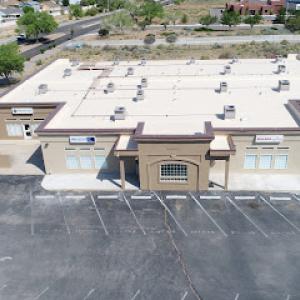
All Seasons Roofing Company is a team of roofers in Santa Fe. The business is one of the most well-known companies serving many customers with their residential and commercial roofing needs. They specialize in roof repair for shingles, flat roofs and metal roofing. All Seasons Roofing is one of the few Platinum Preferred Contractors with Owens Corning which is a status only 1/5 roofers have statewide. The company is also certified by Mule-hide Products which allows them to offer warranties on certain projects. If you are searching for roofing contractors in Santa Fe then contact us for your free roof inspection and estimate!
Fix My Roof
3217 Richards Ln, Santa Fe, New Mexico
4.8 from 364 reviews
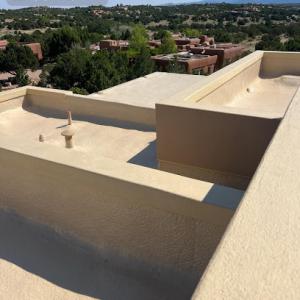
Fix My Roof is a New Mexico flat roofing repair expert. While we do offer roof replacement, our mission is to restore existing roofs for a fraction of the cost of roof replacement while maximizing our positive impact on the environment. We offer roof: inspections, leak/patch repair, and thermography. If you are a NM homeowner whose dwelling features a flat roof, you know you’re in a category of all your own. Flat roofs are a unique feature of desert living where heavy rainfall and freezing temperatures are not common worries. Even so, temperatures can fluctuate greatly, which can lead to shrinking, expansion, drying, cracking, and blistering of your roofing materials. This in turn can lead to leaking. Fix My Roof can help! Call us today!
Santa Roofing
(505) 470-4931 santaroofing.com
Santa Fe, NM
5.0 from 27 reviews
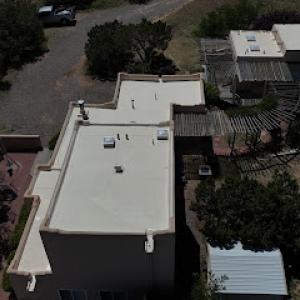
Santa Roofing, Local roofing business in Santa Fe. Dedicated to install waterproof roofing systems across residential and commercial sectors. We pride ourselves on our commitment to quality craftsmanship, reliability and customer satisfaction Our goal is to protect your investment with durable and aesthetically pleasing roof solution.
McPartlon Roofing
(505) 982-6256 www.mcpartlonroofing.com
39 Bisbee Ct UNIT 7 Unit 7, Santa Fe, New Mexico
4.6 from 67 reviews
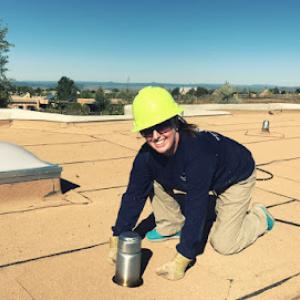
McPartlon Roofing has been revolutionizing the roofing market for decades by championing new materials and processes while staying true to the unique architectural style of the city the company calls home. Founded in 1985 by brothers Brian and Kevin McPartlon, who followed in their father Thomas J. McPartlon's footsteps, the company has made a name for itself as an award-winning enterprise. It also proudly boasts the distinction of being the only roofing company in Santa Fe with Pro Certification from the National Roofing Contractors Association (NRCA). McPartlon Roofing's motto is, Roofing is our heritage; craftsmanship is our tradition.

Santa Fe Stucco & Roofing
(505) 690-6215 www.santafestuccoandroofing.com
3600 Cerrillos Rd, Santa Fe, New Mexico
4.6 from 97 reviews
It's been a labor of love for nearly 40 years. And we still love what we do. We've grown quite a bit since 1973. We're big enough to do almost any size job, but we still treat every customer like a friend - with the same respect and commitment to excellence we had from the very first day. SFS&R is owned and operated by Kevin McPartlon, Francis McPartlon and Anna Bunker, a Santa Fe native. Kevin started the company as a contractor and roofer in San Francisco, California in 1973, but moved back to New Mexico to open McPartlon Roofing, Inc. in 1985.
Argonaut Exteriors
1616 Salvador Pl, Santa Fe, New Mexico
5.0 from 10 reviews
Welcome to Argonaut Exteriors, your dependable roofing and siding company in Santa Fe NM. Providing the experience and ability to assist you in your property's siding, roofing, and gutter needs. I offer my clients high-quality services that restore the beauty and functionality of their property. I only use the latest equipment to ensure I provide you with the best results.

Splendid Builders & Roofing
Santa Fe, NM
4.3 from 38 reviews
We are a contractor working out of Santa Fe, NM and surrounding communities. We are a top rated construction service provider, and from the first nail to the final creative touches our contractor and crew will turn your home into a modern, unique, and comfortable place to live. We proudly offer roof repair, new roofs, and stucco work.

Dream Built Construction
(505) 310-5160 www.dreambuiltconstructionsf.com
5027 Agua Fria Park Rd, Santa Fe, New Mexico
4.3 from 33 reviews
Protect your largest investment with the reliable roofing services of Dream Built Construction We are a locally owned and operated roofing company currently serving Santa Fe, NM and surrounding communities. If you want to make your roof last as long as possible, it is vital that you never put off a roof repair. Small issues with roofing become big issues in a hurry. No matter how major or minor the repair you need, we are here to help. Our services include roofing services, roof replacement, and roof repair. Free Estimate!
All Roofing Enterprises
(505) 501-2329 allroofingnm.com
1704 Llano St Suite B #145, Santa Fe, New Mexico
4.4 from 19 reviews
We are a full service and insured Roofing Company in Santa Fe, Albuquerque and surrounding areas. We've been serving this area for over 35 years and work on residential and commercial roofs. It's our expertise and attention to detail that keeps us ahead. We guarantee top quality work and serving our customers with peace of mind. All our material is top rated and we make sure our work is safe and effective. We guarantee to show you proven results of high performing work. You as a homeowner know how important it is to have a roof that is sustainable and lasting. We got you covered! Contact us today for a Free Roofing Estimate, we'd be happy to serve you!
Sangre De Cristo Roof Company
(505) 699-9604 www.sangredecristoroofcompany.com
1570 Center Ct #2, Santa Fe, New Mexico
4.5 from 8 reviews
Keeping the roof over your head. Roofing contractor that will install or repair any type of roof. We care about your roof as much as you do.
High Pines Roofing & Remodeling
(505) 780-8602 www.highpinesrandr.com
1261 Calle de Comercio, Santa Fe, New Mexico
4.3 from 11 reviews
High Pines Roofing & Remodel specializes in the following roof systems: Torch-down, TPO, EPDM, Shingle, and Metal (Standing Seam or Corrugated) We also offer seamless gutter system installation, skylight replacement, and stucco installation on new or existing homes.
A Plus + Sustainable Roofing Coatings
(505) 730-3814 www.aplusroofingsolutions.com
3 Caliente Rd # 1, Santa Fe, New Mexico
4.8 from 4 reviews
Top Rated Commercial & Residential Flat Roofing Company Serving Santa Fe, Albuquerque and the surrounding New Mexico area. A Plus Sustainable Roofing Coatings goal is to provide superior Silicone coating solutions to commercial and residential building owners in the Southwest. Using outstanding Silicon based products in conjunction with other high end polyurethane foam and TPO repair solutions we can meet any of your commercial or residential flat roof repair needs. With a background in Technology our founders aren’t looking to just sell you a roof, we want to utilize the latest and most cost effective products to solve your problem. Call us today for a FREE no hassle estimate.
In this high-elevation environment, roof surfaces bear stronger sun exposure than lower-elevation markets. The thin air and intense UV accelerate surface aging, especially on lighter colors and flatter profiles that reflect less heat. When planning a roof in this climate, expect faster fade, more hairline cracking on coatings, and accelerated sealant wear around penetrations on south- and west-facing slopes. The heat bounce off adobe-style walls can compound the effect, so color choice and reflective coatings matter. On flat or low-slope roofs, that sun exposure translates into higher temperature swings across the membrane and flashing, which can shorten the life of some underlayments if the system isn't properly ventilated or insulated.
The dominant roof mix in this market spans asphalt shingles, metal, clay tile, concrete tile, wood, and synthetic products. Each material reacts differently to Santa Fe's intense sun, winter nights, and monsoonal moisture. Asphalt shingles typically resist the welcome mat of UV when paired with modern high-alkali asphalt and reflective granules, but prolonged sun can accelerate granule loss and surface aging on south-facing slopes. Clay and concrete tiles offer excellent durability in high heat and can shed water well, yet they demand a solid deck, proper fasteners, and careful winter detailing to avoid cracks from freeze-thaw cycles. Metal roofs handle sun and heat well if they're coated in corrosion-resistant finishes and are installed with proper gaps for thermal movement. Wood shingles or shakes bring a classic look, but they require ample sun exposure management and stricter maintenance to prevent surface checks and rot in winter moisture. Synthetic or composite shingles can be tuned for UV resistance and color stability, yet their long-term performance hinges on the specific blend and warranty terms.
Tile and metal are common fits for Santa Fe's architectural character, and they each offer distinct advantages under high-desert conditions. Clay tile tends to stay cooler under relentless sun when properly installed, and its mass can help moderate attic temperatures. Concrete tile shares similar benefits with the added potential for longer service life under UV exposure, provided the underlayment and flashing are matched to the tile's weight and expansion needs. Metal roofs shine with a clean, durable profile and excellent hail resistance, a boon for distinctive Santa Fe roofs. The challenge is selecting coatings that resist chalking and color fading, and ensuring the system accounts for thermal expansion and contraction to prevent panel seam issues.
Asphalt systems can age faster where slopes face prolonged high-desert sun. On roofs with significant solar exposure, consider a reflective or cool-feature shingle with a ceramic-coated granule surface, and prioritize vented attic assemblies to reduce surface temperatures. Pay attention to the edge condition and sealant compatibility near penetrations, as heat cycles can stress these details more quickly on sunny façades. When asphalt is chosen for a house with strong sun angles, ensuring a robust underlayment, proper nailing patterns, and high-quality flashing becomes essential to hold up through multiple freeze-thaw cycles.
In practice, this means matching the roof's aesthetic with performance, not just looks. If a Santa Fe home leans toward tile or metal for authenticity, verify the panel or tile profile accommodates Santa Fe's wind and temperature swings, and insist on high-quality coatings that resist chalking and UV degradation. For flat or low-slope roofs, insist on a complete weather-guard package: a compatible underlayment, a properly detailed drainage plane, and a continuous edge seal that accommodates thermal movement. On any material, plan for a proactive maintenance cadence that includes inspecting for UV-damaged granules, checking for edge and flashing integrity after monsoons, and scheduling periodic resealing or re-coating as recommended by the manufacturer. The right combination-informed by local sun, wind, and temperature realities-lets a roof stand up to Santa Fe's high-desert life while preserving its appearance and function for years to come.
Santa Fe homeowners commonly face roof claims after hail or wind events tied to summer monsoon activity and fast-moving seasonal storms. Those bursts can slam a flat or low-slope roof, catching you off guard just after a dry spell when shingles and underlayment are stressed from sun exposure. If you hear hail on metal fasteners or feel wind-driven moisture after a passing storm, treat it as urgent. Do not assume you can "watch and see"-damage often hides beneath granules, flashing, or around parapets, and a small lift now can become a bigger leak next freeze-thaw cycle.
When a storm hits, photograph from ground level, then climb carefully to inspect exposed decking and visible underlayment edges. Focus on skylights, vent boots, edges of the roof, and any signs of granule loss or dark staining indicating moisture intrusion. Take dated photos of each area and any displaced or lifted flashing. If access is restricted, document what you can safely reach and note what remains obscured. Keep a written log of what portions of the roof were accessible, what stopped work, and the weather conditions at the time. A clear sequence of images and notes helps an adjuster understand the scope, especially after a shoulder-season lull when incidents may be paired with rapid weather changes.
Insurers in this market typically want photo documentation, itemized scopes, and permit or inspection records when evaluating storm-related roof losses. Be prepared with a concise, line-by-line scope that matches the photos: identify damaged decking, underlayment, flashing, and any affected vents or skylights. If work paused due to weather, outline what remains to complete the project and the risks posed by continuing in suboptimal conditions. Provide recent moisture tests or core samples if an adjuster requests them, and keep all correspondence organized by date. Quick, honest communication reduces back-and-forth and speeds recovery.
Notify your insurer promptly and request an adjuster appointment. If a contractor is already on site, have them document what was exposed when work halted and what the plan is to protect the decking from further exposure. Cover vulnerable areas with temporary, weather-resistant material to prevent active leaks, but do not seal in moisture that could hide deeper damage. In Santa Fe's climate, a targeted, well-documented claim accelerates a fair resolution and gets you back to a resilient roof faster.
Find local contractors experienced in assessing and restoring roofs after hail, wind, and severe weather events.
Southwest Spray Foam & Roofing
(505) 231-6032 www.southwestsprayfoam.com
42 Bisbee Ct, Santa Fe, New Mexico
4.8 from 24 reviews

Santa Fe Stucco & Roofing
(505) 690-6215 www.santafestuccoandroofing.com
3600 Cerrillos Rd, Santa Fe, New Mexico
4.6 from 97 reviews
Santa Fe cost planning should account for the city's broad mix of flat roofs, low-slope systems, and pitched tile or metal roofs, which changes labor intensity and tear-off methods. In this market, asphalt shingles run roughly from 350 to 700 USD per square, while metal roofs sit between 700 and 1300 USD per square. Clay tile projects typically land in the 900 to 1800 USD per square band, and concrete tile often ranges from 600 to 1200 USD per square. Wood shingles or shakes cap at about 700 to 1200 USD per square, with synthetic or composite shingles at 750 to 1300 USD per square. Those ranges reflect not only material costs but the labor realities of Santa Fe's varied roofscape, including frequent parapet work, tile handling, and occasional underlayment refreshes. Expect flat or low-slope portions to trigger heavier tear-off gear and more robust drainage considerations, which can nudge prices upward compared to uniform pitched roofs.
For flat and low-slope sections, the approach to reroofing can shift noticeably in this market. The work often requires careful edge detailing, drain management, and sometimes cutting back old ballast or ballast-replacement systems. In practice, that means more time on the roof, more attention to deck prep, and more trips up and down to haul materials. If the project involves a mixed roof-flat plus tile or metal-the crew may segment the job to optimize drainage and flashing transitions, which can affect total labor hours and, therefore, the price. In short, flat and low-slope areas aren't simply "more of the same"-they're a distinct phase of the job that can change timing and cost.
Clay and concrete tile work in Santa Fe can carry added cost when underlayment replacement, tile handling, and flashing details around parapets or roof transitions are involved. The handling and re-securing of tiles during tear-off adds careful, time-consuming steps to protect the new roof and maintain parapet integrity. Flashing around parapets, transitions to walls, and along sunrooms or dormers requires precision to prevent water intrusion during the region's monsoon season. Expect higher labor intensity if parapet flashing needs to be rebuilt or realigned, and consider reinforced underlayments designed for longer seasonal exposure and freeze-thaw cycles.
Seasonal demand can tighten scheduling and pricing after monsoon hail events or when winter weather compresses the workable roofing calendar. The window for safe, efficient reroofing narrows when hail damage hits neighborhoods or when cold snaps reduce material handling and adhesive cures. Plan for potential price bumps if a project is queued near peak monsoon or in the heart of winter months. Flexible scheduling and early project confirmation can help lock in more predictable labor availability and reduce the risk of weather-driven cost shifts.
Get a clear picture of your project costs upfront - no commitment required.
All Seasons Roofing Santa Fe
(505) 657-4288 allseasonsroofer.com
3032 Cliff Palace, Santa Fe, New Mexico
4.9 from 74 reviews
Fix My Roof
3217 Richards Ln, Santa Fe, New Mexico
4.8 from 364 reviews

A full re-roof in Santa Fe typically requires a permit through the City of Santa Fe Building & Fire Department. The permit process is not just a formality; it ties into the city's emphasis on safety and energy performance for the local high-desert climate and flat or low-slope roof configurations common to adobe-influenced homes. Before the first shingle is lifted, your contractor should pull the necessary permit, submit project details, and align the schedule with the city's review timeline. It's not unusual to coordinate with a permit reviewer who asks for roofing material specifications, underlayment type, and the intended drainage plan to be clearly documented.
After installation work, a roofing inspection is commonly scheduled to verify that the work complies with the approved plans and local codes. The inspector will look at critical elements that affect long-term performance in Santa Fe's sun and monsoon cycles, including how the roof drains, and how the underlayment adheres to the deck. A final inspection then follows, and it checks items such as underlayment, flashing, and venting. The emphasis is on detailing where the roof meets walls and chimneys, ensuring water shedding works with the region's infrequent but intense afternoon storms, and confirming that penetrations are properly flashed to resist wind-driven moisture.
The city's approval process may require supporting paperwork before final approval. In practice, that often means providing material warranty information that demonstrates the chosen products have suitable UV resistance and fire ratings for Santa Fe conditions. You might also need proof tied to debris disposal, showing that waste from the project is handled in a compliant manner. Keeping these documents organized and readily available helps avoid delays and demonstrates a thorough commitment to long-term performance on a high-desert, freeze-thaw calendar.
Because Santa Fe roofs frequently involve flat or low-slope designs, the permit and inspection steps become a practical safeguard for proper drainage and edge detailing. Your contractor should align fastener schedules, underlayment seams, and flashing with the local climate expectations-especially addressing UV exposure on exposed roof edges and the potential for rapid moisture ingress during monsoonal events. Clear communication with the Building & Fire Department about any site-specific considerations-like shade from nearby structures or the presence of adobe-style parapets-reduces the chance of revisits and keeps the project moving toward a compliant, durable finish.
Always confirm the permit status before work begins, and request a copy of the approved plans for your records. After installation, schedule the required inspections promptly and ensure access for the inspector to all roof surfaces, attic spaces, and venting channels. If the final paperwork arrives with requests for additional details, respond quickly to keep the project on track and protect the long-term performance of your new roof in this distinctive Santa Fe climate.
Parapets and roof-wall transitions are a frequent weak spot on Santa Fe's adobe-influenced rooflines. When these edges are tucked behind textures, moisture can linger and creep into hidden nooks. Trapped moisture shows up long after a storm as interior staining or lingering odors, even if the surface looks dry. Pay close attention to flashing at these joints, and avoid quick patches that don't address the root drainage and seam integrity. A deliberate, continuous flashing plan that follows the parapet profile and ties into the wall is your best defense.
Tile roofs often meet skylights and parapets in tight configurations. These intersections create multiple potential leak paths, especially when the flashing isn't properly integrated with the roof deck and the skylight curb. Even small shifts from settling or seasonal movement can open gaps. Avoid relying on sealant alone; ensure step and counter-flashing are continuous, and confirm that the skylight flashing integrates with the tile pattern and underlying underlayment.
On tile roofs, the visible tile may outlast the underlayment beneath it. That means water can travel laterally under tiles before any surface signs appear. When replacement becomes necessary, hidden water intrusion often leads to broader deck and insulation damage than the visible cracks would suggest. Regular inspections should include removing an area of tile to check the underlayment condition and to verify that fasteners and laps still seal properly.
High-desert sun accelerates flashing wear, while monsoon moisture tests the integrity of those seams. Freeze-thaw cycles exacerbate small gaps into larger leaks. Inspect parapet edges after storms for pooling water, efflorescence, or soft spots at the roof edge. If you notice recurring dampness near transitions, treat the flashing as a core system component rather than a surface repair.
Find contractors experienced in skylight installation, flashing, and leak repairs to bring natural light into your home.
Gomez Roofing
(505) 204-5004 www.gomezroofingpros.com
3973 Riverside Dr, Santa Fe, New Mexico
5.0 from 30 reviews
Southwest Spray Foam & Roofing
(505) 231-6032 www.southwestsprayfoam.com
42 Bisbee Ct, Santa Fe, New Mexico
4.8 from 24 reviews
Santa Fe Stucco & Roofing
(505) 690-6215 www.santafestuccoandroofing.com
3600 Cerrillos Rd, Santa Fe, New Mexico
4.6 from 97 reviews
Replacement windows in this high-desert, high-elevation climate must handle intense UV, rapid temperature swings, and occasional heavy monsoon rain. Look for glass with high UV resistance and low-emissivity coatings to reduce heat gain in the strong sun and limit solar fading on interior finishes. In adobe-influenced homes with thick walls, choose spacer systems and argon or krypton fills that perform well with wider frames, ensuring consistent insulation across a flat or low-slope roof where attic temperatures can spike.
Late spring and early summer are often the most predictable roofing windows in Santa Fe before the July-August monsoon pattern becomes disruptive. Plan installations to avoid the peak heat of early afternoon and to align with dry spells when possible. If a project starts in milder conditions, keep an eye on local forecasts for sudden monsoon shifts and be prepared to adjust crew scheduling to protect exposed underlayment and any adjacent roof work.
Winter snow and freezing temperatures can slow tear-offs, affect adhesive behavior, and complicate underlayment installation on exposed decks. For window work, ensure warm, dry conditions for any sealant and caulking. If replacement overlaps with roof work, coordinate to minimize openings during freezing periods and to protect newly installed flashing from snow buildup and thaw cycles.
Rapid weather swings in the shoulder seasons can force schedule changes even when a project starts in otherwise mild conditions. Build in a contingency window for unexpected cold snaps or wind-driven dust, and select window products with robust warranty support and easy field servicing. Prioritize installers who can shield exposed roof edges during window work and who bring temporary weather protection to keep interior spaces dust- and moisture-free during installation.
Warranty paperwork matters not only for homeowner records but the city may request material warranty documentation before final approval. Keeping complete, legible copies of all manufacturer and installer warranties ready helps prevent delays at project completion and supports smoother punch-list follow-ups if issues arise.
Detailed scopes are especially important on roofs with flat sections, parapets, skylights, or tile underlayment work because the visible roof surface may not tell the full story. In Santa Fe's climate, hidden transitions, flashing details, and underlayment choices influence long-term performance just as much as the visible membrane does. A precise scope should describe tear-off boundaries, drainage paths, ventilation needs, parapet cap details, and any tile underlayment replacement planned to address UV exposure and freeze-thaw cycles.
After storm losses, clear documentation of tear-off areas, flashing replacement, and disposal can help align contractor and insurer expectations. Photograph each phase from multiple angles, label tear-off zones, and note any skylight or parapet work tied to the claim. A line-item scope that matches the insurer's categories can reduce back-and-forth and speed up approvals, especially when metal flashing or seam repairs were required to restore watertight performance on high-desert days.
Maintain a dedicated, organized warranty binder or digital archive that includes installation dates, product names, batch numbers when available, and contact information for the manufacturer and installer. For any claim or warranty request, you should be able to produce a complete, timestamped package quickly. Cross-reference the warranty terms with the roof's high-desert realities-UV exposure, monsoon timing, and seasonal freeze-thaw cycles-to anticipate what coverage should address and for how long.
Set reminders to review warranties after major repairs or replacements, particularly on flat or low-slope sections where drainage and edge details are critical. Attach maintenance notes to the warranty file, such as annual inspections, sealant touch-ups, or debris clearance, so future homeowners know the intended stewardship plan.