
Last updated: Apr 19, 2026
Rio Rancho's pronounced mid-summer monsoon season brings fast-moving thunderstorms, hail, and work delays that directly affect when roofs can be replaced. The pattern is brief but brutal: sudden downpours, hail the size of marbles or larger, and wind-driven debris that can whip across the mesa. That means a roof could be safe to access one afternoon and unsafe the next, forcing crews to pause or halt projects entirely. Plan for shorter work windows, stronger schedule buffering, and a clear backup plan with the contractor so a storm doesn't derail your whole replacement timeline.
New Mexico's periodic hail and wind claim activity makes storm documentation especially important after summer events. After a storm, inspect for dented or lifted shingles, granule loss in gutters or on the ground, damaged flashing, and punctures in metal components or vent fittings. In tile roofs, look for cracked tiles, loosened battens, or misaligned rows that might not be obvious from ground level. Winds can drive debris under eaves and into soft spots, causing hidden water intrusion that only shows up after a few days of rain. If you note anything unusual-sounds of rain inside the attic, sudden interior staining, or peeling paint near the roof line-slice through the hesitation and schedule a quick, professional roof inspection while conditions are safe.
The city's elevated, exposed setting west of Albuquerque leaves many neighborhoods vulnerable to wind-driven rain and debris movement during seasonal storm events. On a typical summer afternoon, a gusty wall of air can shift roof debris, bend vent stacks, or lift low-slope sections of roofing. That exposure amplifies the risk of punctures, edge blows, and underlayment damage. Because this is a high-desert environment, sun damage compounds weather effects, making some weaker spots appear dry but actually compromised beneath the surface. Pay attention to edge seals around chimneys, skylights, and gutters, where wind energy concentrates damage even if shingles look intact from afar.
Start documenting now because post-storm records strengthen insurance-ready claims. Photograph all angles of the roof from ground level and from a safe ladder position after a storm, noting the date and observed conditions. Capture close-ups of damaged shingles, hail hits, cracked tiles, and any displaced flashing or flashing gaps. Keep a running log of repair needs, weather delays, and any temporary tarping or protection you install. If your roof shows signs of water intrusion, photograph the interior effect-stains, damp insulation, or ceiling bulges-to support a timely, accurate assessment.
If a significant storm unloads on your neighborhood, arrange a rapid roof check with a qualified local contractor as soon as conditions permit. Prioritize securing loose materials and preventing further water intrusion, then move quickly to assess hail impact, wind damage, and potential underlayment compromise. In a storm-prone setting like this, proactive documentation paired with timely professional evaluation is the best defense against delayed repairs and extended exposure to the elements.
Flat-roof assemblies and low-slope systems are a staple on many stucco homes and additions in this market, so drainage discipline matters. Monsoon downpours can push water where scuppers, parapets, and transitions collect debris or sagging sealant. In practice, you want a clear path for water to move off the membrane within minutes after a storm-not hours. Start with the transitions: check where the roof meets parapets and ensure there are no low spots or blisters that collect water. Scuppers should be free of obstructions, and backup routes should exist for overflow during heavy rain. Debris from desert winds-twigs, asphalt granules, and grit-tends to accumulate around transitions; a quarterly sweep is a smart habit. In hot, high-desert sun, control of edge details matters: loosened edge sealants and lifted flashings invite leaks with the first strong gust or downpour.
Rio Rancho's hot summer sun accelerates wear on exposed low-slope membranes and coatings more than cooler climates do. When you're choosing a membrane for a flat roof, look for UV resistance and a finish that tolerates prolonged sun exposure without chalking or cracking. If a coating is part of the system, choose a product with a high solar reflectance and a robust granule or smooth-surfaced finish that won't wash away quickly in monsoon spray. For existing roofs, inspect for alligatoring or soft, spongy spots that indicate moisture intrusion or core deterioration. Parapet top caps and metal edging should be sealed and coral-tinted to reduce heat gain at the perimeter; poor edge protection often becomes the first leak point after a heavy sun cycle followed by a monsoon rush. In practice, a professional inspection every spring helps catch sun-related wear before the fall storm season, especially around parapet joints and cross-over transitions.
A practical maintenance plan for flat roofs on stucco homes in this market centers on two rhythms: pre-monsoon prep and post-storm checks. Pre-monsoon, ensure the roof surface is clean, the membrane is intact, and all penetrations (vents, skylights) are sealed with compatible materials. Replace brittle sealants and reinforce weak flashings before the monsoon arrives. Post-storm, inspect for hail impact, pooled water, and lifted edges. Photograph suspicious areas for insurance or contractor reference, since a documented progression of wear helps when scheduling repairs. If a coating or membrane shows signs of wear, treat it promptly rather than waiting for a full roof replacement. Flat roofs often fail at corners and along transitions; paying attention to these zones reduces the chance of a small leak becoming a large problem during monsoon events.
After a strong rain, walk the roof and note any standing water that didn't drain within 24 hours, lifted edges, or new dark streaks along seams. Check scuppers and interior gutters for debris that could back up water into the parapet. Examine flashings around penetrations-pipes, vents, and curbs-for cracking or separation. If any area feels soft to the touch or sounds hollow, alpha the area with a quick non-destructive probe and arrange a closer inspection. Store a simple set of photos and a dated map of problem zones; this keeps conversations with installers concrete and helps insurance-ready documentation if storm damage is suspected. In this climate, flat-roof maintenance is less about occasional fixes and more about a steady rhythm of inspection, debris removal, and timely resealing to keep rainwater moving away from the living space.
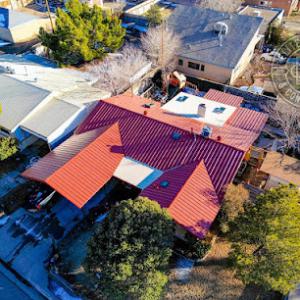
Elite Roofing & Construction
(505) 226-1059 www.elite-nm.com
4311 Sara Rd, Rio Rancho, New Mexico
4.8 from 100 reviews
Looking for a top-quality roofer in Rio Rancho, NM? Look no further! At Elite Roofing & Construction, we believe the most expensive way to do a project is twice. That's why we are committed to getting it right the first time, every time. Our top services include comprehensive roof maintenance, siding installations, gutter installations, stucco applications, solar panel installations, and window replacements. Our team uses the highest-quality materials to deliver aesthetically pleasing results that exceed your expectations. Trust our skilled professionals to meet all your roofing, stucco, solar, and window needs. Get a quote today, and let's make your project a success together!

TPC Roofing
(505) 401-3079 www.tpcroofers.com
541 Quantum Rd NE, Rio Rancho, New Mexico
4.8 from 51 reviews
With excellent customer service and top quality work as our cornerstones, TPC Roofing provides commercial roofing services. We are skilled in the installation of all roof types, and specialize in the application of low slope and metal roof systems. We are a Carlisle SynTec Certified Applicator for membrane roof systems and an Owens Corning Shingle Preferred Contractor. TPC Roofing offers industry leading workmanship and manufacturer warranties. As a local family-owned business, we strive to help improve our New Mexico community one roof at a time.

Robles & Sons Roofing
(505) 587-9508 www.roblesandsonsroofing.biz
1814 3rd Ave NW, Rio Rancho, New Mexico
4.6 from 165 reviews
Roofing Contractor
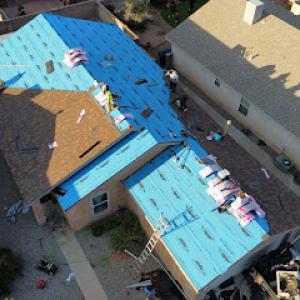
White Rock Roofing & Gutters
(505) 339-9204 www.whiterockroofingnmllc.com
1800 Fran Rd SE, Rio Rancho, New Mexico
5.0 from 21 reviews
white rock roofing and gutters New Mexico we do roof repairs & reroofs residential and Comercial local to Rio Rancho and Albuquerque New Mexico shingle, metal, tile, gravel tpo roofs quality you can trust Nothing but the best will DO!

Alliance Construction Services
661 Quantum Rd NE Suite V103, Rio Rancho, New Mexico
5.0 from 14 reviews
Alliance Construction Services is the go-to in Rio Rancho for roofing, stucco, and painting. We offer a wide range of roofing expertise and experience to meet the specific needs of our clients. We specialize in a variety of roofing, including asphalt, shingle, traditional tile, natural slate, torch down, tar and gravel, flat, foam, or single-ply for both residential and commercial jobs. And, at Alliance, we pride ourselves on the quality of our work, as well as our commitment to outstanding results. We look forward to building lasting relationships and guarantee your satisfaction! We also serve Albuquerque, Placitas, Bernalillo, and Santa Fe.
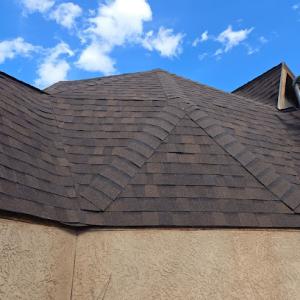
Built on the Rock Construction
(505) 999-8348 www.builtontherockabq.com
458 Western Hills Dr SE, Rio Rancho, New Mexico
5.0 from 14 reviews
Built on the Rock Construction, LLC is a premier local roofing and general contracting company dedicated to serving both residential and commercial clients. Established in 2024, our team brings a commitment to quality and craftsmanship to every project. We specialize in providing durable, high-performance roofing solutions and a wide range of general construction services. Our mission is to deliver professional, reliable workmanship with a focus on safety and integrity, ensuring your project is built to last.
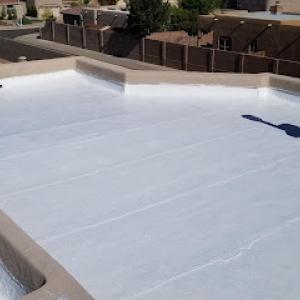
We Care Roofing Service
(505) 492-0922 www.wecareroofingservice.com
1405 Barbara Loop SE, Rio Rancho, New Mexico
4.8 from 20 reviews
**Please note: We recently received notification that our number is being spoofed and used to spam people. Please be aware that we do not and never have called anyone without being contacted first.** We Care Roofing Service is a full-service roofing company specializing roof repair and roof installation. We also provide rain gutter installation and service along with other roofing services to the Albuquerque Metro and surrounding areas. We focus on extending the life of our customers' existing roofs as a way to provide a cost-efficient alternative to roof replacement.
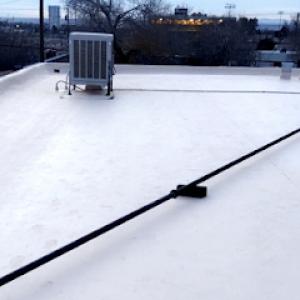
Luckys Roofing & Construction
11 Inca Rd SW, Rio Rancho, New Mexico
5.0 from 10 reviews
We are a family owned and operated business in the Albuquerque metro area. We will ensure you receive the highest quality of service from Project Start to Finish. We are also ICF Builders (Insulated Concrete Forms) in the Albuquerque, Rio Rancho, and Santa Fe area.
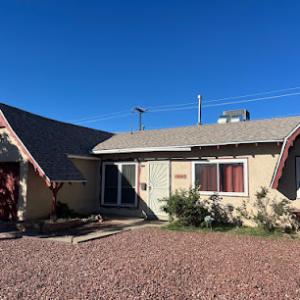
Taurus Roofing
608 Afuste Rd NE, Rio Rancho, New Mexico
4.6 from 10 reviews
Taurus Roofing reigns as the trusted roofing partner for residential properties in Rio Rancho, New Mexico, offering a full range of services from repairs to installations and replacements. With seasoned artisans employing top-quality materials, their roofing solutions are tailor-made for durability, ensuring a seamless experience for homeowners seeking exceptional craftsmanship and lasting protection for their roofs.

Legacy Roofing
5416 Pikes Peak Loop NE, Rio Rancho, New Mexico
5.0 from 4 reviews
Family own business
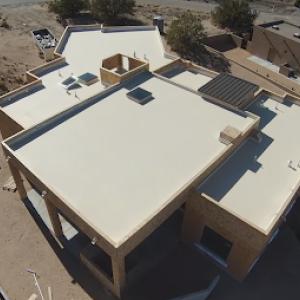
RVAM Roofing
Serving
4.8 from 88 reviews
Protect your largest investment with our reliable roofing services. We are a locally owned and operated roofing company currently serving Albuquerque, NM and surrounding communities. If you want to make your roof last as long as possible, it is vital that you never put off a roof repair. Small issues with roofing become big issues in a hurry. No matter how major or minor the repair you need, we are here to help. We offer roofing contracting, roof installation, and roof repair.
Finishing Touch Home Improvements
(505) 489-6855 finishingtouchabq.com
Serving
5.0 from 11 reviews
Finishing Touch Home Improvements, LLC, offers a full selection of home improvement services including roof repair, roof replacement, stucco and home remodeling. When it comes to improving, repairing and maintaining your home you have come to the right place with us.
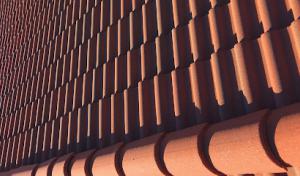
Clay tile and concrete tile are dominant local materials and fit the Southwestern architecture common across Rio Rancho subdivisions. Their baked color and traditional silhouette work well with the sun-baked stucco exteriors that define many neighborhoods. If you're choosing between clay and concrete, consider durability and weight: concrete tiles tend to offer a broader range of profiles and can be more forgiving on certain roof pitches, while clay tiles provide a classic look that ages gracefully. Both types perform well in heat, retaining color and shedding sun exposure when installed with proper underlayment and flashing. In this market, tile is not merely cosmetic-it's a long-term investment that contributes to the overall curb appeal and the perceived resilience of the home against the sun and monsoon season.
Metal roofing is a meaningful specialty in this market because homeowners are weighing heat performance, wind resistance, and hail durability against higher upfront cost. Metal panels and shingles excel at reflecting radiant heat, which can reduce attic temperatures and help with cooling costs during scorching periods. They also tend to resist wind uplift well when attached with purpose-built fasteners and seam systems, a real consideration in Rio Rancho's seasonal wind events. If you lean toward metal, pay attention to panel profiles and coatings that are optimized for heat and UV exposure, plus a robust ridge vent strategy to manage heat buildup at the top of the roof. For many homes with low-slope transitions or tile-adjacent structures, a metal retrofit can offer an effective way to modernize performance without the heavier weight of concrete or clay.
Seasonal wind events in Rio Rancho make attachment details and edge conditions especially important on both tile and metal systems. Tile roofs rely on structural decking, battens, and a well-sealed underlayment system to resist wind-driven moisture and uplift. Edge details-such as properly sealed rake edges, eave closures, and adequately integrated drip edges-prevent wind-driven water intrusion around the perimeters. Metal roofs require precise fastening patterns and sealed seam connections to prevent panels from loosening during gusts. In both cases, look for a system that includes continuous edge protection and corrosion-resistant fasteners, as this area's sun and wind can push fastener materials to wear more quickly. A well-designed roof in this climate treats flashing at penetrations and transitions with the same level of care as the main panels or tiles.
Monsoon patterns bring sudden intensity to the region, so proactive inspection after storms helps catch small issues before they become leaks. Tile roofs should be checked for broken or displaced tiles after hail or high winds, and underlayment integrity should be confirmed where tiles create pockets that can trap moisture. Metal roofs benefit from a post-storm check for loose seams, punctures, or hail dents, with attention paid to raised edges that could catch debris. In both systems, keeping fasteners snug and isolating any rust-prone areas with designed coatings helps extend life in a desert climate where sun and wind can accelerate wear.
When storms pack the forecast, having clear, organized documentation matters. After installation or repair, assemble a roof narrative that covers material type, installation method, flashing details, and a record of any storm-related repairs. Photograph roof sections from multiple angles, focusing on edges, penetrations, and transitions. Keep a maintenance log that includes periodic inspections, findings after storms, and any professional evaluations. This level of documentation supports timely, accurate claims and helps demonstrate the roof's integrity during insurance processes, especially when wind and hail are frequent concerns.
The summer sun on the mesa-top reaches high angles and stays intense for long stretches, and that sustained UV exposure accelerates aging of asphalt shingles. In peak heat, temperatures can soften the asphalt binder enough to make granules loosen and slide off more quickly, leaving the underlying mat more vulnerable. Installation conditions during the hottest hours matter too; improper nailing or overdriven fasteners under peak temps can create micro-maps for leaks as shingles expand and contract with daily temperature swings. In a typical Rio Rancho afternoon, you're watching for accelerated granule loss, more pronounced curling along the edges, and faster color fading that signals deeper wear than it appears at a glance.
Synthetic or composite shingles compete locally because they can offer a different balance of appearance, weight, and heat performance than standard asphalt. They can resist some of the thermal cycling you see in the high-desert sun, and they often carry advantages in wind-driven storms. Still, asphalt remains a dominant material, so the majority of roofs in the area are built around that baseline. The city's high-desert UV exposure and summer temperature swings strongly influence how long an asphalt roof lasts, how well it sheds heat, and how quickly granules erode under relentless sun and wind-driven dust. When choosing between options, consider not only upfront appearance but how the aging curve plays out in the sun-blasted ripples and shadowed corners of your roof.
Monsoon season adds another layer of wear risk. A hail or wind event can accelerate surface damage that then bakes under sun all afternoon, making minor bruises or lifted granules more obvious. After a storm, inspect for missing granules, lifted tabs, or punctures that could trap moisture above the underlayment. In the weeks that follow, look for accelerated staining, early-onset leaks in roof valleys, and uneven shading on roof planes from differential wear. Regular attic checks can reveal heat buildup and insulation gaps that force the roof to work harder, which compounds asphalt aging over time.
You'll want a routine that fits Rio Rancho's sun and monsoon rhythm: conduct seasonal surface checks after the monsoon lull and again after a storm spike, keep gutters clear to prevent water backing up near fascia, and watch for edge curling or tab cracking that signals accelerated wear. If you notice fastener corrosion or unusual moisture in the attic, address it promptly, because heat-induced expansion can magnify small flaws into bigger leaks. When considering replacements, weigh how asphalt's aging curve fits with the roof's exposure pattern, and factor in how a different roof profile may mitigate heat absorption while maintaining curb appeal.
The most popular roofing material in the US. Find pros who install, repair, and replace asphalt shingles.
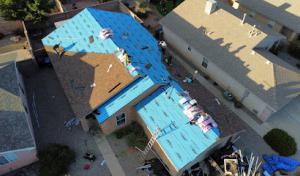
White Rock Roofing & Gutters
(505) 339-9204 www.whiterockroofingnmllc.com
1800 Fran Rd SE, Rio Rancho, New Mexico
5.0 from 21 reviews
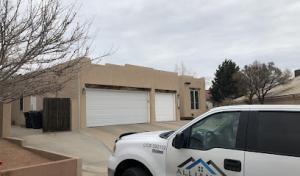
Alliance Construction Services
661 Quantum Rd NE Suite V103, Rio Rancho, New Mexico
5.0 from 14 reviews
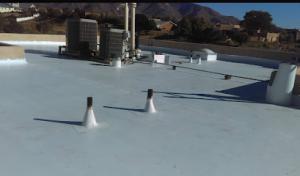
The best replacement timing in Rio Rancho is shaped by avoiding the mid-summer monsoon period when storms can interrupt tear-off and dry-in schedules. Plan the roof project to start after the last reliable monsoon thundershowers have cooled down and before the extreme heat of late summer arrives. That often means targeting the late spring shoulder or early fall weeks when skies are clearer and storm chances are lower. A well-timed tear-off minimizes weather-related delays, keeps the underlayment dry, and reduces the risk of hail damage to exposed components during installation.
Very hot summer days can complicate installation conditions, especially for asphalt products and crew scheduling. If the crew is chasing the shade, you can expect slower progress and potential long days stacked with break periods to manage heat exposure. Heat also affects fastener drive and adhesive behavior, so scheduling work to avoid peak sun and extreme afternoon temperatures helps achieve proper seating and seal. In Rio Rancho, kiln-like heat in peak weeks means you may want to avoid heavy reroofing during the hottest stretch and plan for early starts or split-day shifts when feasible.
Cool-season work is possible, but winter freezes can affect underlayment handling and fastener performance when temperatures drop too low. When temperatures approach freezing, materials can become stiff, making some fasteners harder to drive cleanly and potentially impacting sealant performance. If winter is the only window, target milder days, and ensure crews monitor material conditioning, storage, and installation sequence to keep the dry-in intact and minimize risk of ice dam-related concerns after completion.
With wind-exposed high-desert conditions, timing also hinges on forecast reliability and forecast wind days. Coordinate with the crew to avoid consecutive storm fronts and to protect interior spaces from wind-driven debris during tear-off. Build in a contingency for brief rain events and have tarps and edge protection ready. A steady, well-timed schedule reduces the number of on-site interruptions, keeps the project moving, and helps ensure a durable, weather-ready roof once the new covering is in place.
Get a clear picture of your project costs upfront - no commitment required.
White Rock Roofing & Gutters
(505) 339-9204 www.whiterockroofingnmllc.com
1800 Fran Rd SE, Rio Rancho, New Mexico
5.0 from 21 reviews
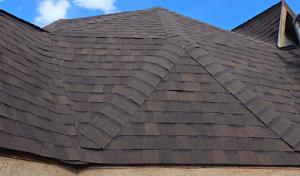
Built on the Rock Construction
(505) 999-8348 www.builtontherockabq.com
458 Western Hills Dr SE, Rio Rancho, New Mexico
5.0 from 14 reviews
In this market, pricing isn't driven by one dominant system. Asphalt shingles, metal, clay tile, concrete tile, wood shakes, and synthetic/composite shingles all share the driveway and the attic around town. You'll see a broad spread in bids because each roof system requires different crews, tools, and replacement timelines.
Costs can jump after a heavy monsoon or hail event when demand spikes for inspections, emergency dry-in work, and full reroofs across the metro. If you're filing a claim, expect quick-turnaround estimates and potential timing changes as local crews balance storm work with maintenance calls. Insurance-ready documentation becomes a practical asset.
Low-slope sections, tile handling, and Southwestern roof designs with parapets, transitions, and penetrations can push labor hours higher than a simple gable. In this climate, tile roofs demand careful staging to avoid cracking during mount-on and removal. Expect higher labor intensity when swelled eaves, ins and outs, and long runs are part of the layout.
Asphalt shingles run roughly from 350 to 700 USD per square. Metal roofing typically sits around 700 to 1,200 USD per square. Clay tile often lands between 1,100 and 1,800 USD per square, while concrete tile spans 700 to 1,400 USD per square. Wood shingles/shakes are commonly 900 to 1,500 USD per square, and synthetic/composite shingles range from 500 to 900 USD per square.
When planning, you'll want to compare bids that reflect the full scope: local delivery, handling of tile or shake weights, parapet work, and decking or insulation contingencies. In the aftermath of a hail or wind event, expect premium timelines and documentation to support a smooth claim and a reroof that stands up to the next monsoon.
Don't let upfront costs delay a critical repair - these contractors offer payment plans to fit your budget.
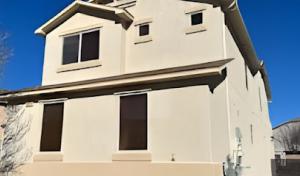
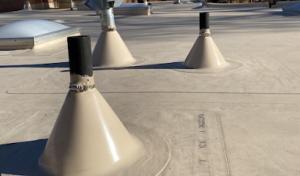
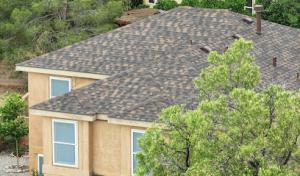
In this city, a full reroof is generally treated as a permitted project rather than permit-free maintenance. That means you should expect the permit process to cover the entire roof replacement, not just a repair or minor upgrade. Plan for the paperwork early, since a reroof involves more than a simple built-in replacement and can affect surrounding structures, gutters, and roof-to-wall connections. The permit ensures the replacement aligns with local code requirements, wind resistance, and the unique high-desert climate that drives storm-related damage in this area.
When selecting a roofer, confirm they are properly licensed and insured for the project type. As part of the local permit process, contractors are expected to submit license information and project details. Have your chosen contractor provide their license number, company contact information, and a scope of work, including roofing material, underlayment, and venting plans. If you're replacing a low-slope or tile roof, the contractor should include details about tile or shingle underlayment, flashing transitions, and any roof deck repairs. This documentation helps the city verify that the installation will withstand intense sun, hail exposure, and seasonal winds common to the area.
Rio Rancho typically conducts a rough-in or underlayment inspection after the roof deck and underlayment are installed, confirming proper nailing patterns, ventilation, and weatherproofing details before exterior coverings go on. A final inspection follows once the roof, flashing, and any vent stacks, exhausts, or skylights are in place. During busy periods, the online permit portal can slow down-especially in the spring after storms or during the monsoon season-so start the process early and monitor portal updates regularly. If a delay occurs, your contractor can often coordinate access for inspectors during windows when weather permits and safety allows.
Because Rio Rancho's monsoon season can interrupt progress, coordinate the permit timeline with anticipated weather gaps. Ensure crews have ready access to attic spaces for ventilation checks and confirm that all safety measures align with local codes. Keeping an organized repository of permit numbers, inspection notices, and inspector contact information on hand will help you respond quickly if the city requests additional details or corrective steps during the rough-in or final inspections.
Insurance Claims in Rio Rancho homeowners are operating in a New Mexico insurance environment shaped by recurring hail and wind-related roof claims. The mix of flat and low-slope stucco homes, plus clay and concrete tile, means roofs endure sudden impacts and sun-baked cycles that testers trust. After a storm, you should expect insurers to scrutinize photos, timelines, and the reliability of your documentation. Quick, clear photos of damage from multiple angles, with nearby landmarks for scale, can prevent later disputes over what happened during the storm. Monsoon season increases the likelihood of layered damage from wind-driven debris and sudden temperature swings. Keep a spare battery and SD card for high-volume photo sets.
Insurers commonly expect thorough photo documentation, damage assessments, and contractor estimates after local storm events. A well-documented claim tells a story: how hail hit, where granules are missing, and whether flashing, edges, or valleys show wear. A complete set includes close-ups, wide shots of the entire roof, and attic indicators if moisture is suspected. Contractor estimates should reflect current local conditions-exposure to sun, wind-driven debris, and the potential for accelerated aging of materials like asphalt shingles or tile. Take photos before you touch damaged areas to preserve the record, and include timestamped shots after any temporary tarping. Ask the adjuster or contractor to annotate damages on the photos.
Roof age, material choice, and prior claims can affect premiums and coverage terms, which matters when deciding between repair and full replacement. If a roof is near the end of its service life, even credible repair options may invite future claims or exclusions. Persistent sun exposure and monsoon cycles aggravate existing weaknesses in older installations and in homes with mixed roof types. Understanding these realities helps you navigate conversations with adjusters without overpromising outcomes. Clay and concrete tiles behave differently under hail; cracks may not be visible from ground level. Shingle types have specific wear patterns that affect replacement strategy. You should discuss these nuances early with your insurer to set expectations.
Connect with contractors who help homeowners navigate the claims process from damage assessment to final approval.
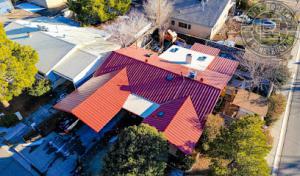
Elite Roofing & Construction
(505) 226-1059 www.elite-nm.com
4311 Sara Rd, Rio Rancho, New Mexico
4.8 from 100 reviews

TPC Roofing
(505) 401-3079 www.tpcroofers.com
541 Quantum Rd NE, Rio Rancho, New Mexico
4.8 from 51 reviews
White Rock Roofing & Gutters
(505) 339-9204 www.whiterockroofingnmllc.com
1800 Fran Rd SE, Rio Rancho, New Mexico
5.0 from 21 reviews
Skylight work is a notable specialty in this market, reflecting how often leak tracing in this area involves penetrations rather than field shingles alone. In a high-desert climate with intense sun, summer monsoons, and frequent wind-driven debris, skylights become common failure points. When a leak shows up, look first at the flashing around the skylight, then at the surrounding roof surface where penetrations meet the field. On tile roofs, the transition from skylight flashing to tile requires careful cut and reseal, because tile edges can crack or lift under wind-driven rain. A practical approach is to inspect both the curb flashing and the valley side clearance, testing for movement with a gentle pressure scan during a rain event or near-storm conditions.
Solar roofing is active locally, which matters in Rio Rancho because roof replacements often need to account for existing or planned solar equipment. If solar is present or planned, plan for a seamless integration: assess rafter spacing, roof slope, and the alignment of mounting feet with the underlying deck. When reroofing, specify flashing that accommodates solar arrays without compromising watertightness. If panels are staying in place, ensure the new underlayment and flashing details accommodate the penetrations through the roof plane without creating cold seams or gaps.
On low-slope and tile-heavy homes, flashing details around skylights and solar attachments are a common local decision point during reroofing. Low-slope sections demand reinforced edge flashing and continuous waterproofing membranes beneath tile or shingles to prevent water wicking at corners. For tile-heavy roofs, ensure the skylight curb is properly flashed to the tile layout, with a compatible sealant color and material that tolerates sun exposure and temperature swings. In both cases, insist on a pilot test with a controlled water flow to verify that all penetrations stay dry after a storm, especially where solar mounts or skylight casings intersect with ridge lines or parapets.
Find contractors experienced in skylight installation, flashing, and leak repairs to bring natural light into your home.
TPC Roofing
(505) 401-3079 www.tpcroofers.com
541 Quantum Rd NE, Rio Rancho, New Mexico
4.8 from 51 reviews
Robles & Sons Roofing
(505) 587-9508 www.roblesandsonsroofing.biz
1814 3rd Ave NW, Rio Rancho, New Mexico
4.6 from 165 reviews
White Rock Roofing & Gutters
(505) 339-9204 www.whiterockroofingnmllc.com
1800 Fran Rd SE, Rio Rancho, New Mexico
5.0 from 21 reviews