
Last updated: Apr 19, 2026
The arid, sunny climate with high elevation delivers relentless UV stress to exposed roofing surfaces. Heat and sun aging become the primary local wear factor, especially on flat and tile roofs that see long, hot days and direct sun exposure. Shingles, underlayment, and flashing all feel the bite of those long horizons of blue skies and bright sun. When a roof is aging in this environment, you're not just watching for curled edges or faded color-you're watching for accelerated material fatigue that can show up sooner than you expect. The takeaway is simple: expect more frequent wear on any part exposed to sun, and plan maintenance with that forecast in mind.
Albuquerque's midsummer monsoon season brings a sharp, real timing constraint to tear-offs and replacements. That narrow window-when afternoon storms roll in-can expose decking to moisture if rain drives in during removal or installation. The risk isn't just rain; it's quick, heavy downpours that flood valleys of unprotected decking and overwhelm ventilation paths. If your project hits the rain, the crew must pause, inspect wood, and often dry out areas before continuing. For this reason, many homeowners schedule replacement so the roof work ends before the monsoon onset or begins right after the driest part of the season. When planning, the weather window matters as much as material choice: a plan that ignores afternoon storms can create moisture issues that require rework later.
Extreme summer heat affects installation conditions in Albuquerque, so project timing matters not just for comfort but for material handling and expansion. Asphalt shingle bundles can be brittle in the peak heat of midafternoon, while metal systems expand and contract with temperature swings, demanding careful fastening and seam allowance. Tile roofs respond differently: clay and concrete tiles manage heat well, but installation requires precise handling to avoid cracking when temps push materials to their expansion limits. Your crew should map out daily work so the hottest part of the day isn't spent on delicate tile or precise fastening tasks. Practically, that often means starting early, pausing during the peak heat, and resuming when panels and adhesives are at workable temperatures. If a high-sun stretch coincides with monsoon forecasts, keep a flexible plan to avoid both heat stress and sudden moisture challenges.
With sustained UV exposure, the underlayment and decking beneath exposed surfaces age differently. A roof that looks sound from above can reveal moisture or rot after a sudden storm if the underlayment has degraded from heat exposure. In practice, that means a thorough inspection of sheathing, fasteners, and any older layers before a tear-off. A careful contractor will pre-emptively address signs of UV-driven deterioration and verify that decking is dry and stable before applying new materials. If decking shows moisture, plan for temporary protective measures or extended drying time between removal and reinstallation to prevent sealing in moisture.
Local conditions reinforce the idea that some materials age more predictably under these skies. Metal roofing performs well against UV stress and offers robust moisture resistance, but its installation demands attention to expansion joints and fastener selection suitable for high heat. Clay and concrete tile handle sun and heat but require precise layout and secure fastening to ride out temperature swings and potential monsoon shudder. Asphalt shingles remain a common choice for cost and ease, yet their lifespan under sustained sun can be shorter, making timely maintenance more critical. Wood shingles and synthetic options each have their own quirks under desert sun and monsoon moisture; choosing a product with proven UV resistance and good moisture behavior is key.
The Southwestern landscape shapes every roof decision, and in this market, flat-roof specialization is unusually prevalent. Builders and homeowners lean into low-slope lines because the housing stock and commercial corridors favor utility over ornate detailing. That means your neighbor's roof and your own are more likely to share the same vulnerabilities: constant sun exposure at high altitude, heat cycling, and the way flat membranes age differently than steep-slope systems. In practice, this translates to a tighter clock on performance, less tolerance for ponding, and a sharper eye on flashing details around parapets and penetrations. When you hire, expect contractors who routinely tackle both residential and commercial low-slope work, because the skill set crosses neatly between the two and keeps crews sharp on drainage, seam integrity, and material compatibility.
Monsoon storms arrive suddenly and with intensity, turning ordinary rain into a leak-driven test for low-slope roofs. Drainage performance becomes a race against time during these downpours, and even small ponding spots can escalate into measurable leaks if flashing or edge details aren't solid. In this climate, your roof can age unevenly: sun-exposed sections dry and crack, while shaded or low-lying areas accumulate ponding that weakens seams and due to thermal expansion, widens gaps around fasteners and flashings. Immediate action is needed when you notice water tracking from seams, around penetrations, or near parapets after a storm. Develop a proactive maintenance rhythm: quarterly inspections after the monsoon season, with emphasis on checking drainage outlets, scuppers, and overflow paths. Clear debris early and test drainage paths under load so that water moves off the surface quickly, not just off a plan on paper.
Because commercial and residential roofing overlap more here than in many markets, you'll want to evaluate the roof as a whole property system. Low-slope roofs on a home can be as vulnerable as those on a storefront, and the same flashing details, sealants, and seam tapes apply across the board. Prioritize flashing integrity at all transitions-where the roof meets walls, around skylights, vents, and any mechanical penthouses. Look for signs of accelerated wear from UV exposure: blistering, granule loss, or membrane shrinkage. When hiring, ask for a portfolio that demonstrates both residential and commercial flat-roof projects, and demand a written plan for drainage upgrades if ponding is detected. If leaks occur, address them promptly and strategically, because delaying repairs on a flat, low-slope system invites more widespread damage in the high-desert sun and during the next monsoon pulse.
Find specialists in TPO, EPDM, and built-up flat roofing systems for residential and commercial properties.
Premium Roofing
(505) 366-1659 premiumroofingnm.com
4801 Lang Ave NE UNIT 110, Albuquerque, New Mexico
5.0 from 150 reviews

Custom Roofing Consulting & Construction - Albuquerque, NM
(505) 349-4993 teamcustomus.com
2420 Midtown Pl NE STE A, Albuquerque, New Mexico
4.9 from 244 reviews
INVigorate Roofing
2420 Midtown Pl NE STE F, Albuquerque, New Mexico
4.9 from 272 reviews
Premium Roofing
(505) 366-1659 premiumroofingnm.com
4801 Lang Ave NE UNIT 110, Albuquerque, New Mexico
5.0 from 150 reviews
Trusted and reliable for over 20 years, Premium Roofing has been helping property owners in Albuquerque optimize their homes with their professional and efficient services. From comprehensive roof assessments and maintenance to watertight sealing and repair, their dedicated team utilizes state-of-the-art tools and materials, prioritizing timeliness, precision, and cost-effective solutions. With a strict adherence to clients' unique specifications and preferences, every project is a testament to their unparalleled quality craftsmanship.

Custom Roofing Consulting & Construction - Albuquerque, NM
(505) 349-4993 teamcustomus.com
2420 Midtown Pl NE STE A, Albuquerque, New Mexico
4.9 from 244 reviews
Custom Roofing Consulting and Construction is an A Rated BBB Roofing Company in Albuquerque, NM, specialize in new roof construction, roof replacement and repair. We’re proud to be one of the most respected and trusted roofing contractors in Albuquerque. We offer professional, dependable roofing contractor services and serve Albuquerque, Edgewood, Rio Rancho. We offer financing for roofing projects and help with your insurance claim. Schedule a free roofing inspection today.
INVigorate Roofing
2420 Midtown Pl NE STE F, Albuquerque, New Mexico
4.9 from 272 reviews
Invigorate Roofing is a locally owned & operated business that is GB98 & EE98 Licensed & Bonded #402169. We are here to service our community with the workmanship & customer service that our future generations will be able to stand behind with pride. Give us a call for all of your residential & commercial construction needs. Find us on Instagram @Invigorate_roofing & Facebook @InvigorateRoofing
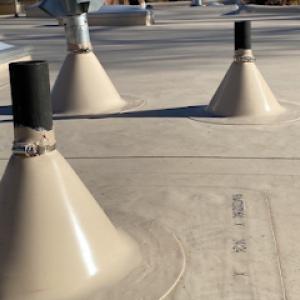
Elevation Roofing & Solar
(505) 980-9706 www.elevationroofingnm.com
7808 Pan American Fwy, Albuquerque, New Mexico
4.9 from 209 reviews
We are a Christian based, God fearing, America loving, freedom fighting, roofing company. We believe every roofing project should be approached as if it was our own home. Our standards are set from the morality of the Bible; “ So in everything, do unto others what you would have then do to you, for this sums up the law and the prophets.” Matthew 7:12.
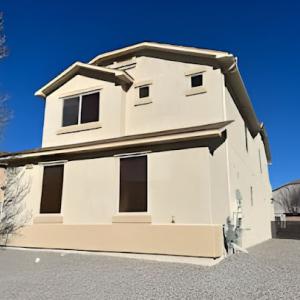
Altitude Roofing
(505) 887-7663 altituderoofingnm.com
8612 Paseo Alameda NE F, Albuquerque, New Mexico
4.9 from 103 reviews
Altitude Roofing is a trusted local roofing company in Albuquerque, NM, with 30+ years of combined experience in residential and commercial roofing. We provide durable roof repairs, replacements, and installations designed for New Mexico’s climate. Fully licensed and insured, we stand by our work with strong warranties and transparent pricing. Whether you need a small repair or a full roof replacement, our expert team ensures top-quality results. Call Altitude Roofing today for a free estimate and experience the best in local roofing services
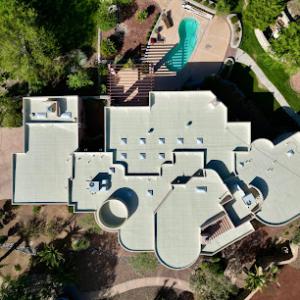
Green Mountain Contractors
(505) 205-9328 greenmountaincontractors.com
117 Richmond Dr SE STE A, Albuquerque, New Mexico
4.9 from 74 reviews
Green Mountain Contractors is Albuquerque’s trusted roofing company, providing expert roof repair, replacement, and installation for residential and commercial properties since 2017. Our team specializes in flat roofing, metal roofs, shingle replacement, and emergency roof repair services. We proudly serve Albuquerque, Santa Fe, and surrounding areas with reliable, affordable roofing solutions backed by professional workmanship. Call today for free estimates and fast service.
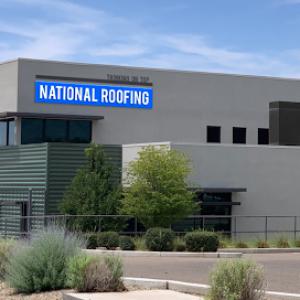
National Roofing
(505) 883-3000 nationalroofing.com
6821 Academy Pkwy W NE, Albuquerque, New Mexico
4.8 from 257 reviews
From the evaluation of your existing roof to the ongoing maintenance after installation, National Roofing has your back for all of your residential and commercial roofing needs.
Paramount Roofing
(505) 615-0646 paramountroofingnm.com
219 Claremont Ave NW, Albuquerque, New Mexico
4.8 from 214 reviews
Paramount Roofing is a licensed and insured roofing contractor serving Albuquerque, Rio Rancho, Corrales, Placitas, and the greater metro area since 2019. We specialize in residential roof maintenance, inspections, repairs, and full replacements for shingle, tile, metal, TPO, and flat roof systems. Our team handles storm damage, hail damage, leak detection, emergency repairs, and insurance claims. Every project includes a free inspection, detailed estimate, and warranty. Financing available. Call Paramount Roofing today for a free estimate.
TBC General Contracting
4801 Lang Ave NE UNIT 110, Albuquerque, New Mexico
5.0 from 40 reviews
We are a top tier GB98 GC. We offer complete roofing systems to New Mexico and surrounding areas for our residential customers, but we take on the headache of dealing with insurance claims as a preferred General Contractor for numerous insurance companies. We have the distinction of being one of the top rated contractors in the nation with the highest level awards from the largest manufacturer of asphalt shingles in North America, the GAF Presidential award. As a GB98 we also offer General Contracting services to commercial clients and are independently rated in the top 1% of licensed New Mexico contractors by Buildzoom.
All Seasons Roofing Albuquerque
(505) 307-6777 allseasonsroofer.com
6312 Edith Blvd NE ste a, Albuquerque, New Mexico
4.8 from 237 reviews
All Seasons Roofing Company is a team of roofers in Albuquerque. The business is one of the most well-known companies serving many customers with their residential and commercial roofing needs. They specialize in roof repair for shingles, flat roofs and metal roofing. All Seasons Roofing is one of the few Platinum Preferred Contractors with Owens Corning which is a status only 1/5 roofers have statewide. The company is also certified by Mule-hide Products which allows them to offer warranties on certain projects. If you are searching for roofing contractors in Albuquerque then contact us for your free roof inspection and estimate!
Cabezon Roofing
(505) 554-5090 www.cabezonroofing.com
7410 Montgomery Blvd NE suite 101, Albuquerque, New Mexico
4.9 from 58 reviews
Cabezon Roofing is a trusted local contractor proudly serving Albuquerque, NM with reliable roofing and exterior solutions for homes and businesses. As an experienced Commercial roofer, our team delivers high-quality installations, repairs, and maintenance designed to stand up to New Mexico’s challenging climate. Our skilled roofers work with precision and care on flat roofs, coatings, and long-lasting roofing systems that protect your property and investment. Among Albuquerque’s dependable roofing companies, Cabezon Roofing is known for honest guidance, clear communication, and craftsmanship that earns consistent 5-star customer satisfaction. We also provide professional stucco repair, helping restore exterior surfaces.
HERS Roofing Specialists
(505) 804-1843 hersroofing.wixsite.com
Albuquerque, New Mexico
5.0 from 35 reviews
New and ReRoofing Systems, Roof Repairs, Roof Maintenance. Female, Native owned business specializing in TPO, Metal and Shingle Roofing Systems.
Clay and concrete tile are a natural fit for Southwestern homes, matching the flat and low-slope aesthetics you often see in the area. They stand up well to the intense sun, especially when the underlayment system is kept in good shape. For a tile roof, the long-term performance hinges not just on the tile itself but on how the underlayment underneath ages and seals against heat, UV, and occasional monsoon moisture. When you choose these materials, you're selecting a system designed to breathe with dry desert air while still delivering reliable weather resistance.
In this climate, replacement timing is often driven by the condition of underlayment rather than the visible tile. The underlayment bears the daily sun exposure, seasonal heat cycles, and the heavy downpours that can arrive with monsoons. If the underlayment has deteriorated, you can experience leaks or accelerated wear around penetrations and flashing, even if the tile itself looks intact. A tight underlayment and properly integrated flashings are the backbone of a durable tile roof here, and attention to fastener corrosion, valley protection, and proper nailing patterns pays off years down the line.
The local market includes a meaningful concentration of tile-roof specialists, which matters because walking damage, broken field tiles, and delicate detailing around chimneys or vents require different care than common shingle roofs. When tiles fail, it's usually at the first point of impact or where movement happens at hips, ridges, and penetrations. A skilled tile crew will verify tile hangers, ensure proper lattice or batten support, and reflash transitions to prevent leaks. Expect careful inspection of sills, countersunk fasteners, and the condition of valley and rake details to avoid weak points that let in moisture or heat.
Seasonal visual checks help you catch issues before they escalate. Look for cracked or loose tiles, especially after heavy wind events or hail, and keep an eye on color shifting that might signal underlying underlayment wear. Clean debris from gutters and eaves to prevent moisture backup near eave penetrations. If you notice unusual heat spots on attic ceilings or damp patches after a storm, schedule a professional inspection to verify underlayment integrity and flashing condition. A proactive approach reduces the risk of hidden damage that can shorten the roof's usable life.
Because tile roofs are common here, you'll find a broad range of specialists who understand the unique demands of high-desert sun and monsoon cycles. When planning replacements or major repairs, expect the crew to prioritize underlayment replacement, proper tile patterning, and secure sealing around penetrations. A durable finish depends on the synergy between tile, substrate, and the weatherproof layer beneath. With attentive maintenance, tile systems continue to serve gracefully through Albuquerque's seasonal rhythms.
Find contractors who specialize in clay and concrete tile roofs, known for their durability and curb appeal.
Premium Roofing
(505) 366-1659 premiumroofingnm.com
4801 Lang Ave NE UNIT 110, Albuquerque, New Mexico
5.0 from 150 reviews
Elevation Roofing & Solar
(505) 980-9706 www.elevationroofingnm.com
7808 Pan American Fwy, Albuquerque, New Mexico
4.9 from 209 reviews
Green Mountain Contractors
(505) 205-9328 greenmountaincontractors.com
117 Richmond Dr SE STE A, Albuquerque, New Mexico
4.9 from 74 reviews
Albuquerque homeowners face sporadic claim spikes tied to hail and wind events rather than a constant severe-storm pattern, so contractor and adjuster availability can tighten suddenly after storms. When a storm rolls through, don't wait to assess damage. Keys are speed and accuracy: check your roof for dark granules, chipped shingles, lifted edges, or cracked tiles after every hail or wind event, even if the damage looks minor from the ground. In periods of heavy monsoon activity, the mix of rain, hail, and debris can create hidden damage that shows up days later. Have a plan to reach a trusted local roofer quickly and secure an inspection within 24 to 48 hours of the storm's passage.
Insurers in the area commonly expect photo documentation before and after storm events, making pre-loss roof records especially useful during monsoon and hail season. Take clear, dated images from multiple angles: the entire roof, edge detail, and close-ups of damaged shingles or tiles. Maintain a simple diary of storm dates, wind speeds if available, and any hail markers observed on vehicles or gutters. If you've installed recent roof technology or flashings, keep receipts and installation dates handy. After a claim is filed, you'll want these records ready to demonstrate the pre-storm condition and the extent of new damage.
Wildfire risk in parts of the regional insurance market can influence policy terms even when the immediate roofing claim involves wind or hail damage. If your home sits near heavier brush or hillside terrain, expect carriers to weigh wildfire exposure alongside storm damage. Prepare by reviewing recent landscape changes around your property and documenting any mitigation, such as cleared vegetation at setback distances. In the event of a claim, this context can affect evaluation and timing.
Prepare a pre-loss photo log of your roof and attic spaces, updating it annually. After a storm, photograph again within 24 hours and contact a local roofer promptly for a damage assessment. Coordinate with your insurer to align on required documentation, and keep all correspondence organized. If wildfire risk factors apply to your policy, review related terms early in the season so you're not surprised when a claim is processed. Stay proactive, stay documented, and move quickly when storms strike.
Find local contractors experienced in assessing and restoring roofs after hail, wind, and severe weather events.
Premium Roofing
(505) 366-1659 premiumroofingnm.com
4801 Lang Ave NE UNIT 110, Albuquerque, New Mexico
5.0 from 150 reviews
Custom Roofing Consulting & Construction - Albuquerque, NM
(505) 349-4993 teamcustomus.com
2420 Midtown Pl NE STE A, Albuquerque, New Mexico
4.9 from 244 reviews
Elevation Roofing & Solar
(505) 980-9706 www.elevationroofingnm.com
7808 Pan American Fwy, Albuquerque, New Mexico
4.9 from 209 reviews
The dominant residential choices span asphalt shingles, metal, clay tile, concrete tile, wood shakes, and synthetic/composite shingles, giving homeowners a wider style-performance spread than many single-material markets. The high-UV desert sun accelerates aging and fading, while midsummer monsoon downpours demand reliable water shedding and accessibility to gutters. Roof designs range from low-slope pueblo-style rooftops to traditional pitched forms, so selecting a material that plays well with both sun exposure and seasonal moisture is essential.
In Albuquerque, asphalt shingles offer familiar aesthetics and straightforward maintenance. They perform well under intense sun when rated for high reflectivity and built-in UV resistance. For low-slope dynamics, choose architectural or laminated profiles with better wind resistance and a taped seam approach to minimize leakage risks during sudden storms. Regular inspection after the monsoon season helps catch accelerated granule loss or potential granule washout, which can dull appearance and reduce reflective properties.
Metal has a visible specialty presence, reflecting homeowner interest in heat-tolerant, long-life systems suited to strong sun exposure. For the desert sun, consider metal with reflective coatings and a color that minimizes heat absorption. Metal panels tolerate monsoon winds better than many shingles, but installation quality matters: proper underlayment, ridge ventilation, and secure fasteners prevent water intrusion during heavy bursts. Metal's lightweight profile also works well on older structures that carry roof loads differently than newer homes, provided the substrate is solid and correctly prepared.
Clay tile brings a classic Southwestern look that aligns with Albuquerque's curb appeal. Tiles should be ranked for UV stability and wind resistance, with underlayment designed to handle dynamic roof temperatures. Concrete tile can mirror clay tile's aesthetic while offering greater impact resistance and a longer service life in the face of sun exposure. Both tile types require careful slope assessment and robust fasteners to resist monsoon winds and to prevent cracking from thermal cycling.
Concrete tile is admired for durability and dimensional variety. In this climate, a well-ventilated attic, appropriate water shedding, and a supportive deck are crucial to prevent tile cracking and adhesive failure. Choose textures and colors that minimize heat gain, and ensure the roof system has a deliberate drainage plan to handle heavy summer rains without pooling.
Wood shakes add rustic character but demand careful UV protection and moisture management. In monsoon-prone seasons, ensure proper sealing, rapid drying of any damp areas, and proactive treatment against moisture-related warping. Regular maintenance becomes more critical to preserve expansion gaps and prevent rot on exposed intervals.
Synthetic or composite offerings blend UV resistance with modern durability. They can mimic natural textures while delivering improved color retention and faster shedding of summer rain. Look for products with proven performance in desert climates and a warranty that covers UV degradation and hail exposure, which are practical considerations in this region.
Explore specialists in steel, aluminum, and standing seam metal roofs built to last 50 years or more.
Elevation Roofing & Solar
(505) 980-9706 www.elevationroofingnm.com
7808 Pan American Fwy, Albuquerque, New Mexico
4.9 from 209 reviews
Altitude Roofing
(505) 887-7663 altituderoofingnm.com
8612 Paseo Alameda NE F, Albuquerque, New Mexico
4.9 from 103 reviews
Green Mountain Contractors
(505) 205-9328 greenmountaincontractors.com
117 Richmond Dr SE STE A, Albuquerque, New Mexico
4.9 from 74 reviews
Average cost ranges in this market align with the local stock: asphalt shingles run about 350 to 600 per square, metal 600 to 1000, clay tile 900 to 1800, concrete tile 800 to 1500, wood shingles or shakes 800 to 1200, and synthetic or composite shingles 600 to 1100. Those figures assume standard prep, full tear-off when needed, and reliable underlayment. In practice, the final price often reflects the roof's complexity, attic ventilation, and the existing drainage setup. If a roof has multiple penetrations or skylights, expect the bill to tilt higher for flashing and detailing. The high-desert sun means faster granule loss on asphalt and accelerated wear on underlayment in exposed sections, which can push prices upward when a project reveals hidden damage during tear-off.
In Albuquerque, costs can rise on tile and low-slope projects because local roof styles often require specialized flashing, underlayment, drainage, or careful tear-off procedures rather than simple steep-slope replacement. Clay and concrete tiles demand careful handling to avoid breakage, plus matching hardware and spacers that respect the original profile. Low-slope or flat roofs hinge on careful drainage work, edge termination, and sometimes multiple layers of underlayment to keep water from wicking at seams or fastener lines. When clay or concrete tiles are involved, crews may need more time for setting, sealing, and curing around penetrations, which adds labor and material lines in the bid.
Storm-driven demand spikes after hail or wind events and scheduling around monsoon season can affect labor availability and project timing in the local market. High-UV desert exposure also shortens roof life, leading to more frequent reroofs in the same neighborhood over a decade or two. Planning for replacements to avoid monsoon clashes helps manage crew availability and delivery of long-lead items like clay or specialty underlayment. If a roof system shows early granule loss, cupping, or loose fasteners after a season of storms, expect a longer teardown and rebuild window and adjusted scheduling around weather windows.
Get a clear picture of your project costs upfront - no commitment required.
Altitude Roofing
(505) 887-7663 altituderoofingnm.com
8612 Paseo Alameda NE F, Albuquerque, New Mexico
4.9 from 103 reviews
Green Mountain Contractors
(505) 205-9328 greenmountaincontractors.com
117 Richmond Dr SE STE A, Albuquerque, New Mexico
4.9 from 74 reviews
Paramount Roofing
(505) 615-0646 paramountroofingnm.com
219 Claremont Ave NW, Albuquerque, New Mexico
4.8 from 214 reviews
You will encounter a building permit requirement for roof replacement, and this is a routine part of local project planning rather than an edge case. The permit process helps ensure workmanship meets the region's high-UV demands, wind considerations, and up-to-code underlayment standards. Treat the permit as a checklist item you must complete before any tear-off begins, not as an afterthought. Delays in obtaining approval can push work windows into hotter or rainier days, which in turn affects the roof's exposure and the integrity of newly installed materials.
Inspections are typically scheduled during the work and again after completion to verify code compliance. Local attention to wind uplift is especially important here, given how gusts can ride on the monsoon season and test inadequately secured edges. Underlayment requirements are another focus area, since a proper layer beneath shingles or tiles is essential to long-term performance in desert sun and sudden downpours. Plan for inspectors to review fastener patterns, roof penetrations, and ventilation, since small deviations can cause problems down the line.
Permit review timing in Albuquerque can vary with building department workload, so replacement planning should account for administrative lead time before tear-off begins. It's wise to lock in the expected start date with practical buffers for paperwork, weather windows, and scheduling with the chosen contractor. Rushing through approvals often leads to overlooked details that later manifest as leaks or wind damage, especially on flatter and tile-roofed sections common in this market.
In Albuquerque, intense sun exposure dries and ages flashing around skylights faster than other roof penetrations. High-UV conditions bake sealants and rafter collars, making curb seals and curb-to-roof transitions a common failure point. When evaluating a skylight install or reflash, prioritize corrosion-resistant metal flashing, continuous sealant beads, and mechanically fastened kickout details that resist wind-driven rain. Ensure the skylight curb is properly flashed to the deck with a drip edge that directs water away from the penetration, and use a sealant compatible with Clay Tile, Concrete Tile, or metal roofs as appropriate.
Tile roofs and low-slope systems demand extra attention to skylight details, since the curb and flashing play a bigger role than on steep shingles. On tile roofs, verify that the skylight flange is compatible with tile profiles and that grout lines don't trap moisture at the curb. For low-slope roofs, a properly rated flashing membrane under the curb helps manage ponding and rapid runoff during summer monsoons. In either case, ridge water should not be allowed to wick into the curb gap. During installation or replacement, verify fasteners are sealed and that the flashing transitions align with tile or membrane courses to avoid oversized gaps.
Leak complaints in the local market often center on penetrations and transitions during summer storm periods, not just broad field failure of the main roof covering. Inspect skylight flashing after monsoon downpours and after intense sun exposure cycles. Look for hairline cracks in sealant, loose fasteners, or missing kickouts. When resealing, apply a UV-stable, compatible sealant along the entire perimeter and monitor for the first monsoon season to catch slow leaks before they become widespread. Training and regular checks by a local contractor with tile and low-slope experience pay off in long-term reliability.
Find contractors experienced in skylight installation, flashing, and leak repairs to bring natural light into your home.
Elevation Roofing & Solar
(505) 980-9706 www.elevationroofingnm.com
7808 Pan American Fwy, Albuquerque, New Mexico
4.9 from 209 reviews
Altitude Roofing
(505) 887-7663 altituderoofingnm.com
8612 Paseo Alameda NE F, Albuquerque, New Mexico
4.9 from 103 reviews
Green Mountain Contractors
(505) 205-9328 greenmountaincontractors.com
117 Richmond Dr SE STE A, Albuquerque, New Mexico
4.9 from 74 reviews
Re-roofing is one of the strongest market signals in Albuquerque, indicating many homeowners are replacing aging systems rather than only addressing isolated repairs. High-UV desert sun accelerates surface wear on shingles, underlayment, and flashing, while midsummer monsoon downpours test variable roof details. If you notice curling shingles, granule loss, or persistent leaks after a storm, plan for a full roof replacement rather than a patch approach. A roof that has reached its threshold in this climate can fail catastrophically during the next monsoon, so timely decisions matter. The sooner you evaluate a replacement, the more you protect interior spaces and exterior walls from water intrusion.
Warranty messaging has a meaningful presence locally, which is relevant in a market where UV exposure and storm events make workmanship details around underlayment and flashing especially important. Look closely at what the warranty covers after installation, who handles labor claims, and how long coverage lasts for both materials and workmanship. A replacement is an investment in more than the visible surface; it should cradle the entire roofline with properly installed underlayment, ice-dam considerations, drip edge, and flashing around chimneys, skylights, and vents. If a contractor cannot describe their warranty with specific protections for UV degradation and wind-driven events, press for clarity and written assurances before signing.
Because Albuquerque has many quick-response and cleanup-focused contractors, homeowners should distinguish between emergency service capacity and the longer-term quality controls that matter on full replacements. In an urgent repair scenario, you may get immediate relief, yet the underlying system may still be vulnerable if flashing details, underlayment choices, and roof-to-wall transitions are not addressed during a full re-roof. Seek a contractor who can articulate a comprehensive replacement plan, including a meticulous finish-out of penetrations and edge details, and who commits to a written schedule and follow-up checks after the last nail is driven.