
Last updated: Apr 19, 2026
Summer in this inland stretch brings intense sun exposure and heat that can push underlayment temperatures into stress range. When planning a tear-off or replacement, scheduling during the hottest weeks requires extra attention to installation sequencing. The drying of coatings and sealants happens quickly, but rapid curing on exposed roof planes can trap heat in underlayment layers if ventilation isn't optimized. A practical approach is to stage activites so that highly heat-sensitive steps-like applying certain overlays or sealants-occur in the cooler parts of the day or on days with lower ambient temperatures. Consider arranging crews to work on the east-facing slopes in the morning and the west-facing slopes later in the day to balance heat exposure. Adequate temporary shading and prioritized ridge venting help maintain a cooler roof deck, which minimizes the risk of warping or buckling in underlayment. On metal or concrete tile roofs, heat can accelerate fasteners and laps, so the team should verify compatibility of fasteners and sealant temperatures before proceeding. This season also emphasizes coordination with interior spaces; keep attic access clear so panels, underlayment, and vapor barriers can be moved without excessive reuse of ladders and scaffolding. In dry months, you gain more predictable inspection windows, but still plan for late-day weather checks to catch late summer convection storms that form inland and drift toward the ridge.
As summer cools, inspections become more predictable, but fall can still bring variable coastal fog and isolated afternoon showers. In this window, you can tighten sequencing for complete replacements without the disruption of a multi-day rain event. Prepare the roof deck by removing old layers and drying thoroughly before installing underlayment. If a tile or shingle roof shows soft spots or damaged decking, address those zones early in the sequence to avoid backtracking later. When installing underlayment, pay attention to drift and wind; Atascadero's inland location means gusts can push lightweight materials into gaps if not properly secured. Ensure ventilation is robust during shoulder-season work, because warm days that follow light autumn rains can trap moisture under a new layer if attic ventilation is inadequate. For tile roofs, practice meticulous lid flashing and drip edge placement before moving to higher sections of the slope, since fall breezes can expose exposed underlayment to rapid cooling and potential contraction that reveals poor seals.
Winter rain in this area can interrupt open-roof work and delay inspections, making it important to align the schedule with longer dry spells. Aim to complete the bulk of tear-off and underlayment installation during the dry windows; anticipate the need to pause any coating or sealant work if a rain front approaches. Wind-driven rain can drive debris under loose materials, so temporary containment and secure fastening become essential. When a replacement project must endure a portion of winter, choose materials with proven moisture tolerance and avoid overly aggressive coatings that might fail under repeated freeze-thaw cycles. If a storm system brings significant rainfall, you may shift attention to interior work such as gutter integration, flashing seals from the interior side, or temporary protective tarping that reduces water intrusion while exterior work halts. Plan inspections for the first clear day after a storm to verify that seals and transitions hold up to the wet season's pressure, then resume with a cautious, staged pace.
A wildfire-driven insurance environment affects replacement timing and material choices. In drought-prone periods, the emphasis shifts toward durable, ember-resistant assemblies and solid flashing intersections to minimize ignition exposure. Weather-driven decisions align with the need for rapid, reliable installation windows that keep vulnerable roof planes protected from embers and radiant heat. When scheduling replacements, prioritize underlayment and ventilation upgrades that strengthen overall roof resilience, especially on exposed planes. This approach reduces risk during crucial fire season months and supports more favorable insurance outcomes by demonstrating a robust, well-sealed roof system ready to resist embers and wind-driven embers.
In California, wildfire exposure is affecting underwriting and renewals, so Atascadero homeowners may face closer scrutiny of roof age, material, and condition when shopping or renewing coverage. The inland heat and dry summers push insurers to favor assemblies with proven fire resistance, tighter underlayment, and robust ventilation for long, hot seasons. If your roof shows signs of aging, missing granules, or worn sealants, expect questions from your insurer and potential premium adjustments. A proactive approach-planning replacement before the next renewal window, talking through fire-rated options, and documenting the current condition-can prevent last-minute coverage gaps when a storm or strong Santa Ana wind hits.
Noncombustible roof systems such as tile, metal, and other fire-resistant assemblies are especially relevant in inland Central Coast communities where wildfire risk shapes insurer decisions. Clay or concrete tile, while heavier, can offer durable resistance and improved wind performance when properly installed with correct fasteners and underlayment. Metal roofing provides excellent fire resistance and tends to hold up well during wind-driven storms, though the look and attic ventilation must align with the rest of the home's envelope to maximize protection. Synthetic or composite shingles can bridge fire resistance with easier installation and lighter weight, but confirm they meet local testing standards and are paired with a compatible underlayment. In many cases, the choice isn't only about the roof surface; it's about the entire system-ventilation, underlayment, flashing, and attic insulation-that determines how well a roof will withstand ember intrusion and radiant heat during a wildfire event.
Claims and underwriting in this market often depend on thorough photo documentation before and after work, especially when wind-driven rain or wildfire-related concerns are involved. Start a proactive photo log of your current roof from multiple angles, noting damaged shingles, loose flashing, and signs of wear around vents and chimneys. When you pursue a replacement, continue the practice: capture close-ups of underlayment, eave details, and the roof-to-wall interface, then document the new install during and after completion. Insurers may request a staged timeline of photos to verify material choices and installation quality, so having this record ready can streamline approvals and prevent post-replacement disputes. If an ember or wind event is forecast, keep an updated set of images and a simple map showing vulnerable areas of your roof so adjusters understand the risk and the mitigation your new system provides. This neighborhood-facing vigilance not only supports insurance decisions but also builds resilience against the very conditions that define the Central Coast's fire season.
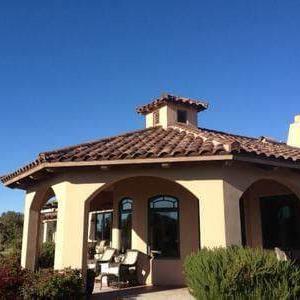
A-1 Roofing
(805) 748-1000 a-1roofingcentralcoast.com
7165 Sycamore Rd, Atascadero, California
5.0 from 4 reviews
We handle everything from new roofs, partial replacements, maintenance, tile restorations, and repairs. Over the last 30 years we have earned a reputation of providing the finest quality roofing systems at an affordable price. We look at your needs and consider all the factors before recommending a specific roofing system, repair or maintenance for your structure.
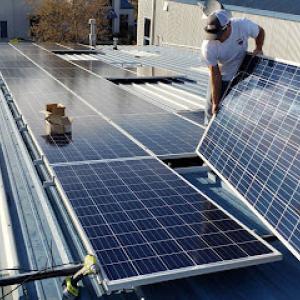
Wicks Roofing & Solar, Inc. - Atascadero
(805) 965-5122 wicksroofing.com
7875 Gabarda Rd, Atascadero, California
5.0 from 2 reviews
Roofing, Solar and Energy Storage in California is a rapidly expanding technology. From the latest composite materials and photovoltaic (PV) modular cells to DC rapid charging for Electric Vehicles (EV). The team at Wicks is dedicated to learning about and quickly applying into practice the best products and processes designed for lasting value. It’s no wonder that the Central Coast turns to Wicks Roofing and Solar. We are the preferred company for Home Owners, Real Estate Developers and General Contractors throughout the tri-counties.
A & M Roofing
(805) 835-5585 www.amroofingca.com
3250 El Camino Real A-1, Atascadero, California
5.0 from 2 reviews
A & M Roofing has been servicing San Luis Obispo County since 1984. We specialize in all types of roofing systems. From pitched roofs to flat roofs, we have you covered. Take a look at the gallery on our website. All the roofing material manufacturers websites are their for you to browse. Ask about our Roof Inspection service to know the true condition of your roof. Sometimes you just need a little more time. From Roof Maintenance to Leak Repairs, we can take care of you. We carry General Liability Insurance and Workman Comp Insurance to protect your property while work is in progress. With over 40 years experience, give Michael a call to go over your roofing needs.
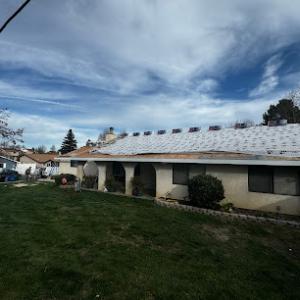
Salomon's Roofing
(805) 975-9159 salomonsroofinginc.com
Serving
4.9 from 59 reviews
Salomon's Roofing is not just a roofing company; we are a symbol of trust and excellence in Templeton, CA. With an impressive 24-year legacy in the roofing industry, we have set new standards for quality, integrity, and customer satisfaction. Our journey has been marked by a steadfast commitment to delivering roofing solutions that protect and enhance your property. Whether it's a residential roof that shields your loved ones or a commercial roof that safeguards your business, we take pride in our ability to provide roofing services that stand up to the challenges of time and weather.
Pristine Roofing
(805) 889-7838 www.pristineroofingca.com
Serving
5.0 from 24 reviews
We are a full-service roofing and solar contractor located in San Luis Obispo, specializing in delivering comprehensive roofing and solar energy solutions for residential, commercial, and industrial clients. With a strong commitment to quality, craftsmanship, and customer satisfaction, our team of experienced professionals works closely with each client to design and execute tailored solutions that meet their specific needs and budget.
Page Roofing
(805) 239-0583 www.pageroofing.com
Serving
4.9 from 159 reviews
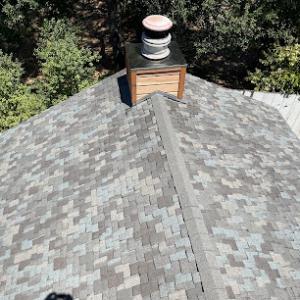
Page Roofing has been covering homes and businesses in San Luis Obispo County since 1984 with the highest quality materials at the best prices available. We specialize in all areas of roofing, including the latest in "cool" roofing, Metal & Energy Shingle roofing installation techniques. Our commitment to quality is unsurpassed and our drive for customer satisfaction cannot be beaten.
JB's Roofing / Central Coast Skylight Solutions
Serving
4.8 from 23 reviews
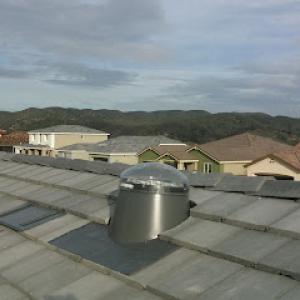
JB's Roofing/Skylight Solutions has worked on thousands of roofs throughout San Luis Obispo County and has a proven track record for high quality, leak free roof and skylight installations at a very reasonable price. All roof installations are performed by a licensed roofing contractor who continues to stay educated and up to date on the best roofing practices and quality materials which ensures you will receive a worry free, long lasting, quality roof system. We specialize in all kinds of roofing, tubular skylights installation, skylight replacement, and carpentry work, so don't hesitate to give us a call to see how we can add value to your home and give you the experience and treatment you deserve as a homeowner or professional.
Axiom 360
Serving
4.9 from 59 reviews
With over 15 years of experience in the industry, our team of certified professionals is committed to delivering top-quality roofing from new installations to comprehensive repairs. People are different now than they were years ago. We are smarter, more connected, and have a greater awareness of the world around us. This is especially true when it comes to our interactions with businesses. We are no longer content with being treated like numbers on a spreadsheet. We want quality and great customer service throughout the entire project. That’s why we go the extra mile to make sure every project is completed on time, within budget, and to the customer’s complete satisfaction.
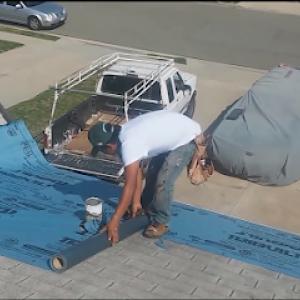
Ribas Roofing & Services
(805) 876-9479 ribasroofingcompany.com
Serving
5.0 from 2 reviews
Ribas Roofing Service is your all-in-one general contractor in Atascadero and Paso Robles for roofing, flooring, and building.
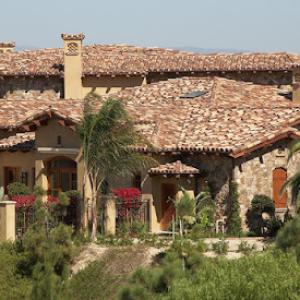
Mid State Roofing
(805) 239-4054 roofwithmidstate.com
Serving
4.0 from 8 reviews
Wade and his team will provide a “Free Estimate” for each roofing project. We install all types of roofing, specializing in tile, composition shingles and low slope roofing. Don’t hesitate to call for an estimate. Mid State Roofing has the capability and experience to handle any job. No job is too big or too small. Mid State Roofing has installed roofing on apartment complexes, large and small Homeowners Associations, condos, townhouses, wineries (Pear Valley to Victor Hugo) and shopping centers which include Vons, Borders and Rite Aid etc. Re-Roofing Specialist! Mid State Roofing has installed roofs on thousands of single family homes. Those homes ranged from standard slopes, flat, very steep and even domes.

Coast Roofing
(805) 773-1422 www.coastroofing.co
Serving
4.4 from 25 reviews
Here at Coast Roofing we understand that your home is one of your biggest investments! That's why we take extra care of your home through every step of the process and only offer top quality roofing craftsmanship. Coast Roofing has installed roofs on a wide variety of commercial buildings. From grocery stores, water treatment plants, to large churches and shopping centers. We are a trusted name for all commercial property along the central coast.
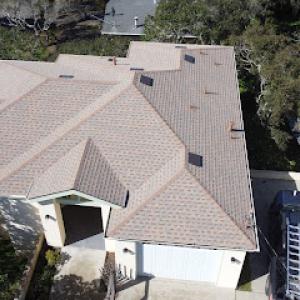
Estero Bay Roofing
(805) 748-4592 esterobayroofing.com
Serving
5.0 from 1 review
A FAMILY-OWNED ROOFING COMPANY Licensed and certified roofing company in Morro Bay, CA. Offering the best roofing materials and customer service in town! Over 18 years of experience and known for reliability and top-notch work. Our services include honest roof inspections, re-roofing, roof repairs, new roof installations, roof maintenance and offering asphalt shingles, metal roofs & TPO roof material. We offer free quotes to homeowners! Give us a call or message us today.
Clay tile and concrete tile are common fits for the region's Mediterranean and ranch-style housing stock. On many homes, the tiles themselves endure longer than the underlayment beneath them, which means choosing a roof system is really about protecting the structure from the inside out. If your roof uses clay or concrete tiles, you should plan for a robust, compatible underlayment and ventilation strategy. An aging or mismatched underlayment can fail silently, allowing moisture to wend its way to the sheathing and rafters. In practice, this means you may opt for a synthetic or upgraded felt underlayment, paired with a vented roof deck that encourages air movement under the tiles. Regular inspections after heavy rain and wind events help catch staining, lift, or moisture that might hint at underlayment issues before they become costly repairs.
Asphalt shingles remain a common, lower-cost option locally, but prolonged inland summer heat can accelerate granule loss and aging compared with cooler coastal microclimates. In Atascadero's hot stretches, you may notice older shingles curling or becoming brittle sooner than you expect if the roof has limited ventilation or an aging attic. Look for signs of accelerated wear near the southern exposures, ridge lines, and valleys where heat and sun exposure are most intense. When considering shingle replacements, think about pore-tight or infrared-reflective options that help shed heat. A well-sealed attic and continuous soffit-to-ridge ventilation can slow heat buildup, extending the life of the shingles and reducing thermal stress on the roof deck. If you already own shingles, annual checks after the dry season and before the first winter rains help spot softened edges, lifted tabs, or loose flashing that could invite leaks.
Occasional wind events in the area can loosen ridge components, displace tiles, and expose vulnerable shingle edges on older roofs. Ridge caps should be inspected for secure fasteners, proper sealant, and alignment with the tile pattern if tiles are involved. Loose ridge or hip components can compromise the roof's weather barrier, especially during Santa Ana-like gusts or winter windstorms. For tile installations, confirm proper tile clips and panning to discourage wind-driven lift; for shingles, ensure staggered rows and reinforced edge detailing minimize exposure to wind pressures. In both cases, a proactive approach often saves more in the long run than reactive fixes after a storm. A practical habit is to perform a quick, seasonal walk-around to check for cracked or displaced tiles, loose fasteners, or any unusual gaps along the eaves and ridge lines after high-wind alerts. If a roof feels loose or looks sunken at the edges, a professional assessment can identify flashing, underlayment, or fastener issues that standard maintenance might miss.
For clay or concrete tile roofs, prioritize maintaining a clean, debris-free roof because debris can trap moisture against underlayment and flashing. With shingles, upkeeping attic ventilation is a straightforward way to slow aging and heat buildup. In both cases, address small problems before they become big leaks, especially after heavy winter rain or strong winds. Remember that the combination of hot summers, wet winters, and wind risk creates a dynamic pair of demands: you want underlayment and ventilation that keep moisture out and air moving, while the tile or shingle layer protects the interior from heat and wind-driven water intrusion. Regular, targeted inspections by a knowledgeable local roofer can help you tailor replacement choices to the specific site conditions and age of the roof.
Find contractors who specialize in clay and concrete tile roofs, known for their durability and curb appeal.
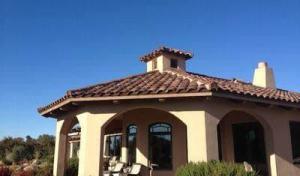
A-1 Roofing
(805) 748-1000 a-1roofingcentralcoast.com
7165 Sycamore Rd, Atascadero, California
5.0 from 4 reviews
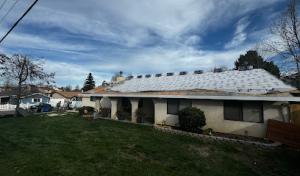
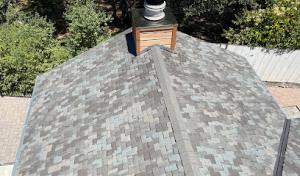
When you're lining up numbers for a re-roof in this area, the material choice drives the bulk of the cost. Asphalt shingles run roughly from $320 to $650 per square, making them the most budget-friendly option for a typical suburban sloped roof. Metal roofing lands between about $700 and $1,300 per square, offering durability and lighter weight for California storms. Clay tile sits around $900 to $1,700 per square, while concrete tile tends to $800 to $1,500. Synthetic or composite shingles come in roughly $520 to $900, and slate can start around $1,400 and climb to $2,600 per square. These ranges reflect local labor and material access in this dry-wet climate with heavy underlayment needs.
Tile roofs often cost more than their surface price would suggest because removing and resetting heavy coverings takes extra labor. In Atascadero, you may uncover underlayment replacement needs even if many tiles look reusable. Expect higher crew time for layout, careful handling to prevent breakage, and additional work to re-seat and seal flashings. If clay or concrete tiles are on your home, budget for potential tile breakage and more meticulous reinstallation to maintain a watertight field.
Dry-season demand pushes scheduling pressure because both homeowners and contractors prefer summer and early fall windows. Winter storms can disrupt work, extend timelines, or force mid-season pauses. If you're planning a full replacement, booking ahead for the shoulder months can help secure crews and avoid weather-driven delays. Weather windows matter more here than for some climates, so align ordering, delivery, and crew days with longer, dry stretches.
Beyond the roof cover itself, you'll want to anticipate costs tied to underlayment, ventilation, and the final installation checks. In this market, ensuring a robust underlayment system and proper attic ventilation is essential for long-term performance against heat, rain, and smoke exposure. The inspection steps tied to these components can influence timing and total project readiness, affecting both the schedule and the overall price you see on bids. Prepare for contingencies where underlayment upgrades or venting refinements are recommended after the old roof is removed.
Get a clear picture of your project costs upfront - no commitment required.
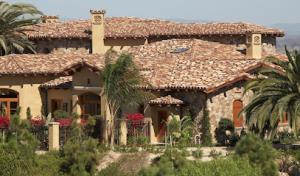
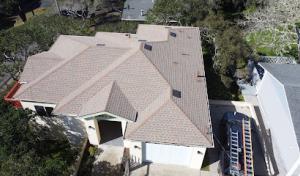
In this town, full roof replacements are handled through the City of Atascadero Building Department, not as a casual, off-the-cuff project. That means your replacement isn't a "buy and replace" job you can start tomorrow; it hinges on official oversight. A permit is the first real step, and it signals that someone checked the plan for basic safety, drainage, and surface materials before a hammer ever swings. If a contractor suggests skipping the permit, that decision is not theirs to make-and it can bite you later with fines, work stoppages, or a rejection at the final inspection. The department's review acts as a safeguard against missteps that could put your home at risk during the hot dry summers and wet winters this area experiences.
Permits are issued after a plan review, and the timing of your project start can hinge on how complete the submittal is and how quickly the review cycle moves. In practice, this means you should anticipate a few waiting cycles for plan corrections or clarifications. Gather detailed roof diagrams, vent locations, underlayment specifications, and ventilation calculations before you submit. If the plans lack clarity on underlayment type, roof venting strategy, or attic craft details, expect back-and-forth with the review desk. Plan for this as part of the schedule, because a rushed submittal rarely sails through the process and delays the entire replacement.
Inspections are not optional checkpoints; they are the mechanism that ensures the new roof will perform through Atascadero's seasonal shifts. Inspections are scheduled during and after the project to verify underlayment, ventilation, and installation compliance before final sign-off. A common sticking point is the attic ventilation configuration: inspectors will verify that soffit, ridge, and other vents provide adequate airflow to prevent heat buildup and moisture problems. Underlayment integrity is another frequent focus-any lapses here can compromise your new roof's performance against heavy rains or wildfire-driven wind events. Schedule proactively, keep access clear, and coordinate with your contractor to ensure the work aligns with the inspection windows.
A typical risk is starting work without the required permit or with plans that don't reflect the actual materials or venting in place. That mismatch nearly always triggers rework, extra inspections, and delays. To avoid it, verify with the city early that your chosen roofing system will align with code expectations-especially for ventilation and underlayment, which directly affect energy use, indoor comfort, and wildfire insurance considerations. After the project, be prepared for a final walkthrough to confirm everything matches the approved plan. A smooth approval protects you from last-minute surprises when wildfires or winter storms put stress on the new roof.
In Atascadero, wet-season roofing emergencies spike when rain and wind arrive together, and active leaks can spread quickly into attic spaces. If water is actively dripping indoors, prioritize immediate containment. Move furniture away, place buckets under the drip line, and avoid stepping on saturated areas where shingles or flashing may fail. Treat any sign of water tracking along ceilings or walls as urgent, not cosmetic. When tarping, start at the highest point of the leak and work down, but keep access clear for quick footpaths to the ladder. Secure tarps along ridges and over penetrations with weighted edges and sturdy fasteners, then monitor for shifting during gusts.
Because dry summers dominate much of the year, some hidden roof defects do not show up until the first significant winter rains test flashings, valleys, and penetrations. Look for shallow cracking in sealants, loose or lifted shingles, and clogged or compromised valleys after the first big rain event. If you notice new damp spots or odor in the attic, treat them as active leaks even if the surface looks dry. Early, decisive action can prevent widespread interior damage. When evaluating damage, prioritize structures that funnel water toward the attic and interior joints, where deterioration accelerates once moisture is present.
Wind during storm periods can make temporary protection and material securing more difficult on exposed roofs. When securing tarps, use corrosion-resistant fasteners and weighted edges that won't blow free in a gust. If a wind shift threatens the tarp, add extra anchoring near corners and vent pipes, and create a slight overlap at seams to reduce flapping. Do not climb onto a roof during high wind warnings; call for a qualified responder to apply or adjust protectors safely. Quick, decisive steps save drywall, insulation, and framing from rapid moisture intrusion.
Although sloped roofs dominate, there is meaningful demand for low-slope work on additions, patios, multifamily sections, and commercial properties. In these projects, the roof joints and transitions become the critical points where water can intrude if not treated with care. The local climate-with hot, dry summers followed by wet winter storms-puts extra emphasis on detailing around long runs, parapet walls, and any newly added sections that tie into existing systems.
On low-slope roofs, the underlayment choice matters as much as the surface material. A robust, compatible membrane paired with proper seam sealing and edge detailing can stand up to Atascadero's winter rain and rapid changes in temperature. Ventilation remains essential; even a flat or near-flat addition benefits from a dedicated ridge or soffit intake to prevent moisture buildup under the deck. Pay attention to hip and valley areas, where water flow concentrates, and ensure flashing sits flush against all joints.
Skylight penetrations become more leak-prone when winter rain follows long dry periods that bake surrounding sealants and flashing components. Inspect skylight flashing, curb stability, and gasket integrity before replacing a roof surface. If a skylight is aging, consider upgrading to a higher-quality curb, selecting sealants with proven resilience to heat cycles, and detailing drip edges to channel water away from fasteners. For new installations, ensure a dedicated, well-sealed flashing assembly that ties into the membrane system without creating creases or gaps.
During replacement, scrutinize underlayment coverage at transitions from slope to low-slope sections, roof-to-wall interfaces, and any penetrations. Ventilation details should be reviewed at each vent stack, chimney, and skylight. A thorough test for wind-driven rain resistance in the final phase helps confirm that all penetrations remain secure through the storm season.
Find specialists in TPO, EPDM, and built-up flat roofing systems for residential and commercial properties.
A & M Roofing
(805) 835-5585 www.amroofingca.com
3250 El Camino Real A-1, Atascadero, California
5.0 from 2 reviews
Local hiring patterns favor contractors known for quick response, which matters in a market where winter leaks and weather delays can compress repair windows. When you call around, note how fast messages are returned, whether the crew can schedule within a reasonable window, and if the same team shows up consistently. A local presence often translates to shorter travel times, fewer rescheduling hassles, and moves to secure the roof quickly before more weather rolls in.
Re-roofing experience is especially relevant in this area because many projects involve replacing aging systems rather than roofing brand-new homes. Look for contractors who have handled at least a handful of jobs on similar slopes, tile or shingle configurations, and the common wear you see after years of inland heat and winter moisture. Ask for a short list of recent projects and references, focusing on projects where underlayment, ventilation, and tear-off efficiency were critical.
Because of strong sun, dry summers, and wet winters, proper underlayment and ventilation are non-negotiables. Inquire about venting strategy, attic intake quality, and how the crew protects insulation during tear-off. Cleanup matters here: crews that path through yards without tracking mud or leaving debris behind are a sign of a well-managed job. Request a description of their cleanup plan and confirm they carry tarps, hoses, and daily trash containment.
Cleanup and long-established local presence stand out in this market, suggesting homeowners value crews that protect yards and leave properties tidy after tear-off. Ask about the crew's continuity, who will supervise the work, and how they handle on-site weather delays. A familiar local crew with a documented process tends to keep projects on track and reduce surprises on move-in readiness.
Insurance pressures influence replacement decisions: you want a contractor who communicates clearly about delays, potential weather impacts, and how they mitigate exposure to interior leaks during heavy rain. Confirm written procedures for weather holds, tarp usage, and immediate response if a leak is detected mid-project.