
Last updated: Apr 19, 2026
The marine air that drifts through the Santa Barbara County coast drives a distinctive aging cycle for roofs in the valley. Flashings, fasteners, vents, and exposed metal accessories are the first places to show wear from salt air and humidity. In a mild wet winter, moisture infiltration can creep in during storms or heavy drizzle, while dry summers push UV exposure and ventilation-related aging. When planning a reroof or replacement, prioritize components that sit at the roof edge, around valleys, and behind vents, since these are the zones most exposed to salt-laden air and seasonal humidity shifts. Regular inspections after heavy rain or on the first dry spell of spring can reveal corrosion, loose sealant, or minor rust starting on metal flashings, nails, or ridge- cap clips.
Winter brings the higher risk period for moisture intrusion, particularly along seams, penetrations, and roof-edge details. During this window, look for soft spots, discoloration, or pinholes near penetrations where salt air can accelerate deterioration of sealants and metal components. The dry months reveal another face of wear: UV-driven aging and ventilation-related drying cracks. Shingles, underlayment, and any surface sealants may show accelerated fading and minor granule loss, especially on south-facing slopes or roofs with limited shading. A practical approach is to map the roof by exposure: note edges, ridges, and vent areas first, and schedule targeted maintenance in late winter or early spring when moisture is still present but temperatures are rising.
Wind exposure is a practical concern in this coastal valley setting, especially for edge details, ridge components, and fastening patterns during reroofing. Strong afternoon gusts can lift edge materials if fasteners or sealants are marginal, so choose edge detailing with higher wind resistance and a continuous seal around the perimeter. For metal edge clips, drip edges, and ridge vent stops, verify that coatings aren't chipped and that fasteners seat firmly without exposing bare metal to corrosive air. If the roof includes concrete or clay tiles, check the nailing pattern and mortar joints along the eaves and ridges; salt air can corrode or loosen fasteners that hold those edge pieces in place. When reroofing, specify extra-fastener counts in exposed locations and consider longer, marine-grade fasteners that resist corrosion.
Flashings in this climate should be selected for corrosion resistance and compatibility with the chosen roofing material. Aluminum and stainless-steel flashings perform better near the coast, but ensure proper sealant compatibility to avoid premature cracking in the salt-laden air. Vents and pipe collars deserve extra attention because their seams are common leakage points during the rainy season. Inspect paint, sealant, and vent collars after winter storms, and re-seal as needed before the dry season dries out the substrate. Exposed metal accessories-such as cap plates, crown molding, and metal flashings around dormers-benefit from a coastal-grade coating and periodic touch-ups to prevent corrosion initiation at small scratches or wear lines.
The local climate favors durable, corrosion-resistant options, especially for edge and fastener details. Asphalt shingles with spiral or sealed edge detailing perform reliably when edge exposure is moderate, provided fasteners and sealants are of marine-grade quality. Metal roofing can offer excellent wind resistance if installed with continuous eave and ridge closures and corrosion-resistant coatings. Clay and concrete tiles handle salt air better than organic shingles but require careful detailing at fasteners and underlayment to accommodate thermal expansion and contraction. Synthetic or composite shingles can provide good longevity in this environment if the product includes a UV-stable top layer and a coastal-grade sealant system. Slate delivers durability but demands precise installation to maintain wind performance and edge protection in exposed sequences.
Beginning each spring, walk the roof with a ladder-friendly checklist: inspect edge details and ridges for loose fasteners, test sealants at penetrations, and look for signs of corrosion on metal flashings. After heavy coastal winds, recheck exposed fasteners and re-seal any opened seams. Clean debris that may trap moisture near vents and eave gaps, since trapped moisture increases rot risk and accelerates corrosion around penetrations. If you notice rusting, lifted edges, or degraded sealant around flashings, plan for targeted repairs before the next wet season begins. A proactive approach helps keep the roof resilient through Lompoc's unique cycle of moisture-driven wear and dry-season UV exposure.
The Santa Barbara County coast brings a cool, marine-influenced valley climate that shapes how roofs behave year after year. Salt air accelerates some aging processes, seasonal winds test edge details, and winter moisture finds its way into gaps and underlayment if the roof isn't well-sealed. In this environment, the goal is to minimize wind-driven water intrusion, resist salt spray corrosion on fasteners and metal components, and ensure the underlayment and fastenings stay reliable through damp winters. The practical takeaway is to prioritize assemblies that tolerate salty air, stay watertight during wet months, and remain durable against gusty Santa Ana-adjacent wind patterns without requiring excessive maintenance.
Asphalt shingles are common partly because they fit many Lompoc homes economically, but sealant performance, granule loss, and wind resistance matter in the city's coastal conditions. Look for shingles rated for higher wind uplift and granules that resist washing away in windy rain events. Pay particular attention to the sealant strips around joints, valley intersections, and penetrations. A quality nailing pattern and proper securement at eaves and hip lines reduce wind damage. In coastal zones, upgrading to a wind-resistant starter course and using matching hip-and-ridge details helps keep granules from washing away during winter storms. If the home has existing asphalt, ensure the underlayment beneath is robust and continuous to protect against salt-laden moisture that can loosen fasteners over time.
Metal roofing can perform well in Lompoc if corrosion resistance is matched to marine exposure, making finish quality and accessory compatibility especially important near the coast. Choose coatings designed for salt spray zones and confirm that fasteners, screws, and clips use stainless steel or hot-dip galvanized hardware with proper sealants. The color and coating should irritate salt deposition as little as possible and allow for thermal expansion without compromising seals at ridges, vents, and skylights. When selecting a metal system, verify that edge flashing and drip edge details are designed to shed salt-laden moisture away from roof-to-wall transitions. Also check that the rust-prone areas around ferrous penetrations are treated and properly sealed to avoid premature corrosion.
Clay and concrete tile suit much of the area's California architecture, but underlayment life, fastening, and replacement of cracked field tiles are often more important than the tile surface itself in this climate. Tiles add weight and require a strong structural assessment, but their bold profiles handle coastal wind well when properly installed. The real hinge is the underlayment-correctly pitched and well-sealed-and the method of attaching tiles to resist uplift in gusty coastal winds. Cracked field tiles are not just an aesthetic concern; they create openings for moisture that slowly compromises the roof deck. Regular inspection should target cracked or displaced tiles, with a quick swap to prevent water intrusion. Consider ensuring that tile hangers, closures, and flashings are all rated for high-wind operations to maintain long-term performance in marine air.
Synthetic/composite products may appeal where homeowners want lower weight than tile, while natural slate is uncommon mainly because its cost is far above the city's more typical reroofing choices. Synthetic options often offer excellent impact resistance and consistent performance in damp, salty environments, with easier maintenance than traditional tiles. Look for products with moisture resistance in the core and durable coatings that resist salt exposure. Confirm compatibility with existing flashings and penetrations, and choose a system that integrates smoothly with metal accessories where coastal hardware is involved. The ability to match the look of traditional materials without the weight can be a real advantage in renovations or second-story additions found around older Lompoc neighborhoods.
Natural slate remains uncommon because the upfront and replacement costs tend to be high. When slate is considered in a coastal setting, the major decisions center on securing a solid deck and quality underlayment, as well as ensuring that fasteners and edge details tolerate salt air. If slate is part of a home's architectural language, focus on long-term maintenance plans for tile breakage and the associated deck exposure. In most cases, a high-quality synthetic substitute or a lighter tile option delivers the desired appearance while aligning with a practical coastal maintenance cycle.
Regardless of material, the ongoing routine for Lompoc roofs should emphasize salt-air exposure management, wind-driven debris checks, and timely replacement of damaged components. Early detection of loose flashing, rust spots on metal, or cracked tiles keeps moisture out and preservation costs lower. Regular gutter and valley cleaning reduces standing moisture that can accelerate underlayment deterioration in the damp winter months. A thoughtful approach to materials, fasteners, and sealants-paired with careful attention to edge details-helps a roof weather the marine air for years to come.
Reroof timing matters most when the rain season is looming. In this coastal valley, winter rain can derail tear-offs, leave decking exposed to moisture, and complicate underlayment inspections. A dry-season window minimizes trip hazards on wet, slippery decks and reduces the chance of shingle or shake damage from sudden downpours. If a roof is already showing aging signs-curling shingles, lifted edges, or staining-it's wise to push the job toward late spring or early summer when dry days are more predictable. Delays during wet months aren't just inconvenient; they can force repeated visits, increasing exposure of your home to weather and extending the period of compromised roof protection.
Autumn brings a different kind of stress that can catch homeowners by surprise. Fall wind can affect installation sequencing and fastening details, so contractors need weather-aware staging rather than assuming calm inland conditions. High gusts can disrupt nailing patterns, blow loose materials across the roof, or force temporary shutdowns mid-sequence. A reputable crew will build a weather contingency into their plan: secure material, adjust start times to calmer parts of the day, and stagger deck inspections to align with favorable small-window gusts. If a prior roof line shows wind-driven wear, this season deserves extra attention to detail, because missed snugging of underlayment or improper starter courses can invite moisture intrusion during winter storms.
Summers here are typically dry rather than intensely stormy, which helps you lock in a full replacement without the constant rain-based interruptions common in other coastal markets. That clearer planning window translates to fewer mid-project setbacks and a more predictable timeline for ordering and coordinating materials. With a full-sun schedule, you can mobilize crews, stage roof tear-off, and complete resealing with reduced risk of unexpected moisture exposure. However, heat and long workdays demand hydration, safety checks, and careful handling of asphalt and metal systems to avoid warping or shrinkage in the heat of peak afternoon sun.
Even in a dry season, coastal moisture can linger in the air and on exposed decks. A disciplined approach is to plan for a thorough weather briefing before each critical phase: tear-off, decking assessment, underlayment inspection, and final sealing. If rain threatens, a contractor's sequencing must adapt-prioritize deck inspection and dry-in underlayment when clear skies return, rather than pressing ahead and risking moisture beneath layers. Your reroof should proceed with constant attention to wind forecasts, moisture levels, and material handling protocols. Prompt decision-making when forecasts shift prevents minor delays from becoming major complications and helps protect the home's interior from moisture intrusion during the project.
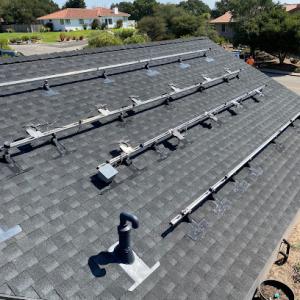
Clark Roofing
1624 W Alcott Ave, Lompoc, California
4.9 from 41 reviews
Clark Roofing is a veteran owned company and is proud to be serving the Santa Barbara and Ventura County's. We service all Roofing types and repairs and take Pride In servicing our Communities.
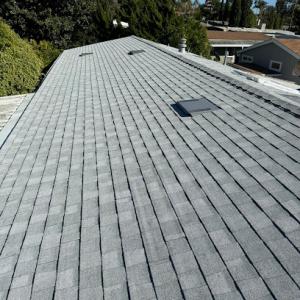
7 Rios Roofing
(805) 617-6580 www.7rios-roofing.com
Lompoc, CA
5.0 from 12 reviews
🛠️ About 7 Rios Roofing INC 7 Rios Roofing INC is a trusted roofing company dedicated to providing high-quality roofing services for both residential 🏡 and commercial clients. With a strong commitment to: Excellence, Safety, Customer Satisfaction…our team brings years of experience and expert craftsmanship to every project. Whether it’s 🛠️ roof installation, repair or maintenance, 7 Rios Roofing INC ensures durability and reliability you can count on. We take pride in serving our community with integrity and professionalism, making sure every roof is built to last. 🧱 📧 Email: Bark35fk@gmail.com
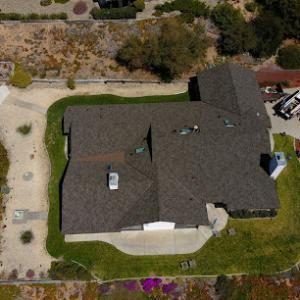
A To Z Roofing
(805) 588-6888 www.atozroofinglompoc.com
221 S 2nd St, Lompoc, California
4.4 from 49 reviews
A to Z Roofing in Lompoc, CA, is more than a reliable resource for comprehensive roofing services at an affordable rate. We also take pride in installing seamless gutters that are made to last. Our unwavering commitment to exceeding customer expectations is just one of the many reasons our valued clients turn to us anytime they need our assistance. When you put the needs of your roof in our hands, you can rest assured that we are a Fully Licensed, Insured, Bonded, and Family-Owned & Operated Company.

Eddie's Roofing
(805) 819-0534 www.eddiesroofinginc.com
1010 N H St ste r, Lompoc, California
4.0 from 26 reviews
roofing contractor roof repairs new roofs skylights free estimates
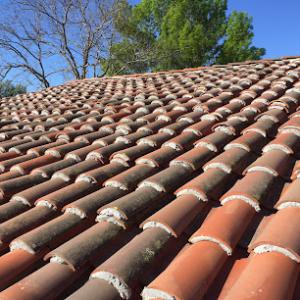
GN Roofing
(805) 878-4395 gnroofingcontractor.net
Serving
4.9 from 99 reviews
GN Roofing is a family owned and operated roofing company located in Santa Maria, California. We offer a variety of services from maintenance, repairs & replacement for different roof systems. Request a free quote today! (805) 878-4395. Our services are for residential and commercial properties within the counties of Santa Barbara & San Luis Obispo.
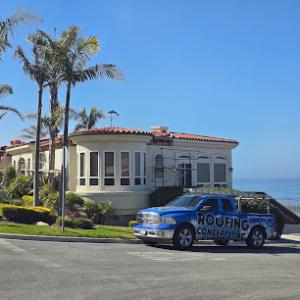
Roofing Concepts Pro.
(805) 925-8456 www.roofingconceptspro.com
Serving
4.6 from 24 reviews
SINCE 2000, ROOFING CONCEPTS, INC. has been the trusted choice for roof repairs, replacements, and maintenance across Santa Maria, San Luis Obispo, Paso Robles, Lompoc, Santa Barbara, and the entire Central Coast. We specialize in Spanish tile, asphalt shingles, metal, and flat roofs for both residential and commercial properties. 📍 Serving Santa Maria (93454, 93455), San Luis Obispo (93401, 93405), Paso Robles (93446), Lompoc (93436), Santa Barbara (93101, 93105), and surrounding areas. ✅ LOCALLY OWNED & OPERATED ✅ TRUSTED. LOCAL. PROVEN PROS. FOR OVER 25 YEARS ✅ SERVING THE CENTRAL COST WITH THOUSANDS OF SATISFIED CUSTOMERS ✅ 25 YEARS OF EXCELLENCE
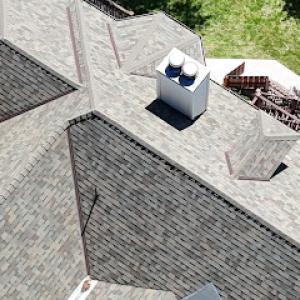
Efficient Roofing | Nipomo | Santa Barbara
(805) 720-6353 efficientroofinginc.com
Serving
5.0 from 44 reviews
Roofing experts on shingles, Spanish tile, flat tile, Tpo Flat roofs, Bitumen membrane flat roofs, and metal roofs.
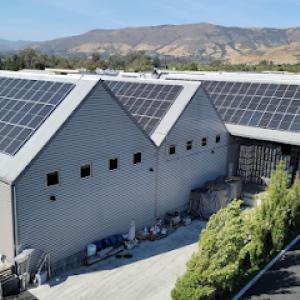
Wicks Roofing & Solar, Inc.- Nipomo
(805) 881-3986 wicksroofing.com
Serving
4.5 from 80 reviews
Roofing, Solar and Energy Storage in California is a rapidly expanding technology. From the latest composite materials and photovoltaic (PV) modular cells to DC rapid charging for Electric Vehicles (EV). The team at Wicks is dedicated to learning about and quickly applying into practice the best products and processes designed for lasting value. It’s no wonder that the Central Coast turns to Wicks Roofing and Solar. We are the preferred company for Home Owners, Real Estate Developers and General Contractors throughout the tri-counties.
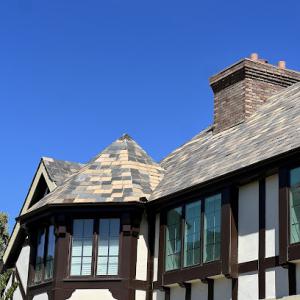
Leo's Roofing
(805) 801-2064 www.facebook.com
Serving
5.0 from 12 reviews
Protect your home or business with Leo's Roofing, the premier roofing contractor serving San Luis Obispo and Santa Barbara Counties. We offer top-quality roofing solutions for both residential and commercial properties. Your roof is your building's primary defense, and we're dedicated to providing reliable, professional, and expertly crafted roofing services. Using only top-grade materials and innovative techniques, we ensure lasting durability. At Leo's Roofing, we build more than just roofs; we build lasting relationships based on integrity and transparency.
West Coast Roofing
(805) 922-1581 westcoastroofingsm.com
Serving
3.3 from 7 reviews
West Coast Roof Contractors has over 35 years of local experience. We offer quality workmanship at affordable prices. We are locally owned and operated with honest, reliable, & knowledgeable services. We service Residential, Commercial, and Indust
Melena Roofing Partnership
(805) 928-5299 melenaroofing.com
Serving
All types of roofing Single Ply Tpo PVC Termite repair Facial boards Roof certification No job to small
A full roof replacement typically requires a building permit through the City of Lompoc Building and Safety Department. Before any work starts, verify permit scope with the department, and have your contractor submit plans that reflect the chosen roofing system and local wind and moisture considerations. Permit review can take a few weeks, so align approvals with your project timeline and scheduling for inspections.
Once the permit is active, the inspection sequence usually includes a rough or underlayment inspection followed by a final inspection. The rough inspection focuses on the roof deck, underlayment, and basic fastener patterns. During this stage, the inspector checks that the decking is sound, the underlayment is properly installed, and fasteners are appropriate for the exposed climate. The final inspection confirms that the roof completion, flashing, and accessories meet code and manufacturer requirements.
Attention to underlayment and deck condition is essential in this coastal-valley climate. Water intrusion edges around chimneys, skylights, and walls should be securely flashed, and any damaged decking discovered during the rough inspection must be repaired before proceeding. Ensure the underlayment chosen is rated for the local wind exposure and moisture conditions, and that it overlaps correctly at all joints. A solid decking surface supports long-term performance, especially where salt air and winter moisture can affect fasteners and seams.
Flashing around roof penetrations deserves particular care. Use corrosion-resistant materials appropriate for coastal exposure, and verify that all terminations integrate with the chosen roofing system's design. The final installation should show clean, properly aligned seams, secure fasteners, and integrated flashing that resists salt air corrosion and wind-driven rain. Documentation detailing fastener types, underlayment, and flashing specifications helps with both the inspection pass and manufacturer warranty compliance.
Wind-climate considerations often attract extra scrutiny. Provide any required manufacturer documents or warranty support materials that demonstrate compatibility with the local wind loads and coastal environment. If a contractor uses specialty features such as ridge vents, approved sealants, or wind-rated flashing, ensure those components are installed per the latest code and the manufacturer's installation guide. After the final inspection, obtain the certificate of occupancy or final permit clearance to finalize the project.
In this coastal valley, typical material costs sit in a narrow band compared to inland regions. Asphalt shingles usually run about $350 to $700 per square, metal roofing from $600 to $1200 per square, clay tile $900 to $1800 per square, concrete tile $800 to $1400 per square, synthetic or composite shingles $500 to $900 per square, and slate from about $2500 to $4500 per square. These ranges reflect the mix of profiles common to California-style homes in this area and the effort to source weathering materials that stand up to salt air and seasonal winds.
Coastal exposure calls for more corrosion-resistant flashings, fasteners, and metal accessories than a inland reroof would use. That means the bottom-line per-square figures above may rise if a project requires upgraded alloys, heavier coatings, or additional protective detailing in edge zones and around vents. In practice, you may see a modest premium added for higher-grade fasteners and longer-lasting sealants when the roof sits close to spray zones or crossings of sea breeze paths. Expect the labor footprint to grow slightly as well if extra detailing is needed to keep salt wear at bay and to secure flashing joints against wind uplift.
Tile roofs are especially price-sensitive here because many California-style homes use profiles and roof layouts that drive underlayment work, broken tile replacement, and edge detailing. Underlayment overlaps, broken tile respacing, and meticulous edging around fascia and eave lines add labor hours that push costs above the simple per-square material estimate. If a tile roof requires careful matching of profiles and a higher rate of replacement tiles to maintain visual continuity, budget noticeably more for those labor-intensive steps.
Weather patterns in this area can tighten contractor schedules once the rainy season begins. If work is delayed into peak wet months, pricing may rise due to reduced contractor availability and the urgency of weatherproofing before winter storms. Planning ahead and coordinating with a few qualified local crews can help lock in more stable pricing and avoid rushed labor that tends to increase both time and material waste.
When budgeting, align your estimate with the listed material ranges and factor in coastal-specification premiums for flashings and fasteners. For tile work, build in extra for underlayment and edge detailing that are prominent cost drivers here. By planning around the wet season and selecting materials with proven salt-air performance, you'll make the most of the typical Lompoc price landscape while protecting your investment.
In this valley, the marine air presses salt into exposed metal parts, so corroded flashing and fastener-related deterioration pop up sooner than you might expect. Metal components near eaves and penetrations soak up humidity and salt spray, then fatigue from seasonal winds. When this happens, tiny leaks often appear at joints, laps, and around vents long before a visible roof breach.
On older California housing stock, tile roofs tend to leak not because of the field tile surface but because the underlayment ages or penetrations fail. The warm, wet winters and coastal humidity accelerate that aging, and you may notice moisture, staining, or drip lines near vent pipes, solar mounts, or chimney flashings. If the main surface looks intact, investigate the layers beneath and at penetrations to prevent creeping damage.
Wind in this area tends to target edges more than triggering dramatic, whole-roof blow-offs. Ridges, hips, eaves, and perimeter details are common failure points where fasteners loosen, sealants degrade, or flashing lifts. The effect is incremental: small gaps, air inflow, and water tracking along rafter tails. Regular inspection of these edge zones helps catch trouble before it escalates into interior intrusion.
Look for lifted shingles, rust around fasteners, or staining at roof-to-wall transitions. On tile roofs, pay attention to bubbling underlayment or soft spots around penetrations. If you notice a brittle sealant line at vents or chimneys, treat it as a red flag. In this coastal climate, proactive care at these specific failure points saves deeper, costlier damage later.
Coastal moisture, salt air, and seasonal wind exposure shape the most common roof claims here. Wind-driven damage and moisture intrusion from wind-driven rain are more typical than the severe hail patterns seen in inland regions. When a storm hits, the damaged flashing, ridge vents, and seams often drive claims, while salt-saturated metal components can corrode faster than expected. Understanding these vulnerabilities helps you prepare for a smoother claims process.
California insurers often want pre-loss and post-loss roof photos, contractor estimates, and condition records. In this area, you benefit from documenting corrosion, flashing condition, and prior repairs before winter storms. Build a simple file with recent interior and exterior photos, a dated note of observed corrosion or rust around flashing, and copies of any previous roof work. Keep a basic log of any warning signs you notice after windy days or light rain-these details can help an insurer see the pattern rather than a one-off event.
Take clear, dated photos of the entire roof line, flashing, valleys, and attic access points. Include close-ups of fasteners, sealants, and vulnerable edge moldings. If you have attic spaces, capture signs of moisture intrusion such as staining, mold, or lingering condensation. Save receipts and contractor notes from recent repairs, especially around the flashing and joints. These records make the claim narrative stronger when the claim adjuster reviews coverage and wear conditions.
As soon as you suspect damage from a wind event or a moisture issue, notify the insurer with a brief description and photos. Arrange a contractor estimate sooner rather than later to prevent further deterioration, especially if salt air has begun to corrode metal components or if flashing shows gaps. Coordination between the adjuster's assessment and the contractor's findings often speeds up resolution.
After settlement, implement repairs promptly to deter further moisture intrusion, especially during Santa Barbara County's wetter months. Keep all replacement parts and warranty documentation organized, and maintain a recurring inspection schedule to catch creeping corrosion or flashing deterioration before the next winter season. This proactive stance helps stabilize premiums and underwriting in a market where coastal conditions influence risk.