Last updated: Apr 19, 2026
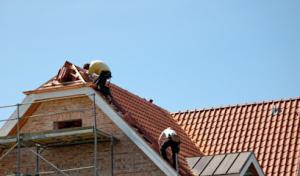
The dry season is your window for reroofing, not the November-March wet period. In this microclimate, a well-timed tear-off and dry-in are not optional extras-they're your first line of defense against rapid water intrusion once storms arrive. Active leaks mid-winter can escalate quickly as rain starts, and the shingles or tiles you just removed won't magically seal themselves if the forecast shifts to four days of steady rain. Plan around cooler, drier months when the roof deck and underlayment can dry out fully before the next front moves in. A rushed job in the wet season is a setup for hidden damage, costly callbacks, and stubborn moisture lingering in timbers and joints.
Coastal fog and humidity reaching the valley soak roof assemblies even when rainfall seems limited. That dampness changes how you sequence each step: tear-off, inspection, repair, underlayment, flashing, and the dry-in period. If you push through during foggy weeks, you risk trapping moisture in the roof deck or underlayment, which can lead to cupping, black mold, and accelerated deterioration of insulation and sheathing. The timing decision isn't only about rain; it's about letting the roof breathe and allowing surface and substrate to reach a truly dry state before you install new coverings.
Aim for a conservative calendar: book the tear-off during a stretch of consistently dry days, not just a few intermittent sunlit hours. If you're on a tile or shingle system, coordinate your crew to finish the deck inspection, any necessary repairs, and the underlayment in a single dry spell, then wait for several clear days to apply the new material and complete the flashings with the sun on the west side drying any residual dampness. Track the coastal fog pattern and plan for a longer-than-average dry-in window in the late spring or early summer to ensure sealants cure properly and tiles or shingles seat without warping. If a sudden fog bank lingers after a dry spell, reassess the schedule-don't press ahead with finished work where moisture can be trapped behind new layers.
If the forecast shows a sequence of damp days with misty mornings and nights, pause on any tear-off. Look for soft spots, dark staining, or musty odors in the attic as indicators of hidden moisture migrating through decking or underlayment. Any sign of active leak during the wet season should trigger a contingency: secure temporary protection, re-evaluate drying time, and delay the final roof installation until the deck and interior surfaces are truly dry. Waiting an extra week of favorable weather can save weeks of remediation later and preserve the integrity of tiles, underlayment, and flashing.
In this climate, the calendar you choose for reroofing is a shield for your home. Respect the wet-winter cycle, lean into the dry-season window with deliberate timing, and coordinate with your crew to execute a clean tear-off, thorough dry-out, and precise dry-in. When the fog rolls in and the humidity clings to the rafters, the difference between a lasting roof and recurring leaks often comes down to a single well-timed sequence.
Coastal Roofing & Solar
(831) 324-4908 www.coastalrs.com
865 Abbott St, Salinas, California
5.0 from 19 reviews
Coastal Roofing and Solar is a locally owned family oriented company with extensive background in the local construction industry. With over 35 years of combined ownership experience, over 56 years of combined front office customer care experience and over 90 years of combined local installation experience our mission is simple: Treat every person and each property with the highest respect and provide the right job scope to ensure the best investment return for each individual project whether residential or commercial, large or small. Each job is customized for the customer. Roofing, solar and waterproofing, both retrofit and new construction.
Slaton & Son Roofing
(831) 449-0599 slatonandsonsroofing.com
21865 Rosehart Way, Salinas, California
4.9 from 28 reviews
Family Owned & Operated Roofing Company with 44 Years in Business.

Earl Deal Roofing
(831) 217-4425 earldealroofing.com
Salinas, California
4.7 from 11 reviews
Earl Deal Roofing is a reputable & quality roofing contractor in Salinas, CA! We have over 9 years of experience! Our company is licensed and insured! Call us for professional roofing services. "We have 5% off discount on labor cost for senior and military" Contact now!!
Legacy Roofing
(831) 753-7663 www.legacyroofing.net
7 Vale St, Salinas, California
5.0 from 2 reviews
Our company has provided professional roofing services in new construction, roof replacement, roof maintenance, and roof leak repairs for over 20 years. We service both private and public-sector customers as well as general contractors. Our knowledgeable staff works with manufacturers to provide custom solutions designed to provide our clients with the best possible finished product for their roofing and waterproofing needs.

CAL Pacific Roofing
(831) 200-8474 calpacificroofingca.com
Salinas, California
3.0 from 2 reviews
CAL Pacific Roofing: Your trusted Salinas, CA roofing partner. We specialize in roofing, waterproofing, and emergency repairs. Offering expert roof reports and honoring 10% discounts for seniors and military. Your protection is our priority.

Premo Roofing Company
(831) 443-3605 www.premoroofing.com
Serving
4.6 from 69 reviews
Premo Roofing is a full-service company serving residential and commercial clients in Monterey, Santa Cruz and San Benito Counties.

Scudder Roofing Company
(831) 373-7212 www.scudderroofing.com
Serving
4.9 from 37 reviews
Scudder Roofing specializes in all types of roofing and roof repairs as well as waterproofing, seamless gutters, skylights, and roof maintenance. A full-service residential and commercial roofing contractor, we serve clients all over Monterey, Santa Cruz, and San Benito counties. From tile, slate, custom and specialty metal to shingles, shake roofs, solar and so much more, the Scudder name has been synonymous with excellence since 1982. Give us a call today at 831-373-7212 for a free roofing estimate or visit our website for more information about our roofing company and the skilled construction services we can offer you.
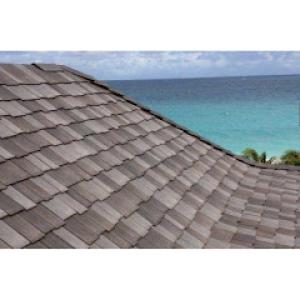
Ross Roofing & Construction
(831) 394-8581 www.rossroofing1950.com
Serving
4.6 from 14 reviews
Ross Roofing & Construction is a trusted team of roofers in Monterey, CA, providing reliable and affordable roofing solutions backed by decades of experience. Our licensed, bonded, fully insured, and BBB-accredited professionals specialize in new roof construction, re-roofing, and roof repair for homes and businesses. We also offer expert services in gutters, sheet metal fabrication, foundation waterproofing, walkout decks, and real estate inspections. From minor leaks to complete replacements, we handle every project with precision and care. Contact Ross Roofing & Construction today for dependable roofing and exterior services throughout Monterey County.

Hollister Roofing
(831) 290-6564 hollisterroofing.com
Serving
5.0 from 63 reviews
Hollister Roofing has been a trusted and reliable choice for roofing needs in the Hollister, CA community and beyond since its establishment in 1985. As a leading roofing contractor, they specialize in a comprehensive range of services, including new installations, repairs, and maintenance. Their team of experienced professionals is dedicated to delivering superior craftsmanship and exceptional service, ensuring every project is completed to the highest standards. Hollister Roofing is committed to providing durable and effective solutions that protect your home and business for years to come.
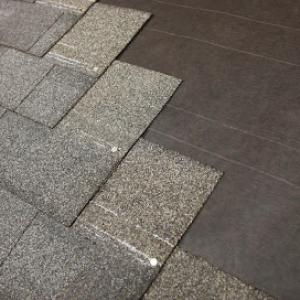
Kennedy Roofing
(831) 254-4900 kennedyroofing.net
Serving
5.0 from 13 reviews
Kennedy Roofing has been established over more than 20 years in the business completing work of exceptional quality throughout Watsonville and the surrounding cities. Our team of skilled roofers has the tools and the experience to confidently offer a comprehensive range of services for your roof. We service in general inspections, repairs of all scopes, the installation of brand new roofs and maintenance such as pressure washing. Beyond roofs themselves we also install seamless gutters and solar panels adding great value to your home. We work with you to make the process as convenient as possible and will work with you to get your project completed to your full satisfaction before receiving payment.
Dority Roofing & Solar
(831) 375-8158 dorityroofing.com
Serving
5.0 from 6 reviews
Dority Roofing & Solar has been providing high-quality roofing services on the Monterey Peninsula since 1996. Because we have this level of experience, we are prepared for all kinds of roofing needs. With our friendly, prompt, and professional service, we tailor to each customer’s specific wishes. As a result, our customers are more than satisfied with the work we perform for them. Because we source a wide variety of roofing products, you’ll find a roof that has the style, color, and material that you want. If you have a custom roof in mind, please contact us to discuss your ideas. Our portfolio includes extraordinary roofing projects in the area, and our staff will assist you in creating your vision.
Alta-Cal Roofing
(831) 600-6768 www.altacalroofing.com
Serving
4.7 from 28 reviews
Alta-Cal Roofing is a full-service roofing contractor that provides high-quality roofing solutions for homeowners, business owners, and home builders across the Hollister area. Founded over four decades ago, our family-owned company delivers outstanding workmanship based on industry expertise and a commitment to excellence. We always do the right thing and make sure that our customers are taken care of, putting their needs first no matter what. Our team is dedicated to the success of every project, and their hard work has helped us earn and maintain an exceptional reputation in our community and beyond. We’re local, we’re honest, and we know what it takes to protect California properties. Whether we’re repairing or replacing a roofing sy...
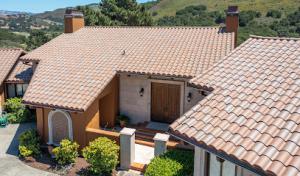
Salinas homeowners commonly choose among asphalt shingles, metal roofing, clay tile, concrete tile, synthetic/composite shingles, and slate, with tile and shingles especially relevant to the local housing mix. Each material brings its own balance of aesthetics, durability, and performance under a coastal-inland Monterey Bay climate. Asphalt shingles remain a practical, familiar choice for many 1950s-to-1990s bungalows, while metal roofing offers longevity and a modern profile that handles Santa Lucia winds and coastal fog dampness well. Clay and concrete tiles align with traditional styles found in older and newer homes alike, presenting strong resistance to sun and wind but requiring attention to structure and roof deck integrity. Synthetic or composite shingles can mimic the look of natural products while offering lighter weight and enhanced impact resistance. Slate provides a premium option with lasting beauty but demands careful assessment of roof framing due to its weight.
Dry summers create opportunities for reroofing during periods of low humidity, yet wet winters insist on robust underlayment and flashing details to manage persistent moisture from coastal fog drift. When evaluating materials, pay attention to how each product behaves with regular exposure to higher humidity and occasional salt-laden air. In Salinas, some roofs experience hidden deck and flashing problems only after the wet season exposes them, so choose systems that allow for easier inspection and retrofit of underlayment. Heavier tile and slate demand careful structural review, particularly on older homes with existing framing that may not have been updated for modern loads. The difference between sturdiness in dry heat and resilience during damp winters matters for long-term performance and return visits to the roof.
Heavier materials such as clay tile, concrete tile, and slate can change project scope in Salinas when older homes require structural review or more extensive replacement work. If the existing framing presents signs of sag or uneven decking, lighter options like asphalt, metal, or synthetic shingles might be preferable to minimize structural work. Tile and stone alternatives excel where roof geometry is at least moderately sound and where a home's architectural style calls for a more pronounced profile. When choosing tile, ensure proper underlayment and moisture barriers are in place to guard against the damp season. With slate, plan for careful flashings, as inappropriate detailing can lead to leaks that are hard to pinpoint in foggy winters.
Regardless of material, expect periodic inspections after the wet season to catch hidden moisture intrusion early. Salinas homes benefit from proactive flashing checks at valleys, penetrations, and roof-to-wall transitions, since moisture can travel along seams and underlayment. Metal roofs require corrosion resistance checks in salt-tinged air, while clay and concrete tiles demand attention to fasteners and sealants where movement occurs. Synthetic shingles often ease maintenance by tolerating minor substrate shifts, but still benefit from periodic gutter and crest-line cleanouts to prevent water backup. Slate, though durable, needs regular evaluation of fastener corrosion and slate bond integrity after heavy wind events.
When you price a roof here, you'll notice the same material choices as inland California, but the numbers shift once you account for moisture battling in the wet season. Asphalt shingles run about $350-$700 per square, metal roofing about $800-$1500 per square, clay tile $900-$1800 per square, concrete tile $700-$1300 per square, synthetic/composite shingles $350-$750 per square, and slate $1200-$2600 per square. These ranges reflect typical bids you'll encounter from Salinas-area contractors who understand the coastal fog and winter rain cycle.
Costs often move upward when tear-off reveals decking or flashing that has been compromised by wet winters and ongoing fog exposure. If the old roof shows peeling, soft spots, or rusted metal flashings after removal, you're looking at extra labor and materials to repair or replace decking, underlayment, and lead flash details. In practice, a straightforward shingle replacement can stay within the surface-material ranges, but a water-damaged deck or corroded flashings can push the job into the next price tier, especially for tile or metal systems that require more extensive underlayment work and better corrosion resistance.
Tile-heavy reroofing in Salinas often costs more because the project tends to extend beyond surface materials. Replacement work commonly includes upgrading underlayment, resealing or replacing metal detailing, and ensuring correct slope and ventilation to handle winter rains. The wet-season moisture cycle means you'll want to plan for a more comprehensive rebuild if the decking has absorbed moisture or if the existing flashing is too fragile to re-use. Tile and slate systems, in particular, command higher bids not just for tiles but for the labor to carefully remove and re-seat each piece, plus the added attention to waterproofing the eaves and hips.
In practice, you'll want to align reroof timing with the wet season's lull when feasible, so people aren't rushing to seal against rain. If a teardown uncovers significant decking or flashing issues, budget for a contingency of 10-15% to cover unexpected repairs that commonly surface once moisture is involved. For tile-heavy roofs, expect longer installation windows and potentially higher-day-rate labor to manage fragile materials safely, especially when coordinating underlayment upgrades and flashing details that address Salinas's winter rainfall pattern.
Get a clear picture of your project costs upfront - no commitment required.

In this inland Monterey Bay climate, full roof replacements in Salinas generally require a building permit before work starts. The city's process favors a careful plan review to catch moisture-sensitive details that the fog and winter humidity can reveal. As you prepare the paperwork, expect the reviewer to check framing integrity, underlayment choices, ventilation plans, and stack detailing for tile or shingle roofs. If your roof is replacing like-for-like materials, you still need a permit and a stamped plan that shows how the new system will handle the local damp season and the common Santa Lucia winds. Skipping this step invites a stop-work order and extended timelines.
The city's process typically includes plan review followed by permit issuance, with inspections at initial tear-off or underlayment, decking and flashing, and final completion. The first inspection catches moisture exposure risks early-you want to verify that decking is sound and that flashing around chimneys, skylights, and vents is properly secured under the chosen underlayment. A second inspection focuses on the underlayment installation and roof deck condition, ensuring that all penetrations are sealed and that there is proper ventilation to mitigate fog-induced condensation. The final inspection confirms that the project meets building code and local moisture-control expectations before the permit is closed.
Inspection timing in Salinas can vary with department workload, so project schedules should account for possible gaps between dry-in, repair approvals, and final sign-off. The wet season can reveal hidden decking or flashing issues that a dry memorandum might miss, so build in time for potential re-inspection or minor remedial work after initial approvals. If you're reroofing during or just before the wet season, coordinate with the contractor to have temporary weather protection ready during inspections and to address any moisture concerns the plan reviewer flags. Realistic timelines reduce the risk of a partial completion hold that complicates insurance and warranties.
Knowing that permit issuance and timely inspections hinge on thorough documentation helps you set expectations with your contractor. Ask for a pre-project check of existing flashing details and underlayment compatibility so the plan review has fewer surprises. Maintain a clear record of all permits, inspection dates, and any corrective work required. In Salinas, staying proactive about these steps is the most reliable way to avoid moisture-related setbacks and keep your reroof on track through a volatile winter cycle.
In this inland Monterey Bay setting, insurers increasingly scrutinize roof age and wildfire-related underwriting, even though the day-to-day roofing issues you see-moisture, leaks, and hidden decking-are the real battles you face. Your roof's age can tilt decisions toward replacement over repair, especially when carriers worry about long-term performance during Salinas's damp winters and fog cycles. Being aware of how aging components interact with perceived risk helps you plan without being blindsided by an unexpected claim outcome.
Homeowners should build a clear, organized file of roof-related issues as they occur. Leaks, wet decking, flashing failures, and dated underlayment or other components can all surface during inspections after storms or heavy fog. In practice, adjusters may request photos, dates, and notes from professionals who observed the signs firsthand. Documenting patterns-where moisture tends to pool, which areas show faster deterioration, and how leaks travel-can support a more accurate assessment of repair versus replacement needs. This is especially important when the carrier's interpretation of "sufficiently weathered" differs from your own experience or from neighboring homes with a similar age.
Carriers vary in what they ask for and how they verify condition, so you should tailor your records to reflect Salinas's climate reality. Keep receipts for core components you've replaced, notes from reputable roofers about flashing integrity, and the timeline of any observed defects tied to seasonal cycles. When speaking with adjusters, present a concise history that links moisture events to observed failures, rather than focusing solely on a single recent incident. Clear, narrative evidence helps ensure that the decision-making path-repair or replacement-aligns with both the roof's actual condition and the carrier's underwriting expectations.
Insurance decisions in this market influence how homeowners approach reroofing and maintenance, particularly for older roofs that may not meet carrier expectations. You want a plan that accounts for the likelihood of future moisture-driven issues while balancing the realities of coverage. By keeping accurate, organized documentation and understanding how age and wildfire considerations shape underwriting, you position yourself to navigate claims with less guesswork and more clarity.
In Salinas, fog and coastal humidity drive a distinct moisture cycle that concentrates at skylight curbs, flashing transitions, and surrounding underlayment. During reroofing, this means those penetrations deserve extra scrutiny, especially when the field roof looks sound but a leak appears at a skylight sooner than expected.
When you plan a reroof, start with the skylight curb. Check for hairline cracks, settling gaps, or deteriorated caulk around the frame. Inspect the flashing where the curb meets the roof plane, paying attention to where metal folds into the counterflashing. Replace or reseal any questionable joints before covering with new underlayment.
In foggy, humid conditions, underlayment around penetrations must be fully integrated with the flashing. Ensure the underlayment laps neatly onto the skylight flashing and that any transitions are tucked under the curb with a continuous, watertight seal. Where the curb meets the roof deck, verify there is proper venting and that no moisture pockets remain behind the sealant.
During reroofing, start at the skylight zone and work outward. Remove old flashing and sealant, replace with self-sealing butyl or silicone where appropriate, and install a corrosion-resistant flashing mitred into the curb. Reinstall the skylight with a fresh, compatible seal, then complete the surrounding shingles or tiles with careful, staggered laps to avoid trapped water.
Winter leaks often announce themselves at penetrations first, interrupting otherwise intact field roofing. If a drip shows during a cold, damp spell, recheck the curb seal, flashing transitions, and underlayment beneath the skylight before closing the roof fully.
Find contractors experienced in skylight installation, flashing, and leak repairs to bring natural light into your home.
Slaton & Son Roofing
(831) 449-0599 slatonandsonsroofing.com
21865 Rosehart Way, Salinas, California
4.9 from 28 reviews