
Last updated: Apr 19, 2026
Summer here scorches, with walls of heat and relentless UV exposure hitting roofs exposed to inland sun. The result is accelerated aging, more rapid granule loss on shingles, and faster membrane decay on lower slope surfaces. When you're choosing a roof, you're not just picking color and style-you're selecting a system that can hold up under long, bright days and scorching afternoons. The roof needs to reflect or shed heat efficiently, resist cracking and deformation from extreme temperatures, and maintain performance through the yearly swing from blistering highs to occasional winter rain. In this landscape, lighter, heat-tolerant materials with proven UV resistance outperform typical inland choices every time.
The wine-country setting, rolling grasslands, oak woodlands, and rural-edge development patterns bring wildfire exposure closer than many imagine. Even within city limits, embers can ride on gusts and ignite from roof penetrations or near-flammable siding. Your roofing decision should prioritize a combination of fire resistance and durability in embers-prone conditions. Class-A fire-rated assemblies, ceramic or concrete tiles, and metal roof systems with proper ignition barriers can markedly reduce ignition risk. The goal is to minimize radiant heat transfer, resist flame spread, and keep potential ignition points off the interior attic space. In practice, that means scrutinizing fasteners, roof-to-wall transitions, and how vents and skylights are protected by ember shields and weatherproof, fire-rated underlayment.
Insurance carriers increasingly scrutinize roof age, material, and fire rating in wildfire-exposed markets. A roof that looks fine but lacks a proven fire rating or has age-related vulnerabilities can be slow to recover from a claim-or worse, become a point of cancellation. In this climate, you'll want a roof system with a well-documented fire rating, durable performance in high heat, and a proven track record of resisting wind-driven embers. Materials that maintain their integrity under repeated thermal cycles-without warping, curling, or penetrations weakening-help sustain insurability over time. Plan for assemblies that resist moisture ingress without compromising fire resistance, and ask for manufacturer tests and local installer experience that specifically address hot inland summers.
Clay and concrete tiles offer strong fire resistance and long service life, but weigh considerations are critical in a seismic zone and under extreme heat. If choosing tiles, ensure the roof structure is reinforced to support weight, and check that underlayment and flashing are rated for high heat and ember exposure. Metal roofs provide excellent fire resistance and heat tolerance, with rapid shedding of embers and robust wind performance; however, consider coating choices and panel profiles that minimize heat absorption. Synthetic or composite shingles can blend fire resistance with more forgiving weight and installation, but verify their long-term performance in direct sun and the wildfire-prone context. Asphalt shingles, while common, require careful selection of fire-rated variants and heat-resistant underlayments to avoid accelerated aging in intense sun. Wood shingles and shakes bring a distinct look but demand the highest vigilance for fire risk and UV degradation; if used, they must be treated and installed with rigorous ember defense measures and regular maintenance.
Choose a roof system with a clearly documented fire rating and heat-tolerant performance, and verify installation details that defend against ember intrusion. Inspect and upgrade attic venting, soffit designs, and ridge lines to reduce heat buildup while maintaining fire barriers. Ensure underlayment and flashing are compatible with the chosen material and rated for high-heat environments. Ask for a local installer's footprint of wildfire-related experience, including how they address ember guards, gutter protection, and maintenance plans for long-term insurability. Finally, align your roof choice with the surrounding landscape realities-open grasslands, oak stands, and rural edges-to elevate both safety and resilience against Paso Robles' demanding climate in a single, decisive upgrade.
Paso Robles sits in a Mediterranean-influenced climate with hot, dry summers and cool, wet winters. That combination creates a roof cycle of prolonged UV exposure followed by seasonal moisture loading. The hottest months push roofing materials to their limits, especially on south- and west-facing slopes. In practice, this means choosing surface colors and textures that reflect heat and resist UV degradation, while ensuring the underlayment and coverings can stay performance-ready through long, bright days and sudden summer storms. Materials that actively resist fading, cracking, and thermal expansion help minimize maintenance needs over the years.
Local reroof timing centers on avoiding the wettest stretch from roughly November through February, but also on not leaving tear-offs exposed during peak summer heat. Planning a replacement so that the new roof is installed before the winter rains begin reduces the chance of weather-related delays and moisture intrusion. Conversely, scheduling chores during a window in late spring or early fall avoids the busiest heat waves while still giving the roof time to cure before the next winter. A well-timed schedule also helps protect interior finishes from wind-driven dust and heat that can travel through attic spaces.
Spring wind events on the inland Central Coast add a layer of complexity for roof work. Those gusts can complicate underlayment installation and make handling tile or metal on open roof planes more precarious. Contractors often prepare for temporary stabilization strategies, including securing materials and coordinating crew positions to minimize exposure to blowing debris. If you're planning a mid-year replacement, expect crews to pay attention to both wind forecasts and protection details for exposed edges, penetrations, and venting components. This attention to wind dynamics helps safeguard the roof system from installation-related vulnerabilities that could show up later as leaks or rapid wear.
In this area, fire-rated assemblies occupy a central role in decision-making. The inland heat, low humidity spells, and local Firewise considerations push many homeowners toward materials and configurations that resist embers and shedding. Metal roofs and certain tile options often perform well in fire-prone environments when paired with appropriate underlayment, vents, and flashing details. The choice of material also interacts with insurance considerations, where a roof's fire resistance and installation quality can influence coverage terms. Practical outcomes include prioritizing systems designed to minimize radiant heat transfer into attic spaces and reduce the likelihood of ember intrusion at roof penetrations.
The typical housing stock in this area features assemblies that benefit from a mix of heat-tolerant performance and fire-rated features. When evaluating options, balance UV stability, moisture resilience, and wind installation realities with a long-term plan for maintenance access and attic ventilation. Select products and fastening methods that accommodate expansion and contraction across hot summers and cool winters, and coordinate with the reroof timeline to avoid prolonged exposure or rushed work during peak conditions. A locally experienced roofing contractor can tailor a plan that aligns with your home's orientation, bepressed ventilation needs, and the specific underlayment strategy that best handles Paso Robles' unique seasonal cycle.
Clay tile and concrete tile fit the local architectural character and perform well in high sun exposure, but their weight makes deck condition and structural suitability especially important on older homes. If considering tile, have a structural engineer or a qualified roofer evaluate the attic joists, rafter pairings, and existing shear walls. In many cases, retrofitting with a lighter tile or adding a reinforcement plan at the eaves and framing can prevent sag or fastener fatigue. Be mindful of underlayment-an airmesh or synthetic underlayment paired with proper ventilation helps keep attic temperatures manageable and reduces thermal cycling on tile edge overhangs. If the home's structure doesn't comfortably handle tile, consider a lighter alternative with a similar aesthetic, or a tile compatible decoupled system that reduces weight transfer to the deck.
Metal roofing is increasingly attractive for fire resistance and heat performance, particularly where homeowners want a Class A assembly and lower maintenance around debris-prone edges. The panels themselves shed heat more quickly than traditional shingles, and many metal systems incorporate reflective coatings to reduce heat gain. For Paso Robles' conditions, look for a metal profile with a proven track record against hail and wind uplift, and confirm the edge detailing won't trap leaves or pine needles. Debris at roof edges is a common issue in dry seasons; plan for clean gutters, fascia, and a robust drip edge to avoid corrosion and fascia rot. When choosing metal, consider a color and finish that minimizes thermal absorption while blending with the home's exterior palette. Some homeowners prefer stone-coated or standing-seam options for longer-term performance and easier future maintenance.
Asphalt shingles remain common because of lower upfront cost, but dry, hot summers can shorten appearance life if ventilation is poor or shingles are left exposed during staged work. Proper attic ventilation and a balanced intake-exhaust strategy are essential to keeping shingles cooler and reducing the rate of curling or granule loss on the hottest days. For homes sensitive to sun exposure, choose an asphalt shingle with a higher solar reflectance or a laminated design that resists edge curl. Be mindful of shingles left exposed during staging; cover or secure them to prevent accelerated UV degradation. In projects with reroofing or partial replacements, ensure matching shingle core and granule size with the existing roof to maintain even aging and appearance.
Whichever system is chosen, plan for compatibility with fire-rated assemblies and wind zones typical in the area. Debris management around edges, attic ventilation, and appropriate underlayment details should be part of the installation plan from day one. For older or heritage-styled homes, coordinate with any existing clay or wood features to preserve character while upgrading to a more durable, heat-tolerant, and insurance-friendly roof.
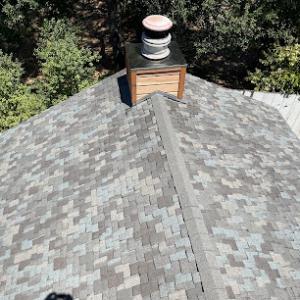
Page Roofing
(805) 239-0583 www.pageroofing.com
3230 Riverside Ave Yard A, Paso Robles, California
4.9 from 159 reviews
Page Roofing has been covering homes and businesses in San Luis Obispo County since 1984 with the highest quality materials at the best prices available. We specialize in all areas of roofing, including the latest in "cool" roofing, Metal & Energy Shingle roofing installation techniques. Our commitment to quality is unsurpassed and our drive for customer satisfaction cannot be beaten.
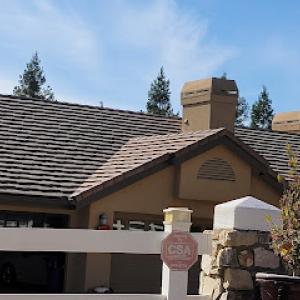
San Luis Obispo Roofing
2421 Sandpiper Ln, Paso Robles, California
5.0 from 3 reviews
Install all types of roofing. Repairs. Install skylights. Install gutters. Reasonable prices Honest/Friendly and reliable.
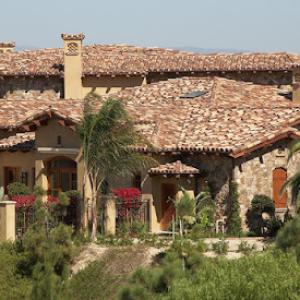
Mid State Roofing
(805) 239-4054 roofwithmidstate.com
935 Riverside Ave, Paso Robles, California
4.0 from 8 reviews
Wade and his team will provide a “Free Estimate” for each roofing project. We install all types of roofing, specializing in tile, composition shingles and low slope roofing. Don’t hesitate to call for an estimate. Mid State Roofing has the capability and experience to handle any job. No job is too big or too small. Mid State Roofing has installed roofing on apartment complexes, large and small Homeowners Associations, condos, townhouses, wineries (Pear Valley to Victor Hugo) and shopping centers which include Vons, Borders and Rite Aid etc. Re-Roofing Specialist! Mid State Roofing has installed roofs on thousands of single family homes. Those homes ranged from standard slopes, flat, very steep and even domes.
Paso Robles Roofing
(805) 769-7204 pasoroblesroofinginc.com
612 30th St, Paso Robles, California
5.0 from 1 review
Looking for a professional roofing company in Paso Robles, CA? Look no further, Paso Robles roofing INC, we have worked with the intention of offering the best roofing results, for our existing and new customers who come to us recommended by word of mouth, since that is our main focus to make a good job so they can refer us. Our services range from roof repair, replacement, siding, storm damage restoration, and more. We are committed to the satisfaction of our clients. We pride ourselves on our work as those who speak well of our work are our satisfied customers. Schedule your appointment now, free estimates.
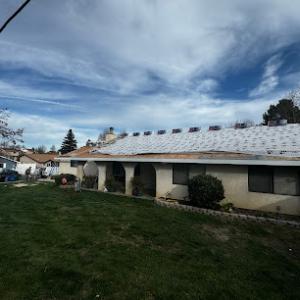
Salomon's Roofing
(805) 975-9159 salomonsroofinginc.com
Serving
4.9 from 59 reviews
Salomon's Roofing is not just a roofing company; we are a symbol of trust and excellence in Templeton, CA. With an impressive 24-year legacy in the roofing industry, we have set new standards for quality, integrity, and customer satisfaction. Our journey has been marked by a steadfast commitment to delivering roofing solutions that protect and enhance your property. Whether it's a residential roof that shields your loved ones or a commercial roof that safeguards your business, we take pride in our ability to provide roofing services that stand up to the challenges of time and weather.
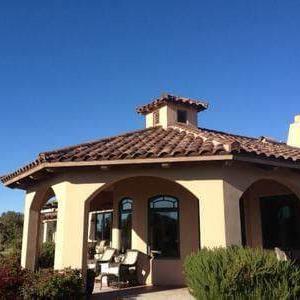
A-1 Roofing
(805) 748-1000 a-1roofingcentralcoast.com
Serving
5.0 from 4 reviews
We handle everything from new roofs, partial replacements, maintenance, tile restorations, and repairs. Over the last 30 years we have earned a reputation of providing the finest quality roofing systems at an affordable price. We look at your needs and consider all the factors before recommending a specific roofing system, repair or maintenance for your structure.
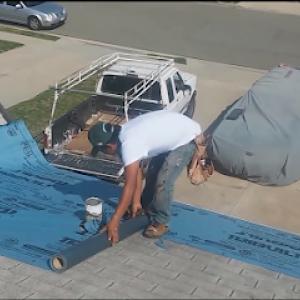
Ribas Roofing & Services
(805) 876-9479 ribasroofingcompany.com
Serving
5.0 from 2 reviews
Ribas Roofing Service is your all-in-one general contractor in Atascadero and Paso Robles for roofing, flooring, and building.
A & M Roofing
(805) 835-5585 www.amroofingca.com
Serving
5.0 from 2 reviews
A & M Roofing has been servicing San Luis Obispo County since 1984. We specialize in all types of roofing systems. From pitched roofs to flat roofs, we have you covered. Take a look at the gallery on our website. All the roofing material manufacturers websites are their for you to browse. Ask about our Roof Inspection service to know the true condition of your roof. Sometimes you just need a little more time. From Roof Maintenance to Leak Repairs, we can take care of you. We carry General Liability Insurance and Workman Comp Insurance to protect your property while work is in progress. With over 40 years experience, give Michael a call to go over your roofing needs.
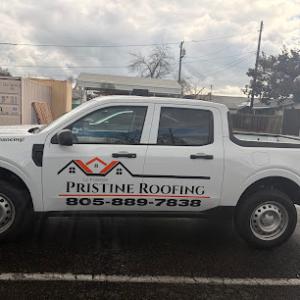
Pristine Roofing
(805) 889-7838 www.pristineroofingca.com
Serving
5.0 from 24 reviews
We are a full-service roofing and solar contractor located in San Luis Obispo, specializing in delivering comprehensive roofing and solar energy solutions for residential, commercial, and industrial clients. With a strong commitment to quality, craftsmanship, and customer satisfaction, our team of experienced professionals works closely with each client to design and execute tailored solutions that meet their specific needs and budget.
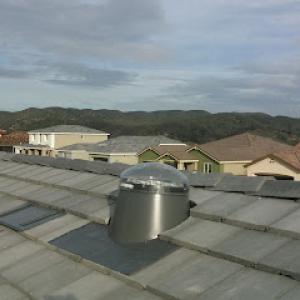
JB's Roofing / Central Coast Skylight Solutions
Serving
4.8 from 23 reviews
JB's Roofing/Skylight Solutions has worked on thousands of roofs throughout San Luis Obispo County and has a proven track record for high quality, leak free roof and skylight installations at a very reasonable price. All roof installations are performed by a licensed roofing contractor who continues to stay educated and up to date on the best roofing practices and quality materials which ensures you will receive a worry free, long lasting, quality roof system. We specialize in all kinds of roofing, tubular skylights installation, skylight replacement, and carpentry work, so don't hesitate to give us a call to see how we can add value to your home and give you the experience and treatment you deserve as a homeowner or professional.
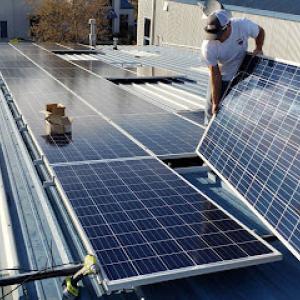
Wicks Roofing & Solar, Inc. - Atascadero
(805) 965-5122 wicksroofing.com
Serving
5.0 from 2 reviews
Roofing, Solar and Energy Storage in California is a rapidly expanding technology. From the latest composite materials and photovoltaic (PV) modular cells to DC rapid charging for Electric Vehicles (EV). The team at Wicks is dedicated to learning about and quickly applying into practice the best products and processes designed for lasting value. It’s no wonder that the Central Coast turns to Wicks Roofing and Solar. We are the preferred company for Home Owners, Real Estate Developers and General Contractors throughout the tri-counties.
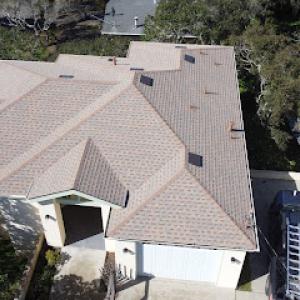
Estero Bay Roofing
(805) 748-4592 esterobayroofing.com
Serving
5.0 from 1 review
A FAMILY-OWNED ROOFING COMPANY Licensed and certified roofing company in Morro Bay, CA. Offering the best roofing materials and customer service in town! Over 18 years of experience and known for reliability and top-notch work. Our services include honest roof inspections, re-roofing, roof repairs, new roof installations, roof maintenance and offering asphalt shingles, metal roofs & TPO roof material. We offer free quotes to homeowners! Give us a call or message us today.
On many tile roofs in this area, the tiles themselves can outlast the waterproofing layer beneath them, making underlayment failure a more common replacement trigger than broken field tile alone. The result is that a quiet leak can hide under a sea of clay or concrete until it reaches the structural framing or insulation. When that happens, you're looking at more extensive repairs than a straightforward tile replacement. Pay attention to any signs of moisture in the attic or ceiling, especially after a heavy rain season or a sudden freeze-thaw cycle.
The city's wet-winter and dry-summer cycle can expose weaknesses at valleys, flashings, and penetrations where intermittent rain follows long periods of heat expansion and contraction. Heat makes metal flashings push and pull; winter rains can force water to seek new paths if the sealant or underlayment has aged. A common pattern is dry, hot stretches that loosen fasteners or sealants, followed by a sudden downpour that finds the tiniest gap. Those gaps often feed into the underlayment long before a tile shows visible damage, so monitoring flashings and valley intersections is essential after hot spells.
Concrete and clay tile roofs in the region often need close inspection for slipped, cracked, or displaced pieces after wind events because individual tile damage can let winter moisture reach the underlayment. Even when tiles appear intact, wind-driven debris can loosen fasteners or disrupt edge terminations, allowing moisture to percolate down to the roof deck. After a windy period, a careful walk across the roof with a critical eye for movement or hollow spots in the underlayment can prevent a surprise leak later in the season.
Schedule a targeted inspection after extended heat waves and again after heavy winter rains. Focus on valleys, flashings, penetrations, and roof edges where water tends to travel. If you notice any staining, musty attic odors, or visible de-lamination of the underlayment from the deck, plan timely remediation rather than waiting for a larger failure. Remember that tile condition alone isn't a guarantee-the integrity of the waterproofing beneath is the linchpin for long-term performance.
Winter storms from about November through February can delay dry-in, extend project timelines, and increase the risk of moisture intrusion during open-roof phases. In Paso Robles, heavy rain is not just a nuisance-it can soak crews and saturate decking before underlayment can be properly secured. Plan for the wet season by aiming to complete decking bracing, underlayment installation, and flashing before the high-storm period if possible, and build in extra cushion days for drying-in when storms are forecast. Have water intrusion prevention ready: tarps, temporary seals, and a quick-access plan to cover exposed areas during a sudden squall. When rain is forecast, temporary shifts in sequence can keep interior spaces dry and protect fascia and valleys from standing water.
Spring coastal-influenced wind patterns can create gusty handling conditions for underlayment rolls, metal panels, and tile loading in Paso Robles. Winds tend to pick up in the shoulder season, which means muscle memory and pre-staging become your best tools. Schedule days with lighter gust forecasts for roof labor, and use secure fasteners and strong edge protection to keep underlayment aligned as it unrolls. For tile and metal work, coordinate crew rotations so panels aren't left exposed during peak gust windows. Pre-measure and pre-cut components on the ground when possible, and bring a dedicated wind watch to jobsite briefings so everyone stays aligned on safe handling practices.
Peak summer dryness helps scheduling, but prolonged heat can be hard on exposed asphalt products and can increase dust accumulation on roof decks and materials. If asphalt shingles or other exposed assemblies are in play, plan shade breaks for crews and staggered installation to avoid overheating sensitive products on hot days. Keep decking and underlayment dry and out of direct sun as long as practical, and deploy dust-control measures to minimize debris blown onto adjacent surfaces. Schedule the most labor-intensive tasks-like shingle nailing, tile setting, and metal panel fitting-during the cooler parts of the day (early morning or late afternoon) to maintain adhesive performance and grip. Maintain clear communication with neighbors about dust and noise, especially during the hottest weeks.
Establish a conservative sequence that prioritizes deck integrity, waterproofing, and flashing once dry-in is achieved. Build in buffer blocks between phases to accommodate unexpected weather swings, especially in late fall and early spring transitions. Keep a dedicated hold list of critical weatherproofing tasks that can be advanced or retreated as conditions change, so the project stays on track without compromising the roof's long-term performance.
Provided local cost ranges per square are: Asphalt Shingles 350 to 700, Metal Roofing 900 to 1800, Clay Tile 1100 to 2800, Concrete Tile 1000 to 2400, Wood Shingles/Shakes 600 to 1400, and Synthetic/Composite Shingles 600 to 1200. In this climate, your choice should align with heat tolerance, fire performance, and long-term durability. Asphalt shingles sit at the lower end of the spectrum but may struggle with the Inland Central Coast sun unless paired with reflective coatings or high-quality underlayment. Metal roofing pushes toward the higher end, offering fire resistance and heat shedding, while clay or concrete tiles provide excellent durability and fire performance but come with steeper installation costs and heavier framing needs. Wood shingles or shakes remain a niche choice here due to heat and fire considerations, while synthetic options offer mid-range pricing with design flexibility.
Costs in Paso Robles often rise when homeowners replace aging tile underlayment rather than just surface materials, because tile removal, sorting, breakage allowance, and reset labor are more intensive than standard shingle tear-off work. If the existing tile system requires complete underlayment replacement, budget a noticeable uptick in square footage pricing. For concrete or clay tiles, expect added labor for careful removal and sorting to minimize breakage, which affects both time and material waste.
Local pricing can also move based on summer demand, permit processing, roof complexity common in Mediterranean-style homes, and whether fire-rating or insurer-driven material upgrades are needed. In peak summer, both material and labor crews are busier, nudging a few percent higher on the final bill. Mediterranean-style roofs, with multiple pitches and cut courses, often require more intricate detailing and flashing, which translates to higher labor hours and per-square costs.
When selecting a fire-rated option, metal and concrete or clay tiles tend to align well with insurer expectations, potentially offsetting premium concerns. If a fire-rated assembly is pursued, expect the material cost to sit at the upper end of the listed ranges, with additional fastening and tested underlayment requirements factored in. For most homeowners, balancing fire performance, heat resilience, and overall life cycle cost will guide the best long-term value.
Reroofs generally require a building permit through the City of Paso Robles Building Department. The permit ensures that modifications meet current fire codes, wind provisions, and moisture protection standards suitable for inland Central Coast conditions. Building department staff are familiar with local climate stressors-from hot, UV-heavy summers to seasonal rain-and will review the intended roof assembly in the context of Paso Robles' wildfire risk and insulation needs. The permit process also helps align any work with fire-rated assemblies that may be favored or required by insurers.
In practice, contractors typically submit the reroof scope and obtain the permit, rather than homeowners managing the full process themselves. A qualified roofer should present a detailed scope of work, including chosen materials, underlayment, ventilation, and flashing details, to ensure the plan aligns with city expectations. This approach reduces the chance of delays and helps ensure the project stays on track with local inspections and weather windows, which matter for avoiding repeated re-roof cycles during Paso Robles' dry, windy periods.
City inspections commonly occur after deck or underlayment work and again after completion, with a final inspection used to verify code compliance. This sequence allows inspectors to confirm proper deck protection, proper underlayment installation for both fire resistance and moisture management, and correct attachment methods for the chosen roofing system. Plan around inspection windows with your contractor, and keep materials organized on site to facilitate clear access for inspectors. If adjustments are required, addressing them promptly helps minimize project delays and keeps a hot Santa Ana day from extending the process.
Paso Robles homeowners are operating in California's tighter insurance market, where wildfire, wind, and hail exposure have led some carriers to restrict coverage or reprice policies. That reality isn't going away, and it directly affects what you need to prepare before and after a reroof. Insurers are increasingly risk-aware, so the more you can show solid, verifiable information, the less friction you'll encounter when renewing or filing a claim.
Insurers commonly want documentation of roof age, material type, and fire rating. Having clear permit records, contract paperwork, and high-quality completion photos helps you tell the story of your roof's performance and upgrades. In a climate with hot, sunny days and occasional heavy rain, the fire rating on your chosen assembly matters as much as the roof's ability to handle UV exposure and wind. Gather product data from the manufacturer, including testing standards and installation details, and keep them organized in a dedicated folder.
For claims, adjusters may request roof photos and a detailed estimate, and older roofs or certain materials can face more limited settlement options or underwriting scrutiny. In practical terms, take fresh, well-lit photos from multiple angles before sealing the job, and document any existing damage or issues observed during removal. Store written estimates, receipts, and any subcontractor notes in one place. If you recently upgraded to a fire-rated or heat-tolerant system, compile supplier letters and installation certificates to support your case.
When choosing materials, prioritize fire resistance and heat tolerance, knowing that insurers will scrutinize the fire rating as part of the risk profile. Before and after photos should capture attic ventilation, underlayment, and any ignition-prone details. Maintain a simple, chronological file of all roof-related documents so, if a claim arises, you can present a coherent, ready-to-review narrative to adjusters.