
Last updated: Apr 19, 2026
In the southern San Joaquin Valley, summers bring long stretches of blistering heat and intense UV exposure that push roofing materials to their limits. The heat loading can accelerate aging in asphalt shingles and degrade underlayment over time, especially when a roof sits in full sun for most of the day. Clay and concrete tiles handle heat differently, but they aren't immune to UV wear, and the mounting hardware, seals, and flashing see repeated thermal cycling as temperatures swing from day to night. In Hanford, that cycle matters because the heat drives expansion and contraction that can loosen fasteners and create micro-cracks in protective coatings. This environment also stresses attic ventilation; when the attic runs hot for weeks, the roof deck can dry unevenly, and that uneven drying contributes to warped sheathing or weakened underlayment. Understanding how heat and UV interact with your specific roof type helps set expectations for life span and timing.
Winter brings a different set of challenges. Rain and Tule fog create damp conditions that linger on decks and underlayments longer than homeowners expect. Moisture in the roof assembly promotes mold growth and can soften adhesives or sealants used in the underlayment, especially after a hot dry spell followed by a cold, damp cycle. In these conditions, signs of trouble may appear as dark staining on sheathing, subtle buckling, or a musty odor in the attic. Persistent moisture can corrode fasteners and flashing over time, especially where sealants have dried out from the sun's heat prior to the wet season. The net effect is a creeping reduction in performance that becomes more evident as the roof ages.
Reroof timing in this area often favors the dry season. Winter rain can interrupt tear-off work, complicate underlayment inspection, and slow down the sequence of removing old material, inspecting the deck, and installing new underlayment. A dry spell gives you clearer visibility for deck condition, easier access for nail and fastener work, and a more predictable curing time for roof coatings and sealants. In practical terms, planning a reroof for late spring through early fall minimizes weather-related interruptions and allows ventilation and condensation issues to be addressed before the wet-season return. If a replacement is needed mid-winter, expect tighter scheduling and additional contingencies to protect the interior from moisture during tear-off and installation.
The local climate shapes material selection. Composition or asphalt shingles respond well to the heat but may require more frequent maintenance or faster edge deterioration if the attic is poorly vented. Metal roofing performs well under heat and can be installed with longer-lasting sealants, but flashings and roof penetrations must be precise to prevent fog-season moisture intrusion. Tile options-clay or concrete-offer excellent longevity in dry heat, yet their weight demands a solid structural assessment and careful sequencing during reroof to prevent deck deflection under load. Regardless of material, the sequencing matters: remove old materials, inspect the deck for moisture damage, replace damaged sheathing, reattach or replace underlayment with proper slope and ventilation, then complete flashing and vent work before final surface installation.
A practical approach is to schedule a pre-roof inspection during late winter or early spring, after the wet season but before the peak heat arrives. The goal is to identify moisture damage, decompose underlayment, and compromised fasteners while conditions are manageable. If any deck or structural repairs are needed, complete those before a dry-season tear-off to keep the reroof on track. Post-installation, ensure that attic insulation and ventilation are balanced to minimize heat buildup that can accelerate aging of the new roof system. In Hanford, setting expectations around heat-driven expansion and damp-season moisture helps keep a reroof project on schedule and the new roof performing at its best through the valley's demanding climate.
In Hanford, the Central Valley heat and stubborn UV drive different performance stories for tile versus shingles. Clay tile and concrete tile are common in area subdivisions, but the visible tile often outlasts the underlayment beneath it in Central Valley conditions. That mismatch matters: the roof's exterior can look solid for decades, while moisture-susceptible components inside the system deteriorate faster due to the dry heat followed by wet winters. When you're evaluating a reroof, you're not just choosing a beauty layer; you're selecting how the roofed assembly behaves under alternating drought and moisture cycles. Expect tiles to shed heat effectively and promise a long surface life, but remember that the underlayment and roof deck beneath must be rated for the valley's seasonal swings to avoid hidden failures.
Clay and concrete tiles bring a distinctive look and a robust exterior surface, which often makes them a preferred choice for longer-lived appearances. However, in this climate the underlayment is where the vulnerability concentrates. Prolonged heat and UV exposure break down synthetic and organic underlayment materials, and winter moisture can seep into seams or fastener penetrations. A tile roof can appear sound while the underlayment develops rot, mold, or insulation issues just below the surface. If you're starting fresh or replacing only the visible layer, plan for a thorough evaluation of underlayment condition and deck integrity. A well-installed tile system still hinges on a correctly sized and ventilated attic space, because moisture management upstairs translates to the roof's near-term performance.
Asphalt shingles remain a dominant reroof choice in Hanford because they fit many tract-home roof designs and lower upfront budgets compared with tile systems. They acclimate well to the valley's seasonal moisture shifts when paired with a high-quality underlayment and proper attic ventilation. The key in these conditions is choosing a shingle with proven UV resistance and a durable mineral granule surface to hold up against long dry periods followed by rain. Shingle roofs respond quickly to heat cycles, so the installation quality-nailing pattern, sealant integrity, and edge margins-is essential to resist wind uplift and thermal movement. If a roof is already showing granule loss, curling edges, or widespread cupping after a few heat cycles, upgrading to a stronger synthetic underlayment and improved ventilation can extend service life.
Wood shakes and shingles are less forgiving in the valley's heat-and-dry cycle and can create maintenance and insurability concerns compared with newer alternatives. Drying cycles promote shrinkage and splitting, which invites water intrusion and wood rot along edge fasteners or seams. They also invite higher maintenance costs from refinishing, coating, and potential pest pressures. If a homeowner leans toward a wood-look aesthetic, consider engineered alternatives that mimic appearance but offer improved dimensional stability and moisture resistance. When wood is already present, ensure prompt inspection after winters with Tule fog and spring rains to catch hidden moisture corners before they compromise decking or attic spaces.
Timing hinges on how well the existing system protects the interior during seasonal transitions. If the visible roof shows widespread flashing failures, membrane leaks, or consistent moisture intrusion into the attic after winter, that signals a need for a higher-priority reroof or a full underlayment refresh. For tile systems, plan around underlayment age and deck condition, not just the visual tile health. For shingles, prioritize upgrades that address UV degradation and improved ventilation to mitigate heat-driven stresses. In longer-lived tile installations, schedule periodic inspections of ridge caps, penetrations, and valley seams to catch deterioration before it becomes a larger, more disruptive repair. This approach aligns with Hanford's unique blend of sun, fog, and rain, keeping the roof resilient through the valley's seasons.
Pristine Roofing | Roofing Company Fresno & Visalia
(559) 442-9233 www.pristineroofingca.com
969 E Lacey Blvd, Hanford, California
5.0 from 275 reviews
We're a top-rated local and reputable roofing company Fresno. Best Roofers Fresno! Not only do we serve Fresno, we also serve Visalia, Tulare, and neighboring counties. We install a variety of roofing systems including shingles, metal, tile ,TPO and Modified bitumen. If you're looking for an amazing roofing contractor, give us a call! We're happy to give you a free estimate for a new or repaired roof.
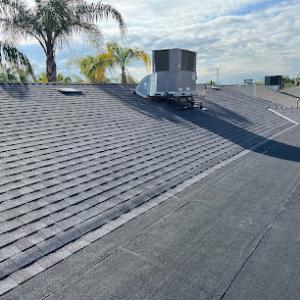
Promotions Roofing
(559) 429-9327 www.promotionsroofinginc.com
Serving
5.0 from 13 reviews
Promotions Roofing where our quality makes the difference. Roof tile, asphalt shingles, repair, re-roof, and new construction roofing. Our crew will greet you with professionalism and will solve whatever roofing-related challenges you can imagine with ease and efficiency. Whether you need tile, shingles, repairs on your roof, or perhaps an overall replacement, give us a call to find out the best option for your home!
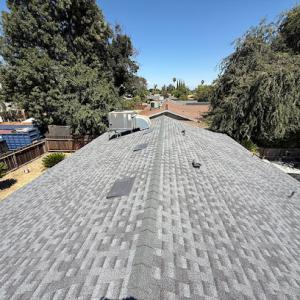
Gabe's Quality Roofing
(559) 471-7127 gabesroofing.com
Serving
4.9 from 40 reviews
Looking for fast, professional roofing service around Fresno California? We are your go-to roofing contractor! We are licensed, bonded, insured, and we offer financing!
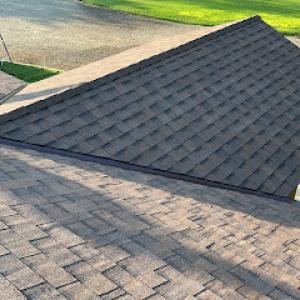
Jacobo Roofing
(559) 736-3997 roofingsvcfarmersvilleca.com
Serving
5.0 from 14 reviews
Jacobo Roofing delivers top-tier roofing solutions in Farmersville, California. As experienced roofing contractors, they expertly handle everything from residential composition roofs to durable metal roofing systems. Whether you need a complete reroof, a fresh new installation, or prompt roof repairs, Jacobo Roofing has you covered. They also specialize in TPO commercial roofing and beautiful tile work, offering reliable roofing expertise for both homes and businesses.
Solution Roofing
(559) 901-9869 solutionroofingco.wixsite.com
Serving
4.8 from 15 reviews
Roofing Business
OneRoof Solution Commercial Roofing
(559) 697-6252 www.1roofsolution.com
Serving
4.6 from 9 reviews
WE ARE COMMERCIAL ROOFING EXPERTS. We Protect Your Commercial Property From The Top Down. Welcome to OneRoof Solution, a full service commercial and industrial roofing contractor located in Visalia, California. We are built on integrity, excellence, craftsmanship and high standards of roofing and safety. We pride ourselves on providing tailored roof solutions to commercial and industrial clients across California and beyond. Our highly skilled commercial roofing team combines decades of experience with cutting edge roofing systems to provide comprehensive services in roof replacement, roof maintenance and roof repairs. Our mission is to provide clients with real asset protection through high quality, competitively priced, roofing solutions.
Stoneridge Roofing
Serving
4.3 from 9 reviews
When you're in need of professional roofing services, Stoneridge Roofing can get the job done. Come to us when you're looking for quality roof repair, roof cleaning, roof inspections and more. Our professional staff has the experience and expertise in servicing roofs and gutters. Count on us to only deliver high-quality craftsmanship and exceptional service that you deserve. At Stoneridge Roofing, we put client satisfaction as our top priority. That is why we are committed to providing excellent roofing services at low prices. With our professional roof repair, roof cleaning and other roofing services, you can rely on us to improve the roofs of your home or business. Call us at (209) 808-4621 today to schedule service with us.
Affordable Roofing
Serving
3.7 from 10 reviews
Affordable Roofing has been serving the San Joaquin Valley since 2002. We specialize in Roof Inspections and Certifications, Roof Repairs, APOC Silicone Roof Coatings, and Roof Replacements.
In this climate, the sun does not play nice with aging shingles and membranes. On roofs with clear south- and west-facing slopes, you will notice faster granule loss, brittleness, and surface aging on composition roofs. That accelerated aging translates into more rapid weathering of the asphalt protective layer, which can lead to earlier curling, lifted edges, and more frequent leaks after winter storms. The heat also dries out underlayment seams faster, especially where shingles are already compromised or roofs carry a heavy solar load. If your home has long, uninterrupted sun exposure on those slopes, you should expect to inspect more often and plan for more frequent maintenance or a reroof timing that accounts for the added wear. The practical takeaway is simple: monitor shingles for thinning or discolored granules, and check the underlayment and flashing where high heat stress concentrates. Early intervention beats a sudden failure during a winter rain event.
Tile roofs in this area often mask wear longer because individual tiles can look superficially fine even as the system beneath ages. Common patterns show up at the underlayment, flashings, and valleys rather than from tile wear-out alone. Underlayment sits beneath the tiles and bears the brunt of moisture movement, so tears, bunching, or degraded felt and synthetic underlayment become critical failure points long before a tile cracks or spalls. Flashings at hips, chimneys, and vent penetrations are repeatedly stressed by temperature swings and shifting framing, especially where sealants have dried out or metal has begun to corrode. Valleys-where two roof planes meet-carry concentrated runoff and are especially vulnerable to debris buildup and moisture infiltration if not maintained. A reroof strategy should include a careful, staged examination of underlayment condition, roof-to-wall flashings, and valley metal before choosing tile replacement or re-tiling. Do not rely on tile appearance alone to gauge remaining life.
Spring and early fall winds in this area are capable of moving staged materials and disturbing ridge components during reroof work or minor repairs. Ridge caps, vents, and the hardware that secure them can be loosened, cracked, or displaced by gusts, leaving vulnerable seams exposed to rain and sun immediately after work is completed. If ridge ventilation or vent stacks are disturbed, moisture can wick into the roof deck and insulation, accelerating deterioration in hidden areas. In reroof projects, staged materials that are not properly secured can end up shifting, causing gaps or misalignment that jeopardize the roof's airtight seal. The practical advice is to plan for calm-weather windows for high-stakes ridge work, double-check fasteners, and re-seal flashing edges after any notable wind events. A cautious approach includes a post-work inspection focusing on ridge caps, sealant joints, and valley intersections to catch small issues before they become larger, costly failures.
Provided Hanford-area cost ranges per square are: Asphalt Shingles 350 to 900, Metal Roofing 700 to 1200, Clay Tile 1000 to 1800, Concrete Tile 900 to 1500, Wood Shingles/Shakes 700 to 1400, and Synthetic/Composite Shingles 600 to 1100. These figures reflect how the Central Valley climate push-pulls on project budgets: longer dry spells invite more on-site labor time, and tile roofs carry heavier lift-and-reset and flashing work when age and underlayment wear show up. In practice, a tile roof often lands toward the higher end of the tile-appropriate ranges if lift-and-reset is required or replacement underlayment is needed.
Project timing affects pricing in this area because dry-season demand is stronger. If you schedule during summer, expect more crew availability but higher heat-related labor intensity, which can nudge day rates. Winter work slows but moisture-laden periods may extend roof repairs and underlayment replacement. In Hanaford-like conditions, plan ahead for underlayment refresh, especially on older builds where UV exposure has aged the decking and flashing details. The combination of intense sun and Tule fog cycles can accelerate material shrinkage and reduce long-term seal integrity, particularly for composition underlayment and tile fasteners.
Asphalt Shingles sit in a middle ground for cost and ease, but long-term UV exposure can shorten life if ventilation is poor. Metal roofs resist UV and heat but may incur higher initial costs and flashing detail work in older homes. Clay and concrete tile offer exceptional durability in heat but demand careful lift-and-reset and fastening in windy months; expect higher labor-on-structure costs if the roof is not readily accessible. Wood shingles/shakes carry aesthetic appeal but are highly sensitive to moisture cycles; in this climate, expect more frequent maintenance and potential underlayment replacement. Synthetic/composite shingles provide a balance of cost and performance, often yielding favorable life cycles with proper ventilation and flashing.
A full reroof in Hanford typically requires a building permit through the City of Hanford Building Department. This ensures the work complies with local codes, weather considerations, and structural safety for the Central Valley climate. The permit process is designed to verify that underlayment, fasteners, and ventilation meet current standards, especially after long dry heat and moisture cycles that stress roofs here. Before any shingle or tile removal begins, verify that the permit application covers the scope of work, material types, and roof plane access. In practice, homeowners should plan for a permit review to align scheduling with any existing utility or HOA requirements and to prevent surprises at the job site.
Reroof inspections in this area usually include an in-progress underlayment or fastening inspection and a final roof inspection after installation. The in-progress visit confirms that the chosen underlayment, fastener pattern, and flashing details are properly installed to withstand Tule fog moisture and the heat-driven expansion and contraction that occur in late summer. The final inspection verifies that all components-roof coverings, flashings, penetrations, and ventilation-meet code requirements and local standards. Expect inspections to be scheduled at specific milestones, so coordinating with the contractor to have crews ready for inspection windows helps avoid delays during the hot season or after unexpected rainfall.
Homeowners should expect permit fees based on project value and scope rather than assuming reroof work can proceed without city review. The building department may require documentation such as roof framing updates, schematic layouts for ventilation, and material specifications for tile or shingles chosen to handle both heat and moisture loads. Submitting complete plans and a clear description of the reroof scope helps streamline the review. If the permit is issued, the contractor should post the permit number and ensure the inspector can access the job site for both the in-progress and final inspections. Missing or late inspections can trigger re-inspection fees or rework to bring the project into compliance.
Coordinate the permit timeline with weather forecasts so that underlayment and installation occur during a reasonable window of dry, moderate temperatures. Check with the City of Hanford Building Department about any local amendments to standard roofing codes that might affect tile, concrete, or synthetic roof systems. Have your contractor prepare a detailed inspection plan that aligns with the two primary inspection points and communicates clearly with you about any required repairs or adjustments before the final inspection. Maintaining ready access to the roof and clear pathways for inspectors helps keep the process smooth and minimizes delays.
California's tighter insurance environment has reached the Central Valley, and Hanford homeowners are seeing carriers scrutinize roof age, material type, and prior damage history more closely. If a roof is approaching the point where underlayment or flashing has begun to fail, or if a tile or shingle layer shows signs of moisture intrusion after the Tule fog season, expect closer underwriting and higher scrutiny at renewal. In practical terms, this means you should be prepared to answer whether your roof has undergone any reroofing, what materials were used, and how long the current roof has been in service. The decision on coverage may hinge on transparent, documented history rather than a best-case scenario.
Even though the terrain around Hanford is valley-based rather than mountainous, regional wildfire underwriting pressure still touches roof-related coverage options and premiums. If your neighborhood has experienced nearby fires or embers in the past few seasons, insurers may pay extra attention to ignition resistance of roofing materials, chimney termination, and proper clearance around vents. This translates into a practical caution: the more durable and well-maintained your roof appears-free of aging granules, damaged valleys, or missing flashing-the more favorable your coverage outlook. Being proactive about seasonal inspections and timely repairs can help keep options open when a carrier evaluates risk after a wildfire season.
When a claim or renewal is in play, insurers commonly want date-stamped photos, contractor reports, and warranty records documenting the roof's condition and any completed reroof work. If a hail event or prolonged moisture cycle has occurred, you may be asked for a before-and-after photo trail, along with professional assessments of underlayment and deck integrity. For reroofs, ensure you have a detailed scope of work, material specifications, and a record of warranty terms. Keeping a centralized file with dated photos, invoices, and a copy of the roof warranty can smooth the process and support your position when documentation matters.
The dry season is the window most homeowners use for a reroof in this area. Winter storms can delay tear-off, dry-in, and inspection scheduling, so choosing a stretch of extended dry weather minimizes surprises. Plan for a period with several consecutive sunny, wind-sparse days to lock in timing and keep crews on track. If a cold snap or morning Tule fog slips in, schedule around it rather than forcing progress, since moisture freezes underlayment work and slows flashing installation.
Extreme summer heat shifts work patterns. Crews often start earlier to avoid the peak afternoon heat, which helps with safety and material handling on the roof. If a reroof falls in the height of summer, expect adjustments to avoid midday exposure of underlayment and insulation, and plan for more frequent hydration breaks for workers. Heavy heat can also affect certain roof products during installation, so crew coordination and product selection should account for rapid temperature swings between dawn and late afternoon.
Occasional wind periods in spring and early fall matter locally for staging and sequencing. Wind can expose underlayment and shingles to gusts while panels or bundles are being moved, increasing the risk of imperfections if work pauses mid-progress. Prepare for potential short delays by aligning delivery and staging zones to shield materials, and time resealing and nailing patterns to calm stretches of higher wind rather than forcing a continuous, wind-prone sequence.
Aim for a block of consistently dry days with moderate temperatures. Build in a contingency day for unexpected Tule fog or light spring winds, so tear-off and dry-in can proceed without rushing. Coordinate with a trusted local crew familiar with tile and composition roofing nuances, and confirm that scuppers, roof vents, and attic conditions line up for a smooth inspection phase once the new roof is laid. In years with historically extreme heat or fog, stagger procurement and access to the jobsite to reduce exposure and delays.