
Last updated: Apr 19, 2026
San Luis Obispo sits in a coastal-influenced inland valley where cool marine moisture arrives with the morning fog and heat builds quickly for afternoon drying. On the same day, you can see a pattern of fog-drenched mornings followed by dry, sun-burnished afternoons. This cycle means your roof spends a meaningful portion of every day transitioning between wet and dry conditions, which shapes how materials perform over time. The same roof line in a sheltered valley pocket dries differently from a wind-exposed hillside home near the Santa Lucia foothills. That wind exposure not only accelerates drying but also nudges debris across the roof and into valleys and gutters. With a Mediterranean-like dry season punctuating intermittent wet spells, the dominant roof stress is repeated moisture-wet and dry cycles rather than extreme freezes or heavy snow loads. Understanding these nuances helps you pick systems that tolerate fog, sun, and winter rain without compromising longevity or resilience.
Your roof's drying ability hinges on ventilation, flashing detail, and substrate protection. In more sheltered valley locations, roofs tend to retain moisture longer after a rain, so ensuring continuous ventilation in the attic or roof cavity matters more. A well-sealed underlayment paired with adequate soffit-to- ridge ventilation keeps interior temps closer to outdoor conditions and reduces condensation risk inside the assemblies. In windier hillside sites, fast-drying helps prevent moisture ingress into fast-moving debris and reduces the likelihood of moisture pooling in low spots or in plant debris accumulations. For these homes, prioritize roof lines with clean, well-seated integrative flashing and durable edge metal that resists wind-driven lift and helps shed debris before it embeds in valleys or gutters.
Because fog to sun cycles are daily experiences, selecting a roof system that resists repeated wetting and drying cycles matters. Materials with good moisture tolerance, stable color fastness, and proven performance in humid coastal mornings and hot afternoons tend to outperform those that treat moisture as a one-off event. In practice, that means focusing on systems with robust water shedding, reliable sealants, and long-lasting barrier layers that stay intact through cycles of dampness and drought. Consider how each roof type handles dew at dawn, rainfall in winter, and the potential for algae or moss growth after long foggy stretches.
Different roof assemblies respond to fog and sun in distinct ways. Asphalt shingles provide good initial performance at a reasonable weight, but their long-term moisture behavior depends on fasteners, nailing patterns, and vented underlayment choices. Metal roofs offer excellent shedding of moisture and hail resistance, plus favorable drying rates, yet they can heat up surfaces that touch high sun, influencing attic temperatures and comfort in attic spaces. Clay and concrete tiles carry strong fire and wind resistance and can endure moisture exposure when installed with proper underlayment and flashing, though weight and expansion from sun exposure require precise framing and support. Wood shingles or shakes deliver a warm aesthetic but demand careful moisture management to resist rot in persistently damp mornings and foggy periods. Synthetic or composite shingles often strike a balance-offering good moisture handling and lower weight, while delivering decent fire resistance when paired with the right underlayment and maintenance.
Neighborhood exposure drives how quickly a roof dries and how debris moves during installation. In windier hillside locations, plan for higher wind-driven debris load and more frequent gutter clogs; install additional edge protection and ensure all penetrations are sealed against wind-driven rain. In sheltered valley sites, emphasize continuous underlayment care, roll roofing overlaps designed for reliable sealing, and attention to valley and hip intersections where lingering moisture can collect. Regardless of exposure, decking stability is paramount; ensure roof sheathing is dry during installation, especially after foggy nights or early morning rains when moisture can sit on surfaces. Debris control during installation-tarps, edge guards, and timely cleanup-helps prevent moisture-laden material from becoming a moisture trap in the roof assembly.
Maintenance in this climate should be proactive rather than reactive. Regular cleaning of gutters and roof debriss is essential to avoid moisture retention that can stress underlayment and flashing. Inspect seals around skylights, chimneys, and vent flashings after wet seasons to catch hairline leaks before they escalate. In fog-rich periods, look for residual dampness in valleys and ensure proper ventilation is not obstructed by accumulated debris. A focus on consistent ventilation, robust flashing, and choosing a roof system with proven moisture resilience will help address the unique fog-to-sun, winter-wet cycle that defines roofs in this area.
Clay and concrete tile fit much of the local Spanish and Mediterranean-style housing stock, but their weight and detailing complexity matter more on older homes and hillside properties. On hillside lots, confirm structural support and access for tile replacement, since tiles are heavy and brittle when walked on. The moisture cycle-fog, dew, and winter rain-means careful underlayment and high-quality flashing at vents, chimneys, and skylights. For older homes, consider retrofitting with reinforcement or lighter-weight tile options to avoid stressing framing. If you already have tile, plan for regular cleaning to prevent moss buildup in damp winter months, which can trap moisture and accelerate deterioration. In practice, expect the detailing to be as important as the tile itself: integrated rain gutters, proper slope, and perimeter partitioning help manage the fog-to-sun moisture cycle.
Asphalt shingles remain common because they are cost-accessible and practical for reroofs scheduled around the dry season, but they need careful ventilation and flashing details to handle winter wetting and spring fog. Choose shingles rated for higher-wind exposure and ensure a robust underlayment to block moisture under the cold, fog-damp days. In older homes, ensure the roof deck is solid and that attic ventilation is balanced-too little ventilation invites condensation, too much can dry out framing. For hillside sites, align the venting strategy with the roof plan so that fog drips don't pool near vents. If you're replacing an aging shingle roof, verify that the roof deck condition supports the chosen shingle type and that valleys, edge details, and chimney boots are upgraded to modern standards.
Wood shingles and shakes face added scrutiny in California's wildfire-insurance environment, making them a more complicated choice in this area than appearance alone would suggest. They can look authentic on mission-style or craftsman homes, but consider fire-rated barriers, maintenance needs, and clearances around eaves and vents. In foggy winters, ensure the roof has a thorough moisture-trapping plan: proper ventilation, drip edge, and flashing details that prevent standing moisture in joints. If choosing wood, select chemically treated or naturally durable species, and budget for more frequent inspection and treatment to minimize rot in damp seasons.
Metal roofing can perform well in coastal-influenced moisture and wind, but installer skill around penetrations, fasteners, and noise expectations is especially important in a city with varied architecture and exposed sites. Metal panels should be paired with continuous eave and rake-edge detailing to shed fog moisture and reduce condensation under panels. On hillside sites, confirm that roof-to-wall connections and snow or debris guards are compatible with the local wind patterns. Noise can be noticeable during rain, so consider insulation and sound-dampening strategies for occupied spaces below.
Synthetic/composite products appeal to homeowners trying to match tile-heavy local aesthetics with lower weight, especially where structural changes or tile replacement costs become a concern. Look for products with good UV resistance and moisture tolerance to handle foggy mornings and warm afternoons. Ensure the product carries adequate fire ratings and that installation details mimic tile performance where possible, including proper underlayment, flashing, and venting. On hillside properties, verify warranty terms cover exposure to coastal moisture and temperature swings.

Pristine Roofing
(805) 889-7838 www.pristineroofingca.com
979 Osos St F10, San Luis Obispo, California
5.0 from 24 reviews
We are a full-service roofing and solar contractor located in San Luis Obispo, specializing in delivering comprehensive roofing and solar energy solutions for residential, commercial, and industrial clients. With a strong commitment to quality, craftsmanship, and customer satisfaction, our team of experienced professionals works closely with each client to design and execute tailored solutions that meet their specific needs and budget.
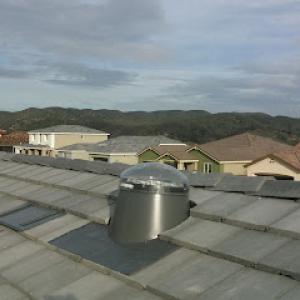
JB's Roofing / Central Coast Skylight Solutions
1356 Breck St, San Luis Obispo, California
4.8 from 23 reviews
JB's Roofing/Skylight Solutions has worked on thousands of roofs throughout San Luis Obispo County and has a proven track record for high quality, leak free roof and skylight installations at a very reasonable price. All roof installations are performed by a licensed roofing contractor who continues to stay educated and up to date on the best roofing practices and quality materials which ensures you will receive a worry free, long lasting, quality roof system. We specialize in all kinds of roofing, tubular skylights installation, skylight replacement, and carpentry work, so don't hesitate to give us a call to see how we can add value to your home and give you the experience and treatment you deserve as a homeowner or professional.

Axiom 360
Serving
4.9 from 59 reviews
With over 15 years of experience in the industry, our team of certified professionals is committed to delivering top-quality roofing from new installations to comprehensive repairs. People are different now than they were years ago. We are smarter, more connected, and have a greater awareness of the world around us. This is especially true when it comes to our interactions with businesses. We are no longer content with being treated like numbers on a spreadsheet. We want quality and great customer service throughout the entire project. That’s why we go the extra mile to make sure every project is completed on time, within budget, and to the customer’s complete satisfaction.

Coast Roofing
(805) 773-1422 www.coastroofing.co
Serving
4.4 from 25 reviews
Here at Coast Roofing we understand that your home is one of your biggest investments! That's why we take extra care of your home through every step of the process and only offer top quality roofing craftsmanship. Coast Roofing has installed roofs on a wide variety of commercial buildings. From grocery stores, water treatment plants, to large churches and shopping centers. We are a trusted name for all commercial property along the central coast.
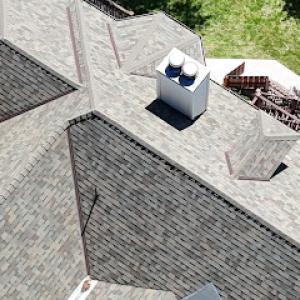
Efficient Roofing | Nipomo | Santa Barbara
(805) 720-6353 efficientroofinginc.com
Serving
5.0 from 44 reviews
Roofing experts on shingles, Spanish tile, flat tile, Tpo Flat roofs, Bitumen membrane flat roofs, and metal roofs.
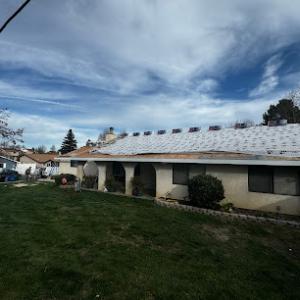
Salomon's Roofing
(805) 975-9159 salomonsroofinginc.com
Serving
4.9 from 59 reviews
Salomon's Roofing is not just a roofing company; we are a symbol of trust and excellence in Templeton, CA. With an impressive 24-year legacy in the roofing industry, we have set new standards for quality, integrity, and customer satisfaction. Our journey has been marked by a steadfast commitment to delivering roofing solutions that protect and enhance your property. Whether it's a residential roof that shields your loved ones or a commercial roof that safeguards your business, we take pride in our ability to provide roofing services that stand up to the challenges of time and weather.
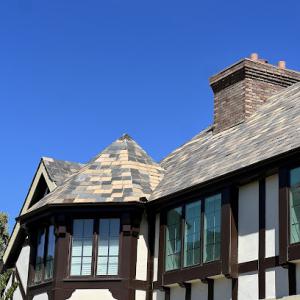
Leo's Roofing
(805) 801-2064 www.facebook.com
Serving
5.0 from 12 reviews
Protect your home or business with Leo's Roofing, the premier roofing contractor serving San Luis Obispo and Santa Barbara Counties. We offer top-quality roofing solutions for both residential and commercial properties. Your roof is your building's primary defense, and we're dedicated to providing reliable, professional, and expertly crafted roofing services. Using only top-grade materials and innovative techniques, we ensure lasting durability. At Leo's Roofing, we build more than just roofs; we build lasting relationships based on integrity and transparency.
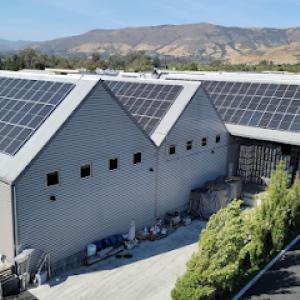
Wicks Roofing & Solar, Inc.- Nipomo
(805) 881-3986 wicksroofing.com
Serving
4.5 from 80 reviews
Roofing, Solar and Energy Storage in California is a rapidly expanding technology. From the latest composite materials and photovoltaic (PV) modular cells to DC rapid charging for Electric Vehicles (EV). The team at Wicks is dedicated to learning about and quickly applying into practice the best products and processes designed for lasting value. It’s no wonder that the Central Coast turns to Wicks Roofing and Solar. We are the preferred company for Home Owners, Real Estate Developers and General Contractors throughout the tri-counties.
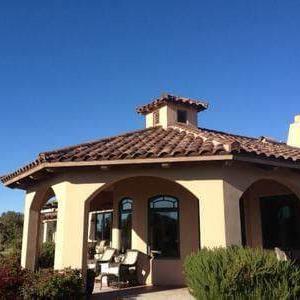
A-1 Roofing
(805) 748-1000 a-1roofingcentralcoast.com
Serving
5.0 from 4 reviews
We handle everything from new roofs, partial replacements, maintenance, tile restorations, and repairs. Over the last 30 years we have earned a reputation of providing the finest quality roofing systems at an affordable price. We look at your needs and consider all the factors before recommending a specific roofing system, repair or maintenance for your structure.

Roof Maxx of S San Luis Obispo, CA
Serving
5.0 from 8 reviews
Roof Maxx® offers a revolutionary roof restoration service, providing an eco-friendly, cost-effective solution for extending your roof's life. Specializing in roof rejuvenation, our innovative treatment revitalizes aging shingles, ensuring they remain flexible and waterproof. Ideal for roofs over 7 years old, Roof Maxx's unique formula penetrates deep into shingles, restoring their original functionality. This process not only enhances roof durability but also postpones the need for expensive replacements. Our professional roof maintenance services further protect your investment, keeping your roof in top condition. Trust Roof Maxx for sustainable, efficient roofing solutions.
A & M Roofing
(805) 835-5585 www.amroofingca.com
Serving
5.0 from 2 reviews
A & M Roofing has been servicing San Luis Obispo County since 1984. We specialize in all types of roofing systems. From pitched roofs to flat roofs, we have you covered. Take a look at the gallery on our website. All the roofing material manufacturers websites are their for you to browse. Ask about our Roof Inspection service to know the true condition of your roof. Sometimes you just need a little more time. From Roof Maintenance to Leak Repairs, we can take care of you. We carry General Liability Insurance and Workman Comp Insurance to protect your property while work is in progress. With over 40 years experience, give Michael a call to go over your roofing needs.
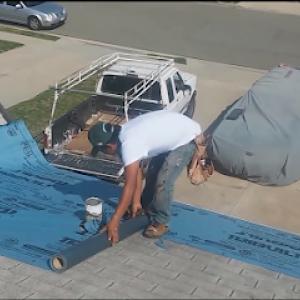
Ribas Roofing & Services
(805) 876-9479 ribasroofingcompany.com
Serving
5.0 from 2 reviews
Ribas Roofing Service is your all-in-one general contractor in Atascadero and Paso Robles for roofing, flooring, and building.
During San Luis Obispo's winter rainy season, many leak complaints surface after the dry season has hidden aging underlayment or flashing defects. A roof that looked dry from the ground can harbor subtle seams and corners where water wicks or seepage migrates. If your gutters clog or your drip edges aren't sealing properly, the first hard storms push these latent weaknesses into the daylight. Pay attention to ceilings, especially on the inside of ceilings near exterior walls that align with roof penetrations, as well as brown stains along knuckles of flashing at vents, chimneys, and skylights. The longer those issues go unnoticed, the more likely it is that a single season of rain compounds micro-leaks into larger, harder-to-detect failures.
As the marine fog lingers and mornings remain cool, roof decks and shingles stay damp longer than you expect. On shaded slopes, moisture can persist well into late morning, keeping moss and algae from drying out. This dampness isn't just cosmetic; it can accelerate deterioration of underlayment and cause staining that masquerades as aging or improper drainage. If you notice persistent dark streaks or greenish growth on north-facing or maturely shaded areas, it's a sign to check attic ventilation and ensure that underlayment isn't absorbing moisture over time. Delayed drying also increases the risk that minor edge leaks become more pronounced during subsequent rains.
Autumn wind events from the coast can rattle ridge lines, eaves, and tile attachments. On exposed lots, the strongest wind directions test the integrity of fasteners, sealants, and the overall bond between tiles and the roof deck. A ridge vent or cap that seems intact from the ground may reveal loose or cracked components up close, especially after a windy night. The challenge isn't only material failure; it's containment. Tear-off work in open spaces can become risky, with debris and old underlayment potentially blown into neighboring areas or adjacent landscape. If a roof feels "sound" when viewed from below but shows ripped or displaced edge tiles up close after a windstorm, there's a higher chance water can find new paths under the tiles during the next rain.
Tile roofs in this region commonly develop problems from slipped, cracked, or disturbed pieces that allow water intrusion even when the roof still looks serviceable from the ground. A tile that has shifted slightly can leave a gap that invites rain to bypass the intended channel. On shaded slopes, where moisture sits longer, the problem compounds: a small off-piece becomes a bigger entry point over time. Cracked or broken tiles often hide beneath a layer of dirt or moss, making the issue less obvious until you lift a few pieces or inspect from above. In practice, daily life may not reveal the risk until a heavy storm triggers a leak at a surprising location, such as a valley between tiles or at a fastener line.
Keep a cautious eye on the roof after dry spells end and a storm arrives. If you notice new staining, moss growth, or damp patches on interior ceilings after a rain event that followed dry spells, plan an inspection focusing on flashing joints, ridge and edge fasteners, and tile integrity. On tile roofs, don't rely on surface appearance; a close-up look at tile fit, mortar, and sealants can uncover slipped or disturbed pieces before a leak develops. Regular maintenance that addresses these failure patterns now saves more extensive, costly repairs later when the weather returns.
Late spring through early fall is generally the preferred reroof window in this area because crews can work around the dry season with fewer rain interruptions. The timing aligns with longer work days and more predictable drying conditions for underlayment and decking. If you can plan for a tear-off during May to September, you'll typically face fewer weather-driven delays and a smoother sequence from removal to final sealing.
Winter storms and measurable rainfall can delay tear-off and underlayment exposure, so homeowners often try to avoid starting full reroofs deep into the rainy season. If a project begins late fall or winter, anticipate brief halts for rain events and extended drying times when sections of underlayment are exposed. Having a contingency plan for temporary protection and faster tarp setup helps to keep the schedule on track during the wetter months.
Spring marine layer conditions can slow drying times and create scheduling uncertainty even when total rainfall is low. Foggy, humid mornings can extend curing times for roof cements and sealants, and the alternating pattern of sun and mist can affect material handling, especially on darker or steeper surfaces. Builders often stack a few extra workdays into the plan to accommodate slower mornings and afternoon heat buildup.
Dry summer months support faster production, but hotter inland afternoons can affect material handling and crew pacing on darker or steeper roof surfaces. Asphalt and composite shingles may feel hotter to the touch, impacting nail gun efficiency and worker comfort. Coordination around peak sun hours-often dialing back the most strenuous tasks to early morning or late afternoon-helps maintain steady progress without compromising installation quality.
Aim to schedule the initial tear-off before the peak heat sets in but after the typical marine layer has burned off, ideally in late spring. If a winter start is unavoidable, build cushions into the timeline for rain delays and longer drying periods. For a fall restart, expect brief weather windows to close quickly with early winter fronts, so confirm daily weather forecasts and have a flexible crew plan to prevent prolonged exposure of underlayment.
A permit is typically required in the City of San Luis Obispo for a full re-roof, with the City Building Division reviewing the contractor's submitted scope of work and required details. Before any shingle or tile work begins, confirm with the contractor that the permit packet includes a complete roof plan, an accurate description of the proposed materials, and a sequence narrative that explains tear-off, underlayment, and final installation steps. The plan should also show any changes to roof slope, drainage, or fireplace/chimney details if those areas are affected by the reroof.
City inspections commonly occur during tear-off or underlayment stages and again after final installation, so scheduling and access matter during active reroof work. Talk with the contractor about the expected inspection windows and ensure there is clear access to the attic and roof line for the inspector. If the house has mature landscape or hard-to-reach eaves, designate a safe staging area and coordinate power and water access for inspection needs. In heavy fog months and after winter rain, inspectors may pay closer attention to underlayment and flashing details to verify moisture management is correctly staged before covering with the final roof finish.
Complex tile roofs or projects that change roof structure may trigger plan review and additional code scrutiny beyond a straightforward same-material replacement. When tiles or shakes are involved, the Building Division will look at roof deck integrity, lath, and any structural modifications. If a project includes a skylight retrofit, a balcony or parapet alteration, or a change to roof ventilation strategy, anticipate an extra round of review. A thorough, code-compliant scope helps keep the process moving and avoids last-minute delays at the counter.
Projects can face added review for wind or energy-code compliance when the reroof scope goes beyond simple replacement. In neighborhoods that blend hillside exposure with marine fog cycles, wind uplift calculations and proper fastening become essential. If the proposal includes reflective or energy-efficient underlayment, or a switch to a different class of roofing material with distinct wind ratings, prepare for confirmation of compliance with local wind provisions. Communicate any anticipated changes in attic ventilation, radiant barrier use, or vapor retarders, since these details often require documentation beyond the standard replacement. Clear, proactive coordination with the Building Division helps ensure that moisture control, fire resilience, and insurance considerations align with local expectations during the permit review and inspection sequence.
Average installed cost ranges in San Luis Obispo are about $320-$640 per square for asphalt shingles, $700-$1100 for metal, $1100-$2700 for clay tile, $900-$1700 for concrete tile, $850-$1400 for wood shingles or shakes, and $600-$1100 for synthetic/composite shingles. Those figures reflect a local market that has to balance fog-drenched mornings, dry afternoons, and winter rain events. In practice, you'll see asphalt shingles as the most common entry point, while tile options pull a premium because of longer lifespans and the labor intensity of tile work around edges, chimneys, and vent penetrations.
Tile-heavy housing stock is a defining San Luis Obispo feature, and it pushes costs up. Tear-off, disposal, matching existing roofing profiles, and accessory detailing are more labor-intensive here than a basic reroof with shingles. If your home features clay or concrete tiles, budget for careful handling, extra time for matching color and shape, and potential replacement of broken tiles to maintain a cohesive look.
Hillside access, tighter lots, and staging constraints in parts of the city can extend labor time and complicate debris handling. Expect crews to crew vehicles, hoists, or staging platforms to navigate steep grades, which can bump the per-square price toward the higher end of the range. If the roof has multiple peaks, valleys, or skylights, that further elevates material waste and labor.
Seasonal demand can affect pricing because many homeowners try to schedule reroofs before or after the winter rainy period rather than during it. If you wait for a dry window, you may encounter higher premiums due to peak contractor availability. Conversely, mid-spring or early fall windows often balance weather and crew availability, helping avoid delays and extra overhead.
In a market where California insurers tighten terms, a roof with visible aging or wildfire exposure can tilt renewal conversations. A homeowner with a newer, well-documented Class A-type assembly often fends off tougher questions more smoothly than a visibly neglected roof. The insurer will look at roof age, material type, and maintenance history as a snapshot of risk. Your goal is to present a clear story of resilience rather than ambiguity.
Maintain a simple file with receipts, inspection notes, and a current photo log. Have a recent roof condition report or a knowledgeable contractor's memo that states roof type, layer count, and any fire-resistant features. In SLO, where fog and sun cycle moisture matters, notes about ventilation, underlayment, and flashing condition matter. A well-documented roof reduces back-and-forth during renewal and can support quicker claim decisions when needed.
Homes with aging wood roofing or deferred maintenance often trigger tougher conversations than those with newer assemblies. If wood shingles or shakes exists, record treatments, cleanings, and any fire retardant applications. Emphasize maintenance routines that address moisture management and fog-driven condensation. The clearer the maintenance history, the less ambiguity insurers have on reliability.
After a winter leak or a wind-driven event, document conditions promptly. Insurance outcomes hinge on proving sudden damage rather than long-term wear. Take time-stamped photos from multiple angles, note water intrusion points, and gather contractor notes quickly. Delays can blur the lines between rapid damage and aging.
Schedule periodic, homeowner-friendly inspections and share findings with your insurer when you reach renewal. Minor cracks, missing granules, or rusting metal flashing can hurt your coverage if left unreported. Keeping a proactive stance helps support fair handling when the next claim arises. This proactive posture aligns with the city's moisture cycles and helps protect insured value through the fog-to-sun transition.
Older homes in this area often present a mix of architectural styles and irregular rooflines, so reroofing is rarely a straightforward swap to a like-for-like material. When a heritage or district-era house meets new roof loads, the path forward can require more than matching shingles. The structure's framing, rafter spacing, and even existing ceiling heights can influence what makes sense for a retrofit. A careful look at attic access, ventilation, and potential snow-load allowances (even if snow is rare here, regional codes sometimes factor in atypical conditions) helps prevent surprises later.
Switching into or out of heavy tile systems can raise structural and plan-review questions that do not come up on basic asphalt reroofs. Tile masses, especially clay and concrete, demand attention to the supporting deck, underlayment, and fastener patterns. In neighborhoods with hillside lots and older timber framing, the extra load can require reinforcing where dimensional lumber is aged or undersized. If a retrofit involves increasing overall weight, anticipate the need to re-check connections at eaves and ridges, and to consider stiffer, yet compatible, vented systems to maintain proper moisture management without compromising roof integrity.
San Luis Obispo's fog-to-sun moisture cycle challenges any roof assembly that traps humidity. Heavier tile roofs can be more forgiving for thermal mass, but they also demand careful detailing at penetrations, skylights, and transitions to walls. When replacing legacy tile, ensure the new system preserves or improves air leakage pathways and insulation continuity. In older shells, a retrofit may reveal the need to extend ventilation, upgrade soffits, or adjust roof-to-wall flashings so that moisture does not migrate into ceilings or interior joints.
Homeowners replacing legacy tile roofs may need to balance appearance, weight, and insurance considerations more carefully than in markets dominated by one lightweight material. The chosen system should respect the property's character while meeting practical demands for wind response, fire resistance, and compatibility with existing chimneys or parapets. If the home carries a tile aesthetic, plan for transition details that avoid visually jarring seams or mismatched textures, especially at street-facing elevations.