
Last updated: Apr 19, 2026
The San Joaquin Valley summer heat is unforgiving on asphalt shingles, and that heat isn't just about discomfort. It speeds up aging, makes granule loss more likely, and can shorten the effective life of a roof if replacement work is forced into the peak heat of July and August. When you're planning any re-roof, the temperature in the attic and on the deck matters as much as the outdoor air temp, because roof assemblies absorb heat and transfer it inward. In practical terms, that means the hottest weeks push shingle manufacturers' recommended installation windows into early-morning starts and the late afternoon finish becomes more about shade and pace than a quick nap in the shade.
Spring and fall present the most reliable windows for a complete tear-off and re-cover in this area. Those seasons dodge the brutal afternoon sun and the wetter winter period that can complicate tarping, flashing work, and sealant cures. The goal is a window where temperatures stay moderate and predictable for several days in a row, allowing adhesives to set properly and crews to work without heat-related strain. If a spring or fall schedule isn't possible, aim for the shoulder months-early autumn or late spring-when days are long but not scorching, and nights cool down enough to reduce heat buildup during work. Planning for these sweet spots helps ensure full tear-offs can be completed safely and efficiently, reducing the risk of heat-induced material handling problems and worker fatigue.
Dry, windy springs are a constant in the southern San Joaquin Valley. Dust gets kicked up quickly, and loose debris can blow onto a fresh surface or into gutters during installation. On a typical Bakersfield home, that means additional crew time for masking and containment, plus proactive measures to minimize dust entering the home. If your house has nearby dirt lots or exposed soil, expect more frequent drop-ins to sweep off decking and to secure tarps. For the homeowner, this translates to scheduling flexibility: you may need mutual agreement on the best days when wind forecasts look favorable and the dust won't create an ongoing nuisance for neighbors.
Full tear-offs are most practical when crews can work steadily for several hours without repeated interruptions to beat the heat. Request early start times to capitalize on cooler morning air and plan for a finish in the shade or indoor work where possible. If you live in a high-traffic or dusty area, talk with the contractor about concrete or plywood staging, wind breaks, and tarps that reduce debris travel. On hotter days, expect shorter shifts or more frequent hydration breaks to protect crew safety and the quality of slow-setting sealants. Clear communication about peak heat days helps avoid rushed workmanship that could compromise water-tight seams and flashing. In short, the timing decision hinges on a balance: long, steady work during milder periods and careful containment during windy springs, with a preference for spring and fall as the most reliable seasons locally.
In this climate, the dominant local material mix includes asphalt shingles, metal roofing, clay tile, concrete tile, wood shingles or shakes, and slate. The heat and relentless sun shape how these materials behave, wear, and age. Your choice should balance upfront installation practicality with long-term performance under extended exposure to dry heat and dusty conditions.
Prolonged sun and high temperatures accelerate aging in every roof type, but they hit differently depending on the material. Asphalt shingles may fade and become brittle faster when exposed to Bakersfield's sun, while metal roofs can gain an edge in heat reflectivity when installed with appropriate underlayments and coatings. Clay and concrete tiles, already a regional hallmark, handle heat well but respond to direct sun with expansion and contraction that demands proper spacing and nail patterns. Wood shakes demand careful maintenance to prevent drying cracks, and slate, while durable, requires precise installation to avoid microcracking under heat cycles. The key is understanding how each material tolerates heat, not just how it looks when new.
Asphalt remains common because it's familiar to local crews and offers straightforward replacement windows. In heat-drenched conditions, asphalt can deteriorate fastest when moisture and dust accumulate on the surface, inviting granular loss and surface granule shedding that accelerates UV exposure. A well-vented roof deck and a reflective underlayment can help, but in the Bakersfield sun you'll want shingles with a higher temperature tolerance and color choices that shed heat rather than absorb it. If you anticipate long service life from asphalt, consider reflective granules and a roof color that minimizes heat absorption, along with periodic cleaning to keep heat-attracting dust from accelerating age.
Metal roofs respond differently to heat than shingles. They reflect sunlight well when properly coated and installed, which can translate to cooler attic temperatures and longer deck life if you pair the metal with a quality underlayment and correct attic ventilation. in this region, a metal roof can be a strong option when seeking heat resilience and a longer replacement interval. Look for panels with appropriate coatings designed for hot, dusty environments and ensure fasteners are stainless or coated to resist corrosion in dry air.
Clay and concrete tiles are a quintessential Bakersfield choice, favored for their appearance and durability in dry climates. They handle heat daily, but their weight and expansion under heat cycles demand careful installation and support. Clay tile tends to be more color-stable and less prone to thermal shock than concrete tile, yet both require regular inspection for broken or displaced pieces after peak heat seasons, and fasteners must be appropriate for the tile type. With tile, maintenance becomes a year-round habit: check for broken tiles after dust storms and ensure flashing remains sealed against sun-warmed, dry air.
Wood brings a classic look, but sun exposure accelerates drying and can hasten aging, curling, or splitting if not properly protected. In the Bakersfield climate, wood roofs benefit from tight sealing, high-quality protective finishes, and vigilant inspection for moisture intrusion at eaves or penetrations. If you choose wood, plan for more frequent maintenance to preserve both performance and curb appeal in intense sun.
Slate is among the most durable options, but its performance depends on careful installation and support, especially under Bakersfield's heat cycles. Slate handles heat well, yet individual slates can crack if expansion and contraction aren't adequately accommodated by spacing and underlayment choices. Regular inspection to catch hairline fractures before they propagate is worthwhile, particularly after extreme heat waves.
When you evaluate materials, weigh how heat, dust, and sun exposure interact with maintenance needs and replacement windows. Tile options will lead you toward longer-lived, heat-resilient performance but require structural support and precise installation. Shingles offer ease and familiarity but may demand more frequent replacement in aggressively sunny environments. Metal provides reflective benefits with the right coatings, while slate and wood demand thoughtful upkeep to maximize lifespan in this climate. Your choice should align with local housing stock patterns, the typical sun exposure you experience, and a realistic plan for heat-driven aging and maintenance cycles.
Extended Bakersfield heat can stress older roofing systems and expose weak points that may not have shown during cooler months. The sun every afternoon bakes shingles, seals, and flashing until hidden gaps become obvious. If your roof is more than a decade old, or if you've noticed a spongy feel, lifted granules, or darker staining after the long dry spell, those are red flags that heat is accelerating deterioration. Pay attention to warped edges, loose fasteners, and any soft spots along ridges where the sun concentrates its most intense rays. In practice, this means a quick, honest inspection after a week-long heatwave can save a larger problem later.
When winter rain arrives after a long dry season, previously unnoticed roof vulnerabilities can turn into active leaks. The dryness creates tiny, almost undetectable cracks in underlayment or sealant that become wide gaps once moisture returns. In Bakersfield, the transition from 100+ degree days to a wet cool spell happens with little warning, so a leaky ceiling after a storm is often the first sign that heat-aged components have finally given way. If you see stains, damp patches near flashing, or dripping at corners during a rain event, treat it as an urgent advisory to stop water intrusion immediately and avoid compounding damage to attic insulation and framing.
Local contractor signals show strong demand for emergency repair and quick response, indicating homeowners often prioritize immediate leak control over long planning cycles. That urgency is not a sign of neglect; it's a practical response to a climate where a leak can escalate in minutes during a downpour. If a contractor can't respond within a half-day to a confirmed leak, you're likely losing valuable time that could widen the repair footprint. What to do: as soon as you notice active dripping, place temporary tarps or plastic sheeting, secure edges to avoid wind uplift, and call your trusted roofer for an on-site assessment. The goal is to stop the water now and map a clear remediation plan tomorrow.
Prioritize inspectors who can identify heat-accelerated failures and map out the vulnerable zones-ridges, skylights, vent bases, and flashing transitions. If you have older roof materials or mixed-age sections, treat the system as a ticking clock: address the leaks first, then plan a targeted upgrade that reinforces the weakest links. Keep a simple log of weather-driven incidents and emergency calls so the next heat spike doesn't catch you off guard. A fast, decisive leak response preserves interior comfort and buys time for a durable, climate-suited repair or replacement strategy.
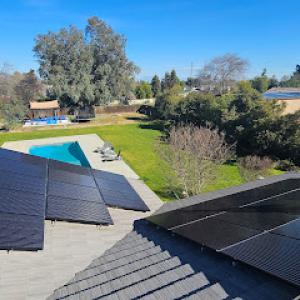
Ed & J United Roofing
(661) 522-7151 www.edandjunitedroofing.com
217 Bliss St, Bakersfield, California
4.9 from 207 reviews
Locally and family owned, Ed and J United Roofing proudly serves Bakersfield and surrounding communities. We handle all types of roofs, both residential and commercial. No roofing project is too big or too small from repairs to full replacements, we do it all. We pride ourselves on customer service and know you will be happy with the final product. Taking care of our customers is our number one priority. Call us today for your free estimate and get the exceptional service you deserve!
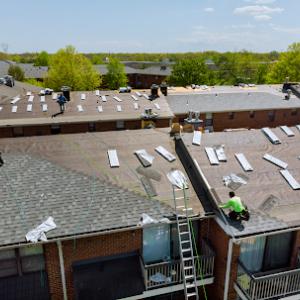
Roof On Brand
(661) 636-8844 www.roofonbrand.com
239 Bernard St, Bakersfield, California
5.0 from 192 reviews
Roof On Brand is your trusted roofing contractor in Bakersfield, CA. Dedicated to providing top-notch roofing services. We specialize in residential and commercial roofing solutions, including roof repairs, replacements, and new installations. Our skilled team is committed to using high-quality materials and the latest techniques to ensure your roof is durable, weather-resistant, and aesthetically pleasing. We understand the importance of a reliable roof and offer personalized service to meet your unique needs. Whether it's a minor repair or a complete roof overhaul, Roof On Brand is here to protect your home or business with excellence and integrity. Contact us today for a free consultation and experience the Roof On Brand difference!
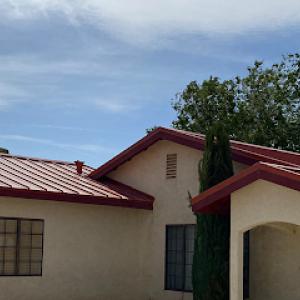
K-9 Custom Roofing
(661) 765-8024 k9customroofinginc.com
2705 Weedpatch Hwy, Bakersfield, California
5.0 from 58 reviews
K-9 Custom Roofing, Inc. is your industry-leading roofing company in Bakersfield, CA. We have years of experience in this industry, specializing in metal roofing. We are committed to building or remodeling your roof to precisely fit your specifications, a task which we complete efficiently and expediently. We take special care when it comes to the crown of your home, which you will be able to see in the results. Our roofing services are unparalleled and affordable. Trust us to be the most professional and detail-oriented roofing contractor in the area.
Bear Mountain Roofing
(661) 436-4230 bearmountainroofing.com
Bakersfield, California
4.9 from 54 reviews
Bear Mountain Roofing, a prominent name in roofing services for 15 years, serves Tehachapi, Arvin, Bakersfield, Shafter, Wasco, Delano, Taft, and Buttonwillow. Specializing in both residential and commercial roofing solutions, they expertly handle all aspects of roofing, from inspections to installations, repairs, and removal. Known for their commitment to quality and reliability, Bear Mountain Roofing ensures on-time, clean, and affordable services, taking pride in responsible workmanship.
Bakersfield Roofing
(661) 384-2212 www.bakersfieldcaroofingservice.com
3434 Truxtun Ave Suite 275, Bakersfield, California
4.8 from 50 reviews
When you need a roofing contractor in Bakersfield look for a local roofing company that’s fully licensed and insured. You can count on Protec Roofing, Inc for our excellent customer service and high-quality work. We’re family owned and operated, and we strive to finish jobs on time and in budget. Our Bakersfield roofers are highly experienced and ready to handle projects of all sizes. We travel throughout the Greater Bakersfield and Kern County area, so call us today for your appointment.
Wilson Brothers Roofing
(661) 589-4297 www.wilsonbrosroofingca.com
10024 Rosedale Hwy, Bakersfield, California
4.7 from 85 reviews
Looking for expert roofing services in Bakersfield, CA? Look no further! At Wilson Brothers Roofing, our experienced contractors specialize in roof installation, roof repair and replacement, and roof maintenance, ensuring your property stays protected year-round. From commercial roof installations to residential roof repairs, our team delivers top-quality workmanship using premium products from industry leaders like Owens Corning, Malarkey Roofing, and Gaco Western. We pride ourselves on being family-owned, with excellent attention to detail, reliable service, and a commitment to customer satisfaction. Trust us to keep your home or business covered with our expert roofing solutions. Contact us today!
Magallon's Roofing
(661) 218-1998 magallonsroofing.com
1712 19th St Suite 112, Bakersfield, California
5.0 from 18 reviews
Magallon's Roofing was founded in 1999 by the Magallon Family. Offering professional Residential and Commercial Roofing services from repair, maintenance and installation, we've got you covered. We offer free estimates and financing to help you with your roofing project.
Superior Roofing
(661) 679-6923 www.superiorroofingca.com
3017 Fruitvale Ave, Bakersfield, California
4.6 from 122 reviews
If you’re looking for exceptional quality roofing service, we at Superior Roofing will outperform any other roofing company in California. Our extensive experience gives us great confidence. We are knowledgeable in all types of roofing and construction solutions. We aim to provide great quality work and craftsmanship. Our Bakersfield roofers are all licensed, bonded, and insured. We focus on clients and projects with safety and integrity. We make sure your roof gets all the attention and necessary repairs that it needs. Our Bakersfield roofing contractors never leave a job without fixing all the problems. For inquiries, visit our website or call us at (661) 679-6923.
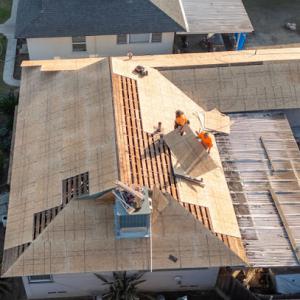
Armstrong Pro Roofing
(661) 319-7566 armstrongproroofing.com
3072 Skyline Blvd, Bakersfield, California
4.8 from 26 reviews
Residential Roofing & Repairs, Patios
Kern County Roofing
(661) 282-0212 kernroofing.com
4819 Calloway Dr #102, Bakersfield, California
4.8 from 31 reviews
Complete Roofing Services- All Under One Roof!
Rooftops Usa
(661) 565-2620 www.rooftopsusa.com
3807 Patton Way #102, Bakersfield, California
5.0 from 11 reviews
Looking for trusted roofers in Bakersfield? Locally based, we provide top-quality roofing services for both commercial and residential properties across Kern County. From roof repairs and new roof installations to thorough roof inspections and certifications, we’ve got you covered. We also offer flexible financing options to make your roofing project affordable and stress-free. As a reliable roofing contractor, we deliver durable solutions for all your roofing needs. CSLB#1085337
Wise Roofing Solutions
(661) 451-6250 wiseroofingsolutions.com
6911 Vanilla Ct, Bakersfield, California
4.8 from 17 reviews
Wise Roofing Solutions is a roofing contractor serving residential and commercial property owners in Bakersfield, CA and surrounding communities. The company provides roof repair, roof replacement, new roof installation, roof inspection, emergency roof tarping, and commercial roofing services tailored to local building styles and weather conditions. Based in Bakersfield, CA, Wise Roofing Solutions works with homeowners, property managers, and business owners across areas such as Downtown Bakersfield, Seven Oaks, Ridgeview Estates, Southgate, Oildale, Lamont, and Arvin. With experience addressing common Central Valley roofing issues like heat exposure, aging materials, and storm-related damage.
High summer heat and persistent dust exposure punish roofs in this valley climate far more often than dramatic storms. That heat accelerates aging, softens some materials, and stresses flashings around penetrations. When a strong wind rolls through during Santa Ana-like conditions or a quick afternoon gust, shingles can peel, tiles can crack, and edge metal can lift. You're not chasing a single threat here; it's the combination of sun, heat cycles, and occasional wind events that wears a roof down over years.
Winter rain here tends to arrive in bursts, and the dry season can mask problems until the first big storm or the next cold snap. If a roofing project runs through or ends during the wet season, rain can interrupt progress and force crews to slow down or pause. More importantly, those rainy spells can reveal underlayment or flashing failures that were hidden when the sun was completely arcing overhead. If you notice pooled water in valleys, damp patches around vents, or blown-in granules after a rain, treat it as a signal that a closer inspection is warranted before any final sealant or shingle replacement.
Insurance adjustments in this market commonly focus on wind or hail scenarios, but heat wear matters too, especially when the claim hinges on whether damage happened suddenly or developed over time. Insurers may request detailed estimates and a thorough pre-loss condition record to support the claim. Having dated photos, notes from a professional roof inspection, and a clear chronology of maintenance can make a difference. If a claim seems tied to long-term heat exposure rather than a single storm event, prepare to demonstrate the timeline and contributing factors with your files. In practice, expect questions about prior repairs, age-related wear, and any interim weather events that could have accelerated deterioration.
When spring and fall qualify as window of opportunity for roof work, align scheduling with mild periods to minimize heat-related stress during installation. If a winter job surfaces, plan for weather buffers and prompt weatherized protection to prevent hidden moisture from becoming a claim trigger later. Keep a simple, recurring record: note seasonal conditions, shallow inspections after storms, and any visible changes in flashing, shingles, or gutters. This routine can make a concrete difference when discussing a claim or coordinating with your contractor and insurer.
Find local contractors experienced in assessing and restoring roofs after hail, wind, and severe weather events.
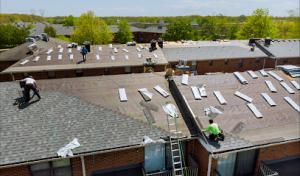
Roof On Brand
(661) 636-8844 www.roofonbrand.com
239 Bernard St, Bakersfield, California
5.0 from 192 reviews
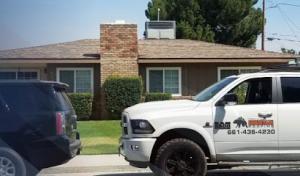
Bear Mountain Roofing
(661) 436-4230 bearmountainroofing.com
Bakersfield, California
4.9 from 54 reviews
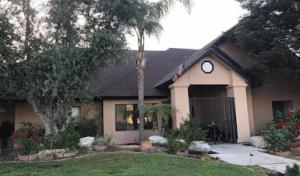
Bakersfield Roofing
(661) 384-2212 www.bakersfieldcaroofingservice.com
3434 Truxtun Ave Suite 275, Bakersfield, California
4.8 from 50 reviews
When planning a roof replacement, you'll see a wide spread in price from asphalt shingles to slate. In this market, asphalt shingles run roughly 420 to 750 USD per square, metal roofing 700 to 1100, clay tile 900 to 1500, concrete tile 800 to 1300, wood shingles or shakes 900 to 1600, and slate from 1400 to 2600 per square. Those numbers reflect Bakersfield's heat-driven challenges and the local housing stock, not nationwide averages. Tile-heavy homes push the overall project cost higher because tile systems are heavier and more labor-intensive than basic shingle replacements.
Costs in Bakersfield can rise when crews must work around extreme summer heat, slower production days, or weather interruptions from winter rain. The furnace-like sun drives longer installation times, more crew breaks, and heightened material handling precautions. As a result, two identical shingle replacements can end up costing more in July than in March. If planning around the peak heat window, expect a modest bump in daily labor rates and possible scheduling gaps that push total project days outward.
Tile-dominant neighborhoods are common in this region, and that reality changes the math. Clay and concrete tiles require more structural assessment, careful handling to avoid breakage, and slower, more meticulous installation. That combination translates into higher labor costs and sometimes additional structural work if the existing roof framing isn't designed for the heavier load. If your home already features tile, the project is likely to land toward the upper end of the listed ranges, not the middle.
Because heat shortens roof life, choosing a replacement window that minimizes downtime matters. Consider scheduling in shoulder seasons when temperatures are milder to keep crews efficient and protect materials. If a tile roof is involved, budget for extra time and possible staggered shipments of heavier tiles. The city's typical stock of tile homes means you may incur higher upfront pricing, but the longer-term durability and heat resistance can justify the investment. Track how material weight and climate-specific wear influence your chosen option to avoid overpayment and ensure the roof performs well through Bakersfield summers.
Don't let upfront costs delay a critical repair - these contractors offer payment plans to fit your budget.
Bakersfield Roofing
(661) 384-2212 www.bakersfieldcaroofingservice.com
3434 Truxtun Ave Suite 275, Bakersfield, California
4.8 from 50 reviews
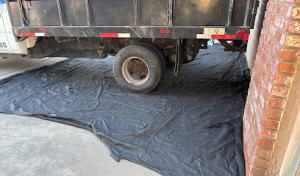
Magallon's Roofing
(661) 218-1998 magallonsroofing.com
1712 19th St Suite 112, Bakersfield, California
5.0 from 18 reviews
Superior Roofing
(661) 679-6923 www.superiorroofingca.com
3017 Fruitvale Ave, Bakersfield, California
4.6 from 122 reviews
A full roof replacement typically requires a building permit in Bakersfield. The permit ensures the work adheres to local codes that address heat exposure, attic ventilation, and proper substrate for long life under San Joaquin Valley sun. Begin by submitting plans and project details to the City of Bakersfield Building Division. The paperwork will cover roof type, underlayment, ventilation changes, and any structural alterations that might affect how heat moves through the attic.
Inspections happen in stages and are posted ahead of time so the schedule can fit with the hot season. After underlayment is installed, an inspection checks that the roof deck is sound and that flashing, vents, and drip edges meet code. A rough-in or mid-stage inspection occurs before final sealing, ensuring fasteners and underlayment align with wind and sun exposure typical in this climate. The final inspection confirms that the project complies with all requirements and the roof system is ready for heat cycles ahead.
Separate permits may be needed when the roofing project also includes solar work or structural changes. Solar additions commonly trigger a separate electrical permit or a solar-specific review, and structural modifications may prompt additional framing approvals. Processing times can vary with department workload, and peak late spring through summer can extend timelines. Plan for the possibility of weather-related scheduling shifts, dust, and the high daytime heat affecting inspector availability.
Coordinate your contractor's schedule with the Building Division's calendar to avoid delays during Bakersfield's hottest months. Have all submittal items ready, including roof plans, venting calculations, and any calculations for load changes if rafters or trusses are altered. On-site access and safety considerations matter; ensure clear paths for inspectors, especially in tight yards with shade cloths or temporary coverings. Understanding the permit path helps prevent heat-induced hold-ups when replacement windows and long-term heat resilience are on the line.
Find contractors who integrate solar panels or solar shingles into your roof for long-term energy savings.
Local market signals show Bakersfield homeowners strongly value a quick response and cleanup included, which fits a market with active re-roofing and emergency leak calls. When a crew can show up promptly after a call, you avoid unnecessary exposure to the sun and minimize interior damage during a hot afternoon thunderstorm window. Look for contractors who outline a deployment plan, crew arrival windows, and a thorough debris sweep built for dusty San Joaquin Valley days. A clean job site isn't just neat-it protects your landscape, your AC setup, and your neighbors who share the block.
Residential work appears more prevalent than purely specialty roofing, though there is also a meaningful commercial presence in the contractor base. This matters in Bakersfield because homes vary from stucco ranches to tile-roofed bungalows with retrofit needs. A crew that regularly handles residences will understand attic ventilation, chimney flashing, and overhanging eaves that heat up quickly. Ask for recent residential projects similar to your home type, and verify they handle the typical heat-warp issues that show up after a blistering July.
Long-established, family-owned, and locally owned firms have a visible presence, suggesting trust and tenure matter in hiring decisions. Local firms tend to see the same weather patterns you do and know the best underlayment and venting practices for Bakersfield summers. Favor crews with a steady history, easy-to-reach offices, and a track record of staying on site for the planned duration, not just the first morning. A familiar name can translate into predictable schedules and fewer run-ins with busy season delays.
Ask for a written project timeline, a clear cleanup plan, and references from recent neighborhood jobs. Verify the crew's foreman will be on site during key phases, especially during heat-heavy afternoon shingle installs or tile work. Confirm they carry insurance that protects against heat-related incidents and property damage, and that they commit to protective measures for landscaping and HVAC equipment. This approach helps ensure you get timely service, solid workmanship, and a clean finish that holds up under Bakersfield's extreme sun.
When the sun bears down on a Bakersfield roof, you're not just protecting shingles-you're safeguarding attic temperatures, indoor comfort, and the roof's own longevity. If solar panels are layered into the project, the roof isn't just a surface to cover; it becomes part of a ventilation and heat-management plan. Roofing choices that perform well under extreme sun also shape how solar hardware sits, seals, and sheds heat. The result is a tighter, more interdependent equation: roof replacement and any rooftop penetrations must be considered together from day one to avoid rework, added heat loads, or mismatched flashing.
Because Bakersfield roofs face intense sun exposure, homeowners often need to think about roofing and rooftop penetrations together rather than as separate decisions. In practice, that means the order of work, the placement of vents or drains, and the local experience of installers matter just as much as shingle quality or panel geometry. If panels or mounting hardware are installed in tandem with reroofing, the flashing details, sealants, and drainage strategy should be reviewed in one pass. A well-timed sequence prevents gaps, heat-induced movement, and future leaks that could show up long after the project is finished.
Even though solar-integrated roofing is not a dominant specialty signal locally, coordination becomes important when reroofing and solar are combined. That coordination isn't just about placing equipment; it's about ensuring the roof deck, underlayment, and flashing choices align with both the solar array's load and the heat cycle of a long Bakersfield summer. Expect to revisit matchups between panel rails, flashing color and corrosion resistance, and the roof's edge detail to minimize heat-driven expansion and contraction. In short, treat solar and roof work as a single system rather than two isolated jobs.
Find contractors who integrate solar panels or solar shingles into your roof for long-term energy savings.