
Last updated: Apr 19, 2026
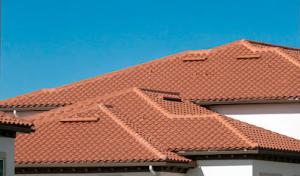
Clay and concrete tile dominate the skyline of many residential blocks, a direct reflection of the Spanish Colonial Revival and related Mediterranean styles that define local neighborhoods. When choosing a reroof, the visual impact matters, but so does the long-term performance against coastal salt exposure, hillside winds, and seasonal wildfire threats. Tile's natural heft and weathered look align with the character of dry-summer climates, while its mass and interlocking profile help shed embers more reliably than many other coverings. In practice, this means a reroof plan often centers on how the tile stack sits over a robust, wind- and fire-rated underlayment, plus the ability to repair without a full tile replacement every few years.
A wildfire-conscious approach is not about chasing one material grade; it's about systems compatibility. In hillside and canyon-adjacent blocks, ember exposure is a recurring consideration, especially after dry Santa Ana-like spells when winds shift from offshore to inland. When evaluating tile roofs, look for a deck and underlayment assembly that resists flame spread and is compatible with your chosen tile type. The critical decision point is whether the underlayment and any accompanying venting provide a continuous barrier, not just a decorative cap over the tile. Insurance-savvy reroofs here often favor a tiled system paired with a high-performance underlayment and properly sealed penetrations, so plan for a protective layer beneath the tile that remains effective even if a few tiles crack or lift in a wind event.
Tile roofs frequently outlive their underlayment, so a clean reroof in this climate is commonly about lifting and resetting tile or replacing broken field tiles rather than a wholesale switching of covering materials. When considering a reroof, assess the condition of the existing underlayment, hips, valleys, and the battens that support the tile. In many cases, the best path is to lift the existing tile, inspect the deck for rot or fastener corrosion, replace damaged sections, and re-bed and re-seal the tiles with attention to the layout that minimizes the chance of future cracking. This approach preserves the visual drama of the tile while reinforcing performance against moisture intrusion and wind uplift.
Aesthetics and performance converge in choices about tile shape, color, and interlock patterns. A flatter, more uniform field of clay or concrete tiles can offer predictable wind resistance when installed with a continuous nailing pattern and properly integrated edging. Conversely, deeply textured or irregular tile arrangements might require careful detailing at hips and ridges to maintain gutter clearance and shedding. In coastal exposures, lighter colors can reduce heat gain near attic spaces, while still delivering the calm, sunlit look that matches the broader community's architectural language.
Set a cadence for seasonal inspections, focusing on exposed field tiles, ridge caps, and flashing around chimneys and vents. In Santa Barbara's mix of coastal air and inland sun, small cracks in field tiles are common but manageable with timely replacements. Establish a plan to re-bed any cracked or loose tiles, reseal penetrations, and verify that the underlayment remains dry and intact beneath a cleanly reinstalled tile array. A well-executed tile reroof in this climate balances the visual appeal with practical resilience, delivering a roof that endures the coastal winds, ember threats, and the typical Santa Barbara dry-wet cycle.
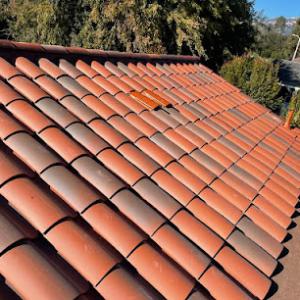
NEMA Roofing Repair Company - Santa Barbara
(805) 977-5949 nemaroofing.com
7 W Figueroa St, Santa Barbara, California
4.9 from 359 reviews
Your roof is one of the most important investments you’ll ever make in your home. At NEMA Roofing Solutions, we know that protecting your family and property starts with a strong, reliable roof. As a family-owned company with military roots, safety and precision are our top priorities. Trusted by thousands of homeowners across Southern California and more than 3,000 roofs installed homeowners trust us for proven quality and lasting results. Whether you need a small repair or a full roof replacement, our in-house team delivers expert craftsmanship every time. Many homeowners choose NEMA Roofing when preparing for shingle roofing installations, roof repairs, re-roof or metal roofing projects
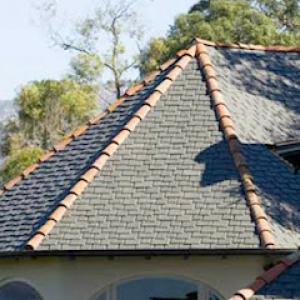
Action Roofing
(805) 364-5988 www.aroofing.com
534 E Ortega St #1, Santa Barbara, California
4.7 from 185 reviews
Action Roofing was established in Santa Barbara in 1985 by Jack Martin. Through the years we have grown to 157 full-time employees, and many have been with us since the company started. We are fully insured, bonded, and licensed in the state of California. Our primary focus is re-roofing of single-family homes, condominiums, and commercial properties; additionally, we have recently developed an extensive roof maintenance division for both industrial and residential properties. Since we have a full sheet metal fabrication shop, two full-time carpentry crews, and four mobile seamless gutter machines to complete all phases of the roof-related work, we can eliminate the wait time for other trades necessary to keep your jobs moving.
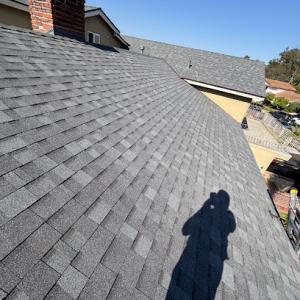
Santa Barbara Top Roofing
(805) 429-6513 santabarbaratoproofing.com
1510 De La Vina St, Santa Barbara, California
5.0 from 24 reviews
Santa Barbara Top Roofing provides dependable roofing solutions for homes and businesses across Santa Barbara, Goleta, Montecito, and Carpinteria and nearby areas. Our team delivers expert roof installation and inspection services designed to ensure lasting performance and safety. We handle everything from emergency roof repair and storm-related damage to ongoing maintenance and restoration work. With extensive experience in metal, shingle, tile, and flat roofing systems, we tailor every project to fit Santa Barbara’s unique coastal climate. Whether upgrading an existing roof or repairing unexpected leaks, we focus on durable craftsmanship and reliable service for every property we serve.
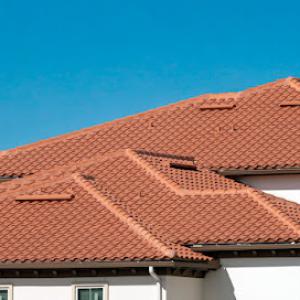
Quality Roofing of Santa Barbara
(805) 965-2416 qualityroofsb.com
4141 State St F5, Santa Barbara, California
4.8 from 30 reviews
Quality Roofing SB is a woman-owned and led roofing contractor in Santa Barbara. We proudly serve residential and commercial clients in Goleta, Montecito, Carpinteria, and surrounding cities. With 30 years of experience, we offer a variety of services, including roof replacements, new construction roofing, repairs, maintenance, and inspections. Our approach starts with listening to your needs, communicating clearly, and working with care to protect your home as if it were our own. We believe that what’s underneath your roof matters most. We are fully licensed and insured, offering free estimates and up to a 7-year workmanship warranty. Discover why Quality Roofing SB is regarded as one of the best roofing companies in Santa Barbara.
Legacy Roofing of Santa Barbara
(805) 722-9466 www.legacyhomeroofing.com
4061 Foothill Rd, Santa Barbara, California
5.0 from 14 reviews
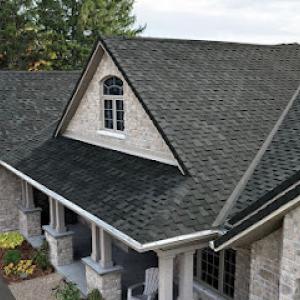
Legacy Roofing is a licensed (#1125492) and insured full-service roofing company based in Santa Barbara, with a team bringing over 20 years of experience. We know local codes, climate, and architecture, ensuring your home gets the right solution. Backed by a high BBB rating, we offer fast quotes, responsive service, and quality workmanship supported by a 10-year workmanship warranty (one of the highest warranties in the industry). We specialize in metal roofing with a 40-year warranty, Class A fire rating, and long-term durability. We also install shingles, tile, slate, PVC flat roofing (IB Roof Systems certified), and shake-look materials. Services include roof repairs, gutters, deck coating, power washing, and wood replacement.
A&M Roofing & Gutters
22 N Milpas St #D, Santa Barbara, California
4.6 from 40 reviews
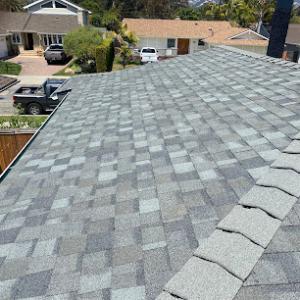
A&M Roofing and Gutters has over 50 years of combined experience working in the roofing industry in Santa Barbara County, and our family has been here for five generations. We take pride in all aspects of working and living in this community. We take pride in doing quality work here in our hometown of Santa Barbara. We can assist you with any roofing system. Bring your home's charm back with a quality, detail-oriented job by A&M Roofing and Gutters. Owner Memo Gutierrez is a veteran of our Armed Forces and, with a background in law enforcement, can be trusted to ensure your job will be done to a high standard, at a fair price and with great communication.
August Roofing & Solar
(805) 576-9116 www.augustroofing.com
331 N Milpas St #2C, Santa Barbara, California
4.8 from 21 reviews
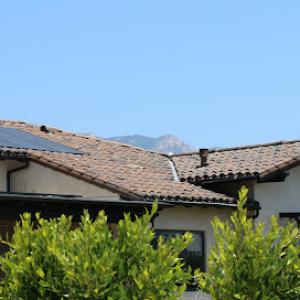
August Roofing & Solar provides premium roofing and solar solutions. It is our goal to deliver professional service, best in class materials and superior craftsmanship for residential customers from West LA through Ventura County to Santa Barbara.
Joel's Roofing & Rain Gutter
(805) 563-8970 www.joelsroofingandgutter.com
27 W Anapamu St #249, Santa Barbara, California
4.4 from 45 reviews
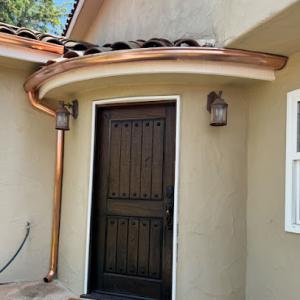
Joel's Roofing & Rain Gutter Inc., located in Santa Barbara and Ventura County, CA, has been serving clients since 2004. We are a licensed and insured company specializing in residential and commercial roofing, rain gutter, and sheet metal installation. Our comprehensive services include new installations, maintenance, and repairs. We offer a wide range of solutions, including asphalt shingles, standing seam metal roofs, single-ply membranes (TPO, PVC), tile, flat roofs, custom chimney shrouds, skylights, metal siding, shiplap siding, seamless rain gutters, insulation, roof framing, and fascia replacement. Trust Joel's Roofing & Rain Gutter Inc. for quality workmanship and exceptional service.
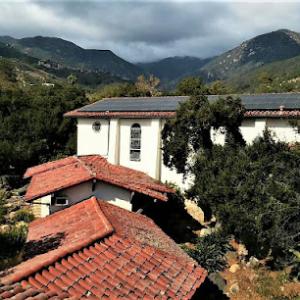
Wicks Roofing & Solar, Inc. | Santa Barbara
(805) 973-9037 wicksroofing.com
515 N Quarantina St, Santa Barbara, California
4.4 from 33 reviews
Roofing, Solar and Energy Storage in California is a rapidly expanding technology. From the latest composite materials and photovoltaic (PV) modular cells to DC rapid charging for Electric Vehicles (EV). The team at Wicks is dedicated to learning about and quickly applying into practice the best products and processes designed for lasting value. It’s no wonder that the Central Coast turns to Wicks Roofing and Solar. We are the preferred company for Home Owners, Real Estate Developers and General Contractors throughout the tri-counties.
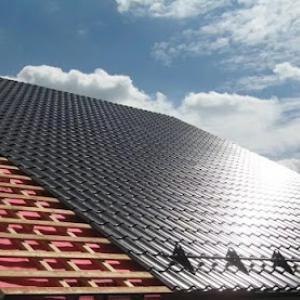
E&M Roofing & Renovations
(405) 371-3617 emroofingrenovationsllc.com
Santa Barbara, California
5.0 from 4 reviews
At E&M Roofing And Renovations, we’ve spent the last 11 years building a reputation for quality workmanship and reliable service. As a locally-owned and operated company in Ada, we take pride in delivering exceptional roofing and renovation services, all backed by our license and insurance for your peace of mind.

Derrick's Roofing
(805) 681-9954 www.derricksroofing.com
94 Frederick Lopez Rd suite c, Santa Barbara, California
4.2 from 13 reviews
Derrick's Does Roofing! New Roofing, Re-roofing and Repair Specialists! Have a Leak, Give us a call! We do free estimates!
Santa Barbara Roof Company
(805) 669-9830 www.santabarbararoofcompany.com
21 N Alisos St, Santa Barbara, California
5.0 from 1 review
The Santa Barbara Roof Company is your number one choice in Santa Barbara County for any roofing or gutter installation and repair. We perform our services for both residential and commercial. We provide our services to all of Santa Barbara County, including Santa Maria, Buellton, Lompoc, Santa Ynez, Goleta, Carpinteria, Summerland, Montecito, Oxnard, and Camarillo. We are professional and provide quality services. The Santa Barbara Roof Company offers free & fair estimates and upfront prices on all roofing and gutter services.
Reroofing in this coastal Mediterranean climate centers on the dry season. Winter brings meaningful rain risk that can sneak in through tear-off delays, threatening interior water damage. When the forecast shows even a modest storm window, every day of delayed tear-off becomes a ticking clock for your ceilings, walls, and belongings. Plan your project to maximize dry days, and lock in a window before the first cold front or incoming showers. A rushed winter tear-off often exposes underlayment or flashing to moisture, and that short exposure provokes misaligned roof lines and interior leaks after a heavy rain. In practical terms, if your roof is seasoned with dry-season months already used for repairs, any extension into winter should be treated as a trigger to escalate temporary containment-tarps, crew sequencing, and rapid detailing of flashing to reduce interior exposure.
Fall Santa Ana wind events complicate the process in exposed sites near foothills and canyons. These winds can disrupt tear-off practices, undermine underlayment installation, and complicate material staging on elevated or windy slopes. On days when gusts are forecasted, scheduling should favor early-morning starts or temporary wind breaks, and staging should be kept on the leeward side of the house to avoid blow-off or blow-apart conditions. If the roof faces the canyon runs or hillside channels, anticipate the need for securing portable protection during material handoffs and for contingency delays when gusts spike. Clear communication with the crew about wind thresholds-when to pause, when to secure, and when to complete critical steps-will save interior surprises once the next storm track shifts.
Emergency calls spike around the first substantial winter storms. Long-dry roofs reveal hidden underlayment failures, flashing defects, and tile displacement once moisture moves in. Those early storms are a magnifier: a minor leak becomes a noticeable flood, and a small flashing gap expands quickly under pressure. You should treat the onset of the first cold snaps as a signal to double-check all flashing transitions, eave edges, and valley intersections before rain events tighten their grip. For homes with tile-heavy assemblies, particularly older structures, a quick diagnostic of tile displacement and underlayment integrity can prevent multiple call-backs. Have a proactive plan: identify vulnerable seams, confirm fastener security, and ensure temporary protection is ready if a storm arrives before a planned dry-span window closes. In Santa Barbara's environment, this approach minimizes the risk of interior water intrusion when the skies finally open.
When you can't wait, these contractors offer fast response times to stop leaks and prevent further damage.
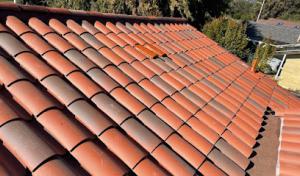
NEMA Roofing Repair Company - Santa Barbara
(805) 977-5949 nemaroofing.com
7 W Figueroa St, Santa Barbara, California
4.9 from 359 reviews
Santa Barbara Top Roofing
(805) 429-6513 santabarbaratoproofing.com
1510 De La Vina St, Santa Barbara, California
5.0 from 24 reviews
Joel's Roofing & Rain Gutter
(805) 563-8970 www.joelsroofingandgutter.com
27 W Anapamu St #249, Santa Barbara, California
4.4 from 45 reviews
Homes closer to the ocean face salt-laden air that can accelerate corrosion on exposed fasteners, flashings, valleys, and other metal roof components. That corrosive environment isn't just about the visible metal panels; it sneaks into the hidden bits that keep the roof watertight. In a coastal climate like this, every nail head, every seam, and every substrate attachment earns a daily, quiet battle against salt and moisture. The result can be slower performance from components you don't routinely think about, and those small failures tend to reveal themselves at the most inconvenient moments-during a winter rain or after a windy spring.
In Santa Barbara, corrosion risk affects not only full metal roofs but also the hidden metal details beneath tile, shingle, and skylight assemblies. That means underlayment fasteners, metal battens, valley flashings, and the metal lips around skylights are all potential trouble spots. If those elements begin to fail, leaks don't wait for a dramatic storm-they creep in quietly, sometimes behind a ceiling or closet wall. Materials chosen for coastal exposure should consider not just the surface durability but the longevity of the metal components that endure constant air exposure and occasional splash.
Material selection near the coast often turns on whether accessories and penetrations can withstand marine exposure, not just whether the primary roof covering itself is durable. Think about drip edges, ridge caps, and kick-out flashings-the parts that connect roof to wall, roof to vent stack, and roof to skylight. If those pieces aren't designed for salt air, you're buying time, not years, before maintenance or replacement becomes necessary. Look for coatings and finishes specified for coastal corrosion resistance, and pay attention to fastener types and sealants that resist salt-induced degradation.
Addressing corrosion starts with choosing compatible metal details and properly coordinating their finishes with the chosen roof system. When reroofing or upgrading, consider pre-finished, marine-grade coatings for exposed metal, and verify that every penetration through the roof deck has a corrosion-resistant seal and compatible flashing. Routine inspection should focus on exposed fasteners, flashings at hips and skylights, and any area where salt spray is most likely to reach. In this climate, maintenance intervals may be shorter, but proactive attention can prevent small issues from becoming large, costly repairs.
Explore specialists in steel, aluminum, and standing seam metal roofs built to last 50 years or more.
NEMA Roofing Repair Company - Santa Barbara
(805) 977-5949 nemaroofing.com
7 W Figueroa St, Santa Barbara, California
4.9 from 359 reviews
Santa Barbara Top Roofing
(805) 429-6513 santabarbaratoproofing.com
1510 De La Vina St, Santa Barbara, California
5.0 from 24 reviews
Legacy Roofing of Santa Barbara
(805) 722-9466 www.legacyhomeroofing.com
4061 Foothill Rd, Santa Barbara, California
5.0 from 14 reviews
When budgeting, use the local ranges as a guide: asphalt shingles typically run about $350 to $650 per square, metal roofing about $700 to $1100 per square, clay tile $900 to $1500 per square, concrete tile $1000 to $1700 per square, wood shingles or shakes $600 to $1100 per square, and synthetic or composite shingles $500 to $900 per square. These figures reflect the coastal climate, Mediterranean-influenced rooflines, and the care needed for tile components that are common on local homes.
A tile-heavy roof design, often seen with the area's clay and concrete tile options, adds complexity beyond the material price. Tile weighs more than asphalt, requires careful framing checks, and can demand more labor per square for removal, repair, and reinstallation of fragmented or reusable tiles. Labor-hour variability is real here because a large portion of work involves delicate handling of existing tile and matching profiles to preserve the home's character. Expect the overall project to trend toward the higher end of the material range when the roof carries multiple slopes, terraced sections, or intricate eave lines.
In this climate, scheduling work in the dry season helps installation conditions and early curing, especially for clay and concrete tile where wind and dust can affect joints. However, dry-season demand concentrates before winter, tightening contractor calendars and potentially nudging lead times and pricing upward. If a reroof is planned around a Mediterranean-style roofline with several ridges and hips, a well-communicated schedule can help align tile deliveries, scaffolding access, and tenant or neighbor coordination.
Asphalt shingles stay the most cost-competitive option, but their performance in salt-air exposure and full-wun winter leaks should be weighed against the region's wildfire-conscious rebuilding priorities. Metal roofs offer longevity and wind resistance that can suit exposed hillside sites, yet edge details and flashing must be meticulous to avoid coastal corrosion. Clay and concrete tiles deliver classic looks and durable long-term performance, but require structural support checks and careful tile handling to minimize breakage. Wood shingles deliver a distinct aesthetic but demand higher maintenance in salty air and after heavy rains. Synthetic or composite shingles provide a modern balance of cost and durability with easier installation.
If a home features heavy Mediterranean styling and exposed tile runs, plan for higher-per-square costs and a tighter schedule around peak demand. For wildfire-conscious rebuilds, prioritize integration of underlayment and breathable, moisture-tolerant systems that cooperate with tile overlays. In all cases, verify tile compatibility with existing roof geometry, rain channels, and wind exposure to avoid gaps or failures during Santa Barbara's winter season.
A full reroof in Santa Barbara typically requires a building permit through the City of Santa Barbara Building & Safety Division. The process begins with submittal of project details, materials, and construction methods that align with local standards for wind uplift, wildfire resistance, and coastal climate considerations. Because your home style may range from traditional Spanish tile to modern upgrades, the plan review will look closely at roof penetrations, flashing, and drainage compatibility with the existing structure. Expect the permit decision to reflect Santa Barbara's emphasis on durable, code-compliant assemblies that perform under dry-season reroof cycles and wetter winter conditions.
The local process generally includes plan review and inspections at key stages, including roof sheathing or underlayment and final inspection. During plan review, confirm that the proposed underlayment, fasteners, and insulation meet current wind resistance standards and that any venting or attic ventilation complies with the climate realities of the foothill and coastal zones. If a tile, concrete, or metal roof is planned, ensure details address wind-driven debris considerations, hillside exposure, and potential wildfire risk. The reviewer may request elevations, cross-sections, and product specifications to verify compatibility with existing ridge lines and eaves while preserving the home's architectural character.
Inspections at key stages, including roof sheathing or underlayment and final inspection, help protect against moisture intrusion and wind damage. The sheathing/underlayment inspection focuses on proper fastening patterns, prohibited gaps, and the suitability of moisture barriers in Santa Barbara's fog-influenced humidity cycles. The final inspection confirms that all penetrations, flashing transitions, and rooftop venting meet the city's utility, fire-safety, and drainage requirements. Because coastal air can affect corrosion and long-term performance, inspectors may scrutinize metal penetrations, fastener corrosion resistance, and termite-barrier integrity as part of the overall approval.
The city may require documentation related to disposal practices and compliance with wind- and wildfire-related standards during reroof approval and inspection. Expect paperwork that traces disposal methods for old materials, recycling where possible, and adherence to safe handling of hazardous substances. Firewise considerations may drive documentation around ember barriers, ignition-resistant components, and the selection of roofing assemblies that meet or exceed local wildfire adaptation guidelines. Providing clear, organized records can streamline both the plan review and the final inspection, reducing time spent awaiting approvals.
In this coastal climate, Santa Barbara homeowners face shifts in how insurers assess risk. Coastal salt exposure and the constant wake of wildfire season push underwriters to tighten criteria around roof age, condition, and material type. The result can be more conservative choices at renewal time, with emphasis on proven durability and maintenance history rather than any cosmetic update. If a roof shows signs of wear or mismatched materials, carriers may scrutinize its longevity and performance more closely than in the past. That pressure translates into a practical, long-term consideration for repair timing and material selection.
Detailed pre-job documentation matters locally because insurers may request concrete proof of roof condition before work begins. A clear, documented baseline helps when underwriting reviews occur after weather events or a policy change. After completion, keep a thorough file showing code-compliant replacement details, a full scope of work, contractor notes, and any warranty information. This material can smooth renewals and reduce friction if the insurer asks for confirmation that the project met expectations for safety, resilience, and performance in coastal winds and seasonal rain.
Homes perched on hillsides or facing higher wildfire exposure may experience added insurer scrutiny regarding combustible materials and roof-to-insurer compatibility. The choice of roof type, fastener systems, and underlayment can influence coverage decisions or premium considerations at renewal. If a property sits in a wind-prone or ember-driven zone, anticipate more thorough documentation and a stronger emphasis on durability, fire resistance, and maintenance history when discussing coverage with providers.
Connect with contractors who help homeowners navigate the claims process from damage assessment to final approval.
NEMA Roofing Repair Company - Santa Barbara
(805) 977-5949 nemaroofing.com
7 W Figueroa St, Santa Barbara, California
4.9 from 359 reviews
Quality Roofing of Santa Barbara
(805) 965-2416 qualityroofsb.com
4141 State St F5, Santa Barbara, California
4.8 from 30 reviews
E&M Roofing & Renovations
(405) 371-3617 emroofingrenovationsllc.com
Santa Barbara, California
5.0 from 4 reviews
Santa Barbara's mix of historic homes, additions, and view-oriented designs creates a local need for contractors who can handle low-slope sections alongside pitched tile roofs. When a retrofit or new build adds a flat or low-slope area, the transition details matter: intersecting gutters, parapets, and flashing must be integrated with the tile system without compromising the tile's aesthetic. A successful plan aligns drainage, wind exposure, and the surrounding architecture so the flat pieces don't become maintenance liabilities.
Skylights are a recurring local service category, and in Santa Barbara they often become leak points where aging flashing meets winter rain after long dry periods. If you're upgrading or replacing a skylight, inspect the curb flashing, counter-flashing, and sealant joints as a system, not in isolation. Winter rain can exploit gaps that aren't obvious in the dry season. Choose skylights with low-profile frames and ensure scavenged or reworked flashing follows the tile pattern to minimize visible intrusion on the roof's rhythm.
When adding or replacing flat sections, ensure the chosen membrane or insulation layer is compatible with the surrounding tile roof. That means matching roof pitch transitions, preserving roof-to-wall drainage, and using flashing sleeves that mimic the tile's linework. In hillside sitings, wind uplift is a real factor; secure edge details and parapets with materials that resist edge separation over time. A well-integrated flat area should read as a seamless part of the overall roofscape rather than a later add-on.
Solar-related roof work matters here because reroof planning increasingly has to account for existing or future rooftop solar on homes trying to balance aesthetics, energy goals, and insurer concerns. Plan early for panel layout that respects viewlines and terra-cotta tones, while ensuring roof penetrations are minimized and well-sealed. Coordinate with the solar installer on cable routing, junction boxes, and any necessary structural reinforcement to support added weight without sacrificing the tile roof's character.
Find specialists in TPO, EPDM, and built-up flat roofing systems for residential and commercial properties.
NEMA Roofing Repair Company - Santa Barbara
(805) 977-5949 nemaroofing.com
7 W Figueroa St, Santa Barbara, California
4.9 from 359 reviews
Santa Barbara Top Roofing
(805) 429-6513 santabarbaratoproofing.com
1510 De La Vina St, Santa Barbara, California
5.0 from 24 reviews
Quality Roofing of Santa Barbara
(805) 965-2416 qualityroofsb.com
4141 State St F5, Santa Barbara, California
4.8 from 30 reviews