
Last updated: Apr 19, 2026
Roofs in this stretch of the Santa Barbara South Coast battle marine air, salt spray, and fog that drifts in from the Santa Barbara Channel. That combination accelerates corrosion on metal components, so choosing a system that resists salt and moisture is essential. In Goleta, shingles and tiles should be paired with corrosion-resistant fasteners and flashing, and metal edges or trims should be treated or selected in coated alloys designed for coastal environments. The Mediterranean-pattern climate-long dry spells interrupted by winter rain-means the roof system needs to perform reliably across a wide range of moisture and humidity levels. Look for materials and assemblies that tolerate near-constant dew in the shoulder seasons and dry out efficiently during the summer lull.
Goleta's pattern of dry periods punctuated by winter storms influences when people replace or reseal roofs. The drier part of the year offers the most practical window for major re-roofing projects, minimizing exposure to wet conditions that can complicate installation and extend project timelines. When scheduling, align replacement work with the calmer late fall or spring shoulders to avoid simultaneous winter storms and the busy holiday period. If a project must occur in winter, plan for longer drying times and more frequent inspections of underlayment and sealants as temperatures dip and humidity rises.
Morning marine layer and coastal fog slow the drying of roof decks, underlayments, and sealants compared with inland locations. This means that every layer from the roof deck up to the topmost cap should be selected for slower evaporation and better moisture tolerance. Prioritize underlayments and flashing products that resist blistering and edge curl when humidity is high. Ensure decks are clean and dry before roof installation begins, and consider extended drying periods between phases of installation if conditions are humid. For homes with flat or low-slope sections, extra attention should be paid to drainage details and transitions to prevent ponding water that can lead to leaks during foggy mornings.
Goleta experiences coastal winds that can drive rain under roofing joints during winter storms. Systems that rely on fewer penetrations and robust, corrosion-resistant fasteners perform better in this environment. When selecting a roof assembly, favor products with integral or compatible high-performance underlayment and well-sealed penetrations around chimneys, vents, and skylights. Sealants and roofing tapes should be chosen for humidity tolerance and UV stability since coastal mornings bring both dew and sun exposure. A well-designed edge trim and rake detail reduces wind uplift risk and helps keep the edge from lifting in storms.
Coastal sun, while tempered by marine air, still presents a UV-rich environment that can fade colors and degrade materials over time. In this climate, color and material choices should balance reflectivity with durability. Lighter hues can help reduce attic heat gain on sunnier days, but ensure the color system is matched to the chosen roofing material and the coastal climate's thermal cycling. For go-to materials, consider options that maintain their appearance and resistance to salt spray across decades, avoiding finishes that chalk or peel quickly in salty sea air.
A proactive maintenance schedule pays dividends in Goleta. After installation, perform biannual inspections-ideally after the winter rains and again after the dry season begins. Look for corrosion on metal components, sealant joints around vents and skylights, and any lift in flashing or shingle edges. Foggy mornings can reveal subtle moisture retention on decks and underlayment; use a moisture meter or a simple visual check to confirm that substrates are dry before applying any new sealants or coatings. Keep an eye on tree shading and leaf litter, which can trap moisture and lead to organic staining on lighter-colored materials.
Many local homes feature low- to mid-slope roofs with traditional profiles and mixed materials. The coastal air can be unkind to vulnerable components, so you might encounter aged flashing, corroded screws, or deck discoloration in older structures. When choosing a replacement or upgrade, aim for a system that includes corrosion-resistant hardware, a robust underlayment suitable for coastal fog, and a roof deck treatment that minimizes humidity retention. For newer homes, verify that the chosen assembly is compatible with the existing ventilation and insulation strategy to maintain comfort and energy efficiency while withstanding Goleta's marine-influenced climate.
In Goleta, coastal salt air is a material-selection issue because corrosion can shorten the life of exposed metal components and fasteners. That means choosing fasteners, flashing, and metal trim with high corrosion resistance is not optional-it directly affects how long a roof stays watertight and intact. When selecting materials, look for coatings designed for salt spray environments and consider stainless steel or hot-dipped galvanization for critical through-fasteners and anchor points. Even small hardware choices, from ridge vents to drip edges, can become failure points if they aren't up to the coastal turn of seasons. The result of neglecting this reality is slow leaks, compromised flashings, and more frequent resealing work that compounds over a 15-20-year timeline.
Marine layer conditions can keep roof surfaces damp longer, which matters for underlayment exposure, flashing details, and the timing of sealant-dependent work. In fog-heavy mornings, decking and underlayment can stay damp into afternoons, delaying adhesive cures and setting times for sealants and roofing tapes. This isn't simply a scheduling nuisance; extended moisture exposure can reduce the effective lifespan of underlayment and flashing seals, especially around valleys, chimneys, and vent penetrations. When planning installation or repairs, allow for cooler, dryer windows to optimize sealant performance, and don't rush flashings or transitions on a damp surface. A careful, weather-aware approach protects the integrity of the roof assembly as it adapts to Goleta's natural humidity cycle.
Homes closer to the coast and open marine exposure generally face more corrosion pressure than properties farther from direct salt-air influence. That gradient matters for both material choice and maintenance frequency. For near-coast dwellings, prioritizing corrosion-resistant fasteners, stainless or coated metal components, and rot-resistant framing in the eaves and soffits can pay off over time. Conversely, homes set back from the shoreline may tolerate standard hardware with diligent inspection cycles, but cannot skip corrosion considerations entirely. Awareness of this coastal pressure helps homeowners time preventive maintenance more accurately and avoid surprising fastener failures after a season of wind-driven rain and salt deposition.
During installation, prioritize continuous metal-to-metal contact where feasible and ensure proper drainage around flashing borders to minimize salt-saturated runoff lingering on joints. Use sealants compatible with damp conditions and choose flashings that can accommodate thermal movement without microcracking. Pay attention to the roof's edge details-the drip edges, rake flashings, and kick-out elbows-that are most exposed to salt and spray. Regular inspection intervals should target fasteners exposed along the eave and at penetrations, where corrosion-induced loosening can silently undermine a roof's watertight seal. If a roof system design can anticipate marine exposure by incorporating corrosion-resistant hardware and more robust flashing, it stands a stronger chance of resisting salt-driven degradation through Goleta's marine fog and wind-driven rain cycles.
Clay tile and concrete tile are especially relevant in Goleta because South Coast architecture commonly includes Spanish and Mediterranean-style homes. When choosing tile, focus on profiles that shed water quickly and resist salt spray. In this climate, a properly sized overhang and high-quality ridge and valley installations are essential to keep moisture out of roof penetrations. If your home already features clay or concrete tile, inspect fasteners and battens for salt-induced corrosion and signs of cracking after winter storms. Seek tiles with good impact resistance and a proven track record in coastal environments, and plan for regular cleaning to prevent mineral buildup from fog and coastal mist.
Asphalt shingles remain a dominant option locally, but Goleta's intense summer sun and winter wet season make underlayment quality and ventilation especially important. Choose a high-grade underlayment designed for prolonged exposure to moisture and UV exposure. In practical terms, ensure a well-sealed drip edge and properly lapped seams, with a breathable, yet water-shedding underlayment to handle the Santa Barbara Channel humidity. Ventilation matters: install adequate soffit vents or an attic venting strategy compatible with your roof geometry to minimize condensation and heat buildup that can accelerate wear on shingles and the roof deck.
Metal roofing in Goleta requires attention to corrosion resistance because the same coastal conditions that make it attractive for longevity can also challenge finishes and fasteners. If choosing metal, select coatings rated for salt air exposure and consider stainless or hot-dipped galvanized fasteners with weatherproof seals. Panels should be installed with a generous sealant at joints and at penetrations, and flashings must be corrosion-resistant and continuous around chimneys, vents, and skylights. Pay attention to coastal air movement: at exposed ridgelines, wind-driven rain can penetrate gaps if flashings aren't properly seated. A seamless ridge vent can help, but only if the surrounding components are thoroughly secured against salt and wind.
Underlayers and fastener systems behave differently in foggy mornings and dry Santa Ana-like spells. For all systems, pay attention to the interface between roof deck, underlayment, and appliqué materials. Use corrosion-resistant hardware for all exposed connections and choose sealants that remain flexible in seasonal temperature swings. Routine inspections after winter rains are worth the effort: look for lifted shingles, loose tiles, or loose fasteners, and check for corrosion on metal edges near salt spray zones.
Maintenance routines tailored to this coast emphasize gentle washing to remove salt deposits without blasting away protective coatings. When you or your contractor works on the roof, plan for annual checks of penetrations, flashings, and venting, especially in areas close to the coast or atop foothill-facing slopes where wind-driven spray is common. The goal is a dependable roof that holds up through Goleta's coastal moisture, salt air, and seasonal wind-driven rain.
805 Industries Roofing & Waterproofing
(805) 770-2655 www.805roofingandwaterproofing.com
350 S Kellogg Ave Ste. L, Goleta, California
5.0 from 7 reviews
805 Industries - Roofing & Waterproofing in Goleta, CA provides expert roofing and waterproofing services to the entire Santa Barbara County. We specialize in all types of roofing, and we have a hands-on owner/operator. Our roofing and waterproofing services include: • Inspections • Repairs • Tile / Metal / Slate • Simulated Wood Shake • Built-up • PVC • TPO • Asphalt • Dry Rot Repairs • Decking Systems • Below-Grade Waterproofing • Seamless Gutter Installations
NEMA Roofing Repair Company - Santa Barbara
(805) 977-5949 nemaroofing.com
Serving
4.9 from 359 reviews
Your roof is one of the most important investments you’ll ever make in your home. At NEMA Roofing Solutions, we know that protecting your family and property starts with a strong, reliable roof. As a family-owned company with military roots, safety and precision are our top priorities. Trusted by thousands of homeowners across Southern California and more than 3,000 roofs installed homeowners trust us for proven quality and lasting results. Whether you need a small repair or a full roof replacement, our in-house team delivers expert craftsmanship every time. Many homeowners choose NEMA Roofing when preparing for shingle roofing installations, roof repairs, re-roof or metal roofing projects
Clark Roofing
Serving
4.9 from 41 reviews
Clark Roofing is a veteran owned company and is proud to be serving the Santa Barbara and Ventura County's. We service all Roofing types and repairs and take Pride In servicing our Communities.
Quality Roofing of Santa Barbara
(805) 965-2416 qualityroofsb.com
Serving
4.8 from 30 reviews
Quality Roofing SB is a woman-owned and led roofing contractor in Santa Barbara. We proudly serve residential and commercial clients in Goleta, Montecito, Carpinteria, and surrounding cities. With 30 years of experience, we offer a variety of services, including roof replacements, new construction roofing, repairs, maintenance, and inspections. Our approach starts with listening to your needs, communicating clearly, and working with care to protect your home as if it were our own. We believe that what’s underneath your roof matters most. We are fully licensed and insured, offering free estimates and up to a 7-year workmanship warranty. Discover why Quality Roofing SB is regarded as one of the best roofing companies in Santa Barbara.
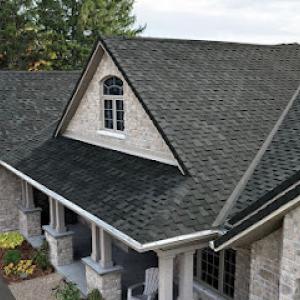
Legacy Roofing of Santa Barbara
(805) 722-9466 www.legacyhomeroofing.com
Serving
5.0 from 14 reviews
Legacy Roofing is a licensed (#1125492) and insured full-service roofing company based in Santa Barbara, with a team bringing over 20 years of experience. We know local codes, climate, and architecture, ensuring your home gets the right solution. Backed by a high BBB rating, we offer fast quotes, responsive service, and quality workmanship supported by a 10-year workmanship warranty (one of the highest warranties in the industry). We specialize in metal roofing with a 40-year warranty, Class A fire rating, and long-term durability. We also install shingles, tile, slate, PVC flat roofing (IB Roof Systems certified), and shake-look materials. Services include roof repairs, gutters, deck coating, power washing, and wood replacement.
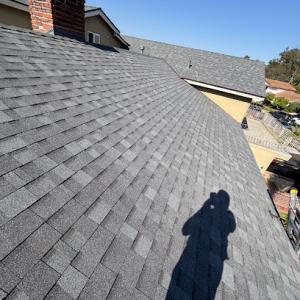
Santa Barbara Top Roofing
(805) 429-6513 santabarbaratoproofing.com
Serving
5.0 from 24 reviews
Santa Barbara Top Roofing provides dependable roofing solutions for homes and businesses across Santa Barbara, Goleta, Montecito, and Carpinteria and nearby areas. Our team delivers expert roof installation and inspection services designed to ensure lasting performance and safety. We handle everything from emergency roof repair and storm-related damage to ongoing maintenance and restoration work. With extensive experience in metal, shingle, tile, and flat roofing systems, we tailor every project to fit Santa Barbara’s unique coastal climate. Whether upgrading an existing roof or repairing unexpected leaks, we focus on durable craftsmanship and reliable service for every property we serve.
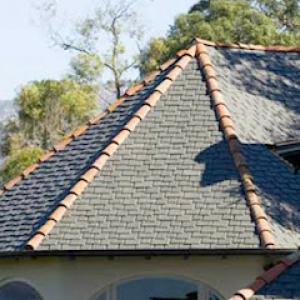
Action Roofing
(805) 364-5988 www.aroofing.com
Serving
4.7 from 185 reviews
Action Roofing was established in Santa Barbara in 1985 by Jack Martin. Through the years we have grown to 157 full-time employees, and many have been with us since the company started. We are fully insured, bonded, and licensed in the state of California. Our primary focus is re-roofing of single-family homes, condominiums, and commercial properties; additionally, we have recently developed an extensive roof maintenance division for both industrial and residential properties. Since we have a full sheet metal fabrication shop, two full-time carpentry crews, and four mobile seamless gutter machines to complete all phases of the roof-related work, we can eliminate the wait time for other trades necessary to keep your jobs moving.
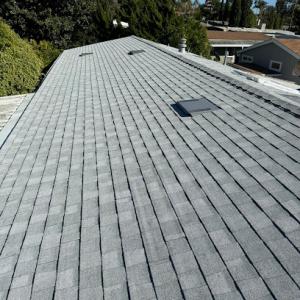
7 Rios Roofing
(805) 617-6580 www.7rios-roofing.com
Serving
5.0 from 12 reviews
🛠️ About 7 Rios Roofing INC 7 Rios Roofing INC is a trusted roofing company dedicated to providing high-quality roofing services for both residential 🏡 and commercial clients. With a strong commitment to: Excellence, Safety, Customer Satisfaction…our team brings years of experience and expert craftsmanship to every project. Whether it’s 🛠️ roof installation, repair or maintenance, 7 Rios Roofing INC ensures durability and reliability you can count on. We take pride in serving our community with integrity and professionalism, making sure every roof is built to last. 🧱 📧 Email: Bark35fk@gmail.com
A To Z Roofing
(805) 588-6888 www.atozroofinglompoc.com
Serving
4.4 from 49 reviews
A to Z Roofing in Lompoc, CA, is more than a reliable resource for comprehensive roofing services at an affordable rate. We also take pride in installing seamless gutters that are made to last. Our unwavering commitment to exceeding customer expectations is just one of the many reasons our valued clients turn to us anytime they need our assistance. When you put the needs of your roof in our hands, you can rest assured that we are a Fully Licensed, Insured, Bonded, and Family-Owned & Operated Company.
Joel's Roofing & Rain Gutter
(805) 563-8970 www.joelsroofingandgutter.com
Serving
4.4 from 45 reviews
Joel's Roofing & Rain Gutter Inc., located in Santa Barbara and Ventura County, CA, has been serving clients since 2004. We are a licensed and insured company specializing in residential and commercial roofing, rain gutter, and sheet metal installation. Our comprehensive services include new installations, maintenance, and repairs. We offer a wide range of solutions, including asphalt shingles, standing seam metal roofs, single-ply membranes (TPO, PVC), tile, flat roofs, custom chimney shrouds, skylights, metal siding, shiplap siding, seamless rain gutters, insulation, roof framing, and fascia replacement. Trust Joel's Roofing & Rain Gutter Inc. for quality workmanship and exceptional service.

Derrick's Roofing
(805) 681-9954 www.derricksroofing.com
Serving
4.2 from 13 reviews
Derrick's Does Roofing! New Roofing, Re-roofing and Repair Specialists! Have a Leak, Give us a call! We do free estimates!

Eddie's Roofing
(805) 819-0534 www.eddiesroofinginc.com
Serving
4.0 from 26 reviews
roofing contractor roof repairs new roofs skylights free estimates
Work in this coast-hugging community hinges on dry windows that minimize exposure to winter rain during tear-off and dry-in. If your project starts in the fall, expect the crew to push for the earliest possible dry spell between storms. In Goleta, that means keeping a tight calendar buffer around late September through February, when rain can arrive with short notice. Plan for staged tear-off only on days forecast to stay dry for 24 to 48 hours, and insist on a clear plan for temporary weather protection and secure storage so materials don't get soaked between trips to the roof. Dry-in readiness matters: under damp conditions, shingles, underlayment, and fasteners can misbehave and compromise the entire installation sequence. If a storm fronts in mid-project, be prepared to pause, cover, and reassess the staging area before resuming.
Fall and winter wind events on the South Coast routinely raise debris loads and wind-uplift concerns, affecting both aging roofs and active installs. As leaves, branches, and dust accumulate, the roof becomes a windswept worksite even on days that look calm. Prioritize secure staging and enclosure of open bays, and verify that temporary barriers and containment are in place to prevent project debris from becoming project hazards. Winds can shift quickly from a gentle gust to a hollow push that threatens exposed underlayment or newly-laid shingles. Coordinate crew shifts to avoid peak gust periods, and maintain a rapid response plan for wind alerts, including temporary tie-downs for loose materials and reinforced edge protection.
Coastal fog can extend dry-in timelines even when there is no active rain, affecting staging and inspection readiness. Fog blankets the area with moisture that settles on metal, plywood, and sealants, slowing curing times and complicating interior access for inspections. Expect mornings to be socked in and days to drift into a damp, humid afternoon that presses crews to shorten work windows. Anticipate longer drying times for sealants and penetrations, and stage materials in a sheltered, well-ventilated zone to prevent moisture intrusion. Build in buffer days for fog-driven slowdowns and keep communication sharp with the crew so inspections can be completed promptly as visibility improves.
A full roof replacement in Goleta typically requires a building permit through the City of Goleta Building & Safety. The process starts with a plan set that shows roof assembly details, vents, flashing, underlayment, and drainage concepts tailored to coastal moisture and wind. This is not a step to rush; the local climate, salt air, and foggy mornings demand precise detailing to prevent moisture intrusion and fastener corrosion. Plan review commonly flags ventilation adequacy, attic separation, and ember- and wind-resistance considerations for wildfire exposure in nearby foothill zones. Submittals should clearly indicate material selections that align with Goleta's coastal environment and the project's specific roof geometry.
Permits are generally issued after plan review, and inspection milestones commonly include underlayment or in-progress installation and a final inspection. The in-progress check provides a practical opportunity to verify weather-tight details before coverings go fully sealed, particularly for foggy mornings when condensation can be misread as moisture intrusion. During the final inspection, inspectors verify code compliance, including proper attic ventilation and exhaust routing, as well as flashing continuity around chimneys and vents. If any penetrations or transitions don't meet code, scheduling a reinspection is often straightforward, but planning around Goleta's typical winter rain pattern helps prevent delays.
Goleta inspectors verify code compliance and roof venting, and permit fees and processing times vary with project valuation. Because of coastal moisture and salt air exposure, expect closer scrutiny on corrosion-resistant fasteners, sealants, and flashing material choices. It is prudent to align the permit application with the chosen roof system's wind uplift specifications and to include installation details for underlayment and venting that reflect the local climate. Scheduling ahead and providing precise, shop-approved product data can streamline the review and reduce delays at the city counter.
In Goleta, the numbers buyers see for roof replacement aren't abstract. Provided local cost ranges are: Asphalt Shingles 450-800 USD per square, Metal Roofing 700-1250, Clay Tile 1100-1900, Concrete Tile 900-1700, Wood Shingles/Shakes 700-1500, and Synthetic/Composite Shingles 550-1000. Those figures reflect coastal moisture, salt air, and foggy mornings, plus heavier local roofs that can come with more complex geometry.
When you're budgeting, start with the material math. Asphalt shingles sit at the low end, but coastal-grade fasteners, flashings, and corrosion-resistant accessories push costs upward versus inland installations. Metal options can scale quickly if you demand extra coating or heavier-grade connectors to resist salt spray and wind-driven rain. Clay and concrete tiles may create a higher initial outlay, but their durability against Goleta's marine exposure can pay off over time if installed with proper underlayment and compatible fasteners. Synthetic or composite shingles can offer a middle ground with easier installation but still require coastal-grade flashings to reduce wear.
Tile-heavy local architecture raises labor and accessory costs. Heavier systems demand careful structural assessment, more precise replacement matching, and often more complex roof geometry common on the South Coast. If your home features a tile roof already, anticipate longer install times and a need for matching accents, underlayment, and potentially reworking eaves or chimneys to preserve a seamless look and performance. This is where the local context matters: stronger fasteners, corrosion-resistant metal components, and careful seam detailing all contribute to a durable result.
In practice, plan for incremental costs if you're choosing clay or concrete tiles, and be prepared for additional charges if existing roof geometry requires more intricate flashing or careful color-matching. A measured approach helps prevent surprises when crews bring coastal-grade materials to the job site and coordinate with the home's unique shape and exposure.
Goleta homeowners are navigating tighter underwriting around wildfire risk that reflects California's broader insurer pullback. Even when roof issues stem from moisture, wind, or coastal exposure rather than hail, the underwriting lens often focuses on fire history, canyon winds, and hillside vulnerability. In practice, that means the roof you install or repair today could influence coverage decisions years down the line. The coastal moisture and salt air intensify material aging in ways that insurers notice, especially on roofs that have seen years of foggy mornings and seasonal wind-driven rain.
Properties near the foothill interface above the city experience pattern shifts in risk. Regional wildfire exposure tied to South Coast canyons and hillside runouts means carriers are watching more closely for tired flashing, degraded soffits, and ember entry points. If your house sits where slope meets brush, expect insurers to probe with extra questions about roof condition, recent maintenance, and ignition risk mitigation. This is not about scaring you; it's about acknowledging why some homes face more careful review and longer processing times for coverage decisions.
Insurance processes increasingly ask for tangible proof of roof conditions. Photos that show the current state, before-and-after work, and any maintenance milestones help tell a complete story. Keeping organized records of city inspections, permit statuses, and contractor updates can smooth requests for documentation when a carrier asks for it. In practice, that means designating a simple filing routine for roof-related images, notes on material aging, and a log of repair dates. When a storm or windy season looms, having this documentation ready becomes a practical safeguard, reducing delays and clarifying the roof's history for both renewals and new quotes.
On many Goleta tile roofs, the weathering concern is often the underlayment and flashing system beneath the tile rather than the tile surface alone. Salt air and coastal humidity mean underlayment materials must resist moisture migration and maintain a reliable seal around penetrations. When planning a re-roof, prioritize upgrading to a high-quality, compatibility-tested underlayment and ensure flashing details around valleys, chimney stacks, vents, and skylights are integrated for coastal weather patterns. A tight water barrier here pays dividends during winter storms and windy, rain-driven showers.
Older South Coast homes may present decisions about lifting and resetting existing tile versus full replacement when leaks appear after winter storms. If the existing tiles are in good shape but show degraded underlayment or flashing, lifting and resetting with new underlayment can be a sensible path, preserving architectural tile profiles and minimizing disruption. If tiles are cracked, delaminated, or mismatched to current moisture concerns, full replacement may deliver better long-term performance and fewer failure points. Evaluate the condition of fasteners, battens, and metal flashings during the inspection to decide whether a partial refresh or a complete re-roof better protects the roof deck.
Matching existing clay or concrete tile profiles can be a practical issue in neighborhoods with established architectural styles. In Goleta, many homes rely on traditional profiles that contribute to curb appeal and long-term value. When planning a re-roof, consider how new tiles will sit with surrounding homes and the roof's overall silhouette. If perfect profile matches are unavailable, discuss compatible alternatives that preserve the street-facing rhythm without sacrificing performance against coastal moisture and wind-driven rain.
Start with a site assessment focused on underlayment type, flashing integrity, and deck condition. Then decide whether to lift and reset or replace entirely based on tile condition and compatibility with existing profiles. Ensure color and texture transitions align with neighboring roofs to maintain visual harmony while prioritizing a durable, moisture-resistant seal around all penetrations. The goal is a resilient envelope that holds up to coastal salt air, foggy mornings, and seasonal wind-driven rain.