Last updated: Apr 19, 2026
You feel the weight of Bangor's long winters the moment a new storm starts piling up. Substantial snowfall isn't just a nuisance; it strains roof decks, eaves, and flashing, especially on older homes with mixed materials. Snow retention systems matter here, because when snow sits, heat escaping from the attic can melt a layer that refreezes at the eaves, forming ice dams that push water back under shingles. This isn't theoretical: ice dams are a recurring, tangible hazard in this climate, and even a modest thaw followed by freezing can widen microcracks and loosen fasteners. Your roof should be able to shed snow reliably, while your attic and soffits manage moisture so ice doesn't build its own dam on the outside.
The most common failure path is not just heavy rain but the freeze-thaw cycle you experience after a heavy snowfall. Snow piles up, melts at the warmer midday sun or from attic heat, and re-freezes at night. Each cycle expands and contracts materials, loosening fasteners and loosening seals around vents, skylights, and chimneys. In Bangor, these cycles are predictable enough to plan around, but unpredictable enough to bite you when a small defect is left unaddressed after a quick fall-in winter shutdown. The result is leaks that show up during thaws after snow accumulation, not only during storms. That means your attic moisture, vapor barriers, and eave drainage are every bit as important as the shingles themselves.
Bangor's distinct shoulder season tightens the window for proper roof work. After a narrow construction window, roofs roll into winter with minor defects that seemed harmless in autumn. But once snow covers the surface, those defects breathe in moisture, and the repeated freeze-thaw cycles turn a small leak into a full-on problem in weeks. If decking or underlayment already had just enough gaps, the cold amplifies them. The practical upshot is urgent attention to any sign of wear: a loose shingle, a lifted edge, a cracked drip edge, or a compromised boot around vents. If a repair isn't made before the season locks in, you're betting on a more expensive fix once a storm rolls through and the snow returns.
During thaws, you'll notice leaks that aren't tied to active rainfall but to meltwater traveling along the roof after dawn and freezing by evening. Inspect the attic after a warm spell that melts a roof-wide layer of snow. Look for damp insulation, dark streaks on roof sheathing, and frost on underside of the roof deck during cold nights. Eave areas deserve special attention: clogged gutters, degraded fascia, and compromised ice-and-water shield at the lower edge invite meltwater to creep inward. Test attic vents to ensure they're drawing air properly; poor ventilation magnifies moisture buildup, accelerating wear on roofing joints and flashing. If you see soft spots in the ceiling or notice a musty odor after a warmer day, treat it as a red flag, not a rumor. In Bangor, timely, decisive action saves you from long, cold nights of worry and expensive repairs later.
Replacement timing is typically best from late spring through early fall because workable days are more reliable and materials perform more predictably in that span. In Bangor, that window aligns with relatively moderate temperatures, lower risk of snow delays, and a longer stretch without hard freezes that can complicate installation and ventilation work. Plan projects for when there is continuity in dry, non-windy days and you can maintain a steady pace from tear-off to completion. This rhythm reduces exposure to winter moisture and the constant freeze-thaw cycle that can stress newly installed materials.
Spring in this region is a mixed bag: lingering snowmelt, occasional mid-April freezes, and frequent heavy rainfall. That combination can slow tear-off schedules and complicate deck drying and moisture control before new materials go on. If a replacement starts in spring, expect occasional pauses to let decks and sheathing dry completely, especially if a stretch of wet weather hits right after a thaw. Use that time to re-check attic ventilation and insulation so the new roof can perform as designed once crews return. Having a contingency plan for longer-than-expected drying times keeps the project on track without compromising the installation sequence.
Once summer sets in, Bangor experiences more predictable, workable days for roof work. Extended daylight and generally dry conditions help with asphalt shingles or metal installations, where sealant joints need consistent curing conditions. Daytime heat can affect certain materials, so plan for shaded staging areas and careful handling to prevent surface damage. For metal or slate installations, heat-related expansion is a consideration, so the crew should follow manufacturer guidelines for nail placements and seam closure. A steady pace avoids overheating components and reduces the risk of mistakes caused by rushing during peak heat.
Autumn in Bangor can bring wind and falling leaves during installation, which affects site cleanliness, open-roof timing, and flashing detail work around valleys and penetrations. Leaf debris can clog gutters and valleys during the critical sealing phase, so preparation includes pre-cleaning and establishing a daily end-of-day debris routine. Installers should be mindful of gusty days that complicate ladder work and sheet metal handling, especially around ridge caps and vent stacks. Open-roof sequences may need to be adjusted to avoid wind exposure, favoring completion of the most vulnerable flashing tasks when conditions are calmer. Close attention to temporary weather protection-tarps, edge barriers, and secure coverings-helps prevent moisture intrusion as the system cures.
In Bangor, coordinating a schedule around a short late-spring to early-fall replacement window means prioritizing windows with dry forecasts and stable humidity. Visual checks of roof decking prior to tear-off can reveal moisture pockets that deserve attention before shingles go down. When possible, align crew travel and material deliveries with days forecasted to be dry and moderate, reducing the chance of delays that push work into less favorable conditions. A well-planned sequence-from tear-off to deck drying, then underlayment and finished roofing-keeps the project moving through Bangor's typical seasonal variability without compromising the long-term performance of the new roof.
Get a clear picture of your project costs upfront - no commitment required.

Freedom Roofing Maine
(207) 223-7197 www.freedomroofingmaine.com
6 State St Suite 603, Bangor, Maine
5.0 from 56 reviews
Freedom Roofing Maine is a trusted roofing company in Bangor Maine, providing roof repairs, roof replacements and new roof installation for homeowners. We serve several communities, including Augusta and Portland Maine.
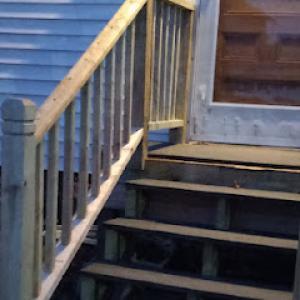
Roofing Leprechaun
(207) 300-7095 roofingleprechaun.com
36 Mt Hope Ave, Bangor, Maine
4.3 from 27 reviews
Great work, at great rates, I also offer senior discounts,military discounts, and frontline worker discounts
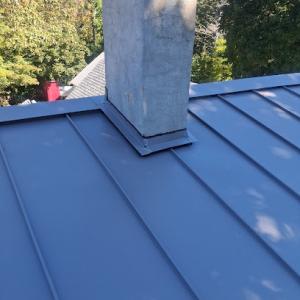
Dalon Construction
(207) 631-4662 www.facebook.com
373 Essex St, Bangor, Maine
5.0 from 6 reviews
Roofing experts with a passion for excellence! From inspections to flawless installations, we deliver peace of mind and top-notch craftsmanship. Our attention to detail and high-quality materials ensure you'll love living under 'our' roof. Trust us to protect your home with precision and style. Choose us for roofing done right!
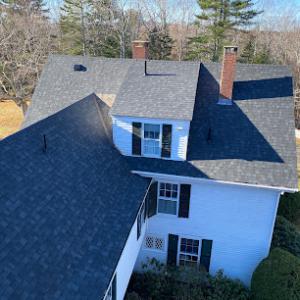
Central Maine Roofing
Bangor, Maine
4.4 from 9 reviews
Central Maine Roofing is a full service roofing company. We offer new roof installation, and roof repairs. Free consultation as well as satisfaction guaranteed. Central Maine Roofing works with you to get you a great roof.
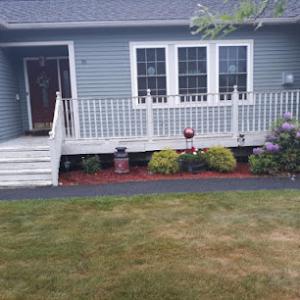
CJG Contractors
(207) 299-2337 cjgcontractors.com
584 Union St, Bangor, Maine
5.0 from 4 reviews
CJG Contractors Fast, Reliable, Affordable. Whether your property is in need of roofing or deck work, our 25 years of industry experience is here for you. Best of all, we offer free estimates to all of our clients.
James & Whitney
(207) 869-5062 jameswhitneyco.com
83 Farm Rd, Bangor, Maine
4.3 from 9 reviews
James & Whitney is here to serve our customers with expert solutions for roofing, siding, windows, and gutters. When you work with us, you’ll experience unmatched attention to detail, clear communication, in-depth knowledge, and solution-based thinking to meet your home’s exterior needs.
Home Roofing Solutions
(207) 269-4663 homeroofingsolutions.com
115 Franklin St Suite 3G, Bangor, Maine
4.3 from 4 reviews
Home Roofing Solutions safeguards Maine homes with reliable new roof installations and complete replacements. Their expertise spans various materials, including asphalt shingles, metal, and rubber.
Scesny Roofing
(207) 438-7663 scesnyroofing.com
Serving
4.9 from 219 reviews
Scesny Roofing provides, roofing, gutter, and siding services to all counties along I-95 In Maine.

Lee Builders Roofing
(207) 991-2334 www.leebuildersroofing.com
Serving
5.0 from 33 reviews
Lee Builders Roofing is a locally owned Maine roofing contractor specializing in roof replacement, roof repair, and seamless gutter installation for homeowners and businesses across Maine. We provide free roofing estimates, honest recommendations, and skilled craftsmanship built to handle Maine’s tough weather. From full roof replacements to repairs, gutters, siding, and insurance claim assistance, our experienced team makes the process clear and stress-free. Customers choose Lee Builders Roofing for quality materials, fair pricing, and work done right the first time. 📍 Serving communities throughout Maine 📞 Free estimates available
LMC Home Remodeling
(207) 238-8992 www.lmcroof.com
Serving
4.7 from 46 reviews
LMC Home Remodeling provides the best roofing, gutter, and siding services in the state of Maine. We are also metal roofing specialists!
The Pioneer Roofing Company
(207) 249-3512 sites.google.com
Serving
5.0 from 9 reviews
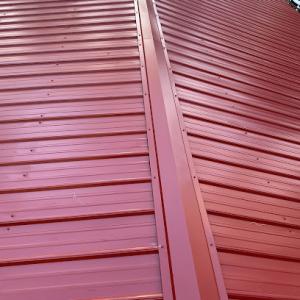
The Pioneer Roofing Company in Glenburn, Maine, is your go-to roofing company for professional & personalized services. We've been committed to delivering impeccable craftsmanship backed by a decade of expertise. Our mission is straightforward: to make sure your roof is ready for Maine's unpredictable climate by employing the highest quality materials and techniques. We pride ourselves on being one of the most dependable & best roofers Bangor Maine has to offer, providing comprehensive metal roofing, asphalt roofing, rubber roofing, painting, gutters, & repair services to protect your property from the elements & guarantee total roof effectiveness.
Central Maine Exteriors
(207) 290-2750 centralmaineexteriors.com
Serving
5.0 from 10 reviews
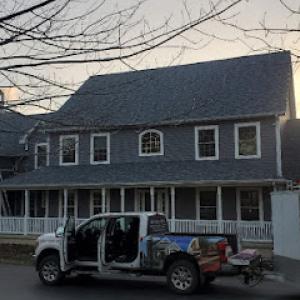
you're searching for a dependable remodeling, siding or roofing contractor, look no further than Central Maine Exteriors. Homeowners throughout the Hampden & Bangor, ME area count on us for home improvement services. You should hire us because: We offer free estimates We can work on garages, windows and doors We use top-of-the-line tools and materials We also serve clients in Penobscot, Piscataquis, Kennebec and Hancock counties. Contact us today to get more information about our company.
In Bangor, winter snow shedding and freeze-thaw durability matter more than in milder markets. Asphalt shingles and metal roofing rise to that challenge by balancing performance with feasible installation timing. Asphalt shingles stay reliable through repeated freeze-thaw cycles when they're installed with proper attic moisture control and adequate attic ventilation. They also benefit from a broader contractor base in winter-ready setups, which helps minimize delays when you need to line up work during a shortened window. Metal roofing, meanwhile, sheds snow more predictably and resists ice dam formation by presenting a smooth, durable surface. When installed with the right fasteners and underlayment for Bangor's climate, metal can keep its seal against wind-driven snow and ice while maintaining a manageable weight profile for typical Bangor homes. For the average Bangor roof, these two options deliver long-term resilience without overwhelming structural or seasonal concerns.
Slate, clay tile, and concrete tile offer excellent longevity and curb appeal, but their performance hinges on rooftop structure that can handle substantial snow loads. In a city where roofs routinely carry snow through winter, those heavier materials demand a careful assessment of rafter span, roof deck support, and anchorage. If the existing framing isn't reinforced or if the attic spacing isn't optimized for moisture and temperature swings, heavy materials can lead to sagging, accelerated wear at edges, or difficulties during winter access. When considering these options, you should expect a detailed structural evaluation, plus an understanding that installation timing becomes even more critical to ensure the roof is weather-tight before the heart of Bangor's winter sets in. If structural upgrades aren't feasible, lighter, snow-friendly choices may provide a safer long-term plan.
Fiber cement shingles can visually blend with Bangor's housing stock while offering a durable surface. They need careful moisture management and edge detailing because wet springs and freeze-thaw cycles can stress seams and fasteners. When applying fiber cement in this climate, focus on complementary underlayment systems, precise seam work, and a continuous drip edge and ice/water shield at eaves and valleys. Proper installation details help prevent edge lifting, edge rot, or moisture intrusion that can accumulate during the damp transition from late winter to spring. If a fiber cement install is chosen, ensure the contractor has experience with Bangor's moisture regime and explicitly confirms edge detailing, flashing transitions, and snow-collection considerations are integrated into the plan.
You want a roof that sheds snow cleanly and resists ice dam formation during Bangor's long winters. Asphalt shingles and metal roofing give the most practical blend of winter reliability, installation timing, and resilience to freeze-thaw cycles. Heavier options demand careful structural confirmation before committing, and fiber cement offers a visually compatible choice when moisture control and edge details are prioritized. Regardless of ultimate material choice, prioritizing a roof system with proper ventilation, an effective underlayment, and snow management features-such as clean eave lines and dedicated ice dam prevention strategies-will help your Bangor roof stand up to the season-long demands.
In Bangor, material pricing ranges per square are notably driven by winter realities. Slate tops the bill, running roughly 1800 to 3000 USD per square, with clay and concrete tiles also stretching higher than typical asphalt. Asphalt shingles sit at the low end, about 350 to 550 USD per square, but the total project cost here is often higher than a simple per-square math would suggest because of the winter work window and the extra steps needed to manage snow and ice. Local totals are strongly impacted by winter-related tear-off complexity and the short prime scheduling season, so even a roof that looks affordable on paper can drift upward once crews navigate frozen conditions, material handling in snow, and limited daylight.
Bangor's long snowy season makes ice-dam prevention and proper underlayment choices crucial. If the roof plan includes higher-slope sections or complex valleys, the labor time and safety steps multiply, boosting costs beyond the material price alone. You'll also see more protective measures at eaves and along low sections to minimize meltwater intrusion during freeze-thaw cycles. In practice, this means the same installation can cost more than in milder markets, not because materials are always pricier, but because the work environment demands extra care, staging, and contingency planning.
Costs in Bangor can rise when hidden deck damage is found after snow-season leaks, especially if spring moisture or prior ice dam backup has affected sheathing near eaves and valleys. If rot or fastener corrosion shows up once the snow melts, expect additional framing or deck repair alongside the roof replacement. That added repair work tends to spill into higher total bids, and it underscores why a thorough pre-project inspection matters.
When choosing materials, slate and other premium options will push total costs higher, but the winter sequencing constraints can compress the usable window for a full tear-off, making scheduling and logistics a driver of price. A sensible approach is to align material choice with a clearly defined cutover date that minimizes on-site snow handling, while budgeting a modest cushion for spring discoveries and unforeseen deck repairs.
Get a clear picture of your project costs upfront - no commitment required.
In Bangor, a full reroof typically requires a building permit, with the application centered on project scope and cost rather than an informal over-the-counter replacement approach. This isn't a checkbox task; the permit anchors what work is allowed and how the job is tracked through the season. If the project is scaled back or expanded midstream, the permit may need adjustments, which can delay start dates and push timing into the narrow window of summer.
After decking, underlayment, and flashing have been installed, an inspection is scheduled to verify structural integrity, proper moisture barriers, and secure components before the roof covering goes on. A follow-up inspection occurs prior to final approval to confirm that all aspects meet code and plan specifications. Missing or rushed inspections can trigger rework, additional fees, and more weather delays, which are especially painful in Bangor's climate.
Bangor follows standard plan review procedures and code-compliance checks, so permit timing and inspection scheduling will affect start dates during the busy summer reroof season. If storms or harsh early-spring delays push work into late spring or early fall, the window for proper flashing and ice-management measures becomes tighter. Planning around the permit calendar helps avoid costly holds and ensures the project proceeds with the correct sequencing.
Before applying, ensure your project scope is clearly defined, with a realistic project cost outline and material plan. Have a clean deck and clear access for inspectors, because site conditions influence how smoothly the review goes. Communicate any potential weather constraints, especially the risk of freeze-thaw cycles that can complicate work in late fall or early spring if inspections run late.
If decking, underlayment, or flashing fails inspection, the contractor must remedy deficiencies before the final inspection can proceed. Delays can cascade into missed weather windows, forcing work into less favorable periods and increasing exposure to moisture risk. Staying on top of each inspection checkpoint helps protect the roof's long-term performance.
Storms and nor'easters hammer roofs here, and every claim file benefits from solid documentation. In Bangor and across Maine, winter storms are a common driver of roof insurance claims, making storm documentation more important than in lower-claim markets. Before the first heavy snowfall, walk the roof with a trusted neighbor or contractor to note any existing lifts, curling shingles, or near-misses near vents and chimneys. Keep a dated, photo-rich record of the roof's condition, attic space, and interior signs of moisture. After a storm, your photos should capture the extent of wind damage, shingle displacement, ice buildup on edges, and any new leaks or stains on ceilings or walls.
Adjusters commonly want pre- and post-event photos, contractor estimates, and detailed invoices, so Bangor homeowners benefit from documenting roof condition before winter weather arrives. Create a simple file: a snapshot set from the ground showing the roof slope, a close-up of any damaged areas, and interior photos of affected ceilings. Gather a written estimate from a licensed contractor, plus itemized invoices for any temporary fixes. Keep receipts for any emergency materials used to stabilize leaks. If a claim is filed, maintain an organized folder with dates, weather notes, and sequence of damages to show cause-and-effect, which speeds review and minimizes back-and-forth questions.
Depreciation can affect payout timing in Maine claims, which matters in Bangor when emergency leak stabilization is needed before a full reroof can be scheduled in the next workable season. If a leak is actively tracking water, prioritize rapid temporary containment-tarps, sealants, or plywood-while using the documented records to justify expedited evaluation. Track weather forecasts, and align contractor mobilization to windows between storms when possible. Clear, chronological records keep the claim moving when the calendar tightens and winter pressure mounts.
Connect with contractors who help homeowners navigate the claims process from damage assessment to final approval.
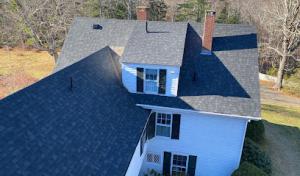
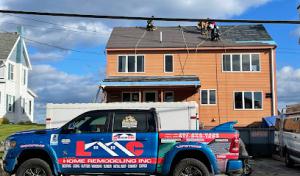
In this climate, snowmelt and refreezing concentrate water exactly where it tends to leak first: eaves, valleys, and where flashing turns from one plane to another. Over time, ice builds up along these edges, forcing water into joints and under shingles. You'll notice more wear at valley intersections after a heavy thaw followed by a quick freeze, when the melt runs down the slope and freezes mid-run. This pattern can quietly undermine the roof deck, even if the rest of the roof looks sound. The practical takeaway is to inspect these spots after heavy storms and before the next big freeze, and to schedule targeted resealing or flashing adjustments for high-risk transitions.
Chimneys are frequent trouble due to Bangor's masonry heritage and the age of many homes. The joint where chimney masonry meets roof plane creates a chronic leak point if flashing is tired or poorly sealed. The extra load of winter snow and repeated thaw cycles pressurizes this seam, and slow leaks may travel along the chimney-to-roof intersection before appearing inside. For prevention, check that the step flashing along the chimney is intact, the counter-flashing is secure, and any mortar gaps around the chase are properly sealed. If a contractor is patching only the visible edge without re-flashing, you're courting recurring damage.
Skylight edges and curb details carry heightened risk in Bangor winters because snow can pile up and thaw in place, exposing seals that dry-weather checks miss. The curb flashing, sealant lines, and the flashing around a skylight's perimeter should be inspected after any heavy snow event. Look for paint or sealant cracking, ridges of ice along the flashing, and any condensation inside the skylight when warmth returns. If you notice pinholes, damp spots, or discoloration near these features, treat them as urgent reminders that winter-proofing needs a hands-on touch rather than a casual patch.
Find contractors experienced in skylight installation, flashing, and leak repairs to bring natural light into your home.
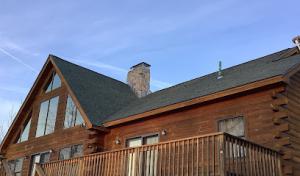
Home Roofing Solutions
(207) 269-4663 homeroofingsolutions.com
115 Franklin St Suite 3G, Bangor, Maine
4.3 from 4 reviews