Roofing in Maine
Last updated: Feb 28, 2026
Here in Maine, a roof isn't just a shelter—it's a frontline defense against long winters, salt spray, and seasonal freeze-thaw cycles. Nor'easters can dump heavy snowfall, winds bite along exposed ridges, and coastal humidity quietly tests shingles and flashing. That mix means local roofs behave a bit differently than elsewhere: steeper pitches to shed snow, tougher underlayment to fend off moisture, and materials selected for cold snaps and salty air. As a neighbor who's also a licensed roofer, I've learned to read those clues on the first walk around a house and to plan with the Maine climate in mind.
On this Maine page, you'll find practical, trustworthy guidance tailored to our conditions and backed by local resources—from state and town codes to local suppliers and the skilled crews who actually work on Maine roofs. The aim is clear: help you plan, budget, and maintain your roof with confidence, no hype—just solid, actionable steps you can take this season.
Here's a quick preview of what you'll find:
- Local climate impacts and maintenance priorities
- Materials and styles that perform well here
- Costs, budgeting, and planning for Maine roofs
- Common problems and practical fixes you're likely to see
- When to hire a professional and what to know about permits
With those realities in mind, let's start with how Maine's climate shapes your roof choices.
Local Climate & Its Impact on Roofs
Maine's Seasonal Climate at a Glance
Maine experiences long, cold winters with heavy snowfall and frequent freeze–thaw cycles, plus humid summers along the coast. Coastal areas face salt spray and higher humidity, while inland regions can see rapid temperature swings. This mix tests roof systems year-round, especially at eaves, valleys, and where snow piles up. Local weather patterns also mean lots of moisture moves through the attic and roof deck if there's inadequate ventilation or insulation.
Snow, Ice, and Ice Dams
- Ice dams form when melting snow refreezes at the eaves, pushing water back under shingles and into the attic or ceiling.
- Repeated freeze–thaw cycles can loosen shingles and wear underlayment.
- Heavy snow loads vary by location, so structural demand can exceed older roofs' design unless upgraded.
- Icicles and gutter ice can damage fascia, gutters, and drip edges, creating pathways for water intrusion.
Coastal Winds and Nor'easters
- Strong winds from Nor'easters can lift shingles, loosen flashings, and expose roof decks.
- Salt air accelerates some material degradation and can accelerate moss, algae, or lichen growth on the roof surface.
- Wind-driven debris during storms increases risk of punctures or gaps around chimneys, vents, and skylights.
Material Choices That Stand Up to Maine Conditions
- Asphalt shingles with a proper ice/water shield along the eaves and in roof penetrations.
- Metal roofs for snow shedding and durability in windy exposure, with correct fasteners and insulation beneath.
- Slate, long-lasting clay/ceramic tiles, or engineered shingles can offer longer lifespans but require solid framing and careful flashing details in wet coastal zones.
- Cedar shakes provide insulation and aesthetics but require maintenance in humid air to prevent rot and moss growth.
- Avoid over-reliance on lightweight underlayment in regions with heavy snow without a robust roof deck, good attic sealing, and ventilation.
Attic Ventilation, Insulation, and Moisture Control
- Poor attic insulation and ventilation amplify ice dam risk and interior condensation.
- Aim for a well-sealed attic plus R-38 or higher insulation in many Maine homes, depending on age and design.
- Use ridge and soffit vents, or a balanced system, to keep the attic near outdoor temperatures and reduce snow melt on the roof surface.
- Consider vapor barriers and moisture controls to prevent wood rot and mold growth in humid coastal climates.
Maintenance and Inspection Timeline
1. In fall, schedule a professional roof and attic inspection to identify damaged shingles, flashing gaps, and ventilation issues.
2. Clean gutters and downspouts; ensure proper slope and drainage for snow melt.
3. Install or inspect ice/water shield at eaves, valleys, chimneys, and around penetrations.
4. Check attic insulation and seal gaps around soffits, ducts, and electrical penetrations.
5. During winter, monitor for ice dams, excessive icicle growth, or water marks inside walls and ceilings.
6. After heavy storms, inspect for damaged shingles, lifted flashings, and any displaced vent boot configurations.
Warnings: Local Risks to Watch For
- Ice dam-related leaks can cause hidden structural damage; address promptly to prevent mold and rot.
- Heavy snow loads can stress older roofs; consider load assessments if your home is historic or has a shallow roof pitch.
- Wind-driven debris can create punctures in roofing and flashing; inspect flashings after storms.
- Climbing on icy roofs is dangerous; hire a licensed contractor for shingle replacement, snow removal, or flashing work. Use proper fall protection and safe ladder practices.
Quick Reference: Seasonal Readiness Checklist (Steps)
1) Have a licensed roofer or building inspector assess snow load capacity and flashing.
2) Upgrade insulation and seal attic; ensure proper ventilation.
3) Install ice and water shields at eaves and along problematic areas.
4) Clear gutters and install snow guards if needed.
5) Choose durable, Maine-suited materials and consult for coastal vs. inland exposure.
6) Schedule an annual professional inspection, especially after major storms.
Official Resources
- Maine Uniform Building Code Board / Bureau of Building Codes and Standards:
- National Weather Service – Gray/Maine region:
- University of Maine Extension – home and roof maintenance guidance:
- Safety and construction best practices (OSHA):
Recommended Roofing Materials for Maine
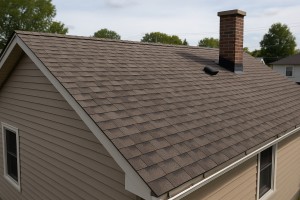
- Best overall for many Maine homes: affordable, readily available, and easy to repair. Look for architectural (dimensional) shingles with strong wind resistance and a solid warranty.
- What to know: performance is highly dependent on proper installation and attic ventilation. Cold winters and snow require good underlayment and an ice-and-water shield at eaves and valleys.
- Quick tips:
- Choose shingles with a high wind rating and a thick, multi-layer feel.
- Pair with a quality underlayment and proper roof ventilation to minimize ice dam risk.
- Maintain gutters and downspouts to reduce moisture buildup near the ridge line.
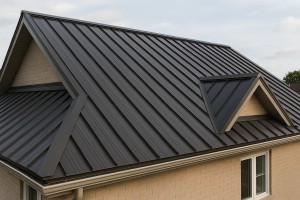
- Pros: excellent durability, long lifespan (often 40–70 years), superb snow shedding, and strong wind resistance. Fire-resistant and lightweight.
- Cons: higher upfront cost and potential denting from hail; coastal salt air can affect some finishes if not properly treated. Installation quality matters more than with asphalt.
- Best options for Maine: steel or aluminum panels with corrosion-resistant coatings; consider hidden-fastener systems for a cleaner look and fewer leak points.
- Quick tips:
- Ensure the panel coating is rated for cold climates and salt exposure if you're near the coast.
- Use proper insulation under metal to reduce noise from rain or hail.
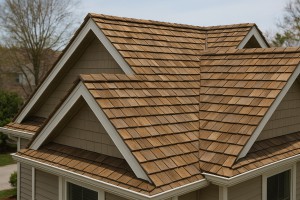
- Aesthetics: distinctive, natural look that works well on many Maine homes, especially older or cottage-style houses.
- Pros and cons: good insulation when well maintained, but cedar is prone to moss, rot, and insect activity in damp winters. Higher maintenance and fire risk unless treated.
- Best practices: choose pressure-treated or naturally rot-resistant cedar, install with proper spacing for ventilation, and apply regular sealant or preservative to extend life. In coastal or high-humidity areas, moss control is an ongoing task.
- Quick tips:
- Be mindful of slope requirements and roof load; cedar requires solid structural support.
- Regularly inspect for loose shakes, cupping, or splitting after heavy snows.
Slate and Synthetic Slate
- Slate: renowned durability (lifespan often 75–100+ years) and excellent performance across freeze–thaw cycles. Very heavy, so require structural assessment and a licensed installer.
- Synthetic slate: lighter and less expensive than natural slate, with similar appearance and good durability. Easier on the structure while still offering long life.
- Quick tips:
- If you choose slate, budget for professional assessment of roof structure and potential reinforcement.
- Synthetic options can be a good compromise if you want the look of slate without the weight or cost.
Flat or Low-Slope Roofing (EPDM, TPO, PVC)
- For garages, extensions, or some older Maine homes with low-slope sections: flat or low-slope roofs demand meticulous drainage and robust waterproofing.
- Materials:
- EPDM: durable rubber membrane, excellent resistance to ponding water.
- TPO/PVC: heat-reflective options that can help reduce cooling loads in exposed attic spaces.
- Quick tips:
- Ensure proper drainage design and regular inspections for punctures or seam failures.
- Use a high-quality flashing detail at penetrations and transitions to steeper sections.
Maintenance and Installation Considerations for Maine
- Ice dams and snow load: prioritize ice-dam prevention with proper underlayment and ventilation; consider snow guards in higher snowfall zones.
- Coastal versus inland: coastal homes benefit from corrosion-resistant finishes (especially for metal) and moss/lichen control for shingles.
- Attic ventilation and insulation: a well-ventilated, well-insulated attic reduces ice dam formation and extends roof life across materials.
- Professional installation: Maine's climate demands precise installation, including correct nail patterns, secure flashing, and appropriate sealing against moisture and wind.
Popular Roof Styles & Architectural Trends in Maine
Gable and Hip Roofs: The Maine Mainstay
- In Maine, gable and hip roofs dominate traditional and modern homes alike. They handle snow loads well when pitched steeply and give you space for dormers to add light and headroom.
- Typical pitches range from 6/12 to 12/12 depending on construction style and climate zone. Higher pitches shed snow more effectively but require careful eave detailing to prevent ice dams.
- Short paragraphs: Gable roofs are straightforward and economical, while hip roofs offer enhanced stability in windy coastal areas. Both work well with attic ventilation and cathedral ceilings.
Saltbox, Cape Cod, and Historic Influences
- You'll see saltbox and Cape Cod silhouettes throughout rural Maine neighborhoods and historic districts. These forms reflect traditional New England architecture and modern renovations keep them practical.
- Saltbox roofs exaggerate the rear slope, creating extra storage or living space on the second floor. Cape Cod homes often feature dormers to brighten upper rooms while keeping a compact footprint.
- Short paragraphs: For renovations, match the roof's pitch to the existing character. Modern insulation and venting help keep old structures comfortable without sacrificing curb appeal.
Cedar Shake, Shingle, and Rustic Wood Looks
- Cedar shakes and shingles remain popular for their authentic Maine look and natural weathering. They blend well with stone chimneys and timber accents common in coastal and wooded areas.
- Pros: beautiful texture, good insulation when properly installed. Cons: higher maintenance, periodic staining or sealing, and vulnerability to fire ratings unless treated.
- Short paragraphs: Local carpenters often custom-fit shakes to irregular rafter systems. If you choose cedar, plan for maintenance and consider cedar composites if you want lower upkeep.
- Standing-seam metal roofs are increasingly common on new builds and barn conversions across Maine. They shed snow well, resist wind uplift, and have long lifespans.
- Coastal homes benefit from corrosion-resistant coatings; inland homes benefit from performance under freeze-thaw cycles.
- Short paragraphs: Metal roofs are light, durable, and energy-efficient when paired with proper attic insulation. They pair nicely with modern minimalist or rural barn aesthetics.
Asphalt Shingles with Architectural Flair
- Architectural asphalt shingles are the workhorse of Maine rooftops, offering color and texture variety at a reasonable price point.
- 30-year and 50-year options are common, with laminated profiles that mimic slate or wood. They're versatile enough to complement Cape Cod, Colonial, and contemporary designs.
- Short paragraphs: Look for wind-resistant and algae-resistant options, especially along coastal corridors where salt exposure is higher.
Slate and Stone: Premium, Local Options
- Slate and natural stone shingles appear on higher-end homes and historic properties around coastal towns and inland estates. They're durable and timeless but require careful structural assessment due to weight.
- Short paragraphs: If you're considering slate, confirm substructure support and local availability. Slate ages beautifully but may limit roof shape choices due to weight and cost.
Coastal and Rural Variations
- Climate and site strongly influence style choices. Coastal Maine leans toward roofs that resist salt, wind, and moisture, often with metal or high-quality asphalt and extended overhangs to protect soffits.
- Inland areas tolerate steeper pitches for snow shedding and can incorporate traditional Dutch gable touches or modern flat-roof accents in additions.
- Short paragraphs: Choose details—such as moisture barriers, venting, and insulation—that suit your exact location, whether you're near the water or nestled in the pines.
Practical Tips for Maine Roof Projects
1. Prioritize insulation and ventilation to combat winter condensation and ice dam risks.
2. Choose underlayment and ice/water shield rated for freezing temperatures and contractor-grade installation.
3. Match materials to your climate: metal for longevity and snow shedding; shakes or architectural shingles for classic Maine character.
4. Ensure proper attic airflow with soffit and ridge vents, plus a well-sealed vapor barrier.
5. Verify local building codes and permit requirements before any replacement, especially on historic or coastal properties.
6. Plan for seasonal windows to minimize exposure to winter weather during installation.
Average Roofing Costs in Maine
Typical cost ranges by material
- Asphalt shingles: installed $4.50–$7.50 per sq ft. For a typical 1,800 sq ft Maine roof, that's roughly $8,100–$13,500. If old roof removal is needed, add about $1.00–$2.00 per sq ft.
- Metal roofs: installed $7.00–$12.00 per sq ft. On an 1,800 sq ft roof, this is about $12,600–$21,600. Suitable for coastal areas where salt tolerance matters, and tends to outperform in longevity.
- Cedar shakes/shingles: installed $6.00–$10.00 per sq ft. For 1,800 sq ft, around $10,800–$18,000. Popular in New England style homes, with enhanced curb appeal but higher maintenance.
- Slate: installed $12.00–$28.00 per sq ft. For 1,800 sq ft, roughly $21,600–$50,400. Very durable but heavier and may require structural upgrades.
- Tile (concrete/clay): installed $9.00–$16.00 per sq ft. On 1,800 sq ft, about $16,200–$28,800. Less common in older Maine homes; check roof framing and drainage.
- Synthetic/shakes: installed $5.00–$9.00 per sq ft. For 1,800 sq ft, about $9,000–$16,200. A newer option that mimics wood with lower maintenance.
Notes:
- These ranges assume standard removal and disposal of the old roof, basic underlayment, flashing, and vents. Premium underlayment, enhanced ice/water shields, or extra ventilation can raise costs.
- Roof complexity (dormers, multiple ridges/valleys, chimneys) increases labor and materials, pushing costs toward the higher end of the ranges.
Local Maine climate and building practice influences
- Snow load and ice dam protection: Maine winters demand robust ice-and-water shield, extra underlayment, and strategic venting. These add to upfront material costs but reduce damage risk in thaw/freeze cycles.
- Ventilation and insulation: Proper attic ventilation minimizes heat buildup and ice dam risk. Expect higher costs if upgrading ventilation or adding insulation as part of the project.
- Coastal versus inland considerations: Coastal homes face higher corrosion risk; metal and certain coatings may be preferred, potentially affecting material choice and price.
- Installation window: Harsh winters shorten the workable season in some regions. Off-season work may incur weather-related scheduling premiums.
- Local labor market: Wages and availability vary by region (coast vs. rural), influencing installed price even for similar materials.
Style and architecture impact on costs
- Cape Cod and Saltbox: steep pitches and long ridgelines increase material use and labor, plus more scaffolding and safety measures. Dormers or curved sections raise complexity and cost.
- Colonial and Victorian-influenced homes: multiple gables, chimneys, and valley crossings raise flashing needs and labor time.
- Ranch and contemporary single-story homes: generally lower roof area and simpler geometry can reduce costs, but low-slope sections may require different membranes or insulation strategies.
- Roof form and accessories: skylights, solar mounts, or green roof elements add substantial cost; chimneys require precise flashing and flashing replacement.
Other cost factors to consider in Maine
- Old roof removal and disposal: typically $1.00–$2.50 per sq ft on top of new roof material.
- Structural checks: if the deck or rafters show water damage or rot, expect repairs that add to the project.
- Underlayment and ice dam prevention: upgraded underlayment and extra sealants can add to the total.
- Flashing around chimneys, skylights, and dormers: precise flashing work is essential in snow-heavy climates and adds to labor.
- Permits and inspections: town-by-town requirements vary; budget for permit fees and potential code-related upgrades.
Quick planning steps
1. Gather 3 local estimates that itemize removal, underlayment, flashing, and any upgrades.
2. Confirm that estimates account for ice-dam protection, ventilation, and insulation improvements if planned.
3. Match material choice to Maine climate and architectural style; consider long-term durability and maintenance.
4. Schedule work in a favorable window (avoid peak winter months when possible) and plan for potential delays due to weather.
Permits & Local Regulations
Maine's permit framework
In Maine, roof work is governed locally under the Maine Uniform Building and Energy Code (MUBEC). While the state sets the code, actual permitting and inspections are handled by your city or town's code enforcement office. Most municipalities require a building permit for a roof replacement, especially if the job involves tearing off decking, changing the roof pitch, adding dormers, or altering ventilation. Since rules vary by town, always check with your local code office before you start.
When a permit is typically needed
- Complete tear-off and re-roof with any structural or decking work.
- Adding dormers, skylights, vents, plumbing, chimneys, or significant flashing changes.
- Changing roof materials, increasing insulation, or altering ventilation paths.
- Work in historic districts or on historic properties.
- Work in floodplains, coastal zones, or areas with wind-load requirements.
What to check with your town or city
- Confirm whether a building permit is required for your specific project.
- Ask if plan review is needed and what drawings or specifications to include.
- Find out the required inspections and the order they'll occur (rough-in, underlayment, final installation, energy/ventilation checks).
- Learn about permit fees, processing times, and whether you can pull the permit yourself or must use a licensed contractor.
The permit process in Maine (step-by-step)
1. Gather project specifics: scope of work, roof type, materials, dimensions, any dormers or skylights.
2. Contact your code enforcement office to confirm permit type and requirements.
3. Submit the permit application with contractor information, and any drawings or site plans if required.
4. Pay the applicable fees and await any plan-review decisions.
5. Schedule and pass required inspections (decking/underlayment, flashing, shingles or metal installation, attic ventilation, and energy/insulation considerations).
6. Receive final approval and place the permit card on-site as directed.
Inspections to expect
- Structural/ decking inspection if decking or framing work is involved.
- Underlayment, flashing, and shingle/metal installation inspection.
- Attic ventilation and insulation checks to ensure energy code compliance.
- Final or completion inspection to verify all work meets code and the permit has been closed.
Special cases to watch for
- Historic or scenic districts: exterior changes that affect appearance may require review by a historic preservation body and additional approvals before or during permit processing.
- Coastal and flood zones: local zoning and wind-load requirements may impose extra steps or specifications (fasteners, nailing patterns, uplift ratings).
- Lead paint on pre-1978 homes: disturbing painted surfaces can trigger EPA lead-safe work practices rules. If you'll be scraping, sanding, or disturbing paint, hire a certified contractor and follow lead-safe procedures; some towns require documentation or disclosure.
Contractor licensing and project legitimacy
- Verify that your contractor is properly licensed and insured for Maine work and residential roofing.
- Ask for licensing details and confirm them with the state or the licensure board.
- Keep copies of the permit, approved plans, and inspection records accessible to avoid delays during inspections.
Quick tips to minimize delays
- Start with a clear, complete application package to reduce review time.
- Include energy-code documentation if your town requires it.
- Schedule inspections promptly and plan around your weather window to avoid weather-related hold-ups.
Common Roofing Problems in Maine & Solutions
Ice dams and water intrusion
In Maine, warm attic air can melt snow on the roof, and the meltwater freezes at the eaves, forming ice dams that push water back under shingles and into ceilings. Quick prevention saves big repair bills.
- Improve attic insulation and seal gaps around penetrations.
- Install an ice and water shield along the eaves (first 2–3 feet) and low-slope areas.
- Run thermostatted heat cables to maintain a controlled melt line at the eave.
- Keep gutters clear in winter and consider heated gutters or cables if ice builds up.
- After heavy snowfall, use a roof rake from the ground to remove loose snow at the edge.
- Ensure proper attic ventilation with a balance of soffit and ridge vents (add baffles if airflow is blocked).
Snow load, ice buildup, and roof sag
Heavy Maine snows add substantial weight, and repeated freeze–thaw cycles can stress decking and joists, sometimes causing sag or leaks.
- After storms, monitor for excessive snow on the roof and use a roof rake to remove it safely from the ground.
- If you notice sagging, creaks, or cracking decking, call a pro for a structural assessment—walking on a sagging roof is dangerous.
- Install snow guards and consider heat cables to reduce ice buildup along the eaves.
- Schedule a professional inspection before the next winter to confirm the structure is up to anticipated snow loads.
Wind damage and loose shingles
Maine's exposed ridges and coastal winds can lift shingles or tear flashing.
- Inspect after strong winds; replace missing or damaged shingles promptly.
- Re-secure loose flashing and reseal with compatible sealant.
- Consider impact- or wind-rated shingles in exposed areas.
- Use proper fasteners and ensure nails penetrate to the sheathing.
Moss, algae, and roof rot
Shade, moisture, and tree cover promote moss and algae, which retain moisture and can lift shingles over time. Left unchecked, rot may develop in the roof deck.
- Gently remove moss with a plastic scraper or stiff brush; avoid high-pressure washing.
- Apply a moss killer safe for asphalt shingles; reapply as labeled.
- Prune nearby branches to improve airflow and reduce shade.
- Install zinc or copper strips along the ridge to inhibit moss regrowth.
- Inspect for signs of rot and replace damaged decking or shingles as needed.
Ventilation and attic moisture
Poor attic ventilation can cause condensation, mold, and premature shingle aging, especially in changing Maine climates.
- Audit attic insulation and seal leaks around penetrations (pipes, chimneys, electrical).
- Add or repair soffit vents and a ridge vent; ensure unobstructed airflow with baffles.
- Use a dehumidifier in humid months if the attic remains damp.
- Keep attic vents free of insulation blockages to maintain cross-ventilation.
Gutter issues and ice buildup
Clogged or dysfunctional gutters contribute to ice damming and water intrusion.
- Clean gutters and downspouts twice a year; remove leaves and pine needles.
- Install gutter guards to reduce debris buildup.
- Run heat cables in gutters to prevent ice formation; wire with proper outdoor-rated components.
- Ensure gutters slope toward downspouts and that downspouts drain away from the foundation.
Coastal conditions: salt spray and flashing corrosion
Salt air along Maine's coast accelerates corrosion of metal flashings and fasteners, shortening component life.
- Inspect flashing and metal components twice a year for signs of corrosion or loosening.
- Replace corroded flashing with stainless steel hardware or coated aluminum/plated options.
- Use compatible sealants and re-caulk joints as needed.
- In high-salt areas, consider copper or PVC flashing for longer life.
Pest and debris intrusion
Leaves, birds, squirrels, and nesting debris can clog vents and damage membranes.
- Trim trees and remove branches that overhang the roof.
- Install vent screens and attic intake baffles to deter pests.
- Seal gaps around penetrations (vents, chimneys, pipes) to prevent entry.
Maintenance & Repair Tips for Maine
Seasonal Maintenance Basics
In Maine, your roof faces freezing winters, heavy snow, and spring thaws. Regular checks after storms prevent small issues from turning into big leaks. Keep these quick habits in mind:
- Inspect shingles after major storms for lifting, cracking, or missing tabs.
- Clean gutters and downspouts in fall and after heavy leaf fall; ensure clear drainage.
- Look for attic signs of leaks: damp insulation, mold, or ceiling stains.
Ice Dams & Ventilation
Ice dams are a common winter challenge; prevention is easier than repair.
1) Insulate and seal: Aim for attic insulation at least to R-49 and seal air leaks around the attic hatch, wiring penetrations, and plumbing.
2) Ventilate properly: Create balanced ventilation with soffit intake and ridge or other exhaust vents to keep the roof cold.
3) Use heat cables sparingly: If you install them, follow manufacturer guidelines and don't rely on them as the sole solution.
4) Deal with ice dams safely: When ice dams form, remove snow from the eaves with a roof rake from the ground in gradual layers; avoid climbing on the roof.
5) De-ice cautiously: Apply calcium chloride pellets along the dam edge as a last resort, keeping away from lawn, plants, and shingles.
Gutter & Drainage Care
Gutters and downspouts keep meltwater away from your foundation.
- Clean gutters thoroughly to remove leaves, needles, and debris. Ensure a steady slope (about 1/4 inch per 10 feet) for drainage.
- Downspouts should discharge water at least 5–6 feet from the foundation; add extensions if needed.
- Consider sturdy guards where pine needles or heavy debris are a problem, but don't assume guards replace cleaning.
- Check for sagging sections and re-hang with appropriate brackets; secure loose fascia where necessary.
Roof Inspection & Repairs
A proactive mindset saves you from costly leaks.
- Do a ground-level visual scan for curling, missing granules, or flashing wear; use binoculars if needed.
- Promptly replace damaged shingles; persistent curling can indicate ventilation issues or aging.
- Inspect flashing around chimneys, vents, and skylights; reseal or replace damaged flashing with compatible metal.
- Check vent seals and plumbing penetrations for cracks or gaps that could let moisture in.
Material-Specific Tips
Different materials have specific care needs, especially in Maine's climate.
- Asphalt shingles: Watch for missing tabs, granule loss, or cupping; replace as needed.
- Metal roofs: Look for loose screws, seam separations, and corrosion—especially near coastal areas; tighten fasteners and reseal where needed.
- Wood shingles/shakes: Inspect for rot, splitting, and insect damage; reseal or replace and re-stain every few years.
- Slate: Check for cracked or loose slates and replace with proper slating materials.
Snow Load Safety
Snow accumulation changes load on the roof and can be dangerous to remove.
- Do not walk on a snow-covered or icy roof; use a roof rake from the ground and work in shallow layers.
- If the snow is thick or there are signs of leaks, call a pro to remove it safely and inspect the decking and flashing.
- Maintain insulation and ventilation to reduce ice dam formation; avoid using rock salt directly on shingles to protect granules.
When to Call a Pro
- Widespread shingle damage, significant leaks, or signs of structural movement.
- You're unsure about safe roof access in icy Maine conditions.
- Persistent ice dam problems despite proper insulation and ventilation.
When to Repair vs. Replace
Signs it's better to repair
- Localized leaks or a small area of missing/damaged shingles
- Damaged flashing around vents, chimneys, or skylights with intact deck
- Curling or cupping shingles in a small section (less than 25% of the roof surface)
- No sagging or structural signs in the attic or decking
- Recent weather event caused a pinpoint leak or isolated issue that doesn't affect structure
Signs it's time to replace
- Leaks spreading across multiple areas year after year
- Widespread curling, buckling, or missing shingles over a large portion of the roof
- Age nearing or past the expected life of the roof (see Maine specifics below)
- Structural roof deck damage (soft spots, noticeable sag, or widespread staining)
- More than one layer of roofing or damaged flashing that would require major removal
- Ice dam issues that persist even after partial repairs, indicating ventilation/insulation problems or a worn roof system
Maine-specific climate considerations
- Snow load and ice dams: repeated freeze-thaw cycles and heavy snowfall stress roofing joints and decks. If ice dams are frequent or severe, a replacement with better ventilation and insulation can prevent recurring damage.
- Winter exposure: salt, wind-driven rain, and freezing temperatures accelerate shingle wear, fastener corrosion, and flashing degradation, making older roofs fail sooner.
- Attic ventilation needs: the Maine winter season makes proper attic ventilation crucial to prevent condensation, mold, and wood rot—retrofits may be needed alongside repairs.
- Coastal vs. inland: coastal homes face higher humidity and salt exposure; inland homes contend with more freeze-thaw cycles and wind. Both benefits from durable underlayment and quality fasteners.
- Energy implications: a newer roof with improved insulation and reflective or cooler shingles can reduce heating costs in long Maine winters.
Material considerations for Maine homeowners
- Asphalt shingles: most common in Maine; expect 15–30 years depending on quality, installation, and weather exposure.
- Metal roofs: excellent for snow shedding and durability; often 40–70 years but can be louder in heavy snow and may require proper insulation.
- Wood shakes/shingles: attractive but higher maintenance and rot risk in damp Maine climates; lifespan roughly 20–40 years with proper upkeep.
- Slate or tile: very long-lasting but costly and heavier; suitable for structures designed to bear the weight.
Quick decision framework (step-by-step)
1) Assess age and damage: if the roof is over 20–25 years and shows widespread issues, replacement is more likely.
2) Compare repair cost to replacement: if repairs cost more than a third to a half of replacement, and multiple problems exist, replacement may be wiser.
3) Check decking integrity: soft spots, rot, or mold on the sheathing favors replacement.
4) Review warranties: extended manufacturer or workmanship warranties on a new roof add long-term value and savings.
5) Consider future performance: replacement with up-to-date ventilation, insulation, and underlayment improves energy efficiency and reduces future maintenance.
Costs and value in Maine (high-level guide)
- Repairs: typically a few hundred to a few thousand dollars, depending on scope (patches, flashing, minor shingle work).
- Replacement: costs vary by material and roof size. Rough ranges:
- Asphalt shingles: roughly $5–$9 per square foot installed
- Metal roofs: generally higher per-square-foot cost but long-term durability
- Wood shakes: moderate-to-high cost with maintenance needs
- Slate/tile: highest upfront cost, long lifespan
- Long-term value: a well-chosen replacement that addresses insulation and ventilation can reduce heating costs and extend roof life, making the investment worthwhile in Maine winters.
When to Hire a Professional
- Active leaks or ceiling stains after rainfall or thawing. Water coming in means you need a professional quickly to prevent interior damage and mold.
- Sagging or soft roof deck, exposed nails, or shingles that lift in wind. These indicate structural or underlayment problems that require special safety gear and expertise.
- Apparent hail or storm damage, or widespread shingle blow-off after a Maine storm. A pro can assess hidden damage to decking, flashing, and attic ventilation.
After winter or ice dam season in Maine
- Ice damming has caused repeated leaks or icicles hanging from the eaves. Ice dams can force water under shingles and into insulation. A professional can diagnose ventilation, insulation, and proper installation of ice/water shield and flashing.
- Thick snow buildup or thaw cycles have stressed roofing edges or gutters. A pro can safely remove ice and assess fascia, soffits, and gutter attachments without risking personal injury.
Age, damage, and accessibility
- Roofs older than 15–20 years showing curling, cupping, or granule loss on asphalt shingles. Even if leaks aren't visible yet, the roof's protective layer may be near the end of its life.
- Difficult-to-access areas: steep pitches, multiple stories, or roofs with skylights, dormers, or chimneys. These require fall-protection systems and professional experience.
Complex projects or material upgrades
- Installing or retrofitting with metal, cedar shakes, or unfamiliar multi-layer roofing systems. Proper underlayment, ventilation, and warranty coverage demand a skilled installer.
- Simultaneous work on flashing, gutters, vent stacks, or chimney crown repair. A coordinated, safety-conscious approach keeps warranties intact and minimizes call-backs.
Safety, code, and permitting in Maine
- Any work on a roof in Maine often requires a building permit. Your contractor should handle permit applications, or at minimum provide the documentation you need for the permit process.
- Local code considerations: coastal towns may have wind or uplift considerations; rural or inland towns may have specific inspection requirements. A local, experienced roofer will be familiar with typical Maine code expectations and weather-related design choices.
- If you're unsure about safe setup, ventilation, or attic insulation, call in a pro. Working on steep roofs and near power lines is dangerous without proper equipment and training.
How to evaluate a roofing contractor in Maine
- Licensing and registration: ask what licenses or registrations they hold and verify with your town's building department or Maine consumer protection resources.
- Insurance: insist on current general liability and workers' comp certificates. Request a certificate of insurance and call the insurer to confirm coverage.
- References and local experience: request several Maine homeowner references and examples of local installations similar to your project.
- Warranties and materials: get written details on material warranties, workmanship guarantees, and what is covered if leaks recur.
- Written estimates: obtain at least three detailed, written bids that specify scope, materials, underlayment, ventilation, timelines, cleanup, and disposal.
- Permits and inspections: ensure the contract specifies who pulls permits, who handles inspections, and how change orders are managed.
- Safety and cleanup plan: confirm site protection, fall protection measures, and post-project cleanup, especially in snow-prone months.
Steps to hire a pro in Maine (quick guide)
1. Schedule on-site inspections and request written, itemized estimates.
2. Check licenses/registrations and confirm with the relevant Maine or local authority.
3. Verify insurance and ask for proof; contact the insurer if needed.
4. Call or text previous Maine customers for firsthand feedback.
5. Review both bids for scope, material specs, warranties, and permits.
6. Sign a detailed contract with a clear start date, milestones, payment schedule, and a lien-waiver clause.
Putting A Lid On It: Roof Maintenance, Repair, and Replacement in Maine
Maine's climate puts roofs to the test every year. Heavy snow, frequent freeze-thaw cycles, heavy rains, and coastal salt air can all wear on shingles, flashing, and attic systems. Regular maintenance helps prevent leaks, protects insulation, and preserves your home's value. A proactive approach now means fewer big repairs later and a drier, more comfortable living space through long winters and humid summers.
Treat your roof as a team effort with gutters, flashing, attic ventilation, and insulation. Annual inspections, careful cleaning, and timely repairs keep all parts working together. When you're unsure about a problem, consult a licensed professional to assess more complex issues and ensure a proper fix.
What to watch for in Maine
- Missing, cracked, or curling shingles
- Loose or deteriorated flashing around chimneys, vents, and dormers
- Ice dams along eaves and gutters during winter
- Moss, algae, or lichen growth
- Granule loss on asphalt shingles (you'll see dark, dusty gravel in gutters)
- Visible sagging or bulging sections in the roof line
- Condensation in the attic or musty odors signaling moisture problems
- Rust or corrosion on metal components
Seasonal quick-checks
- Spring: after winter, inspect for damage, clean gutters, check flashing, and look for leaks from thawing ice. Trim nearby branches that could rub or drop debris.
- Summer: keep the roof clear of leaves and branches, ensure proper attic ventilation, and check for sun damage or loose fasteners.
- Fall: prepare for winter by sealing any gaps, ensuring proper insulation, and directing downspouts away from the foundation.
- Winter: monitor for ice dams and interior leaks. If heavy snow or ice builds up, avoid climbing on the roof; hire a pro for safe removal or adjustment.
Repair versus replacement
- Localized damage or minor leaks can often be repaired, but widespread damage, repeated leaks, or compromised underlayment may warrant replacement.
- Consider roof age: asphalt shingles commonly last 20–30 years; metal roofs can last 40–70 years with proper care. When the cost of multiple repairs approaches or exceeds a replacement, replacement is often the smarter long-term choice.
- Energy efficiency and insulation improvements can also influence the decision; an upgrade may improve comfort and reduce heating costs.
Working with a professional
- Get 3 estimates from licensed roofers.
- Verify insurance and proper licensing.
- Ask for references and examples of similar Maine projects.
- Clarify warranties on materials and workmanship.
With steady care, your Maine roof can stand up to storms, seasons, and time—protecting your home and your family. Here's to a beautiful, long-lasting roof and a warm, secure community you're proud to call home.
