Last updated: Apr 19, 2026
Maine winters dump heavy snow on steep residential roofs, followed by rapid thaw cycles that refreeze at the eaves. This pattern is a perfect setup for ice dams to form, threatening interior leaks and shingle damage before you even notice. The older neighborhoods with tall, steep roofs are particularly vulnerable when attic heat leakage is combined with deep snow cover. Those conditions mean even a modest attic vent deficiency or marginal insulation can turn into a roof-wide moisture problem once the temperature swings. The risk isn't just from a single storm-it's the cumulative load and repeated thaw-refreeze events across the season that quietly loosen shingles, push up flashing joints, and strain chimney intersections.
When the attic is warmer than the roof deck, snow on the upper roof begins to melt while snow near the eaves remains thick. As that meltwater reaches the colder edges, it refreezes, forming an ice dam. Water backs up behind the dam and finds small gaps to seep through, often at the edge of flashing around chimneys or along joints in vent pipes. In Lewiston's climate, this pattern repeats across many cold weeks, so even roofs that looked sound after a few storms can deteriorate by mid-winter. The danger is not just wet ceilings, but structural staining, rotten sheathing in the attic, and potential mold growth if leaks aren't addressed quickly.
Attic heat loss is the silent driver here. A roof isn't simply a slope; it's a system. In homes with poor insulation or obstructed soffit vents, heat climbs into the attic and travels toward the roof sheathing, accelerating melt near the peak while the eaves stay cold enough to form ice. Deep snow acts as an insulating blanket, keeping the roof colder at the edges and widening the contrast. In older homes with fewer bedrooms or long, uninsulated attic runs, this imbalance becomes more pronounced. The result is a greater likelihood that minor ventilation issues escalate into active leaks, especially at critical joints and around chimneys where flashing sections meet the roof plane.
Lewiston's stock features many steep-roofed homes with chimneys and occasional slate or metal systems. These elements create natural weak points where ice dams can exploit gaps. Snow piled along the rake and valley lines adds weight in concentrated areas, while refreezing concentrates stress at eaves and flashing corners. Copper and slate, in particular, show visible wear when freeze-thaw cycles repeat, revealing loose rows or deteriorated sealants. If flashing around a chimney or vent stack starts to peel or lift, water intrudes quickly during a melt cycle. Those intersections are the most common sites for early leaks, especially after a season of sharp temperature swings.
You should start with a thorough attic check for insulation gaps and vent blockages. Look for light shining through in the attic from above insulation or obvious frost on rafters-these signal heat leaks that need sealing. Clear soffit and ridge vents if obstructions exist, but do so carefully to avoid damaging the vents or the roof deck. Ensure attic baffles stay in place to preserve a clear ventilation channel from soffit to ridge. Consider adding or upgrading insulation to reduce heat flux into the attic, which directly reduces melt at the eaves. At roof level, inspect for loose or damaged flashing around chimneys and vent stacks; any lift should be addressed before the next freeze-thaw sequence. If you notice recurring ice dams along the eaves, there's a strong sign that ventilation, insulation, or flashing needs professional adjustment before the next winter onset.
Because Lewiston's winters pile on heavy snow and repeated freeze-thaw events, small issues in attic ventilation or flashing can spiral quickly into costly interior water damage. If you observe persistent ice dam remnants at the eave after a melt cycle, or if attic heat indicates a persistent leak path into living spaces, schedule a rooftop and attic assessment promptly. A local pro can verify insulation levels, sealant integrity around flashing, and the effectiveness of attic ventilation, then tailor a plan to reduce the risk of future dam formation and safeguard against gradual roof wear from cumulative loads. Acting now protects both the roof's surface and the interior rooms most affected by moisture.
Spring in this valley brings a narrow window where roofs dry enough after snowmelt to allow sealing and shingle adhesion to perform reliably. If you're planning a replacement or major repair, aim for late spring through early summer when daytime temperatures are moderate and overnight freezes are less likely to interrupt the curing process. This window lets you complete tear-offs and installations before the heat of midsummer stresses existing underlayment and penetrations. Start coordinating with a contractor before the ground dries completely and before the first heat spikes, so you don't get pushed into a rushed schedule.
Thaw conditions can still disrupt an otherwise solid spring plan. Rapid temperature swings, lingering moisture, and refreezing pockets near eaves can slow drying times and complicate tarping, tear-offs, and resealing. If snowmelt is ongoing, you may need to stage work in shorter, more manageable blocks to keep the roof dry between progress steps. Expect a few weather holds in April or early May, and coordinate with your crew to piggyback accompanying repairs (venting checks, gutter adjustments) on days when the roof is truly dry and safe to work.
Autumn brings comfort and receding daylight, but strong winds and Nor'easter activity add schedule risk. Tear-offs and open roof areas can be exposed to gusts that lift lightweight materials and complicate fastenings. If you aim to wrap a project before first snows, secure control of staging and debris management early in September, and build a buffer for potential weather-driven delays. Proactively arrange for temporary weather protection and efficient material turnover so open roof sections have minimal exposure to wind-driven moisture.
Older housing stock with steep pitches and mixed roofing materials faces snow shedding and ice dam risks. Coordinate installs during calmer periods when ice has sufficiently melted from gutters and the eaves, reducing the chance of ice dams forming behind new underlayment. If a late-season project is unavoidable, plan for extra moisture mitigation: ensure proper ventilation, confirm ice-and-water shield coverage extends far enough up the slope, and verify that attic insulation is adequate to curb rapid freezing and thaw cycles.
Ask about a staged approach that prioritizes critical sections first-areas with known ice dam trouble or deteriorated underlayment-so you gain immediate protection while the rest of the roof is completed. Keep crews informed of any shifting forecasts and confirm material delivery aligns with dry spells. For homes with chimneys or slate, map out the sequence to minimize open exposures during windier autumn days. By aligning your project with the region's typical cold snaps and thaw rhythms, you reduce the chance of weather-triggered setbacks and ensure a durable, long-lasting roof.
Monastery Roofing
(207) 440-8503 www.monasteryroofing.com
500 Lincoln St, Lewiston, Maine
4.9 from 43 reviews
Monastery Roofing is a trusted Maine roofing company dedicated to serving homeowners in Portland, Lewiston, Brunswick, Augusta, and surrounding areas. We offer a wide range of services, including asphalt roofing services, roof repair, and gutter installations, to protect and enhance your property. As a Christian-based family business, we pride ourselves on honesty, integrity, and exceptional craftsmanship. Our licensed and skilled team delivers customized solutions, ensuring every project meets the highest standards of quality. Whether you need a roof repair contractor for minor fixes or a full roof replacement, or a reliable gutter contractor, Monastery Roofing is committed to providing efficient, reliable service that you can trust.
Above & Beyond
(207) 786-9966 www.aboveandbeyondonline.com
524 Lincoln St, Lewiston, Maine
4.9 from 14 reviews
If you are looking for a roofing contractor that specializes in asphalt shingles, EDPM, TPO or metal roofing systems, then you have come to the right place. Above and Beyond Roofing is a qualified roofing contractor that is designed to perform a wide range of roofing services. We are a quality installer for many roofing products & systems that are manufactured by reputable companies through our network of sales reps. We focus on asphalt shingles, EPDM, and metal roofing systems. As part of our quality of service, we have well-trained and professional employees that are responsible for completing our contracted work. Our projects are well-planned, complete, and accurate with project information packages and effective communication.
Shakers Roofing & Siding
(207) 295-5101 shakersroofingandsiding.com
60 Summer St, Lewiston, Maine
4.0 from 42 reviews
We are a full-service roofing and siding company located in Lewiston, ME. We work side by side with each client to create custom, beautiful, new roofs using the highest quality materials and superior craftsmanship. Our goal is to install a new roof with LIFE TIME Shingles, and Life time on labor from Shakers Roofing and siding. ROOF that meets all of our client’s needs while still being mindful of keeping homeowners costs down, with our exsperts job efficiency and not going over quoted price, also our many mo ey saving extras we dont charge for. We do all miner rot repair for free, new Chimney lead free. E.P..D.M. RUBBER MEMBRANE FOR LOW SLOPE OR FLAT ROOFS, all at Best prices around. Siding repair, and siding installation.
Industrial Roofing Company
(207) 784-4551 www.ircmaine.com
9 Ferry Rd, Lewiston, Maine
4.1 from 27 reviews
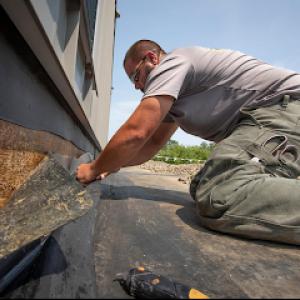
At Industrial Roofing Companies, we offer comprehensive roof management services, industrial roofing & siding to commercial building owners and public institutions in the Northeast. From design to installation, we are true partners and advisors for our clients, with lasting building solutions. Whether it's repairing a challenging leak or tackling one of the largest projects in our area, we're committed to delivering exceptional, long-lasting solutions. Our team is committed to delivering long-standing services with excellence, transparency, and trust as our guide. We work tirelessly to inspect, design, build, and service all of your building service, roofing and siding needs.
Building Solutions of New England
Lewiston, Maine
3.7 from 3 reviews
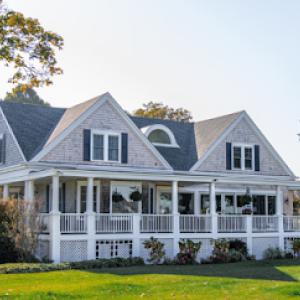
Maine premiere service company. No matter the need, be it a new roof or new floor we have you covered! We are the only number you need to know for help around the house!
Roofers Elite
(207) 803-5564 rooferselitemaine.com
Serving
4.9 from 255 reviews
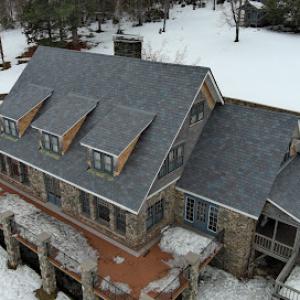
Roofers Elite is a full-service roofing company that provides top-quality repair and maintenance services for roofs of all shapes and sizes in Southern and Central Maine. We know the importance of keeping your roof in good condition, which is why we offer a wide range of services designed to meet your needs. From repairs to replacements, we can help.
BFR Roofing
(207) 837-2036 www.bfrroofing.com
Serving
5.0 from 26 reviews
Don't Trust Just Anyone to Update Your Home Hire a certified local contractor in Lisbon, ME Protecting your investment not only means performing routine maintenance, it also means hiring a qualified contractor to handle the project. Bob, the owner of BFR Constructors, is a certified local contractor in Lisbon, ME. You can trust Bob to improve your property because...
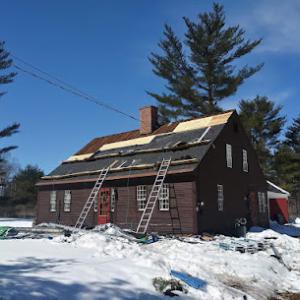
Douglas Roofing
(207) 461-2154 www.douglasroofingmaine.com
Serving
4.2 from 19 reviews
Douglas Roofing is a roofing specialist serving Maine and New Hampshire. We offer roofing installation, maintenance and repairs for residential properties throughout the area. We take pride in providing quality workmanship, with a dedication to our craft and precision. Our goal is customer satisfaction with every roofing project.
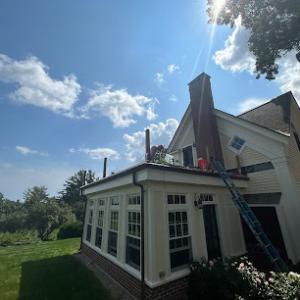
M.J. Murphy & Sons
(603) 742-1223 www.mjmurphyandsonsroofing.com
Serving
5.0 from 49 reviews
A local roofing company that has been operating for over 100 years. Originally founded in 1921 M.J. Murphy & Sons has been committed to the community in providing all roofing needs.

A Plus Roofing
Serving
4.7 from 15 reviews
A Plus Roofing offers , architectural shingles , all types of Roofing ,Single roofing. roof repair. New roof . replace shingles. Metal roof. Replace roofing,
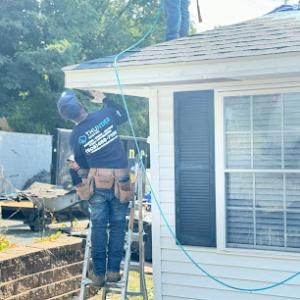
Thunder Roofing
(508) 498-7109 thunderroofingservices.com
Serving
5.0 from 25 reviews
At Thunder Roofing Services we treat our customers like family. We develop long-lasting relations and know what its like to be a hard-working American. We believe in doing honest, professional, and satisfying work, no matter the size of the job. We provide a free inspection and consultation, and will work within your budget to make your dream home a reality.
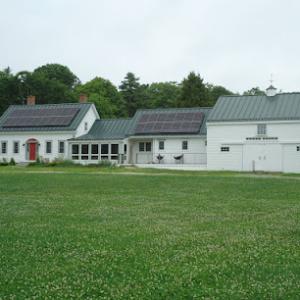
Fairbanks Roofing & Siding
(207) 353-5149 www.fairbanksroofingmaine.com
Serving
4.2 from 15 reviews
Fairbanks Roofing & Siding is a full service roofing and siding contractor serving Maine for over 47 years! We specialize in custom metal standing seam (hidden fastener) roofing, copper roofing and flashings, ice panels, asphalt roofing, roof ventilation systems and flat rubber EPDM roof systems. We provide our customers a 20 year no-leak workmanship warranty. Additionally, we are fully insured and provide free estimates.
Asphalt shingles remain a dominant choice for many Lewiston homes because they fit common residential roof forms found in the area and align with lower upfront budgets. In winters characterized by freeze-thaw cycling, proper attic ventilation and solid flashing are essential to prevent premature wear. If ventilation is weak, ice dams can form and warm attic air can accelerate shingle aging, shortening service life regardless of brand. When choosing asphalt, look for larger tab shingles with good granule adhesion and confirm that the roof deck has robust underlayment and a continuous drip edge. A steep pitch, common on older houses, helps shed snow, but any ladder-work or maintenance should be planned for heavy winter conditions to avoid damage to ridge vents and cap flashing.
Metal is particularly relevant in Lewiston because of repeated snow events and strong spring runoff. Snow sheds off metal roofs more predictably, reducing ice dam risk along eaves and gutters when installed with proper fall protection and adequate snow guards. Metal's resilience to winter moisture makes it a compelling choice on homes exposed to long, harsh winters. For best results, ensure the roof system includes solid flashing at transitions (chimneys, dormers, and skylights) and that fasteners are corrosion-resistant and correctly sealed. A well-planned metal roof should also account for attic ventilation and insulating details to minimize condensation beneath the panels.
Lewiston's older and architecturally varied housing stock can support slate, copper, and occasional clay tile, which bring a distinctive character to historic or retrofit projects. These heavier or specialty systems demand careful review of the structure, including load capacity, flashing details, and contractor capability to handle delicate materials. Slate and clay tile perform well in freeze-thaw cycles when installed with proper underlayment and continuous protection against moisture intrusion. Copper roofing offers superb longevity and a unique aging patina, but its weight and installation precision require experienced workmanship and precise nailing patterns. For any of these options, a structural assessment is essential to ensure the attic and rafters can bear the added load, especially on older homes with uneven ceilings or compromised framing.
Regardless of material, regular inspections after heavy snow events and during spring melt protect against hidden wear from freeze-thaw cycles. Look for loose flashing, lifted shingles, or degraded seals around chimneys and dormers, and confirm that snow guards and gutter systems are performing to direct runoff away from soffits. In all cases, a local approach to timing inspections after major storms helps catch issues when they're easiest to fix, preserving the roof's integrity through Lewiston's distinctive winters.
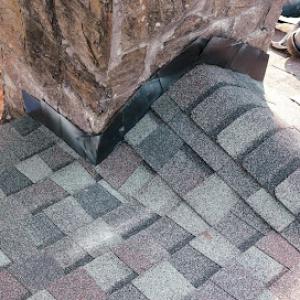
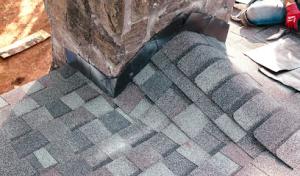
Older homes in this area often feature masonry chimneys that anchor the home's character but complicate roof performance. The roof-to-wall and roof-to-chimney transitions are recurring leak points during freeze-thaw weather. When temperatures swing, ice and snow press against joints, and mortar can crumble, letting droplets wick into attic spaces or along interior ceilings. A careful eye on these transitions during winter storms is money well spent: look for spalling mortar, stained bricks, or missing flashing where the chimney meets the roof deck. If you spot signs of moisture near the chimney, address them early, because snow and meltwater will exploit any crack or gap.
On aging roofs, flashing failures tend to declare themselves first, long before a complete field failure becomes visible. Seasonal expansion and contraction, combined with snow movement, can work against metal at penetrations and valleys. Valleys that cry out with a persistent drip or soft rusting at edges indicate movement that may be progressing from a nuisance leak to a more serious intrusion. Pay attention to staples or nails that have popped, caulk that has cracked, and any flange seams that show dark staining or corrosion. In Lewiston's climate, the window of opportunity to seal or replace flashing is narrow: catching it early saves more invasive work later and preserves shingles or metal panel life.
When an older home is reroofed, you will frequently uncover layered repairs, uneven decking, or legacy details that affect how cleanly new shingles or metal panels can be installed. Ply that has delaminated, rafters that twist, or uneven sheathing can cause fasteners to misseat or gaps to appear at eaves or ridges after installation. Chimney and valley areas demand extra attention: ensure the new material sits flat against all transitions and that flashing is continuous beneath the new surface. If decking is uneven, plan for added underlayment or a shingle layout that accommodates irregularities rather than forcing a skim coat of proper alignment. The goal is to reduce future creep of water into those high-risk zones where snow and ice tend to linger.
Start with a focused inspection of chimney-to-roof and valley flashings during warm, dry spells, and after the heaviest snows melt. Have experienced pros verify that metal components at penetrations move with temperature changes without binding or tearing. When a reroof becomes unavoidable, choose materials and a layout that respect those existing transitions-especially around chimneys-and insist on continuous flashing that bridges the old and new surfaces. A measured, site-specific approach now pays dividends when spring thaw returns and those long Lewiston winters test every seam.
Find contractors experienced in skylight installation, flashing, and leak repairs to bring natural light into your home.
Shakers Roofing & Siding
(207) 295-5101 shakersroofingandsiding.com
60 Summer St, Lewiston, Maine
4.0 from 42 reviews
On flat and low-slope roofs in Lewiston, snow retention and slow spring drainage can keep membranes wet longer, making careful drainage planning essential. The local mix includes meaningful flat-roof activity tied to commercial work and some low-slope additions to older homes, so the typical wear patterns blend commercial-grade membrane behavior with residential detail constraints. The goal is to keep water moving toward scuppers and outlets without allowing it to linger along seams, edges, or penetrations.
When winter storms bring heavy snow, a flat or low-slope roof needs deliberate drainage paths that avoid ice dams forming at edge details. In practice, that means ensuring scan points from mid-roof to the parapets stay clear, and that any added snow-retention devices are compatible with existing gutters and scuppers. If you notice ponding after storms, don't assume it will disappear with time; persistent moisture increases the chance of membrane wear and edge flashing distress. Clear secondary drainage routes before melt periods begin, and verify that insulation contact with the deck preserves a reliable thermal break to limit freeze-thaw stress on those membranes.
Freeze-thaw conditions can turn minor ponding or blocked drainage on low-slope sections into recurring leak patterns by repeatedly stressing seams and edge details. Pay attention to seam integrity where membranes meet coping, edges, and penetrations for vents or pipes. In older homes, mismatched or aged sealants may have shrunk, creating micro-leaks that worsen during rapid thaw cycles. Inspect transitions from the roof to any parapet or vertical wall, focusing on fasteners, drip edges, and flashings that could loosen or corrode with repeated freeze-thaw cycles.
Seasonal checks matter more on these roofs than on purely sloped systems. Start spring with a careful cleaning of leaf debris near drains, then test water flow visually by running a small amount of water from a hose to confirm drainage paths stay open. Inspect for standing water after storms and re-treat any worn sealant at seams or edges. If a low-slope roof exhibits repeated leaks or persistent damp patches near flashings, consider a targeted inspection by a seasoned flat-roof contractor who understands both membrane types and the way snow loads behave in this climate. Keep an eye on vegetation encroachment that could trap moisture near parapets, and address it before it accelerates edge wear.
Find specialists in TPO, EPDM, and built-up flat roofing systems for residential and commercial properties.
Above & Beyond
(207) 786-9966 www.aboveandbeyondonline.com
524 Lincoln St, Lewiston, Maine
4.9 from 14 reviews
Shakers Roofing & Siding
(207) 295-5101 shakersroofingandsiding.com
60 Summer St, Lewiston, Maine
4.0 from 42 reviews
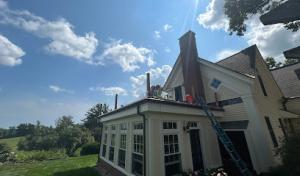
In this city, material costs span from about 320 to 620 USD per square for asphalt shingles, 800 to 1200 for metal, 1000 to 2000 for clay tile, 1400 to 3000 for slate, 2000 to 4500 for copper, and 700 to 1100 for aluminum. These ranges reflect Lewiston's inland winters, freeze-thaw cycles, and the mix of older, steep-roofed homes with chimneys and occasional specialty systems. When you're budgeting, think in terms of a full roof replacement versus a partial upgrade, and remember that the per-square price assumes standard installation on a typical attic setup.
Costs in older homes can rise quickly when tear-offs reveal damaged decking, chimney flashing rebuilds, or complex roof geometry. A century-old house with multiple ridges, a protruding chimney, or slate remnants often needs extra fasteners, added underlayment, and careful edge work. In practice, you should expect the lower end for a straightforward square of asphalt and the higher end if you're addressing deck repairs or re-flashing around transitions. The same logic applies if you're upgrading to metal or copper, where labor and detailing around valleys and eaves drive the price up noticeably.
Seasonal demand also shapes pricing here because the practical installation window is narrower than in warmer regions, concentrating re-roofing work into late spring through early fall. If you're planning around a busy season, shop ahead, compare bids, and confirm lead times for material deliveries, especially for clay tile or slate, which can extend timelines in peak months. For a practical plan, map your budget to the worst-case scenario in your home's specific geometry and allow a contingency for flashing or decking repairs that may surface after tear-off.
If you're weighing materials, a practical rule is to align your choice with snow shedding needs, ice-dam risk, and the long-term wear pattern your roof already endures. Asphalt remains the most economical and common starting point, but metal can offer snow-shedding benefits with moderate added up-front cost. For long-term durability in this climate, slate or copper deliver exceptional performance at a premium, while aluminum provides a lighter, mid-range option with good weather resistance.
Don't let upfront costs delay a critical repair - these contractors offer payment plans to fit your budget.
Monastery Roofing
(207) 440-8503 www.monasteryroofing.com
500 Lincoln St, Lewiston, Maine
4.9 from 43 reviews
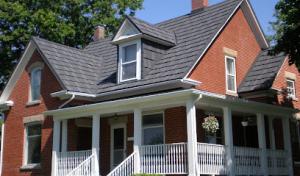
A full re-roof project in this area is not treated as informal maintenance. In Lewiston, the City Building Department governs the permit process, so a permit is typically required before any tear-off or new roofing material goes on. Before work begins, you should submit a permit application and verify that the chosen contractor's licensing is current and in good standing. This step helps confirm that the project meets local wind, snow-load, and fire-safety requirements that are particular to our older housing stock, often with steep slopes and chimneys that complicate installation.
Inspections in this city are generally performed after the roofing work is completed to verify code compliance. That means the project should be promptly accessible for the inspector to review fasteners, underlayment, ventilation, flashing around chimneys, skylines, and edge details. Relying solely on a contractor's word can backfire if snow loads and freeze-thaw cycles have to be addressed in the final install. Plan for a post-work walkthrough with the inspector to confirm all components meet current codes and that the critical details for shedding snow and preventing ice dams are properly executed.
If unusual materials are proposed, additional plan review may be required. In Lewiston, slate or metal systems and some clay or copper options can trigger extra scrutiny because they interact with existing chimney layouts and roof pitches. Having manufacturer specifications and installation details ready for submission can expedite the review. Ensure that flashing, nail patterns, and ice-dam considerations align with local expectations for older homes, where one misstep can lead to accelerated wear from freeze-thaw cycles.
Roof claims in this area are often linked to aging roofs and the cumulative stress of freeze-thaw cycles, not a single flashy peril like hail. In Lewiston and across Maine, a weather-driven pattern emerges: repeated cold snaps, drifting snow, and moisture intrusion from creased joints and failed flashing can quietly erode roofing systems. When spring rains arrive, insurers look for the root cause-whether materials have simply aged or weathered the winter rather than pinpointing a single storm. Understanding this nuance helps set realistic expectations for the claim process.
Homeowners should keep thorough records of the roof's materials and wind-resistance ratings, because insurers in Maine often ask for this during underwriting or claims review. Note the age of the roof, any upgrades, and the specific shingle or panel type installed. Photos taken before and after winter damage-especially of vent pipes, chimneys, valleys, and edge detailing-can streamline conversations with an adjuster. If the home uses steeper pitches, slate or metal, or aging asphalt, document how these systems performed in prior seasons to establish a pattern rather than a one-off incident.
Adjusters may request evidence of prior damage and repair history, and Maine insurers may reassess whether older materials can be reused or whether upgrades are needed on aging homes. The practical takeaway is to approach repairs with long-term durability in mind: reinforce vulnerable areas, consider weather-appropriate upgrade paths, and be prepared to discuss how past repairs held up over successive winters. Taking a proactive stance now, with clear material specifications and a documented history, can help a smoother, more informed review when a claim is opened.
Connect with contractors who help homeowners navigate the claims process from damage assessment to final approval.
Monastery Roofing
(207) 440-8503 www.monasteryroofing.com
500 Lincoln St, Lewiston, Maine
4.9 from 43 reviews