
Last updated: Apr 19, 2026
Bemidji sits in northern Minnesota, where long winters and persistent snow cover make roof snow retention and ice damming a primary homeowner concern. Deep snow loads front-load roofs with added weight over months, while freezing and thawing cycles create strain on rafters, gutters, and flashing. Each storm compounds risk, and lingering snow near the ridge can act as a plug for heat escape, feeding a cycle of melt and refreeze that stresses the roof system long after the plows have cleared the streets. In this climate, a roof is less of a seasonal cosmetic project and more a critical line of defense against progressive moisture intrusion and structural damage.
Lake Bemidji and nearby water bodies can intensify localized moisture, wind exposure, and freeze-thaw conditions that worsen eave icing and attic condensation risks. Warm attic spaces melt rooftop snow unevenly, causing water to back up behind damming ice at the eaves. As meltwater refreezes, ice builds a barrier that forces leaks under shingles, into soffits, and around vent penetrations. The combination of high winter winds off the lake and fluctuating temperatures creates a perfect storm for ice dams, gutter damage, and wood rot if not addressed promptly. The risk is not uniform across the roof; rows of vents, skylights, and chimney through-flues can become focal points for ice buildup and moisture intrusion.
Because reroof work is concentrated from late spring into early fall, winter damage often accumulates for months before full replacement can be scheduled. Small leaks today can become large, multi-area failures tomorrow in Bemidji's climate. Mold growth, attic insulation saturation, and compromised decking can silently progress during the cold months when exterior access is limited and interior signs are easy to overlook. That delay compounds the urgency to assess prior to spring, so you do not wake up to cascading water or frozen mortar lines once the thaw begins. A winter outage left unaddressed may push you into a more urgent, higher-stress repair window when contractors are already booked.
Start by clearing loose snow from the roof edges and along the eaves with care, avoiding aggressive shoveling on questionable or brittle shingles. Pay special attention to gutters and downspouts; clogged outlets force meltwater to back up and increase dam risk. Check attic ventilation and insulation; a well-insulated, vented attic reduces heat loss that drives attic condensation and helps minimize ice dam formation on the lower edge of the roof. If you notice persistent icicles forming along the eaves or damp spots on ceilings in upper rooms, treat it as a warning sign rather than a cosmetic issue. Schedule a professional assessment that includes attic air sealing, insulation evaluation, and a roof surface inspection for damaged shingles, flashing, and vent bootings. Do not wait for spring to address a known issue, because the window for safe, effective repair shrinks as temperatures drop and freeze-thaw cycles intensify. If a leak is active, temporary measures can slow damage, but a trained roofer must perform permanent fixes promptly to prevent further interior harm.
In this part of the North Country, getting through a claim after a harsh winter hinges on how well the roof weathered both snow stress and the spring thunderstorm season. Minnesota is a regular hail and wind claim market, and Bemidji homeowners often face insurer scrutiny over shingle impact ratings, wind ratings, and photo documentation. The combination of heavy snow, ice dams, and late-season storm activity means that roofs can sustain more complex damage than a single-event report would suggest. When a claim hits, expect questions about how the roof held up through layered stress, and be prepared to show evidence of both old wear and new damage.
Adjuster inspections are a common part of the local claims process, making date-stamped photos, close-ups of slopes, and records of prior repairs especially important. Insurers will look at how your shingles are rated for impact and wind, and they will compare those ratings against what is observed on site. That means your documentation should tell a clear story: what was present before the latest storm, what the latest storm added, and how the roof has aged since installation. A well-documented file can help separate preexisting issues from newly caused damage, which matters when the claim award is determined.
Prepare for a two-step focus when winter trauma and spring storms collide. First, inspect for layered damage: older cold-weather wear from repeated freeze-thaw cycles can mask or mimic new hail bruising or wind uplift. Look for hairline cracks, lifted tabs, or granule loss that appear consistent with sun exposure and aging, then distinguish those signs from fresh impact marks, punctures, or torn shingles produced by hail. Second, anticipate the insurer's emphasis on roof slopes and edge details. Damage along hips, ridges, and along the eaves is common after heavy snows melt and spring winds pick up. Document these areas with wide-angle shots to show the overall condition and with close-ups that demonstrate the severity of impact or lifting.
When the claim is opened, you will likely coordinate with an adjuster who needs precise evidence. Photo documentation should include a dated series: exterior photos of the entire roof, close-ups of damaged shingles, and shots of any reflective tape or labels that identify shingle ratings. If prior repairs exist, capture those too and note their approximate dates and materials. Keep a simple log of rainfall events, wind gusts, and hail size reports from reputable sources; this helps establish the timeline of stress on the roof. If you have records of professional assessments or prior roofing work, have those ready to share, since adjusters will often request a history to assess depreciation and wear.
Finally, think about the seasonality of claims in this area. A quick response after storms helps management of repairs before further winter-like conditions set in. Work with your roofing contractor to provide a clear narrative of damage types, a recommended repair or replacement plan, and any steps needed to preserve evidence for the adjuster. In Bemidji, timely, organized documentation makes the difference between a straightforward settlement and a protracted negotiation, especially when layered winter wear meets spring hail or wind loss.
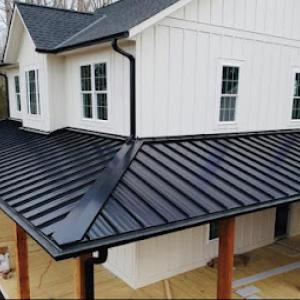
LW Haugen Roofing
(320) 339-3991 lwhaugenllc.com
Bemidji, Minnesota
5.0 from 9 reviews
Your trusted, affordable Residential and Commercial roofing Company. BBB A+ accredited Architectural Metal Roofing, Asphalt roofing, flat roofing, siding, windows, door and interior remodeling. We are a smaller company who is looking to build relationships with our clients. We emphasize on quality and integrity over volume. No one competes with our rates! Call today for a free consultation and free estimate. Protecting your home and business from the elements We would love to handle your next project. .
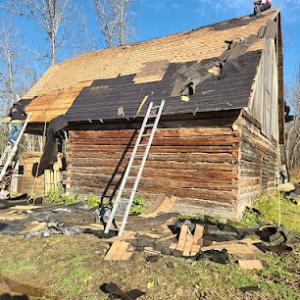
Back 40 Roofing
(218) 766-4282 www.back40roofing.com
3525 Sunnyside Rd SE, Bemidji, Minnesota
5.0 from 9 reviews
Founded in 2016, the owner and crew of Back 40 Roofing are all local to the area with years of experience in roof repair and installation. While working on roofing projects around Minnesota, our owner saw a need for a trustworthy local roofing company and stepped up to fill that need. Back 40 Roofing is committed to serving Bemidji, Cass Lake, Park Rapids, Walker, Blackduck, Bagley, Akely, Northome, Fosston, Grand Rapids, Cohasset and surrounding northern Minnesota communities with reliable roofing services. New clients will see the difference in our approach to roofing services throughout your project. Our attention to detail and pride in workmanship shines throughout the roofing process.
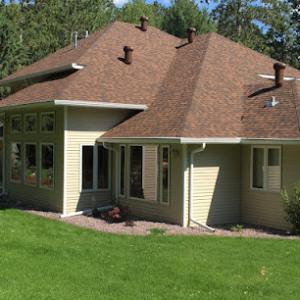
DL Seamless Gutters
(218) 308-7575 www.seamlessexteriors.net
7638 Cardinal Rd NW, Bemidji, Minnesota
4.8 from 12 reviews
Since 1997, DL Seamless Gutter has provided the Bemidji, Blackduck, Turtle River, Walker, Bagley, and nearby areas with unbeatable service and installation. We believe treating our customers with respect and giving them the best possible products and customer service is the secret to a successful family business. We provide beautiful, seamless gutter and leaf guard installation, maintenance, and repair. All our installation and repair work is guaranteed, and we offer free estimates!
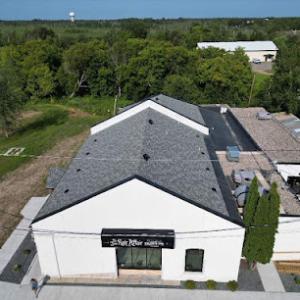
Berglunds Construction & Sheetmetal
(218) 444-0280 www.berglundsroofing.com
5099 Theater Ln NW, Bemidji, Minnesota
4.2 from 5 reviews
Full Service Commercial and Residential construction, sheetmetal, and roofing. Along with Snow Removal and Ice Dam Removal.
Late spring through early fall is the main reroof window in Bemidji because snow cover, ice, and cold-weather sealing limits winter installation quality and access. That means when a leak or storm damage shows up in February, the clock starts ticking in a hurry. Winter crews can do emergency work, but a full tear-off and re-shingle project needs solid temperatures, daylight, and dry days. Plan for a compressed schedule once the calendar turns, and build in a buffer for weather delays that simply don't exist in milder climates.
Wet springs can leave roof decking saturated, slowing tear-off and increasing the chance that hidden wood damage is discovered once shingles are removed. In Bemidji, soggy days aren't rare in the shoulder seasons, and saturated boards can sag or warp as moisture moves through the attic ventilation cycle. If rotten sheathing is uncovered, the project becomes larger and longer than expected, and moisture from a late thaw can linger under new underlayment. A proactive approach is to expect that some unexpected wood repair may be necessary, and address decking and ventilation questions before the first nail goes in. Don't assume the roof is ready to go on a cloudy, drizzly day; confirm the structure underneath is solid and dry.
Fall freeze-thaw cycles in northern Minnesota can interfere with sealants and finishing details, so late-season projects carry more scheduling pressure than in warmer parts of the state. Sealants cure slower as nights drop below freezing, and shingles may respond to temperature swings with micro-movements that stress the coating. If a project drags into late September or October, anticipate tighter timelines, shorter daylight windows, and the need to protect exposed edges against early frosts. Consider prioritizing critical weatherproofing steps earlier in the season, so the finish work doesn't get hurried as temperatures decline.
When the window opens, mobilize quickly but deliberately. Prioritize a thorough weather forecast, a prepared deck assessment, and a sequence that finishes the job well before the first hard freezes. If timing slips, coordinate with trades who understand the local melt-freeze patterns and the quirks of northern Minnesota insulation and ventilation. In Bemidji, the season isn't just shorter-it's a calendar of constraints that rewards clarity, pace, and a contingency plan for the inevitable spring rains.
Asphalt shingles remain common, but in Bemidji you'll want options that resist repeated snow load, ice dam exposure, and hail. When choosing laminated or impact-rated shingles, look for higher wind resistance and a tighter nailing pattern to stand up to brisk gusts off Lake Bemidji. In practice, select products with a durable granule finish and a asphalt blend designed for cold-weather performance, so edges don't crack with freeze-thaw cycles. Consider a darker surface only if you're prepared for more radiant heat in shoulder-season sun; lighter colors can help reduce heat buildup under heavy snow, which translates to easier ice dam risk management.
Metal is well suited to snow-shedding needs, helping snow move off roofs before it becomes a heavy, concentrated load. In this climate, a standing-seam or closely seated panel system reduces seam exposure to ice. However, snow slide management near entries and walkways matters more here than in milder markets. Plan for practical snow guards or platform steps at the eaves, and evaluate walk-off zones in front of doors and garages so you don't have to shovel fragile surfaces repeatedly. A metal roof also tolerates freeze-thaw cycles well, but ensure underlayment choices and flashing are sized for extreme cold and wind-driven snow events.
Each option faces northern Minnesota challenges differently. Wood shakes absorb moisture rapidly and can swell, tighten, then crack with repeated freeze-thaw; ensure proper ventilation and a proven water-repellent treatment. Composite and fiber cement offer better resistance to moisture cycling, but installation accuracy matters to prevent vertical seams from wicking moisture in winter. EPDM, while durable, requires careful edge detailing and seasonal installation planning to avoid gaps during winter settling. In all cases, aim for products with good impact resistance and cold-weather flexibility so that the roof holds up through long winters and abrupt spring thaws.
The North Woods winters bring heavy snow and ice around Lake Bemidji, and the short warm-weather window means repairs, replacements, and insurance work all bunch up into late spring through early fall. When a storm or ice dam event hits, crews rush to secure leaks and prevent further damage, which can push labor costs higher and tighten scheduling. If a leak shows up in late winter, expect a rapid triage, then a tighter window for a full re-roof if decking needs attention.
Common bids fall within practical ranges for Bemidji-type homes. Asphalt Shingles run roughly from 350 to 600 USD per square, while Metal Roofing tends to sit between 700 and 1100 USD per square. Wood Shingles or Shakes are typically 900 to 1500 USD per square, and Synthetic or Composite Shingles come in around 550 to 900 USD per square. Fiber Cement Shingles are commonly 450 to 800 USD per square. For flat or low-slope sections, EPDM Rubber Roofing operates about 4.5 to 7.5 USD per square foot. When you're looking at bids, remember that a steeper pitch or more complex roof line increases labor time and staging, which can push total costs higher.
If the snow season ends and a tear-off reveals wet or deteriorated decking, costs rise quickly. Drying or replacing plywood and adding underlayment adds significant labor and material time. In Bemidji, where winter winds can lift edges and moisture moves through exposed joints, decking repair is a common add-on that shifts the project from repair to replacement in a single season. Expect an escalation in both price and scheduling pressure if decking is compromised after the snow.
Steeper roof designs, common in snow country to shed heavy snow, complicate access and require more setup time for safety equipment, ladders, and吊 equipment. This increases labor demands and can extend the project window by days or weeks. In practical terms, a steeper section adds both material and labor line items, and may necessitate temporary protection for landscaping and driveways during the replacement. When evaluating bids, compare not just the per-square cost but also how each contractor plans to stage the job and handle potential decking repair.
If storm damage or ice dam repairs are needed, coordinate with insurers and the contractor to align on a sequence: temporary fixes for leaks, deck assessment, then full replacement if warranted. With Bemidji's tight warm-season window, expect the highest activity in late spring and early summer; securing a firm start date early in the season can help avoid peak price spikes and limited scheduling.
A full reroof in Bemidji generally requires a permit through the City of Bemidji Building Department. The permit ensures the project complies with local codes that govern snow loads, attic ventilation, and eave overhangs, which are especially important in long, severe North Woods winters. For straightforward reroof projects, the local process is typically simple, with an inspection commonly scheduled after completion to verify installation and ventilation. A careful plan that includes proper underlayment, venting, and fastener spacing helps prevent cold-season issues like ice dams and premature deck exposure.
Winter conditions shorten the window for permits, inspections, and any follow-up work. The reroof season tends to compress repairs, permits, and insurance work into late spring through early fall, so it is wise to align scheduling with the late spring frost thaw. If roof removal is part of the job, decking exposure can extend timelines, especially after heavy snows melt and the ground softens. Coordination with a licensed contractor who understands Bemidji's snow loads helps ensure that inspections aren't stalled by weather-related access issues.
An inspection is commonly scheduled after installation to confirm proper shingle alignment, ventilation, and flashing details. Inspectors look for adequate attic ventilation to reduce condensation and ice dam risk, correct eave and rake detailing, and secure fasteners per manufacturer and code requirements. If tear-off exposes decking damage or structural concerns, the project may trigger added review beyond a basic shingle replacement. In such cases, be prepared for additional documentation or minor design adjustments to satisfy code and insurer expectations.
Keep the permit set accessible on site and share the contact information for the building department with the contractor. Have a clear plan for snow and ice management during the project, as timing can be sensitive to late-wall and roof-edge conditions. If renovations reveal hidden damage, discuss the anticipated inspection sequence with the contractor so there are no surprises when the inspector arrives.
In Bemidji, common failure patterns are often tied to winter stress: lifted shingles after wind events, eave damage from ice backup, and leaks that appear during spring thaw. When a nor'easter or lake-effect gust rips through neighborhoods, the weight of packed snow and the freeze-thaw cycle can pry tabs loose and push start lines for shingles outward. You may notice shingles curling at the eaves or flashed areas where water finds its way under the roof deck. These issues rarely stay cosmetic; they weaken the roof's shield just when you need it most.
Ventilation problems are especially consequential in this climate because warm attic air under deep snow can accelerate ice dam formation and shorten shingle life. If insulation or ventilation is lacking, heat travels up and melts a thin layer of snow near the ridge, which refreezes at the colder eaves, forming dams that back up meltwater under shingles. That sustained moisture invites small leaks that show up as damp spots on ceilings after heavy thaws or storms. A well-vented attic paired with proper insulation is not a luxury here; it's a line of defense.
Homes that carry multiple seasons of patching may show mixed-age roof areas, which can complicate both insurance scope discussions and full replacement timing. Different sections aging at different rates create uneven protection and inconsistent water shedding. If parts of the roof look newer or older than surrounding sections, expect questions from adjusters and contractors about the roof's overall integrity, and plan for a coordinated replacement that respects the harsh Bemidji winters.