
Last updated: Apr 19, 2026
Moorhead roofs bear heavy snow cover, ice buildup, and repeated freeze-thaw swings that can reopen vulnerable flashing and roof penetrations. Each winter storm piles on weight, while cold days and sudden warm snaps push sun-softened icy layers back and forth. By the time spring arrives, the roof has already endured cycles that create micro-damage-tiny gaps and hairline splits that quietly worsen all season. In this climate, you do not get a single big failure; you get a string of escalating vulnerabilities that show up as leaks, damp ceilings, and sudden ice damming near the eaves. Understanding this pattern is the first step to staying ahead of costly failures.
Spring hail season is a major local trigger for roof inspections, temporary repairs, and full replacement decisions. Hail impacts are concentrated in a short window, but the damage can be widespread and hidden behind shingles or underlayment. After a hail event, even if the surface looks fine, broken granules, dented metal flashing, and microcracks can undermine long-term integrity. In Moorhead, a proactive after-storm assessment is essential: inspect along valleys, around chimneys, and at roof-to-wall transitions where damage tends to concentrate. If inspectors find compromised flashing or evidence of accelerated wear from hail impact, expect accelerated timelines for decisions on stabilization versus replacement. The goal is to neutralize the weakest points before the next freeze cycle seals in leaks or cracks wider than a pencil line.
Because winter access is limited and shoulder-season freeze-thaw can worsen active leaks, many homeowners face a hard choice between emergency stabilization and waiting for late spring through fall replacement windows. Emergency stabilization can stop active leaks and prevent interior water damage, but it often means temporary fixes that must be revisited. Waiting for a broader replacement window risks another freeze that can lock in dampness and worsen roof rot or wood damage. In Moorhead, the decision hinges on whether moisture intrusion is actively progressing or if the surface can be stabilized without locking you into a longer moisture exposure. If interior signs point to ongoing infiltration, rapid stabilization buys time-but plan for a definitive replacement once conditions permit and crews have safe, solid access.
Start with a targeted inspection after every major thaw and after significant hail events. Focus on flashing around vents, stacks, and chimneys; check skylight seals and the edge metal along eaves. Document any nail pops, lifted shingles, or staining inside the attic that corresponds to roof areas. Create a short-term stabilization plan that prioritizes stopping active leaks and protecting interior finishes, while outlining a long-range replacement strategy that aligns with Moorhead's narrow good-weather window. For high-risk roofs, coordinate early with a trusted local roofer who understands how winter and spring conditions interact with common Moorhead housing stock. Acting quickly in these windows reduces escalation risk and keeps the home drier and safer through the next cycle.
Olson & Legatt Roofing
(701) 729-6246 www.olsonlegattroofing.com
1816 27th St S, Moorhead, Minnesota
5.0 from 21 reviews
Professional and reliable roofing services that you can trust. Servicing the Fargo-Moorhead and lakes area for over 30 years.
M & J Construction
(218) 233-9273 www.mjconstructionfm.com
Moorhead, Minnesota
5.0 from 12 reviews
M & J Construction provides interior and exterior remodeling including windows, doors, siding, roofing, and emergency storm damage repairs to Fargo - Moorhead and surrounding areas.
All Weather Roofing & Metal
(218) 979-3451 allweatherroofingnd.com
2224 26th St S Unit B, Moorhead, Minnesota
4.4 from 7 reviews
Commercial & Residential Roofing
The Roofing Company
(701) 781-5282 www.theroofingcoinc.com
Serving
5.0 from 21 reviews
The Roofing Company has over 20 years of industry experience in commercial, residential, and specialized roofing. We offer a variety of products and installation services at competitive pricing, and offer manufacturer-backed warranties to guarantee and protect your largest asset. Our team of experts offer roofing inspection, repair, replacement, and new construction services. We currently serve Fargo, Grand Forks, and the surrounding areas. Call for a free quote today.
Shingler on the Roof
Moorhead, Minnesota
3.3 from 7 reviews
Owned and operated by Lawson Harrison Roof repair, replacement and inspections. In the winter I do siding and tree removal.

Fargo Roofing & Siding
(701) 371-7204 www.fargoroofing.com
Serving
5.0 from 579 reviews
"Fargo Roofing & Siding provides residential and commercial roofing, siding and storm restoration services to Eastern North Dakota and Western Minnesota."
A & B Roofing Improvements
(701) 235-6367 abimprovements.com
Serving
4.7 from 43 reviews
A&B Improvements LTD offers residential roofing services, roofing repairs, and commercial roofing to the residents of Fargo, ND and surrounding areas. We're fully licensed and insured roofing with years of experience providing work that's always guaranteed to last! Call us today for a free estimate!
J & J Repairs & Roofing
(701) 476-7528 www.jjroofingfargo.com
Serving
4.6 from 104 reviews
A family-owned and operated business, we are proud to have 4 generations working to deliver a quality service to our customers. Established in 1971 by Dave McCracken, J & J Roofing & Repairs has been dedicated to delivering quality craftsmanship and honest service for over 45 years. We believe our work is a direct reflection of our personal values—that is why we ensure that every project we work on is an example of our finest labor. Built and motivated by a family-first attitude, we bring integrity and honesty to each of our projects.

Asset Roofing
(701) 552-2533 www.assetservicesllc.net
Serving
5.0 from 87 reviews
ND Lic 40839 MN Lic RR782465 Whether you have a leak in your roof or you want an update, you’ll be happy you hired Asset Roofing for roofing and roof repair. We’ve been a roofing company serving the Fargo, ND; Moorhead, MN and surrounding areas since 2011. We work with the best roofing products from top-of-the-line manufacturers. Get an estimate as soon as possible by calling 701-552-2533 or submit a roofing service request on our website.
Dodd Roofing & Exteriors
Serving
4.9 from 56 reviews
Dodd Roofing and Exteriors, your premier choice for roofing solutions in Fargo, ND, is committed to excellence in every aspect of our work. Specializing in superior installations and unmatched service, we are dedicated to ensuring your satisfaction. As the Official Roof of NDSU, we bring unparalleled expertise and reliability to every project and back it with the best warranties. Trust Dodd Roofing and Exteriors for all your roofing and exterior needs in Fargo and beyond.
Pierce Lee Roofing & Sheet Metal
(701) 232-7023 www.plroofing.com
Serving
5.0 from 4 reviews
Pierce Lee Roofing is a leading provider of commercial roofing and sheet metal services in the Fargo-Moorhead region, covering North Dakota, South Dakota, and Minnesota. With over 50 years of experience, they specialize in various types of low-slope roofing, restoration, re-roofing, custom sheet metal fabrication, and standing seam roofing. Our commitment to quality and customer service is evident through our dedicated project managers and experienced crews who guide clients through every step of the roofing process.
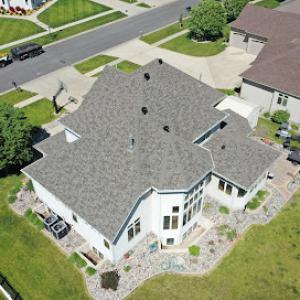
Rolle's Home Improvements
Serving
4.9 from 55 reviews
I specialize in roofing, siding and remodeling.
In Moorhead, the practical window replacement plan aligns with the short reroofing season. Replacement projects are most efficient when the ground is thawed and temperatures are above freezing for extended stretches, but snow cover and ice can complicate scheduling of tear-offs and inspections. The window crew benefits from aligning the project with the late spring to fall window used for roofing, so consider booking well before a hail season or after a winter spike when the crew has more availability. While summer brings longer daylight and generally good conditions, hot periods can affect installation pace and material handling, so plan for periods of slower progress and potential delays during peak heat.
Peak construction season can slow permit review and inspection scheduling in Moorhead, so homeowners planning after a hail event should expect more competition for crews and city inspection slots. That competition translates into longer wait times for both start dates and inspection confirmations. If a hail event has just occurred, prioritize early communication with the window contractor and secure a backup contingency date in case the original slot fills quickly. Have a realistic target range for completion, knowing that interim weather gaps-late spring storms or early fall freezes-can stall progress and require temporary protection against moisture.
Coordinating window replacements with a roof project is practical because both trades benefit from shared access and similar job-site protections. When a roof is being replaced, ensure the wall openings are prepared to receive new flashing and proper waterproof detailing around window perimeters. If the roof work is slated for the same period, confirm that the schedule allows for interior sealing and flashing transitions to avoid moisture ingress during spring thaw or autumn rains. In Moorhead, crews often track the calendar by rain-free weeks and expected snowfall margins, so plan for a window replacement to slip into adjacent dry spells rather than forcing work through stubborn winter cold or mid-worthed wet periods.
For Moorhead's climate, choose windows with strong insulating values and reliable flashing integration. Look for designs that minimize ice buildup near sills and reduce condensation risk in cold snaps. A well-sealed frame and a sturdy glazing package help maintain indoor comfort during harsh winters and protect siding and roofing transitions at corner junctions. Pay attention to exterior trim compatibility with typical Moorhead housing stock, ensuring that color and profile choices pull together with existing features without creating drainage or water pooling concerns near eaves or wall penetrations.
Begin by confirming that the window replacement will follow a dry, clear-weather window, ideally after the ground has thawed and before the first hard freeze. Schedule inspections and finalize wall flashing details early, so the interior sealing can be completed promptly once installation starts. Request a written timeline that accounts for potential delays from weather, project volume after a hail event, and any necessary coordination with roofing crews to prevent moisture intrusion and to keep the project on track through Moorhead's variable spring and fall conditions.
Get a clear picture of your project costs upfront - no commitment required.

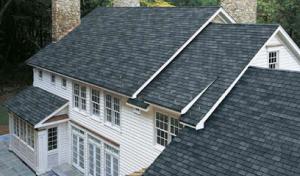
In Moorhead, the winter season packs snow and ice onto pitched roofs, spring brings hail and wind that test coverings and edge detailing, and the window for a practical reroofing project is tight between thaw and the next deep freeze. The material choice you make should align with how often you'll be dealing with heavy snow loads, how quickly a roof can shed moisture, and how well the system handles rapid temperature swings. The goal is a roof that resists ice damming, keeps snow from avalanching off in sheets, and holds up under sudden hail impacts.
Asphalt shingles and metal roofing are the most practical fits for many homes in this market because they align better with the city's snow, hail, and temperature swings than heavier premium materials. Asphalt shingles offer a straightforward installation window and repairability that matter when spring storms hammer the region. Metal roofing, with its fast shed of snow and resilience to hail, can reduce the risk of punctures and wind-driven damage that often accompany Moorhead's gusty days. When evaluating a roof in this climate, look for shingle products with a higher sealant strength and a competent ice-dam deterrent design, and for metal, a profile that supports snow shedding without creating sharp ice traps at the eaves. The right underlayment, continuous insulation, and a solid ventilation plan are essential complements to either choice, helping keep the roof deck dry through repeated freeze-thaw cycles.
Freeze-thaw cycling in Moorhead makes flashing durability and penetration detailing especially important regardless of whether the roof is asphalt, metal, tile, wood, or slate. Pay attention to how edges, chimneys, vents, and valleys are flashed and sealed. In winter, water that finds a path beneath the shingles or panels can refreeze at grade changes, pulling apart seals and widening gaps. A meticulous approach to step flashing along walls, proper storm collars around vent pipes, and continuous, corrosion-resistant flashings at hips and ridges pays dividends when you're facing repeated cycles of warmth, melt, and refreeze. Confirm that fasteners are compatible with the chosen material and that sealants around penetrations remain flexible after cold starts. This level of attention matters more in Moorhead's climate than in milder locales, where cycles are less punishing on tiny penetrations.
Clay tile, concrete tile, and slate are available options in Moorhead's market, but their weight, repair complexity, and weather exposure make structure and detailing more consequential here than in milder climates. Heavier coverings demand a reinforced roof structure and careful assessment of load paths and fastener compatibility. In regions with persistent freeze-thaw, tile and slate edges are more susceptible to chips or crack propagation after hail strikes, and repairs can be more invasive than with asphalt or metal. If these materials are considered, an in-depth structural review is essential, along with a plan for flashing compatibility and ice-dam prevention at overhangs. In practice, many homes benefit from lighter, more forgiving systems that maintain energy efficiency and ease of repair while delivering durable performance through Moorhead's winter months.
With a short practical reroofing season, the sequencing of weather windows matters. Materials that tolerate rapid temperature swings and retain performance after winter exposure are favored. In Moorhead, the goal is a roof that resists ice damming during melt periods, stands up to wind-driven hail, and can be serviced promptly if a storm event creates new vulnerabilities. Choosing a system with robust flashing details and proven performance in freezing and thawing cycles supports a long-term, low-maintenance roof that can endure the city's distinctive Red River Valley weather.
When budgeting, use the local ranges you'll see in Moorhead: asphalt shingles from 350 to 700 USD per square, metal from 700 to 1200, clay tile 900 to 1500, concrete tile 700 to 1200, wood shingles or shakes 550 to 900, and slate 1000 to 2000 per square. Those numbers cover common residential reroofs, but the exact total depends on tear-off needs, deck condition, and any specialty details on your roof. If your home has skylights, chimneys, or a steeper pitch, expect a higher price due to added labor and material cuts.
Moorhead's storm season drives a lot of demand after hail and high winds. That surge can push crews into tighter windows and raise labor pressure during the city's already compressed late-spring through fall period. If a hail event hits, you'll likely see quick scheduling front-loads, then potential delays as crews move from job to job. Plan for a faster decision cycle after a storm, since the window to repair before the next freeze is often short.
Winter damage can create more extensive tear-offs than a typical autumn reroof. If ice dams or broken decking are found during staged inspections, costs can rise quickly due to additional waste disposal, deck repair, and potential underlayment replacement. Ascertain whether the design includes skylights or chimneys, because flashing around those features adds labor and material complexity. A steeper residential pitch, common in many Moorhead homes, also increases both time on the roof and safety measures, nudging the price upward.
Start with a mid-season inspection to catch hidden damage before it compounds. Gather three bids during the calm part of the late spring or early summer, when storm risk is lower and scheduling is more predictable. If a claim is involved, document hail impact and wind effects thoroughly, since that can influence both timeline and unit costs. Remember that Moorhead costs move with tear-off complexity and the discovery of deck or structural needs, so build in a contingency of 5-15 percent for variability.
Don't let upfront costs delay a critical repair - these contractors offer payment plans to fit your budget.

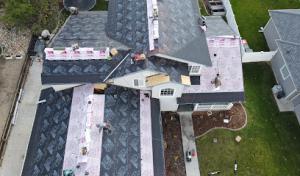
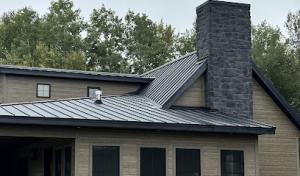
A full roof replacement in this city generally requires a building permit through Moorhead Building Inspections. Before any shingles come off or new underlayment goes on, you'll want to file the permit application, have the plan reviewed, and prepare for inspections tied to the reroofing project. The process helps ensure the work meets local wind, snow load, and drainage requirements that are critical in Red River Valley winters. Stepping through the permit procedure early helps prevent delays once crews are on the job.
Moorhead uses staged inspections for reroofing, typically including a rough-in or deck inspection before concealment and a final inspection after completion. The rough-in/deck check is your opportunity to verify that roof decking, underlayment, and any structural attachments are correctly installed and fastened before the roof is closed up with shingles or metal. The final inspection confirms that the finished roof system aligns with the approved plans, including ice/water shield placement, ventilation, and drainage details that are essential for winter performance.
The city follows a standard plan-review and inspection cycle, and homeowners should expect possible delays during Moorhead's peak construction season. Plan ahead for longer lead times if starts coincide with busy months in spring and early summer, when weather windows compress and inspectors' schedules fill up. To minimize disruption, coordinate with the contractor to submit documents promptly after the permit is issued, and maintain open lines of communication with the inspection team. If changes occur during construction, keep permits and plan revisions up to date to avoid rework or inspection hold-ups.
Start by confirming the exact permit scope with Moorhead Building Inspections, ensuring that the project address and components (sheathing, underlayment, flashing details, and venting) match the planned materials. Have neighbors' property lines and setbacks reviewed if any scaffolding or staging will extend beyond the lot line, since encroachment issues can trigger additional review. During the rough-in phase, keep sight lines clear for inspectors to access the eaves, decking, and any attic venting that affects winter performance. After completion, prepare a concise packet with photos and notes showing how the final installation satisfies plan requirements, so the final inspection proceeds with minimal back-and-forth.
Moorhead is a high-claim roofing market after hail and wind events, so insurers commonly expect detailed damage assessments and timely reporting. The short reroofing season between thaw and the next freeze adds pressure to get claims filed promptly and backed with clear findings. When a storm hits, the clock starts ticking not just on repairs but on preserving evidence of what was damaged and what was replaced. Delays can complicate coverage if damage shifts or worsens with new weather.
Adjusters serving Moorhead claims may ask for before-and-after photos and contractor invoices to confirm the scope of replacement work. Having photos from right after the event, plus follow-up images once temporary measures are in place, helps establish a traceable record. Documentation should show hail impact patterns, wind-driven damage, and any deterioration from freeze-thaw cycles. In this market, a clear, timestamped narrative linked to concrete photos reduces back-and-forth and speeds decisions on coverage.
Coverage for non-standard roofing materials in Moorhead can vary by carrier, making material choice and documentation more important before a loss occurs. If a non-standard material is involved, ensure that product specifications, installation details, and compatibility with existing components are documented in advance. Prepare vendor statements that connect the material to expected performance under typical winter loading, hail exposure, and wind conditions found here. This proactive record helps prevent disputes when the claim is evaluated.
After a hail event, conduct a careful exterior survey and note areas with visible impact, denting, or lifting shingles, as well as any attic signs of moisture. Collect contact information for neighbors who observed the storm and keep a log of weather dates and durations. Store all receipts, permits, and any temporary repairs in a single accessible file. When in doubt, contact your adjuster early to align on documentation expectations and avoid last-minute gaps that could affect the replacement timeline.
Connect with contractors who help homeowners navigate the claims process from damage assessment to final approval.
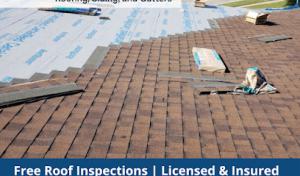
In Moorhead, flashing at chimneys, valleys, and roof penetrations is a recurring weak point because freeze-thaw movement can open seams over time. The combination of winter temperatures dipping below freezing and sudden thaws pushes sealants, metal, and underlayment in different directions, creating micro-movement that slowly betrays the joints. You'll notice hairline gaps, algae-hazed sealant, or rust at flashing corners long after a storm. The consequence is not dramatic failure all at once, but slow, cumulative leakage that saps attic insulation and drives interior moisture damage. A proactive eye during seasonal checks-looking for dislodged step flashing, loose end dam zones, or cracked boot flanges-lets you catch trouble before it becomes a roof-wide repair. In practice, expect these points to demand regular re-sealing and precise flashing replacement whenever a section of roof is opened.
Ice-related backup risk is a practical concern on this climate where winter snow remains in place and melt-refreeze cycles repeat. When ice dams form, water can back up behind the dam and infiltrate at seams, drip edges, and fastener lines. The repeated freezing of meltwater forces movement in shingles and underlayment, eventually loosening fasteners and widening gaps around vent pipes and chimneys. If gutters clog or downspouts back up, the problem compounds, pushing water under shingles where it can freeze again and widen the cracks. The result is accelerated wear on high-traffic edges and near termination points, especially after heavy storms that drive rapid temperature swings. Regularly clearing critical drainage paths and inspecting roof edges after thaw events reduces the lingering risk.
Skylights and similar penetrations deserve extra scrutiny in Moorhead because they combine sealant exposure, flashing complexity, and winter temperature stress. Seals can become brittle from subfreezing cycles while complex flashing around a skylight creates more potential failure planes. Snow loads can press against the sides, widening any imperfect joints, and meltwater often follows the path of least resistance, finding tiny gaps and exploiting them. Even small leaks here can cascade into attic condensation and mold risk if caught late. Prioritize resealing around skylights after seasonal transitions, and consider accurate, high-quality flashing kits or professional re-flashing when aging sealants show signs of weathering.
Find contractors experienced in skylight installation, flashing, and leak repairs to bring natural light into your home.