
Last updated: Apr 19, 2026
Brainerd homeowners face a two-part damage pattern: winter snow and freeze-thaw stress followed by spring and summer hail and wind claims. The lake-country climate squeezes roofs twice a year-the cold season punishes with cracking, missing granules, and deck stress, while the warmer months bring hail-driven punctures, shingle shattering, and wind uplift. If a roof has endured a brutal winter, the surface is already thinning and joints are fatigued, which makes spring storms a lot more threatening to the integrity of the deck and underlayment. Treat this sequence as a countdown: winter weakens, spring and summer expose, and a misstep in timing means more damage before you know it.
The freeze-thaw cycle in Brainerd isn't shy about showing up at the worst moments. Nights stay cold, days swing above freezing, and you get repeated cold snaps that push water into seams, valleys, and fastener collars. Each thaw enlarges those micro-cracks, and every subsequent freeze locks them in as the ice expands. By late winter, the roof is carrying more moisture than it can safely shed, and small gaps become pathways for leaks. When spring arrives, those vulnerabilities are the first spots hail and wind look for to exploit. If you notice granule loss, lifted shingles, or soft decking after a thaw, treat it as a warning flag that you're not in the clear even before the first thunder rumbles.
Spring hail storms are a named local seasonal risk, and they often trigger a spike in insurance activity in the Brainerd area. Hail doesn't care about the calendar; it cares about your roof's weakest points-the curling edges, the exposed seams, the aged flashing. After a winter that left decking stressed and fasteners slightly corroded, a mid-spring hail event can punch through what looks solid from the ground. That's why after spring storms you should inspect for bruising, dimpling, or soft spots that indicate internal damage. If you don't catch these early, a subsequent rain can reveal the extent only when it's harder to fix. The most urgent action is a professional roof assessment within days of a significant hail event, so you know exactly what got compromised and what needs replacing or reinforcing.
Fall wind events in Brainerd can expose weak decking and worn shingles just before winter, making late-season inspections especially important. Strong gusts can lift loose edges, strip granules, or pry up flashing where the deck is already fatigued by the prior seasons. By late autumn, unseen damage from the spring and summer storms can become obvious, and a thorough inspection can prevent a small, hidden fault from turning into a winter leak. Prioritize checking attic ventilation and chimney and vent flashing, as those areas endure the seasonal push and pull of wind pressure most acutely.
Know your roof's vulnerable spots: valleys, flashings, and the edges where shingles are curling or lifting. Schedule a professional inspection following any large hail event, strong wind, or rapid temperature swing, especially if a winter thaw ended with a freeze-back. Document damage with photos and compare year-to-year to identify patterns that suggest decking or underlayment failure. If you detect leaks or damp attic joists after a storm, act quickly-delays compound the risk and increase future repair costs. In this climate, timing is everything: catch the early signs, schedule targeted repairs, and plan for more resilient materials that hold up under Brainerd's demanding two-part assault.
In a lake-country climate with heavy snow, freeze-thaw cycles, and spring through summer hail, documenting damage soon after a storm matters more than in milder markets. Insurers scrutinize roof age, material type, and the quality of photo records. When a hail event hits, you should gather clear, time-stamped photos from multiple angles: the overall roof, along each slope, and close-ups of representative shingles, metal panels, or shakes. Include attic photos if you notice interior signs of water intrusion, and note any visible granule loss on asphalt shingles or denting on metal. This documentation isn't just to satisfy a claim; it becomes the benchmark insurers compare against throughout the repair or replacement decision.
Adjusters in this market typically request detailed roof photos and damage records after spring and summer storm events. The window to initiate a claim is crucial; a speedy report helps ensure the insurer understands the scope before seasonal wear compounds preexisting issues. If hail or wind-driven debris damages ventilation, flashing, or skylights, document those specifics too. Freeze-thaw cycles can aggravate hairline problems into visible leaks, so chasing the full narrative of how damage progresses over a season strengthens the claim file.
Coverage thresholds and replacement criteria can vary by carrier in Minnesota, so Brainerd homeowners often need local verification rather than assuming full replacement approval. Insurers may separate aging from damage and look for corroborating evidence: dated photos, records of prior maintenance, and professional assessments of wind uplift or hail impact. Keep any contractor or roofing professional statements that connect storm events to observed failures on the roof system. If a claim hinges on age or material type, a good record set helps prevent surprises during review.
Because the local market relies on nuanced verification, you should secure an independent, credible assessment when possible. A written damage estimate that ties specific findings to the storm date provides a straightforward reference for the insurer. If your roof shows both storm-caused impacts and age-related wear, documents clarifying the separate causes can reduce second-guessing and delays. Having a locally familiar contractor weigh in can bridge gaps between your experience of the storm and the insurer's evaluation framework.
Keep a simple storm log: date, severity, observed damage, and follow-up actions. After a Brainerd hail event, photos should show immediate impacts and evolving signs of leakage or interior staining. Store records in a ready-to-access place so you can quickly share them with your insurer or adjuster. When you talk to a claims adjuster, reference the lake-country climate realities-heavy snow loads, freeze-thaw cycles, and the pattern of spring-summer hail-which often shape both damage patterns and documentation expectations.
Connect with contractors who help homeowners navigate the claims process from damage assessment to final approval.
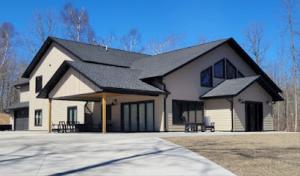
A&M Roofing
20249 Journeys End Rd, Brainerd, Minnesota
5.0 from 42 reviews
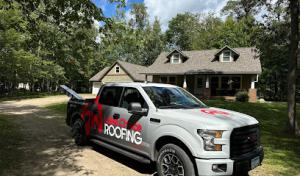
Lakes Choice Roofing & Exteriors
(218) 851-3198 lakeschoiceroofing.com
19213 Soder Rd, Brainerd, Minnesota
5.0 from 23 reviews
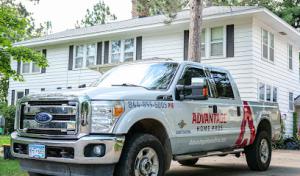
Advantage Home Pros - Roofing
(218) 558-0558 www.advantagehomepros.com
1006 Wright St Suite 3, Brainerd, Minnesota
4.6 from 67 reviews

Advantage Home Pros
(218) 503-0399 www.advantagehomepros.com
1006 Wright St, Brainerd, Minnesota
4.9 from 449 reviews
Advantage Home Pros protects your home from the elements with professional roofing and gutter services. Their expertise includes seamless gutter installation, gutter cleaning, and gutter guards, ensuring a watertight defense for Minnesota homes. They are a small business with big goals, and always guarantee the highest quality workmanship.
A&M Roofing
20249 Journeys End Rd, Brainerd, Minnesota
5.0 from 42 reviews
Our mission at A&M Roofing is to deliver expert residential roofing solutions that prioritize simplicity, excellence, and customer satisfaction. With our thirty years of experience, we seamlessly navigate insurance processes on behalf of our clients, ensuring maximum coverage and peace of mind. Trust us to safeguard your home with quality craftmanship and personalized service, making your roofing experience effortless and rewarding. When you choose A&M Roofing, you're not just hiring a roofing contractor; you're partnering directly with dedicated owners who care deeply about delivering quality and satisfaction. Every time you reach out, you're speaking with someone who has a vested interest in the success of your project.
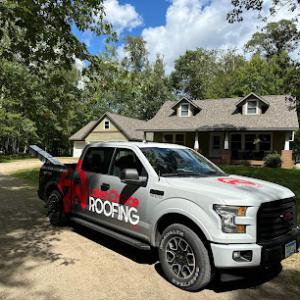
Lakes Choice Roofing & Exteriors
(218) 851-3198 lakeschoiceroofing.com
19213 Soder Rd, Brainerd, Minnesota
5.0 from 23 reviews
At Lakes Choice Roofing & Exteriors, our mission is to provide top-quality roofing & exterior solutions with integrity, craftsmanship, and a commitment to excellence. We strive to protect homes and businesses with durable, long-lasting roofing & exterior solutions, while delivering outstanding customer service and exceeding expectations. Our goal is to build trust with every project, ensuring safety, reliability, and satisfaction for our valued customers. MN License #BC807520
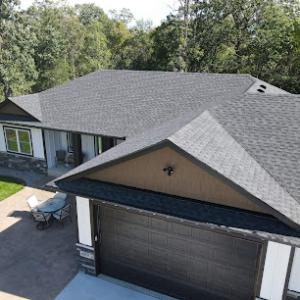
Roof Company NA
(218) 214-9111 www.roofcomn.com
109 Washington St Unit #1, Brainerd, Minnesota
5.0 from 7 reviews
Roof Company N.A. Inc is a leading Minnesota roofing and exterior services contractor. Established in 1992, our experienced team handles roofing and siding, we also specialize in storm damage repair. Roof is not your typical storm company, we pride ourselves on our in-house metal fabrication shop, dumpster service, and commercial roofing division. Family-owned and operated.

Mike Miller's Roofing & Siding
(218) 631-8219 www.mikemillersroofingandsiding.com
1403 Oak St, Brainerd, Minnesota
4.0 from 19 reviews
Mike Miller's Roofing & Siding provides residential and commercial roofing, siding, windows, and door services to the surrounding areas in Brainerd, MN.
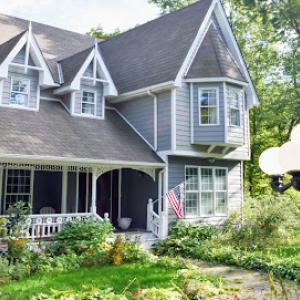
Hoffman Weber Construction
(218) 514-7118 www.hwconstruction.com
607 Oak St, Brainerd, Minnesota
4.4 from 7 reviews
Hoffman Weber Construction is an award-winning general contractor, in the Brainerd, MN area, offering home and property owners design-build exterior remodeling and storm damage restoration services. We specialize in roofing, siding, windows, and gutters. We use only industry-leading materials that come with an unparalleled warranty, and we provide a level of professionalism that's a cut above our competitors. Whether your project is residential, commercial, multifamily, or insurance-related, we are the contractor of choice in the Brainerd area. Services Include Roof Installation & Repair - Asphalt Shingle, Metal Steel, Cedar, Flat. Siding Installation - Vinyl, Fiber Cement, Wood, Metal. Window Installation - Vinyl, Wood, Fiberglass.
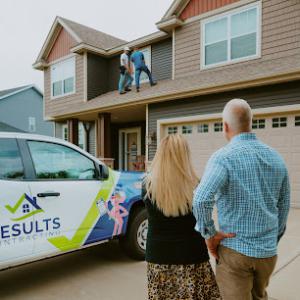
Results Contracting
(888) 719-7663 resultscontracting.com
Serving
4.9 from 27 reviews
Your Local, Trusted Contractor Specializing in Roofing Storm Damage Repair
Comitted 365 Roofing & Exteriors-Central MN
(320) 828-7244 comitted365-roofingandexteriors.com
Serving
4.9 from 256 reviews
CoMitted 365 Roofing and Exteriors is your premier choice for expert Roofing Services in the greater St. Cloud, MN area, serving the whole state of Minnesota. Our licensed team operates with unmatched expertise, delivering exceptional results for shingle roofing, metal roofing, storm damage repair, and gutter installation projects. With over 15+ years of experience, we guarantee the highest quality workmanship and are dedicated to achieving 100% customer satisfaction. Trust CoMitted 365 Roofing for all your roofing needs."
Armor Construction Brainerd Lakes - Roofing & Siding
(218) 429-4350 www.armorconstructionpro.com
Serving
5.0 from 7 reviews
At Armor Construction, customer service and satisfaction motivate everything we do. We treat every project and jobsite the way we’d treat our own home or business – with integrity, transparency, and unparalleled craftsmanship. With over 70 years of combined experience, we understand the commercial and residential exteriors industry inside and out. Our licensed, bonded, and insured specialists know how to obtain the necessary permits and meet building codes, but our mission is to exceed expectations. We hold ourselves to a higher standard and take pride in going above and beyond for our customers. When it comes to Mother Nature, there’s no perfect prediction or discrimination. But that doesn’t make the process any less stressful when your...
Allstar Construction
(218) 228-1499 www.allstartoday.com
Serving
5.0 from 1 review
Allstar Construction has been specializing in exterior construction on new and existing homes for 45+ years. From roofing, siding, or gutter repairs to a full exterior remodel, trust the experts at Allstar!
First Choice Builds
(218) 864-6079 firstchoicebuilds.com
315 E River Rd, Brainerd, Minnesota
First Choice Builds is a trusted roofing business nestled in the heart of Brainerd, MN. With years of experience, we specialize in residential and commercial roofing services, including installations, repairs, and maintenance. Our skilled team is committed to delivering top-notch craftsmanship and using high-quality materials to ensure durable and weather-resistant roofs for our clients. We pride ourselves on excellent customer service, competitive pricing, and timely project completion, making us the preferred choice for roofing solutions in the Brainerd area.
Asphalt shingles are a dominant roofing material in this lake-country climate, and you'll see them on many homes near the shorelines and cul-de-sacs alike. In Brainerd, repeated freeze-thaw cycling accelerates granule loss, cracking, and seal failure in aging roofs. If you already have asphalt, plan for extra attention to the edges, around penetrations, and in gutters where granules tend to accumulate after a harsh winter. A proactive approach means inspecting after the spring thaw for loose granules, lifted edges, and any signs of membrane exposure at seam lines. When choosing or replacing, consider a shingle with thicker tabs and reinforced asphalt, and look for enhanced sealant systems that resist wind-driven uplift during rapid temperature shifts.
Metal roofing is common in this market because it handles snow shedding well, which translates to less ice dam buildup along eaves and lower risk of ice dam-related leaks. In Brainerd, installation details matter a lot, because ice movement and winter expansion-contraction are recurring stresses. Ensure panels are properly lapped, with continuous underlayment and an adequate ridge vent sequence to relieve trapped moisture during thaw cycles. Fastener spacing and the use of corrosion-resistant screws designed for cold climates reduce the chance of panel loosening after a heavy snowfall. A well-sealed valley and clean edge flashing help prevent wind-driven water from sneaking into joints during late-season storms. If you're replacing an older metal roof, consider a coating that reflects summer heat but remains flexible enough to handle winter temperature swings.
Wood shingles, cedar shakes, and synthetic/composite products all appear in Brainerd's material mix, which means homeowners often compare appearance against moisture tolerance and storm durability rather than choosing from asphalt alone. Cedar shakes offer a rugged aesthetic but require solid underlayment and careful nailing schedules to resist warping in freeze-thaw cycles. Moisture that sits in the grain during melts can lead to splitting or cupping if the wood wasn't properly seasoned or installed with adequate ventilation. Synthetic or composite options can mimic wood while delivering better moisture resistance and uniform expansion characteristics, but still respond to cold snaps and hail like other surfaces. When evaluating these, check for a true, moisture-stable core and compatible protective coatings that tolerate multiple annual cycles without becoming brittle.
Seasonal timing matters in Brainerd: aim to complete major roofing work during late spring or early fall when temperatures are moderate and the ground is solid, reducing the risk of ice-related damage during installation. For any material, ensure the roof deck is sound and that attic ventilation is in good shape to manage condensation from freeze-thaw cycles. Hail-prone seasons demand attention to edge protection and reinforced seals around skylights, chimneys, and vents. A well-installed roof in Brainerd blends a sturdy underlayment, cold-weather fasteners, and appropriate flashing details to resist wind-driven rain and the concentrated stresses caused by ice movement in winter and hail impact in spring.
In this lake-country climate, you'll see a wide spread in material prices, and those numbers can shift with the season. Local cost ranges run about $350 to $700 per square for asphalt shingles, $700 to $1200 per square for metal, $600 to $1000 per square for wood shingles or shakes, $600 to $1100 per square for synthetic or composite, and $800 to $1200 per square for cedar shakes. When you're tallying a price, the material choice matters just as much as the crew you hire, since heavy snow loads and freeze-thaw cycles stress roofs differently. A typical Brainerd home that needs a full replacement will sit in the middle of these brackets if you're balancing durability with short-term costs, but a hail-prone season can widen the spread quickly if you're upgrading to a heavier or more hail-resistant option.
In Brainerd, storm-driven demand spikes after hail and wind events can tighten contractor schedules and push pricing upward during busy claim seasons. If you're aiming for a replacement in spring or early summer, be prepared for a longer wait if the area has just weathered a hailstorm or a strong wind event. It's common for crews to be booked weeks out, and prices can reflect the urgency of replacing damaged roofs after a claim. If you're flexible, you can often snag a slot on a calmer part of the calendar, which helps with both price and plan reliability.
Winter snow accumulation and freeze-thaw conditions slow production and complicate safety, so timing a replacement outside the harshest weather can affect labor efficiency and total project cost. Brisk temps can complicate shingle installation and adhesive performance, while deep snow can delay access and create safety risks on steep pitches. Scheduling in late spring or early fall, when temperatures are moderate and moisture is lower, tends to smooth the process. If a storm has just passed, you may face both higher costs and longer lead times, so plan ahead by a season or two when possible.
When you're assessing an estimate, map the material costs to the expected performance in snow, ice, and hail. Cedar shakes and metal roofs offer long-term durability in our climate but carry higher upfront costs, while asphalt provides a more budget-friendly entry with solid winter resilience when installed correctly. If hail seasons are frequent, you may want to factor in an upgrade to a more impact-resistant option, understanding that the upfront investment can be offset over time by reduced repair frequency and longer intervals between major maintenance.
Get a clear picture of your project costs upfront - no commitment required.
Advantage Home Pros
(218) 503-0399 www.advantagehomepros.com
1006 Wright St, Brainerd, Minnesota
4.9 from 449 reviews
A full roof replacement typically requires a permit through the City Building Department. In practice, that means your project will be reviewed for compliance with local codes, seasonal work windows, and site safety considerations that are specific to the lake-country climate. Planning ahead with your contractor helps ensure the permit is pulled before work begins and avoids any delay if the city needs to inspect at a key milestone.
Brainerd's process includes a final inspection after completion to verify installation, ventilation, and material specifications. The inspector will check that shingles or panels are fastened to driveways, soffits, and rafters in a way that withstands heavy snow loads and wind events common to this area. Ventilation is not an afterthought in this review; it is part of the system that keeps attic temperatures and humidity in check, which in turn affects roof longevity and interior comfort. Because the final verification includes ventilation, you should expect your attic space to be examined for proper airflow, baffle placement, and balance between exhaust and intake vents. Contractors who cut corners on venting often end up with faster shingle wear, ice dam tendencies, or moisture-related problems in spring.
Scheduling the replacement to align with permit timelines reduces the risk of weather-related interruptions. Brainerd's winters impose freeze-thaw cycles that can complicate roof work, so many homeowners plan for a window in late spring or early fall when temperatures and wind patterns are more favorable for adhesive setting and sealant performance. Your contractor should provide a clear bill of materials list and venting plan as part of the permit package; this helps the inspector verify that the chosen products meet local expectations for climate resilience, including hail resistance and wind uplift ratings appropriate to our area's spring-summer hail claims. If you notice any discrepancy between the ventilation plan and your attic's existing layout, address it before the final inspection, not after. A compliant ventilation strategy supports energy efficiency, comfort, and long-term roof performance under Brainerd's unique weather cycles.
Because ventilation is part of the final verification, Brainerd homeowners should treat attic airflow and exhaust-intake balance as permit-related issues, not just optional upgrades. Confirm with your contractor that the project documentation clearly shows vent locations, material specifications, and airflow calculations. This reduces the risk of rework after the inspection and helps ensure the roof system performs reliably through heavy snow, freeze-thaw cycles, and spring hail events.
Snow accumulation is a stated local work risk in Brainerd and can delay tear-off, dry-in, and cleanup during winter months. When storms dump a fresh layer or when drifts form along eaves and skylights, crews slow to protect ground equipment, keep walk paths clear, and avoid compressing snow into damp, icy patches. That means you may see short windows where a roof can be safely opened, and you should plan around those pauses. If a storm coincides with a high-priority repair, expect a wait for a stable surface and clean access routes before work resumes.
Freeze-thaw cycles in Brainerd make it harder to predict when minor leaks will become active interior problems, especially during shoulder seasons. A small penetrating spot can seem dry in a January lull, only to reveal an interior drip after a warm spell followed by another freeze. The practical takeaway is to treat suspicious patches as potential emergencies once daytime temperatures lift above freezing and nights drop again. During shoulder seasons, inspections should focus on joints, flashings, and vent penetrations, with a plan to monitor for delayed interior signs after melt periods.
The best replacement timing is influenced by the need to avoid both winter installation complications and rapid deterioration after storm damage is left exposed. If hail or wind has damaged a roof, delaying replacement until late winter or early spring may reduce cold-weather installation risks, but leaving exposed damage for too long invites fast deterioration from thaw cycles and moisture ingress. A practical rhythm is to schedule a window after a substantial storm when roof deck access is dry, temperatures are consistently above freezing for several days, and there is a predictable stretch of calm weather for dry-in and cleanup. In tight schedules, prioritize critical areas first and stage repairs to minimize exposed sections during periods of thaw and refreeze.
In Brainerd's freeze-thaw climate, roof penetrations such as skylights are vulnerable because repeated expansion and contraction can stress flashing details. Snow pressure and drifting can expose flashing to more frequent movement, which over time loosens fasteners or causes sealant failures. When a skylight starts to leak, the first signs often appear around the flashing-not on the glass itself. Pay attention to any staining on ceilings after a thaw and to damp spots along interior corners where condensation can collect. A small compromise in flashing can become a larger intrusion if ignored through another cold snap or spring rain.
Final inspections in Brainerd verify installation quality, which makes flashing workmanship around penetrations especially important on replacement projects. The choice of flashing material, the way it is lapped, and how it ties into surrounding shingles or metal roofing determines long-term performance. In this climate, mismatches between roof color, panel edges, and flashing can trap moisture and create micro-leaks that worsen with ice buildup. When you replace a skylight or refresh surrounding flashing, insist on meticulous seam sealing, heat-formed bends, and a continuous drip edge that directs meltwater away from the enclosure.
This topic is locally relevant as a niche service rather than a dominant market need, reflecting limited but present contractor specialization. Seek a contractor who explicitly demonstrates experience with skylight integration in cold climates and who can show prior Brainerd projects. Have your roofer outline where flashing will be reinforced, how they will manage expansion gaps, and what interior signs to watch for after installation. If a leak is suspected, address it promptly before freeze-thaw cycles return, as delayed repair can lead to wood rot and greater interior damage.
Find contractors experienced in skylight installation, flashing, and leak repairs to bring natural light into your home.
A&M Roofing
20249 Journeys End Rd, Brainerd, Minnesota
5.0 from 42 reviews
Advantage Home Pros - Roofing
(218) 558-0558 www.advantagehomepros.com
1006 Wright St Suite 3, Brainerd, Minnesota
4.6 from 67 reviews