Roofing in Minnesota
Last updated: Feb 28, 2026
Here in Minnesota, your roof endures a full calendar of weather, from heavy snow and ice in winter to hot sun and thunder-streaks in summer. Those freeze-thaw cycles can take a toll on shingles, flashing, and gutters, while strong winds from spring storms can loosen edges and lift metal. It's common to see a mix of asphalt shingles for value, metal roofs for longevity, and occasionally cedar or composite styles that suit a traditional or modern look. The goal is durable protection without overspending, and that starts with understanding how our climate tests a roof year after year.
On this Minnesota-focused guide, you'll get practical, neighborly advice grounded in real conditions. We'll talk about how climate affects material choices and installation details, highlight materials that perform well here, and describe popular roof styles and trends you'll see around town. You'll also get a realistic sense of typical costs so you can plan without surprises, plus the permits and local regulations you'll encounter. We'll cover common problems—ice damming, wind uplift, hail damage—and simple, effective fixes, plus seasonal maintenance tips to extend life between major repairs. We'll address when to repair versus replace and when it's best to call a professional. All guidance is tailored to Minnesota's conditions and backed by local resources—local codes, weather data, and trusted Minnesota suppliers and contractors.
Think of this as advice you can trust—friendly, straight-talking guidance from a neighbor who also works as a roofing contractor here in Minnesota. We'll aim for practical steps you can take, clear options that fit different budgets, and real-world checks you can use to spot trouble before it becomes costly. With this page, you're not guessing—you're building resilience against our winter storms and seasonal swings.
Now let's start with Minnesota's climate and how it shapes every roofing decision.
Local Climate & Its Impact on Roofs
Climate realities in Minnesota
Minnesota's climate brings long, cold winters with heavy snowfall, rapid thaw-freeze cycles, and warm summers. Your roof needs to endure big seasonal shifts, not just a single weather event.
- Winter snow loads vary by region; combined weight of snow and wind can push design limits.
- Freeze-thaw cycles cause deck, flashing, and shingle movement, which can lead to cracks and leaks.
- Ice dams form when melting snow refreezes at the eaves, backing water under shingles and into attic spaces.
- Hail and wind events in spring can dent metal roofs, loosen shingles, or damage gutters.
- Summer sun and heat accelerate aging of many roofing materials.
Ice dams, ventilation, and insulation
Ice dams are a common Minnesota issue when warm attic air meets a poorly insulated roof deck.
1) Improve attic insulation to keep roof deck cold.
2) Maintain continuous ventilation (soffit, ridge, and gable vents) to promote airflow.
3) Use an ice and water shield along eaves and roof edges in typical Minnesota conditions.
- Regular checks: watch for icicles along the eaves, damp spots in the attic, or ceiling stains inside your home.
Snow loads and roof design
- Have your roof's load capacity evaluated by a licensed professional, especially for older homes or those with large overhangs.
- Snow retention devices (guards) can help manage snow buildup and reduce sudden sliding;
do not rely on loose snow alone to protect vulnerable areas.
- Safe snow removal:
- Use a roof rake from the ground whenever possible.
- Do not climb onto a snowy or icy roof; fall risk and collapse risk are real concerns.
- If you must remove snow near the eave, work from the ground and avoid exposing yourself to falling ice or debris.
Choosing materials for Minnesota weather
- Asphalt shingles: common and economical; select cold-weather rated shingles with solid wind resistance and a durable underlayment.
- Metal roofs: excellent for shedding snow and resisting ice dams, but ensure proper installation and snow guards to prevent sudden snow slides.
- Tile or heavier options: look at structural support requirements; these may demand additional framing and insulation considerations.
Seasonal maintenance checklist
- Before winter:
- Verify attic insulation levels and seal air leaks.
- Inspect flashing around chimneys, vents, and skylights; repair as needed.
- During winter:
- Avoid walking on a snow-covered roof; use a roof rake from the ground.
- Monitor for ice dams and interior signs of leakage after thaws.
- After winter and spring:
- Inspect for ice dam damage, shingle curling, or flashing deterioration.
- Clear gutters and downspouts of debris and ice buildup; ensure proper drainage.
- After major storms:
- Check for hail or wind damage; arrange a pro roof inspection if you notice damaged shingles or exposed underlayment.
Warnings and official resources
- Local risks: ice dams, concealed leaks, and structural stress during thaws; hazardous DIY on icy roofs can lead to serious injury.
- Safety note: always use fall protection when on a roof; consult a licensed roofer for major repairs or replacements.
- Official resources:
- NOAA National Weather Service for Minnesota weather data and alerts:
- University of Minnesota Extension for attic insulation, ventilation guidance, and general home maintenance:
Recommended Roofing Materials for Minnesota
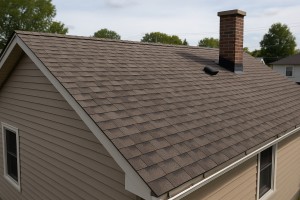
- Practical, budget-friendly option that works well in Minnesota's climate. Architectural (dimensional) shingles are preferred for durability and curb appeal.
- What to look for:
- Class 4 impact resistance if hail is a concern.
- 30-year or longer manufacturers' warranty and a wind rating suitable for local winds.
- A darker or blended color to help shed snow and reduce heat buildup in colder months.
- Installation notes:
- Use a synthetic underlayment and an ice-and-water shield along eaves and in valleys to prevent ice dams.
- Ensure proper attic ventilation and insulation to minimize condensation and ice dam risk.
- Pros and cons:
- Pros: Affordable, easy to replace, wide color options, good availability.
- Cons: Not as long-lasting as metal or tile; can be damaged by severe hail in some years.
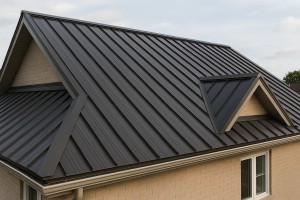
- Excellent choice for long life, snow shedding, and northern weather. Standing-seam steel or aluminum panels perform especially well in Minnesota.
- What to look for:
- Heavy-gauge steel with a factory-applied finish and a solid warranty (30–50 years common).
- Class 4 impact resistance is a plus, especially in hail-prone areas.
- Baked-on finishes that resist fading and corrosion in winter conditions.
- Installation notes:
- Proper sealing at seams and flashing; ensure good ventilation and a solid roof deck.
- Metal roofs can be noisier in heavy snowfall; consider solid sheathing or attic insulation as needed.
- Pros and cons:
- Pros: Long lifespan, excellent snow shedding, energy efficiency, high hail resistance.
- Cons: Higher upfront cost; color choice and appearance may not fit every home style.
Cedar and Composite Shakes
- Distinctive look and good longevity when properly installed and maintained. Engineered or composite shakes offer lower maintenance than natural cedar.
- What to look for:
- Fire-rated options (Class A if possible) and treatments that resist moisture and mold.
- Proper underlayment and ventilation, especially in shaded or damp areas.
- Installation notes:
- Cedar is more maintenance-intensive in Minnesota's freeze-thaw cycles; expect occasional resealing or staining.
- Composite shakes reduce rot and warping but still need ventilation and a solid deck.
- Pros and cons:
- Pros: Natural beauty, good insulation value, can last 40+ years with care (composites even longer).
- Cons: Higher cost, routine maintenance for natural cedar, potential moisture-related issues in shaded spots.
Flat or Low-Slope Roofing (EPDM, TPO, or Modified Bitumen)
- If you have a flat or low-slope roof, consider rubber membranes (EPDM) or thermoplastic solutions (TPO) with proper protection against ice and ponding.
- What to look for:
- Field-applied or fully adhered systems with reinforced seams and flashing.
- UV resistance, hail durability, and a warranted roof deck drainage plan.
- Installation notes:
- Drainage is critical in Minnesota winter conditions; ensure adequate slope and proper edge details.
- Use a compatible insulation and a robust ice-dam strategy at penetrations and parapets.
- Pros and cons:
- Pros: Excellent waterproofing, flexible installation on complex shapes, good hail resistance for membranes.
- Cons: Seams require proper edging; visible portions may be less aesthetically versatile on some homes.
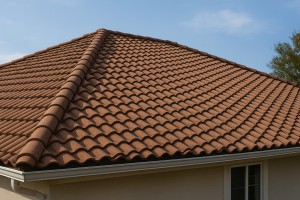
- Strong, long-lasting, and fire-resistant, but heavy and less common in Minnesota without structural assessment.
- What to look for:
- Structural evaluation to carry the weight; frost-resistant installation details.
- Heavy gauge underlayment and appropriate fasteners.
- Installation notes:
- Generally not recommended for standard residential roof decks without engineering; more common in newer homes with upgraded structure.
- Pros and cons:
- Pros: Very long life, excellent fire resistance, distinctive appearance.
- Cons: Very heavy, expensive, potential for cracking in cold snaps, limited MN installation options.
To choose the right material for Minnesota, follow these steps:
1. Assess roof slope, structure, and attic ventilation. Ensure the deck can support the chosen material.
2. Consider snow load, wind exposure, and hail history for your neighborhood.
3. Balance budget with expected lifespan and maintenance needs.
4. Check local codes, insurance requirements, and HOA guidelines.
5. Ask for impact resistance ratings, wind uplift ratings, and installation guarantees.
6. Plan for ice- and water-shield installation, proper underlayment, and ventilation to minimize ice dam risk.
7. Review color and warranty options with your contractor to ensure long-term performance in Minnesota winters.
Popular Roof Styles & Architectural Trends in Minnesota
Asphalt Shingle Roofs
- The workhorse of Minnesota homes: affordable, versatile, and widely available in durable options.
- Architectural (dimensional) shingles provide better depth, wind resistance, and longer life than basic 3-tab styles.
- Best for: a broad range of home styles, from traditional to modern; quick replacement projects.
- Practical tips: look for shingles with strong granule adhesion for hail and winter winds; confirm an ice/water shield at eaves and valleys; ensure proper attic ventilation to prevent ice dams and heat buildup.
A well-installed asphalt system can balance cost and performance in our cold, wet winters, while offering color and texture options that fit most neighborhoods.
- Standing-seam and impact-resistant exposed-fastener metal roofs are growing in Minnesota for longevity and snow-shedding.
- Best for: homes in snow-prone zones, new builds where longevity and low maintenance matter.
- Pros: long life (often 40–70 years), excellent wind resistance, lighter weight on the structure, great for insulation with the right underlayment.
- Cons: higher upfront cost; potential noise if not properly insulated; color and finish choices matter for heat absorption.
- Practical tips: specify a quality underlayment and proper seams; consider snow guards in heavy snowfall areas; pick a reflective or lighter color to reduce summer heat gain.
Metal roofs handle snow slide better than many other materials and work well with modern, craftsman, and mid-century homes.
Cedar Shakes and Shingles
- Natural, textured look that suits rustic, craftsman, and some farmhouse styles.
- Best for: homes where a warm, organic aesthetic is a priority.
- Pros: excellent curb appeal; good dimensionality with light and shadow.
- Cons: higher maintenance (moss, rot, and insect risk); fire risk in some areas; heavier maintenance and replacement costs; not ideal for very wet or shaded spots without proper ventilation and treatment.
- Practical tips: treat and seal regularly; ensure proper ventilation to limit moisture; consider fire-rated barrier and local code requirements.
Cedar can age beautifully in Minnesota when maintained, but it demands more upkeep than asphalt or metal.
Slate and Synthetic Slate
- Slate offers timeless durability and longevity, but weight and cost are major considerations.
- Best for: historical homes or high-end renovations where weight and budget allow.
- Pros: exceptional durability, stunning curb appeal, fire resistance.
- Cons: very heavy, costly installation, specialized structure may be required.
- Practical tips: if you're replacing with synthetic slate, verify that the product carries a realistic warranty and is suitable for cold climates.
Synthetic slate gives the look of real slate with lighter weight and often lower maintenance.
Low-Slope and Flat Roofs
- Common on modern additions, some urban homes, and sunrooms; typically use TPO, EPDM, or PVC.
- Pros: highly waterproof, good for energy efficiency with proper insulation.
- Cons: drainage is critical in Minnesota winters; more susceptible to ponding and ice dam risk if drainage isn't maintained.
- Practical tips: ensure a positive slope and robust edge detailing; install a reliable ice dam membrane and ridge venting; plan for seasonal maintenance and gutter clearance.
Popular Roof Lines & Architectural Trends in Minnesota Homes
- Gable roofs with dormers: classic, versatile, and snow-shedding-friendly; dormers add usable attic space and light.
- Hip roofs: stable in high winds and snow; common in craftsman and bungalow styles, efficient for energy use.
- Craftsman and Colonial Revival accents: medium-pitch roofs with porches or dormers for curb appeal.
- Modern and contemporary: flat or low-slope roofs with metal or single-ply membranes; emphasize clean lines, skylights, and energy efficiency.
- Practical tip: choose a roof that harmonizes with your home's architectural language and local neighborhood character to preserve resale value.
Climate-Conscious Upgrades for Minnesota Roofs
- Ice dams: install ice/water shields along eaves and valleys; ensure continuous insulation and proper attic venting.
- Ventilation and insulation: target a well-sealed roof deck with R-49 or better attic insulation and balanced soffit-to-ridge ventilation.
- Snow management: consider snow guards on metal or steps in shingle designs in heavy-snow areas.
- Underlayment: synthetic underlayment offers better performance in cold, wet conditions and improves long-term protection.
- Maintenance: conduct post-winter inspections for loose granules, damaged flashing, or lifted shingles.
Planning a Minnesota Roof Refresh
1) Assess age, condition, and structural support; check for signs of moisture intrusion or sagging.
2) Prioritize climate features: ice dam protection, ventilation, and insulation upgrades.
3) Match material to home style, neighborhood expectations, and long-term maintenance goals.
4) Work with a local roofer who understands Minnesota snow loads, wind forces, and seasonal demands; verify warranties and proper drainage design.
Average Roofing Costs in Minnesota
Typical installed cost ranges by material
- Asphalt architectural shingles: $4.50–$7.50 per sq ft installed. With tear-off and disposal of an existing roof, add roughly $1.00–$2.50 per sq ft. Typical total for a mid-size Minnesota home sits around $6,000–$12,000, depending on roof size and complexity.
- Asphalt 3-tab shingles: often a touch cheaper, about $4.00–$6.50 per sq ft installed, plus tear-off if needed. Expect roughly $5,000–$9,000 on a standard 1,500 sq ft roof.
- Metal roofing (steel or aluminum): $9–$14 per sq ft installed, with tear-off or deck repair extra if required. Project totals commonly fall in the $12,000–$25,000 range for a mid-size home, sometimes higher for complex geometry.
- Cedar shakes or shingles: $7–$12 per sq ft installed. With decking repair or extra detailing, many Minnesota projects land in the $12,000–$22,000 range for typical homes.
- Slate: $15–$30 per sq ft installed. Slate is less common in Minnesota due to weight and cost, but where used, expect substantial investment above the cedar or asphalt ranges.
- Flat or low-slope roofs (EPDM/TPO) for garages or additions: $4–$8 per sq ft installed, with removal and flashing costs potentially adding.
Common add-ons and protections that affect price
- Ice and water shield: about $0.50–$1.25 per sq ft. In Minnesota, full or partial eave protection is common and adds to upfront cost but can prevent ice dam damage.
- Underlayment, decking work, and flashing: often included in the base material price, but any deck replacement can add $1.50–$3.50 per sq ft.
- Roof deck repairs or replacement: $3–$8 per sq ft if rotten boards are found.
- Chimney and skylight flashing: typically $300–$1,000 per opening, depending on complexity.
- Ventilation upgrades (soffit, ridge, or attic baffles): $1,000–$2,500 to improve cooling and reduce ice dam risk.
- Specialty accessories (snow guards, increased ridge vent, anti-siphon systems): $200–$1,000 depending on house size.
Local climate and construction considerations
- Snow load and ice dam risk drive protective details (ice/water shield, extra attic ventilation), which can raise per-square-foot costs compared with milder climates.
- Roof pitch matters: steeper roofs require more labor hours and safety measures, adding to the price.
- Access and job duration: in winter, cold temps slow work and can push prices higher; in busy spring/summer, rates may rise with demand.
- Insurance and disposal: Minnesota waste disposal and permit requirements can add modest fees; some crews bundle these into the estimate.
Style, architecture, and roof geometry differences
- Simple gable roofs with few penetrations stay closer to base material prices.
- Homes with dormers, chimneys, multiple valleys, or complex hip or Dutch-gable configurations increase labor time and waste, raising the total by 10–30% or more.
- Historic or ornate homes may require higher-quality shingles or custom flashing, driving up costs further.
Quick reference examples (typical homeowner scenarios)
- 1,400–1,600 sq ft asphalt architectural shingles on a straightforward roof: roughly $6,500–$11,000, including tear-off.
- 2,000 sq ft metal roof on a simple bungalow or ranch: commonly $18,000–$28,000, depending on site access and deck work.
- 1,200–1,500 sq ft cedar shake roof on a classic Minnesota home: often $12,000–$20,000, with potential higher costs for premium shakes or heavy snowfall areas.
- 1,000–1,400 sq ft flat roof (EPDM/TPO) with complete tear-off: about $5,000–$9,500, excluding any structural decking repairs.
Quick steps to ballpark your project
1) Determine roof area (in squares): measure or obtain from a contractor; add 10–15% waste factor for cuts and waste.
2) Choose material type: asphalt, metal, cedar, slate, or flat roof; note the installed price per sq ft for Minnesota.
3) Factor in removal/disposal: add 1–3 sq ft per existing roof for tear-off if needed.
4) Include climate protections: ice/water shield, enhanced ventilation, and flashing as needed; add $1,000–$2,500 for upgrades on larger or more complex roofs.
5) Account for style/complexity: add 10–30% if dormers, valleys, chimneys, or unusual geometry apply.
Local considerations that homeowners should discuss with a contractor
- Required permits and inspection costs by city.
- Warranties on materials and workmanship, especially for ice dam prevention systems.
- Seasonal scheduling flexibility and payment milestones aligned with Minnesota weather.
Permits & Local Regulations
Minnesota code framework
- Minnesota follows the state Building Code, which adopts the International Residential Code (IRC) with state amendments. Local cities and counties administer building permits and inspections to ensure roofing work meets code requirements.
- Even if you're simply reroofing with the same materials, many municipalities still require a permit so inspectors can verify ventilation, flashing, and underlayment meet current standards.
Do I need a permit to roof?
- In most Minnesota towns, roof replacement requires a permit. Some smaller jurisdictions may have exemptions for cosmetic repairs, but most reroofs trigger permitting to protect structural integrity and weatherproofing.
- If you're unsure, contact your city's or county's building department before starting. They'll confirm permit requirements, required documentation, and inspection steps.
- If you hire a contractor, they should pull the permit. If you're the homeowner performing the work, you may need to pull the permit yourself.
What the permit covers
- Code compliance: underlayment, flashing, ice-and-water shield where required, and proper ventilation.
- Wind resistance: shingles or other coverings must meet Minnesota wind-rating requirements for your area.
- Roof assemblies: proper nailing patterns, material compatibility, and drainage considerations.
- Inspections: scheduled checks at key milestones to verify workmanship and safety.
Steps to get a roof permit (simple checklist)
1) Contact your local building department to confirm permit needs and any city-specific forms.
2) Gather needed information: property address, deed or parcel ID, project scope, contractor details (or your own plan if doing it yourself).
3) Submit permit application and pay applicable fees.
4) Provide product specs: shingles, underlayment, underlayment accessories, ventilation plan, and any necessary wind-rated components.
5) Schedule inspections as your project progresses.
6) Complete final inspection to obtain permit clearance.
Inspections and milestones
- Pre-sheathing inspection (if required by your jurisdiction) or initial framing inspection if structural work is involved.
- Underlayment and ventilation inspection once the roof deck and underlayment are installed.
- Final inspection after the new roof is fully installed and all penetrations, vents, and flashings are in place.
- Some cities require a separate insulation or attic ventilation check, especially in areas with strict energy codes.
Hiring a contractor and licensing
- Verify local licensing requirements for roofing contractors in your city. Some municipalities require a business license or contractor registration; others rely on general contractor licensing.
- When hiring, ask for: current license status, proof of general liability insurance, and workers' compensation coverage. Get a written contract with scope, materials, timeline, permit responsibilities, and warranty details.
- If you do the work yourself as an owner-occupant, be prepared to self-certify or present your plan to the building department for permit approval and inspection clearance.
Minnesota-specific considerations to plan for
- Ice-dam and wind considerations: ensure installation includes appropriate ice barriers and proper flashing for eaves, valleys, and roof-to-wall transitions as dictated by local amendments.
- Energy efficiency: under Minnesota's energy provisions, ensure proper attic ventilation and insulation updates as part of the roof project if required by code.
- Snow loading: verify that the roof assembly meets Minnesota snow and load requirements, particularly in northern counties with heavier snowfall.
HOA and historic districts
- If your home is in an HOA, confirm any color, material, or warranty requirements that could affect shingle selection or installation.
- Historic districts or designated properties may need additional approvals or permits from the local historic preservation office before replacing a roof. Check early to avoid delays.
Common delays to watch for
- Back-and-forth with the plan review if your ventilation or flashing details don't align with code or local amendments.
- Weather or scheduling issues that push inspections beyond the typical window; some departments charge per-day penalties for delays.
Quick reference tips
- Always start with the local building department, not just a contractor's assurances.
- Keep a file with permit numbers, inspection dates, and copies of material specs.
- Schedule inspections promptly and prepare the site for safe access and waste containment.
Common Roofing Problems in Minnesota & Solutions
Ice dams & attic condensation
Ice dams form when warm attic air melts snow, which refreezes at the eave, creating a dam that pushes water under shingles. Minnesota winters make this especially common.
- Causes
- Poor attic insulation and ventilation
- Air leaks from living spaces into the attic
- Sunlight warming the roof surface
- Signs
- Water stains on ceilings near exterior walls
- Icicles hanging from the eaves and gutters
- Shingle edges buckling or curling near the roofline
- Quick fixes (safe, non-structural)
1) Keep snow off the roof with a long-handled roof rake from the ground.
2) Clear gutters and downspouts of obstructions.
3) Use calcium chloride ice melt in a sock along the edge if safe for nearby landscaping.
- Long-term solutions
- Increase attic insulation (aim for high R-value) and seal air leaks
- Install or improve soffit and ridge ventilation
- Consider a small, properly designed roof heat cable system installed by a pro
- Prevention tips
- Schedule annual attic inspections after heating season
- Maintain consistent indoor temperatures to minimize attic warmth
- Trim trees that shade the roof to reduce solar warming
Wind & hail damage
Minnesota's wind, plus severe hail events, can lift shingles and dent flashing.
- Signs
- Missing, cracked, or curling shingles
- Exposed underlayment or visible nails
- Dented metal gutters, vents, or flashing
- Quick actions
- Do a safe exterior inspection from ground level; do not walk on a damaged, slippery roof
- Cover exposed areas with a tarp if leaks are evident and you can do so safely
- Photograph damage for insurance
- Fixes
- Replace damaged shingles and repair/flash around vents and chimneys
- Re-secure or replace loose flashing
- If large areas are damaged, consider a roof replacement with impact-resistant options
- Prevention
- Choose impact-resistant shingles (Class 3–4) when replacing
- Ensure proper nailing patterns and sealants during installation
- Keep trees trimmed and away from the roof
Aging shingles & general wear
Over time, asphalt shingles wear out, especially under Minnesota's freeze–thaw cycles.
- Signs
- Curling edges, missing granules, or bald spots
- Granule “sand” in gutters
- Visible asphalt matting or black streaks
- Quick fixes
- Address active leaks with temporary patching from the interior (sealant only as a stopgap)
- Secure loose shingles with roofing cement or a pro
- Long-term fixes
- Replace worn shingles in affected areas or whole roof if widespread
- Check underlayment for moisture damage and replace if needed
- Prevention
- Schedule routine inspections every 3–5 years
- Keep gutters clear and ensure proper ventilation
- Avoid algae growth with airflow and sunlight exposure
Moss, algae, and roof cleanliness
Shade and moisture in Minnesota foster moss and algae, which trap moisture and accelerate rot.
- Signs
- Green, gray, or black patches on shingle surfaces
- Moss lifting shingles or pushing granules loose
- Cleaning approach
- Use a plastic scraper or broom to remove moss; avoid high-pressure washing
- Apply zinc or copper strips near the ridge to inhibit regrowth
- If cleaning solutions are used, follow label directions and avoid plants and landscaping
- Prevention
- Trim overhanging branches to reduce shade and moisture
- Improve attic ventilation and insulation to dry the roof surface faster
- Consider a periodic professional cleaning every few years
Gutter ice buildup and water damage
Ice and debris in gutters can back up water and cause fascia damage and leaks.
- Causes
- Clogged gutters, improper slope, or sagging hangers
- Downspouts not directing water far enough from the foundation
- Quick fixes
- Remove debris with a gutter scoop from a safe stance
- Clear ice away carefully with a handheld tool from the ground
- Install temporary heat cables or calcium chloride in extreme cases
- Fixes
- Rehang sagging gutters and ensure a 1/4" slope per 10 ft
- Install larger or more downspouts; consider gutter guards
- Prevention
- Regular gutter cleaning in fall and after storms
- Install heated gutter systems or ensure adequate attic ventilation to minimize ice damming
Flashing, chimney, and skylight leaks
Flashing around vents, chimneys, and skylights is a common failure point in Minnesota's climate.
- Signs
- Water stains on ceilings or walls near the roofline
- Peeling interior paint or damp attic insulation
- Quick actions
- Protect interior areas with tarps if active leaks are observed
- Avoid stepping on wet or icy roof areas during inspection
- Fixes
- Reflash or reseal around chimneys and vent penetrations
- Replace cracked chimney caps or damaged flashing
- Reinstall properly sealed skylights if leaks recur
- Prevention
- Inspect flashing during roof replacements and reseal as needed
- Use high-quality sealants compatible with roof materials
- Schedule a pro inspection after severe winter storms
Snow load and structural stress
Heavy snow and ice can add substantial weight to a roof, especially on older structures.
- Signs
- Visible sagging or creaking at the ridge, unusual roofline dips
- Quick actions
- Do not climb on the roof to remove snow yourself; use a roof rake from the ground
- If you notice sagging, limit interior loading and call a structural pro
- Fixes
- Reinforce or retrofit the roof frame as needed
- Replace damaged decking and underlayment after snow events
- Prevention
- Maintain adequate attic insulation and ventilation to reduce heat-driven melt
- Plan for periodic structural evaluation if the home is older or heavily shaded by trees
Maintenance & Repair Tips for Minnesota
Climate-smart prevention
Minnesota winters bring heavy snow, ice, freeze-thaw cycles, and occasional hail. Proactive maintenance tailored to that climate reduces leaks, protects structure, and extends roof life. A little annual upkeep beats costly repairs later.
Regular inspections and seasonal checks
- Fall before snow: look for loose or damaged shingles, missing granules, lifted flashing, and damaged vent seals.
- Spring after thaw: inspect for ice dam damage, moss, mold, and any fastener corrosion from winter moisture.
- After storms: check for hail impact, missing shingles, cracked caulk around penetrations, and damaged gutters.
Short, on-roof inspections are best done from ground level or with a safe ladder setup. If you're unsure, call a pro for a quick inspection.
Ice dam prevention and careful removal
- Insulation and ventilation: aim for attic insulation at or above R-38 and ensure continuous soffit-to-ridge ventilation. Blocked vents cause heat buildup that melts snow on the roof.
- Clear the edge: use a roof rake from the ground to remove snow buildup along the eaves after big storms.
- Dam control: if ice dams form, place calcium chloride in a sock or bag along the dam to melt it gradually. Do not pour hot water or shove ice with metal tools; avoid damaging shingles.
- Gutters: keep gutters clean and flowing to prevent backup behind dammed snow.
Gutter and drainage care
- Clean fall leaves and debris so water flows freely.
- Check slope: gutters should drain toward downspouts; re-secure loose sections.
- Downspouts: ensure they extend away from the foundation to prevent basement moisture.
Shingle and roof surface maintenance
- Watch for curling, cupping, or missing granules—these signal aging or hail impact. Replace damaged shingles promptly.
- Foot traffic: walk only on stable, low-traffic areas; wear soft-soled shoes to avoid denting or tearing.
- Moss and algae: in Minnesota, shade and moisture can promote growth. Use a gentle biological cleaner or a low-pressure rinse to remove growth; avoid high-pressure washing that can lift shingles.
Flashing and penetrations
- Chimneys, vents, and skylights: inspect and reseal gaps; loose or cracked flashing should be re-flashed with compatible materials.
- Sealants: replace old, cracked sealant around penetrations; maintain a tight, waterproof seal.
- Metal edges: look for rust or deformed flashing, especially after freeze-thaw cycles; have a pro re-flash if needed.
Attic ventilation and insulation
- Baffles and vents: confirm intake and exhaust vents aren't blocked by insulation.
- Attic moisture: look for condensation on rafters or cooler attic spaces; address source of moisture to prevent mold and wood rot.
- Ventilation balance: ensure a balanced system so warm air doesn't rise to the roof deck during cold snaps.
Snow load and structural awareness
- Signs of trouble: sagging rafters, roof deck creaking, or new cracks in exterior walls. These warrant a professional assessment.
- Structural reminders: never overload a roof with snow that exceeds its designed capacity; if you're unsure, call a licensed roofer or structural engineer for a load check after heavy storms.
When to DIY vs. hire a pro
- Safe DIY tasks: gutter cleaning, light shovel-clearing from ground, resealing exposed penetrations, replacing a single damaged shingle with proper technique.
- When to hire a pro: extensive shingle replacement, damaged flashing, significant leaks, sagging roof sections, or work on steep pitches. Minnesota winters complicate high-altitude work; a pro helps with safety and code-compliant repairs.
Quick, temporary repair steps for leaks
1. Locate source from attic or exterior and dry the area.
2. Apply roofing cement or a patch over the damaged area as a temporary seal.
3. Cover with a tarp or plastic sheeting if more rain is expected until a permanent repair can be completed.
4. Schedule a professional assessment as soon as possible.
Material considerations for Minnesota roofs
- Asphalt shingles: common and affordable; look for impact-resistant (UL 2218) options in hail-prone areas.
- Metal roofs: durable in cold weather and snow slide-off can be easier; ensure proper snow guards in heavy snowfall zones.
- Cedar or slate: require specialized maintenance; ensure ventilation and moisture control to prevent warping or cracking after freeze-thaw cycles.
Seasonal snapshot checklist
- Fall: inspect shingles, flashing, gutters; test attic ventilation.
- Winter: keep eaves clear, monitor ice dams, avoid unnecessary roof traffic.
- Spring: clean moss, inspect for hail damage, verify flashing seals.
- Summer: check ventilation and insulation, address any signs of thermal stress.
When to Repair vs. Replace
Quick rule of thumb
- Age matters: asphalt shingles live ~20–25 years; if your roof is in its late teens or older and you're seeing multiple issues, replacement often saves money and headaches long-term.
- Localized vs. widespread: repairs work well for isolated problems (one area, a few shingles, flashing). If more than about 30–40% of the roof has damage or aging signs, replacement is usually the wiser choice.
- Cost math: small fixes add up fast if they're repeated. Compare several repairs against a full replacement's lifespan and warranty.
Minnesota climate factors
- Ice dams and snow load: Minnesota's winters demand solid weatherproofing, proper ice/water shield in valleys, good attic insulation, and balanced ventilation.
- Freeze–thaw cycles: repeated freezing and thawing can crack edges and widen gaps; choose materials and sealants rated for cold-weather performance.
- Hail, moss, and algae: hail can ding shingles; moss and algae trap moisture and accelerate wear—often a sign to consider deeper remediation or replacement in affected areas.
When to repair
- Localized leaks around vents, chimneys, or flashing
- A handful of damaged or missing shingles
- Minor flashing issues that don't compromise the deck
- Gutters and downspouts misdirecting water away from the roof
When to replace
- Large areas of cupping, curling, or blistering shingles
- Sagging roof deck or obvious structural concerns
- Leaks that recur in multiple areas or after patches
- Widespread granule loss or severe shingles wear
- Recurrent ice dam problems tied to underlayment or insulation gaps
Step-by-step decision process
1. Inspect and document: take photos, note locations, moisture intrusion, and the age of surrounding components.
2. Check decking and structure: look for soft spots, mold, or sag. If unsure, hire a pro to assess decking integrity.
3. Compare costs and lifespan: obtain 2–3 quotes for repairs and for replacement; weigh immediate costs against long-term durability.
4. Review warranties and insurance: verify manufacturer warranties and check your policy for water-related claims.
5. Decide and plan: if repair wins, schedule targeted fixes; if replace is better, plan tear‑off, underlayment, ventilation, and insulation upgrades.
Seasonal timing in Minnesota
- Best window: late spring through early fall when temperatures are moderate and weather is more predictable.
- Winter reality: patches can stop leaks temporarily, but a lasting fix is unlikely in extreme cold; scheduling in milder months minimizes delays and hazards.
- Planning tip: start the process in late winter or early spring to align with contractor availability and take advantage of milder weather.
Practical repair options (Minnesota-ready)
- Localized shingle replacement and flashing repair around problem areas
- Re-secure or reseal flashing with a high-quality, flexible sealant
- Install or upgrade an ice/water shield at eaves and in valleys if not already present
- Patch small injuries with matching materials and temporary protective coatings
- Improve attic insulation and ventilation to reduce ice dam risk and future wear
Practical replacement options (Minnesota-ready)
- Full tear-off and re-roof with quality underlayment and enhanced ventilation
- Choose durable, climate-appropriate materials (architectural shingles or metal) based on budget and aesthetics
- Upgrade attic insulation and ensure proper venting to curb ice dam formation
- Have the deck inspected and repaired as needed before new shingles go down
When to Hire a Professional
Emergency indicators
- Active leaks or standing water inside the home, especially after a storm or thaw.
- Sagging or visibly warped decking, indicating structural concern.
- A fallen tree, large branch, or severely damaged roof area that requires immediate removal or stabilization.
When Minnesota weather raises urgency
- Ice dams forming along eaves with water showing up in upper ceilings or walls.
- Recent hail damage with dented shingles, granule loss, or damaged metal flashings.
- After a major windstorm or heavy snowfall, when shingles or flashing look loose or dislodged.
Repairs vs. replacement: Minnesota-specific guidance
- If only a small section is damaged and decking remains solid, a targeted repair by a qualified roofer may suffice.
- If the majority of shingles are curling, missing, or saturated with water, or if the decking is soft or swollen, replacement is usually more cost-effective and protective.
- Age and climate factor in: Minnesota's freeze–thaw cycles, ice dams, and heavy snow loads accelerate wear. If your roof is approaching the end of its expected life, plan for replacement rather than frequent patch repairs.
- Persistently recurring leaks after a repair signal the need for a full assessment of insulation, ventilation, flashing, and underlayment quality to guard against future Minnesota winters.
How to evaluate a roofing contractor in Minnesota
- Insurance and licensing
- Request a current Certificate of Insurance (liability and workers' compensation). Verify all coverage is active and that you can be named as an additional insured if possible.
- Ask about state or local license requirements and confirm the contractor is in good standing with the city or county where the work will occur.
- Local track record
- Look for references from Minnesota homeowners or similar climate projects. Ask for at least three recent projects and how they performed in winter conditions.
- Request to visit or view active Minnesota jobsites to gauge workmanship and cleanup.
- Manufacturer credentials
- Prefer contractor affiliations with shingle manufacturers or installer programs (for example, Master Elite, Shingle Master, or other manufacturer-certified installers). These programs often come with enhanced warranties and training.
- Warranties and scope
- Get a written, itemized warranty for materials and a separate workmanship warranty. Clarify who backs each warranty and what is covered.
- Ensure the estimate outlines exact materials, underlayment, flashing details, ice-and-water shield locations, ventilation improvements, and attic insulation checks.
- Permits, planning, and timing
- Confirm the contractor will pull any required building permits and schedule inspections. In Minnesota, many municipalities require permits for roofing work.
- Ask about weather windows to avoid winter work when possible. If a winter deadline is unavoidable, get a plan for safe execution and wind/water protections.
5-step quick-hire plan (Minnesota-friendly)
1) Damage assessment and urgency: Decide if you need immediate help or a planned replacement outside the winter months.
2) Gather three bids: Ensure each bidder offers the same scope for an apples-to-apples comparison.
3) Verify credentials: Insurance, licensing status with your city, and manufacturer certifications; check references.
4) Review contract details: Scope of work, materials, permits, cleanup, start/end dates, and warranties. Confirm weather contingencies.
5) Finalize and schedule: Choose a contractor who demonstrates solid Minnesota-specific knowledge (ice dams, ventilation, underlayment, snow retention) and provide a written project plan, including timeline and payment terms.
Minnesota-specific questions to ask during an estimate
- How will you address ice dam risk (ventilation, insulation, and ice-and-water shield placement)?
- What underlayment and flashing details are included, and how will they perform in subzero temperatures?
- Do you offer snow guards or other snow-retention solutions where needed?
- How will you protect landscaping and gutters during snowmelt and debris cleanup?
- What is the plan for winter weather delays, and how will this affect the timeline and warranty?
Red flags to watch for
- Pressure to sign immediately or bypass checks, or a contractor unwilling to provide a written contract.
- Vague scope, cheap shortcuts, or promises of “lifetime” warranties without credible documentation.
- Missing or unverifiable insurance, license information, or poor references—especially from Minnesota projects.
Putting A Lid On It: Roof Maintenance, Repair, and Replacement in Minnesota
Here in Minnesota, your roof faces a real four-season gauntlet. Heavy snow, ice dams, and freeze-thaw cycles in winter; pounding hail and strong storm winds in spring and summer; and the sun's heat that can dry and age shingles. Regular maintenance isn't optional—it's a practical investment that protects your home, energy bills, and comfort. A small repair now often saves a bigger one later, and a well‑cared-for roof helps keep your attic dry and your insulation doing its job.
Seasonal care for Minnesota roofs
- Spring: after the snow melts, inspect for damaged shingles, flashing gaps, or wind uplift. Clear gutters and downspouts, removing debris that can lead to standing water. Keep an eye on moss or algae that can trap moisture.
- Summer: ensure proper attic ventilation and insulation to prevent heat buildup. Trim branches that overhang the roof to reduce small plant debris and limb damage from storms. Look for shingle curling, granule loss, or new cracks after hail.
- Fall: clean gutters thoroughly, seal penetrations around vents and chimneys, and check attic insulation. Prepare for heavier snow by confirming proper drainage and ensuring flashings are secure.
- Winter: monitor for ice dams and interior leaks that may signal roof problems. Avoid climbing on a slick or heavily iced roof; instead, rely on professionals for snow removal or inspections when needed.
Common Minnesota concerns and quick checks
- Ice dams and icicles: keep attic space well-insulated and ventilated; if you notice frequent leaks, depth-check the attic to prevent ice buildup on the eaves.
- Hail and wind damage: inspect for bruised or cracked shingles, dented metal, or exposed underlayment after storms.
- Aging materials: asphalt shingles typically show wear after 15–30 years; metal roofs have different lifespans but still require occasional inspection for fasteners and seals.
- Ventilation and insulation: proper airflow and insulation reduce condensation and frost in the attic, which helps protect the roof deck.
Repair vs. replacement: a practical touchstone
- Small, localized issues (missing shingles, loose flashing, minor leaks) are often repairable.
- Widespread shingle curling, significant granule loss, widespread leaks, or a sagging deck signals a larger repair or replacement project.
- Material choice matters: Minnesota's climate rewards durable options—consider workmanship, warranty, and the roof's ability to shed snow and resist hail.
A simple, repeatable plan
- Do a quick roof check after major storms.
- Schedule a professional inspection if you notice leaks, drafts, or unexplained attic moisture.
- Keep a basic maintenance calendar and store contact information for a trusted local roofer.
With a little consistent care and smart material choices, you can enjoy a sturdy, beautiful roof that serves your family well for many seasons. Here's to a cozy home, a strong shield against the weather, and a thriving Minnesota neighborhood built on good roofs and good conversations.
