
Last updated: Apr 19, 2026
Spring hailstorms are a common roofing trigger in this area and can spark sudden citywide demand for inspections and replacements. After a storm, you should walk the perimeter of the roof from ground level only if it's safe to do so, looking for fresh dents, granule loss, and any clearly opened seams or lift at the edges. If you see active leaks inside the home, attic spotting, or water streaks on ceilings, treat it as urgent and get professional eyes on it the same day. Do not climb onto a roof in icy or windy conditions; winter poses its own hazards as soon as the weather clears enough to work.
Montana roof claims are common after hail and wind events, so date-stamped photos, close-up impact evidence, and a contractor estimate are useful before an adjuster review. Photograph the largest hail hits on each roof plane, the fasteners, and any discoloration or denting on gutters, vents, and flashings. Capture a wide shot to establish the roof's condition relative to the house and yard. Keep a simple log of the storm date, time, and observed damage progression over the next 72 hours. A written contractor assessment that highlights the scope of wind and hail impact, plus initial recommendations, helps the adjuster understand the urgency and prevents back-and-forth delays.
Because delaying hail-related repairs can leave impact points exposed before freeze-thaw and snow loads arrive, implement temporary protections immediately if you can safely do so. Move or cover loose shingles, put a tarp over exposed roof sections, and clear gutters of any debris that could back up water to interior spaces. Then, contact experienced local roofers right away for an on-site triage; aim to secure a same-day or next-day inspection window during favorable weather, even if that means adjusting other spring plans. Early triage minimizes risk from lingering moisture and reduces the chance of further interior damage when cold fronts return.
You should start with a quick, no-pressure phone call to a trusted local contractor who can provide a provisional assessment, a written estimate, and a time-stamped report for the insurer. Share the storm date and the date-stamped photos you took, plus the contractor's notes, so the adjuster can review rapidly. If the roof has multiple hits or shows widespread granule loss, prepare for the possibility of a staged repair plan rather than a single replacement. The goal is rapid stabilization, accurate documentation, and a clear path to restoration before winter winds and heavy snows arrive.
Even after the immediate repair, schedule a full roof assessment to confirm all latent hail damage and assess future storm resilience. In this semi-arid High Plains climate, a roof that pairs durable materials with proper sealing and ventilation will better withstand the next hail season, the coming winter, and the blazing summer sun. Plan for a decisive, timely maintenance window so your home remains protected through the next cycle of storms. Here in Billings, the clock on post-storm recovery starts now.

Wegner Roofing & Solar
(406) 850-9842 wegnerroofing.com
2913 Millennium Cir, Billings, Montana
4.9 from 1101 reviews
Wegner Roofing & Solar is a family-owned company dedicated to providing high-quality roofing services at competitive rates. Since our inception, we have steadily grown, giving us a solid financial foundation and the capacity to hire skilled staff who can provide an unmatched level of service. Our talented and experienced team of roofing professionals is friendly, courteous, and dedicated to quality workmanship. We offer a wide array of roofing services for residential and commercial roofing needs and strive to provide outstanding service and quality products to each customer respectfully and timely. If you need a “roofer near me,” we will be happy to assist you. We also offer a PRICE BEAT GUARANTEE on all of our Solar Projects.
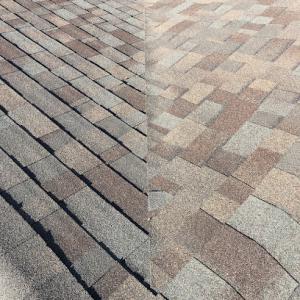
Built Wright Homes
(406) 438-2159 builtwright.com
1943 Main St, Billings, Montana
5.0 from 70 reviews
At Built Wright Homes & Roofing, Inc., we proudly serve Billings and nearby communities like Laurel, Lockwood, Shepherd, Huntley, and the Heights. We specialize in full roof replacements, roof repairs, inspections, storm damage repair, and flat roofing systems built for Montana weather. Our team installs Owens Corning Class Four Shingles, Metal Roofing and TPO. We install precision-cut seamless gutters and durable siding for homes and businesses. We’re local, licensed, and family-run—offering fast estimates, honest pricing, and quality that lasts. Call today and see why Billings trusts Built Wright. 406-438-2159

Kirkness Roofing
(406) 295-6316 kirknessroofing.com
144 Moore Ln, Billings, Montana
4.9 from 183 reviews
Kirkness Roofing has been providing exceptional residential and commercial roofing services to our communities since 1978. We are a locally-owned and family-operated roofing company that has been serving Billings, MT, and surrounding neighborhoods for over 44 years. Since our beginnings, our customers have relied on us for dependable home improvement services, from roof repairs and replacements to siding and gutter installations. Our job is to not only meet your roofing and home exterior needs, but to go the extra mile to exceed them. We remain one of the most dependable roofing companies in South Central Montana because our high standards for excellent customer service and superior craftsmanship have never changed. We never comprom...
MJB Trades
1137 29th St W, Billings, Montana
4.9 from 61 reviews
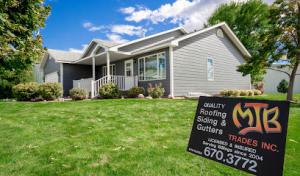
MJB Trades provides residential and commercial roofing, siding, and gutter services to Yellowstone County, MT, and surrounding areas.
Sterling Roofing
(406) 998-4134 sterlingroofingmt.com
3645 South 56th St W Unit 2, Billings, Montana
5.0 from 36 reviews
With over 30 years of experience in the roofing and exteriors industry, Sterling Roofing has the knowledge and expertise to get your project done right the first time. We cover all of your roofing and exterior needs from minor repairs to complete replacements and work with you on insurance claims to ensure you can protect your home. We take every job seriously and care about our clients as if they are family. Give us a call today to schedule your free estimate! We service Central-Eastern Montana, as well as Northern Wyoming, and surrounding areas.
Billings Roofing Company
(406) 540-9137 www.billingsroofs.com
Billings, Montana
5.0 from 53 reviews
Billings roofing company prides itself in being the #1 roofing contractor in all of the Billings area. We have installed countless roofs for residential and commercial properties throughout Billings and have received nothing but the best feedback from our customers. Our team of skilled roof install professionals will do the job quickly, efficiently, and the price will be very fair for the quality of work we offer. Whether you are in need of an asphalt shingle roof for your home or a new metal roof for your business, we can install them all! Give us a call today and we can provide you a free, no obligations quote on your roof for any roof repair, inspection, or installation needs.
Rain Traxx Roofing & Gutters
9947 Rudio Rd, Billings, Montana
4.8 from 37 reviews
Rain Traxx Roofing & Gutters offers residential and commercial roofing services in Billings, MT. We also offer gutter services. Call for a free estimate!
Infinity Roofing & Siding
(406) 545-2223 www.infinityroofer.com
2116 Broadwater Ave # 210, Billings, Montana
4.8 from 29 reviews
Since 2004, Infinity Roofing & Siding has been a friendly, family-owned roofing company serving homeowners and business owners across the country. We know that the only thing worse than a leaky roof is unqualified, unprofessional, and uncaring roofers—and we’ve worked hard to build our reputation as the industry experts nationwide!
Swagg Roofing & Siding
(406) 578-5586 swaggroofing.com
27 Wicks Ln, Billings, Montana
4.6 from 84 reviews
Swagg Construction is the premier destination for top-tier roofing services in Billings, MT. We take pride in our unparalleled expertise and commitment to excellence. Specializing in roofing, gutters, siding, and more, we stand as the undisputed leader in the industry. With a team of highly skilled professionals and a dedication to superior craftsmanship, we ensure that every project is executed with precision and care. Whether you need roofing repairs, gutter installations, or siding replacements, Swagg Construction is your trusted partner for all your construction needs.
Sprague Roofing
(406) 534-1222 spragueroofingmt.com
2120 Main St, Billings, Montana
4.6 from 99 reviews
At Sprague Roofing & Restoration in Billings, Montana, we deliver expert roofing, siding, windows, doors, and full exterior restoration services to homeowners and businesses across Billings, Laurel, Shepherd, and the greater Yellowstone County area. Whether you need storm or hail damage repair, a full roof replacement, siding upgrades, or routine maintenance, our GAF-certified team provides premium materials, dependable craftsmanship, and guidance through the insurance claims process. From residential and commercial roofing to energy-efficient windows and exterior enhancements that boost curb appeal, we offer reliable exterior solutions designed to protect and elevate properties throughout the Greater Billings region.
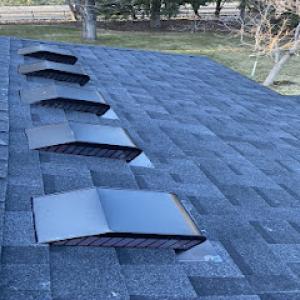
Donahue Roofing & Siding
(406) 248-5428 calldonahue.com
3970 Avenue D Suite D, Billings, Montana
4.5 from 88 reviews
Since 1997, Donahue Roofing and Siding has delivered quality roofing solutions with top craftsmanship and superior client care. These values have made us one of the region's largest and most respected roofing and siding companies.
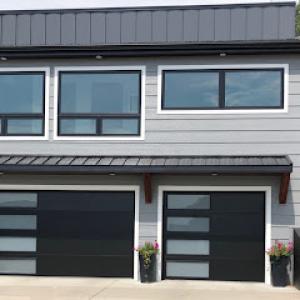
Exterior Design Solutions
(406) 702-0596 exteriordesignsolution.com
1834 Grand Ave, Billings, Montana
4.6 from 48 reviews
Exterior Design Solutions is dedicated to revolutionize the look of your home. Whether you are needing windows, roofing to siding we are here for all your exterior needs. Our dedicated team are experienced professionals that have been working in the Billings Montana area for over 1O years. Our team has over 40 years of combined professional experience.
Late spring through early fall is the preferred window for a full roof replacement in this climate. Cold-weather installation brings freezes and snow that slow work, complicate moisture control, and can affect warranties. When planning, target a stretch when soils are dry, temperatures are reliably above freezing, and crews can work without interruptions from sudden storms. In practice, that means late May through September is the most efficient period for a complete tear-off, deck inspection, and re-cover without fighting winter disruption.
Spring thaw and seasonal rain are a factor you should plan around. Access for tear-off crews can be delayed if ground conditions are soft or muddy, and once old roofing is removed, hidden decking moisture issues may become apparent. If moisture is found, it may require quicker grading or dehumidification steps to prevent mold or deck rot from compromising the new roof system. Have a trusted moisture check and signage plan in place so crews can address any decking concerns before the new underlayment and shingles go on.
Hot summer conditions can accelerate asphalt handling concerns and place additional stress on exposed metal edge components during installation. When temperatures rise, underlayment and blackout papers can stretch or wrinkle, and sealants may cure faster than expected, changing the installation rhythm. Plan for longer midday pauses, secure edge metal carefully, and ensure that fasteners chosen for the project are compatible with high heat. This helps prevent edge warping and premature lift as the roof breathes in the heat of the peak season.
A practical approach is to stage work to avoid back-to-back rain or extreme heat. Start with deck inspection and repairs on dry days, move to underlayment installation during a cooler stretch, and reserve shingle installation for moderately warm, dry days. This sequencing reduces the risk of trapped moisture and minimizes exposure of vulnerable layers to sun and heat. If a storm rolls in, temporary protective measures should be ready to shield fresh underlayment and the sheathing from wind-driven rain.
After a hail or wind event, readiness for a fast triage becomes essential. Have a plan to secure the site quickly, document any damage with photos for insurance, and flag potential moisture or structural concerns before tear-off begins. A swift initial assessment helps prioritize which sections to remove first, how to stage replacement materials, and where to deploy protective tarps so the interior remains shielded during the window between damage assessment and full replacement.
The local housing stock often features varied pitches and venting configurations. Ensure the chosen roof system accommodates the common pitch ranges and vent layouts found on nearby homes. Compatibility with existing chimneys, skylights, and attic venting reduces disruption and helps the project stay on track during Billings's shoulder-season weather swings. The best window aligns with predictable spring and fall conditions while offering resilience against the high plains sun and spring hail that define the area.
Asphalt shingles are a common sight in many homes and provide solid year-round performance. In a climate characterized by spring hail, winter snow, and high summer sun, the key factor is impact resistance and heat aging. Look for architectural or fiberglass shingles with higher impact resistance ratings and higher solar reflectivity or lighter colors to reduce heat buildup on attic spaces. Panels that incorporate a polymer or modified bitumen layer can also improve hail resilience without adding major weight. When evaluating options, pay attention to the shingle granule uniformity and the strength of the asphalt bond, because hail can loosen or dislodge weaker laminates. In areas with intense sun, consider shingles that include UV stabilizers and heat-aging warranties, and be mindful that some lighter colors may show streaking or fading over time. Proper attic ventilation and underlayment compatibility are essential to maximize a shingle roof's lifespan in this climate.
Metal roofing stands up well to both snow and hail, offering excellent longevity and wind resistance when installed correctly. In this region, the hot summer sun can cause thermal expansion and contraction, so edge detailing, panels alignment, and flashing integrity matter a great deal. Choose metal profiles with proven panel-fastener systems and corrosion-resistant coats that resist the occasional hail impact without deforming. Pay particular attention to the roof-to-wall transitions, skylight and vent penetrations, and chimney flashings. Heavy-duty seams and properly sealed ridge caps help prevent leaks during rapid temperature swings. If a metal roof is new to an existing structure, ensure the structural deck and supporting framing can accommodate the weight, and verify that fasteners and sealants chosen for the system perform well in freeze-thaw cycles. A well-sealed metal roof can dramatically reduce attic heat gain and ice dam risk when paired with a robust insulation and ventilation strategy.
Clay tile, concrete tile, and slate bring exceptional durability and a distinct look, but they demand careful planning in this market. The weight is substantial, and in older or lighter-framed homes, structural reinforcement may be required to meet the load. In many cases, local practice involves plan review or added inspections if substantial structural changes accompany a heavy roof retrofit. If a heavy material is considered, consult a structural engineer early to confirm attic and rafter capacity, seismic provisions, and proper attachment methods for the fastened tiles or slates. Edge protection and proper underlayment remain crucial, as wind-driven hail can pry at mounting points. For homes with existing underlayment or mismatched deck support, expect targeted reinforcement around hips, valleys, and roof penetrations. With the right planning, these heavier options deliver long service life and a bold curb appeal, while still performing in the city's volatile spring-to-summer transitions.
For asphalt shingles, expect about 350 to 650 USD per square, installed. Metal roofing runs higher, from roughly 700 to 1400 USD per square. If clay tile is in the mix, costs typically land between 1000 and 2000 USD per square, while concrete tile comes in around 1200 to 2300 USD per square. Synthetic or composite shingles sit in the middle, about 450 to 900 USD per square, and slate can push toward 1400 to 2500 USD per square. These figures reflect typical Billings materials and the kind of durability homeowners aim for with the semi-arid High Plains climate-where spring hail, winter snow, and summer sun all test the same roof.
Spring hail events can tighten up availability and push pricing pressure for a window or two as crews shift to address storm demand. The ripple effect isn't permanent, but it can mean shorter lead times and busier crews during post-storm weeks. If a hail season hits hard, plan for potential faster scheduling and a premium on expedited service. In other words, you may pay a bit more for a quicker start on a replacement after a hail event, versus waiting through slower parts of the year.
If the project includes structural changes-like repairing damaged decking, addressing sag or substrate issues, or upgrading underlayment-the overall cost will rise beyond straightforward re-roofing. These scenarios require additional materials, labor, and longer job timelines. In Billings, those extra steps are visible in the final numbers, even before any cosmetic considerations like color or style are chosen.
Your choice of material drives the bulk of the cost, but climate realities matter too. Asphalt shingles are a reliable, cost-conscious choice with solid hail resistance when properly installed. Metal offers long life and strong hail performance but at a higher upfront price. Clay and concrete tiles deliver distinct aesthetics and durability but add weight and installation complexities. Synthetic shingles balance cost and performance, while slate remains the premium option with the highest price tag. In practice, a Billings home often pairs a durable underlayment and solid fasteners with a material that suits both the budget and the roof's exposure to sun, wind, and hail.
Don't let upfront costs delay a critical repair - these contractors offer payment plans to fit your budget.
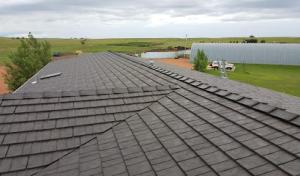
A full roof replacement in Billings requires a permit through the City of Billings Building Department. This is not a mere formality; obtaining a permit helps ensure the work meets local wind, snow load, and moisture protection standards that are tailored to the semi-arid High Plains climate. The permit process also provides a traceable record for future home transactions and insurance verification after hail storms or heavy snow events. Before any shingle tear-off or material delivery, coordinate with the city to avoid delays.
Inspections occur during and after the roofing project to verify installation details such as flashing, ventilation, and overall code compliance. In practice, this means the inspector may review stack flashings around chimneys and vent pipes, ensure proper eave and soffit ventilation, and confirm correct underlayment and fastener patterns for the chosen roofing material. In Billings, the timing of inspections can hinge on favorable weather windows, so plan for the possibility of scheduling adjustments around storm systems and temperature swings. Clear access to the roof and attic is essential for a smooth process.
A final inspection confirms the roof system is fully integrated with the building envelope, including flashing transitions at hips, valleys, and rooftop penetrations. The inspector will also check roof-to-wall details, drip edge installation, and proper attic venting to prevent moisture buildup in the winter when snow loads are at their peak. If inspections pass, you receive the certificate of completion necessary for your records and any warranty documentation you plan to rely on after severe spring hail or seasonal freeze-thaw cycles.
If a Billings roof project involves structural changes-such as a decked-out attic dormer, truss modification, or substantial rafter work-the city can require plan review or additional inspections beyond the standard roofing inspection flow. In those cases, expect a more detailed review of framing connections, load paths, and mechanical integration with the building's framing. Early coordination with a licensed structural professional helps keep the project on track and reduces the risk of unexpected hold-ups during permit review or interim inspections.
Start by selecting a contractor who is familiar with local permit workflows and can provide a clear checklist of permit submittals, including roof geometry, ventilation strategy, and flashing details. Schedule your project with a window in Billings' spring and early summer weather to minimize weather-driven delays. Maintain tidy roof edges, clear access for inspectors, and ready documentation of any hail-damage evidence to support post-storm insurance claims if needed. Keeping this process organized helps you move from permit intake to a solid, code-compliant roof efficiently.
Billings sits in a Montana insurance environment where hail and wind roof claims are common, so insurers often scrutinize roof condition and storm-date documentation closely. After a hail event, the clock starts ticking on when a claim is filed, and that timing can influence both approval and scope. The weather pattern here- spring hail, winter snow and ice, and blistering summer sun-means storms arrive with short windows for evaluating damage while the roof is at its most vulnerable. A homeowner who understands that scrutiny is better prepared to respond quickly and calmly when a storm hits.
Adjusters handling Billings-area hail losses may apply damage guidelines and depreciation that affect whether the outcome is a full replacement or a more limited scope. Damage can appear deceptively minor from the ground, but a closer walk across every slope, every vent Flashing, and every soft metal detail often reveals the true extent. The difference between a full replacement and a partial repair can hinge on the condition of shingles or tiles at storm-date versus today, so precise notes matter. A thorough, dated record helps avoid surprises when the claim moves from initial assessment to final determination.
Homeowners in Billings benefit from documenting all roof slopes, soft metals, gutters, and interior leak evidence immediately after a storm because claim timing can influence approval and scope. Start with clear photos taken from multiple angles, including attic signs of moisture or staining, and note the date and storm path if known. Keep a simple log of any visible changes over the next few days, and share that with the insurer promptly. Quick, consistent documentation supports a clearer picture for the adjuster and helps prevent a delayed or narrowed settlement.
Connect with contractors who help homeowners navigate the claims process from damage assessment to final approval.

Wegner Roofing & Solar
(406) 850-9842 wegnerroofing.com
2913 Millennium Cir, Billings, Montana
4.9 from 1101 reviews

Kirkness Roofing
(406) 295-6316 kirknessroofing.com
144 Moore Ln, Billings, Montana
4.9 from 183 reviews
Spring in the High Plains brings a tricky mix: snow cover that lingers, then thaw cycles that can drive meltwater under shingles or flashing. In a typical Billings winter, ice dams form when meltwater refreezes at the eaves as temperatures drop, forcing water back under the edges of the roof. This is not just surface damage; moisture can travel into attic spaces and accruing on the deck can lead to hidden rot and insulation saturation. The consequence is slow-growing leaks that can appear long after a storm, sometimes weeks later, complicating diagnosis and repair.
Leak complaints in this climate often arise from moisture trapped at the roof deck during prolonged cold periods, rather than obvious sun-damaged shingles. When the snow finally melts and the attic warms, hidden moisture can reveal itself as staining, musty odors, or damp insulation. If ice dams bonded to the decking have persisted through winter, the risk of mold and wood deterioration increases. In short, what's unseen under snow can become a noticeable problem once spring thaws begin.
Post-winter inspections are especially useful because spring thaw can reveal flashing failures and decking issues that were hidden under snow. Look for telltale signs like staining along eaves, cracked or lifted flashing near chimneys and vents, and any soft or squeaky decking around the attic access. Prioritize areas around roof penetrations where vent pipes, chimneys, and skylights meet the roof plane. A careful inspection should extend into the attic: check for condensation, frost buildup, and any damp insulation or darkened plywood. Addressing flashing and deck issues early helps prevent more invasive damage once summer sun returns.