Roofing in Montana
Last updated: Feb 28, 2026
Montana winters have a way of reminding you who owns the roof—the kind of reminder that arrives with heavy snows, extended freezes, and winds that threaten to lift shingles off the ridge. In our Big Sky country, a roof is more than curb appeal; it's a line of defense against ice dams, hail racks, and sun that can bake shingles in the summer. That practical reality shapes every roofing decision—from material choices to underlayment and maintenance timing. On this Montana page, you'll find guidance that sounds like it came from a friendly neighbor who also runs a local roofing business: honest, down‑to‑earth, and rooted in real-world results. Consider this your warmly local welcome to a smarter, longer-lasting roof.
Here's a quick preview of what the page covers—without getting lost in jargon. You'll get an at-a-glance view of Montana's climate and how it affects roofing, plus recommendations for materials that hold up here. We'll look at popular roof styles and architectural trends you're likely to see in towns and ranches across the state. You'll get a sense of typical costs in different Montana regions, a practical rundown of permits and local regulations, and common problems like ice damming, wind uplift, and hail damage—and straightforward fixes. You'll also find maintenance and repair tips tailored to our seasons, guidance on when to repair versus replace, and advice on when it's wise to hire a professional.
All of this advice is tailored to Montana's conditions and supported by local resources—think nearby suppliers, inspectors, and fellow homeowners who've handled what you're facing. The goal is to help you make informed decisions that stand up to harsh winters, hot summers, and the occasional severe storm, with steps you can actually follow.
With that foundation, let's start by looking at how Montana's climate shapes the roof over your head.
Local Climate & Its Impact on Roofs
Snow Loads & Freeze-Thaw Realities
- Montana's winter climate varies by region, but heavy snow is common in the mountains and can weigh heavily on roofs. Local building codes account for snow loads, but exact requirements depend on your area—check with your city or county building department or a structural professional.
- Freeze-thaw cycles drive ice damming and roof edge damage. Melting snow refreezes at the eaves, pushing moisture under shingles and into the roof deck if insulation or ventilation is inadequate.
- Temperature swings can stress roofing materials and flashing. Plan for a roof that handles abrupt shifts between bitter cold and bright sun.
Ice Dams, Ventilation & Insulation
- Ice dams are a frequent Montana concern. Without proper attic insulation and roof ventilation, warm ceilings melt snow that refreezes at the eaves, causing leaks and potential wood rot.
- What to do:
- Ensure your attic has sufficient insulation (aim for current code recommendations in your area) and continuous ventilation to keep the roof cold.
- Consider ice and water shield along eaves and in valleys where ice damming is most likely.
- Keep gutters clear so meltwater can flow away from the roof edge.
Wind & Hail Considerations
- Plains and foothill areas can experience strong, gusty winds. Wind-driven rain or hail can lift shingles and loosen flashing.
- Hailstorms are a real risk in many Montana counties. Choose roofing materials with good impact resistance and strong fasteners in hail-prone zones.
- Practical steps:
- Use wind-rated shingles and properly sealed flashing around chimneys, vents, skylights, and facias.
- Install snow guards or deflectors on steep, exposed roofs to control snow movement and reduce ice dam risk below.
- In hail-prone areas, consider impact-resistant shingles (Class 3–4) or metal roofing for longer-term resilience.
Temperature Swings & Material Behavior
- Chinook winds and sun exposure can cause rapid warming in winter, accelerating expansion and contraction of roofing materials.
- Select materials with proven performance in cold climates and ensure installation allows for movement due to thermal cycling.
- Maintain good flashing details at valleys, hips, and penetrations to prevent leaks as the roof expands/contracts.
Material & Design Considerations for Montana Roofs
- Metal roofs: Excellent for shedding snow and resisting wind; durable and long-lasting, but may require sound attenuation and careful attic ventilation.
- Impact-resistant shingles: Class 3–4 asphalt or polymeric shingles provide better hail resistance in exposed areas.
- Underlayment: High-quality synthetic underlayment plus ice and water shield where ice dam risk is highest.
- Fasteners & sealants: Use corrosion-resistant fasteners and sealants rated for freeze-thaw cycles.
- Snow guards: Essential on many slopes to keep heavy snow from a single avalanche off the lower edge.
Maintenance & Inspection Steps
1. After major snow events, inspect for obvious damage, loose flashing, or missing shingles; address promptly.
2. Clear gutters and downspouts to ensure proper drainage and reduce ice dam risk.
3. Verify attic insulation and ventilation are functioning; improve if you notice interior condensation or attic heat loss.
4. Schedule a professional roof inspection every 3–5 years, or after severe hail or wind storms, to catch latent damage.
5. If you have solar arrays or rooftop equipment, have the mounting and flashing checked for wind and snow load integrity.
Official Resources
- Building Codes and snow-load guidance (Montana):
- National Weather Service and official weather hazards for Montana: (check your local office for Montana-specific advisories)
- Roof material selection and installation considerations for cold climates (general guidance; verify with local code): consult local contractors and the Montana building department for code-compliant choices.
Recommended Roofing Materials for Montana
Montana climate demands
Montana winters bring heavy snow, freezing temperatures, and strong winds, while summers can be hot and dry. Hail is a real concern in many regions, and roofs endure wide temperature swings. Choose materials that handle snow load, wind uplift, hail impacts, and rapid heat/cold cycles. Proper underlayment, ventilation, and installation are as important as the material itself.
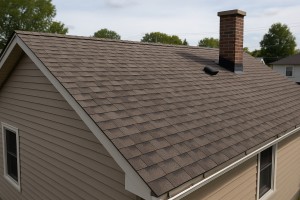
- Why they work: A solid, budget-friendly option that's easy to source and repair. When you choose impact-resistant shingles (UL 2218 Class 3 or 4) and wind-rated options, they hold up better to hail and windy MT days.
- Pros: Affordable upfront, wide color palette, easy repairs, compatible with many roof pitches.
- Cons: Lifespan is shorter than metal or slate in extreme weather; color fade possible with sun; may need replacement after severe hail.
- Best practices: Use architectural/dimensional shingles, ensure quality underlayment, wind-rated fasteners, and proper attic ventilation to help curb ice dam risk.
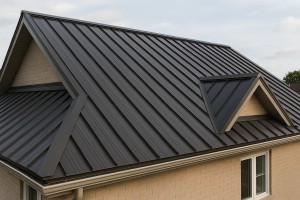
- Why they work: Standing-seam steel or aluminum roofs excel in MT winters and hailstorms. They shed snow, resist wind uplift, and can last 40–70 years with proper coating.
- Pros: Exceptional durability, low maintenance, high hail resistance, potential energy savings with reflective finishes.
- Cons: Higher upfront cost; can be louder during rain/snow without adequate decking or insulation; color fading over time.
- Best practices: Choose a factory-applied coating suited to MT exposure, ensure solid underlayment, and hire installers familiar with Montana snow loads and thermal movement.
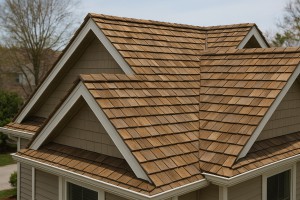
- Why they work: Aesthetic appeal with good insulation when installed with proper underlayment.
- Pros: Distinctive look, natural insulation benefits when well maintained.
- Cons: Fire risk in dry areas; higher maintenance; moss and mildew in damp MT winters; hail damage possible; shorter lifespan without upkeep.
- Best practices: Use fire-retardant-treated shakes or two-coat premium shakes, maintain with anti-moss treatments, and inspect after hail events.
Slate or synthetic slate
- Why they work: Slate offers outstanding durability and hail resistance with long lifespan.
- Pros: Very long life (60–100+ years), fireproof, upscale appearance.
- Cons: Very heavy and expensive; requires structural evaluation; real slate can be fragile under severe impact.
- Best practices: For MT, consider high-quality synthetic slate if budget or structure limits real slate; ensure professional installation and loading calculations.
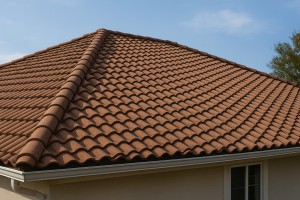
- Why they work: Durable in hot sun and delivers a distinct look.
- Cons: Very heavy; freeze-thaw cycles stress tiles and substrate; not ideal for most MT residential roofs.
- Best practices: Only choose if the structure is designed for heavy tile and the area isn't prone to extreme freeze-thaw damage.
Synthetic shingles and composites
- Why they work: Modern composites can mimic slate or wood with higher impact resistance and lower maintenance.
- Pros: Good hail resistance, lighter weight, often solid warranties.
- Cons: Varied long-term performance; possible color fading.
- Best practices: Look for Class 4 impact rating and strong manufacturer warranties; ensure proper installation.
Snow and ice management considerations
- Ice/water shield: Install along eaves (at least 24 inches up from the fascia) to prevent ice dams in deep snow.
- Ventilation: Ensure the attic is properly vented (ridge and soffit vents) to minimize ice dam risk.
- Snow guards: Consider guards or retaining systems to control snow movement and prevent damage or injury.
- Gutter management: Keep gutters clear to reduce ice dam formation and ensure proper drainage.
Steps to choose the right material (quick guide)
1) Assess local snow load, wind, hail history, and tree shading on your roof.
2) Check structural capacity for weight (especially for slate, clay, or tile).
3) Prioritize hail resistance and wind uplift ratings.
4) Match maintenance tolerance and budget with expected lifespan.
5) Hire a Montana‑experienced roofer for proper installation and warranty.
Popular Roof Styles & Architectural Trends in Montana
Common roof styles in Montana homes
Montana weather, with heavy snow, wind, and wide temperature swings, favors roof lines that shed snow, resist uplift, and maximize energy efficiency. Here are the styles you'll see most often:
- Gable roofs with steep pitches (roughly 6/12 to 9/12) shed snow well and provide usable attic space.
- Cross-gable and multi-gable designs add character and help direct snow away from entryways.
- Hip roofs offer better wind resistance on exposed plains and ridgelines.
- Shed roofs or mono-pitch additions give a modern or rustic lodge look and work well for additions.
- Dormers add light, headroom, and usable space in attic rooms.
- Combination or compound roofs on lodge-style and hillside homes maximize drama while improving drainage.
Snow and wind are constant considerations here, so roof shapes with clean drainage and strong edges perform best. Short, low-slope sections are common for modern cabins, while traditional homes favor higher pitches for snow shedding and attic space.
Materials that perform well in Montana's climate
Choosing the right roofing material makes a big difference in maintenance and longevity. Consider these options and how they pair with your home style:
- Asphalt shingles (architectural / 30-year) with a good ice/water shield along eaves.
- Standing-seam metal roofs: durable, highly resistant to wind uplift, and excellent for snow shedding.
- Cedar shakes: offer a warm, rustic look; higher maintenance and fire risk; many homeowners opt for treated or synthetic shakes.
- Composite or engineered shakes: a good balance of appearance, durability, and lower maintenance.
- Slate or high-end stone-coated steel: premium options for luxury cabins or custom homes; heavy and costly.
- Clay or concrete tiles: less common in colder climates due to weight and expansion, but can be used on certain designs with proper structure.
Metal roofs are increasingly popular in Montana for long life and reliable snow shedding, while asphalt remains a budget-friendly workhorse for many neighborhoods. Fire considerations and local HOA guidelines may steer choices in wildfire-prone or subdivision settings.
Architectural trends shaping Montana homes
Local trends blend rugged landscape aesthetics with modern efficiency. Expect these styles:
- Mountain modern: clean lines, large windows, timber accents, often paired with metal or dark shingles.
- Rustic lodge: heavy timber, natural stone, and shake or metal roofing to fit mountain scenery.
- Craftsman and bungalow: broad eaves, exposed rafter tails, and welcoming front porches; shingles or low-profile metal can fit.
- Prairie and farmhouse revival: wide, low profiles with dormers and metal or lighter shingles for contrast.
- Solar-ready and energy-efficient designs: roof layouts that optimize solar panel placement, accessible attic ventilation, and reflective or cool roof colors.
Clear lines and thoughtful textures are popular, with the roof often acting as a statement piece that complements timber, stone, and expansive windows.
Snow load, wind, and energy efficiency considerations
Montana winters demand attention to protection from ice dams and uplift. Keep these in mind:
- Steeper pitches (6/12–9/12) help with snow shedding; metal roofing shines here.
- Proper underlayment and continuous attic ventilation prevent ice dams.
- Wind uplift resistance: secure fasteners and roof geometry in exposed areas.
- Ice guards at eaves and around penetrations reduce water intrusion.
- Snow guards and rake boards help keep snow from sliding unpredictably off the roof.
- Color and finish choices can influence heat gain and year-round energy use.
Practical planning steps for homeowners
Following a simple checklist helps ensure the right choice:
1) Assess your mountain climate, elevation, and typical snow loads for your area.
2) Choose a roof style that sheds snow and withstands local wind patterns.
3) Pick materials with proven performance in Montana (balance cost, lifespan, maintenance).
4) Plan for ventilation, insulation, and proper attic sealing.
5) Consider solar readiness and potential panel placement during design.
6) Work with a local, experienced roofer who understands Montana microclimates.
Average Roofing Costs in Montana
Typical installed costs by material (per square)
- Asphalt shingles (standard 3-tab): $350–$600 per square (100 sq ft) installed.
- Architectural/dimensional asphalt shingles: $450–$750 per square.
- Metal roofing (steel or aluminum): $700–$1,400 per square.
- Cedar shake/shingle: $600–$1,100 per square.
- Clay or concrete tile: $1,000–$2,000 per square.
- Slate: $1,000–$2,000 per square.
Notes:
- A square equals 100 sq ft. Prices shown include materials and professional installation, but may exclude certain add-ons.
- Removal and disposal of an old roof can add to the per-square cost. See next section for tear-off specifics.
Tear-off, disposal, and add-ons (rough ranges)
- One-layer tear-off and disposal: add roughly $100–$150 per square.
- Two layers or more: add roughly $200–$350 per square.
- Ice/water shield and improved underlayment (essential in Montana winters): add $0.50–$2.00 per sq ft.
- Valleys, chimneys, skylights, or dormers: expect extra flashing, sealing, and labor—often $300–$1,000 per feature, depending on complexity.
- Ventilation and insulation upgrades (if needed for energy codes): $500–$2,000 total, depending on attic size and existing setup.
Regional variations across Montana
- Western Montana (Missoula, Kalispell, Glacier corridor): costs tend to land in the middle to upper end of the ranges due to strong demand and travel time. Expect occasional 5–15% variability based on local crews and supply.
- Eastern Montana (Billings, Billings metro area, Great Falls): similar ranges, with potential for higher quotes in remote towns or during peak storm recovery seasons.
- Seasonal and access factors: Montana's short installation window (late spring to early fall) can push prices upward when demand spikes and crews are scarce.
- Local supply: rural crews may charge travel or setup fees; ensure bids account for access, equipment, and site cleanup.
Climate, design, and local considerations that influence cost
- Weather resilience: Montana winters demand durable underlayment, robust ice barriers, and improved flashing, which adds to material and labor costs.
- Snow load and pitch: steeper or more complex roofs require more materials and greater labor time, driving up per-square pricing.
- Hail-prone areas: select impact-resistant shingles or metal; these options sit at the higher end of the cost spectrum but can reduce long-term repair risk.
- Ice dam prevention: in cold zones, expect additional rafter venting, insulation, and temperature-regulating measures.
- Roof style and complexity: ranch, bungalow, or modern lines with multiple dormers, peaks, or a hip roof add seams, valleys, and flashing—raising overall costs.
- Local codes and warranties: Montana municipalities may have specific requirements for underlayment, nailing patterns, and attic ventilation; verify with your contractor and confirm warranty coverage.
How style and architecture affect pricing
- Low-slope or flat sections: often require different underlayment and drainage considerations, affecting price.
- Dormers and skylights: each feature increases cutouts, flashing detail, and potential insulation work.
- Historic or custom homes: may necessitate premium materials or matched profiles for a seamless look, increasing cost.
Quick cost-estimation steps
1. Measure roof area in squares (100 sq ft each) and note pitch and complexity.
2. Pick a material type and review its installed per-square price range.
3. Decide whether you'll need tear-off/removal and any add-ons (ice shield, vents, flashing).
4. Consider climate-driven needs (snow, ice dam protection) and architectural features.
5. Gather 3–5 local quotes that specify materials, scope, and warranties to compare apples-to-apples.
Permits & Local Regulations
Do I need a permit?
- In Montana, most roof replacements, decking changes, or structural upgrades require a building permit from your local jurisdiction.
- Minor cosmetic repairs generally don't require a permit, but many counties still require permits for anything that affects roof ventilation, flashing, or structural integrity.
- If you're unsure, err on the side of caution and contact your local building department before starting. They'll confirm whether a permit is needed and what inspections will be required.
Where to apply
- Start with the local building department that covers your property:
- If you live in an incorporated city (Bozeman, Missoula, Billings, etc.), contact the city building department.
- If you're in an unincorporated area or a rural county, contact the county planning/building department.
- Quick call or email: ask for the permit type for a roofing project, required documents, fees, and inspection schedule.
- Some jurisdictions offer online permit portals; check your city or county website for a permit application and submission checklist.
What you'll typically need to apply
- A completed permit application and a clear project description.
- A site plan or roof plan showing scope, dimensions, and access.
- Contractor information: license number (and the company name), proof of workers' compensation insurance, and general liability coverage.
- Material specs: shingle type, underlayment, flashing details, ventilation plan, and attic insulation details.
- Structural notes or calculations if you're changing decking, adding vents, or altering roof load (snow/wind considerations).
- If applicable, engineering drawings or stamped plans for any structural changes.
- HOA and historic district approvals, if required by your municipality.
- Fees: permit fees and any plan-check or inspection fees; budget for multiple inspections.
Inspections you can expect
- Plan review: the department checks that your plans meet code requirements before issuing a permit.
- Construction inspections (at key milestones):
- Roof installation/underlayment and flashing inspection.
- Ventilation and attic insulation inspection.
- Final inspection after the roof is installed and all work is complete.
- Have access to the site and keep all records ready (permits, plans, inspection notices) in case the inspector asks for documentation.
- If issues are found, you'll get a re-inspection notice and a corrective-action list to complete before final approval.
Common exemptions & gotchas
- Exemptions vary by county. Some rural areas might allow limited reroof projects without a permit, but most Montana jurisdictions require permits for roof replacements to ensure proper installation standards.
- Solar installs, skylights, or significant flashing changes may require additional permits or special inspections.
- Historic districts or neighborhoods with a homeowners association can impose extra approvals; check both the HOA rules and local historic guidelines.
- Permit expiration: if work stalls or doesn't begin within the permit's valid period, you may need to renew or reapply—budget time for potential extensions.
Tips for a smooth permit process
- Do your homework: call ahead, ask for a checklist, and confirm the exact documents needed.
- If you hire a contractor, verify their Montana license and request a copy of their insurance certificate and a written scope of work that matches your plans.
- Document weather-related or ventilation details in writing; clear notes help with inspections and approvals.
- Schedule inspections promptly to avoid delays; many departments offer online scheduling or after-hours options.
When to involve a professional
- If you're unsure about code requirements, snow-load considerations, wind uplift ratings, or ventilation needs, enlist a licensed contractor or a design professional.
- For anything beyond cosmetic replacement, professionals can help you prepare stamped plans or engineered notes, which can speed up plan review and inspections.
Common Roofing Problems in Montana & Solutions
Ice Dams & Snow Load
Montana winters bring heavy, wet snow and rapid temperature swings that can create ice dams and stress roof systems. Ice dams form when attic heat melts snow near the eaves, which refreezes and pins water against the roof deck.
- What to look for
- Icicles hanging from the eaves, water stains on ceilings or walls, or soft spots along the roof edge.
- Excess snow buildup on the roof, especially near the drip edge.
- Solutions
- Insulate and seal the attic to reach at least R-38, and close gaps around around chimneys, pipes, and light fixtures.
- Improve attic ventilation with a balanced system (soffit intake plus ridge exhaust) and install baffles where needed.
- Install ice and water shield along eaves and extend up the roof line on re-roofs to protect vulnerable areas.
- Use a lightweight roof rake from ground level to remove fresh snow after storms; avoid sharp axe-like removals.
- Schedule a professional roof inspection after heavy storms to assess deck integrity and leaks.
Hail Damage & Impact
Hail is common in Montana plains and can dent or puncture roofing material, accelerating wear and leaks.
- What to look for
- Cracked, curled, or missing shingles; dented gutters, vents, and metal flashing; granule loss in shingles.
- Solutions
- Have a licensed roofer perform a post-storm inspection and document damage for insurance.
- Replace severely damaged shingles and reseal flashing; check underlayment for damage.
- Consider impact-resistant shingles (Class 4) for new roofs or when replacing a roof in hail-prone areas.
- Inspect attic insulation and ventilation to reduce condensation and hidden moisture.
Wind Damage & Shingle Uplift
High winds on Montana ridges and plains can lift edges, loosen fasteners, and peel away flashing.
- What to look for
- Lifted tabs, curling edges, exposed nails, missing granules, or leaks around vents and chimneys.
- Solutions
- Ensure proper nail spacing and fastening according to manufacturer specs; replace loose or missing nails.
- Re-seal all flashing around chimneys, vents, and skylights; repair or replace damaged flashing.
- If wind-prone, upgrade to wind-rated shingles or switch to metal roofing in exposed areas.
- Secure gutters and downspouts so they don't act as sail in high winds.
Freeze-Thaw & Cracking
Temperature swings cause water to expand and contract, leading to cracked shingles and deteriorated sealants.
- What to look for
- Fine cracking in asphalt shingles, loose sealant at joints, or leaks around flashing during thaw cycles.
- Solutions
- Replace cracked or curled shingles promptly to prevent leaks.
- Use flexible roof sealants for small gaps and ensure proper flashing around penetrations.
- Keep roof surface clean of debris that traps moisture and accelerates freeze-thaw damage.
- Maintain a dry, well-ventilated attic to minimize interior condensation that worsens freezing issues.
Ventilation & Moisture Problems
Poor attic ventilation causes condensation, mold growth, and premature decking deterioration, complicating other issues like ice dams.
- What to look for
- Condensation on sheathing, musty attic smells, or stained rafters; warped decking or mold on insulation.
- Solutions
- Ensure a balanced combination of soffit intake and ridge exhaust vents.
- Add attic baffles where insulation blocks airflow to the peak.
- Verify exhaust fans (bathroom/kitchen) vent to outside and not into the attic.
- Seal obvious air leaks from living spaces into the attic.
Gutter & Drainage Problems
Ice buildup, debris, and improper drainage can back up water under shingles and into the fascia.
- What to look for
- Clogged gutters, sagging sections, ice buildup along eaves, or water seepage at fascia.
- Solutions
- Clean gutters and downspouts at least twice a year; remove leaves and debris in fall.
- Extend downspouts away from the foundation and angle them to move water away from the house.
- Consider heated cables for critical sections in very snowy pockets (follow safety guidelines).
- If gutters are undersized or leaking, upgrade to larger, well-sealed gutters or add protective guards with caution in deep-snow areas.
Moss, Algae & Organic Growth
Shaded, damp zones can foster moss or algae that lift shingles and trap moisture.
- What to look for
- Greenish or brown growth on the roof surface or between shingles, especially on northern or shaded slopes.
- Solutions
- Remove growth with a soft brush or low-pressure wash; avoid high-pressure washers that can damage shingles.
- Trim trees to improve sun exposure and airflow.
- Apply copper or zinc strips at the roof ridge to inhibit moss regrowth.
- Ensure proper drainage and ventilation to keep the roof dry.
Maintenance & Repair Tips for Montana
Regular inspection cadence
- Schedule a professional roof inspection twice a year (spring and fall) and after major storms.
- Do quick ground-level checks after heavy snow or hail. Look for visible cracked shingles, displaced flashing, or sagging ridges.
- Keep a simple notebook: note any changes in texture, color, or granule loss so you can track wear over time.
Winter readiness
- Improve attic insulation (target 38+ inches of insulation where possible) and ensure soffit and ridge vents aren't blocked to reduce ice dam risk.
- Seal openings around pipes, vents, and chimneys to minimize heat escape into the attic.
- Trim overhanging branches near the roof to prevent damage from ice, snow, or wind.
Snow and ice management
- Use a roof rake with a telescoping handle to remove snow from the eaves and overhangs in safety from the ground.
- When removing snow, work from the edges inward and avoid climbing onto a snow-covered roof.
- Don't strike or chisel ice dams; instead, address the source with proper ventilation and insulation. If safe, apply a commercially approved de-icer along the dam's edge as directed.
- Install or maintain heat cables only where needed and follow manufacturer guidelines to prevent fire risk.
Hail and wind damage inspection
- After hail storms common in eastern Montana, look for:
- Cracked or bruised shingles, torn granules, and dented metal.
- Exposed underlayment or flashing gaps after wind-driven impacts.
- Document damage with photos and notes; contact your insurer promptly for guidance on a professional assessment.
- If you notice widespread granule loss, curling, or leaks, call a roofer for a thorough inspection and potential repair.
Gutter and drainage care
- Clean gutters and downspouts at least twice a year, more often if you have deciduous trees or heavy winter snow.
- Ensure downspouts direct water away from the foundation; extend outlets away from the house if needed.
- Check for ice buildup at the eaves; consider heated gutter systems or improved insulation if ice dams persist.
Ventilation and insulation
- Verify attic baffles allow airflow from soffit to ridge to prevent condensation and ice dam formation.
- Ensure exhaust fans vent to the outside and not into the attic, especially in kitchens and bathrooms.
- Periodically inspect attic for signs of moisture, mold, or mildew, and address any leaks promptly.
Material-specific tips
- Asphalt shingles: look for missing granules, curling, or cupping; replace damaged shingles promptly to prevent leaks.
- Metal roofs: inspect for loose panels, exposed fasteners, or corrosion; clean panels gently with mild detergent if needed.
- Wood shakes/shingles: check for splitting, rot, or insect damage; reseal or replace damaged pieces to maintain fire resistance and weather protection.
- Slate or tile (where present): inspect for cracked or loose pieces after storms; have a professional replace broken tiles to preserve waterproofing.
Repairs: DIY vs. pro
- DIY-friendly tasks:
- Replacing a few missing shingles with proper nails and sealant.
- Cleaning gutters and removing surface debris.
- Sealing small roof leaks with compatible roofing cement from the exterior side.
- When to call a pro:
- Signs of structural damage, widespread leaks, or deteriorated flashing.
- Major hail damage or wind uplift on a large area.
- Roofs with steep pitches or complex penetrations (chimneys, skylights, vents) requiring professional fall protection and safety gear.
Safety reminders for Montana winters
- Never work on a wet or icy roof; wear proper footwear and use fall protection if you must be on a slope.
- Keep a partner nearby and have a plan in case of emergency.
- If you're unsure about any repair, especially around flashing, ventilation, or underlayment, hire a qualified roofer to avoid costly damage.
When to Repair vs. Replace
Montana climate and its impact on roofs
- Harsh winters with repeated freeze-thaw cycles stress shingles, flashing, and fasteners.
- Snow load and wind uplift vary by region; ice dam formation can sneak into attic spaces if ventilation is poor.
- Hail is a common concern in many Montana counties, causing pitting and granule loss on asphalt shingles and denting metal systems.
- Strong sun and wide temperature swings accelerate wear on sealants, underlayment, and coatings over time.
When a repair is appropriate
- Localized leaks or isolated flashing issues (around chimneys, skylights, vents) with no widespread staining in the attic.
- A small patch of damaged shingles or limited granule loss on a small section of the roof.
- No signs of structural moisture damage, sagging decking, or widespread mold/mildew.
- The roof is relatively young for its material and has not reached its expected lifespan yet.
When replacement is the better call
- Widespread leaks, multiple problem areas, or persistent leaks after a repair attempt.
- Extensive shingle curling, buckling, missing tabs, or significant granule loss across a large portion of the roof.
- Signs of decking rot, mold growth, or structural compromise in the attic or ceiling.
- The roof is approaching the end of its typical life for the material (for example, asphalt shingles near 20–30 years, metal over 40–60 years, wood or clay beyond 25–40 years) and future repairs would be frequent or costly.
- After a thorough inspection, professionals estimate that replacing now will prevent more expensive damage later, especially before Montana's severe winters.
A practical decision framework (Montana-focused)
1) Assess the scope: Is damage isolated or widespread? Note where leaks occur and the condition of underlayment.
2) Check the age: Compare the roof's age to the expected life of its material. If a large portion is near the end of its life, replacement often pays off.
3) Evaluate cost and frequency: Compare the price of targeted repairs to the cost of a full replacement plus the expected remaining life of the new roof.
4) Inspect structural health: Look for saturated decking, rot, or mold. If the deck is compromised, replacement is usually required.
5) Consider the weather window: In Montana, plan major work for late spring to early summer or late summer to fall to avoid winter delays and ice dam risk.
6) Get professional opinions: Obtain at least two estimates from qualified roofers who can document damage, life expectancy, and material options.
Montana-specific best practices for repair vs. replacement
- Prioritize proper underlayment and ice-and-water shield where ice dam risk is high or runoff is slow.
- Use ventilation improvements to reduce attic moisture and extend roof life.
- Consider snow guards and robust metal flashing in exposed valleys and penetrations to withstand winter wind and snow loads.
- Select materials with good resistance to Montana UV exposure and temperature swings; metal roofs can be attractive for long life, but require correct installation to prevent leaks.
- If choosing replacement, align warranty terms with Montana climate realities (wind uplift ratings, hail resistance, and color/finish durability).
When to call a pro
- You notice sagging, widespread staining, persistent leaks, or you're unsure about safety.
- The roof pitch is steep, or work would require specialized equipment or permits.
- You want an accurate remodeling plan, material options, and a professional cost breakdown tailored to Montana conditions.
Quick maintenance tips to extend life in Montana
- Keep gutters clear to prevent ice dam formation and water backup.
- Ensure proper attic insulation and sequencing of ventilation to reduce moisture buildup.
- Schedule annual inspections after winter and before the heavy spring thaw.
When to Hire a Professional
- Active leaks or dripping from ceilings during rain or thaw
- Visible sagging roof sections, missing structural support, or shingles torn by a windstorm
- Ice dams forming and backing water into the attic or walls
- Large hail damage followed by interior moisture or ceiling staining
If you notice any of these, contact a pro promptly. Safety is first—avoid walking on a wet or snow-covered roof, and keep others away from the area.
Montana-specific issues to watch for
- Heavy snow loads and freeze-thaw cycles: winter conditions stress roofing joints, flashing, and underlayment. A professional can assess snow/ice damage and ensure proper ventilation to reduce further ice damming.
- Ice dam prevention and mitigation: Montana winters+long nights mean ice dams are common. Pros can install heat cables, improve attic insulation, and adjust ventilation to minimize leaks.
- Hail-prone areas: eastern and central Montana see frequent hailstorms. Hail can damage shingles, granules, and aluminum flashing; a contractor can identify hidden damage and recommend replacement rather than partial repairs.
- Wind uplift on exposed roofs: high plains winds can peel back shingles or metal panels. If you've had a wind event, have a pro inspect for loose fasteners, lifted flashing, or panel warping.
- Rural access and winter windows: in remote Montana locales, weather windows narrow. A local contractor familiar with county permits and seasonal scheduling can plan for safe, efficient work days.
Professional evaluation vs DIY risk
- Roofing is complex and fall hazards are real. A pro can safely:
- Inspect attic insulation and ventilation to mitigate ice dams and energy loss
- Identify moisture intrusion behind siding or underlayment
- Select Montana-appropriate underlayment and fasteners for freeze-thaw durability
- Ensure flashing around chimneys, vents, and skylights stands up to Montana weather
- DIY roof repairs can void manufacturer warranties and lead to bigger, costlier problems when moisture hides beneath surface.
Licensing, insurance, and local know-how
- Verify proper licensing and insurance. Ask for a current certificate of insurance and workers' compensation coverage; call the insurer if needed to confirm.
- Favor contractors with Montana-specific experience and a local address. They'll know county or city code requirements, snow load considerations, and typical winter/work windows in your area.
- Ask for references from nearby Montana homes with similar roofing systems and climates.
How to evaluate a Montana contractor
- Local projects: inquire about 2–3 Montana installations similar to yours; visit if possible.
- Credentials: check license status with the state or local licensing board; confirm business registration and a physical office.
- Warranties: understand material warranties (manufacturer) and workmanship warranties (contractor). Clarify what's covered and for how long.
- Detailed bids: compare scope, materials, ventilation, underlayment, flashing, and debris removal. Ensure the bid includes permit fees and cleanup.
- Permits: confirm who will pull permits and how inspections will be coordinated with the county or city.
- Timing and weather: Montana's climate requires scheduling within realistic weather windows. Ask about contingency plans for snow or rain delays.
Steps to hire a Montana roofing professional (numbered)
1. Define your needs and urgency (storm damage, reroof, vent upgrades, insulation, etc.).
2. Gather referrals from neighbors, local suppliers, and Montana-based roofing associations or trade groups.
3. Interview 3–4 contractors; ask how they handle snow, ice dam prevention, and ventilation in Montana climates.
4. Check references in Montana and request photos or site visits of similar projects.
5. Obtain written bids; compare scope, products, warranties, and projected timelines.
6. Verify licenses, insurance, and permits; confirm who will obtain permits and coordinate inspections.
7. Review the contract carefully; ensure a clear scope, payment schedule tied to milestones, and lien waivers.
8. Monitor the work and document progress; keep records of communications and any changes.
Red flags to avoid
- Pressure to sign a vague, low-priced contract without a written estimate
- Uninsured or underinsured contractors, or crews with no local address
- Storm-chasing outfits that travel with limited references and no long-term Montana experience
- Extremely short timelines that rush essential details like ventilation or underlayment choices
Montana-specific checklists to discuss with your pro
- Confirm snow load considerations and any required snow guards or guards for steep pitches
- Verify attic ventilation improvements and insulation upgrades to combat frost and ice damming
- Ensure proper flashing around chimneys, skylights, and vents suitable for Montana's climate
- Plan for winter work feasibility, including safety measures and weather contingency plans
Putting A Lid On It: Roof Maintenance, Repair, and Replacement in Montana
Montana's climate is mighty and variable. From crisp sunny days to sudden blizzards and pounding hail, your roof endures a wide range of demands. Regular maintenance helps it shed snow safely, resist wind damage, and keep warmth in your home. A proactive approach now prevents leaks, extends life, and protects your investment.
A little upkeep goes a long way here. By staying on top of routine inspections—especially after severe weather—you catch problems early, avoid costly repairs, and keep your attic dry and energy efficient. Think of maintenance as a neighborly habit that benefits your whole street when everyone keeps their homes solid.
Seasonal Quick-Check
- After winter: watch for ice dams, damaged or lifting shingles, and compromised flashing around chimneys and vents. Clean gutters to prevent clogs and backflow of meltwater.
- Spring: inspect for leaks from snowmelt, clear debris from gutters and downspouts, and check shaded roof areas for moss or algae growth.
- Summer: look for sun-related cracking or fading, confirm adequate attic ventilation and insulation, and inspect for hail impact if you've had a storm.
- Fall: remove leaves and pine needles from roof lines and gutters, reseal or replace loose flashing, and plan a professional inspection before winter storms begin.
What you can safely do
- Clear debris from roof edges and gutters using a roof rake or extension tool from the ground; never crawl around on a wet or icy roof.
- Keep trees trimmed back so branches don't rub or break against the shingles during storms.
- Inspect interior ceilings and attic for signs of moisture or staining after heavy rain or rapid temperature swings.
- Maintain proper ventilation and insulation in the attic to minimize ice dam risk and reduce energy costs.
- Address small problems early: a few loose shingles or flashing patches are much easier and cheaper to fix than widespread damage.
When to call a professional
- You notice curling, cupping, or widespread shingle damage, or there are persistent leaks.
- Your roof is past its expected lifespan or you've endured a severe hail event.
- You're unsure about safe access or need specialized repairs (ventilation upgrades, flashing around chimneys, or structural concerns).
- In doubt, a local licensed roofer can provide a professional inspection and guidance.
A confident ending, together with your neighbors
Owning a Montana roof means embracing a shared responsibility to protect our homes and communities. With thoughtful maintenance, you'll enjoy a durable, weather-worthy roof that stands up to our big skies and big winters—and you'll do it with the calm confidence that comes from knowing you've got a plan. Here's to many snug winters, bright summers, and a roof that looks as good as it holds up over time—built to last, and built with care.
