
Last updated: Apr 19, 2026
Crestview sits inland in the Florida Panhandle, so roof projects are heavily affected by frequent summer thunderstorms and tropical weather from June through October even without direct beachfront exposure. That pattern creates a hard truth: you will see sudden rain interruptions that can ruin tear-off days, push crews off the roof, and leave open underlayment exposed longer than you planned. In this climate, a narrow weather window is your most valuable asset. Plan around the daily storm forecasts, and always build in a contingency day for popcorn afternoon downpours that flash across Okaloosa County with little warning.
The hot, humid summers and a distinct rainy season mean you need to lock in a project start only when a solid stretch of dry days is forecast. Dry weather is not a luxury here; it's a safety and warranty requirement. When you schedule, target mid-morning starts that give crews maximum daylight before the typical 1-4 pm storm cell builds. If a forecast shows more than two to three days of rain in a row, delay rather than push ahead. The risk isn't just water intrusion during tear-off-it's wind-driven rain that can force rework on exposed decking, flashing, and fasteners. Your best bet is to line up work in late fall or early spring when afternoon storms are less aggressive, and the dewpoint is lower, reducing moisture uptake on fresh underlayment.
Thunderstorms in Okaloosa County spawn quick, heavy bursts that can lift weak edges or loosen shingles in a hurry. Even a modest gust can turn a routine tear-off into a scramble, especially when roofing crews are juggling open valleys and vent stacks. If a storm hits mid-tear, you risk accelerated water intrusion behind plywood, compromised sealant joints, and accelerated wear on new components. Have a clear plan for protecting the roof deck during any pause: tarps, temporary coverings, and rapid access for re-covering areas that show signs of moisture exposure. A practical approach is to stage materials and set a "go/no-go" threshold for continuing work mid-run, so you don't leave the deck bare longer than necessary.
For Crestview homes, align major roof work with the drier seasons and shorter monsoon spells. Weather-aware scheduling is non-negotiable: a few extra dry days now prevent weeks of delays later when a tropical system pushes inland in October. Communicate storm risk with the crew daily, and have a fast-response plan for temporary closures if a storm cell is forecast to arrive within a workday. Your goal is to minimize moisture exposure on the roof deck and ensure proper drying time before final sealants are applied. This intentional pacing saves you stress and protects the integrity of underlayment, flashing, and ridge components amid Crestview's signature thunderstorm cadence.
A full reroof in Crestview typically requires a building permit through the local building department in Okaloosa County. The permitting office expects a complete set of project details, including roofing material type, roof area, and a construction timeline. Before any tear-off begins, confirm your permit status and required submittals with the county's building division. In practice, that means having an on-site assessment by the contractor or a licensed inspector who can document roof dimensions, attic ventilation, and any existing structural concerns that could affect permit approval. Plan on a short window for the plan review, and coordinate with the building department to align your schedule with scheduled inspections so there are no delays when rough-in and final checks are due.
The reroof process includes plan review and scheduled inspections as standard parts of the workflow. Expect a rough inspection to verify underlayment installation, nailing patterns, and roof deck integrity, followed by a final inspection to confirm completed work meets code and wind-resistance requirements. In this area, inspectors pay particular attention to how underlayment and fasteners perform under high wind loads and driving rain, so adhere strictly to fastener schedules and nail spacing outlined in the Florida Building Code. If temporary bracing or safety barriers are called for during the process, follow the inspector's instructions promptly to keep the project on track.
The reroof follows the Florida Building Code, with wind-resistance considerations that are especially relevant for the Panhandle insurance and permitting environment. The code demands attention to roof geometry, attachment methods, and material choices that withstand hurricane-level wind pressures during storms that can roll in without much warning. Expect coastal-influenced wind provisions to factor into the choice of underlayment, nailing patterns, and overlap requirements, even though the house sits inland. Your contractor should provide a wind-resistance plan that aligns with these requirements, including appropriate edge fastener density and proper sealant use around penetrations. While the climate here is inland, the risk of fast-moving storms with heavy rain remains real, so the aim is to minimize water intrusion and uplift potential from wind-driven rain.
Keep the project binder accessible in case the building department requests it. This should include the approved permit, plan set, material certifications, and a record of inspection milestones. Have a clearly marked site access path for inspectors, and ensure the roof sheathing and underlayment installation align with the schedule indicated in the permit package. If a weather window shifts due to storms, communicate any proposed changes promptly to the permit office and your contractor to avoid noncompliance or rework. In practice, a smooth permit-to-completion flow hinges on proactive communication, a clear installation protocol for wind-resistant layers, and timely completion of each inspection phase.
In this inland slice of the Florida Panhandle, the season runs on fast storms, heavy summer rain, and strong wind gusts that can press rain under edges and shingles. The combination of pine debris from surrounding trees and thunderstorm-driven downpours means a roof must resist impact, shed water quickly, and stay secure during wind events. A roofing choice that balances affordability, repair logistics, and insurance documentation will serve neighborhoods with typical single-family layouts and mid-range roof pitches. The goal is a system that preserves interior dry while limiting maintenance calls after the next storm.
Asphalt shingles and metal roofing are the most practical mainstream choices for Crestview, because they fit common local budgets while addressing wind and rain exposure better than more fragile premium systems. Asphalt shingles offer straightforward replacement timelines and readily available matching materials after minor damage. They also perform well under the frequent summer thunderstorm downpours and wind shifts that push rain sideways across the panel edges. Metal roofing excels where wind is a primary concern, as panels lock tightly and shedding of rain happens quickly, which helps keep attic spaces drier during tropical showers. When selecting these options, pay attention to fastener patterns and impact resistance ratings, and choose a profile that resists uplift in gusty coastal-banned neighborhoods and inland storms alike.
Clay and concrete tile are available in the market but are less typical for inland Panhandle neighborhoods. The bigger logistics hurdle is storm repair: tile systems can crack more easily under debris impact or ground-level shingle shifting, and the weight requires solid structural support. Insurance documentation can become more involved when repairs are needed, as carriers often request verification of roof resilience and retrofit compatibility after significant wind events. If choosing tile, ensure the structure is engineered for the additional load, confirm compatible underlayment, and plan for more thorough annual inspections to catch micro-cracks before water finds them. In comparison to asphalt and metal, tile demands a more deliberate approach to maintenance and faster detection of edge damage following pine debris strikes.
Wood shingles and shakes face added durability concerns in this climate where moisture retention and debris from surrounding trees can shorten service life. Humidity can promote slower drying after storms, encouraging cupping or warping if ventilation isn't optimal. Debris accumulation adds an extra cleaning load, especially after pine cone or needle storms. If wood is chosen, select treated or decay-resistant species, consider a continuous underlayment upgrade, and plan for proactive cleanouts of gutters and valleys to minimize moisture retention. Regular inspections help catch rot early and prevent hidden water intrusion.
With wind-driven rain a recurring foe, the installation quality matters just as much as the material itself. Ensure attic and roof deck airflow is balanced to reduce condensation under the roofing layer. Fasteners should be corrosion-resistant and installed with proper sealing to resist uplift in a windy afternoon squall. Maintenance should emphasize clearing pine debris promptly, checking for loose flashings after storms, and inspecting edges for wind-related lift. In the event of a severe storm, prioritize quick tarp-backup temporarily to protect exposed areas, then schedule professional resealing and a thorough inspection as soon as conditions permit. This approach minimizes interior risk while keeping long-term repair logistics manageable.
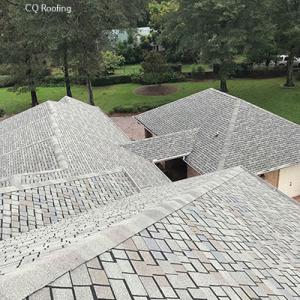
CQ Roofing Company
(850) 683-4169 www.cqroofing.com
750 Industrial Dr, Crestview, Florida
4.8 from 187 reviews
For over 25 years, CQ Roofing has been the trusted choice for homeowners in Okaloosa County, FL, for reliable roof repairs and replacements. We protect your home with honest guidance, quality craftsmanship, and durable roofs built for Florida’s climate. As a GAF Master Elite® Contractor (awarded to fewer than 3% of roofers), we offer the industry-leading GAF Golden Pledge® Ltd. Warranty—including lifetime shingle protection and up to 25 years of workmanship coverage—for your complete, long-term peace of mind. Locally owned and rooted in Christian values, we proudly support our community through organizations like Homes for Our Troops and the YMCA. Contact us today for a consultation! 📍 Serving Okaloosa County & Surrounding Areas
Guy Brothers Roofing & Siding
(850) 780-1448 guybrothersroofing.com
1502 S Ferdon Blvd, Crestview, Florida
4.9 from 37 reviews
Guy Brothers Roofing has been the top choice for professional Roof Installation in Northwest Florida for over 50 years. Florida homeowners have depended on Guy Brothers Roof Inspection & Roof Damage Repair to install the highest quality products, correctly, on-time, and at the best value. We finance and warranty all of our work and are the top Roofing Contractor in Northwest Florida.
Emerald Coast Roofing
(850) 324-4025 emeraldcoastroofingexperts.com
4125 Lakeview Dr, Crestview, Florida
5.0 from 17 reviews
Emerald Coast Roofing, LLC. is your roofing expert serving customers from Escambia to Bay county. We are a fully licensed and insured contractor located in Crestview, FL. Emerald Coast Roofing is known for being the "Home of the FREE Christmas ROOF Giveaway"! We are a local family owned business. As a TAMKO MasterCraft Pro Certified Contractor, we proudly offer TAMKO American made architectural shingles and also install metal roofs. We would love to provide you with a FREE estimate!
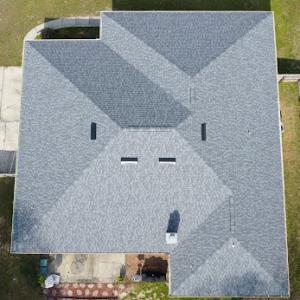
Skyline Roofing Contractors
(850) 585-0532 skylineroofingfl.net
Serving
5.0 from 35 reviews
At Skyline Roofing Contractors we acknowledge that your roofing system serves as the primary shield against mother nature, fulfilling a crucial role in protecting what's most important to you: your family and your business. Our number one commitment is to excel in customer satisfaction. We accomplish this by providing the best materials and customer service in Okaloosa County.
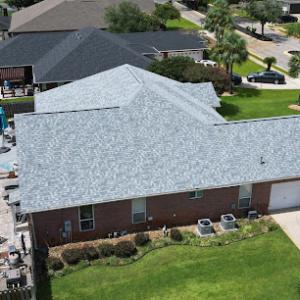
Holloway Roofing Unlimited
(850) 678-7663 hollowayroofing.com
Serving
4.7 from 376 reviews
Holloway Roofing – Niceville, Florida Located in the heart of Niceville, Florida, Holloway Roofing proudly serves all of Okaloosa and Walton County from our Niceville office. Specializing in both re-roofing and repairs, we are committed to delivering top-quality service. As an Owen’s Corning Platinum Preferred Contractor, we uphold the highest standards of excellence. We offer a full range of metal roofing options, from standing seam and screw-down roofs to Worthouse systems. Whether you’re in Niceville, Destin, Fort Walton Beach, or nearby, our skilled professionals ensure your home is both protected and beautiful. At Holloway Roofing, we take pride in our dedication and excellence.
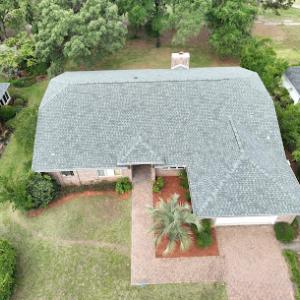
Coastal Roofing Professionals
(850) 729-7767 thecoastalroofers.com
Serving
5.0 from 110 reviews
We are your local Niceville Roofing Company. Our number one goal is customer satisfaction. Owner Greg Jolly feels that communication and following through on promises are what makes the companies foundation. We cover Niceville, Fort Walton Beach, Crestview and surrounding areas of Okaloosa County including the panhandle in Florida. Call Coastal Roofing Professionals to see the difference you deserve. Your hometown Niceville Roofing Company
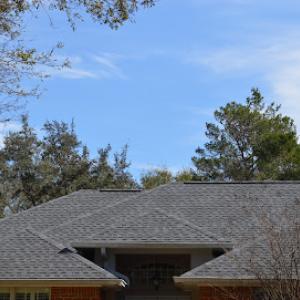
Warren Roofing
(850) 642-6075 www.warrenroofingflorida.com
Serving
5.0 from 29 reviews
Warren Roofing is “Committed to Top Quality Roofing.” Our primary focus is on reroofs and new roofs to asphalt shingle roofs and metal roofs. We pride ourselves on excellent roof systems and customer service. Putting our clients’ needs first, we ensure our customers are fully informed and answer any questions they may have from the initial estimate to the completion of work. All staff members are experienced, skilled, professional, courteous and knowledgeable about the roofing industry.
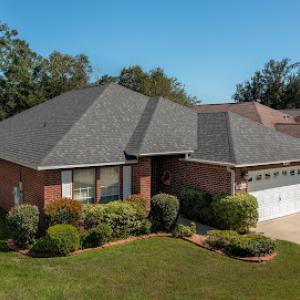
Quality Roofing Solutions
(850) 446-0416 qualityroofingsolutions.com
Serving
4.9 from 182 reviews
Quality Roofing Solutions, based in Fort Walton Beach, FL, provides top-notch residential and commercial roofing services. We specialize in installations, repairs, replacements, and maintenance using premium materials like asphalt shingles, metal, and flat roofing systems. Our team expertly handles storm damage, enhances curb appeal, and offers preventative care to ensure your roof’s longevity and performance. We pride ourselves on outstanding craftsmanship, safety, and customer satisfaction. Proudly serving the community, we offer military and senior citizen discounts. From minor repairs to complete replacements, Quality Roofing Solutions delivers reliable, customized results you can trust to protect your home or business.
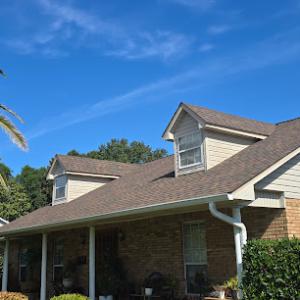
Generations Roofing
(850) 295-8090 www.proroofinstall.com
Serving
5.0 from 36 reviews
Generations Roofing provides residential and commercial roofing services to the Fort Walton Beach, FL area.
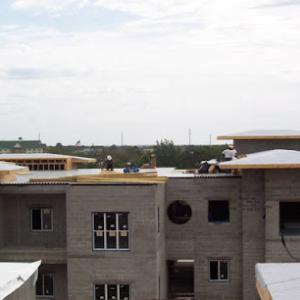
Specialty Roofers
(850) 974-7663 www.specialtyroofers.com
Serving
4.9 from 238 reviews
Specialty Roofers provides commercial and residential new roofing installations and roof repairs to Northwest Florida including Niceville, Freeport, Destin, Santa Rosa Beach, Crestview, Fort Walton Beach and surrounding areas.
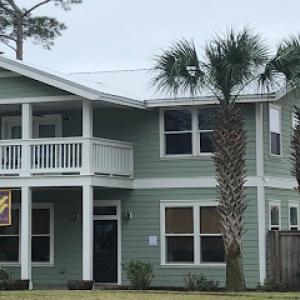
Elmer Cook Construction
(850) 865-6707 www.elmercookconstruction.com
Serving
4.9 from 45 reviews
Elmer began his career as a General contractor over 40 years ago and has specialized in Metal Roofing since 1995.
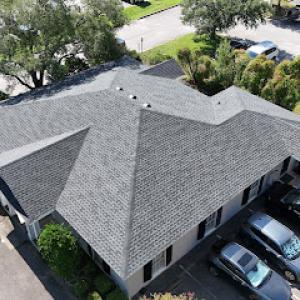
Patriot Roofing & Weatherproofing
(830) 220-0712 patriotroofing850.com
Serving
5.0 from 3 reviews
Proudly serving the Emerald Coast with all your roofing needs. Licensed and insured. We offer discounts for Military, Veterans and First Responders. Call today for a free inspection.
Typical local pricing runs about $350 to $550 per square for asphalt shingles, $700 to $1100 for metal, $900 to $1800 for clay tile, $800 to $1500 for concrete tile, $500 to $1100 for wood shingles or shakes, and $500 to $900 for synthetic or composite shingles. Those ranges reflect Crestview's inland Panhandle realities: sturdy materials that stand up to summer storms, plus the downshift in material availability you feel when a tropical system pushes work hard across Okaloosa County. When the weather window tightens, materials and labor costs can drift higher as crews stack up.
Storm timing matters. The bulk of inland Panhandle rain arrives as fast-moving bursts during the warm afternoons, especially after a heat spike. If a surge of wind-driven rain rolls through, a crew may need to pause to protect interior spaces, which can push a project a day or two beyond the original plan. In Crestview, where pine debris is common and docks of roofing material ride along streets after storms, expect short delays or a reshuffled crew schedule right after a big storm. That unpredictability can translate into higher labor costs if roofing work must be squeezed into a tighter post-storm window.
Costs in Crestview can rise after tropical systems or widespread thunderstorm damage when contractor schedules tighten across Okaloosa County and nearby Panhandle markets. If a system hits, you may see a spike in both availability and per-square pricing as crews chase backlogged work. Even in calmer stretches, seasonality affects material lead times and wind-code installation details, which can push labor and scheduling costs above a simple material-only estimate.
Asphalt remains the most budget-friendly option, while metal offers rapid installation and strong wind resistance, and tiles (clay or concrete) deliver long-term durability at a higher upfront price. The right choice for inland Florida panhandle conditions considers not just the intrastorm wind but the pattern of sustained rain and pine debris that often accompanies dry-downs between storms. If a storm is forecast, talking through potential lead-time shifts, staging, and temporary protective measures helps prevent last-minute cost jumps and stalled timelines.
In the inland Florida Panhandle, Crestview homeowners face a tightened insurance market where pullbacks and higher deductibles have become more common, especially in hurricane-prone areas. That reality means every roof project starts with careful documentation and clear expectations about how coverage may respond once a claim is filed. The goal is to prevent surprises later, when an adjuster visits or an insurer requests more information. If a policyholder delays gathering essential proof, the path to replacement can stall or stall longer than anticipated.
Before any storm damage is suspected, establish a thorough record of what your roof looked like last season. Clear, date-stamped photos of the entire roof, close-ups of shingles, flashing, and any noticeable wear or damage create a baseline that helps an adjuster differentiate between pre-existing conditions and storm-related issues. Keep a simple ledger of dates and tasks-when shingles were last replaced, when a wind-mmitigation feature was installed, and any structural work done nearby that could affect roof performance. For wind-driven rain events and volatile July storms, having this pre-loss documentation ready reduces the friction that often arises once a claim is submitted.
After a storm, focus on wind-mitigation features as a key piece of the recovery puzzle. Insurers increasingly scrutinize whether the roof includes items that reduce wind uplift, and that evaluation can influence the claim's trajectory. Photograph any visible storm-related damage from multiple angles, and document the surrounding area-the trees, debris, and roof lines impacted by the rain-driven gusts. When a claim is opened, expect an added layer of review from adjusters who may request deeper inspections or additional photo evidence. Having high-quality images and organized records speeds the process and helps you present a coherent picture of what occurred and what was in place beforehand.
In this region, some insurers delay coverage decisions or require extra adjuster input for a new roof claim. That reality makes timely, organized documentation essential. If there is a storm sequence, begin compiling photos and notes as soon as it's safe to access the roof. Maintain a consistent file of communications with the insurer-emails, claim numbers, adjuster reports-and keep copies of every photo labeled with dates and locations. The stronger your documentation, the smoother the path to a fair assessment and a more confident decision from the insurance side when it comes to replacement considerations.
Inland Panhandle storms bring bursts of wind-driven rain that can exploit gaps you don't always see. Underlayment laps, flashing at chimneys and vents, and ridge closures tend to fail first when wind pushes rain laterally under shingles or tiles. Even roofs that look intact from the ground can harbor moisture intrusion at laps where sealants have split or where fasteners have backed out under pressure. Expect to see accelerated wear around dormers and overhangs where wind channels rain along roof edges. Regularly inspect these critical joints after a heavy storm, and treat any damp blotches or staining as a warning sign rather than a cosmetic issue.
With strong summer thunderstorms common in the area, an installation schedule can shift fast. Dry-in stages become risky if afternoon storms roll in before roof openings are sealed and waterproofed. If activities are interrupted, temporary protections must be in place to keep rain out of exposed edges and roof penetrations. A rushed return to work after a thunderstorm can compromise sealants and flashing alignment, leaving hidden vulnerabilities that only show up after the next rain event. Plan for weather buffers and clear communiques with the crew to minimize vulnerable windows.
Heat and humidity in this climate push adhesives and sealants to cure faster or unevenly, which can cause gaps or weak bonding at critical corners, valleys, and vents. Material handling becomes more delicate because products can soften or sag in the sun, altering alignment and load paths. Workflows should prioritize cooler morning hours for critical sealant work and allow adequate cure times before any wind or rain can disturb the set. If a dry-in is delayed by heat, double-check all ridge and flashing connections once crews resume, since heat-induced movement can expose delayed vulnerabilities.
Crestview's inland residential setting commonly means more tree cover than beach communities, increasing the chance of branch impact, leaf buildup, and shaded roof sections that stay damp longer. Pine species common to the area drop needles year-round, and heavy summer thunderstorms can push debris into valleys and around penetrations. The result is a mosaic of dry patches and damp microzones that can slowly wear shingles, metal seams, or underlayment if left unchecked. Understanding where debris tends to accumulate helps you target maintenance where it truly matters.
Pine needles and organic debris can trap moisture in valleys and around penetrations, which is a practical maintenance issue for many Crestview homes. In shaded sections, moisture lingers longer after rain, inviting moss, mildew, andalgae growth on darker shingles or metal panels. This isn't just cosmetic; prolonged dampness can soften roof surfaces and hasten wear at vent seals, flashing joints, and valley intersections. Roofs with dense overhangs also collect more debris, creating a subtler layer of moisture that sneaks into attic spaces if ventilation is compromised.
You can reduce moisture hotspots by tackling debris before it breaks down. Schedule regular cleanouts of gutters and downspouts, and remove leaves from roof valleys and around penetrations after storms. Use a roof rake or a safe ladder-assisted method to clear pine needles from along eaves, fascia, and under shingles where possible. Trim back branches that overhang the roof to minimize immediate impact risk and shade-induced dampness. Check attic baffles and soffit vents to ensure airflow remains unobstructed, which helps moisture evaporate more quickly from the roof plane after rain. After heavy thunderstorms, inspect for embedded debris that may have shifted into the valley or around flashing, and reseal or replace any compromised seals promptly. This approach fits the inland Panhandle climate, where debris management and moisture control often matter more locally than salt exposure seen in coastal markets.