
Last updated: Apr 19, 2026
This neighborhood sits on a narrow coastal peninsula along Santa Rosa Sound, near Pensacola Bay, so your roof faces open-water wind and salt-laden air more than inland Florida markets. The combination of sea spray, high humidity, and intense sun accelerates aging, corrodes fasteners, and challenges flashing and edge details. Windborne debris from passing storms can strike with surprising force, and the salt air can creep into metal transitions, compromising performance long before you notice leaks. Understanding this exposure is the first step to choosing the right materials and installing them with robust, corrosion-resistant details.
Salt spray and humid coastal air don't just fade color; they actively eat at fasteners, flashing edges, and exposed metal accessories. In this market, hardware matters as much as the roof itself. Corrosion at nail heads, screws, and roof-to-structure connectors can loosen under repeated wind gusts, while edge metal and flashing seams may develop micro-leaks after several seasons of salt-laden rain. If fasteners look chalky or discolored, that's a warning sign. If flashing looks wavy, loose, or rusty, action is required. The result is not only a potential leak but a higher likelihood of wind-driven uplift at the eaves and hips during storms.
Gulf Breeze experiences a tropical-prone window from June through November, when storm activity peaks. Homeowners often aim to complete replacements in the drier months to reduce interruption risk, but that creates a bid for speed under pressure. A rushed installation in hurricane season can leave gaps in sealant, misaligned flashing, or overlooked corrosion-prone seams. When a replacement project stretches into the wet season, you risk accelerated wear before a proper cure or seal can take hold. Planning around the Gulf Breeze calendar means prioritizing durable, salt-resistant details and a careful sequence that minimizes exposure windows during high-risk months.
Durability here hinges on choosing fasteners, flashing, and metal accessories designed for salt exposure. Consider coatings or alloys with proven resistance to corrosion, and opt for longer-lasting sealants that tolerate frequent humidity swings. Roofing assemblies should feature reinforced edge protections, corrosion-resistant drip edges, and properly sealed penetrations for vents, pipes, and skylights. In wind-prone settings, ensure roof edges and hip lines have solid attachment that resists uplift, and verify that underlayment choices complement a coastal environment rather than relying on standard inland configurations. The goal is a continuous, sealed envelope that stands up to spray, sun, and storms without needing repeated resealing after every briny shower.
Inspect fasteners and flashing annually, focusing on exposed metal near eaves, ridges, and penetrations. If corrosion is visible or if sealant joints show cracking, schedule targeted maintenance before the next storm season. For a replacement, prioritize corrosion-resistant materials and hardware, verify proper installation detail continuity at every transition, and ensure the roof is designed to perform under uplift loads typical of Gulf Breeze wind profiles. In this market, proactive care and deliberate material choices reduce the risk of costly wind damage and salt-induced deterioration when storms roll in.
After tropical systems and wind-driven rain events, shingles can peel, granules shed, or edges lift, and older roofs may show hidden leaks that only appear during the next rain burst. This coast invites higher wind speeds and salt air that accelerates nail corrosion, flashing breakdown, and roof-penetrating gaps. The moment you notice lifted shingles, damp ceiling spots, or coastal odor within attic spaces, treat it as an urgent signal. Delayed responses here can transform minor problems into expensive replacements, especially on roofs shaped by sun, wind misalignment, and salt exposure.
Because coastal Florida insurers often ask for photos, prior-condition evidence, and wind-mitigation details, Gulf Breeze homeowners benefit from documenting the roof before and after named storms. Start a simple audit trail: take clear exterior photos from multiple angles after a dry day, note any curling, missing granules, or rusted fasteners, and capture attic signs of moisture or daylight intrusion around penetrations. Keep a dated set of roof diagrams and a list of original materials and any upgrades. After a storm, photograph interior ceiling stains, moisture trails, and attic ventilation conditions. This image trail helps when the adjuster requests evidence and can shorten claim timelines.
Higher regional storm-loss activity and reduced carrier appetite in some coastal Florida markets make claim handling and roof-age scrutiny especially important here. Insurers increasingly scrutinize how a roof performed under wind loads and salt exposure versus its age. The resilience of fasteners, underlayment, and flashing is scrutinized more closely than inland markets. Regular maintenance-such as resealing fasteners, inspecting fascia and soffits for corrosion, and addressing moss or algae growth that accelerates moisture penetration-becomes a form of ongoing risk management rather than a one-off upgrade.
If wind and rain have battered the roof, perform a safe, controlled inspection from the ground, noting any lifted shingles, damaged flashing, or signs of water intrusion inside the attic. Do not climb the roof if shingles are loose or if gusts remain hazardous. Secure or tarp obvious openings only if it can be done without stepping on damaged areas. Contact a local, reputable roofer with storm-repair experience to perform a professional assessment promptly. Request a written evaluation that outlines the remaining life of the roof, targeted repairs, and any wind-mmitigation improvements that can bolster future performance and claim outcomes. Keep repair records organized and ready for the insurer's review, including contractor invoices and a log of communications.
Connect with contractors who help homeowners navigate the claims process from damage assessment to final approval.
Floridas Roofing & Construction Group
(850) 920-7663 floridasroofingpros.com
1827 Cowen Rd, Gulf Breeze, Florida
4.6 from 22 reviews
Fields Roofing
(850) 934-7181 fieldsroofing.net
2953 Westfield Rd, Gulf Breeze, Florida
4.4 from 67 reviews
Fields Roofing provides quality work at a discounted price. Specializing in residential and commercial roof repairs and replacements.
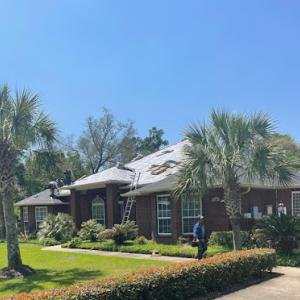
Floridas Roofing & Construction Group
(850) 920-7663 floridasroofingpros.com
1827 Cowen Rd, Gulf Breeze, Florida
4.6 from 22 reviews
Looking for high-quality roofing services in Florida? Look no further than Florida's Roofing and Construction Group! Our team of experts is here to help with all of your roofing needs. We offer a wide range of roofing products, including asphalt shingles, metal roofing, tile roofing, slate roofing, cedar shakes, and synthetic roofing materials. We also provide a comprehensive range of services, including repairs, replacements, inspections, leak detection and repair, gutter installation and repair, skylight installation and repair, attic insulation and ventilation, roof cleaning and maintenance, storm damage repairs, emergency roof repairs, and insurance claims assistance.
Solid Roofing
(850) 307-5550 www.solidroofinginc.com
Serving
4.7 from 62 reviews
Solid Roofing, Inc provides roofing and exterior services to the Pensacola, FL area.
Buckworth Roofing
(850) 852-1068 buckworthroofing.com
Serving
5.0 from 241 reviews
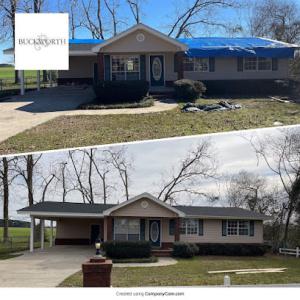
Buckworth Roofing, located at 4300 Bayou Blvd. Suite 35B in Pensacola, Florida, is your go-to roofing contractor dedicated to exceptional roofing services, including roof inspection, roof replacement, and shingle roofing. Serving the greater Pensacola area and surrounding communities like Milton, Pace, Navarre and Gulf Breeze, our team boasts over 30 years of combined experience in residential roofing. Certified and highly rated, Buckworth Roofing specializes in cost-effective, top-notch roofing solutions featuring asphalt shingles and various high-quality systems. Trust us for all your roofing needs in Pensacola, ensuring quality, safety, and a seamless experience. Contact us today for your free estimate!
Mark Taylor Construction
(850) 407-7663 www.taylorroofing.com
Serving
4.7 from 93 reviews
Residential and Commercial Roofing Services serving Pensacola and surrounding areas. We provide top quality roof repair and roof replacement.
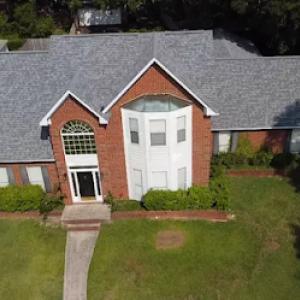
Elite-Pro Roofing & Construction
Serving
5.0 from 89 reviews
Protect your largest investment with our reliable roofing services. We are a locally owned and operated roofing company currently serving Pensacola, FL and surrounding communities. If you want to make your roof last as long as possible, it is vital that you never put off a roof repair. Small issues with roofing become big issues in a hurry. No matter how major or minor the repair you need, we are here to help. We offer roofing contracting, metal roofing , and flat roofing
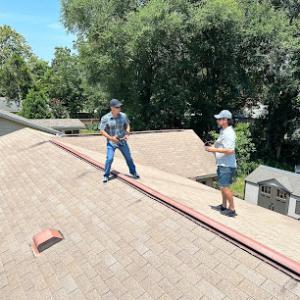
Hennessey Roofing
(850) 860-9145 hennesseyroofing.com
Serving
5.0 from 13 reviews
At Hennessey Roofing, we specialize in both residential and commercial roofing services in the Florida pan handle. We offer high-quality roof installation, replacement, and repair services for residential properties, using only the best materials to ensure your home is protected. For commercial properties, we provide expert repair and replacement services to keep your business running smoothly. Our team of skilled professionals has years of experience and can handle any roofing project, big or small. Contact us today for reliable and affordable residential and commercial roofing services in Florida
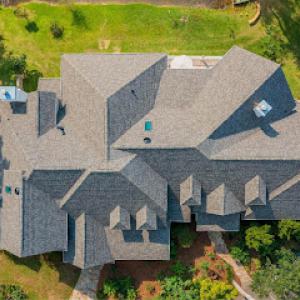
Quality Roofing Solutions
(850) 753-0851 qualityroofingsolutions.com
Serving
4.9 from 1077 reviews
Since 2006, we've proudly served the stunning Gulf Coast, spanning Orange Beach to Panama City and Central Florida, from Ocala and Orlando to Lakeland and Kissimmee. Our roofing experts offer a full spectrum of services: inspections, storm damage repairs, and complete replacements, tailored for both residential and commercial clients. Florida is our home, giving us an edge in understanding local weather dynamics and crafting roofs that excel against Mother Nature's challenges. We invite you to experience our commitment by requesting a free, comprehensive roof inspection for your home today.
Inspire Roofing
(850) 332-4081 inspireroofingfl.com
Serving
5.0 from 9 reviews
Inspire Roofing serves homeowners in Florida, with Roof Repair, Roof Replacement, and Roof Leak Repair. Experience the Inspire roofing craftsmanship that elevates your home’s style and protection. At Inspire, we believe better execution comes from our equal dedication to quality, durability, and style that meet and exceed our customers' expectations. Contact one of our experts today for a no-obligation comprehensive roof evaluation and quote.
Guy Brothers Roofing & Siding
(850) 780-1439 www.guybrothersroofing.com
Serving
4.7 from 583 reviews
From Northwest Florida to Mobile, AL, Guy Brothers Roofing and Siding has been the top choice for professional roofing services for over 50 years. And now the company has expanded to include complete siding service and replacement doors and windows for siding clients. Florida homeowners have depended on the Guy Brothers team to install the highest quality products, correctly, on-time, and at the best value. Our experts handle residential and commercial roof inspections, repair and installation. They also do roof additions, gutter installation and repair, siding, and more! We finance and warranty all of our work. Call today to find out more and get the exceptional service you deserve!
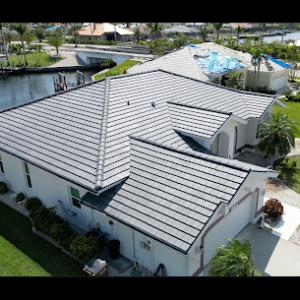
Total Home Exteriors of Florida
(850) 206-9669 totalhomeexteriorsflorida.com
Serving
5.0 from 16 reviews
A roofing company based in Pensacola Florida - proudly serving all of Florida.
PF Roofing
Serving
5.0 from 24 reviews
Whether you require roof repair or a completely new roof installation, you can feel confident your roof is in good hands with PF Roofing. We are roofing contractors who excel at shingle roofing, metal roofing, and tile roofing. We've been a local choice for roofing expertise in Pensacola, Milton, Navarre, and Gulf Breeze, FL for over 25 years. Call us today.
Asphalt shingles remain common in Gulf Breeze, but prolonged UV exposure, humidity, and storm uplift risk make installation quality and wind-rated assembly especially important. When choosing asphalt, focus on impact-resistant and high-wind-rated options, and verify the workmanship warranty tied to a wind load appropriate for a hurricane-prone peninsula. Local homes often benefit from a reinforced underlayment and proper nailing patterns to resist uplift. Pay attention to accurate attic ventilation to reduce heat and moisture buildup that can accelerate shingle deterioration. A coastal rain sequence can drive accelerated granule loss, so select a shingle with robust UV resistance and consider additional cresting or gutter protection strategies to keep the roof line clear during heavy downpours.
Metal roofing is a strong local fit because of coastal wind performance and popularity in this market, but Gulf Breeze installations must account for salt-air effects on fasteners, trims, and dissimilar-metal contact. Choose a metal system with corrosion-resistant coatings and a proven salt spray performance. Use sealant details that resist salt creep and consider hidden or foam-filled fasteners with proper gaskets to minimize loosening over time. Prevent galvanic corrosion by spacing or isolating dissimilar metals-aluminum trims with steel fasteners may require protective coatings or sleeves. Ensure the panel overlaps are neatly integrated to reduce wind-driven water ingress, and inspect edge flashings and ridge lines regularly after storms. A coherent color and coating strategy can also reduce heat buildup on exposed surfaces in bright sunshine.
Tile roofs appear on higher-end coastal homes in the area, but their weight, breakage risk in repairs, and accessory detailing matter more in a hurricane-prone peninsula setting. Concrete and clay tiles provide excellent longevity and a strong wind performance when installed with proper underlayment and rack systems. However, heavy tiles demand a structural assessment to confirm framing support and a careful evaluation of roof penetrations for vents, skylights, and electrical fixtures. In repair scenarios, anticipate increased difficulty and cost to replace individual tiles versus other materials, and plan for matching textures and colors to preserve curb appeal. Pay close attention to flashing around chimneys and dormers, as salt air can accelerate joint degradation. For coastal storms, ensure the roof system uses a secure, continuous weather barrier beneath the tiles and that fasteners are compatible with the tile type to reduce crack propagation during high wind events.
On the peninsula, hurricanes, salt air, and intense sun age roofs differently than inland Florida homes. In Gulf Breeze, coastal detailing matters: upgraded fasteners, corrosion-resistant components, and wind-focused installation practices can push projects above inland expectations. When you start planning, use the local ranges as a starting point: asphalt shingles typically run around $450-$750 per square; metal roofs $900-$1300 per square; clay tile $1100-$1600 per square; concrete tile $900-$1400 per square; wood shingles or shakes $700-$1100 per square; and EPDM roofing about $4.50-$8.00 per square foot.
If you choose asphalt shingles, you'll likely see the most budget-friendly option, but expect sharper wear from salt spray and sun over time. For metal, you'll gain better wind resilience and longer life, but coastal hardware and coatings add to the price. Clay and concrete tiles offer strong durability against wind and heat, yet their weight and installation sensitivity to fasteners may require structural checks and higher labor costs. Wood shingles or shakes deliver a classic look but can be more demanding against humidity and salt air, with higher maintenance needs. EPDM is a specialty choice for flat or low-slope sections and tends to be the most cost-efficient per square foot, though installation in a coastal environment requires precise detailing to resist wind flow and UV exposure.
Coastal projects frequently incur incremental costs beyond the base material price. Expect adjustments for corrosion-resistant fasteners, sealants, flashings, and edge metal, plus additional attention to underlayment and ventilation to withstand Gulf breezes and tropical humidity. Wind-focused installation practices may require more fasteners per sheet or panel, higher-grade fasteners, and anchoring methods tuned to the local wind profiles. These details are not optional on the peninsula; they are part of achieving a durable, long-lasting roof in this environment.
During or after tropical events, Gulf Breeze experiences a surge in regional demand as crews shift to emergency work and insurance-driven replacements. This surge can push prices upward across all materials and labor, and lead times can lengthen. If your project timeline overlaps with post-storm activity, expect not only higher quotes but potential constraints on available materials and crews. Planning ahead and securing a knowledgeable local crew early helps stabilize costs.
Don't let upfront costs delay a critical repair - these contractors offer payment plans to fit your budget.
Guy Brothers Roofing & Siding
(850) 780-1439 www.guybrothersroofing.com
Serving
4.7 from 583 reviews

A full re-roof in Gulf Breeze typically requires a permit through the local building department serving Santa Rosa County jurisdiction. Before any shingle tear-off begins, verify the project scope with the county's plan review office and your contractor's permit package to ensure all details align with current code updates, coastal wind provisions, and local amendments. Have the project address, property dimensions, and roof framing notes on hand, because inspections and permit records hinge on precise, up-to-date information. Coordinating early with the permit office helps prevent delays once materials arrive and crews are ready to work.
The normal inspection flow includes a check after tear-off and another after installation so inspectors can verify underlayment, nailing patterns, and overall compliance. During the tear-off phase, expect the inspector to confirm that the old deck is fully removed and that a clean, sound substrate remains capable of accepting the new underlayment and roof system. After installation, the focus shifts to fastener patterns, flashing integrity, alignment of ridge and hip components, and the overall conformity to wind-resistance requirements. Keep access clear for the inspectors and have all installation receipts and design specifics available for review.
Because Gulf Breeze is in a wind-sensitive coastal part of Florida, wind-related requirements may receive added attention depending on the project scope. Expect heightened scrutiny around edge-fastening methods, strap ties, and proper installation of impact-resistant or high-wind-rated components if the project area has specific allowances or recent code updates. If the existing roof lives near the Santa Rosa Sound, the inspector will look closely at how fasteners interact with the deck, plus how closely the underlayment and drip edge are integrated with coastal details such as sea-salt exposure, sun-bleached hardware, and corrosion risks.
Start by confirming whether any retrofit wind calculations or hurricane-resistant enhancements are recommended or required for your home style and roof pitch. Have your contractor prepare a complete permit package, including product certifications, installation manuals, and attachment diagrams, so the county reviewer can move efficiently through plan review. On the day of tear-off, arrange a clear staging area and establish a communication plan with the contractor for any adjustments the inspector might request, minimizing downtime and ensuring the new roof proceeds with coastal resilience in mind.
Property insurance in this peninsula stretches under a Florida coastal umbrella with higher wind-claim frequency and storm-loss pressure than inland markets. Homeowners will find carriers more sensitive to risk factors such as roof age, prior storm events, and whether mitigation features are in place. The landscape can shift quickly after a hurricane season, so coverage choices may feel leaner than expected.
In this environment, underwriting questions are common and come with real consequences. Expect insurers to examine age, material type, and any history of wind-related damage or repairs. Coastal markets tend to tighten availability, and a few carriers may pause or re-price options after major storms. Honest disclosures and demonstrable resilience features can matter more than you think.
For Gulf Breeze claims, keeping thorough, date-stamped photos before and after events is invaluable. Collect repair invoices, permit records, and evidence of pre-storm condition. When adjusters review wind-related losses, clear documentation helps establish a baseline and can support coverage decisions. If something was altered or upgraded, having records ready can prevent disputes.
Maintain a current inventory of roof materials, including installation dates and any patchwork from past storms. If you've installed impact-resistant features or weatherproofing upgrades, assemble documentation that proves mitigation measures were implemented. In a coastally stressed market, preparedness reduces the friction that often accompanies wind-claim reviews and helps align expectations with what insurers can honor.
Leaking around flashing transitions is a common trouble spot in this peninsula climate. Where roof planes meet chimneys, vent pipes, and step-downs, salt air and hurricane-driven wind stress quietly widen gaps over time. Exposed fastener points on metal roofs or edge details can corrode or loosen, letting salt-laced rain find a path behind the protective layer. The reality here is that even small gaps become quick conduits during a bay-side downpour, especially after a season of sun exposure and humidity. Focus your attention on drum-tight integrity at these transitions, verify sealants where materials meet, and vigilantly monitor any staining or staining halos that march away from joints after a storm. Small issues become big problems if left unchecked on a narrow coastal shelf.
Low-slope sections and EPDM-covered additions, porches, and mixed-roof configurations deserve particular vigilance. Summer downpours can overwhelm poorly drained zones and seam connections in minutes, exposing weak seams or punctured laps. In Gulf Breeze's humidity, expanded sealants and misaligned seams age faster, so drainage must be assessed not just after a storm but in the heat of summer when the roof is hottest. Check for ponding, undercut edges, and any membrane wrinkles or fastener pop-ups. A cascade of fast dripping at a single seam often signals a broader drainage problem that invites accelerated wear from salt spray and sun exposure.
Skylights and other penetrations deserve extra scrutiny because sealants and surrounding flashings weather faster under coastal sun, humidity, and storm cycling. The intensified solar heat can soften sealants, while salt air accelerates breakdown of surrounding metals and plastics. Inspect around skylight flanges for cracks, seeps, or lifted edges, especially after strong winds or multi-day heat. Handy checks after each major storm cycle can prevent leaks from migrating in behind the flashing and quietly compromising roof decks or attic spaces.
Find contractors experienced in skylight installation, flashing, and leak repairs to bring natural light into your home.
Floridas Roofing & Construction Group
(850) 920-7663 floridasroofingpros.com
1827 Cowen Rd, Gulf Breeze, Florida
4.6 from 22 reviews
Summer in this peninsula climate is a real variable. Afternoon thunderstorms, blistering heat, and tropical moisture can interrupt a project started in clear morning weather. If a crew plans to tear off and install on a hot day, brief afternoon squalls can push work into the evening or next day, especially on steeper sections near the water. To keep momentum, schedule critical roof work for first thing in the morning and build a weather buffer of a half-day to accommodate sudden gusts or brief downpours. Have a clear plan for securing shingles and underlayment during brief pauses so panels don't sit exposed in intense sun.
Hurricane season creates both weather delays and contractor backlogs, so homeowners on the peninsula often face longer lead times after named storms. It helps to align the crew's arrival with a calm stretch after a tropical storm threat passes, even if that means delaying non-urgent tasks by a week. Keep communication tight: confirm arrival windows, backup dates, and material staging areas in advance. After a storm, expect debris cleanup to take priority, and plan for a day or two of additional drying time before venting or attic insulation work resumes.
Even mild winter fronts can bring windy workdays that affect tear-off and installation on steeper roofs near the water. In Gulf Breeze, persistent breezes can compromise shingle seating or tile alignment. Schedule the riskiest tasks for lighter, calmer mornings when winds are subdued, and use extra caution on slopes overlooking the Santa Rosa Sound. If a weather window narrows, prioritize securing vulnerable edges and temporary weatherproofing to minimize wind-driven uplift during installation.
In this market, you will notice a strong emphasis on fast response. Homeowners routinely need tarping, leak control, and rapid post-storm inspections to limit further damage. When you call for a roof assessment, expect the estimator to discuss immediate temporary measures and a clear plan for getting the roof secured quickly. This isn't a one-and-done visit; it's a coordinated effort to minimize exposure to salt air and sun when time is critical.
Residential re-roofing and cleanup are common expectations, reflecting the coastal housing stock and how often roofs are replaced rather than patched. When discussing options, assess which systems stand up best to hurricane winds and salty exposure. Ask about installation details that specifically address coastal aging-wind-rated underlayment, corrosion-resistant fasteners, and sealants that perform under heavy sun and heat. A contractor should be able to explain how products perform over the long term in this peninsula environment.
Because both local and Pensacola-area contractors compete here, the choice often comes down to service structure as much as product. Before signing, verify who handles debris removal, cleanup at the end of the project, and what happens if a recurring leak appears after the crew leaves. It helps to know whether the same crew will be handling follow-up inspections and any warranty service, especially after storm seasons when issues tend to surface.
Look for teams with a track record of coastal installations, not just inland projects. Ask for recent local references and photos of similar homes that endured the salt-air, sun, and wind. Verify that the crew uses coastal-grade materials and has a plan for edge detailing, flashing in high-wind zones, and secure ridge and hip components. A clear, locally grounded explanation of how the roof will respond to Gulf storms helps separate genuinely prepared bidders from generic options.
During conversations, request a written schedule that includes storm-response readiness, temporary protection plans, and a defined cleanup sequence. Confirm who will be the point of contact on storm days and how quickly the team can mobilize if another round of weather hits. A dependable Gulf Coast crew treats rapid accessibility as a core service, not an afterthought.